High Standard Stainless Steel With Strict Inspection


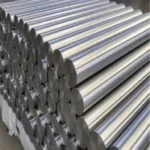
Duplex Stainless Steel
Complete Technical Data Sheet for Duplex Stainless Steel Chemical Composition Mechanical Properties Physical Properties International Standards & Grade Equivalents Key Applications of Duplex Stainless Steel Oil and Gas Industry Utilized extensively for pipelines, pressure vessels, and heat exchangers, duplex stainless steel resists sour gas environments and offers outstanding fatigue and stress corrosion resistance—critical for offshore […]
Description

Explore Our Duplex Stainless Steel Grades

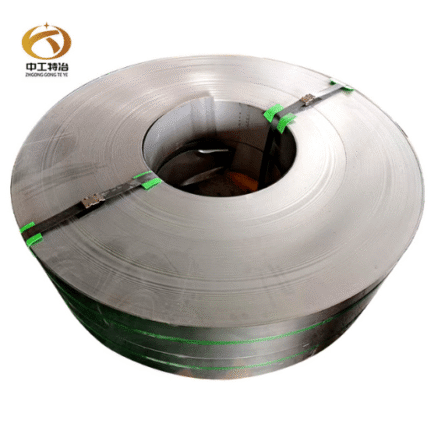
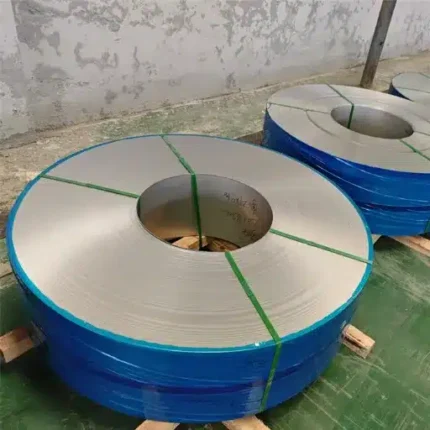
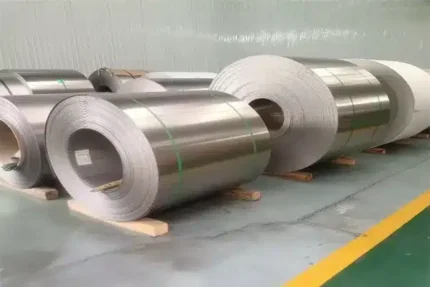
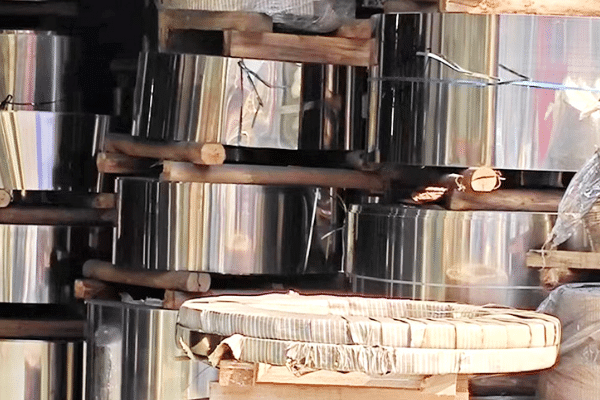
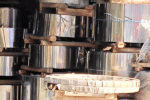
Duplex Stainless Steel Coils
Our Duplex Stainless Steel Coils are the ideal starting point for high-performance manufacturing. Their superior strength allows for thinner gauges, reducing weight and cost in applications like tube production, tank shells, and structural stamping where corrosion resistance is key.

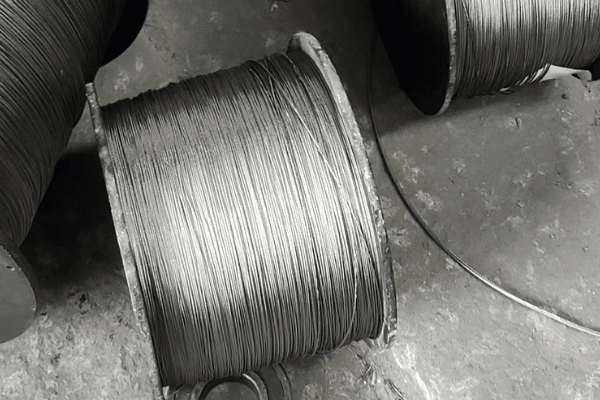
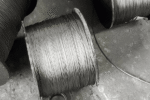
Duplex Stainless Steel Wire
Available as both a high-strength welding filler and for component manufacturing, our Duplex Stainless Steel Wire offers exceptional tensile strength. Its outstanding resistance to chloride corrosion makes it ideal for fasteners, springs, and woven mesh in marine or chemical environments.

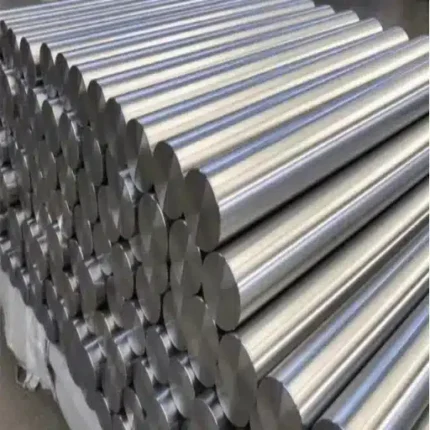
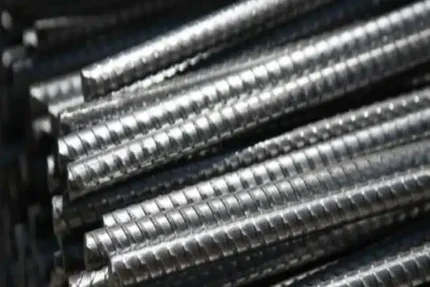
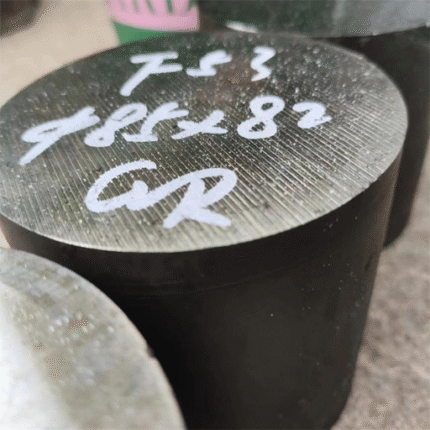
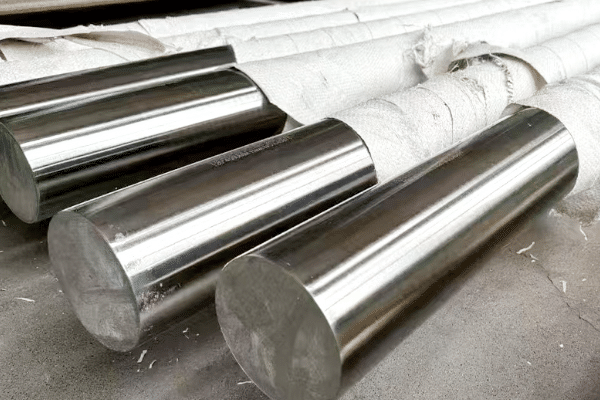
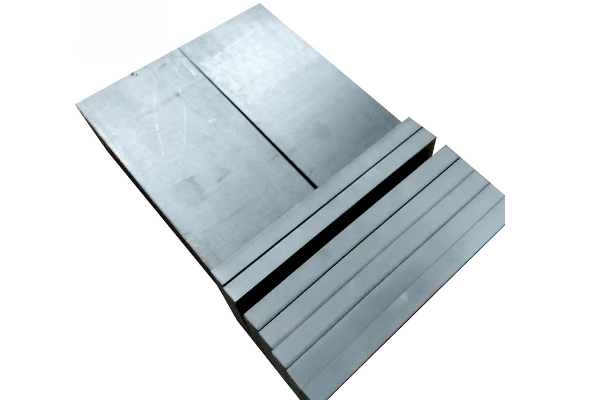
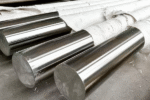
Duplex Stainless Steel Bars
Available in round, square, and hexagonal profiles, our Duplex Stainless Steel Bars are a high-strength machining stock for robust components. Their superior mechanical properties and corrosion resistance make them ideal for shafts, fasteners, and valve parts used in corrosive service.

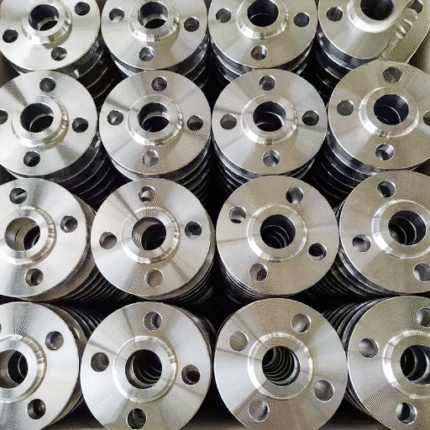
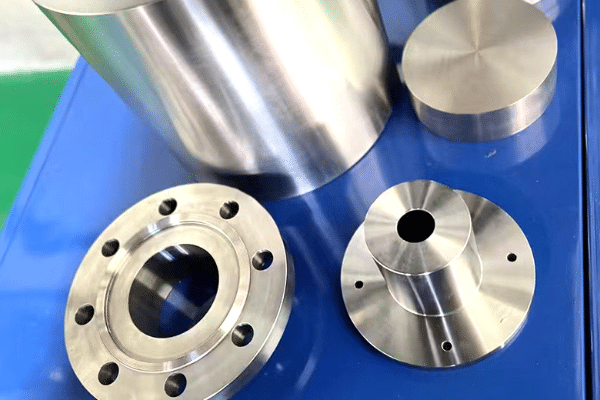
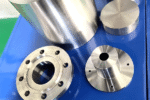
Duplex Stainless Steel Forgings
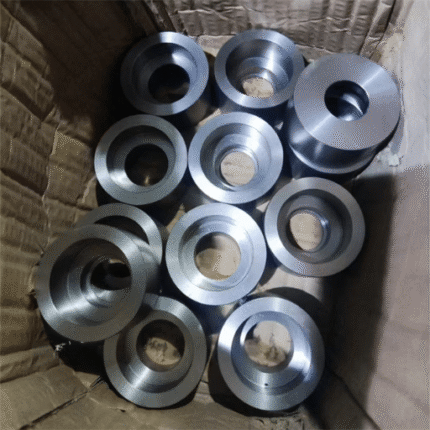
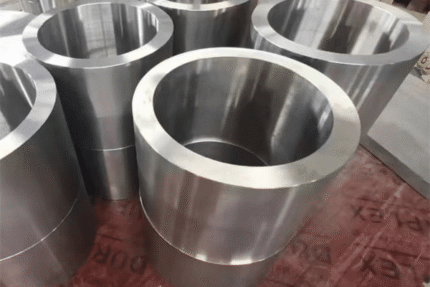
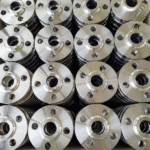
For critical, high-pressure service, our Duplex Stainless Steel Forgings deliver unmatched reliability. The forging process enhances the material’s inherent strength and toughness, making it the premier choice for durable valves, flanges, pump shafts, and subsea equipment.

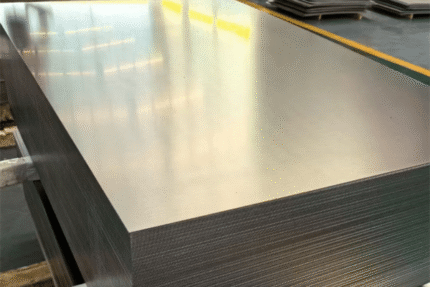
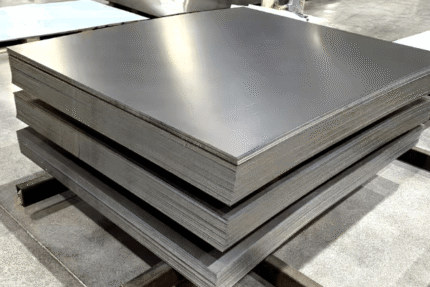
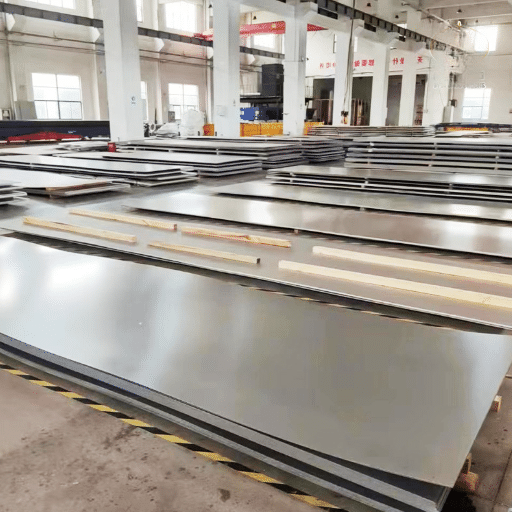
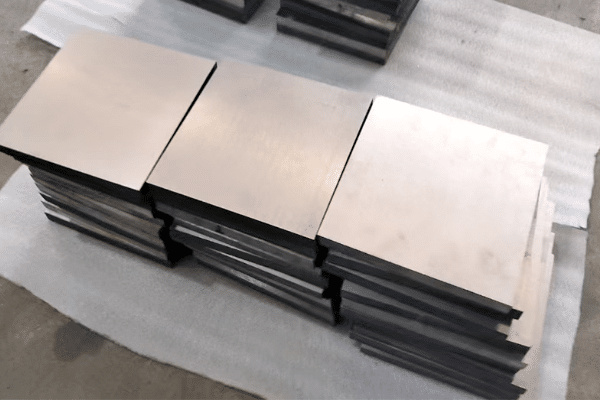
Duplex Stainless Steel Plates
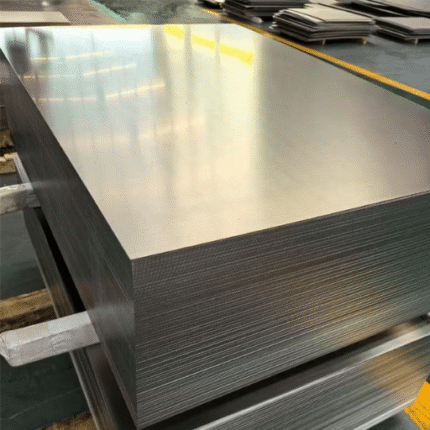
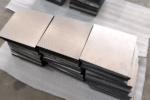
Engineered for demanding structural and industrial applications, they are the perfect material for fabricating robust pressure vessels, storage tanks, and structural components where both durability and weight savings are crucial.

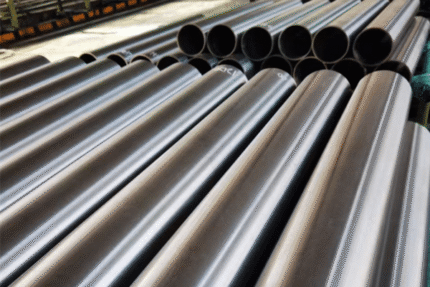
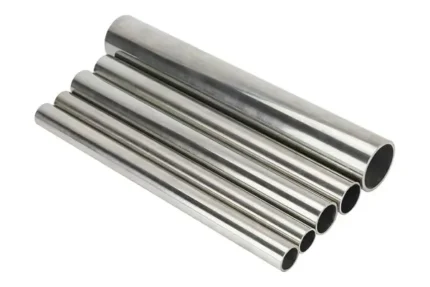
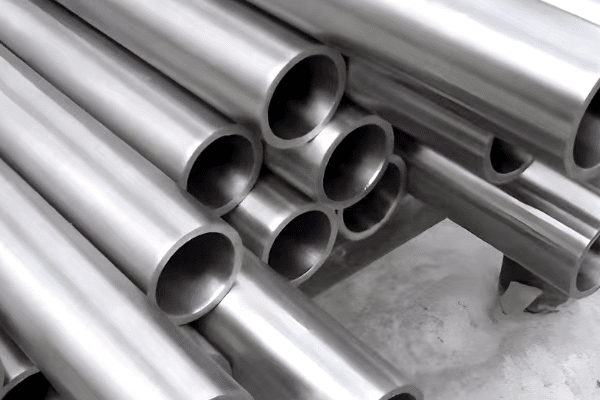
Duplex Stainless Steel Pipes
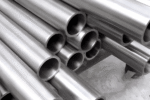
Our Duplex Stainless Steel Pipes are twice as strong as standard austenitic grades, allowing for thinner walls and significant cost savings. Their exceptional resistance to stress corrosion cracking makes them ideal for oil & gas, desalination, and chemical processing pipelines.
Complete Technical Data Sheet for Duplex Stainless Steel
| Element | 2205 / S32205 (wt%) |
|---|---|
| Carbon (C) | ≤ 0.030 |
| Chromium (Cr) | 22.0 – 23.0 |
| Nickel (Ni) | 4.5 – 6.5 |
| Molybdenum (Mo) | 3.0 – 3.5 |
| Manganese (Mn) | ≤ 2.0 |
| Silicon (Si) | ≤ 1.00 |
| Phosphorus (P) | ≤ 0.030 |
| Sulfur (S) | ≤ 0.020 |
| Nitrogen (N) | 0.14 – 0.20 |
| Property | Typical Minimum Values |
|---|---|
| Tensile Strength | 620 MPa (90 ksi) |
| Yield Strength (0.2% Offset) | 450 MPa (65 ksi) |
| Elongation | 25% |
| Hardness (Brinell) | ≤ 293 HBW |
| Hardness (Rockwell C) | ≤ 31 HRC |
| Impact Strength (Charpy) | ≥ 100 J |
| Property | Typical Value at 20¡ãC (68¡ãF) |
|---|---|
| Density | 7.8 g/cm³ (0.282 lb/in³) |
| Modulus of Elasticity | 200 GPa (29,000 ksi) |
| Thermal Conductivity | 15 W/m·K |
| Coefficient of Thermal Expansion | 13.7 µm/m·°C (from 20-100°C) |
| Electrical Resistivity | 0.80 µΩ·m |
| PREN (Pitting Resistance Equivalent Number) | ≥ 35 |
| Standard | Equivalent Grade Designation |
|---|---|
| UNS | S31803 / S32205 |
| EN (European Standard) | 1.4462 |
| JIS (Japanese Standard) | SUS 329J3L |
| ASTM | A240, A276, A479, A789, A790, A923 |
| ASME | SA240, SA276, SA479, SA789, SA790 |
Mechanical Properties of Duplex Stainless Steels

Impact of Heat Treatment on Properties
Heat treatment plays a pivotal role in refining the properties of duplex stainless steels. The cooling rate after welding or heat treatment can affect the balance of austenite and ferrite phases, influencing mechanical properties and corrosion resistance. Proper heat treatment ensures the optimal distribution of these phases, which is essential for maintaining the high strength and corrosion resistance these alloys are known for, particularly in super duplex grades.
Duplex vs. 304 Stainless Steel
When comparing duplex stainless to the widely used 304 austenitic stainless steel, significant differences emerge. Duplex steels offer a higher yield strength, approximately double that of 304 grades, making them more suitable for structural applications. Additionally, their enhanced corrosion resistance, especially against chloride pitting, provides an advantage in environments where 304 stainless might succumb to corrosion. The cost-effectiveness of duplex steels further adds to their appeal in industrial sectors.


Key Mechanical Properties
The mechanical properties of duplex stainless steels are a testament to their superior performance. These alloys exhibit high strength and exceptional toughness, primarily due to their dual-phase microstructure of austenite and ferrite. The combination of these phases results in a tensile strength that surpasses many standard austenitic stainless steels, such as the 316 grade. Moreover, duplex stainless steels show remarkable resistance to fatigue and stress corrosion, crucial for demanding applications.
Super Duplex vs. Duplex Stainless Steel
While both duplex and super duplex stainless steels share similar characteristics, the key differences lie in their composition and performance. Super duplex stainless steel contains higher amounts of chromium, molybdenum, and nitrogen, enhancing its strength and corrosion resistance beyond that of standard duplex grades. This makes super duplex alloys particularly suitable for challenging conditions, such as those found in offshore oil and gas operations where chloride stress corrosion is a common concern. The choice between duplex and super duplex often depends on the specific requirements of the application.

Key Applications of Duplex Stainless Steel
Oil and Gas Industry
Utilized extensively for pipelines, pressure vessels, and heat exchangers, duplex stainless steel resists sour gas environments and offers outstanding fatigue and stress corrosion resistance—critical for offshore platforms and subsea installations.
Chemical Processing Plants
Ideal for storage tanks, reactors, and pipework, duplex grades withstand aggressive chemicals and fluctuating temperatures, ensuring plant reliability and safety in highly corrosive processing environments.
Marine and Shipbuilding
Essential for fabricating hulls, decks, propeller shafts, and ballast tanks, duplex stainless steel endures constant saltwater exposure and mechanical stress, significantly reducing maintenance intervals for ships and marine structures.
What Our Clients Say
“Switching to duplex stainless steel for our offshore platform piping has been a game-changer. We’ve completely eliminated the stress corrosion cracking issues we previously faced with 316L. Its high strength also allowed us to reduce the wall thickness, leading to significant weight and cost savings without compromising on safety.”

David Chen
Lead Materials Engineer
“We specified duplex for the heat exchangers in our new chemical processing plant, and the performance has been outstanding. The combination of high strength and superior resistance to pitting and crevice corrosion is exactly what we needed for this aggressive environment. It’s a highly reliable material that provides true peace of mind.”

Sarah Jenkins
Lead Design Engineer
Our Latest Blogs

Alloy 625 Severe Sour Gas Service: Complete Guide
Alloy 625 is the default nickel-based alloy for severe sour gas service, qualified under NACE MR0175/ISO 15156 for all H2S…

Super 13Cr Stainless Steel: CO2 & Sour Service Guide
Super 13Cr stainless steel is a low-carbon, nickel- and molybdenum-strengthened martensitic grade (UNS S41425, S41426, S41427) built to outlast conventional…

Inconel 718 vs 725 vs 925: The Complete Selection Guide
Inconel 718, 725, and 925 are all age-hardenable nickel alloys, but each is built for a different job. Choose Inconel…

Duplex Stainless Steel Sour Service: 2205 vs 2507 Limits
Yes, duplex stainless steel sour service is practical and proven, but only within defined NACE MR0175/ISO 15156 limits. Standard duplex…

What Is Sour Service? H2S Environments Explained
Sour service is oil and gas equipment exposure to hydrogen sulfide (H2S) that can crack steel and other alloys. Under…

Sulfide Stress Cracking: Hardness Limits & Prevention
Sulfide stress cracking (SSC) is a form of hydrogen embrittlement that occurs when high-hardness steel under tensile stress is exposed…

NACE MR0175/ISO 15156 Explained: Sour Service Guide
NACE MR0175/ISO 15156 is the international standard that governs metallic materials for oil and gas production environments containing hydrogen sulfide…

How to Select Corrosion-Resistant Alloys for Sour Service
To select a corrosion-resistant alloy for sour service, characterize the environment first, classify sour severity by H2S partial pressure, screen…
Frequently Asked Questions
What is duplex stainless steel?
Duplex stainless steel is a family of stainless alloys with a mixed microstructure of austenite and ferrite, offering high strength and excellent resistance to corrosion.
How does duplex stainless steel compare to 304 stainless steel?
Duplex grades provide higher strength, significantly better resistance to stress corrosion cracking and pitting, and greater durability in aggressive environments compared to 304 stainless.
What are super duplex grades like 2507 used for?
Super duplex 2507 is designed for highly corrosive conditions, such as offshore oil and gas, desalination plants, and chemical processing where superior strength and resistance are needed.
Are duplex steels difficult to weld or fabricate?
Duplex steels generally have good weldability. However, proper procedures and qualified personnel are important to preserve their balance of properties.
What makes duplex stainless steel more corrosion-resistant?
The high levels of chromium, molybdenum, and nitrogen in duplex alloys enhance resistance to pitting, crevice corrosion, and stress corrosion cracking.
Can duplex stainless steel save costs over the long term?
Yes. Its superior strength allows for thinner sections and its durability reduces maintenance, repair, and replacement costs—making it cost-effective over time.
Is duplex stainless steel suitable for high-temperature applications?
Duplex grades perform well up to moderate temperatures (typically up to 300°C/572°F); above this, they may lose toughness or become brittle.
How do I maintain duplex stainless steel components?
Regular inspections, avoiding harsh cleaning chemicals, and promptly removing deposits or contaminants will maximize service life and performance.
Shipping and Delivery