


316/316L Stainless
Complete Technical Data Sheet for 316/316L Stainless Chemical Composition Mechanical Properties Physical Properties International Standards & Grade Equivalents Key Applications of 316/316L Stainless Offshore and Subsea Infrastructure Offshore oil platforms, subsea manifolds, and marine structural components demand materials that withstand saltwater immersion, cyclic loading, and maintenance-hostile environments. 316 stainless steel serves in deck equipment, piping […]
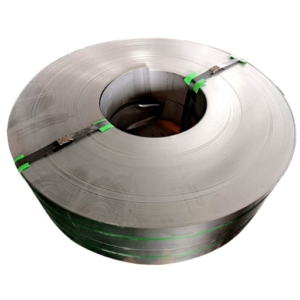
316/316L Stainless Steel Available in All Types

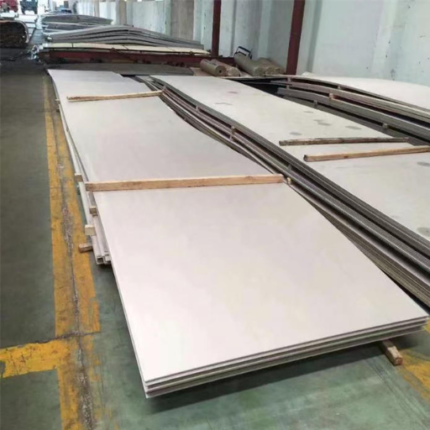
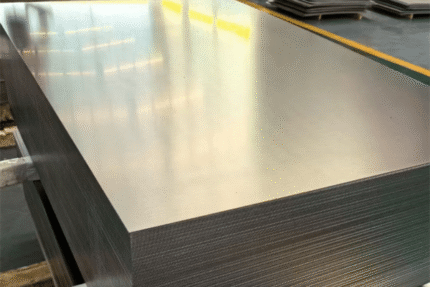
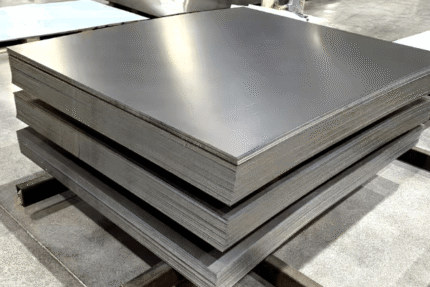
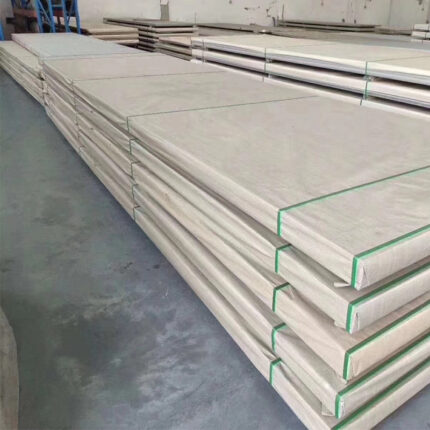
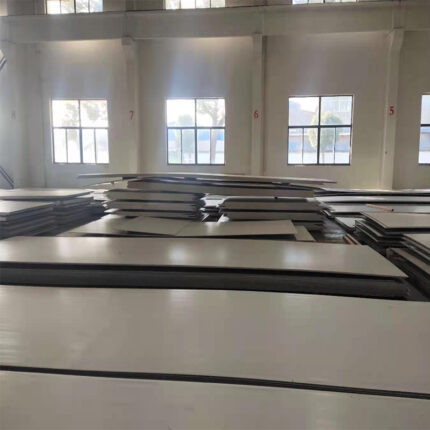
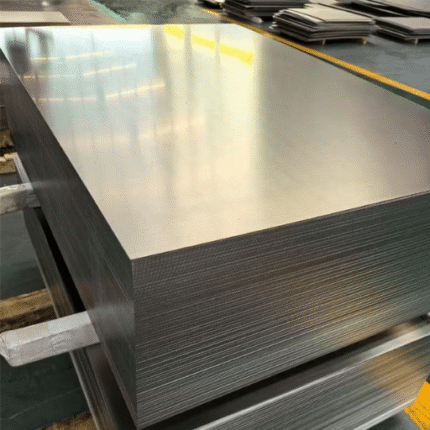
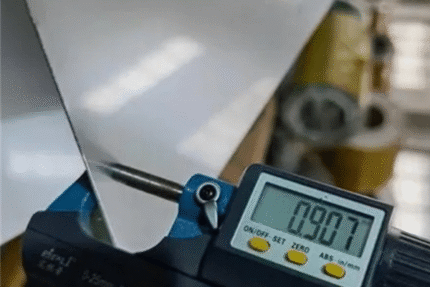
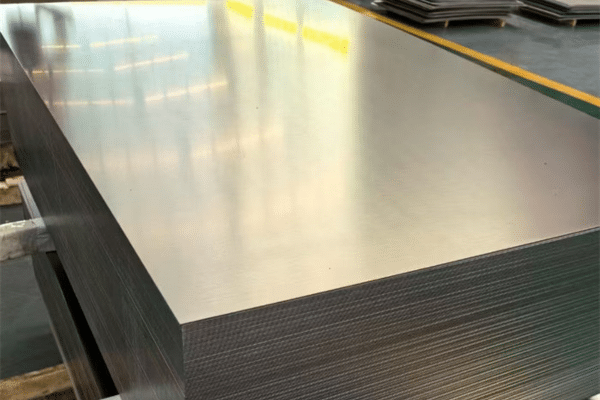
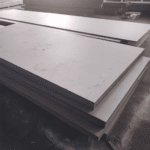
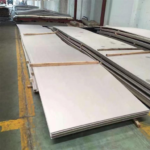
Stainless Steel Plates
Our 316 stainless steel plates and 316L stainless sheets are ideal for demanding applications. They provide superior corrosion resistance in marine, chemical, and acidic tanks, ensuring long-term structural integrity.

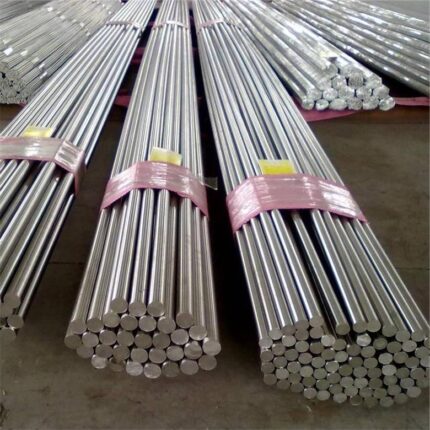
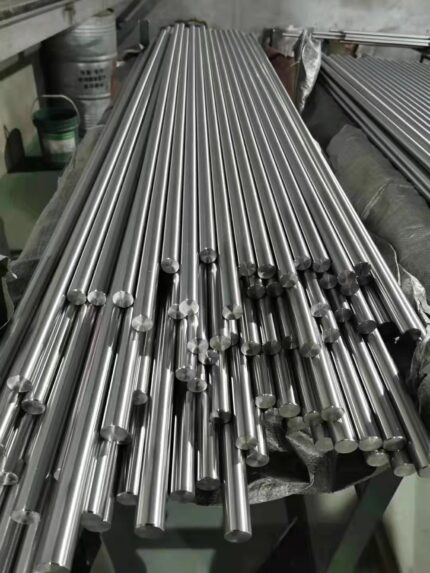
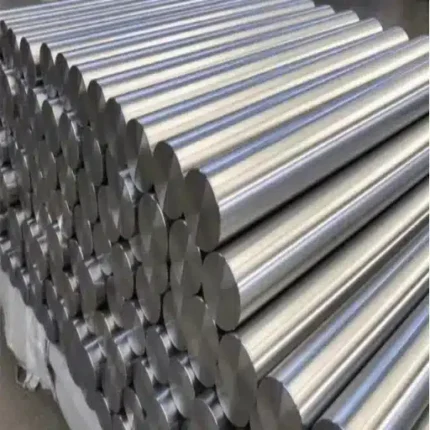
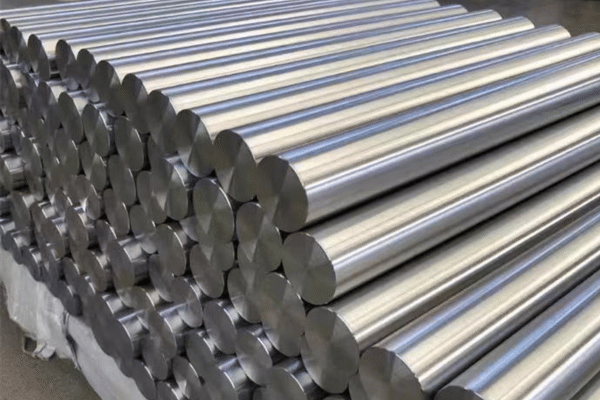
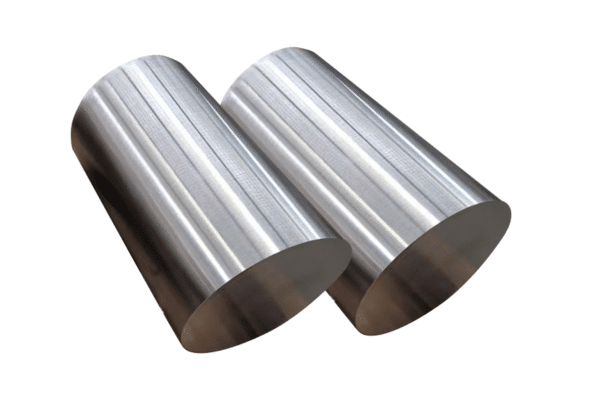
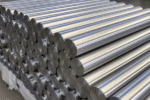
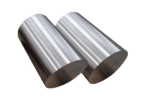
Stainless Steel Bars/Rods
Available in 316 and 316L grades, these bars/rods are suited for machined components and fasteners. They offer high strength and excellent resistance to pitting in corrosive industrial or marine environments.

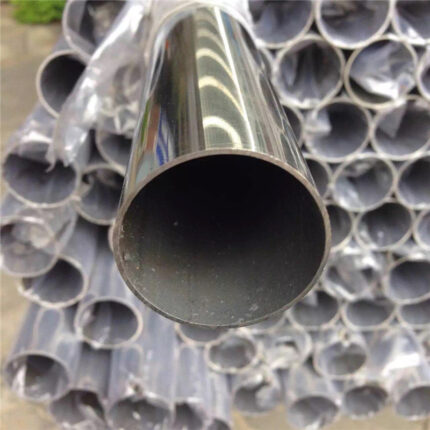
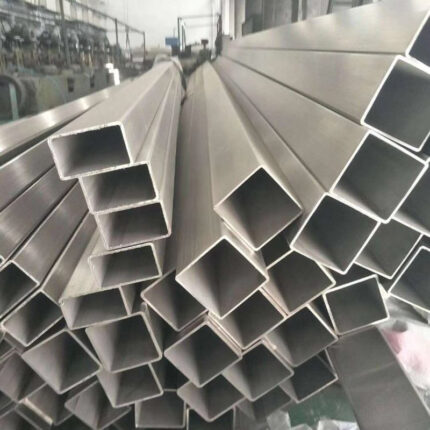
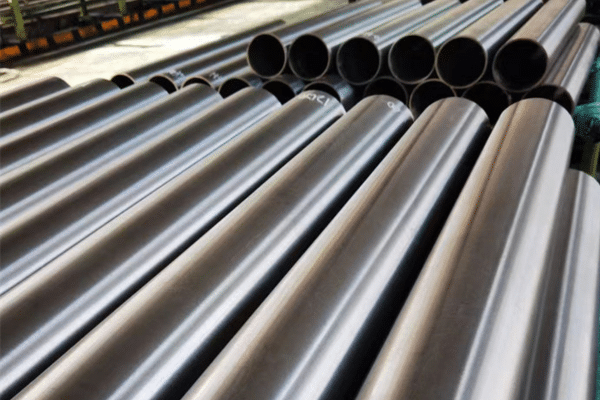
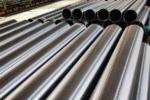
Stainless Steel Tubes/Pipes
Seamless and welded tubes/pipes, in these advanced stainless steel alloys, are crucial for chemical processing, pharmaceutical systems, and marine fluid lines. They withstand acidic and chloride challenges reliably.

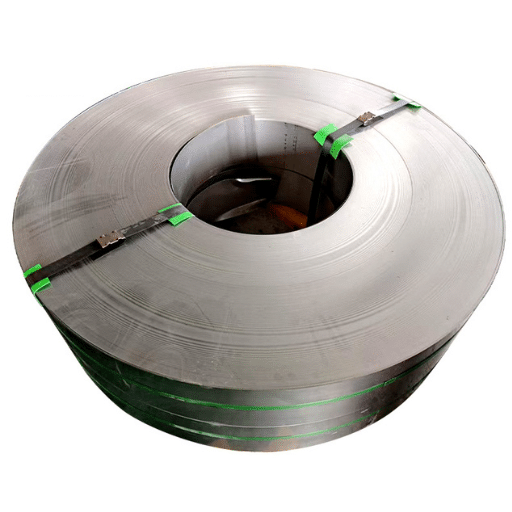
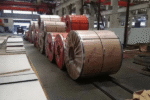
Stainless Steel Coils
Coils of grade 316 and 316L stainless facilitate high-volume stamping and forming. They deliver superior corrosion resistance for manufactured parts in exposed or chemically active applications.

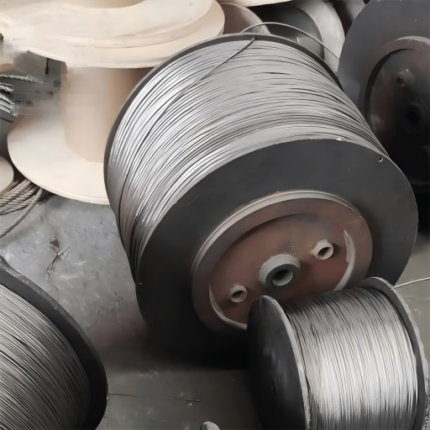
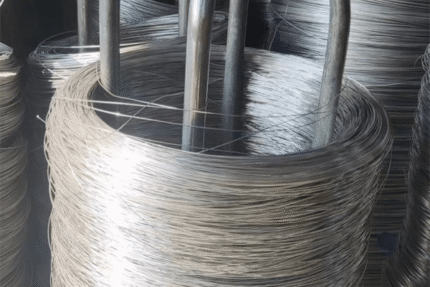
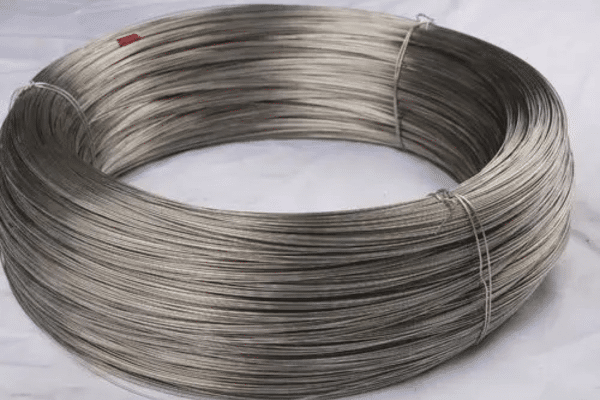
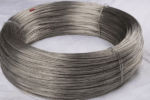
Stainless Steel Wire
This specialized wire is essential for welding filler metal, springs, and filters in harsh environments. Its inherent corrosion resistance ensures durability in medical, marine, and chemical industry uses.

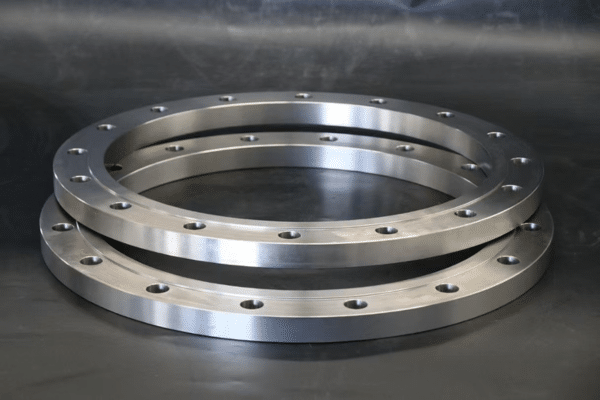
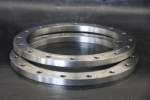
Stainless Steel Forgings
Custom forgings, crafted from 316 and 316L alloys, are engineered for critical components facing extreme stress and corrosive attack. The process improves mechanical properties for demanding applications.
Complete Technical Data Sheet for 316/316L Stainless
| Element | 316 (wt%) | 316L (wt%) |
|---|---|---|
| Carbon (C) | ≤ 0.08 | ≤ 0.03 |
| Chromium (Cr) | 16.0 – 18.0 | 16.0 – 18.0 |
| Nickel (Ni) | 10.0 – 14.0 | 10.0 – 14.0 |
| Molybdenum (Mo) | 2.0 – 3.0 | 2.0 – 3.0 |
| Manganese (Mn) | ≤ 2.0 | ≤ 2.0 |
| Silicon (Si) | ≤ 0.75 | ≤ 0.75 |
| Phosphorus (P) | ≤ 0.045 | ≤ 0.045 |
| Sulfur (S) | ≤ 0.030 | ≤ 0.030 |
| Nitrogen (N) | ≤ 0.10 | ≤ 0.10 |
| Property | 316/316L Value |
|---|---|
| Tensile Strength | ≥ 515 MPa |
| Yield Strength (0.2% offset) | ≥ 205 MPa |
| Elongation in 50mm | ≥ 40% |
| Hardness (Rockwell B) | ≤ 95 HRB |
| Hardness (Brinell) | ≤ 217 HB |
| Modulus of Elasticity | 193 GPa |
| Property | Value |
|---|---|
| Density | 8.0 g/cm³ |
| Melting Range | 1375 – 1400 °C |
| Thermal Conductivity (100°C) | 16.3 W/(m·K) |
| Thermal Expansion (0-100°C) | 15.9 × 10⁻⁶ /K |
| Electrical Resistivity | 740 nΩ·m |
| Magnetic Permeability | Non-magnetic (annealed) |
| Standard | 316 Designation | 316L Designation |
|---|---|---|
| ASTM | S31600 / Type 316 | S31603 / Type 316L |
| EN (Europe) | 1.4401 / X5CrNiMo17-12-2 | 1.4404 / X2CrNiMo17-12-2 |
| JIS (Japan) | SUS316 | SUS316L |
| GB (China) | 06Cr17Ni12Mo2 | 022Cr17Ni12Mo2 |
| BS (UK) | 316S31 / 316S33 | 316S11 / 316S13 |
Why Choose Grade 316/316L Stainless

Carbon Content and Weldability
Standard 316 stainless steel permits up to 0.08% carbon, while 316L stainless restricts carbon to 0.03% maximum. This low carbon content in 316L prevents carbide precipitation during welding—a phenomenon where chromium carbides form at grain boundaries in the heat-affected zone, depleting chromium locally and creating vulnerability to intergranular corrosion.
For structures involving extensive welding, particularly thick sections where heat input is substantial, 316L stainless steel eliminates sensitization risk without post-weld heat treatment. This makes 316L the preferred specification for pressure vessels, storage tanks, and piping systems where weld integrity in corrosive service is paramount.
In non-welded applications, standard 316 may offer marginally higher strength due to its elevated carbon level. However, the practical difference is minimal, and many fabricators stock exclusively 316L stainless as the universal variant, effectively making it the default grade for most procurement.
Superior Corrosion Resistance
Marine and Coastal Applications: Marine grade stainless designation typically refers to 316 or 316L due to their resistance to corrosion in saltwater and coastal atmospheres. The molybdenum content provides exceptional defense against pitting in chloride-laden environments—splash zones, tidal areas, and marine equipment benefit from this enhanced protection. While not impervious to aggressive brine or hot seawater, 316 significantly outperforms 304 in maritime service.
Chemical Processing Environments: Pharmaceutical manufacturing, chemical synthesis, and industrial processing often involve acidic or oxidizing media that challenge standard stainless grades. 316 and 316L stainless withstand many organic acids, moderate concentrations of sulfuric acid, and numerous chemical process streams. The alloy resists general and localized corrosion in environments where 304 would experience rapid pit initiation and propagation.
Food and Pharmaceutical Industries: Beyond basic sanitation requirements, food processing and pharmaceutical equipment handling brines, saline solutions, or acidic products benefit from 316 stainless corrosion resistance. The material meets FDA and EU food contact regulations while resisting the aggressive cleaning chemicals and sterilization procedures common in these industries. The low carbon variant (316L) further reduces risk of contamination by minimizing carbide formation.


Comparing 316 to 304 Stainless Grades
304 costs 15-20% less than 316 and suffices for most atmospheric and mild chemical exposures. Upgrade to 316 stainless steel when the application involves:
Direct seawater or brackish water contact
Chloride-containing process streams or cleaning agents
Coastal or marine atmospheric exposure
Pharmaceutical or food processing with aggressive sanitizers
Moderately acidic or oxidizing chemical environments
Temperature Performance and Elevated Service Conditions
316 stainless steel maintains reliable performance across an extended temperature range, from cryogenic to elevated temperatures.
The austenitic structure remains stable and ductile down to absolute zero, making 316 suitable for LNG equipment and cryogenic storage. At ambient through moderate heat (up to 425°C continuous), the alloy retains full mechanical properties and corrosion resistance.
For high temperature service, 316 performs adequately to approximately 870°C intermittent exposure, though continuous operation above 425°C may result in carbide precipitation unless the 316L variant is used. The addition of molybdenum improves creep strength compared to 304, making 316 preferred for pressure equipment at elevated temperatures.

Key Applications of 316/316L Stainless
Offshore and Subsea Infrastructure
Offshore oil platforms, subsea manifolds, and marine structural components demand materials that withstand saltwater immersion, cyclic loading, and maintenance-hostile environments. 316 stainless steel serves in deck equipment, piping systems, and fasteners where reliability over 20+ year service periods is non-negotiable.
Medical and Surgical Instruments
Surgical tools, implantable devices, and medical equipment require biocompatible materials resistant to body fluids and sterilization processes. 316L stainless steel is a commonly used implant metal for temporary orthopedic hardware, though titanium has largely superseded it for permanent implants. The grade remains dominant for surgical instruments due to its combination of corrosion resistance, sterilizability, and edge retention.
Chemical and Petrochemical Processing
Process vessels, heat exchangers, and transfer piping handling corrosive chemicals, acidic environments, or reducing acids rely on 316 where basic 304 proves inadequate. The alloy resists attack from numerous industrial chemicals, though highly concentrated acids or halogen-containing compounds may still require more resistant specialty grades.
What Our Clients Say
Our coastal wastewater treatment expansion required materials that could handle brackish water with elevated chloride levels. We specified 316L stainless steel for all wetted components. The system has operated reliably, with zero corrosion-related failures, validating the material upgrade decision.

Chief Engineer
Municipal Water Authority
Switching from 304 to 316 stainless steel for our pharmaceutical reactor vessels eliminated the intergranular corrosion we experienced after CIP cycles. The low carbon 316L handles our aggressive cleaning protocols without sensitization, and weld zone integrity remains perfect.

Plant Manager
Active Pharmaceutical Ingredients Facility
Our Latest Blogs

Alloy 625 Severe Sour Gas Service: Complete Guide
Alloy 625 is the default nickel-based alloy for severe sour gas service, qualified under NACE MR0175/ISO 15156 for all H2S…
Super 13Cr Stainless Steel: CO2 & Sour Service Guide
Super 13Cr stainless steel is a low-carbon, nickel- and molybdenum-strengthened martensitic grade (UNS S41425, S41426, S41427) built to outlast conventional…

Inconel 718 vs 725 vs 925: The Complete Selection Guide
Inconel 718, 725, and 925 are all age-hardenable nickel alloys, but each is built for a different job. Choose Inconel…

Duplex Stainless Steel Sour Service: 2205 vs 2507 Limits
Yes, duplex stainless steel sour service is practical and proven, but only within defined NACE MR0175/ISO 15156 limits. Standard duplex…

What Is Sour Service? H2S Environments Explained
Sour service is oil and gas equipment exposure to hydrogen sulfide (H2S) that can crack steel and other alloys. Under…

Sulfide Stress Cracking: Hardness Limits & Prevention
Sulfide stress cracking (SSC) is a form of hydrogen embrittlement that occurs when high-hardness steel under tensile stress is exposed…

NACE MR0175/ISO 15156 Explained: Sour Service Guide
NACE MR0175/ISO 15156 is the international standard that governs metallic materials for oil and gas production environments containing hydrogen sulfide…

How to Select Corrosion-Resistant Alloys for Sour Service
To select a corrosion-resistant alloy for sour service, characterize the environment first, classify sour severity by H2S partial pressure, screen…
Frequently Asked Questions
What makes 316 more expensive than 304 stainless steel?
The addition of molybdenum increases raw material costs, and 316 requires slightly different melting practices. Typical price premium is 15-25% over 304, varying with nickel and molybdenum commodity prices. For applications requiring its superior corrosion capabilities, the investment prevents far costlier failures and replacements.
Can 316 stainless steel rust or corrode?
While highly resistant, 316 can corrode under extreme conditions—hot concentrated chloride solutions, certain reducing acids, or when the passive layer is mechanically damaged and cannot reform. However, it dramatically outperforms 304 and vastly exceeds carbon steel in corrosive environments.
Is 316L always preferable to standard 316?
For welded fabrications, 316L stainless prevents sensitization without post-weld heat treatment, making it the safer choice. Non-welded applications may use standard 316 for marginally higher strength, though most suppliers stock primarily 316L for its broader applicability.
Does 316 become magnetic like 304 when cold worked?
Annealed 316 stainless steel is non-magnetic due to its austenitic structure. Heavy cold working can induce slight magnetic response through martensitic transformation, but this doesn’t indicate material deficiency—it’s normal behavior for work-hardened austenitic stainless grades.
What welding filler metal should I use for 316?
Use ER316 or ER316L filler matching your base metal grade. For dissimilar joints between 316 and 304, ER316L provides adequate corrosion resistance for most service conditions. Maintain argon shielding and cleanliness to prevent weld contamination.
How does 316 perform in high-chloride water systems?
316 stainless steel significantly improves performance over 304 in chloride environments, but isn’t immune to attack. For seawater or hot brine service, consider super-austenitic grades (6% molybdenum) or duplex stainless for critical applications. 316 handles brackish water and moderate chloride concentrations reliably.
Is 316 suitable for cryogenic applications?
Yes, the austenitic structure maintains ductility and toughness at cryogenic temperatures. 316 is suitable for LNG equipment, liquid nitrogen systems, and other ultra-low temperature applications without risk of brittle fracture.
What surface finish options are available for 316 stainless steel?
Standard mill finishes include 2B (cold-rolled), No.1 (hot-rolled), and BA (bright annealed). Mechanical polishing to No.4 brushed or No.8 mirror finishes is common. Electropolishing enhances corrosion resistance and provides the smoothest surface for sanitary pharmaceutical and food industry equipment.