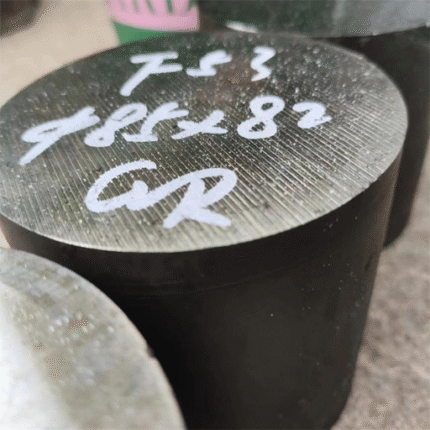
High Standard Stainless Steel With Strict Inspection


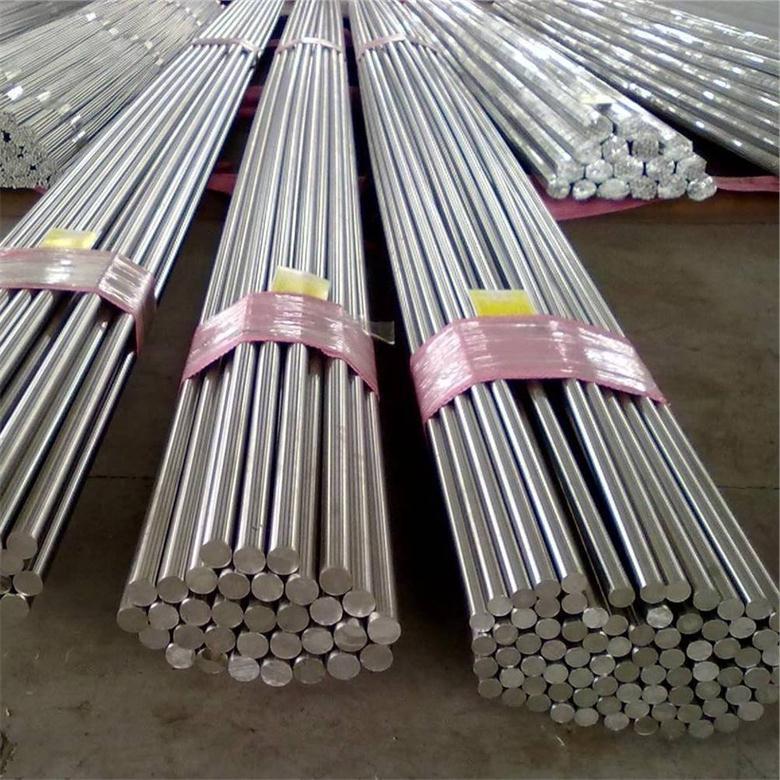
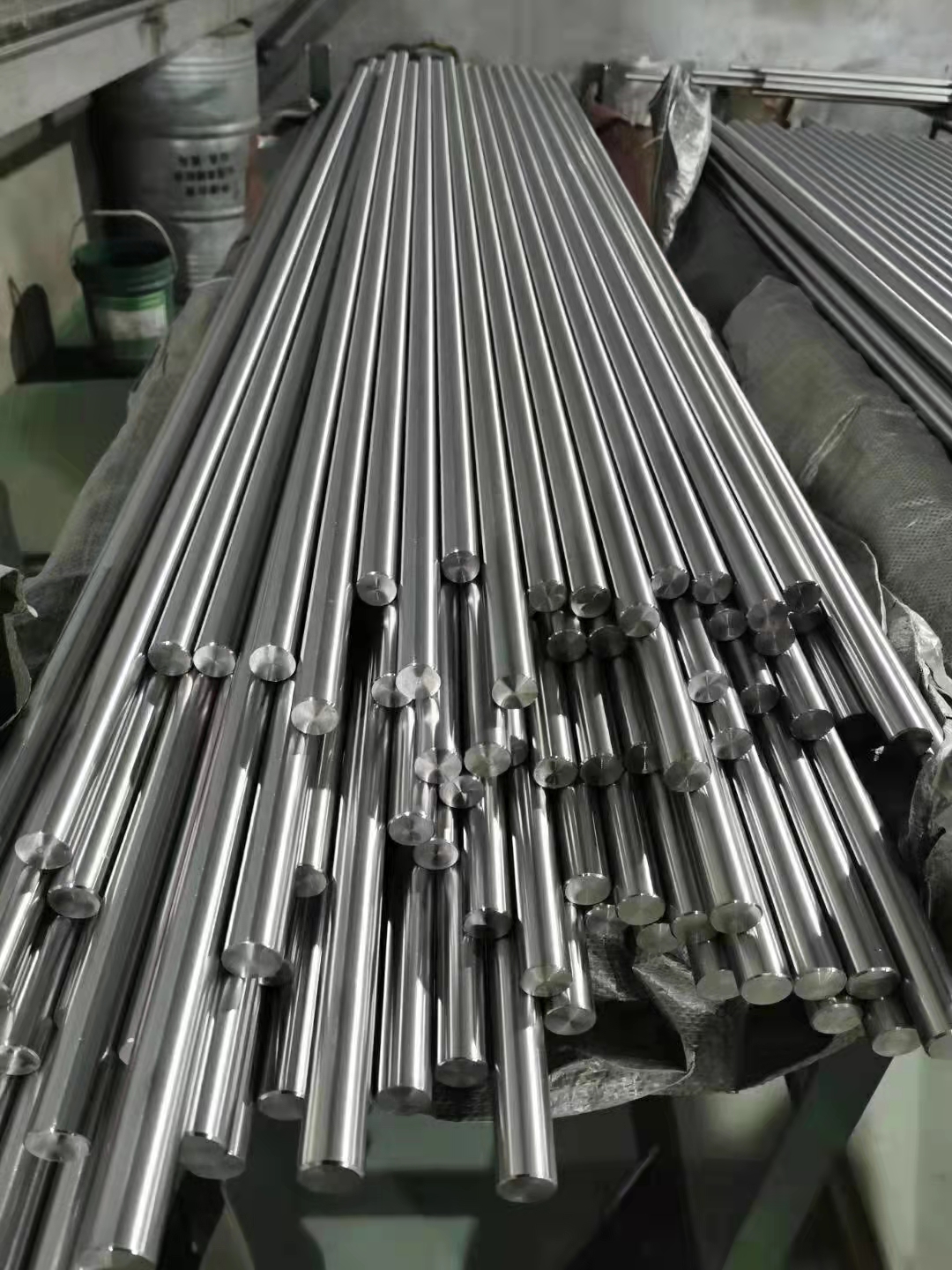
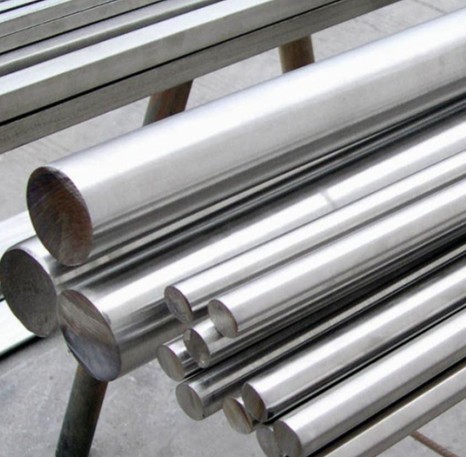
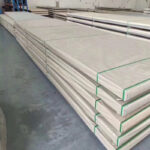
Stainless Steel Bar
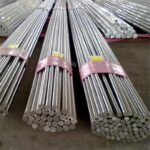
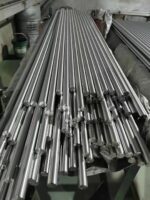
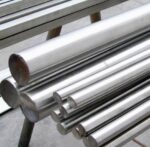
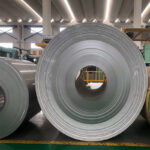
Stainless steel bar is supplied in round, square and hexagonal sections for construction, machining, automotive, marine and general engineering applications.
Description
Product Introduction
Bar Types
Bar is a simple-section steel product normally supplied in straight lengths. Common section shapes are round, square and hexagonal; round bar is the most common. Bar diameter is commonly regarded as Ø9–300 mm internationally, while many domestic bar mills conventionally supply Ø10–50 mm products.
Because bar has a comparatively large cross-section, uniform heating, sufficient mill rigidity and consistent cooling are important to achieve accurate dimensions and stable rolling quality.
Applications and Quality Control
Stainless steel bar is widely used in construction, machinery, automotive, shipbuilding and other industrial sectors. Typical end uses include shafts, bolts, nuts, anchor chain, springs and machined parts. The required properties vary by use and may include mechanical strength, cold- and hot-working performance, machinability, wear resistance, weldability and corrosion resistance.
For structural use, materials should combine suitable yield strength and elongation. Machined parts may require quenching, normalizing, carburizing, plating, painting or other surface treatment. Controlled rolling and controlled cooling can further improve performance.
Product Parameters
Representative Grades
- 201 / 202: chromium-nickel-manganese austenitic stainless steels; 202 generally offers better performance than 201.
- 304 / 304L: versatile grades with good corrosion resistance, heat resistance and formability. 304L is a low-carbon version with improved resistance to intergranular corrosion after welding.
- 316 / 316L: molybdenum-containing grades with improved pitting-corrosion resistance in marine and chemical environments. 316L is low carbon.
- 301 / 302 / 303: grades used for forming, springs and machining. 303 has improved machinability; 301 has good work-hardening and fatigue performance.
- 310: high-temperature-resistant grade for uses such as boilers and automotive exhaust components.
- 410 / 416 / 420: martensitic grades; 416 offers improved machinability, while 420 is commonly used for cutting-tool applications.
- 430 / 440: 430 is a ferritic decorative grade with good formability; 440 is a high-carbon, high-hardness cutlery steel after heat treatment.
Shipping and Delivery