High Standard Stainless Steel With Strict Inspection



L605 Cobalt Alloy
Complete Technical Data Sheet of L605 specifications Chemical Composition Mechanical Properties Physical Properties International Standards & Grade Equivalents Future Trends in L605 Cobalt Alloy Innovations in Material Science The field of material science is experiencing significant advancements, particularly in the development of superalloys like Cobalt Alloy L-605. These innovations are driven by the need for […]
Description

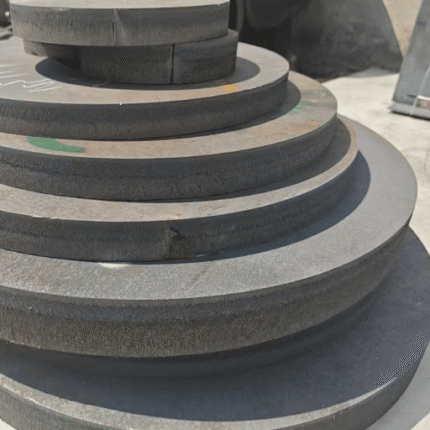
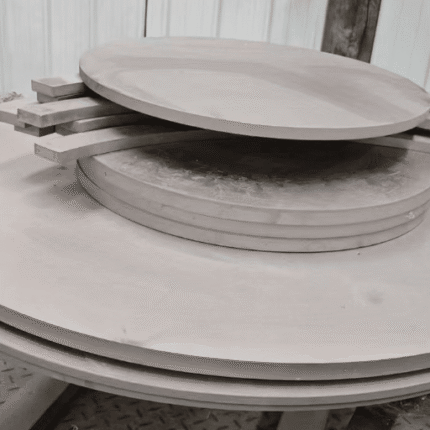
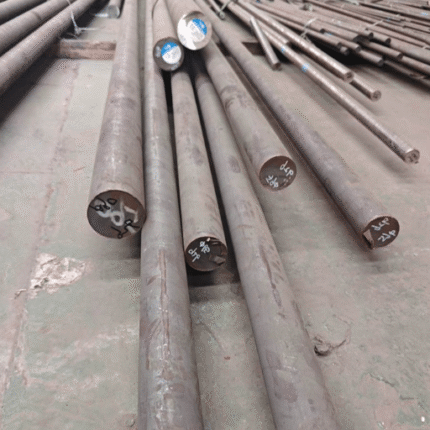
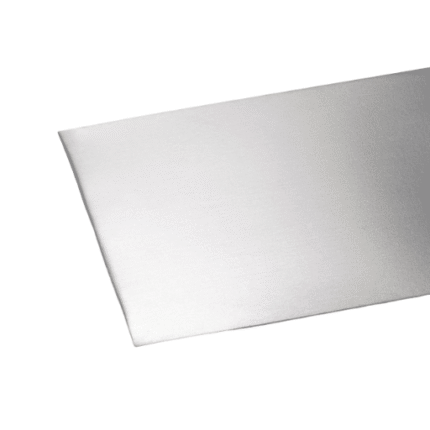
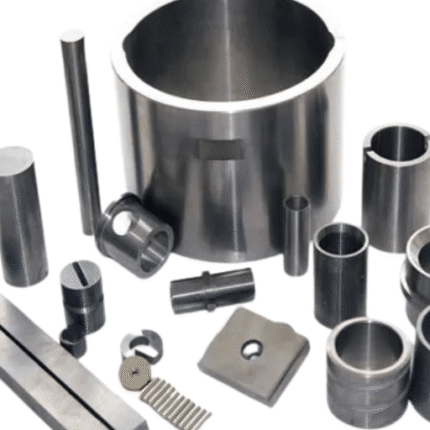
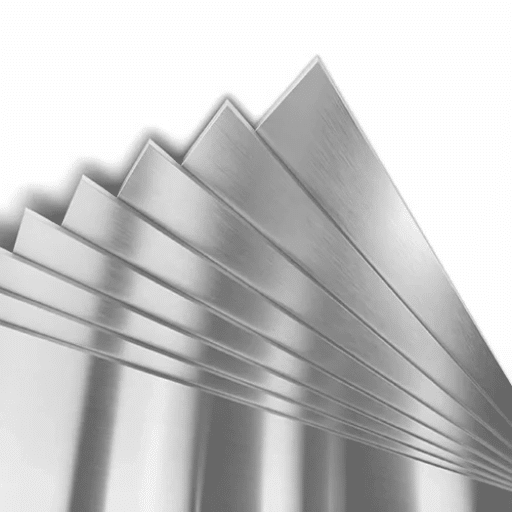
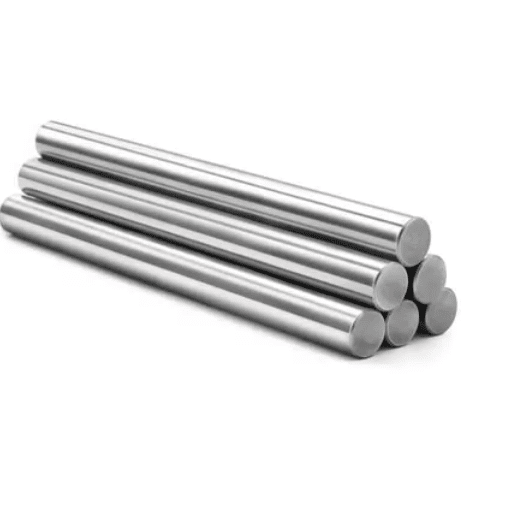
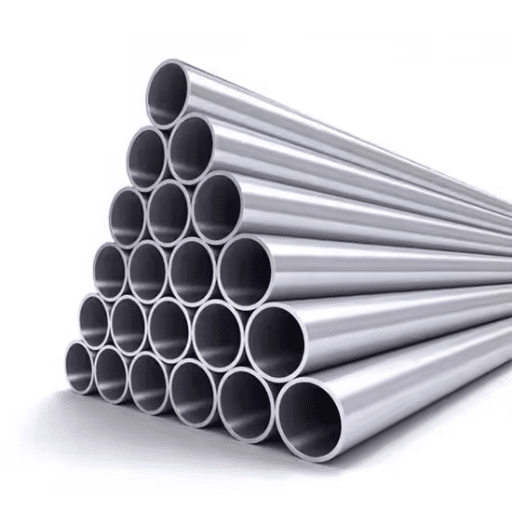
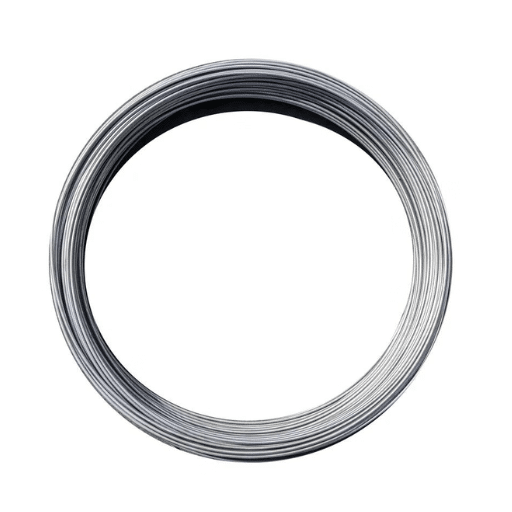
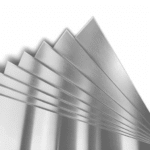
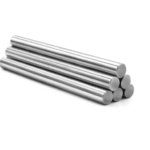
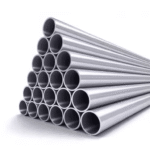
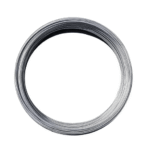
Four Product Forms of L605 Cobalt Alloy

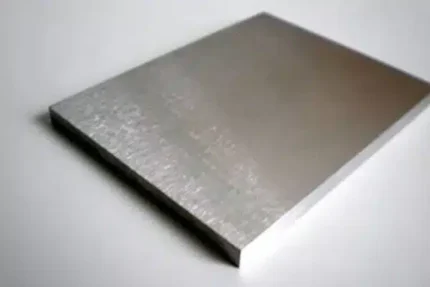
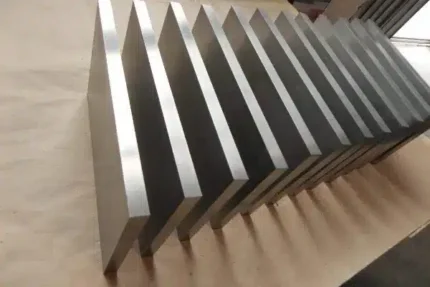
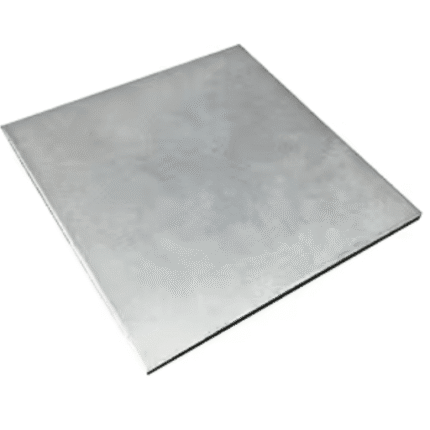
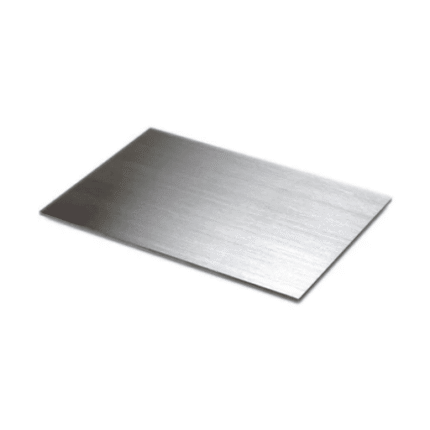
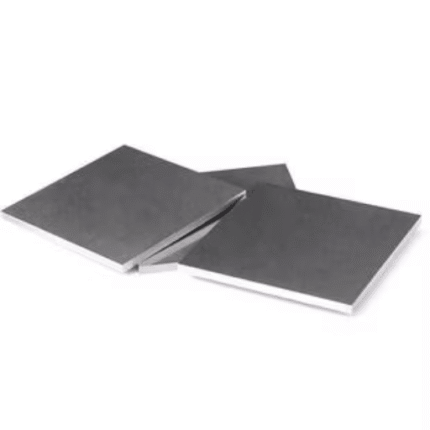
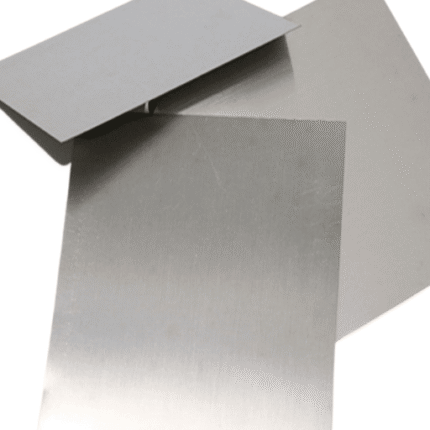
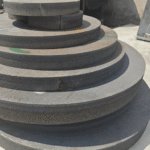
L605 Cobalt Alloy Plates
Flat sheets of alloy available in various thicknesses, ideal for machining or fabrication.

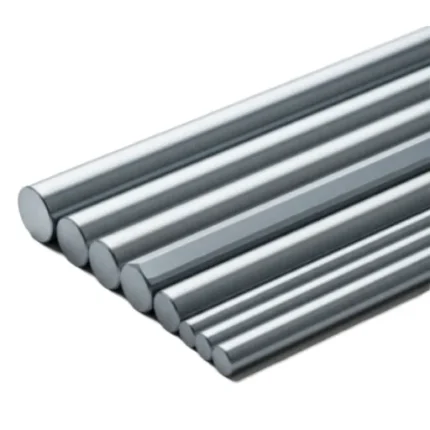
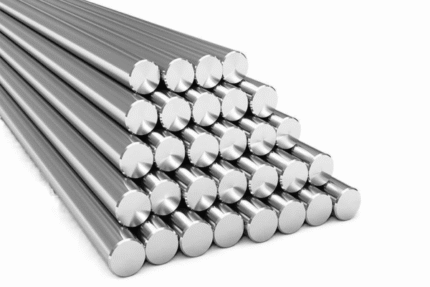
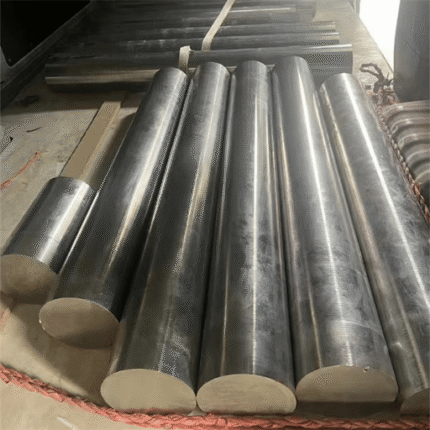
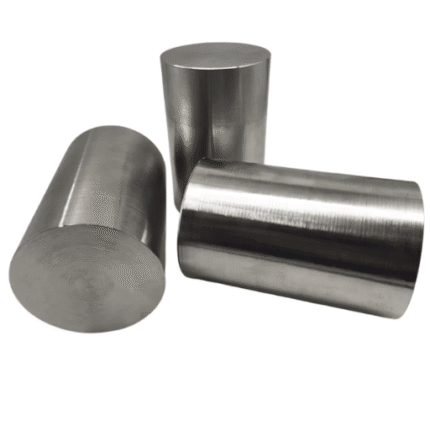
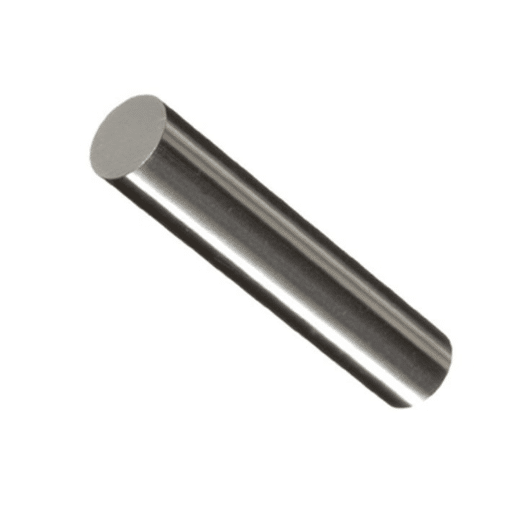
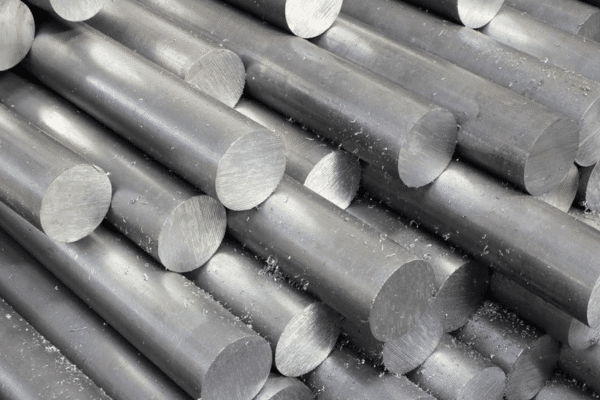
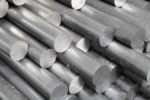
L605 Cobalt Alloy Bars/Rods
Cylindrical alloy products, typically forged or rolled for high strength and precision.

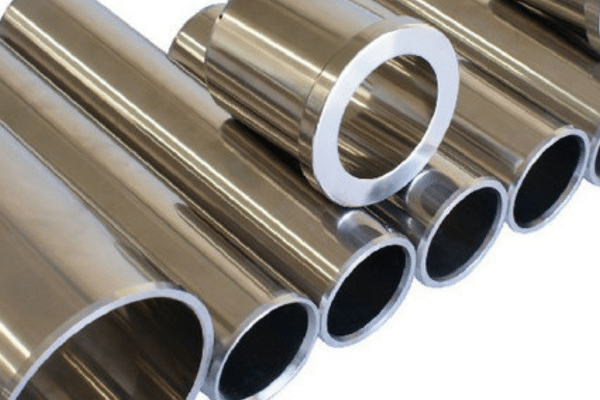
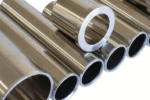
L605 Cobalt Alloy Tubes
Hollow cylindrical alloy forms, designed to withstand pressure and corrosive environments.

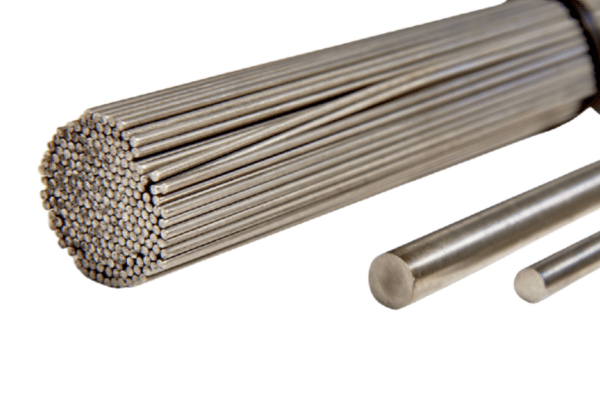
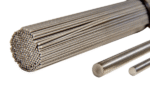
L605 Cobalt Alloy Wire
Fine strands of the alloy, offering high flexibility and resistance to wear.
Complete Technical Data Sheet of L605 specifications
| Element | Minimum (%) | Maximum (%) |
|---|---|---|
| Cobalt (Co) | Bal | – |
| Chromium (Cr) | 19 | 21 |
| Nickel (Ni) | 9 | 11 |
| Iron (Fe) | 3 | – |
| Molybdenum (Mo) | 1 | 2 |
| Tungsten (W) | 14 | 16 |
| Carbon (C) | 0.05 | 0.15 |
| Silicon (Si) | 0.4 | – |
| Manganese (Mn) | 1 | 2 |
| Phosphorus (P) | – | 0.04 |
| Property | Value | Testing Standard |
|---|---|---|
| Tensile Strength | 850-1125 MPa | ASTM E8 |
| Yield Strength | 310-485 MPa | ASTM E8 |
| Elongation (in 2 in.) | 35-45% | ASTM E8 |
| Hardness (Rockwell B) | 95-100 | ASTM E18 |
| Fatigue Strength | 310 MPa | ASTM E466 |
| Creep Strength | 147 MPa @ 1,000°F for 1,000 hours | ASTM E139 |
| Impact Toughness | 110 J | ASTM E23 |
| Modulus of Elasticity | 205 GPa | ASTM E8 |
| Poisson’s Ratio | 0.32 | NA |
| Shear Strength | 690 MPa | ASTM E143 |
| Property | Value | Testing Condition |
|---|---|---|
| Density | 9.13 g/cm³ | Room Temperature |
| Melting Point | 1,315-1,414°C | – |
| Thermal Conductivity | 13.1 W/m·K | Room Temperature |
| Specific Heat Capacity | 377 J/kg·K | Room Temperature |
| Coefficient of Thermal Expansion | 12.4 µm/m·K | 20–1000°C |
| Electrical Resistivity | 1.29 µΩ·m | Room Temperature |
| Magnetic Permeability | 1.0003 μ | – |
| Oxidation Resistance (Max Temp) | Up to 1,093°C | Air |
| Corrosion Resistance | Excellent | Various Environments |
| Relative Machinability | 15% (compared to SAE 1112) | – |
| Standard/Specification | Equivalent Grade | Region/Organization |
|---|---|---|
| UNS | R30605 | United States |
| ISO | 15156-2 | International |
| AMS | 5759 | Aerospace/Military |
| ASTM | F90 | Global |
| DIN | 2.4964 | Germany |
| AFNOR | NC 20K14 | France |
| BS | HR40 | United Kingdom |
| JIS | Cobalt Alloy 14 | Japan |
| EN | 10088-2 | Europe |
| SAE | J775 | United States |
Fabrication Techniques for L605 Cobalt Alloy

Welding Methods for L605 Cobalt Alloy
The welding of Cobalt Alloy L-605, also known as Haynes 25, requires precision and expertise. It is compatible with various techniques like gas tungsten arc and electron beam welding, each offering unique advantages for maintaining the integrity and strength of welded joints across industrial applications.
Machining Processes for L605 Cobalt Alloy
Machining Cobalt Alloy L-605 requires precision due to its strength. Machines should operate at 75% capacity with speeds at 15% of B1112 ratings for efficient material removal and reduced tool wear. Its forming characteristics allow for forging, hot-working, or cold-working, making it suitable for various industrial applications.


Heat Treatment for L605 Cobalt Alloy
Cobalt Alloy L605, also known as Alloy 25, exhibits excellent oxidation resistance and maximum ductility when properly heat treated. Components should be annealed at 2150°F to 2250°F, followed by rapid cooling. This ensures optimal mechanical properties for applications in high-temperature environments, demonstrating its suitability for demanding conditions.
Future Trends in L605 Cobalt Alloy
Innovations in Material Science
The field of material science is experiencing significant advancements, particularly in the development of superalloys like Cobalt Alloy L-605. These innovations are driven by the need for materials capable of withstanding extreme environments while maintaining superior mechanical properties. Researchers are focusing on enhancing the oxidation resistance and thermal stability of cobalt alloys, which are crucial for applications in aerospace, power generation, and other high-temperature industries. As technology advances, the engineering of new alloy compositions and heat treatment processes will continue to improve the performance and application range of superalloys, positioning them at the forefront of modern materials engineering.
Market Demand Forecast
The demand for cobalt alloys, especially Alloy L-605, is projected to rise significantly, driven by their critical role in sectors like aerospace and petrochemicals. These industries require materials that offer exceptional corrosion resistance, endure extreme temperatures, and maintain structural integrity. As global industrial activities expand, the need for certified materials engineered for high performance under demanding conditions will increase. The growth in market demand underscores the necessity for continuous innovation and development in cobalt alloys, ensuring they meet the evolving needs of advanced engineering applications.
Environmental Considerations
In the development and application of cobalt alloys, including Alloy L-605, environmental considerations are becoming increasingly important. Manufacturers and engineers are tasked with recommending optimal material solutions that align with environmental sustainability goals. This involves analyzing operational environments, performance requirements, and project objectives to select materials that minimize environmental impact. The focus is on reducing the carbon footprint associated with alloy production and ensuring that these materials contribute positively to the lifecycle of industrial applications. As environmental regulations become more stringent, the industry is committed to adopting practices that support eco-friendly manufacturing and application of cobalt alloys.
What Our Clients Say
“The L605 Cobalt Alloy exceeded my expectations. Its impressive strength and corrosion resistance make it ideal for our high-temperature turbine applications. The L605 properties truly stand out in performance.”

Michael Turner
Mechanical Engineer
“L605 Cobalt Alloy is a reliable material for extreme environments. We’ve seen consistent durability and heat resistance in every application. It’s perfect for demanding aerospace manufacturing needs.”

Sophia Clark
Aerospace Materials Specialist
Our Latest Blogs

Alloy 625 Severe Sour Gas Service: Complete Guide
Alloy 625 is the default nickel-based alloy for severe sour gas service, qualified under NACE MR0175/ISO 15156 for all H2S…

Super 13Cr Stainless Steel: CO2 & Sour Service Guide
Super 13Cr stainless steel is a low-carbon, nickel- and molybdenum-strengthened martensitic grade (UNS S41425, S41426, S41427) built to outlast conventional…

Inconel 718 vs 725 vs 925: The Complete Selection Guide
Inconel 718, 725, and 925 are all age-hardenable nickel alloys, but each is built for a different job. Choose Inconel…

Duplex Stainless Steel Sour Service: 2205 vs 2507 Limits
Yes, duplex stainless steel sour service is practical and proven, but only within defined NACE MR0175/ISO 15156 limits. Standard duplex…

What Is Sour Service? H2S Environments Explained
Sour service is oil and gas equipment exposure to hydrogen sulfide (H2S) that can crack steel and other alloys. Under…

Sulfide Stress Cracking: Hardness Limits & Prevention
Sulfide stress cracking (SSC) is a form of hydrogen embrittlement that occurs when high-hardness steel under tensile stress is exposed…

NACE MR0175/ISO 15156 Explained: Sour Service Guide
NACE MR0175/ISO 15156 is the international standard that governs metallic materials for oil and gas production environments containing hydrogen sulfide…

How to Select Corrosion-Resistant Alloys for Sour Service
To select a corrosion-resistant alloy for sour service, characterize the environment first, classify sour severity by H2S partial pressure, screen…
Frequently Asked Questions
What is Cobalt-Based Superalloy L605 Cobalt Alloy used for?
The L605 alloy is widely utilized in high-temperature and high-strength applications, such as in jet engines, gas turbines, and industrial furnaces, thanks to its excellent oxidation resistance, strength, and corrosion resistance.
How does L605 alloy perform under extreme conditions?
L605 alloy exhibits exceptional durability under extreme conditions, including elevated temperatures and corrosive environments, making it a preferred choice for aerospace and industrial applications.
Is Cobalt-Based L605 Alloy suitable for medical applications?
Yes, due to its biocompatibility and resistance to bodily fluids, L605 alloy is often used in medical implants, such as stents and surgical tools, ensuring safety and performance in critical applications.
Can the L605 alloy be customized for specific applications?
Our team provides extensive customization services, including tailored machining, forging, and heat treatments, to meet the unique requirements of your project involving Cobalt-Based L605 Alloy.
What makes L605 alloy unique compared to other superalloys?
This alloy stands out due to its superior combination of high creep strength, excellent wear resistance, and outstanding thermal stability, making it perfect for demanding environments.
Do you offer solutions for sourcing and supply chain management for L605 alloy?
Yes, we provide full-service solutions, including sourcing high-quality L605 alloy, inventory management, and timely delivery to support your operational needs efficiently.
How resistant is L605 alloy to oxidation?
L605 alloy provides remarkable oxidation resistance, maintaining its integrity and performance even at temperatures exceeding 1,800°F, ensuring longevity in high-heat environments.
What additional services do you offer for the processing of L605 alloy?
We deliver comprehensive processing services, such as precision cutting, grinding, and finishing, so customers receive ready-to-use components optimized for their operational requirements.
Shipping and Delivery