


304/304L Stainless
Complete Technical Data Sheet for 304/304L Stainless Steel Chemical Composition Mechanical Properties Physical Properties International Standards & Grade Equivalents Key Applications of 304/304L Stainless Steel Food and Beverage Manufacturing 304 stainless steel dominates food contact surfaces due to its non-reactive nature and ease of sanitation. Dairy processing tanks, brewery fermentation vessels, commercial kitchen equipment, and […]

Grade 304/304L Available in All Types

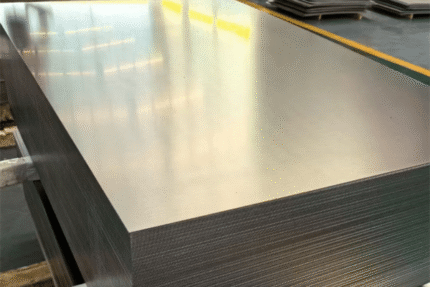
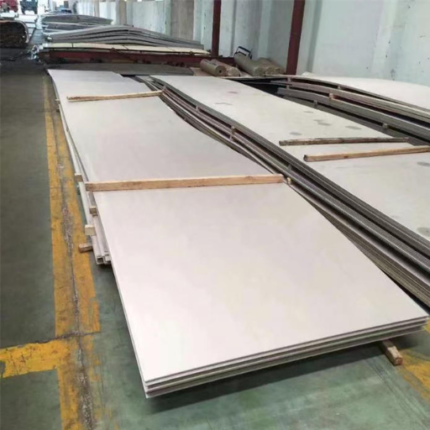
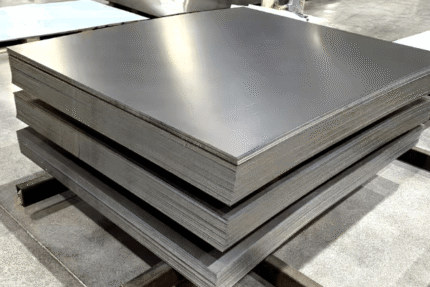
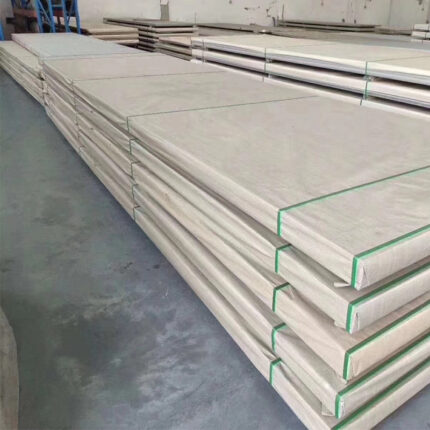
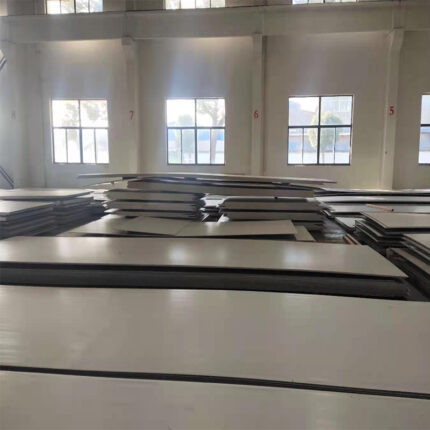
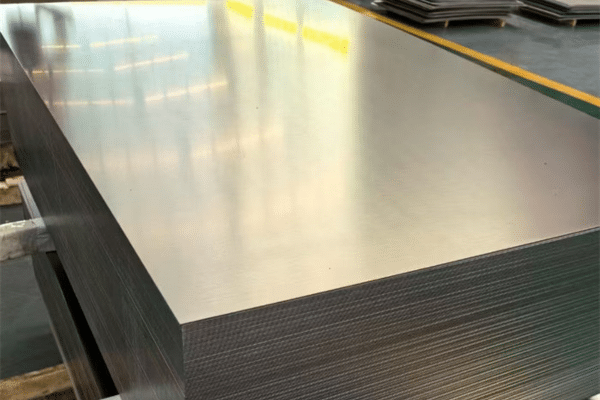
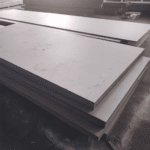
Stainless Steel Plates
We provide both stainless steel plates and sheet metal for structural integrity and fabrication. Ideal for tanks, pressure vessels, and large surface applications requiring superior corrosion resistance.

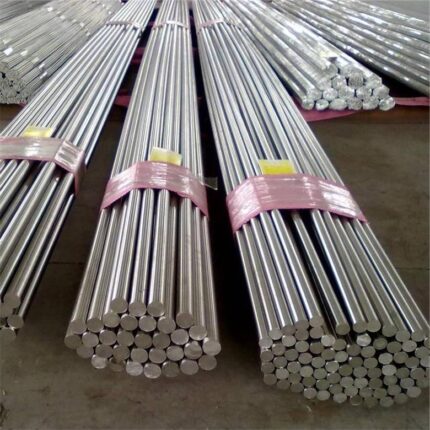
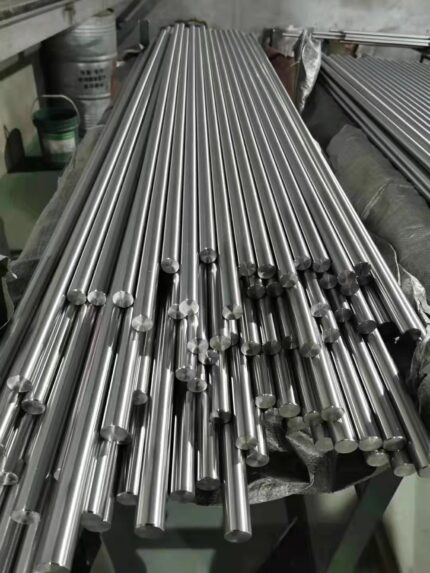
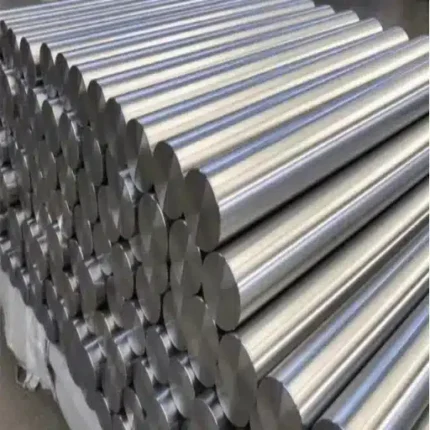
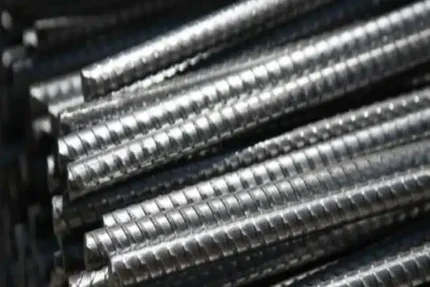
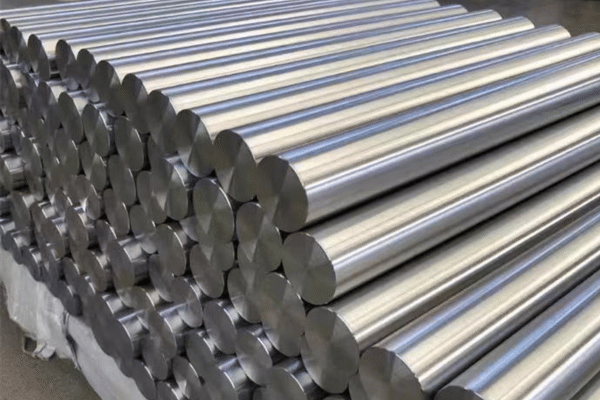
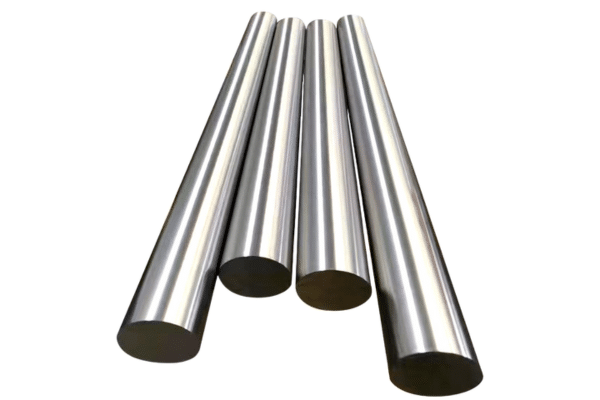
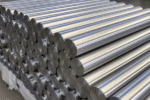
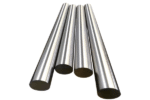
Stainless Steel Bars/Rods
We stock stainless steel bars/rods in various shapes (round, square). These are essential foundation materials for high-stress machined components, shafts, and structural applications requiring high strength.

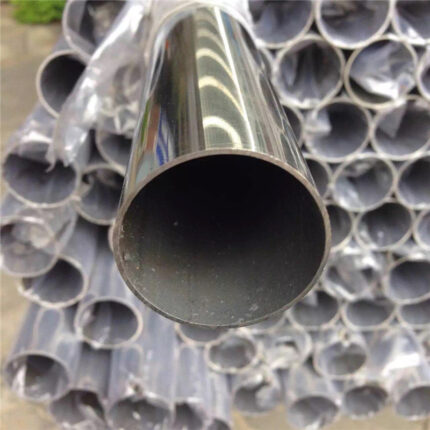
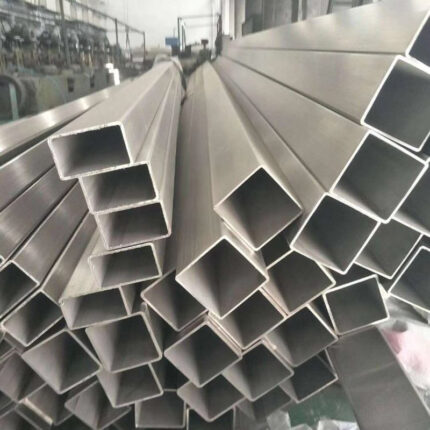
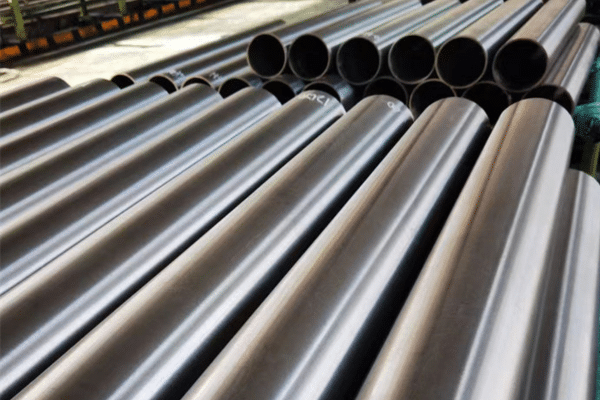
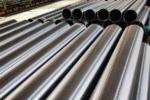
Stainless Steel Tubes/Pipes
Seamless and welded stainless steel tubes/pipes are crucial for transporting fluids and gases. They are used in heat exchangers and structural frameworks, offering reliable resistance to corrosion.

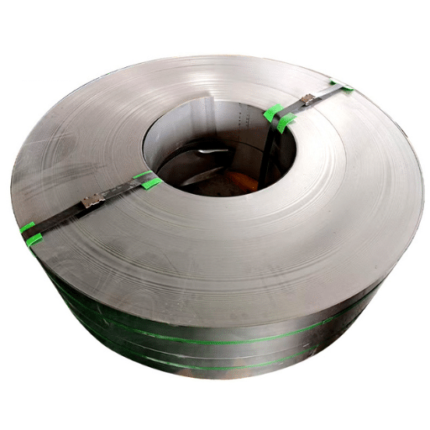
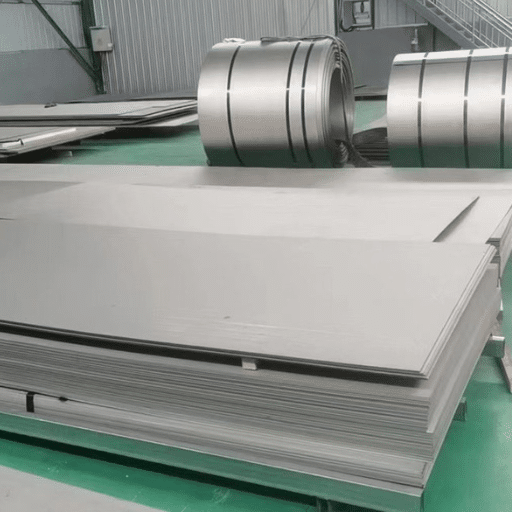
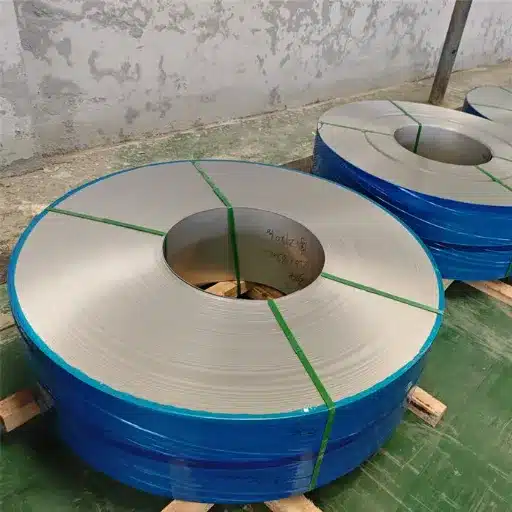
Stainless Steel Coils
Stainless steel coils provide mass production efficiency for stamping and forming. These are available in various surface finishes and thicknesses, ideal for producing sheet metal parts and strips.

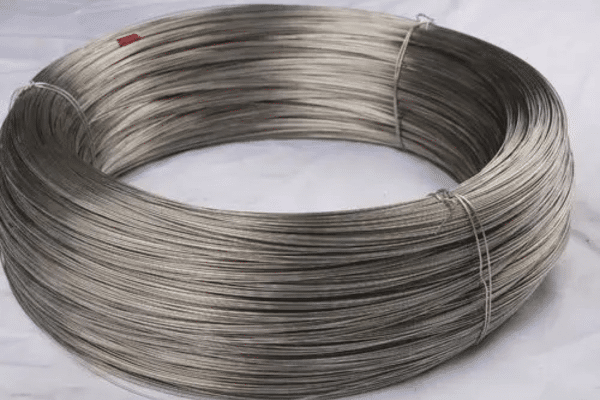
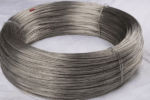
Stainless Steel Wire
Fine-gauge stainless steel wire is used in applications like springs, mesh, and medical devices. We also provide certified welding consumables crucial for secure and high-purity material joints.

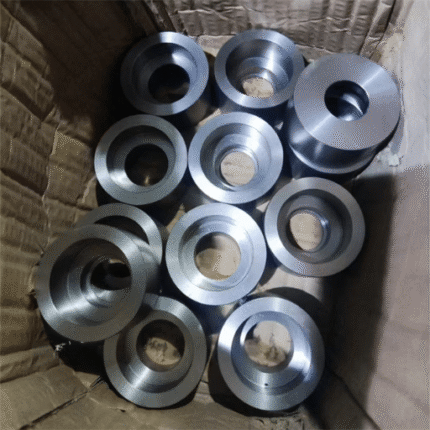
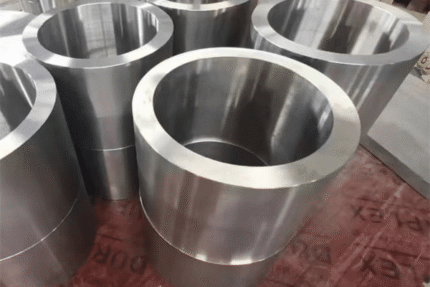
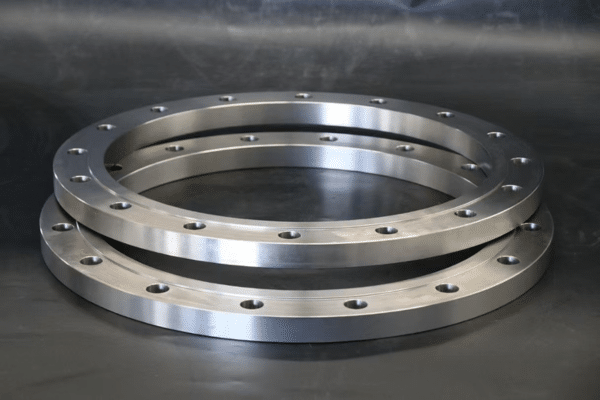
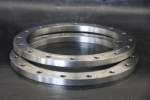
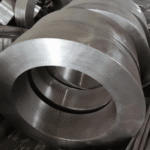
Stainless Steel Forgings
Our custom stainless steel forgings are tailored for critical engineering applications. The forging process ensures enhanced toughness, superior grain structure, and high resistance to fatigue failure.
Complete Technical Data Sheet for 304/304L Stainless Steel
| Element | 304 (wt%) | 304L (wt%) |
|---|---|---|
| Carbon (C) | ≤ 0.08 | ≤ 0.03 |
| Chromium (Cr) | 18.0 – 20.0 | 18.0 – 20.0 |
| Nickel (Ni) | 8.0 – 10.5 | 8.0 – 12.0 |
| Manganese (Mn) | ≤ 2.0 | ≤ 2.0 |
| Silicon (Si) | ≤ 0.75 | ≤ 0.75 |
| Phosphorus (P) | ≤ 0.045 | ≤ 0.045 |
| Sulfur (S) | ≤ 0.030 | ≤ 0.030 |
| Nitrogen (N) | ≤ 0.10 | ≤ 0.10 |
| Property | 304/304L Value |
|---|---|
| Tensile Strength | ≥ 515 MPa |
| Yield Strength (0.2% offset) | ≥ 205 MPa |
| Elongation in 50mm | ≥ 40% |
| Hardness (Rockwell B) | ≤ 92 HRB |
| Hardness (Brinell) | ≤ 201 HB |
| Modulus of Elasticity | 193 GPa |
| Shear Modulus | 86 GPa |
| Property | Value |
|---|---|
| Density | 8.0 g/cm³ |
| Melting Range | 1400 – 1450 °C |
| Specific Heat (0-100°C) | 500 J/(kg·K) |
| Thermal Conductivity (100°C) | 16.2 W/(m·K) |
| Thermal Expansion (0-100°C) | 17.2 × 10⁻⁶ /K |
| Thermal Expansion (0-315°C) | 17.8 × 10⁻⁶ /K |
| Electrical Resistivity (20°C) | 720 nΩ·m |
| Magnetic Permeability (annealed) | ~1.02 μ |
| Standard System | 304 Designation | 304L Designation |
|---|---|---|
| ASTM (USA) | S30400 / Type 304 | S30403 / Type 304L |
| AISI (USA) | 304 | 304L |
| EN (Europe) | 1.4301 / X5CrNi18-10 | 1.4307 / X2CrNi18-9 |
| DIN (Germany) | X5CrNi18-10 | X2CrNi19-11 |
| JIS (Japan) | SUS304 | SUS304L |
| GB (China) | 06Cr19Ni10 / 0Cr18Ni9 | 022Cr19Ni10 / 00Cr19Ni10 |
| BS (UK) | 304S31 / 304S15 | 304S11 / 304S12 |
| AFNOR (France) | Z7CN18-09 / Z6CN18-09 | Z3CN18-10 / Z2CN18-10 |
Why Choose Grade 304/304L Stainless Steel?

Exceptional Formability and Weldability
304 stainless steel is renowned for its ease of fabrication, accommodating complex forming operations including deep drawing, bending, and spinning. The austenitic structure provides superior ductility compared to ferritic or martensitic grades. 304L stainless steel, with its lower carbon content (maximum 0.03%), offers enhanced weldability—the reduced carbon content prevents carbide precipitation in heat-affected zones during welding. This eliminates the need for post-weld annealing in thick sections, reducing fabrication time and energy costs. For heavily welded structures, 304L ensures weld zones maintain full corrosion resistance without additional heat treatment steps.
Proven Corrosion Resistance Across Diverse Environments
Both 304 and 304L provide excellent corrosion resistance in atmospheric conditions, mild chemical exposure, and food processing environments. The chromium-nickel alloy forms a self-healing passive oxide layer that protects against corrosive attack. While not suitable for highly chloride-rich or aggressive corrosive environments, these grades handle most industrial applications reliably. This resistance to corrosion ensures components maintain structural integrity and appearance for decades, eliminating the maintenance burden and replacement costs associated with coated carbon steel alternatives.


The Most Versatile and Widely Used Stainless Steel Grade
304 stainless stands as the most widely used stainless steel globally, accounting for over half of all stainless production. This versatile grade serves food processing, architectural, automotive, and general fabrication sectors effectively. The minimal price difference between 304 and 304L means many suppliers stock primarily 304L as the standard variant. This version of 304 offers broader applicability without cost penalty, making it the default specification for new designs requiring a balance of corrosion resistance, formability, and economic efficiency.
Reliable Mechanical Properties and High Strength
304 and 304L stainless steel provide consistent mechanical properties with minimum tensile strength of 515 MPa and yield strength of 205 MPa in annealed condition. Cold working significantly increases strength while maintaining durability—this work-hardening characteristic allows fabricators to achieve higher strength in formed components without additional alloying. The austenitic grade retains toughness even at cryogenic temperatures, making it suitable for both high-temperature and extreme cold applications across diverse industry sectors.

Key Applications of 304/304L Stainless Steel
Food and Beverage Manufacturing
304 stainless steel dominates food contact surfaces due to its non-reactive nature and ease of sanitation. Dairy processing tanks, brewery fermentation vessels, commercial kitchen equipment, and conveyor systems rely on this grade to meet stringent FDA and 3-A sanitary standards. The material’s smooth surface inhibits bacterial growth, while its resistance to corrosion from organic acids and cleaning chemicals ensures decades of hygienic service.
Architectural and Construction Applications
Building facades, structural columns, decorative trim, and transportation infrastructure increasingly specify 304 stainless for its maintenance-free weathering and aesthetic permanence. The metal withstands urban pollution, acid rain, and freeze-thaw cycles without protective coatings. Architects value the material’s ability to retain visual appeal for 50+ years while eliminating the lifecycle costs of painting and rust remediation.
Chemical and Pharmaceutical Processing
Reaction vessels, storage tanks, piping systems, and process equipment handling moderate chemical concentrations depend on 304 and 304L where full 316-grade protection exceeds requirements. The austenitic structure resists a wide range of solvents, alkaline solutions, and pharmaceutical compounds. 304L stainless steel is particularly valued in pharmaceutical manufacturing where weld-intensive construction and strict contamination control intersect.
What Our Clients Say
For our major construction project’s architectural elements, 304 stainless delivered the aesthetic we needed with exceptional value. The metal withstands urban pollutants and freeze-thaw cycles, retaining visual appeal and eliminating the lifecycle costs of painting and rust remediation.

Principal Architect
Commercial Design Firm
Our precision machining shop keeps 304 bar stock for prototype development across multiple client projects. The excellent formability and predictable mechanical properties mean we can confidently quote lead times without material surprises. It’s become our go-to alloy for general-purpose work requiring reliable resistance.

Operations Manager
Contract Machine Shop
Our Latest Blogs

Super 13Cr Stainless Steel: CO2 & Sour Service Guide
Super 13Cr stainless steel is a low-carbon, nickel- and molybdenum-strengthened martensitic grade (UNS S41425, S41426, S41427) built to outlast conventional…

Inconel 718 vs 725 vs 925: The Complete Selection Guide
Inconel 718, 725, and 925 are all age-hardenable nickel alloys, but each is built for a different job. Choose Inconel…

Duplex Stainless Steel Sour Service: 2205 vs 2507 Limits
Yes, duplex stainless steel sour service is practical and proven, but only within defined NACE MR0175/ISO 15156 limits. Standard duplex…

What Is Sour Service? H2S Environments Explained
Sour service is oil and gas equipment exposure to hydrogen sulfide (H2S) that can crack steel and other alloys. Under…

Sulfide Stress Cracking: Hardness Limits & Prevention
Sulfide stress cracking (SSC) is a form of hydrogen embrittlement that occurs when high-hardness steel under tensile stress is exposed…

NACE MR0175/ISO 15156 Explained: Sour Service Guide
NACE MR0175/ISO 15156 is the international standard that governs metallic materials for oil and gas production environments containing hydrogen sulfide…

How to Select Corrosion-Resistant Alloys for Sour Service
To select a corrosion-resistant alloy for sour service, characterize the environment first, classify sour severity by H2S partial pressure, screen…
Frequently Asked Questions
What is the primary difference between 304 and 304L stainless steel?
The key distinction is carbon content—304 stainless steel contains up to 0.08% carbon, while 304L restricts carbon to 0.03% maximum. This lower carbon content in 304L prevents carbide precipitation during welding, making it the preferred choice for welded assemblies where post-weld annealing is impractical.
Can 304 stainless steel be hardened through heat treatment?
No, 304 and 304L stainless steel cannot be hardened by heat treatment due to their austenitic crystal structure. However, they respond to work hardening—cold forming operations significantly increase strength. If hardening is required, consider martensitic grades like 410 or precipitation-hardening grades like 17-4 PH instead.
Is 304 suitable for marine or coastal environments?
304 stainless provides adequate protection in atmospheric marine environments away from direct saltwater contact or splash zones. For components directly exposed to seawater or persistent salt spray, upgrade to 316-grade material, which contains molybdenum for enhanced pitting resistance in chloride-rich environments.
Why does 304 sometimes show rust spots or discoloration?
Surface contamination from carbon steel particles, embedded iron from improper tooling, or exposure to aggressive chlorides can cause localized corrosion. These are not material defects but rather contamination issues. Proper handling, dedicated stainless tooling, and passivation treatments prevent such problems and maintain corrosion resistance.
What welding processes work best for 304 and 304L?
TIG (GTAW), MIG (GMAW), and stick (SMAW) welding all successfully join 304 stainless steel. Use ER308 or ER308L filler metal matching the base grade. Argon shielding gas prevents oxidation. For thick sections, 304L is strongly preferred as its good weldability eliminates sensitization concerns without post-weld heat treatment.
How does 304 compare to 316 in terms of cost and performance?
304 stainless steel costs approximately 15-20% less than 316 due to the absence of molybdenum. For most industrial applications not involving marine environments or high chloride exposure, 304 provides adequate corrosion resistant performance. Specifying 316 where unnecessary increases material costs without proportional benefit.
Can 304 stainless steel be used in high-temperature applications?
304 and 304L perform reliably in continuous service up to 425°C and intermittent exposure to 870°C. Above these thresholds, consider high-temperature grades like 310 or 321, which offer superior oxidation resistance and reduced scaling. For structural components at elevated temperatures, verify yield strength retention at operating conditions.
Is there a significant mechanical property difference between 304 and 304L?
In annealed condition, 304 and 304L stainless steel exhibit nearly identical mechanical properties—both meet the same minimum tensile and yield strength requirements per ASTM specification. The slightly higher carbon in standard 304 may provide marginally higher strength after cold working, but the difference is negligible for most fabrication purposes.