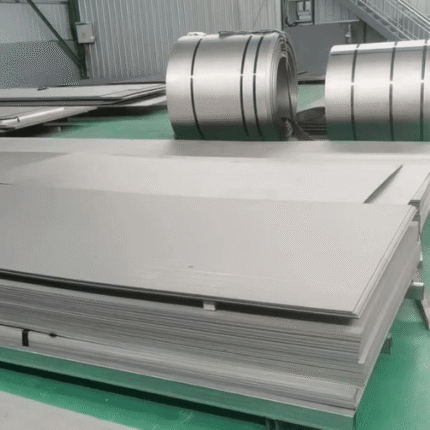
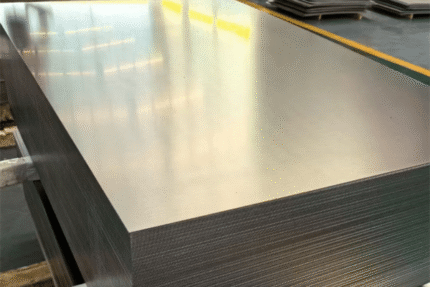
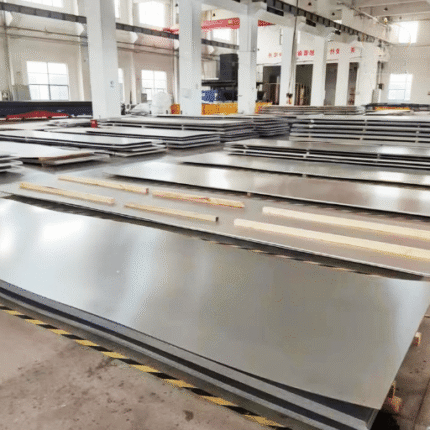
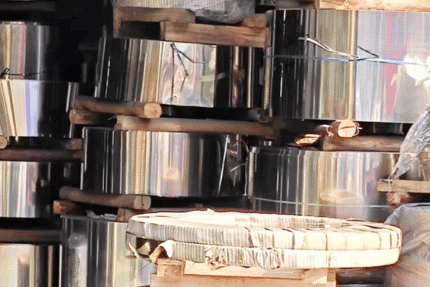
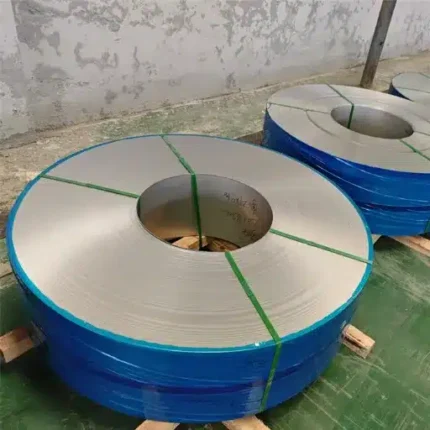
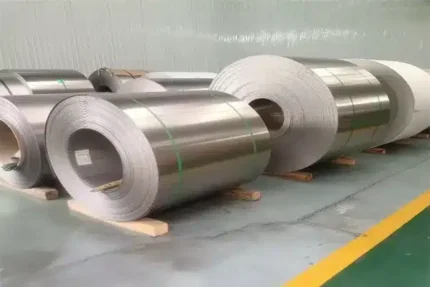
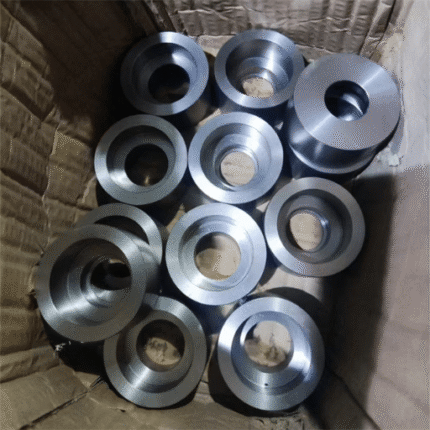
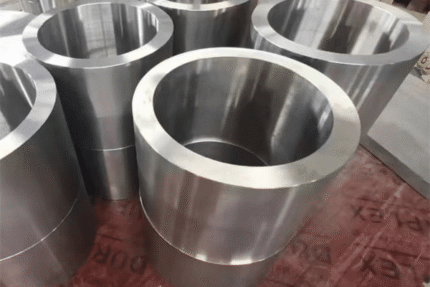
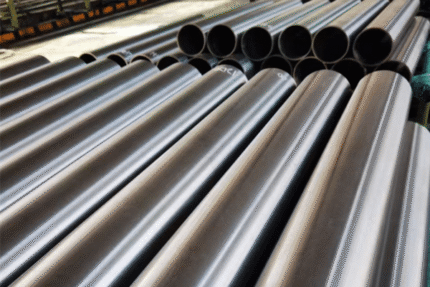
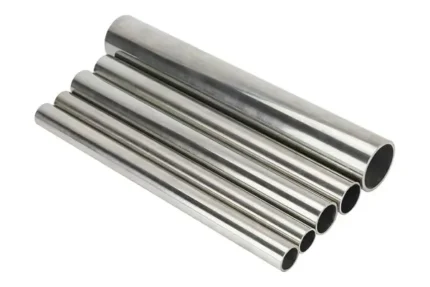
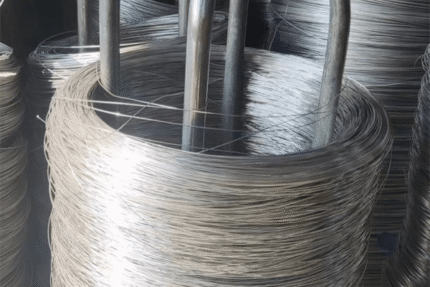
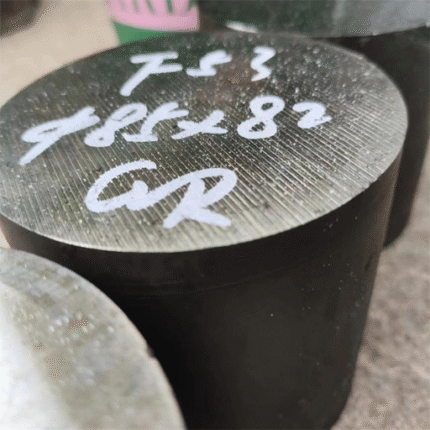
High Standard Stainless Steel With Strict Inspection


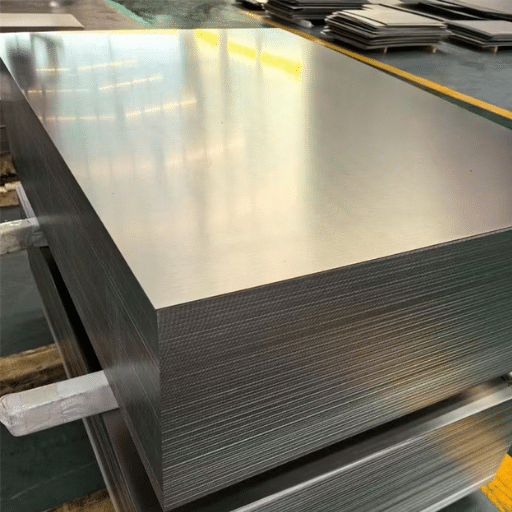
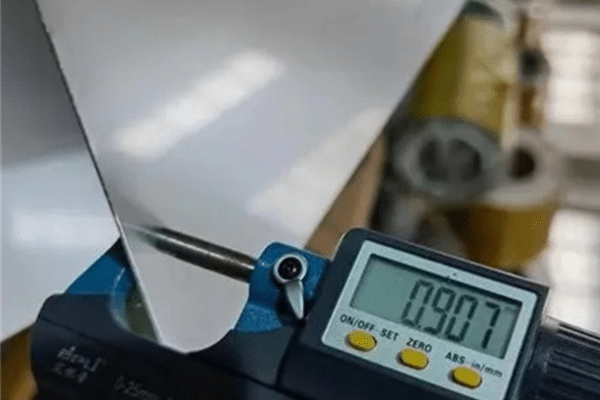
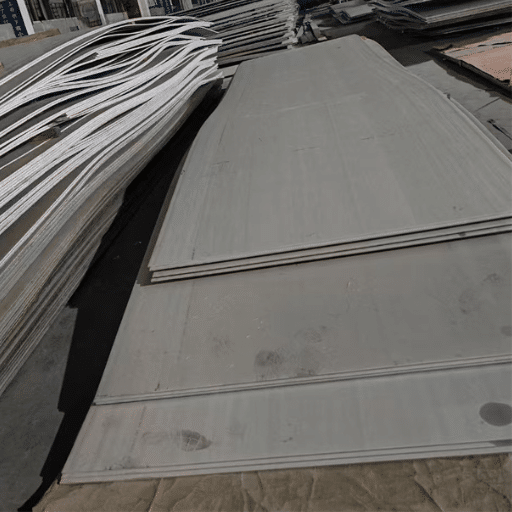
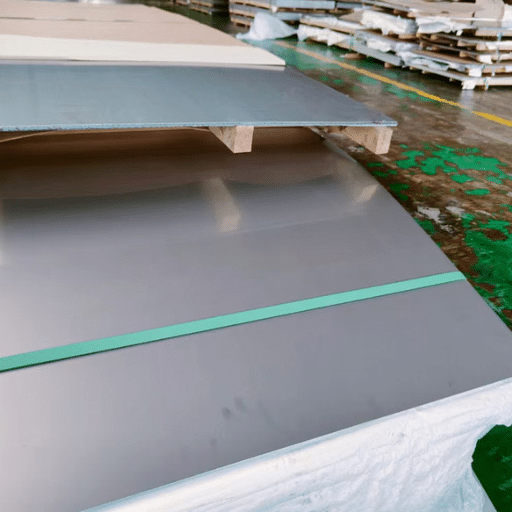

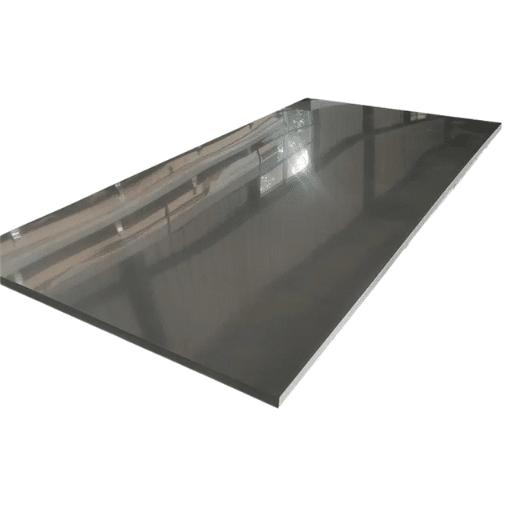
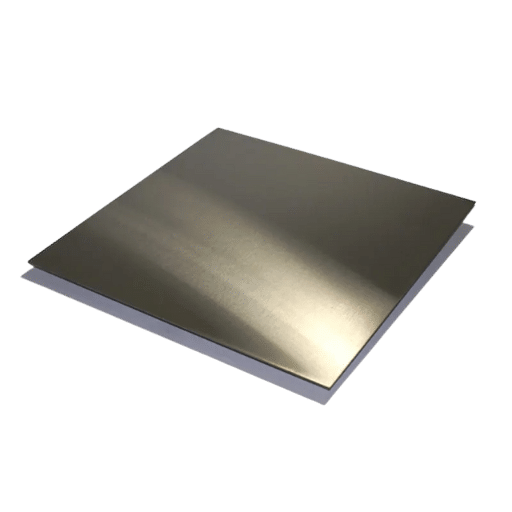

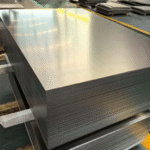

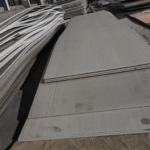
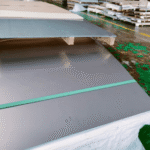

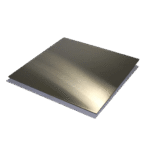

Stainless Steel Plates
No. 1 Finish (Hot Rolled, Annealed, Pickled) A rough, matte surface with visible grain structure. This mill finish is economical and suitable for applications where appearance is secondary. It provides good paint adhesion and is often specified for structural components that will be coated. 2B Finish (Cold Rolled, Bright Annealed) A smooth, moderately reflective surface […]
Description


Understanding Stainless Steel Plate vs. Sheet Terminology
In industrial procurement, precise terminology matters. While “plate” and “sheet” are sometimes used interchangeably, there is a recognized thickness threshold that differentiates them in the metal supply industry.
Stainless steel sheet typically refers to material with a thickness of 6mm (approximately 0.25 inches) or less. These thinner gauges are ideal for forming, stamping, and applications where weight reduction is a priority.
Stainless steel plate, conversely, describes material exceeding 6mm in thickness. This heavier gauge steel provides the necessary mass and rigidity for load-bearing structures, thick-wall vessels, and components subjected to high mechanical stress. Our inventory focuses primarily on plate thicknesses ranging from 6mm to 120mm, though custom dimensions can be sourced upon request.
Exploring Common Stainless Steel Grades
Selecting the correct grade ensures optimal performance and longevity for your specific application environment. We stock the most specified grades, with additional specialty alloys available upon request.
304/304L Stainless
The most versatile austenitic grade, 304 stainless steel balances formability, weldability, and reliable atmospheric corrosion resistance for general fabrication and structural applications.
General-purpose workhorseExcellent weldabilityCost-effective solution
316/316L Stainless
Enhanced with molybdenum, 316 stainless plate delivers superior resistance to chlorides, acids, and marine environments, making it essential for aggressive corrosive conditions.
Marine-grade protectionChloride resistanceEnhanced pitting resistance
Duplex Stainless Steel
High-strength duplex grades provide exceptional stress corrosion cracking resistance and superior mechanical properties for offshore, chemical processing, and high-pressure systems.
Superior strength-to-weight ratioOffshore-rated performanceStress corrosion resistant
Stainless Steel Plates Standard Specifications and Dimensions
| Specification | Available Range |
|---|---|
| Thickness | 6mm – 120mm (custom thickness available) |
| Width | 1000mm – 2500mm (wider dimensions on request) |
| Length | 2000mm – 6000mm (cut-to-length service available) |
| Surface Finish | 2B (cold rolled), No.1 (hot rolled), BA (bright annealed), polished |
| Edge Condition | Mill edge, slit edge, precision sheared, machined edge |
| Flatness Tolerance | ±3mm per meter (tighter tolerances available) |
| Standards Compliance | ASTM A240, EN 10028-7, JIS G4304, GB/T 4237 |
| Common Grades in Stock | 304, 304L, 316, 316L, 321, 310S, 2205 duplex (other grades available on request) |
Stainless Steel Plates Surface Finish Options and Their Impact
Surface finish directly influences both aesthetic appeal and functional performance. The choice affects cleanability, friction characteristics, and corrosion initiation resistance.

No. 1 Finish (Hot Rolled, Annealed, Pickled)
A rough, matte surface with visible grain structure. This mill finish is economical and suitable for applications where appearance is secondary. It provides good paint adhesion and is often specified for structural components that will be coated.

2B Finish (Cold Rolled, Bright Annealed)
A smooth, moderately reflective surface that represents the most common commercial finish. The 2B surface is easily cleaned and maintains appearance well in indoor environments. It is the standard choice for kitchen equipment, tanks, and general fabrication.

No. 4 Finish (Brushed/Satin)
Achieved through progressive abrasive polishing, this directional grain finish hides minor scratches and fingerprints. Architectural panels, elevator interiors, and appliance fascias frequently specify No. 4 finish for its attractive, low-maintenance appearance.

Mirror/8K Finish (High Polish)
The highest level of polish creates a highly reflective, mirror-like surface. While visually striking, this finish shows every imperfection and requires diligent maintenance. It is reserved for decorative applications, high-end architectural features, and pharmaceutical clean rooms.
Our Stainless Steel Plate Processing and Fabrication Capabilities
Raw plate is only the starting point. Our value-added services transform stock material into project-ready components, reducing your manufacturing lead time and handling complexity.
Precision Cutting
CNC plasma, laser, and waterjet cutting services deliver tight tolerances and clean edges, eliminating the need for secondary deburring. We can cut complex shapes directly from CAD files.
Surface Treatment
Beyond standard mill finishes, we offer pickling, passivation, and electropolishing to enhance corrosion resistance and surface cleanliness for sanitary or high-purity applications.

Bending and Forming
Our press brake capacity handles plate up to 25mm thick, enabling the formation of channels, angles, and custom profiles to your exact specifications.
Certification and Traceability
Every stainless steel plate ships with complete documentation: Mill Test Certificates (MTC 3.1), heat number traceability, and third-party inspection reports when required.
Key Industrial Applications for Stainless Steel Plates
Chemical and Petrochemical Infrastructure
Reaction vessels, distillation columns, and storage tanks handling corrosive substances demand the reliability of 316 stainless plate or duplex grades. These materials withstand thermal cycling and aggressive chemical attack, ensuring operational safety and minimizing downtime.
Marine and Offshore Engineering
Saltwater environments represent one of the most challenging corrosion scenarios. Marine-grade stainless steel plate, particularly duplex 2205 and super duplex 2507, resists pitting and crevice corrosion in splash zones and submerged components, extending service life in harsh offshore conditions.
Pressure Vessel and Boiler Construction
High-pressure steam systems, industrial boilers, and pressure containment structures rely on thick 304 stainless steel or 316 grade plate for structural integrity. The material’s consistent mechanical properties and weldability ensure reliable performance under extreme temperature and pressure conditions in critical infrastructure.
What Our Clients Say
The dimensional accuracy of the stainless steel plate we received was exceptional. Every piece was within tolerance, which streamlined our pressure vessel fabrication schedule significantly.

Senior Fabrication Manager
Process Equipment Manufacturer
“Their cut-to-size service saved us considerable time. The laser-cut blanks arrived ready for welding, eliminating our in-house plasma cutting operation entirely.”

Production Supervisor
Tank Fabrication Company

Why Choose Our Stainless Steel Plate
Beyond product quality, your supplier’s operational capabilities determine project success. Our infrastructure is built to support demanding international procurement requirements.
Deep Inventory Across Critical Grades: We maintain substantial stock of 304 stainless plate and 316 stainless plate in common thicknesses, enabling rapid fulfillment without the delays typical of mill-direct orders.Advanced Processing Infrastructure: Our cutting, forming, and surface treatment capabilities transform raw stainless steel plate into fabrication-ready components, eliminating multiple supplier touchpoints and reducing your project timeline.Technical Guidance for Material Selection: Our metallurgical engineers assist in grade selection based on your specific operating environment, temperature ranges, and corrosive exposure conditions, optimizing performance while controlling costs.Flexible Order Quantities: Whether you need a single plate for prototyping or containerload volumes for production, we accommodate orders of all sizes without imposing restrictive minimum order quantities.Global Logistics Network: Our export team manages international freight forwarding, ensuring your stainless steel plate arrives on schedule regardless of destination, with transparent tracking and proactive communication throughout transit.
Our Latest Blogs

Alloy 625 Severe Sour Gas Service: Complete Guide
Alloy 625 is the default nickel-based alloy for severe sour gas service, qualified under NACE MR0175/ISO 15156 for all H2S…

Super 13Cr Stainless Steel: CO2 & Sour Service Guide
Super 13Cr stainless steel is a low-carbon, nickel- and molybdenum-strengthened martensitic grade (UNS S41425, S41426, S41427) built to outlast conventional…

Inconel 718 vs 725 vs 925: The Complete Selection Guide
Inconel 718, 725, and 925 are all age-hardenable nickel alloys, but each is built for a different job. Choose Inconel…

Duplex Stainless Steel Sour Service: 2205 vs 2507 Limits
Yes, duplex stainless steel sour service is practical and proven, but only within defined NACE MR0175/ISO 15156 limits. Standard duplex…

What Is Sour Service? H2S Environments Explained
Sour service is oil and gas equipment exposure to hydrogen sulfide (H2S) that can crack steel and other alloys. Under…

Sulfide Stress Cracking: Hardness Limits & Prevention
Sulfide stress cracking (SSC) is a form of hydrogen embrittlement that occurs when high-hardness steel under tensile stress is exposed…

NACE MR0175/ISO 15156 Explained: Sour Service Guide
NACE MR0175/ISO 15156 is the international standard that governs metallic materials for oil and gas production environments containing hydrogen sulfide…

How to Select Corrosion-Resistant Alloys for Sour Service
To select a corrosion-resistant alloy for sour service, characterize the environment first, classify sour severity by H2S partial pressure, screen…
Frequently Asked Questions
What is the difference between hot-rolled and cold-rolled stainless steel plate?
Hot-rolled plate has a rougher surface finish (No.1) and slightly looser dimensional tolerances, making it suitable for structural applications. Cold-rolled material offers a smoother 2B finish with tighter thickness tolerances, preferred for fabricated components requiring better surface quality.
Can I order stainless steel plate cut to my exact dimensions?
Yes, we provide precision cutting services including plasma, laser, and waterjet cutting. Submit your CAD drawings or dimensional specifications, and we’ll deliver cut-to-size blanks ready for welding or further fabrication, eliminating material waste.
What thickness range is considered “plate” versus “sheet”?
Industry convention defines sheet as material under 6mm thick, while plate refers to 6mm and above. However, some suppliers use different thresholds. Always specify exact stainless steel plate thickness requirements to avoid confusion.
How does stainless steel plate pricing compare to carbon steel?
Stainless steel plate typically costs 3-5 times more than carbon steel due to alloying elements like chromium and nickel. However, when factoring in lifecycle costs—eliminating painting, maintenance, and premature replacement—stainless often proves more economical long-term.
Is there a minimum order quantity for stainless steel plate?
We accommodate orders from single sheets to full container loads. Small quantity orders may incur cutting fees or higher per-unit pricing, but we prioritize flexibility to support both prototyping and large-scale production requirements.
What causes discoloration or staining on stainless steel plate surfaces?
Heat tint from welding, embedded iron contamination from carbon steel tools, or chloride exposure can cause surface discoloration. Most staining can be removed through mechanical polishing, pickling, or passivation treatments to restore the protective oxide layer.
Can stainless steel plate be formed or bent without cracking?
304 and 316 grades have excellent formability. Cold bending is possible for moderate radii; tighter bends may require heating. Forming perpendicular to the rolling direction generally yields better results. Consult our technical team for specific bend radius recommendations.
How should I store stainless steel plate to prevent damage?
Store plate horizontally on padded supports with adequate spacing to prevent sagging. Keep material covered but ventilated to avoid moisture accumulation. Never stack directly on concrete or allow contact with carbon steel, which can cause contamination and corrosion.
Shipping and Delivery