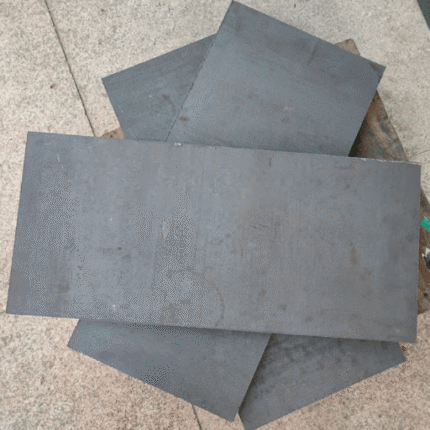
High Standard Stainless Steel With Strict Inspection


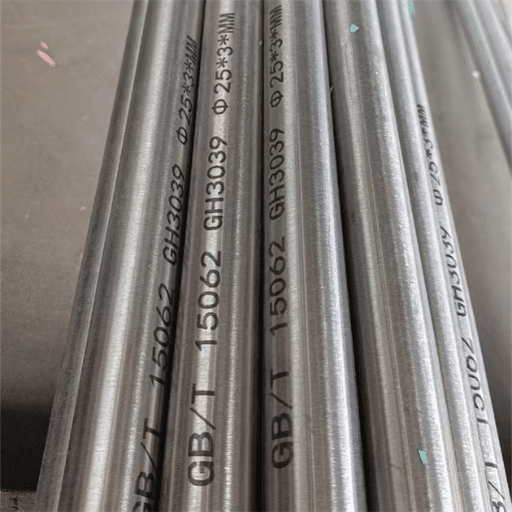
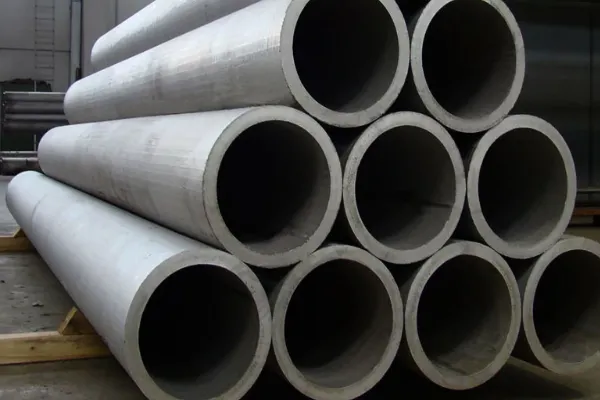
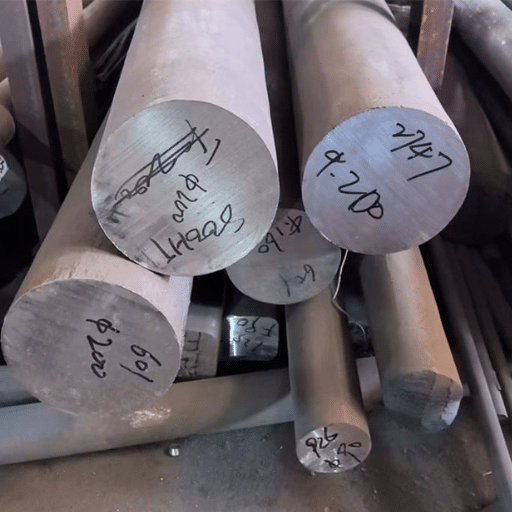
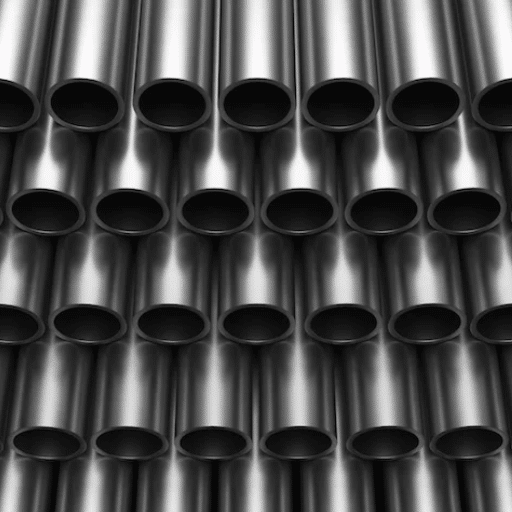
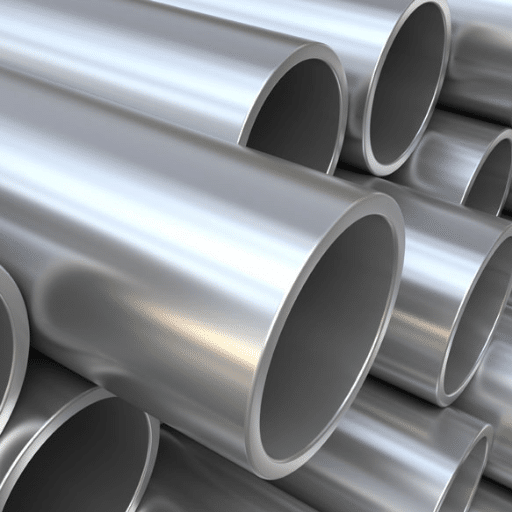
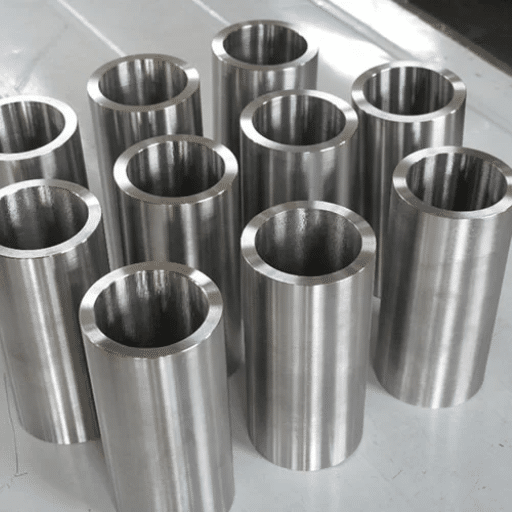
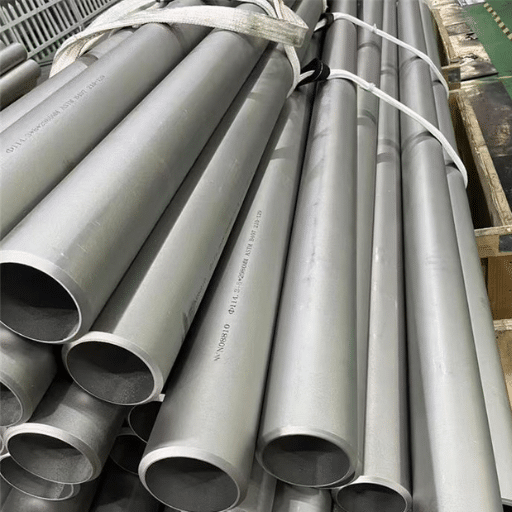

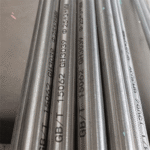
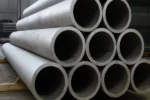
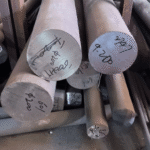
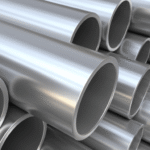
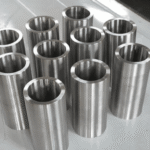


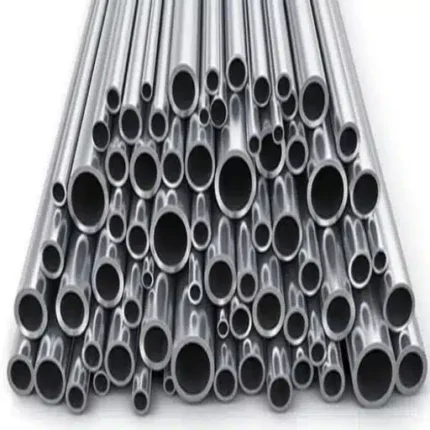
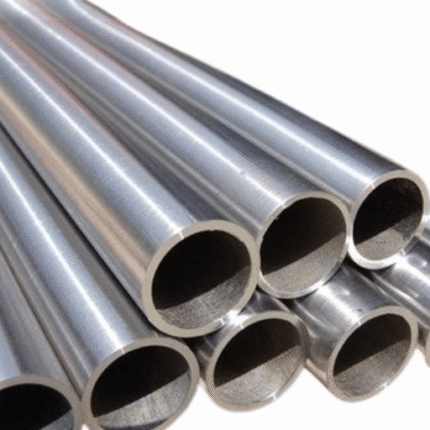
Nickel Alloy Tubes
Excellent Weldability Can be welded using TIG, laser, and other advanced techniques without significant loss of properties, enabling complex fabrication and custom solutions. Precision Manufacturing Available in both seamless and welded configurations, manufactured to exacting tolerances with state-of-the-art quality control systems. Long Service Life Extended operational lifespan reduces replacement frequency and total cost of ownership, […]
Description


Nickel Alloy Tubes Overview
Our premium nickel alloy tubes represent the pinnacle of metallurgical engineering, designed to withstand the most demanding conditions in aerospace, chemical processing, power generation, and oil & gas industries. With exceptional corrosion resistance, high-temperature strength, and superior mechanical properties, our tubes deliver unmatched performance and reliability.
Available Alloy Grades & Compositions
Our nickel alloy tubes serve critical functions across diverse industries, delivering reliable performance in the most demanding environments.
Hastelloy C-22
UNS Number:N06022Key Composition:56% Ni, 20-22.5% Cr, 12.5-14.5% MoPrimary Characteristics: Excellent resistance to oxidizing and reducing environments
Hastelloy C-276
UNS Number:N10276Key Composition:57% Ni, 14.5-16.5% Cr, 15-17% MoPrimary Characteristics: Outstanding resistance to pitting, stress corrosion cracking, and oxidizing atmospheres
Incoloy 825
UNS Number:N08825Key Composition:38-46% Ni, 19.5-23.5% Cr, 2.5-3.5% MoPrimary Characteristics: Superior resistance to sulfuric and phosphoric acids
Nickel Alloy Tubes Physical & Mechanical Properties
| Property | Specification Range | Testing Standard |
|---|---|---|
| Tensile Strength | 75,000 – 220,000 psi (520 – 1520 MPa) | ASTM E8 |
| Yield Strength (0.2% offset) | 30,000 – 180,000 psi (207 – 1241 MPa) | ASTM E8 |
| Elongation | 15% – 50% minimum (depending on grade) | ASTM E8 |
| Hardness | Rockwell B 70-95 / Brinell 140-280 | ASTM E18 / E10 |
| Density | 8.1 – 8.9 g/cm3 | ASTM B311 |
| Melting Point Range | 2400°F – 2550°F (1316°C – 1399°C) | ASTM E794 |
| Thermal Conductivity | 6.5 – 17 BTU/(hr·ft·°F) at 70°F | ASTM E1461 |
| Coefficient of Thermal Expansion | 6.4 – 7.5 × 10⁻⁶ in/in/°F (11.5 – 13.5 μm/m/°C) | ASTM E228 |
| Electrical Resistivity | 580 – 1290 ohm·circ mil/ft | ASTM B193 |
Why Nickel Alloy Tubes?
Choosing the right nickel alloy tube for your application requires careful consideration

Excellent Weldability
Can be welded using TIG, laser, and other advanced techniques without significant loss of properties, enabling complex fabrication and custom solutions.

Precision Manufacturing
Available in both seamless and welded configurations, manufactured to exacting tolerances with state-of-the-art quality control systems.

Long Service Life
Extended operational lifespan reduces replacement frequency and total cost of ownership, delivering exceptional value over decades of service.

High Mechanical Strength
Outstanding tensile and yield strength combined with excellent ductility, ensuring reliability under high-pressure conditions and mechanical stress.
Industry Applications for Nickel Alloy Tubes
Our nickel alloy tubes serve critical functions across diverse industries, delivering reliable performance in the most demanding environments. From aerospace to chemical processing, our solutions ensure operational excellence.
Chemical Processing
Reactor vessels, distillation columns, acid processing equipment, polymer production, catalyst regenerators, heat recovery systems, chlorination systems
Medical & Pharmaceutical
Surgical instruments, implantable devices, orthopedic applications, catheter components, medical gas systems, sterilization equipment, pharmaceutical processing

Food & Beverage
Food processing equipment, dairy processing, brewery systems, pasteurization units, evaporators, heat exchangers
Automotive & EV
Exhaust systems, catalytic converters, turbocharger components, fuel injection systems, electric vehicle battery systems, high-performance engine parts
Quality Assurance & Testing for Nickel Alloy Tubes
- Hydrostatic pressure testing per ASTM specifications
- Non-destructive testing (NDT): Ultrasonic, Eddy Current, X-ray
- Chemical composition analysis via optical emission spectroscopy
- Mechanical properties testing including tensile and hardness
- Positive Material Identification (PMI) testing
- Full traceability with mill test certificates (MTC/MTR)
- Third-party inspection available upon request
- ISO 9001:2015 certified manufacturing facilities
What Our Clients Say
“In nuclear applications, safety and quality are paramount. Their nickel alloy tubes meet every nuclear industry standard and code requirement. The material certifications, testing documentation, and chain of custody tracking are exemplary. We’ve installed thousands of feet of their tubing in our steam generators with complete confidence.”

John Stevens
Nuclear Engineering Supervisor
“Their technical team helped us select the right alloy for our unique application involving alternating oxidizing and reducing atmospheres. The Inconel 600 tubes they recommended have performed perfectly for 4 years. Their application engineering expertise saved us time and money by getting it right the first time. True industry partners.”

Patricia Coleman
VP of Operations

Why Choose Our Nickel Alloy Tubes
We don’t just supply nickel alloy tubes – we deliver complete solutions backed by decades of metallurgical expertise, unwavering quality standards, and customer-centric service that sets industry benchmarks.
Fast Turnaround: Standard items ship within 48 hours. Custom orders are delivered 30-50% faster than the industry average. Emergency expediting available for critical situations.Competitive Pricing: Direct relationships with premier mills worldwide ensure best-in-class pricing without compromising quality. Volume discounts and long-term partnership programs are available.Complete Documentation: Full traceability with certified mill test reports (MTR/MTC), material certifications, PMI results, and compliance documentation for all regulatory requirements.Global Reach: Worldwide distribution network with logistics expertise for international shipping. Serving customers in 75+ countries across six continents with reliable delivery.Sustainability Commitment: Environmentally responsible manufacturing practices and recycling programs. Helping customers achieve sustainability goals while maintaining product excellence.
Our Latest Blogs

Alloy 625 Severe Sour Gas Service: Complete Guide
Alloy 625 is the default nickel-based alloy for severe sour gas service, qualified under NACE MR0175/ISO 15156 for all H2S…

Super 13Cr Stainless Steel: CO2 & Sour Service Guide
Super 13Cr stainless steel is a low-carbon, nickel- and molybdenum-strengthened martensitic grade (UNS S41425, S41426, S41427) built to outlast conventional…

Inconel 718 vs 725 vs 925: The Complete Selection Guide
Inconel 718, 725, and 925 are all age-hardenable nickel alloys, but each is built for a different job. Choose Inconel…

Duplex Stainless Steel Sour Service: 2205 vs 2507 Limits
Yes, duplex stainless steel sour service is practical and proven, but only within defined NACE MR0175/ISO 15156 limits. Standard duplex…

What Is Sour Service? H2S Environments Explained
Sour service is oil and gas equipment exposure to hydrogen sulfide (H2S) that can crack steel and other alloys. Under…

Sulfide Stress Cracking: Hardness Limits & Prevention
Sulfide stress cracking (SSC) is a form of hydrogen embrittlement that occurs when high-hardness steel under tensile stress is exposed…

NACE MR0175/ISO 15156 Explained: Sour Service Guide
NACE MR0175/ISO 15156 is the international standard that governs metallic materials for oil and gas production environments containing hydrogen sulfide…

How to Select Corrosion-Resistant Alloys for Sour Service
To select a corrosion-resistant alloy for sour service, characterize the environment first, classify sour severity by H2S partial pressure, screen…
Frequently Asked Questions
What types of nickel alloy tubes are available?
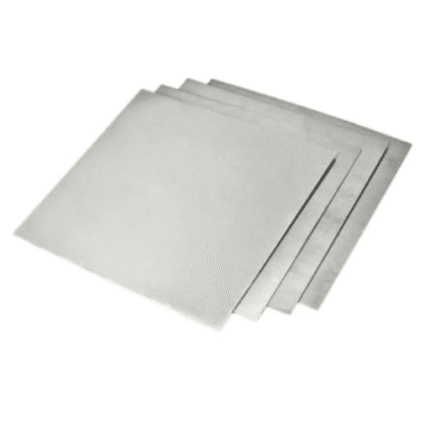
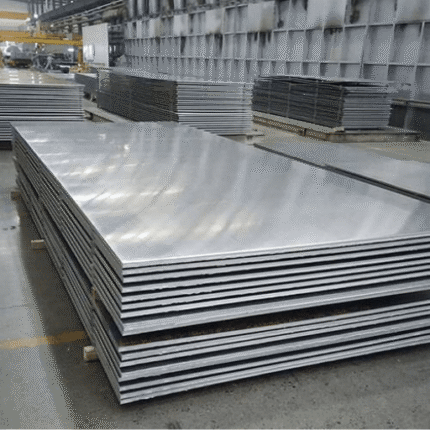
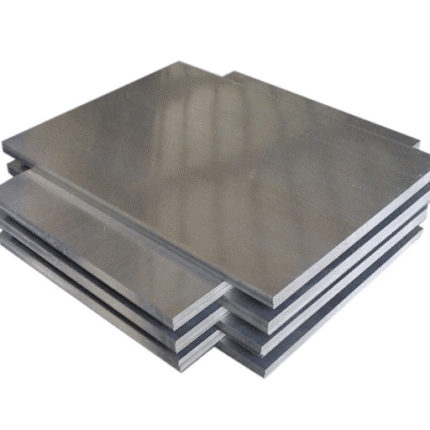
Hot-rolled plate has a rougher surface finish (No.1) and slightly looser dimensional tolerances, making it suitable for structural applications. Cold-rolled material offers a smoother 2B finish with tighter thickness tolerances, preferred for fabricated components requiring better surface quality.
How do I choose the right nickel alloy grade for my application?
The choice of nickel alloy grade depends on the specific requirements of your application. For example, Nickel 200 and 201 are excellent for general corrosion resistance and high-temperature applications. Inconel alloys (600, 625, 718) are ideal for extreme heat and stress, while Monel alloys (400, K500) are perfect for marine and chemical environments. Hastelloy alloys (C22, C276) are best for handling highly corrosive chemicals. Consulting with a materials expert can help ensure the right grade is selected.
Are nickel alloy tubes suitable for high-temperature applications?
Yes, nickel alloy tubes are highly suitable for high-temperature applications. They can withstand temperatures up to 1200°C (2192°F) depending on the alloy, making them ideal for use in heat exchangers, steam generators, and jet engines. Their resistance to oxidation and creep ensures long-term performance in extreme heat conditions.
How should nickel alloy tubes be stored and handled?
To maintain their quality, nickel alloy tubes should be stored in a dry, well-ventilated area away from contaminants. Avoid contact with carbon steel or other metals to prevent cross-contamination. When handling, use nylon slings or padded chains instead of steel cables to avoid surface damage. Proper storage and handling practices ensure the tubes remain in optimal condition for use.
What is the typical lead time for nickel alloy tube orders?
The lead time for nickel alloy tube orders depends on the size, grade, and customization requirements. Standard sizes are often available for immediate shipment, while custom orders may take 4-8 weeks. Expedited services may be available for urgent projects, ensuring timely delivery to meet project deadlines.
Are nickel alloy tubes environmentally friendly?
Yes, nickel alloy tubes are environmentally friendly. They are highly durable, reducing the need for frequent replacements, which minimizes waste. Additionally, nickel alloys are recyclable, and many manufacturers adopt sustainable practices in their production processes, contributing to a greener future.
What certifications are available for nickel alloy tubes?
Nickel alloy tubes can be certified to meet various industry standards, ensuring their quality and suitability for specific applications. Common certifications include ASTM B163, ASTM B167, ASME SB163, and ISO 6207. These certifications guarantee compliance with stringent industry requirements, providing peace of mind for customers.
Can nickel alloy tubes be customized?
Yes, nickel alloy tubes can be fully customized to meet specific project needs. Customization options include tailored dimensions such as outer diameter, wall thickness, and length, as well as surface finishes like polished or machined. Additionally, tubes can be manufactured to comply with specific industry standards and certifications, ensuring they meet the exact requirements of your application.
Shipping and Delivery