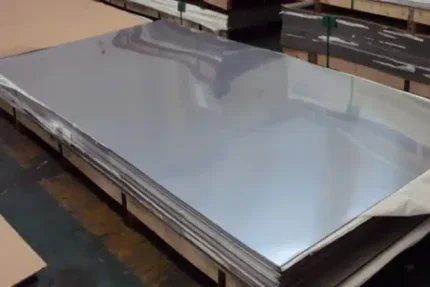
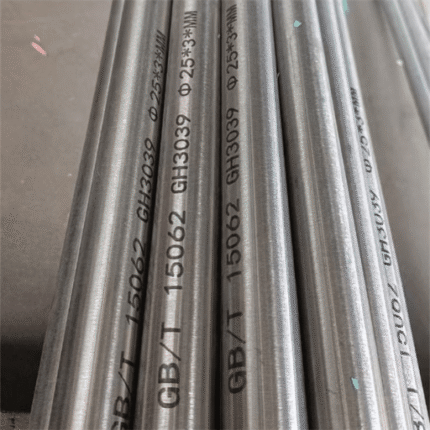
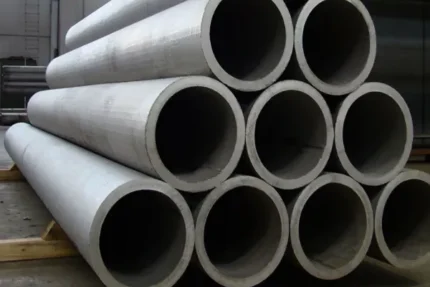
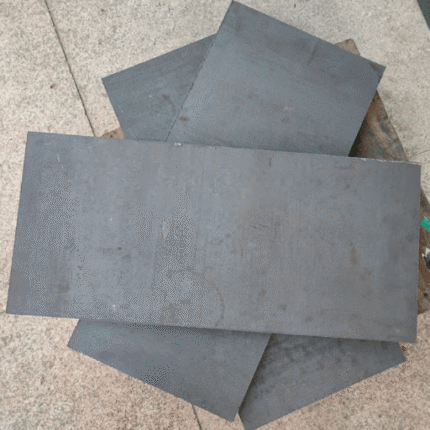
High Standard Stainless Steel With Strict Inspection


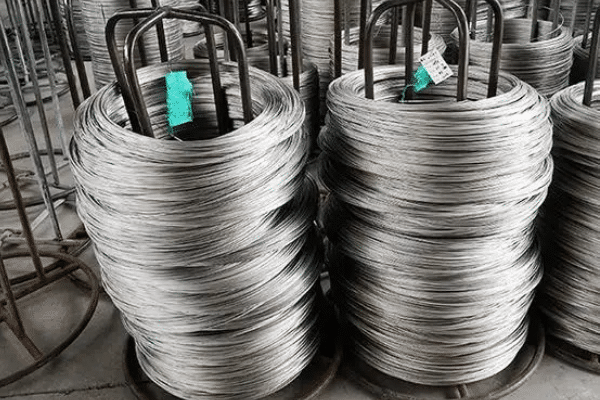
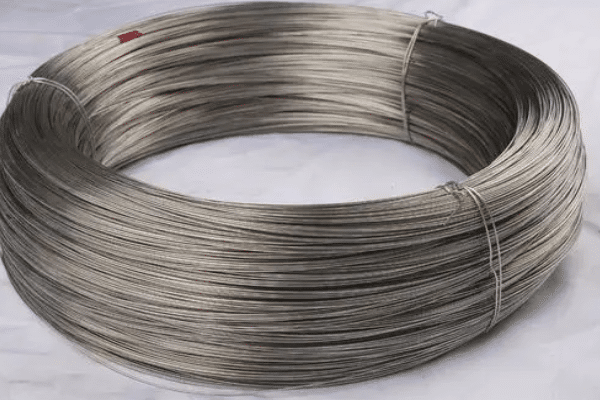
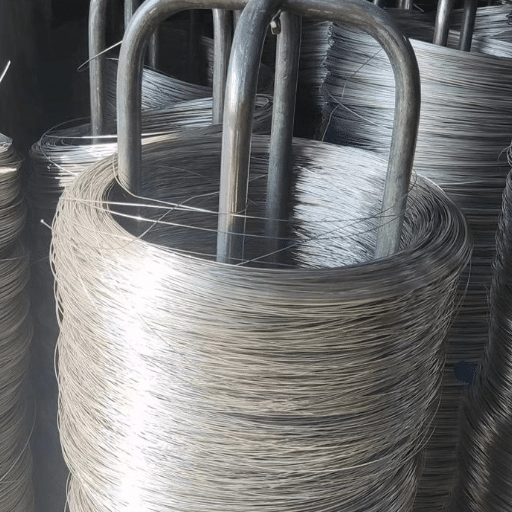
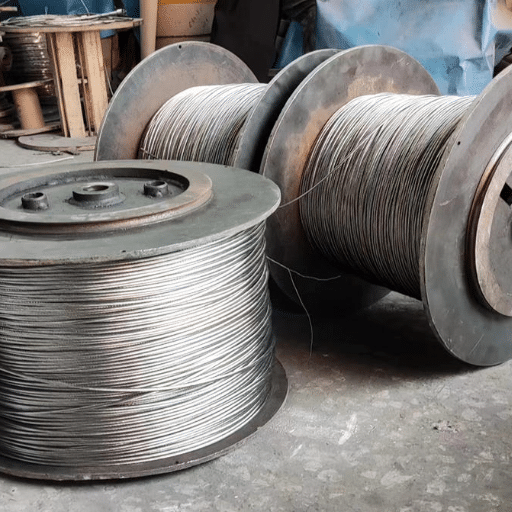
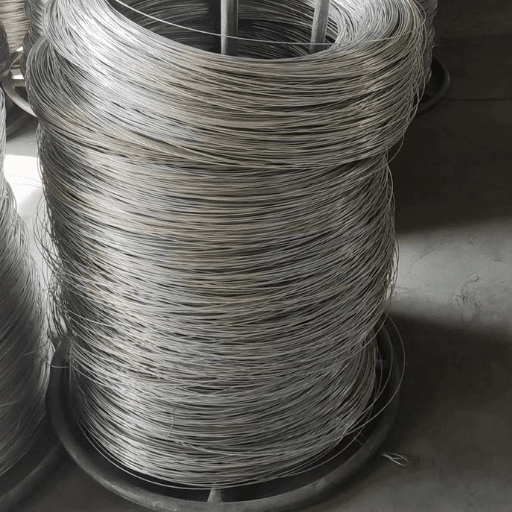
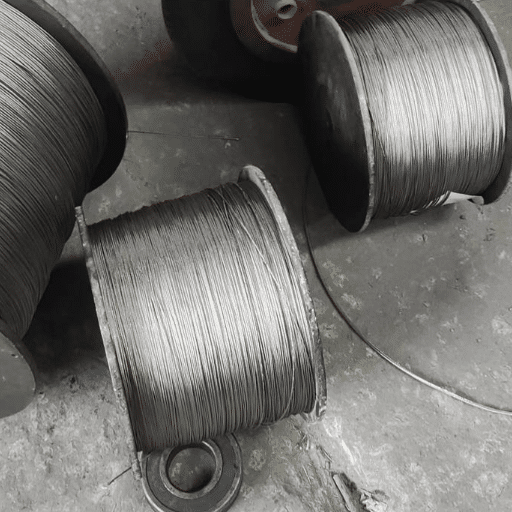
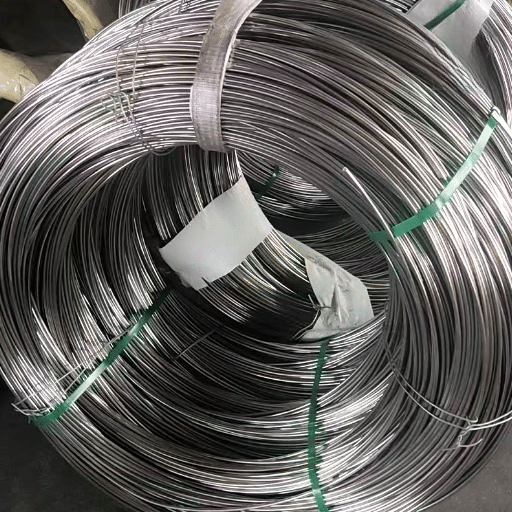


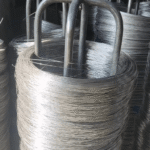
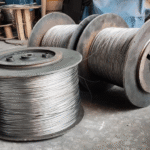
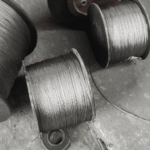
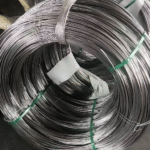

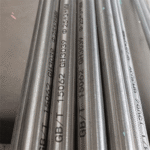

Nickel Alloy Wire
The Foundation of Performance The final condition of a nickel alloy wire—encompassing its temper, hardness, and surface finish—is a critical factor that dictates its ultimate performance. Whether it is a high-strength superalloy wire for a critical fastener or a ductile high-temp wire for a heating element, the specific condition determines its suitability for the intended […]
Description


Introduction to Nickel Alloy Wire
Nickel Alloy Wire is a versatile material that combines the properties of nickel with other metals to enhance performance. Known for its excellent corrosion resistance and high-temperature stability, this superalloy wire is essential in various industrial applications. The wire’s unique composition allows it to maintain its integrity under extreme conditions, making it a preferred choice among manufacturers.
Exploring Premium Nickel Alloy Wire Grades
Comprehensive range of superalloy wire engineered for extreme environments and critical applications
Inconel Wire (600, 625, 718, X-750)
High-strength nickel-chromium superalloy wire with excellent oxidation resistance and stress-rupture strength at high temperatures. Perfect for gas turbines, nuclear reactors, and rocket engines operating above 1000°C.
Hastelloy Wire (C-276, C-22, B-3, X)
Superior corrosion-resistant superalloy wire for highly aggressive chemical environments. Outstanding resistance to pitting, crevice corrosion, and stress corrosion cracking in oxidizing and reducing atmospheres.
TIG Welding Wire (ERNiCr-3, ERNiCrMo-3)
Premium GTAW/TIG welding wire for joining nickel alloys and dissimilar metals. Consistent arc stability, minimal spatter, and excellent weld bead appearance. Certified to AWS A5.14 specifications with full lot traceability.
Nickel Alloy Wire Technical Specifications
| Property | Details |
|---|---|
| Common Alloys | Inconel® 600, 601, 625, 718, X-750; Hastelloy® C276, C22, X; Monel® 400; Nickel 200/201 |
| Other Alloys Available | Alloy 20, Alloy 80A, Haynes? alloys, Nimonic? alloys, Waspaloy, and others on request |
| Product Forms | Round Wire, Flat Wire, Square Wire, Shaped Wire, Welding Wire (Spools, Cut Lengths), TIG Rods |
| Size Range | Diameters: 0.001″–0.5″ (0.025mm–12.7mm); custom diameters and shapes available |
| Length Options | Reels, coils, spools (DIN, BS, or custom), straight lengths (up to 10 ft / 3m standard) |
| Temper / Hardness | Annealed, Quarter Hard, Half Hard, Full Hard, Spring Temper |
| Surface Finishes | Bright, Dull, Matte, Plated (tin, silver), Insulated or bare |
| Tolerances | Standard ±0.0002″ (±0.005mm); tighter tolerances available |
| Governing Standards | ASTM B166/B574/B572, AMS 5581/5699/5833, AWS A5.14, ISO 9001, and more |
| Certifications | Full mill certification, EN 10204 3.1/3.2, ROHS and REACH compliant |
Optimizing Performance: The Critical Role of Nickel Alloy Wire Condition
Nickel alloy wires are the backbone of modern technology, enabling advancements in industries where material performance is paramount.

The Foundation of Performance
The final condition of a nickel alloy wire—encompassing its temper, hardness, and surface finish—is a critical factor that dictates its ultimate performance. Whether it is a high-strength superalloy wire for a critical fastener or a ductile high-temp wire for a heating element, the specific condition determines its suitability for the intended application. This goes beyond basic chemical composition, influencing everything from mechanical strength and formability to its resistance against environmental degradation in corrosive or high-temperature environments.

The Critical Role of Surface Finish
The surface finish of a nickel alloy wire plays a vital role in its functional characteristics. A highly polished or bright-drawn surface, for example, minimizes microscopic crevices where corrosion can initiate, thereby enhancing its protective passive layer and reducing friction in mechanical systems. In contrast, an annealed or matte finish might be preferred for better adhesion in subsequent coating or welding processes. Selecting the correct finish ensures the wire not only performs reliably but also integrates seamlessly into the final product.

Impact on Mechanical and Thermal Properties
A wire’s condition is directly linked to its fundamental thermal and mechanical properties. Manufacturing processes like annealing or age-hardening can drastically alter the tensile strength, ductility, and modulus of rigidity of a superalloy wire, tailoring it for specific load-bearing tasks. For a high-temp wire used in sensitive assemblies, controlling its condition ensures a predictable coefficient of expansion, which is crucial for preventing thermally induced stress and component failure at extreme operating temperatures.

Application-Specific Selection
Ultimately, selecting the appropriate wire condition is crucial for ensuring success and safety across demanding industries. An age-hardened nickel alloy wire may be specified for a high-strength spring in an aerospace application, while a soft, annealed condition might be required for complex forming in a petrochemical sensor or a flexible heating element. Understanding these nuances ensures that the material performs optimally, meets stringent regulatory standards, and provides a long, reliable service life.
Key Product Features of Nickel Alloy Wire
We deliver top-tier nickel alloy wire, precision-drawn to meet the strictest industry standards. Whether you need high-temp wire for a furnace or TIG wire for a critical weld, our inventory is ready to meet your needs.
Extreme Temperature Resistance
Maintains mechanical integrity in environments ranging from cryogenic to over 2000°F (1093°C).
Excellent Weldability
Formulated for consistent, high-quality welds in TIG, MIG, and submerged arc welding processes.

Superior Corrosion Control
Unmatched resistance to oxidation, sulfidation, and attack from acids and saltwater.
Precision Tolerances
Manufactured to tight dimensional and chemical specifications for automated and precision applications.
Key Application Scenarios for Nickel Alloy Wire
Aerospace & Aviation
Jet engine components, turbine blades, exhaust systems, aircraft fasteners, APU parts. Inconel 718 wire for high-stress rotating parts maintaining strength at 650°C.
Power Generation
Gas turbine hot sections, steam turbine components, nuclear reactor internals, geothermal wells. Inconel 625 provides creep resistance and oxidation protection above 900°C.
Power Generation
Gas turbine hot sections, steam turbine components, nuclear reactor internals, geothermal wells. Inconel 625 provides creep resistance and oxidation protection above 900°C.
Medical Devices
Surgical instruments, implantable devices, dental tools, catheter guide wires. Biocompatible nickel alloys meet FDA requirements for long-term body contact applications.
What Our Clients Say
“We’ve been relying on these nickel alloy wires for our aerospace projects and have never experienced a failure. The consistency and quality are exceptional.”

Mark Chen
Senior Materials Engineer
“The welding wires perform flawlessly, even in high-temperature, corrosive refinery environments. Technical support always goes the extra mile.”

Linda Rowe
Plant Manager

Why Choose Us for Your Nickel Alloy Wire Needs?
Custom Solutions: We manufacture to your precise requirements, offering custom diameters, tempers, alloys, and even prototype runs for R&D projects.Reliable Partnership: From first contact to final delivery, our mission is your complete satisfaction—backed by dedicated customer service and technical know-how.Uncompromising Quality: Every product is manufactured in ISO 9001:2015 certified facilities and thoroughly tested before shipping.Expert Application Support: Our experienced engineering and technical teams provide guidance on material selection, processing, and troubleshooting.Extensive Inventory & Fast Turnaround: Large on-hand selection and agile logistics ensure you get the exact wire you need—when you need it.
Our Latest Blogs

Alloy 625 Severe Sour Gas Service: Complete Guide
Alloy 625 is the default nickel-based alloy for severe sour gas service, qualified under NACE MR0175/ISO 15156 for all H2S…

Super 13Cr Stainless Steel: CO2 & Sour Service Guide
Super 13Cr stainless steel is a low-carbon, nickel- and molybdenum-strengthened martensitic grade (UNS S41425, S41426, S41427) built to outlast conventional…

Inconel 718 vs 725 vs 925: The Complete Selection Guide
Inconel 718, 725, and 925 are all age-hardenable nickel alloys, but each is built for a different job. Choose Inconel…

Duplex Stainless Steel Sour Service: 2205 vs 2507 Limits
Yes, duplex stainless steel sour service is practical and proven, but only within defined NACE MR0175/ISO 15156 limits. Standard duplex…

What Is Sour Service? H2S Environments Explained
Sour service is oil and gas equipment exposure to hydrogen sulfide (H2S) that can crack steel and other alloys. Under…

Sulfide Stress Cracking: Hardness Limits & Prevention
Sulfide stress cracking (SSC) is a form of hydrogen embrittlement that occurs when high-hardness steel under tensile stress is exposed…

NACE MR0175/ISO 15156 Explained: Sour Service Guide
NACE MR0175/ISO 15156 is the international standard that governs metallic materials for oil and gas production environments containing hydrogen sulfide…

How to Select Corrosion-Resistant Alloys for Sour Service
To select a corrosion-resistant alloy for sour service, characterize the environment first, classify sour severity by H2S partial pressure, screen…
Frequently Asked Questions
What is Nickel Alloy Wire and why is it used?
Nickel Alloy Wire is made from metal in which nickel is the main element, often combined with chromium, iron, or molybdenum. This blend gives the wire outstanding resistance to high temperatures, corrosion, and oxidation, making it essential for critical applications where standard metals would fail.
What’s the difference between Inconel wire and Hastelloy wire?
Inconel wire, a nickel-chromium alloy, is best known for its strength and oxidation resistance at extreme temperatures. Hastelloy wire, typically a nickel-molybdenum alloy, stands out for its superior resistance to a wide range of corrosive chemicals, especially acidic environments such as sulfuric and hydrochloric acids.
When should I use a nickel alloy welding wire?
Nickel alloy welding wire is necessary when joining nickel-based alloys to themselves or to other metals, ensuring the weld joint maintains its strength and corrosion resistance. It is also used to add corrosion-resistant layers to less durable metals.
What is a TIG wire and how is it used with nickel alloys?
TIG wire is a filler rod for Tungsten Inert Gas (TIG) welding, a crucial process for creating strong, high-purity welds in nickel alloys such asInconel and Hastelloy. This method is preferred in applications where weld quality is vital, such as aerospace and chemical processing.
Can I use Inconel wire for a heating element?
Yes, certain grades of Inconel wire are ideal for heating elements in industrial furnaces and heat-treating equipment because they form a protective oxide layer at high temperatures, ensuring durability and long service life.
How do I choose the correct Nickel Alloy Wire for my project?
Selecting the right wire depends on your environment. For extreme heat and pressure, Inconel wires like 625 or 718 are recommended. For harsh acid exposure, Hastelloy C276 is commonly chosen. For general corrosion resistance and strength, Monel alloys work well. Our technical team can help you determine the optimal choice for your needs.
Do nickel alloy wires require special maintenance?
Nickel Alloy Wire is valued for its low maintenance. Thanks to its excellent corrosion resistance, it requires fewer coatings or replacements, resulting in lower total cost of ownership in demanding environments.
What forms of nickel alloy wire are available?
Nickel Alloy Wire is available in various forms to suit different manufacturing needs, including round, flat, and shaped wire, as well as specialized welding wire supplied on spools or as cut-length TIG rods.
Shipping and Delivery