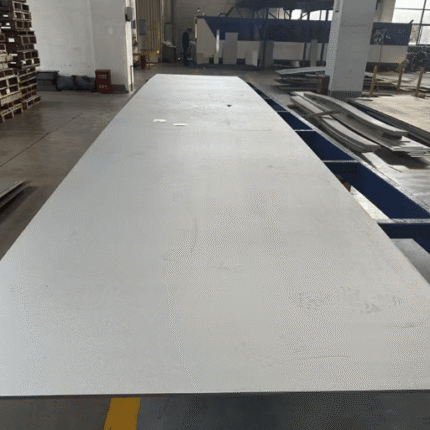
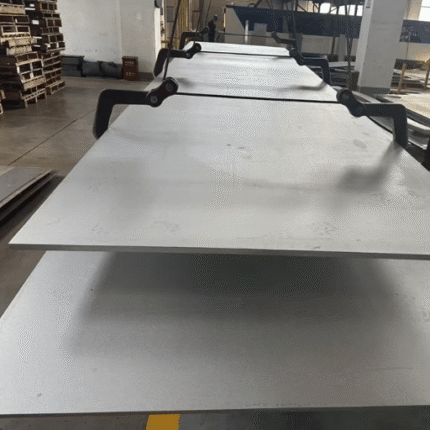
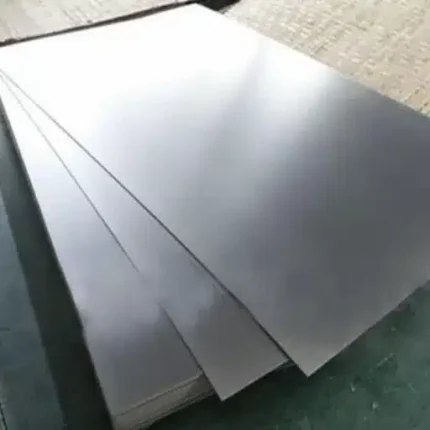
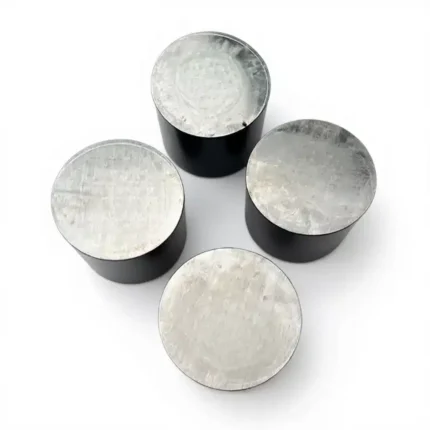
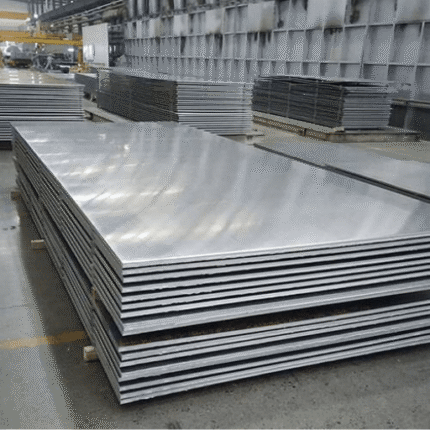
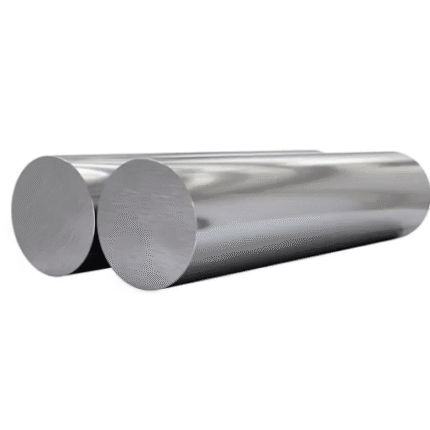
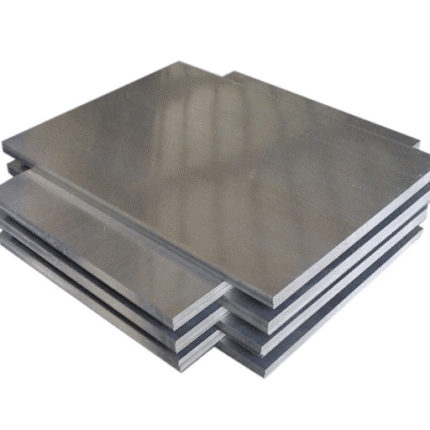
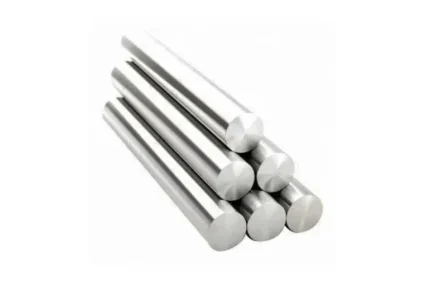
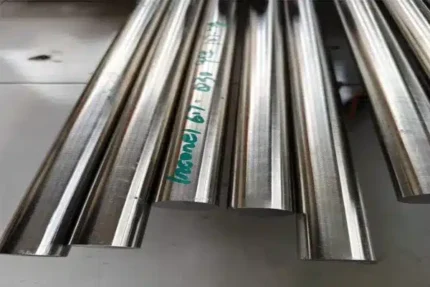
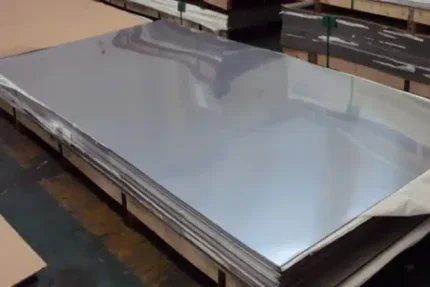
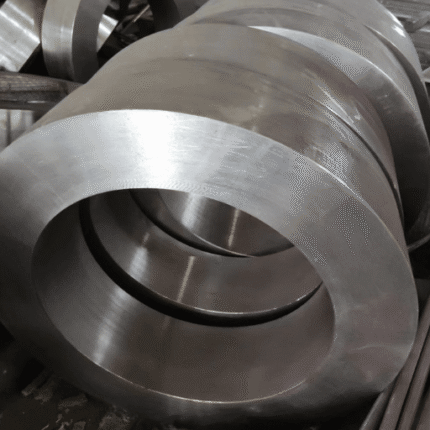
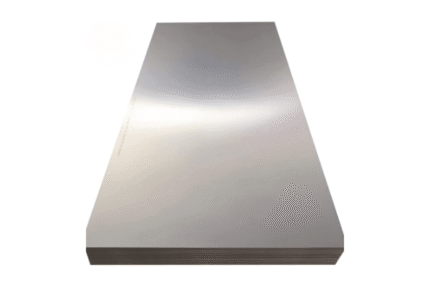
High Standard Stainless Steel With Strict Inspection


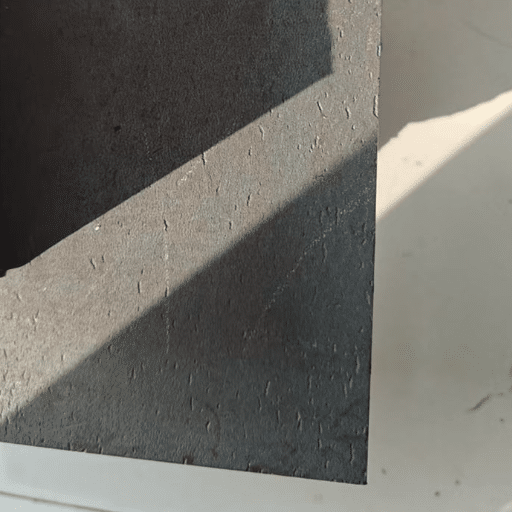
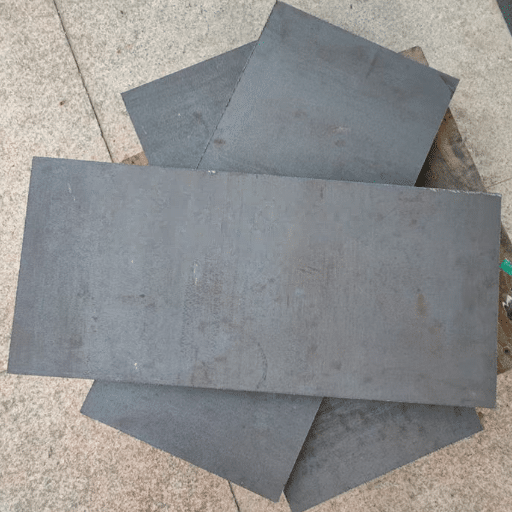

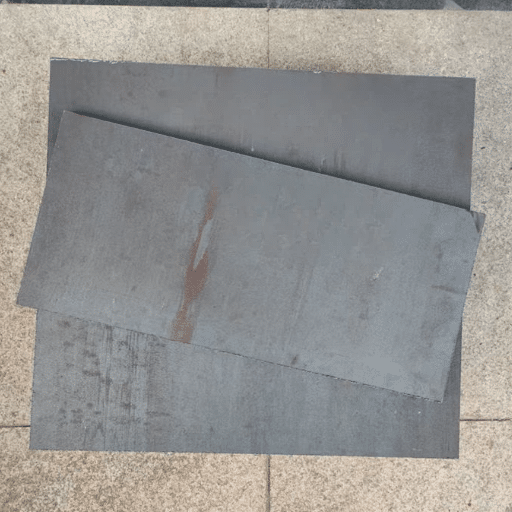
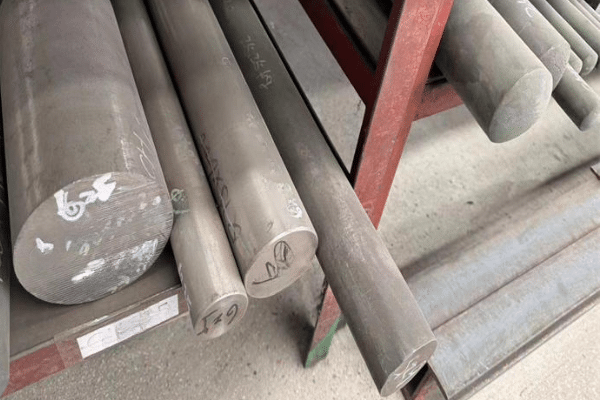

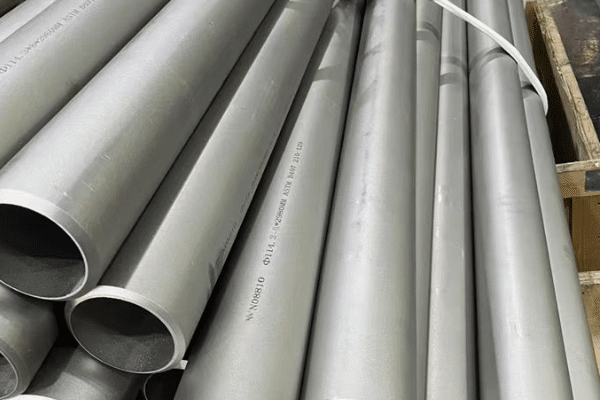
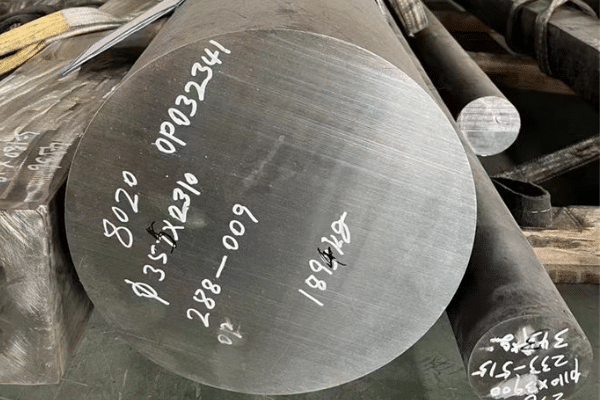
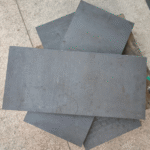
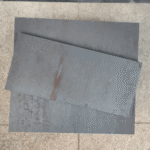
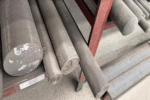


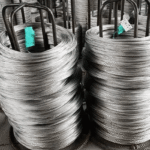
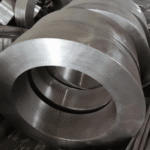
Nimonic Alloys
Complete Technical Data Sheet for Nimonic Alloys Chemical Composition Mechanical Properties Physical Properties International Standards & Grade Equivalents Key Applications of Nimonic Alloys Aerospace & Gas Turbines Used for turbine blades, discs, and afterburner components where high-temperature strength and creep resistance are critical. Power Generation Essential for components in industrial gas turbines that require long-term […]
Description

Grade Nimonic Alloy Specifications

Nimonic 80A
A versatile nickel-chromium alloy offering excellent high-temperature strength and oxidation resistance up to 815°C. Ideal for gas turbine components, exhaust valves, and furnace parts.
Key properties:
Excellent creep and stress-rupture strength
Good fabricability and weldability
Resistant to oxidation and corrosion

Nimonic 90
Enhanced with titanium and aluminum for superior strength at temperatures up to 950°C. Perfect for turbine blades, discs, and high-stress aerospace applications.
Key properties:
Higher strength than Nimonic 80A
Excellent resistance to thermal fatigue
Maintains properties during long-term exposure to heat

Waspaloy
A precipitation-hardening nickel-based superalloy designed for severe service conditions up to 870°C. Widely used in aircraft engines and industrial gas turbines.
Key properties:
Exceptional high-temperature strength
Superior resistance to oxidation and hot corrosion
Excellent fatigue resistance
Complete Technical Data Sheet for Nimonic Alloys
| Element | Composition (%) |
|---|---|
| Nickel | Balance |
| Chromium | 18.0 – 21.0 |
| Titanium | 1.8 – 2.7 |
| Aluminum | 1.0 – 1.8 |
| Iron | ≤ 3.0 |
| Cobalt | ≤ 2.0 |
| Carbon | ≤ 0.10 |
| Silicon | ≤ 1.0 |
| Manganese | ≤ 1.0 |
| Boron | ≤ 0.008 |
| Property | Typical Minimum Values at Room Temperature |
|---|---|
| Tensile Strength | 1250 MPa (181 ksi) |
| Yield Strength (0.2% Offset) | 780 MPa (113 ksi) |
| Elongation | 25% |
| Hardness (Brinell) | 300 – 380 HBW |
| Stress Rupture Life (at 750°C / 1382°F under 305 MPa stress) |
≥ 23 hours |
| Property | Typical Value at 20°C (68°F) |
|---|---|
| Melting Point | 1365 °C (2490 °F) |
| Coefficient of Thermal Expansion | 12.7 µm/m·°C (from 20-100°C) |
| Density | 8.19 g/cm³ (0.296 lb/in³) |
| Modulus of Elasticity | 222 GPa (32,200 ksi) |
| Thermal Conductivity | 11.2 W/m·K |
| Standard | Equivalent Grade Designation |
|---|---|
| UNS | N07080 |
| BS (British Standard) | HR1, HR201, HR401, HR601, 3076 |
| AMS (Aerospace Material Spec) | 5540, 5766 |
| DIN (German Standard) | 2.4631, 2.4952 |
| AECMA | Pr EN 2188, 2189, 2190, 2396, 2397 |
What Are the Properties of Nimonic Alloys?

Superior High-Temperature Strength
The defining characteristic of the Nimonic alloy family is its exceptional strength at elevated temperatures. Unlike conventional steels or even many stainless steels that rapidly lose strength and soften when heated, Nimonic alloys are specifically engineered to maintain their high tensile and yield strength in operating environments exceeding 800°C (1472°F). This is achieved through a nickel-based matrix strengthened by the precipitation of gamma prime (γ’) intermetallic phases. This robust microstructure ensures that components like turbine blades and high-performance engine valves retain their structural integrity and continue to perform reliably under the extreme mechanical stresses of their service.
Exceptional Oxidation and Corrosion Resistance
Nimonic alloys exhibit outstanding resistance to environmental degradation at high temperatures. The significant chromium content (typically around 20%) is fundamental to this property, as it forms a stable, adherent, and self-healing chromium oxide (Cr₂O₃) layer on the material’s surface. This passive layer acts as a formidable barrier, shielding the underlying alloy from oxidation, sulfidation, and attack from corrosive combustion gases. This ensures a long, predictable service life for components, preventing material loss and surface degradation that could otherwise lead to premature failure in harsh chemical and high-heat environments.


Outstanding Creep Resistance
A critical property for any material used in a high-temperature, load-bearing application is its ability to resist creep. Creep is the tendency of a material to slowly and permanently deform over time when subjected to prolonged stress at high temperatures. Nimonic alloys are renowned for their outstanding creep resistance. The same stable gamma prime precipitates that provide high-temperature strength also act as powerful obstacles to dislocation movement within the alloy’s grain structure. This effectively “pins” the microstructure in place, allowing the material to maintain its precise dimensions and resist deformation throughout thousands of hours of service life.
Proven Reliability Across a Family of Grades
The Nimonic family is not a single material but a series of well-established superalloys, each with tailored properties for specific engineering demands. Grades like Nimonic 80A offer a benchmark in high-temperature performance, while Nimonic 90 is further strengthened with cobalt for even greater creep resistance. Other related nickel-based superalloys, such as Waspaloy, are optimized for a specific balance of tensile strength, creep resistance, and manufacturability. This proven family of alloys provides engineers with a range of reliable, certified options, allowing them to select the precise material characteristics required for their specific operating temperatures, stress levels, and component lifespan.

Key Applications of Nimonic Alloys
Aerospace & Gas Turbines
Used for turbine blades, discs, and afterburner components where high-temperature strength and creep resistance are critical.
Power Generation
Essential for components in industrial gas turbines that require long-term durability under intense heat and pressure.
Chemical Processing
Ideal for use in reactors and heat exchangers exposed to corrosive chemicals at high temperatures.
What Our Clients Say
“The quality of the Nimonic 90 we received was outstanding. It exceeded our specifications for our gas turbine components and the technical support from the team was second to none.”

David Chen
Lead Aerospace Engineer
“We switched to Nimonic 80A for our exhaust valves and have seen a significant increase in engine lifespan and reliability. The material’s performance under extreme heat is exactly what we needed.”

Maria Rodriguez
Automotive Engineering Manager
Our Latest Blogs

Alloy 625 Severe Sour Gas Service: Complete Guide
Alloy 625 is the default nickel-based alloy for severe sour gas service, qualified under NACE MR0175/ISO 15156 for all H2S…

Super 13Cr Stainless Steel: CO2 & Sour Service Guide
Super 13Cr stainless steel is a low-carbon, nickel- and molybdenum-strengthened martensitic grade (UNS S41425, S41426, S41427) built to outlast conventional…

Inconel 718 vs 725 vs 925: The Complete Selection Guide
Inconel 718, 725, and 925 are all age-hardenable nickel alloys, but each is built for a different job. Choose Inconel…

Duplex Stainless Steel Sour Service: 2205 vs 2507 Limits
Yes, duplex stainless steel sour service is practical and proven, but only within defined NACE MR0175/ISO 15156 limits. Standard duplex…

What Is Sour Service? H2S Environments Explained
Sour service is oil and gas equipment exposure to hydrogen sulfide (H2S) that can crack steel and other alloys. Under…

Sulfide Stress Cracking: Hardness Limits & Prevention
Sulfide stress cracking (SSC) is a form of hydrogen embrittlement that occurs when high-hardness steel under tensile stress is exposed…

NACE MR0175/ISO 15156 Explained: Sour Service Guide
NACE MR0175/ISO 15156 is the international standard that governs metallic materials for oil and gas production environments containing hydrogen sulfide…

How to Select Corrosion-Resistant Alloys for Sour Service
To select a corrosion-resistant alloy for sour service, characterize the environment first, classify sour severity by H2S partial pressure, screen…
Frequently Asked Questions
What is the primary advantage of Nimonic alloys over other superalloys?
The primary advantage is their exceptional strength and creep resistance at very high temperatures, combined with excellent corrosion and oxidation resistance.
Which Nimonic alloy is right for my application?
The best choice depends on your specific operating temperature and stress requirements. For example, Nimonic 80A is ideal for applications requiring high-temperature strength, while Nimonic 90 offers enhanced creep resistance at even higher temperatures. Contact our technical team for a personalized recommendation.
Can Nimonic alloys be welded?
Yes, Nimonic alloys can be welded, but it requires specific procedures and expertise due to their high-strength nature. Pre-heating and post-weld heat treatment are often necessary to prevent cracking.
What is the difference between Nimonic 80A and Nimonic 90?
Nimonic 90 contains a higher percentage of cobalt and a slightly different balance of hardening elements, giving it superior creep-rupture strength at higher temperatures compared to Nimonic 80A.
How do Nimonic alloys compare to Waspaloy?
Both are nickel-based superalloys, but they have different compositions and are suited for different temperature ranges. Nimonic alloys often exhibit superior creep resistance at very high temperatures, while Waspaloy has excellent strength up to a slightly lower temperature threshold.
What is the maximum service temperature for Nimonic alloys?
The maximum service temperature varies by alloy. For instance, Nimonic 80A is typically used up to 815°C (1500°F), while others like Nimonic 115 can be used at temperatures approaching 1000°C (1832°F).
Are Nimonic alloys magnetic?
Nimonic alloys are generally non-magnetic in their fully heat-treated condition.
Do you provide material certification with your alloys?
Absolutely. All our Nimonic alloys are supplied with full material test certificates (MTCs) to ensure traceability and confirm they meet industry standards.
Shipping and Delivery