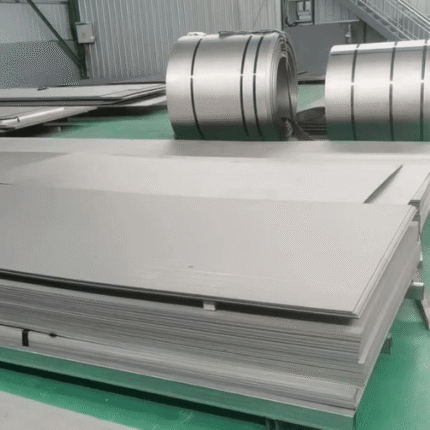
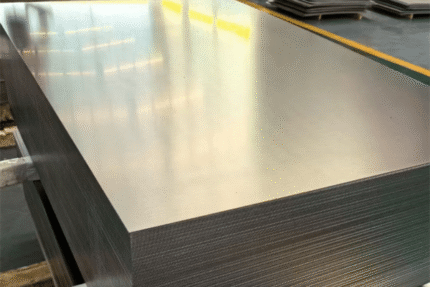
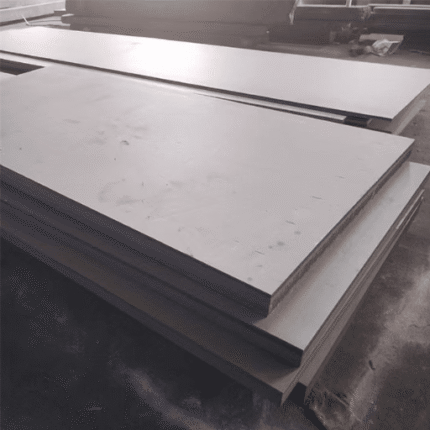
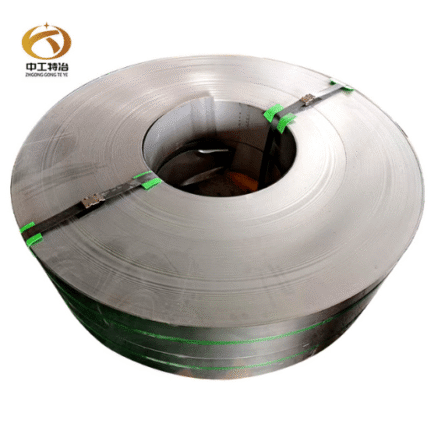
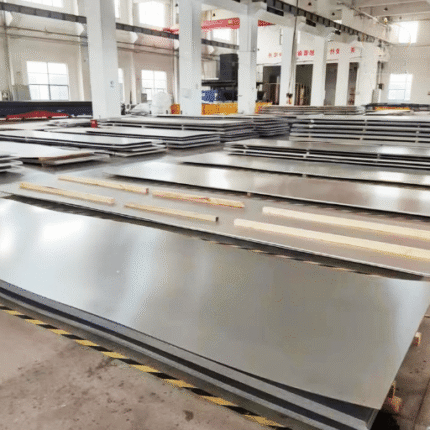
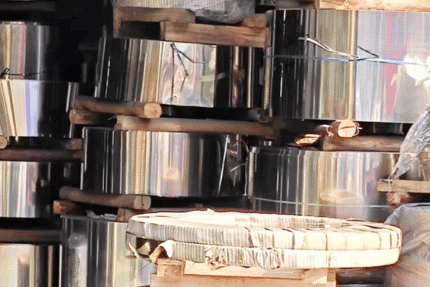
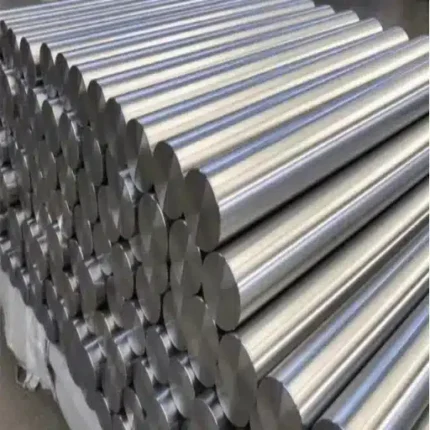
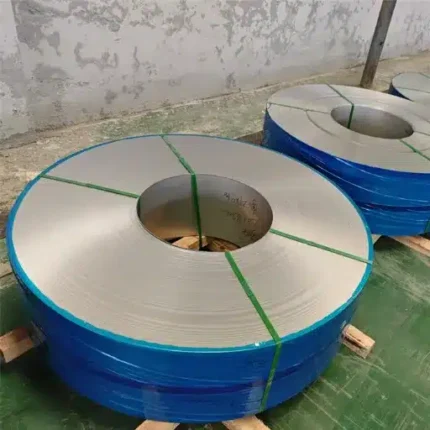
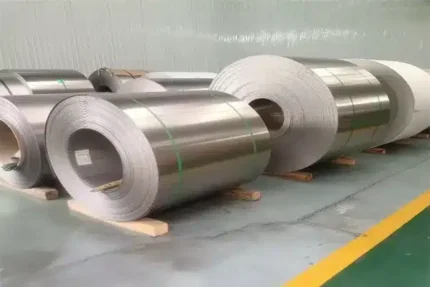
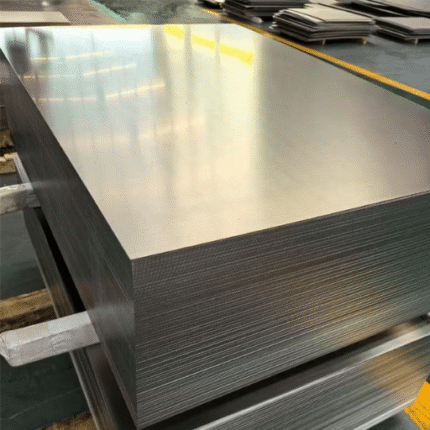
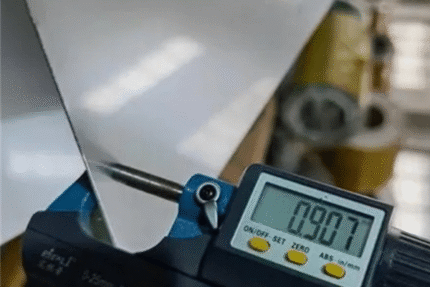
High Standard Stainless Steel With Strict Inspection


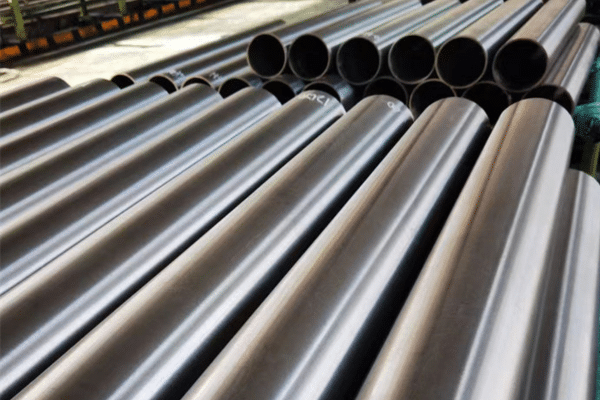
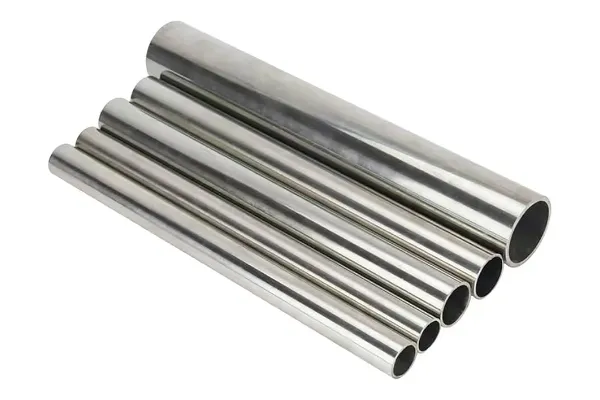
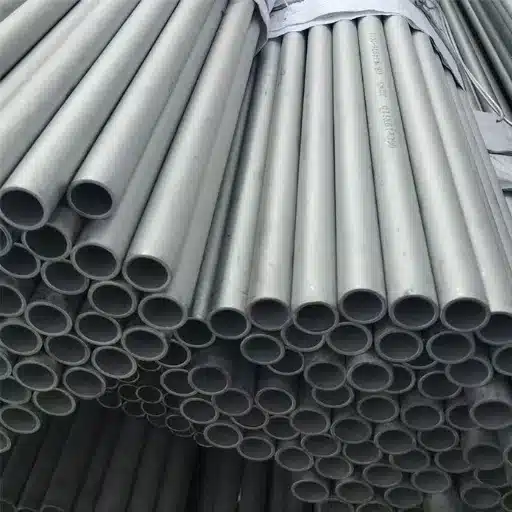
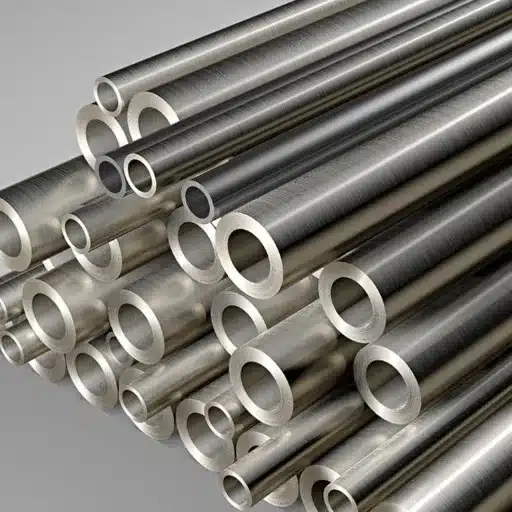
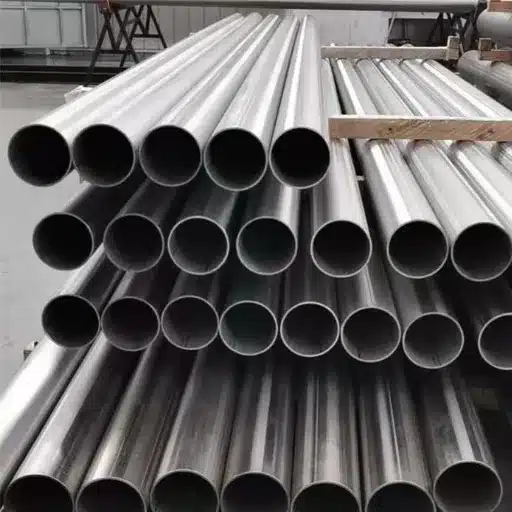
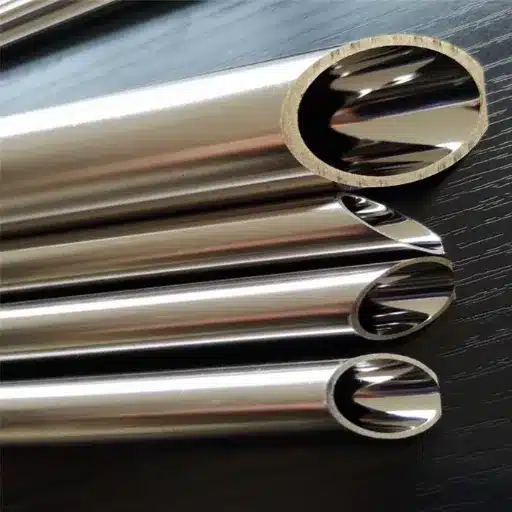
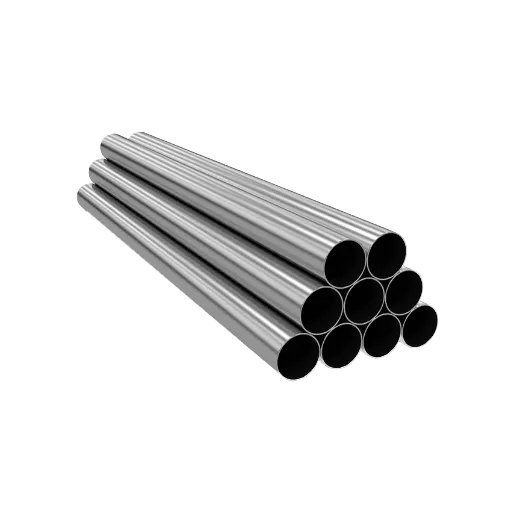

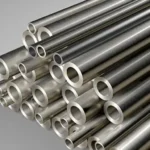
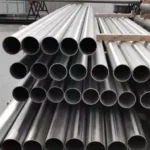
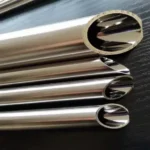

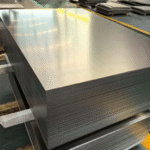
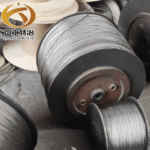
Stainless Steel Tubes/Pipes
Tube Forming and Welding Stainless steel strips or plates are precisely formed into tubular shapes using advanced rolling machinery. The seam is then welded with state-of-the-art techniques such as TIG or laser welding, ensuring strong and reliable joints with minimal material distortion. Cold Drawing After welding, tubes may undergo cold drawing, a process in which […]
Description


Introduction to Stainless Steel Tubing and Pipes
Stainless steel tubing and pipes play a vital role in diverse industries due to their exceptional corrosion resistance, mechanical strength, and longevity. Widely used in construction, manufacturing, plumbing, and processing applications, they ensure efficient and reliable fluid transport and structural performance. Their adaptability and low maintenance make stainless steel solutions a preferred choice for challenging environments, supporting long-term operational efficiency and compliance with stringent quality standards.
Exploring Common Stainless Steel Grades
Understanding the characteristics of different stainless steel grades is essential for selecting the optimal material for your project’s technical and environmental requirements. Below are the primary grades widely used in tubing and piping applications
304/304L Stainless
304 and 304L stainless steels are known for their excellent corrosion resistance, ease of fabrication, and versatility, making them suitable for a wide range of general-purpose applications across various industries.
316/316L Stainless
316 and 316L stainless steels offer enhanced corrosion resistance, particularly against chlorides and industrial solvents, making them ideal for use in marine environments, chemical processing, and pharmaceutical manufacturing.
Super Duplex Stainless
Super Duplex stainless steels offer superior strength and outstanding resistance to pitting, crevice, and stress corrosion cracking. They ensure critical performance in demanding, corrosive environments.
Stainless Steel Tubes/Pipes Technical Specifications
| Product Type | Grade | Size | Wall Thickness | Outside Diameter (OD) | Inside Diameter (ID) | Quantity | Finish | Type |
|---|---|---|---|---|---|---|---|---|
| Stainless Steel Tube | 304 | 1/2″ – 12″ | 0.049″ – 0.500″ | 0.500″ – 12.000″ | 0.402″ – 11.500″ | 1000 pcs | Polished | Seamless |
| Stainless Steel Pipe | 316 | 1″ – 24″ | 0.065″ – 0.625″ | 1.000″ – 24.000″ | 0.868″ – 23.500″ | 500 pcs | Mill Finish | Welded |
| Stainless Steel Tubing | 304 | 3/8″ – 10″ | 0.035″ – 0.500″ | 0.375″ – 10.000″ | 0.305″ – 9.500″ | 2000 pcs | Brushed | Seamless |
| Welded Stainless Steel Tube | 316L | 1/4″ – 8″ | 0.065″ – 0.375″ | 0.250″ – 8.000″ | 0.188″ – 7.500″ | 800 pcs | Polished | Welded |
Manufacturing Processes for Stainless Steel Tubes/Pipes
Precision manufacturing is essential to deliver stainless steel tubes and pipes with consistent quality and performance. The following processes are fundamental to creating products that meet exacting industry requirements.

Tube Forming and Welding
Stainless steel strips or plates are precisely formed into tubular shapes using advanced rolling machinery. The seam is then welded with state-of-the-art techniques such as TIG or laser welding, ensuring strong and reliable joints with minimal material distortion.

Cold Drawing
After welding, tubes may undergo cold drawing, a process in which the tube is pulled through a die to refine its diameter and wall thickness. This enhances dimensional accuracy, surface finish, and mechanical properties essential for demanding applications.

Heat Treatment
Controlled heat treatment processes, such as annealing, are applied to relieve internal stresses and restore the desired metallurgical structure. This step is critical for optimizing ductility, corrosion resistance, and overall durability of the final product.

Final Finishing and Inspection
The finished tubes and pipes are subjected to rigorous surface finishing treatments, including pickling, passivation, and polishing. Comprehensive inspection protocols verify dimensional tolerances, weld integrity, and surface quality, ensuring every product meets stringent quality standards.
Benefits of Using Stainless Steel Tubes/Pipes
Stainless steel tubes and pipes provide exceptional value across demanding industries, ensuring performance, reliability, and cost-effectiveness for modern engineering applications.
Superior Corrosion Resistance
Engineered with robust alloys, stainless steel exhibits strong resistance to corrosion, oxidation, and chemical exposure, significantly extending component service life in harsh environments.
Low Maintenance Requirements
Thanks to inherent durability and surface stability, stainless steel tubes and pipes minimize maintenance needs, reducing operational downtime and long-term repair expenses.

High Mechanical Strength
Stainless steel offers outstanding tensile and yield strengths, maintaining structural integrity under high pressure, mechanical stress, and elevated operating temperatures for critical applications.
Sustainability and Recyclability
These products are fully recyclable and environmentally responsible. Stainless steel supports sustainable construction and manufacturing practices while helping to reduce resource consumption and waste.
Key Application Scenarios for Stainless Steel Tubes/Pipes
Industrial Process Systems
Stainless steel tubes and pipes play a critical role in industrial process systems, including chemical, petrochemical, and pharmaceutical manufacturing. Their high resistance to corrosion and ability to maintain integrity under extreme temperatures ensure reliable performance in demanding production environments.
Construction and Structural Engineering
In construction and structural engineering, stainless steel products are widely used for frameworks, support columns, and architectural elements. Their superior strength-to-weight ratio, durability, and aesthetic versatility make them an optimal choice for both functional and design-driven applications.
Fluid Transport and Sanitary Applications
These tubes and pipes are ideal for fluid transport in water treatment, food and beverage processing, and sanitary piping systems. Their smooth surfaces prevent bacterial buildup, support high cleanliness standards, and deliver consistent, contamination-free flow in critical sanitary and utility networks.
What Our Clients Say
“Our experience with these stainless steel tubes and pipes has been exceptional. Their technical team provided precise recommendations, ensuring the products precisely matched our project requirements.”

David Chen
Senior Project Engineer
“The consistent quality and reliability of these products have notably improved our operational efficiency. We value the authoritative expertise and responsive support throughout the procurement process.”

Laura Martinez
Operations Manager

Maintenance Tips for Ensuring Longevity of Stainless Steel Tubes/Pipes
Proper maintenance is essential to preserve the structural integrity and performance of stainless steel tubes and pipes. Regular inspection for signs of wear, corrosion, or deposits allows for early intervention and minimizes the risk of system failures. Cleaning with appropriate, non-abrasive agents helps maintain the passive oxide layer that provides corrosion resistance. It is also recommended to monitor environmental conditions, avoid exposure to aggressive substances, and promptly address any mechanical damage. These measures support extended service life and optimal performance in demanding applications.
Our Latest Blogs

Alloy 625 Severe Sour Gas Service: Complete Guide
Alloy 625 is the default nickel-based alloy for severe sour gas service, qualified under NACE MR0175/ISO 15156 for all H2S…

Super 13Cr Stainless Steel: CO2 & Sour Service Guide
Super 13Cr stainless steel is a low-carbon, nickel- and molybdenum-strengthened martensitic grade (UNS S41425, S41426, S41427) built to outlast conventional…

Inconel 718 vs 725 vs 925: The Complete Selection Guide
Inconel 718, 725, and 925 are all age-hardenable nickel alloys, but each is built for a different job. Choose Inconel…

Duplex Stainless Steel Sour Service: 2205 vs 2507 Limits
Yes, duplex stainless steel sour service is practical and proven, but only within defined NACE MR0175/ISO 15156 limits. Standard duplex…

What Is Sour Service? H2S Environments Explained
Sour service is oil and gas equipment exposure to hydrogen sulfide (H2S) that can crack steel and other alloys. Under…

Sulfide Stress Cracking: Hardness Limits & Prevention
Sulfide stress cracking (SSC) is a form of hydrogen embrittlement that occurs when high-hardness steel under tensile stress is exposed…

NACE MR0175/ISO 15156 Explained: Sour Service Guide
NACE MR0175/ISO 15156 is the international standard that governs metallic materials for oil and gas production environments containing hydrogen sulfide…

How to Select Corrosion-Resistant Alloys for Sour Service
To select a corrosion-resistant alloy for sour service, characterize the environment first, classify sour severity by H2S partial pressure, screen…
Frequently Asked Questions
What are the primary advantages of stainless steel tubes and pipes?
Stainless steel tubes and pipes provide superior corrosion resistance, high strength, long service life, and low maintenance requirements, making them ideal for a range of industrial and commercial applications.
How do I select the appropriate stainless steel grade for my application?
The correct grade depends on your specific requirements, such as corrosion conditions, operating temperatures, and mechanical demands. Common choices include 304/304L, 316/316L, and Super Duplex stainless steels.
What is the difference between welded and seamless stainless steel tubes?
Seamless tubes are made without a welded seam and are generally used for high-pressure applications, while welded tubes offer cost-effectiveness and are suitable for many structural and low-pressure uses.
How should stainless steel tubes and pipes be maintained?
Regular inspection, appropriate cleaning techniques, protecting surfaces from aggressive substances, and addressing mechanical damage promptly enhance longevity and performance.
Can stainless steel pipes be used for potable water systems?
Yes, stainless steel meets health and safety standards for potable water, offering excellent corrosion resistance and not imparting undesirable tastes or contaminants.
Are custom sizes and specialized finishes available?
Most suppliers offer a wide range of diameters, wall thicknesses, lengths, and surface finishes. Custom fabrication and finishing options are available upon request.
How does stainless steel perform in high-temperature environments?
Certain grades, such as 304 and 316, perform reliably at elevated temperatures. For extreme thermal conditions, consulting material specifications is recommended.
Who should I contact for technical support or further information?
Our technical sales team is available to assist with application-specific advice, product selection, and to address any inquiries regarding installation or maintenance.
Shipping and Delivery