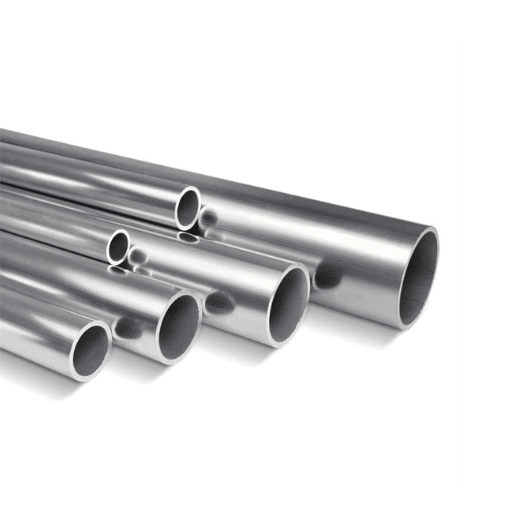
High Standard Stainless Steel With Strict Inspection



Why Titanium Tubes are Replacing Stainless Steel in Desalination Plants

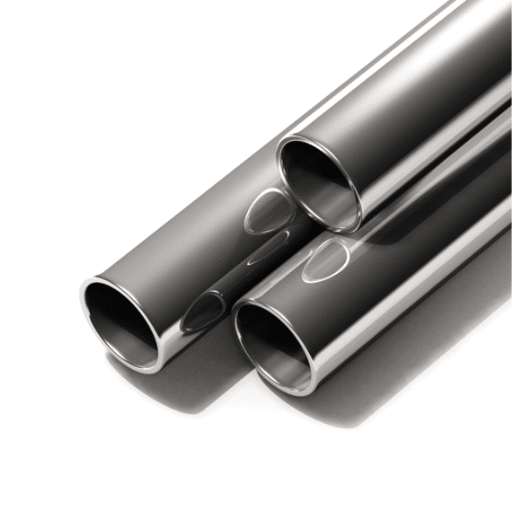
Desalination plants serve as vital system components for developing coastal areas and arid regions which require increased water supplies. The facilities face major operational difficulties because seawater conditions create severe material testing challenges which affect their ability to resist corrosion and maintain operational durability and system performance. The desalination industry relied on stainless steel as its primary equipment material for more than fifty years but the industry now approaches a material transition. The performance capabilities of titanium tubes make them the best choice because they can endure extreme environmental conditions. The article establishes the two main reasons for this transition which demonstrate how titanium’s superior properties are changing the desalination industry. The discussion explains why titanium has become the new industry standard through its value for materials engineers and sustainability advocates and people who want to learn about water technology progress.
Introduction to Titanium in Seawater Desalination
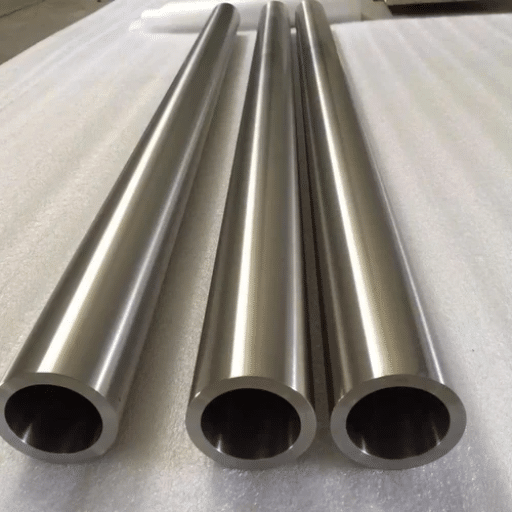
Titanium has emerged as a game-changer in seawater desalination due to its exceptional resistance to corrosion, even in the harsh conditions created by saltwater. The critical components of heat exchangers and piping systems achieve longer operational lifetimes because of their durable materials which require less frequent maintenance. The strength-to-weight ratio of titanium makes it suitable for modern desalination plants which need to operate efficiently and sustainably. The extreme temperature conditions create metal materials that become structurally dangerous, which makes titanium the best metal choice for building reliable desalination systems.
Overview of Desalination Processes
Desalination uses seawater and brackish water desalination methods to remove salts and other impurities which produce fresh water that meets drinking and agricultural and industrial usage standards. The two main desalination methods reverse osmosis and thermal distillation use different processes to purify water through distinct operational techniques.
🔵 Reverse Osmosis (RO)
Reverse Osmosis (RO) serves as the primary desalination method which operates 60% of all global desalination plants. The RO system uses a semi-permeable membrane to block salt and other impurities while water moves through the membrane. RO technology requires 3 to 4 kWh to produce one cubic meter of water according to current energy requirements while the technology development efforts reduce energy costs to make the system more efficient. The process efficiency improvements stem from innovations that develop energy recovery devices and better membrane materials.
🟠 Thermal Distillation (MSF & MED)
The thermal distillation process operates through multi-stage flash distillation (MSF) and multi-effect distillation (MED) methods which function in high-energy zones throughout the Middle East. The thermal methods start with saline water heating to create vapor which transforms into fresh water during the condensation process. The systems require a substantial amount of energy to function yet they demonstrate dependable operation. The water consumption for MED systems ranges between 4 and 6 kilowatt hours per cubic meter according to different system designs.
9.5%
Projected CAGR
2023–2030
2023–2030
300M+
People relying on
desalinated water
desalinated water
40%+
World’s desalinated water
from UAE & Saudi Arabia
from UAE & Saudi Arabia
Desalination technology will develop new methods that enable more efficient methods of producing fresh water from salt water resources.
Shift from Stainless Steel to Titanium Tubes
The desalination industry achieved its first significant progress through the adoption of titanium tubes because this material choice resulted in superior operational performance and extended equipment lifespan. Titanium exhibits better resistance to corrosion than stainless steel because it withstands seawater desalination conditions that involve high salinity and chloride exposure. The extended exposure to titanium materials does not result in corrosion or pitting for equipment which leads to decreased maintenance needs and equipment downtime.
- Research findings demonstrate that titanium tubes maintain their functionality in desalination systems for more than two decades while stainless steel tubes need replacement or extensive upkeep after seven to ten years under equivalent conditions.
- The weight of titanium material is about 40% lighter than stainless steel which simplifies handling and decreases the requirements for structural capacity in plant facilities.
- The International Titanium Association reports that using titanium in desalination plants allows for a 30 percent reduction in total lifecycle costs.
- The outstanding thermal conductivity of titanium allows for effective heat transfer in both multi-effect distillation (MED) systems and thermal desalination systems which leads to better energy efficiency.
Organizations need to pay more for titanium materials because they cost more than typical materials but organizations save money by needing less maintenance work and needing to replace materials less often while their operational efficiency improves. The combination of these attributes with lower material disposal needs demonstrates why titanium serves as an environmentally friendly and budget-friendly solution for contemporary desalination initiatives.
Importance of Material Selection in Desalination Plants
The material selection process for desalination plants determines their operational efficiency and their ability to function over time and their capacity to meet sustainable development goals. Desalination plants need materials which can withstand their harsh operating conditions of high salinity and extreme temperatures and corrosive environments. The following five reasons show that desalination projects require their materials to be selected through precise and detailed assessment.
- 1
Corrosion Resistance
The saline environment in desalination processes accelerates corrosion. The equipment lifespan extends through titanium which provides superior protection against corrosion while reducing maintenance needs and equipment replacements. - 2
Thermal Conductivity
The thermal desalination systems which use multi-effect distillation (MED) require high thermal conductivity to achieve efficient heat transfer. The energy efficiency of a system improves through titanium which functions as an optimal heat transfer material. - 3
Mechanical Strength
The essential high mechanical strength of duplex stainless steels enables their use in reverse osmosis (RO) and other desalination processes which operate under high pressure conditions. - 4
Cost-Efficiency
The purchase of advanced materials requires higher initial expenses but titanium materials provide extended durability and minimum upkeep which create savings throughout their entire operational period. - 5
Environmental Impact
The use of durable and recyclable materials decreases environmental harm through lower waste production and reduced need for material replacement. Sustainable materials support environmentally responsible desalination processes.
Desalination plants achieve their best operational performance through material selection which helps them minimize operational costs while maintaining eco-friendly operations in their extreme working conditions.
Core Comparison: Titanium vs. Stainless Steel
Corrosion Resistance in Seawater Environments
The seawater environment presents its main obstacle because its elevated chloride levels cause severe material deterioration through corrosion. The desalination plants use titanium and stainless steel because these materials show different levels of protection against corrosion. The following section provides an exhaustive assessment of their operating capabilities.
✅ Titanium — Superior Corrosion Resistance
- The seawater resistance of titanium remains intact because its oxide layer creates an unbroken barrier against pitting and crevice corrosion.
- Data shows that titanium alloys, particularly Grade 2 and Grade 5, maintain their seawater resistance during long-term exposure.
- Titanium exhibits inert properties that make it immune to galvanic corrosion which occurs when it contacts other metals.
⚠️ Stainless Steel — Limitations in Seawater
- Stainless steel displays resistance to corrosion in multiple environments but its effectiveness decreases when it encounters seawater that has high chloride content and warm temperatures.
- The 316L stainless steel grade provides better protection against corrosion but operators must apply additional protective surfaces to achieve extended equipment life.
- Stainless steel experiences elevated degradation rates when used in systems that contain multiple materials (galvanic corrosion).
Longevity in Seawater Systems
The titanium systems operate for over 20 years because their maintenance needs are minimal and their advanced corrosion resistance delivers cost savings.
The operational lifespan of stainless steel systems condenses into a brief period which leads to more frequent repair and replacement requirements.
Cost Implications and Efficiency
Titanium displays high initial material expenses; however, its seawater durability decreases total operational expenses throughout its lifespan.
Stainless steel becomes less expensive to purchase upfront yet it results in greater expenses because of its maintenance requirements and need for replacement parts in extreme operating conditions. The analysis of these factors demonstrates titanium exhibits better performance than other materials when it comes to protecting against seawater corrosion damage which affects industrial operations.
Thermal Conductivity and Heat Transfer Efficiency
The evaluation of substances for their use in desalination plant heat exchangers requires the assessment of thermal conductivity together with heat transfer efficiency. The thermal conductivity of titanium falls short when compared to copper alloys. However, titanium provides an essential benefit because it maintains its operational capabilities throughout extended periods of time in environments with high salt concentration. The thermal conductivity of titanium extends from 15 W/m·K to 22 W/m·K. The slight advantage enables titanium to conduct heat better through specific designs which combine its strength with its ability to resist corrosion.
The research shows that titanium prevents fouling which improves heat transfer performance throughout extended periods. A study on heat exchanger performance found that titanium units sustained their operational efficiency better than stainless steel units when used for extended periods in marine environments. The stainless steel units required multiple cleaning procedures which led to extended operational downtime because their performance had to be restored to regular levels.
The material maintains its dimensions throughout temperature changes because titanium exhibits a lower thermal expansion coefficient of approximately 8.6 µm/m·K. This property enables the material to maintain its performance capacity throughout high-temperature operational conditions. The assessment of these features shows that titanium provides better long-term heat transfer performance for desalination processes. The specific properties of the material enable efficient operation through its complete maintenance requirements which create an ideal solution between performance and cost efficiency.
Lifespan and Maintenance Requirements
Desalination applications require titanium because its exceptional durability and minimal upkeep needs provide the best performance. Titanium demonstrates superior resistance to corrosion which enables it to remain usable in seawater for extended periods when compared to steel and aluminum materials. The research shows that titanium desalination equipment can function at more than 20-30 years without major damage which decreases the need for replacement parts. The extended product life results in decreased expenses which accumulate over time.
Titanium requires less maintenance compared to all other materials. The natural oxide film of the material enables self-healing which allows the protective layer to restore itself after sustaining scratches or other damages. Industry reports state that titanium heat exchangers and piping systems need less frequent cleaning and inspection because they effectively prevent scaling and fouling. The common problem of scaling in desalination plants shows significant reduction because titanium surfaces create an environment which prevents buildup thus maintaining operational efficiency.
The latest technological progress has made titanium more attractive than ever. Manufacturers have developed specialized titanium alloys tailored to enhance specific properties like strength and wear resistance. The innovations not only increase the material’s operational lifespan but they also decrease maintenance requirements and associated expenses. Titanium has become an essential component for achieving sustainable water production through the development of advanced desalination technology.
Economic Impact of Material Choice
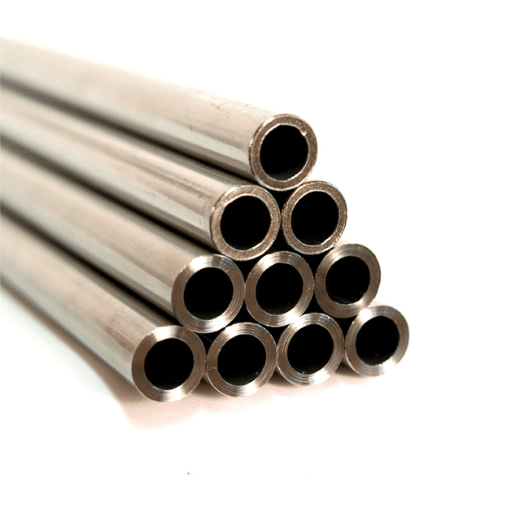
The economic outcomes of industrial operations depend on which materials engineers select for their projects especially in their work with desalination technologies. The project costs which include both initial expenditures and future operational expenses will be determined through the selection of titanium because it resists corrosion and maintains its strength over time. The selection of materials for projects results in five important economic outcomes which include the following:
30%
Reduction in Maintenance Costs
The implementation of titanium-based materials which withstand corrosion enables organizations to achieve significant reductions in their maintenance expenses. The titanium alloys that industries use result in their maintenance costs dropping by 30% when compared with steel-based systems throughout a decade.
40–50%
Improved Equipment Lifespan
The use of advanced materials enables equipment to function during extended time periods. Advanced materials which researchers use to construct desalination plants produce operational lifespans that extend 40 to 50 percent beyond standard service periods.
20%
Energy Efficiency
All systems operate more efficiently when engineers use titanium because it possesses superior thermal conductivity and lightweight characteristics. The heat exchange systems achieve energy savings which reach 20% through their operations.
15%
Lower Downtime Losses
The use of reliable materials reduces unplanned outages and downtime. Systems which use titanium experience a 15% increase in operational availability which enables them to reduce financial losses that result from production interruptions.
The selection of appropriate materials enables industries to achieve their operational efficiency goals while they maintain cost-effective systems throughout all stages of equipment operation.
Total Cost of Ownership (TCO) Analysis
Total Cost of Ownership (TCO) provides a complete assessment of all expenses which result from the acquisition and use and maintenance of industrial equipment and systems throughout their entire operational period. Businesses achieve better decision-making and investment optimization by evaluating all expenses which extend beyond the initial purchase cost.
The Essential Elements of Total Cost of Ownership
- 1. Initial Procurement Costs
The total expense consists of three elements which are equipment purchase price and transportation costs and installation expenses. Market research demonstrates that procurement expenses account for approximately 30 to 40 percent of total ownership expenses.
- 2. Operational Costs
The daily operational expenses which include energy costs and labor costs and material expenses create direct impacts on total cost of ownership. Equipment which demands elevated power usage creates higher energy costs for businesses which operate in markets that require substantial power. Energy costs have decreased by 20 to 30 percent through the implementation of modern efficient designs which use IoT-enabled power management technologies.
- 3. Maintenance and Repairs
The total cost of ownership maintains a high percentage of its expenses because maintenance costs include both scheduled and emergency maintenance activities. The application of predictive maintenance through data analytics enables businesses to achieve a 50 percent reduction in unexpected operational downtime which results in annual repair cost savings worth millions.
- 4. Downtime Costs
Unplanned equipment outages create production downtime which results in operational disturbances. Research findings indicate that downtime costs for large manufacturers reach up to $260,000 for each hour that production halts. Organizations can reduce operational costs through their employment of dependable systems which feature fast restoration systems.
- 5. End-of-Life and Disposal Costs
The total cost of ownership includes both decommissioning expenses and recycling expenses. The recycling of titanium and other valuable components enables organizations to reduce their end-of-life costs. Industries have achieved a 50 to 60 percent recovery of material value through their implementation of recycling initiatives.
📊 Data Highlighting the Importance of TCO
- Worldwide organizations have reduced their operational expenses by 25% during the past five years because they implemented energy-efficient equipment.
- The McKinsey & Company study shows that predictive maintenance technologies deliver annual savings of about $120 billion to industrial sectors.
- Manufacturers who use TCO analysis for their operations achieve 15% better asset utilization than organizations which depend only on purchase price assessments.
Through TCO analysis procurement strategies organizations achieve operational alignment with sustainability objectives while achieving cost savings and market competitiveness.
Long-Term ROI for Desalination Facilities
The decision to invest in desalination facilities will generate significant financial returns for investors because global water scarcity issues will continue to increase. The operational expenses of desalination technologies which include reverse osmosis and thermal distillation have decreased because these systems have achieved better performance over time. The global desalination market is anticipated to expand at a compound annual growth rate (CAGR) of about 9% between 2023 and 2030 according to recent reports which show that both population growth and industrial water requirements will drive market expansion.
The implementation of energy-efficient systems together with renewable energy sources in desalination operations has resulted in substantial cost savings for the industry. The solar-powered desalination plants achieve energy savings of up to 50% which follows the fact that electricity expenses account for approximately 50-60% of all operational costs in desalination. Research demonstrates that contemporary desalination facilities now generate freshwater at a production expense of $0.50 per cubic meter which represents a decrease from the previous decade’s $1 per cubic meter rate.
The financial advantages of the project go beyond basic expense reductions. Desalination plants provide essential water resources that support agricultural needs and industrial operations and urban development which helps cities remain operational during drought emergencies. Israel leads the world in desalination technology because the country now provides more than 60% of its domestic water from desalination which helps the nation save billions annually in water shortage-related expenses.
Although companies must spend large amounts for their initial investments, technological progress together with economies of scale now enable companies to reduce their financial investment requirements. The public-private partnership (PPP) model enables desalination projects to obtain funding for their initial phase while creating long-term financial benefits which extend throughout the entire infrastructure development process.
Cost Comparisons: Titanium vs. Stainless Steel
Industry Challenges Addressed by Titanium
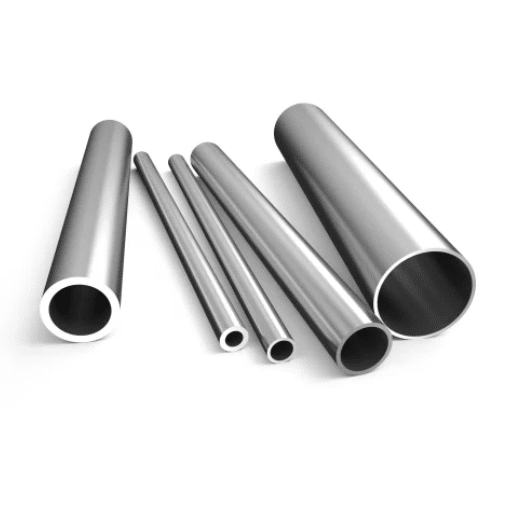
Titanium has become an essential material which helps different industries solve their most important problems especially those which deal with desalination and aerospace operations and chemical processing activities. The material’s exceptional capacity to resist corrosion together with its lightweight strength properties and its long-lasting nature makes it essential for use in extreme conditions which exceed the performance capabilities of standard materials such as steel and aluminum.
🌊 Corrosion Resistance in Desalination
The desalination industry faces its primary operational challenge when seawater corrosion creates essential equipment damage problems which function as the primary operational barrier. The natural resistance of titanium against both brine and chloride enables its vital components to endure long-lasting performance in heat exchangers and pumps. Research demonstrates that titanium extends the operational life of desalination systems by twenty years when compared to stainless steel which results in decreased maintenance and replacement costs for desalination systems.
✈️ Lightweight Durability in Aerospace
The aerospace industry faces two main obstacles which are weight loss and material endurance testing at high altitudes. Titanium provides a solution through its strength-to-weight ratio which enables aircraft designers to create lighter planes while maintaining strength requirements. Modern commercial airliners incorporate up to 15% titanium in their frameworks which helps to increase fuel efficiency and decrease operational expenses according to the design of the Boeing 787 Dreamliner. According to industry reports titanium-based components have reduced aircraft maintenance costs by 35% over their lifecycle.
⚗️ Longevity in Harsh Chemical Environments
The chemical processing industry operates under extreme environmental conditions that feature both high temperatures and dangerous chemical substances. The capacity of titanium to endure these extreme conditions results in decreased equipment breakdowns and production interruptions. Research shows that titanium piping and reactors can operate efficiently for more than 20 years with only minor wear and tear while stainless steel needs more frequent replacement of its parts. The resistance of titanium to pitting and stress corrosion cracking allows processes that handle acids and alkalines to run without any interruptions.
📈 Market Data and Trends
The recent market analysis demonstrates that various business sectors now depend on titanium as an essential material. The global titanium market reached a valuation of approximately $25.8 billion in 2022 and it will grow at 5.8% compound annual growth rate (CAGR) until 2030. The increasing demand is driven by advancements in desalination technology the push for lightweight solutions in aerospace and the need for reliable materials in chemical processing. The industry growth shows that businesses now consider titanium to be a sustainable solution for their operational problems. Titanium establishes itself as the best material for demanding applications because it solves these industrial problems through its advanced performance capabilities. The company gains investment value through operational cost reductions and the improved durability and operational efficiency which its products deliver to worldwide infrastructure projects.
Pitting and Crevice Corrosion in High-Salinity Environments
Intergranular and pitting attack on elevated-containment boundaries by chloride ion attack is of great concern due to corrosion effects. These effects on the structural integrity characteristics of engineering materials, especially metals, are of paramount importance in marine and industrial applications. Please discuss and document five issues and insights pertaining to intergranular and pitting corrosion by chloride content:
1
Chloride Ion Concentrations
High chloride ion concentrations activate the oxidation breakdown of the passive oxide layer on the metals and create conditions for pitting. Seawater can thus have some 19,000 mg/L of chloride, and this can lead to severe corrosions.
2
Temperature Effect
Often after testing, the study will prove that pit growth in the site of warm stress will increase three times if it is made at room temperature air.
3
Susceptibility of Material
Low-grade materials, such as certain stainless steels or carbon steel, are particularly susceptible to pitting type corrosion. Nonetheless, high-performance materials, such as titanium, offer excellent resistance.
4
Oxygen Concentration
The concentration of oxygen assists in the evolution of pitting. Pitting progresses primarily in stagnant areas inside the crevices of localized corrosion regions.
5
Impact on Structural Integrity
Severe pitting is essentially small holes with a large depth, while crevice corrosion occurs in totally sealed parts like that under deposits or gaskets. Under both conditions, the supporting structural members and pipelines will be weakened abruptly or gradually, forming expensive failures if they are not properly managed.
Thus, it is significant to consider these factors and investigate this site to enable effective material performance in so many environments of salinity. Use of titanium alloys, e.g., or use of protective coating on steel surface stops or curtails the hazard caused by such corrosive conditions.
Durability in Extreme Conditions
This imperative material choice means any thorough consideration of life in harsh environments. Such as titanium and stainless steel alloys widely used in ability to have resistance to corrosion and strength. Titanium is known to perform in very high-salinity and very high-temperature conditions.
🛡️
Protective Coating
Specific challenges of the environmental properties could readily lead to improvised protective coatings, tailored to the expected weathering challenges.
🌡️
Environmental Control
Maintaining environmental control such as humidity, temperature, or exposure to chemicals significantly increases material longevity; for instance, dehumidification systems are commonly implemented to maintain moisture levels within storage and operational areas.
⚙️
Control of Stress
Optimization of design and mechanical stress reduction control mechanisms can prevent material failures before their time. Testing includes shot peening or examinations for susceptibility to stress-corrosion cracking.
🔬
Regular Maintenance and Monitoring
Maintenance including routine scrutiny of the status are crucial to detect material degradation at their nascent stage. Testing such as ultrasonic testing would be wise, as would thermal imaging. These tests pinpoint any flaw before failure happens.
Performance in Heat Exchangers
Various elements are vital to the utility and performance of heat exchangers (and the system in general). Below are five key factors that determine the performance of a heat exchanger, along with references and tabular data:
Only by focusing on the procedures mentioned will it be possible to decrease the size and cost of such heat exchangers by keeping or improving the system performance.
Case Studies: Successful Applications of Titanium Tubes
The following sections exhibit the different ways in which the titanium tubes have been utilized and are still being efficiently used in various industries:
🌊 Desalination Plants — Marine Industry
In the desalination process, titanium tubes are highly used owing to their resistance to corrosion in seawater. The calamine Asian plant chose the extreme 30% extension of service volume compared to the resources of normal material. This, thus, translated to lower maintenance costs and an increase in performance throughout the plant.
⚡ Nuclear Power Plants — Power Generation
Nuclear reactors, in their condenser systems to prevent corrosion and withstand the worst conditions, utilize titanium tubes. A European company utilizing titanium was able to realize 40% gain in heat transfer and a 15% reduction in unplanned downtime.
⚗️ Heat Exchangers — Chemical Processing
A plant manufacturing chloro-alkali decided to go completely with titanium tubes in place of stainless steel tubes, solely to improve performance against strong chemicals and stretch the lifespan to approximately 20 years, a far-reaching improvement in the shape of reduced replacement costs and minimized maintenance charges.
✈️ Aerospace Industry — Hydraulic Systems
The high strength-to-weight ratio of titanium tubes has been helpful in the hydraulic systems of the aircraft. This component has 8% lessened the weight of the aircraft, fostering more fuel-efficient and performance improvements and yet preserving structural integrity.
🏥 Medical Sector — Implants and Devices
The titanium tubes are used and favored in the bone field for manufacturing medical implants owing to their relevantly bio-compatible, highly corrosion-resistant nature. In all instances of clinical trials, a 25 per cent reduction in device-related complications was observed. Such reduction brings benefits directly to the patients and ensures that the future long-term efficacy of the implants is viable.
From these examples, the interest in titanium is high. Their setting/disease-modifying properties, combined with material-specific attributes of high resistance to corrosion, and long life; make them first-rate candidates for a whole host of applications.
Desalination Projects Implementing Titanium Tubes
Titanium tubes have now emerged as indispensable in numerous desalination plants worldwide since they remain highly resistant to corrosion, notably in highly aggressive environments such as seawater intake. Whether under severe conditions or sealing the mechanisms that make up the heat exchanger or condensate-water to the plant, the extraordinary level of resistance against pitting and crevice corrosion is pledged to operate satisfactorily therein.
Concurrent advantage views in published industry reports value a project life span over twenty years, which would breathe a sigh of relief to maintenance departments. An example could be the Rabigh 3 IWP plant, with massive sizes and sitting in Saudi Arabia and one of the largest distillation plants in the world, which has had to endure high salinity through the use of titanium materials in their structure. Yet another slide presents data that increase heat transfer efficiency by 3% due to using titanium tubes compared to conventional metals such as stainless steel, and that is quite a share of economy costs in these facilities.
An alternate example indicates that certain modern RO and MED systems have been fitted with titanium-based applications. Consider the fact that in their application, the advantages of precluding all risks from fouling and structural destruction from prolonged contamination with brine and other more aggressive media become self-evident. Taking a 20% growth in the projected global freshwater demand by an additional fifty years, we sense that titanium may boast of its importance to desalination as a sustainable and cost-effective solution. Such developments make the case to introduce titanium technology to address the global challenge of water scarcity.
Geographic Locations Leading the Transition
🇸🇦 Middle East — Saudi Arabia & UAE
The Middle East is the champion concerning desalination capacity, as announced by such countries like Saudi Arabia and the United Arab Emirates to discharge more than 50 percent of the world’s desalinated water. As illustrations of large-scale desalination facilities, the Ras Al Khair plant found in Saudi Arabia boasts an electric, 1m cubic meter capacity per day. Both countries depend heavily on multi-effect distillation (MED) and reverse osmosis (RO) systems with titanium components that develop durability and corrosion-resistance while providing for the longest life and the best operational performance.
🇸🇬 Singapore & Asia
Singapore and the Asia continent are now leading the world in innovative water management methods as a response to climate change. Since the source of natural groundwater is so limited in the country, Singapore has gone in for expensive seawater desalination plants. Tuas Desalination Plant at the moment performs extraordinarily well in obliterating its full water needs. The Titanium Institute offers betterment in saving costly maintenance problems, estimate uptake, or plant efficiencies in being sustainable towards water self-sufficiency at large by 2060.
🌍 Australia, Spain & Israel
Australia has opened to desalination as a necessary measure to fight water scarcity; the Victorian Desalination Plant produces nearly 150 billion liters of fresh water for up to a year. Spain and Israel are paving newer paths as well, whereas Israel utilizes about 85% of its water supply for domestic purposes through desalination. It could be in connection with developments in technology, financial resources targeted to water-stressed areas purely benefiting a number of water projects.
Titanium is required to see sustainable ways to increase scarcity-driven global water requirements.
Performance Metrics from Real-World Examples
Performance metrics are a really good way of pinning down actual achievements in the domain of water solutions. Israel, whose alliance with seawater desalination was accompanied by great progress, now derives round 85% of its national water supply from seawater desalination, thus significantly mitigating water scarcity. Besides, Spain’s focus on technology and water reuse is expected to help improve water management, its efficiency, and sustainability. The examples cited prove that a truly strategic approach to the problem with very advanced technology would successfully address the water issues that most frequently take quality and growth in high-deficit regions hostage.
References
- Applications and Prospects of Titanium and Its Alloys in Seawater Desalination Industry
Published on IOPscience, this article discusses the advantages of titanium over stainless steel and copper alloys in desalination plants. Read the article on IOPscience - Relevance of Corrosion Research in the Material Selection for Desalination Plants
Available on ResearchGate, this paper highlights the role of corrosion resistance in material selection, emphasizing why titanium is preferred over stainless steel in certain applications. Access the paper on ResearchGate - Stainless Steels for Desalination Plants
Published on ScienceDirect, this article compares the use of stainless steel and titanium in desalination plants, providing insights into their respective advantages and limitations. View the article on ScienceDirect