

Posts by stellaxu11@outlook.com
Nickel-Based Superalloys Guide: Grades, Specs & Applications (2026)

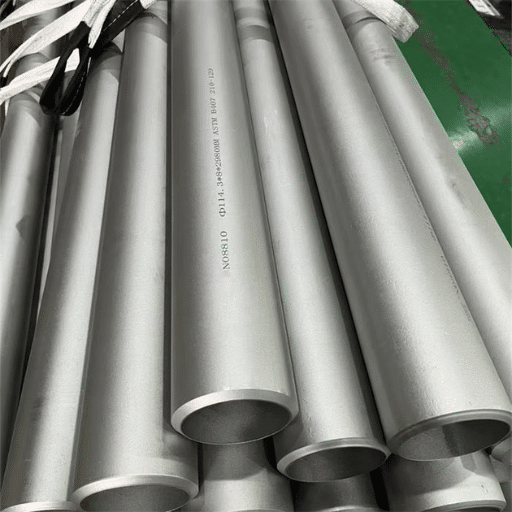
The jet engine on a commercial aircraft operates at temperatures that would melt ordinary steel within seconds. Inside the combustion chamber, gases reach 1,500°C (2,732°F). The only materials that survive these conditions are nickel-based superalloys, engineered over decades to maintain strength where everything else fails. For procurement managers and materials engineers, selecting the right nickel […]
Maraging Steel Hardening Mechanism: How It Achieves Ultra-High Strength
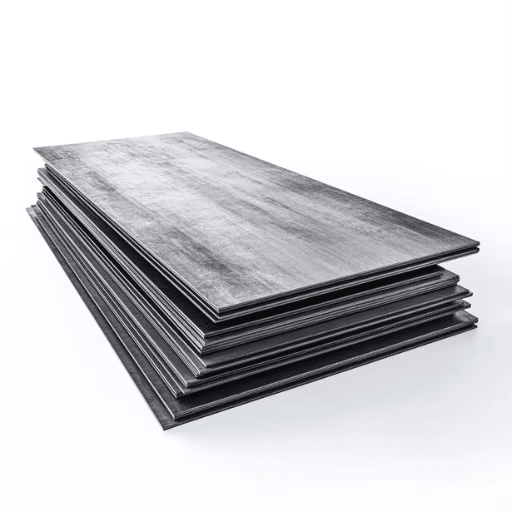
The material which develops tensile strengths beyond 2,000 MPa starts its existence as a soft material which workers can machine similarly to certain aluminum alloys. The situation appears to be impossible. The situation exists because maraging steel follows this behavior until it reaches its final heat treatment process. Engineers who understand this contradiction possess superior […]
Stainless Steel Tubes & Pipes: A Selection Guide for Chemical Processing
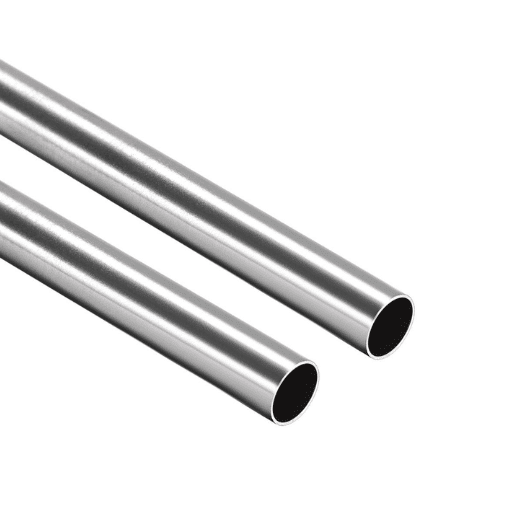
The heat exchanger tube experienced a corrosion failure which began with a pinhole leak. A chemical plant in the Midwest experienced an emergency shutdown which lasted 72 hours and resulted in production losses worth $1270000. The problem occurred because an engineer selected 304 stainless steel for a process stream that contained 800 ppm chlorides because […]

Welding Nickel-Based Alloys: A Technical Guide for Engineers
The process of welding nickel-based alloys creates specific difficulties because these materials have complicated properties which are essential for their use in aerospace and chemical processing and power generation industries. The high-performance materials demonstrate excellent corrosion resistance together with thermal stability and strength, but their specialized properties require welding professionals to use specific welding methods […]

Alloy Selection Guide: The Essential Guide to Corrosion-Resistant Alloys (CRA) in Oil & Gas
The oil and gas industry operates in extreme environmental conditions which results in equipment and infrastructure problems because they must deal with continuous atmospheric degradation and severe temperature variations and extreme pressure situations. The selection process for materials in demanding environments requires technical expertise because it directly affects safe operations and efficient processes and future […]
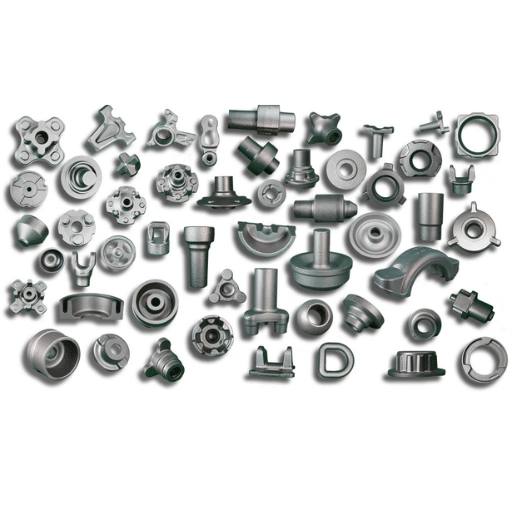
Forged Components for Heavy Machinery: The Forging Process Explained
Manufacturing & Engineering Forged Components for Heavy Machinery: The Forging Process Explained The construction industry requires its heavy equipment to operate with permanent conditions which demand both unbreakable strength and lasting durability. The massive machines depend on their component quality to establish their operational performance and maintenance reliability. The forging process uses raw material to […]
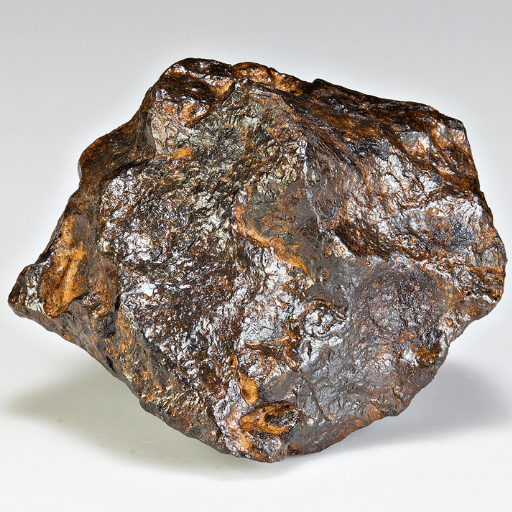
Understanding Iron-Nickel Alloys: Controlled Expansion for Precision Instruments
The precision engineering field requires iron-nickel alloys because these materials provide engineers with a unique ability to control their thermal expansion properties. The development of precision instruments depends on these special alloys because their temperature-driven dimensional changes result in measurement errors that impact system performance. The scientific principles that govern these materials enable the development […]
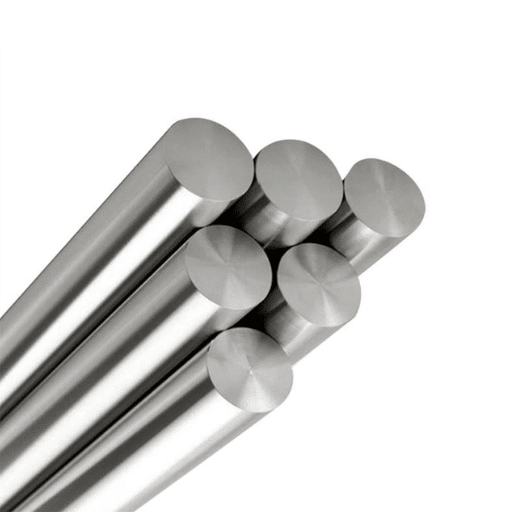
Maraging Steel 300: High-Strength Solutions for Aerospace & Defense
The aerospace and defense industries depend on Maraging Steel 300 because it offers an outstanding combination of strength and toughness and machinability. The ultra-high-strength alloy operates at optimal performance levels under extreme conditions which makes it suitable for essential mission tasks in aircraft components and rocket engine casings and tooling. Engineers and manufacturers use Maraging […]
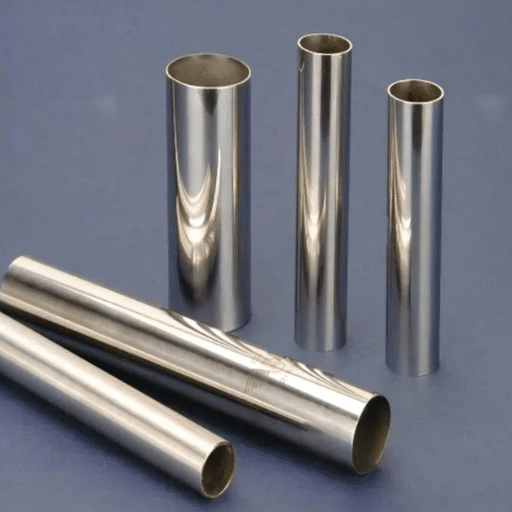
304 vs. 316 Stainless Steel: Choosing the Right Grade for Marine Environments
When selecting materials for marine applications you need to understand that different stainless steel types show different material characteristics. The environment needs metallic materials which can endure both saltwater and humidity and temperature fluctuations while preserving their original characteristics through time. The two grades of stainless steel which provide different benefits to various applications 304 […]

The Ultimate Guide to Nickel-Based Superalloys for High-Performance Engineering
Nickel-based superalloys serve as exceptionally adaptable materials which meet the performance needs of demanding engineering work. The advanced materials which require particular engineering for extreme conditions operate at high temperatures and face corrosive environments and endure intense mechanical stress. The guide shows how nickel-based superalloys function as essential components of contemporary engineering by providing detailed […]