

Technical Guide
Maraging Steel Hardening Mechanism: How It Achieves Ultra-High Strength

The material which develops tensile strengths beyond 2,000 MPa starts its existence as a soft material which workers can machine similarly to certain aluminum alloys. The situation appears to be impossible. The situation exists because maraging steel follows this behavior until it reaches its final heat treatment process. Engineers who understand this contradiction possess superior […]
Welding Nickel-Based Alloys: A Technical Guide for Engineers
The process of welding nickel-based alloys creates specific difficulties because these materials have complicated properties which are essential for their use in aerospace and chemical processing and power generation industries. The high-performance materials demonstrate excellent corrosion resistance together with thermal stability and strength, but their specialized properties require welding professionals to use specific welding methods […]
Understanding Iron-Nickel Alloys: Controlled Expansion for Precision Instruments
The precision engineering field requires iron-nickel alloys because these materials provide engineers with a unique ability to control their thermal expansion properties. The development of precision instruments depends on these special alloys because their temperature-driven dimensional changes result in measurement errors that impact system performance. The scientific principles that govern these materials enable the development […]
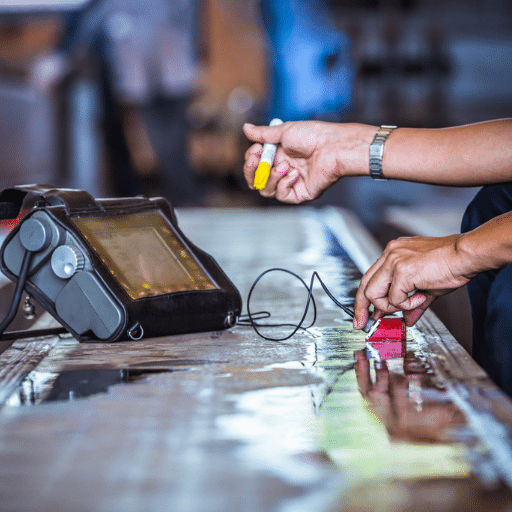
Non-Destructive Testing (NDT) for High-Performance Metal Alloys
Metal alloys used in high-performance applications require structural integrity and reliable performance for all industrial sectors because even small material failures result in dangerous situations within aerospace and automotive and energy sectors. Non-Destructive Testing (NDT) functions as the main testing method for this purpose. Engineers and manufacturers depend on NDT because it provides advanced methods […]
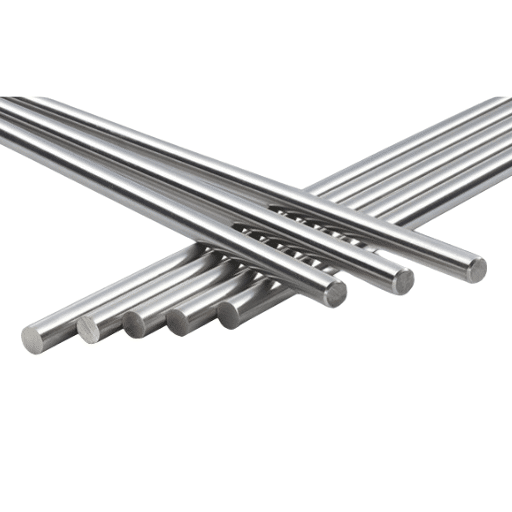
Heat Treatment Protocols for Nickel-Based Superalloys
Heat treatment is not only aimed at changing the shape of nickel-based superalloys in the aerospace, power generation, and chemical processing industries. It is a series of operations affecting the physical and mechanical properties and giving the alloy properties superior to precision casting, high oxidation resistance, and high-temperature strength. This paper attempts to highlight all […]

The Impact of Nickel Content on Iron-Nickel Alloy Thermal Expansion
The creation of high-performance materials demands that designers prioritize precise measurement methods and dependable material properties as their fundamental design goals. This study investigates how different nickel content levels affect the thermal expansion properties of iron-nickel alloys — and what that means for aerospace, electronics, and beyond. Introduction to Iron-Nickel Alloys Iron-nickel alloys are materials […]
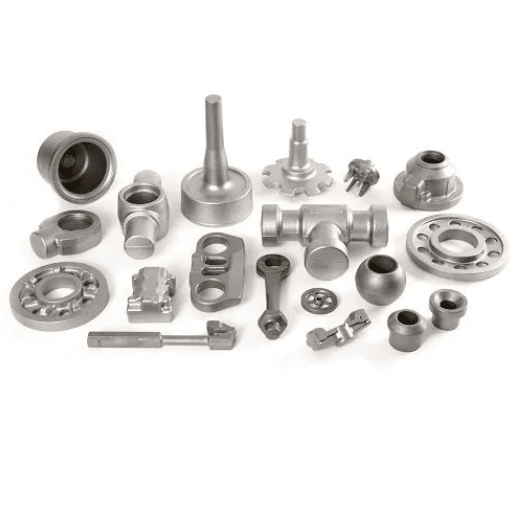
Technical Standards for Alloy Forgings: ASTM, AMS, and ISO Decoded
The primary requirements for alloy forgings demand that their manufacturing process produce high-quality, long-lasting, and accurately measured products. The process of handling technical standards, due to its intricate nature, can be challenging for most people. The organizations ASTM, AMS, and ISO establish material specification standards that engineers, manufacturers, and industry experts need to comprehend. The […]
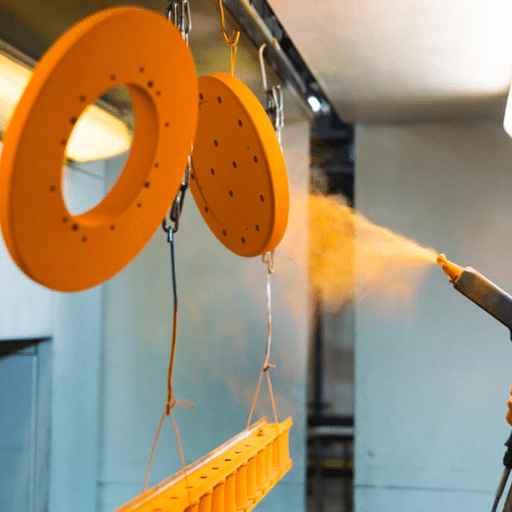
Metal Coating Methods: Plating and PVD
The selected coating method significantly affects metal surface durability and, in turn, enhances its visual appearance and functional performance. The automotive and electronics sectors benefit from two prevalent techniques, which include Plating and Physical Vapor Deposition, because both methods deliver distinct benefits. The article examines the differences between these two methods while determining which method […]
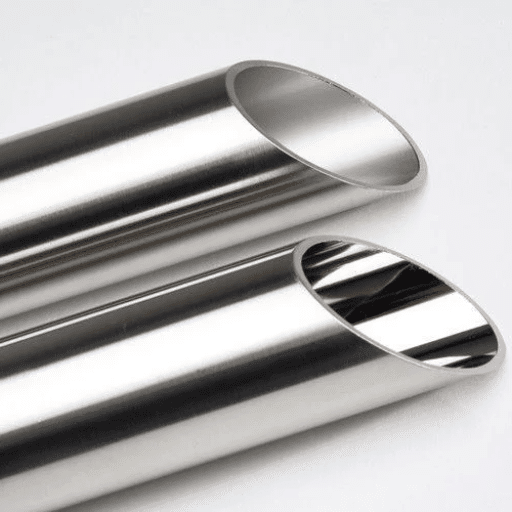
Electropolishing: Process and Benefits of Electropolishing for Metal and Alloy
Electropolishing functions as an advanced technique for metal finishing which provides better results through its ability to enhance the surface properties of various metal materials and their alloy counterparts. The process uses electrochemical methods to achieve three goals which include small defect removal and surface roughness reduction and material improvement through both visual and functional […]
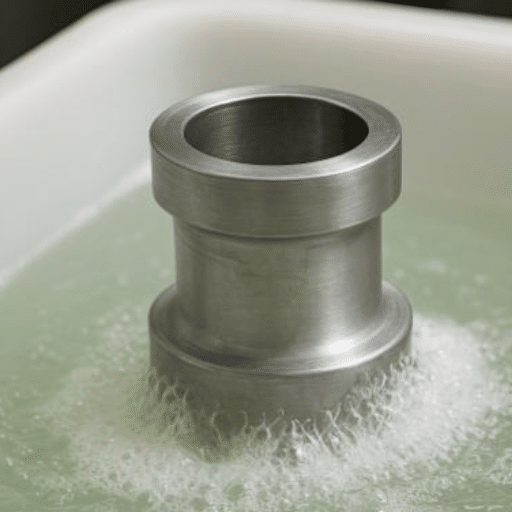
Pickling and Descaling Metals: Essential Processes for Steel and Stainless Finishing
The pickling and descaling process operates as a fundamental requirement for manufacturing and fabricating processes which aim to achieve flawless outcomes on steel and stainless steel surfaces. The treatments remove all rust and scale together with other dirt which destroys the visual attractiveness of the material and weakens its performance and durability during its entire […]