High Standard Stainless Steel With Strict Inspection


Precision Sourcing: Buying Stainless Steel Coils for Global Distribution

This blog will guide you through international stainless steel coil sourcing because it shows how to handle supply chain issues while judging product quality and selecting dependable suppliers. The article provides essential knowledge which enables both experienced procurement professionals and international sourcing beginners to make strategic decisions in the current worldwide market.
Introduction
The process of international stainless steel coil sourcing requires organizations to find dependable suppliers who meet quality standards while creating delivery systems that minimize operational costs. Organizations need to research suppliers by evaluating their credentials the accreditation of their certifications and their complete operational requirements through direct contact. Organizations can decrease procurement risks and enhance purchasing operations by working with trusted vendors who maintain transparent communication with their partners. The practice of working with trustworthy suppliers while developing effective communication systems enables organizations to decrease their purchasing risks and enhance their buying processes.
The Current State of the Global Stainless Steel Market
The global stainless steel market operates under a current situation which combines economic factors with supply chain problems and alterations in raw material prices. The market size reached a value of about USD 1122 billion during 2022 and will experience a growth rate of 6.2 percent which will continue until 2030. The construction and automotive and food processing industries drive this growth because they use stainless steel for its ability to withstand damage and resist corrosion and its visual attractiveness.
$1,122B
Market Value (2022)
6.2%
Projected CAGR to 2030
58M MT
Global Production (2022)
The market experiences an important impact from the price fluctuations of nickel and chromium which serve as essential materials for the production of stainless steel. The combination of current geopolitical conflicts and supply chain problems has resulted in higher prices while creating an unpredictable environment for sourcing and procurement activities. The rising energy costs in major production regions such as Europe have increased manufacturing expenses which compel buyers to seek effective sourcing methods.
The Asia-Pacific region stands as the foremost area for stainless steel production and consumption while China emerges as the primary producer and consumer of this material. China has maintained its position as a worldwide industrial leader because its strong manufacturing sector and massive infrastructure development projects. Other countries like India have started to emerge as major industrial centers because they utilize their expanding industrial sector and receive government backing for their steel production operations.
Sustainability has become a major focus for the stainless steel industry because it helps protect the environment. Leading companies are dedicating resources to research and develop solutions that will decrease carbon emissions while increasing their capacity to recycle materials which aligns with worldwide sustainability targets. Market stakeholders will drive future market developments through their commitment to environmentally sustainable production methods and sustainable material choices.
Businesses must maintain knowledge of regional market trends and technological advancements and cost-effective sourcing methods to achieve their competitive goals. The company will use supplier relationship development together with flexible procurement strategies to manage its changing market environment.
Importance of Precision Sourcing in Steel Procurement
The process of steel procurement needs accurate sourcing techniques which create three vital outcomes that include better operational performance and reduced costs and established quality benchmarks. Organizations need to adopt particular procurement methods which will assist them in managing the intricate supply chain network and the evolving market landscape. The five essential reasons which demonstrate the importance of precision sourcing in steel procurement will be presented below.
1
Cost Management
Precision sourcing helps organizations save costs because it enables them to find suppliers who offer competitive pricing while using long-term contracts and fixed-rate agreements to keep prices stable.
2
Supply Chain Reliability
Manufacturing and construction operations experience continuous progress because manufacturers maintain regular steel supply through established partnerships.
3
Quality Assurance
Companies achieve their procurement goals for high-quality steel through the selection of appropriate suppliers who deliver materials that match their specific technical and regulatory requirements.
4
Sustainability Goals
Companies use precision sourcing to choose suppliers who meet their sustainability objectives through their use of recycled materials and energy-efficient production methods.
5
Market Responsiveness
Organizations achieve fast project delivery through their ability to track market trends while developing strong partnerships with suppliers who help them meet changing operational requirements.
Technical Specifications and Quality Standards for Stainless Steel Coils
Stainless steel coils supply multiple industries which include automotive construction and manufacturing with essential materials because they withstand time and they resist corrosion. The following section presents the primary technical requirements combined with the quality standards which govern stainless steel coil specifications.
1. Standard Grades
The stainless steel coil manufacturing process creates multiple product grades which each contain distinct alloy formulations. The standard grades consist of these options:
304 Stainless Steel
This alloy contains approximately 18% chromium and 8% nickel content which renders it suitable for general use while providing strong protection against corrosion.
316 Stainless Steel
This alloy contains 16% chromium, 10% nickel, and 2% molybdenum which provide superior protection against pitting and crevice corrosion in marine environments.
430 Stainless Steel
This ferritic grade contains 16% chromium which provides decent protection against corrosion and heat but offers lower cost because nickel content is missing.
2. Surface Finishes
The operational performance and visual appearance of stainless steel coils depend on their surface finish. The industry uses these standard finishes:
- No. 1 (Hot Rolled, Annealed, and Pickled) – A rough finish suited for industrial applications.
- 2B (Cold Rolled, Annealed, Pickled, and Skin Passed) – A widely used finish with a smooth, reflective surface.
- BA (Bright Annealed) – A reflective, mirror-like finish used in decorative applications.
3. Dimensional Tolerances
The industry establishes standard measurements which control the width and thickness and weight of stainless steel coils.
- Thickness range: 0.3 mm to 6.0 mm (varies by manufacturer)
- Width range: 800 mm to 2,000 mm (custom widths available)
- Standard inner diameter: 508 mm or 610 mm
4. Mechanical Properties
Stainless steel coils need to fulfill particular mechanical property standards:
- Tensile strength: 520 MPa to 750 MPa (depending on grade)
- Yield strength: 200 MPa (annealed) to 450 MPa
- Elongation: 40% to 60%
5. Quality Standards
Stainless steel coils must achieve required reliability and durability through the international quality and testing standards which organizations must implement:
ASTM A240
Specifies chromium and chromium-nickel stainless steel plate, sheet, and strip materials for pressure vessels and general applications.
Specifies chromium and chromium-nickel stainless steel plate, sheet, and strip materials for pressure vessels and general applications.
EN 10088
European standard that establishes the stainless steel properties which manufacturers can use in their products.
European standard that establishes the stainless steel properties which manufacturers can use in their products.
ISO 9001
Certification standard showing organizations which quality management systems they must implement for their production operations.
Certification standard showing organizations which quality management systems they must implement for their production operations.
6. Testing and Certification
Manufacturers perform extensive testing procedures which allow them to verify product quality and regulatory compliance:
- Non-Destructive Testing (NDT) — detects both surface and internal material defects.
- Chemical Composition Analysis — confirms the presence of alloying elements within the sample.
- Dimensional Inspection — ensures that all measurements fall within established tolerance limits.
7. Applications
🚗 Automotive Industry
Requires stainless steel coils to manufacture exhaust systems and structural components.
🏗️ Construction Industry
Uses coils for roofing materials, wall cladding, and facade construction.
🍽️ Food & Beverage Industry
Uses coils to produce hygienic storage containers which resist corrosion.
Understanding Stainless Steel Coil Grades
Engineers develop specific applications through the use of different grades of stainless steel coils because these grades provide various chemical compositions and mechanical properties and environmental resistance capabilities. Companies use grade understanding as a tool to find materials that meet their specific needs.
Common Stainless Steel Coil Grades
Mechanical and Physical Properties Comparison
| Grade | Tensile Strength (MPa) | Yield Strength (MPa) | Elongation (%) | Rockwell Hardness |
|---|---|---|---|---|
| 201 | 515–700 | 275–450 | 35–45 | HRB 95 |
| 304 | 520–750 | 205 | 40–50 | HRB 92 |
| 316 | 515–745 | 290 | 40–50 | HRB 95 |
| 430 | 450–600 | 275 | 22–30 | HRB 88 |
Selecting the Right Grade
The selection of a stainless steel coil grade requires evaluation of three specific factors which include its ability to resist corrosion and its mechanical properties and its performance in different operational conditions. For example:
- Applications exposed to saltwater and chlorides require 316 stainless steel.
- The 201 stainless steel grade provides an economical solution for projects which need minimal protection against corrosion.
Quality Control Measures for Steel Coils
The quality control process for steel coils needs to be executed properly because it directly affects both product performance and customer satisfaction. The following quality control measures are typically implemented to achieve the desired standards:
Material Inspection
Each steel coil undergoes a rigorous inspection process which verifies its material composition and mechanical characteristics. Chemical composition must meet standards for 201, 304, and 316 stainless steel using advanced spectrometers and XRF analyzers.
Surface Quality Examination
The process uses visual inspection together with automated systems using high-resolution cameras to identify surface defects which include scratches, dents, and corrosion. Roughness is also measured using profilometers.
Dimensional Accuracy Testing
Precision instruments such as laser measuring tools are used to measure the dimensions of steel coils which include width, thickness, and weight. The manufacturing process requires consistent parameters because downstream processes depend on them.
Mechanical Testing
Universal testing machines are used to test tensile strength, yield strength, and elongation. Tests according to ASTM A240 and ISO 6892 standards validate that the material can sustain operational stress.
Non-Destructive Testing (NDT)
Ultrasonic testing and eddy current testing detect internal cracks and inclusions in the steel coil without creating any damage to the material. This guarantees structural integrity.
Coating & Corrosion Resistance Verification
Coated and galvanized coils are tested through salt-spray testing following ASTM B117 to determine their ability to withstand severe environmental conditions. Coating thickness is also measured.
Flatness and Shape Control
The facility uses modern rolling equipment together with automated flatness gauges to validate that steel coils meet required curvature and shape specifications. Deviations render material unsuitable for precise applications.
Data Tracking and Reporting
Each coil comes with a special identification number which connects to its quality inspection report. Digital solutions and real-time tracking systems provide complete visibility and trackability throughout the supply chain.
Surface Finish and Its Impact on Performance
The surface finish of steel coils determines their performance in athletic applications. The surface finish increases aesthetic appeal of a product while making it more resistant to corrosion and wear and improving its ability to be shaped. The surface finish of steel coils affects their performance through five important factors:
🔧
Formability: Steel coils require manufacturing processes to shape their material because the surface finish determines their moldability. The material can be shaped through forming, bending, and shaping processes which use a finely finished surface that creates low friction between tools and the material.
🎨
Adhesion of Coatings and Paints: The surface finish of steel coils becomes essential when their future use involves painting or coating. The correct finish preparation enables paints and coatings to create strong bonds which stop peeling and chipping through time.
⚙️
Wear Resistance: A smoother surface decreases abrasive wear that occurs during processing or usage. Steel exhibits wear resistance which makes it appropriate for utilization in tough conditions that involve automotive parts and machinery elements.
Logistics and Supply Chain Considerations for Global Distribution
Global distribution creates strong business growth opportunities but leads to operational difficulties because international supply chain management needs complex implementation. The main factors that need to be assessed include expenses related to transportation, requirements for regulatory compliance, processes for managing inventory, and methods to predict customer demand.
1. Transportation Costs and Modes
Global distribution needs transportation mode selection which includes the decision between sea and air and rail and road options. Statista published a 2022 report which shows that sea freight maintains its status as the most affordable shipping method that handles approximately 90 percent of worldwide trade volume. Customers who need high-value products or urgent deliveries will select air freight because it costs more than other shipping options. Businesses need to find the right balance between their operating costs and delivery speed so they can satisfy customers while remaining financially successful.
2. Regulatory Compliance
International trade requires businesses to follow multiple complex regulations which include tariffs and customs procedures and trade agreements. Businesses that fail to meet compliance requirements will experience operational delays and face monetary fines. The EU Carbon Border Adjustment Mechanism (CBAM) implementation establishes stricter environmental standards for imported products which will affect international supply chain operations.
3. Inventory Management
Effective inventory management systems provide organizations with essential tools to maintain cost efficiency while delivering products to their customers. Businesses today need inventory tracking systems which provide real-time information and warehouse automation solutions that use advanced technologies. According to a McKinsey 2023 survey 64 percent of supply chain executives plan to allocate significant resources for digital solutions that enhance their inventory management capabilities.
4. Demand Forecasting
The ability to forecast worldwide demand experiences difficulties due to various factors which include cultural differences and seasonal changes and market trends. Business organizations now use advanced AI and machine learning tools to evaluate past sales data which helps them create better demand forecasts for upcoming periods. Amazon employs predictive analytics to control its worldwide product inventory which leads to a 30% decrease in stockout situations.
5. Sustainability in Supply Chains
Businesses seek to decrease their carbon emissions therefore they turn to sustainability practices which have become essential in supply chain operations. According to the 2023 Global Sustainability Report 75% of businesses have developed sustainability goals which will direct their business activities. The current industry requirement mandates businesses to adopt electric vehicles and biofuel-powered vessels for their transportation needs while they must develop packaging solutions that minimize waste.
6. Risk Management and Resilience
The supply chain network faced significant challenges during the past few years because the COVID-19 pandemic and the Russia-Ukraine conflict created operational weaknesses. Organizations need to develop strong systems through risk management techniques which include supplier diversification and nearshoring and safety stock management.
Key Elements of a Successful Supply Chain
Agility
Supply chains achieve their ability to respond to market changes and customer demands through their implementation of agile operational methods. Supply chains that use agile methods enable companies to decrease operational costs by 25% while they simultaneously improve customer satisfaction according to McKinsey research. Companies achieve agility by designing flexible production schedules which use real-time data analysis and they implement flexible technology solutions.
Resilience
The supply chains that demonstrate resilience continue to operate during unexpected events that include natural disasters and pandemics and geopolitical tensions. A study from Deloitte revealed that businesses with resilient supply chains can recover from disruptions 30% faster than their competitors. The main tactics involve establishing multiple sources of supply and developing systems for risk assessment and making emergency response strategies.
Sustainability
Sustainable supply chains create lower environmental effects while they meet the increasing consumer demand for environmentally friendly business operations. The fundamental process requires companies to implement green logistics while they decrease their carbon footprint and adopt renewable energy sources. Sustainable supply chains enable companies to reduce their expenses while gaining market advantages because 75% of consumers choose to support environmentally conscious brands according to World Economic Forum research.
Visibility
Supply chain visibility provides better control of operations and transparency of information which helps organizations across their entire network to make informed decisions. Businesses that use digital technologies such as IoT and blockchain systems can achieve complete operational visibility which enables them to minimize mistakes while optimizing their asset management. According to Gartner research businesses that implement strong visibility systems will reduce their freight expenses by 15% each year.
Technology Integration
The implementation of AI and machine learning and automation technologies enables supply chains to operate as extremely efficient systems. AI forecasting models enable demand prediction accuracy to reach an 85% improvement rate. The implementation of technology solutions by businesses results in operational efficiency which enables them to deliver products more rapidly while providing better customer service.
Export Regulations and Compliance for Stainless Steel Coils
The process of exporting stainless steel coils requires compliance with multiple regulations and standards which differ according to the specific destination country. The company must follow all regulatory requirements because any noncompliance will result in shipment delays and penalties and shipment rejections.
1. Key International Standards
The International Organization for Standardization ISO 9001 and ASTM material specifications and RoHS (Restriction of Hazardous Substances) compliance requirements form the international standards that stainless steel coils must meet for approval in the European Union. The standards verify that products fulfill safety requirements and quality standards and environmental protection rules.
2. Tariffs and Duties
Numerous nations impose tariffs together with import duties on stainless steel coils. The United States makes regular modifications to its anti-dumping duties which affect steel products from China and India. Recent trade updates reveal that these tariffs vary between 15% and 25% based on the product and the country of origin which uses Harmonized System (HS) code classifications.
3. Export Licensing
Certain nations demand that exporters obtain particular licenses before exporting stainless steel products because these materials serve vital roles in construction and manufacturing operations. The Steel Import Monitoring System (SIMS) in India requires exporters to obtain a “Registration Certificate” before their shipment process begins.
4. Environmental and Sustainability Regulations
Numerous nations have established regulations that mandate environmental sustainable practices for steel production and export activities. Exporters must include all carbon emissions that arise during stainless steel manufacturing and transportation according to the requirements established by the European Green Deal. Energy-efficient manufacturing companies which implement ISO 14001 environmental management systems achieve better results for regulatory compliance.
5. Sanctions and Trade Restrictions
Exporters must monitor all modifications which affect their operational activities through existing trade sanctions and trade restrictions. Multiple countries have established trade sanctions against Russia and Iran which block those nations from conducting any export or import activities of multiple materials which include stainless steel coils. The organization will face major legal penalties because it failed to comply with these established restrictions.
6. Shipping and Documentation
Customs procedures require complete documentation to enable efficient clearance operations. The essential documents that need to be presented typically consist of a commercial invoice, a packing list, a certificate of origin, material test reports, and compliance certificates. Exporters can obtain duty-free or reduced-duty advantages through trade agreements like USMCA (United States-Mexico-Canada Agreement) after they submit all required documents according to established guidelines.
📊 Recent Trade Trends
- The World Steel Association reports that global stainless steel production reached 58 million metric tons in 2022 including major production from China, Indonesia, and the European Union.
- The first half of 2023 saw China export stainless steel and related products which increased by 25.3% compared to the same period last year.
- The World Trade Organization (WTO) observed a global tariff increase of 12.2% which affected metal-related products during the past twelve months.
Efficient Transportation and Handling of Rolled Coils
Organizations need to create specific procedures which will protect products while delivering cost-effective operations for their stainless steel coil transportation and handling activities. The coils require best handling practices because any improper handling or corrosion or deformation will result in damage to the coils during their entire logistical process.
The first need for proper packaging exists because it protects coils through their entire shipping process. The combination of moisture-resistant paper with skids and durable steel straps provides protection against both abrasions and humidity exposure. The use of custom-fitted wooden or metal pallets, according to industry reports, provides better stability to the coils during transportation because it prevents them from shifting or rolling.
Coil transportation efficiency gets affected by different freight methods which exist in the industry. The industry uses rail and sea freight as the main methods for transporting large coil shipments across vast distances because these methods offer economical shipping rates. The industry requires road transportation as a vital delivery method which connects all short-distance trips to their end destinations. Rail freight operations enable bulk shipment operations to decrease transport expenses by 20 percent when compared with road transportation while also diminishing greenhouse gas emissions.
Coil lifters and C-hooks as well as conveyor systems function as secure systems which enable safe loading and unloading work processes. The implementation of magnetic and vacuum lifters reduces the need for human workers which results in fewer chances of personal injuries and equipment failures. A recent transportation study demonstrated that logistics hubs achieved a 30 percent increase in handling efficiency through the use of automated systems across their operations.
The coil logistics industry is currently undergoing transformation through the implementation of digital solutions. Companies can track cargo conditions and delivery times while optimizing their delivery routes through the use of real-time tracking systems combined with centralized logistics software. The system enhances reliability which results in a 15 to 25 percent decrease of operational costs according to supply chain logistics platforms that reported their findings in 2023.
Companies need to establish secure transport methods that comply with regional weight limit regulations. The operation of overloaded vehicles with unsecured cargo can result in both fines and accidents which lead to increased expenses. Companies must conduct staff training on both handling protocols and safety procedures to achieve their operational goals.
Companies can improve their efficiency in transporting rolled coils through the combination of handling equipment and packaging solutions and advanced technological systems. The changing global market requires businesses to adopt these practices so they can maintain their competitive edge while meeting regulatory requirements.
Risk Mitigation and Vetting Suppliers for Precision Sourcing
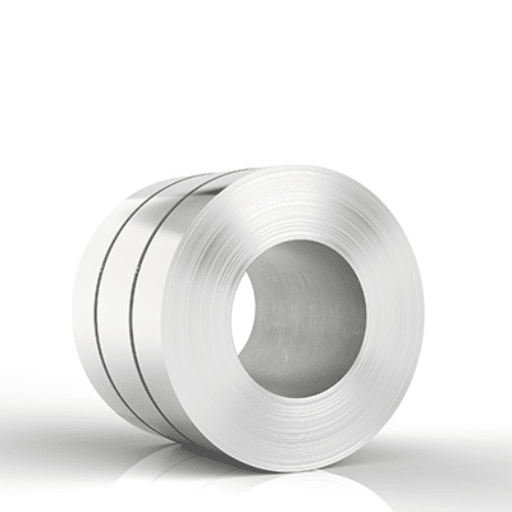
High-grade material industries require accurate material procurement together with risk management procedures to maintain their supply chain operations through all supply chain interruptions. Businesses need to assess various criteria for supplier evaluation which includes testing supplier dependability and production capabilities together with their financial stability and industry compliance. The study showed that 77% of companies faced tighter supplier evaluation requirements because of global disruptions which occurred during the previous year.
The complete supplier assessment process needs organizations to conduct due diligence through audit processes which require them to verify certification status and assess ISO 9001 quality management system compliance. Organizations can use advanced technologies that include AI-driven tools and blockchain technology to monitor their suppliers’ performance and maintain transparent sourcing processes. Businesses use blockchain technology for product origin verification and material tracking which reduces their business risks from fraud and counterfeit product operations.
Organizations need to build multiple supplier connections which form the foundation of their risk management process through their risk management activities. A 2023 Deloitte Global survey found that companies which use diverse suppliers have 26% greater resilience against disruptions than companies which depend on single suppliers. The strategy guarantees material availability which minimizes the chance of production interruptions during operations.
The process of precision sourcing needs organizations to create accurate tracking systems which will monitor their future product movements. The business environment of today enables companies to decrease their operational risks through standard evaluation methods and contemporary technological solutions and various procurement strategies.
Identifying Reliable Stainless Steel Coil Suppliers
To deliver products with consistent quality businesses must locate stainless steel coil suppliers who they can trust to supply their required materials. The process of selecting dependable suppliers requires multiple important components and supplier information to be evaluated.
Certifications & Standards
Suppliers who want to establish their reliability must follow international standards which include ISO 9001 quality management certification standards and ASTM material property specifications. Outokumpu and Aperam demonstrate their compliance with stringent industry standards.
Production Capability
The supplier needs to sustain their production capacity while controlling their inventory. Jindal Stainless reports their capacity to produce more than 1.9 million tons per year which enables them to handle high product demands while maintaining their product quality standards.
Geographic Reach
The location of a business directly affects its ability to make on-time deliveries while keeping transportation expenses to a minimum. Acerinox uses its worldwide distribution system to create storage centers and operational sites.
Customer Reviews
A supplier’s reliability can be determined through an evaluation of case studies and client testimonials. ThyssenKrupp receives positive customer feedback about their service and development of innovative industry-specific solutions.
Sustainability Practices
Businesses today focus on selecting suppliers who practice environmentally sustainable methods. Allegheny Technologies demonstrates its commitment through sustainability programs which include carbon emission reductions during stainless steel manufacturing.
Market Trends & Pricing
Stainless steel prices depend on raw material expenses and changes in worldwide demand. Reliable suppliers often provide transparent pricing and flexible options to help clients manage budgets effectively.
Key Data on Top Stainless Steel Coil Suppliers
| Supplier | Annual Production Capacity | Key Features | Regions Served |
|---|---|---|---|
| Outokumpu | 2.4 million tons | High-performance stainless steel | Europe, Americas, Asia |
| Jindal Stainless | 1.9 million tons | Extensive customization options | Asia, Middle East |
| Acerinox | 2.5 million tons | Streamlined logistics network | Global |
| ThyssenKrupp | 14 million tons (steel group) | Exceptional customer solutions | Europe, Americas |
| Allegheny Technologies | 2 million tons | Sustainability-focused production | USA, Global |
After estimating the potential supply sources, based on these parameters and evaluating ability, firms are potentially to choose other firms for partnership development because they can provide both quality and logistics propagation.
Assessing Supplier Capabilities and Quality Assurance
The supplier evaluation process needs to assess essential performance indicators, which must demonstrate that their operations and products meet the company’s quality standards. Businesses need to achieve production capacity while they maintain their compliance with international quality assurance standards.
📦
Production Capacity and Scalability
Suppliers must demonstrate their ability to meet fluctuating demand without compromising delivery timelines or product quality. ArcelorMittal currently operates at a production capacity which exceeds 70 million tons per year according to recent data thereby establishing itself as one of the top global steel manufacturers. The data establishes the necessity to assess a supplier’s ability to execute large orders while maintaining operational capacity during peak demand periods.
✅
Certifications and Quality Standards
The achievement of international quality standards which include ISO 9001 requirements for Quality Management Systems demonstrates a supplier’s dedication to providing products with consistent high quality. Industry research shows that more than 85% of international suppliers who operate in the steel manufacturing industry choose to obtain quality certifications as a strategy to remain competitive in their market. Business organizations need to obtain documentation and check its authenticity to confirm that these standards remain in effect.
🤖
Technological Integration and Transparency
The leading suppliers in the market use advanced technology, which includes real-time tracking systems and AI-based production monitoring, to enhance their capabilities in monitoring operations and presenting their business activities. The implementation of IoT-based quality control systems has enabled ThyssenKrupp to achieve a 20% reduction in defects across its supply networks, which has resulted in improved product quality at its key production facilities. The relationship between businesses and their technologically advanced suppliers results in a supply relationship that extends from production facilities to their destinations.
🌱
Environmental and Sustainability Practices
Sustainability has emerged as a primary objective that international supply chains now pursue. The use of environmentally sustainable methods by suppliers through their adoption of carbon-neutral manufacturing and waste reduction initiatives delivers them operational advantages. Allegheny Technologies announced their commitment to environmental sustainability through their decision to power 30 percent of their operations with renewable energy sources.
⭐
Track Record and Client Reviews
The assessment of a supplier’s previous performance record constitutes an essential requirement. Organizations use customer reviews together with case studies and trade references to assess their credibility. Recent Google search trends show that businesses use third-party platforms such as Trustpilot and supply chain audit reports to assess the credibility and reputation of their potential suppliers.
Strategies for Minimizing Supply Chain Risks
- Expand Supplier Network: Organizations need to establish multiple supplier connections as a method to expand their supplier network. McKinsey research shows that businesses which establish multiple supplier relationships have 45% better supply chain security than those which work with single suppliers. Organizations must identify their essential component suppliers because this step enables them to maintain their operations during unexpected situations.
- Implement Risk Assessment Systems: Organizations require risk assessment tools which include predictive analytics and AI-driven monitoring systems to identify potential threats. Organizations that adopt these technologies achieve disruption prediction accuracy which is six times better than organizations that use traditional prediction methods.
- Foster Supplier Collaboration: Companies establish trust with suppliers through regular communication and collaboration which enables them to identify and manage risks. Organizations can reduce operational delays by establishing permanent partnerships and providing real-time logistics information to their partners.
- Maintain Buffer Stock: Essential materials and products which organizations store as buffer stock during supply chain disruptions become critical resources for their operations. Organizations which implement safety stock policies experience 35% reduction in production delays during uncertain times according to industry research.
- Local Sourcing Strategies: Using local suppliers who follow sustainable practices helps organizations decrease their environmental footprint and reduce risks from global shipping and international political issues. According to industry research companies that implement local sourcing strategies achieve 20% annual reductions in lead times.
Cost-Efficiency vs. Quality Trade-Offs in the Current Market
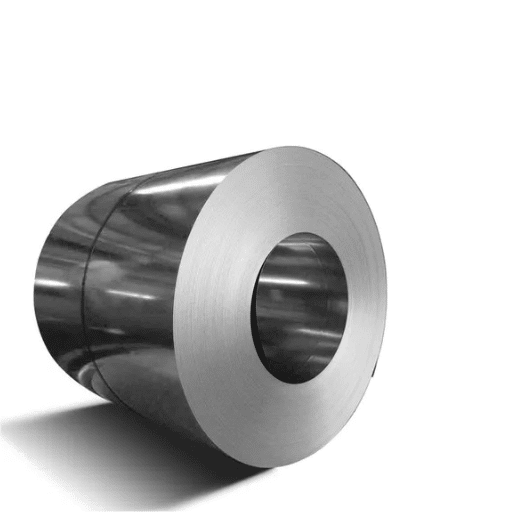
The present-day business environment requires companies to achieve cost efficiency while delivering high-quality products because the market conditions create tough challenges for their operations. The need for price sensitivity continues to drive consumer behavior but businesses that want to succeed should understand that product quality loss results in permanent damage to their reputation and customer trust. According to a 2023 report by McKinsey & Company, 78% of surveyed consumers stated that product quality remains a top priority, even if it comes at a higher cost. The company needs to develop a quality system that aligns with its operational processes to achieve market dominance.
The production systems of businesses now use automated systems which include AI-powered technologies to achieve their production targets while decreasing operational waste and expense costs without diminishing product standards. The use of predictive maintenance systems has enabled automotive manufacturers to achieve cost savings of up to 15% while they continue to meet stringent safety requirements.
The selection of suppliers creates substantial effects on the way businesses manage their trade-off between product expenses and product excellence. The Deloitte survey results demonstrate that 56% of companies view local sourcing as an effective way to enhance quality despite its associated higher costs. Organizations that maintain open product distribution channels and transparent customer interaction practices while implementing contemporary technological solutions will gain competitive advantages in the existing business environment.
Understanding Pricing Dynamics in the Stainless Steel Industry
The pricing dynamics of the stainless steel industry are influenced by a combination of raw material costs, global demand, transportation expenses, and geopolitical factors. The production of stainless steel requires essential raw materials which include nickel, chromium, and iron ore. According to recent market data nickel prices surged by approximately 9 percent in 2023 due to supply constraints which in turn exert upward pressure on stainless steel prices globally. The prices of chromium have demonstrated price fluctuations which occur when energy expenses change and major producing countries implement production reductions.
The worldwide demand patterns determine the pricing structure of products. The stainless steel market experiences higher demand because construction and automotive and green energy industries continue to expand. The renewable energy sector depends on stainless steel to produce equipment for wind turbines and solar panels which has become a major driving force in the industry. China maintains its status as the leading global stainless steel producer and consumer while the Asia-Pacific region remains the highest stainless steel consumption area.
The costs of transportation and logistics activities cause pricing alterations. The industry faces pricing challenges because shipping costs have increased while supply chain delays and geopolitical conflicts and post-pandemic recovery have created problems. Tariffs and trade policies from governments around the world create barriers which either restrict or enhance the international movement of stainless steel products thus affecting market prices.
The industry needs to monitor these variables while using predictive analytics tools to achieve better price prediction results. For businesses within this sector, keeping abreast of these trends and forming agile pricing strategies is essential for maintaining competitiveness.
Balancing Cost and Quality in Procurement Decisions
Businesses must conduct procurement processes to establish a suitable trade-off between their expense obligations and the required product standards particularly in industries that depend on stainless steel as their main material. The global stainless steel market shows high price volatility because raw material costs and supply chain disruptions and government regulations undergo continuous change. The latest Markets and Markets report shows that nickel prices which serve as a vital stainless steel component have increased by 40% during the last year which now raises procurement expenses for manufacturers and suppliers.
Organizations adopt digital procurement tools together with big data analytics to create their optimal cost-quality balance. Businesses utilize these technologies to assess pricing patterns and supplier performance and to forecast market disturbances. McKinsey and Company research shows that companies using AI-based supply chain solutions achieve 20% lower procurement expenses without compromising product quality. Companies now use trusted supplier partnerships together with long-term contract commitments to protect themselves from price fluctuations while maintaining uniform material standards. Supplier relationship management systems enable companies to build better supplier partnerships which results in a 15% boost to their procurement operations. Data-driven methods combined with effective supplier networks enable businesses to manage expenses while they maintain vital quality standards for their business operations.
Customization Options and Their Impact on Pricing
The process of creating personalized products and services enables businesses to fulfill specific customer requirements while their operational expenses determine their product and service pricing. The following customization methods show how they affect product price determination:
| Customization Type | Description | Price Impact |
|---|---|---|
| Product Personalization | Design, engraving, and modification procedures that increase production expenses. | +20% |
| Tailored Services | Custom service packages needing specialized staff and equipment. | Up to +50% |
| Material Choices | High-end material selection that directly affects product pricing. | +30% to +60% |
| Flexibility in Order Quantity | Custom small-batch production with varying minimum order amounts. | +15% to +40% |
| Delivery Preferences | Express or customized delivery options with additional staffing needs. | +10% to +25% |
The customization options require strategic management because they create operational cost benefits which organizations use to deliver customer satisfaction. Companies and customers achieve mutual benefits when they price options correctly.
Frequently Asked Questions (FAQ)
References
-
Progress in Europe of the procurement of the EU ITER TF coils
This paper discusses the procurement and manufacturing processes involving stainless steel coil cases.
-
Evolving logistic roles of steel distributors
This study explores the logistics and distribution roles in the steel industry, including handling bulky steel coils.
-
Development of costing tool for Outokumpu Stainless Oy
This thesis focuses on cost analysis and optimization in stainless steel production and distribution.