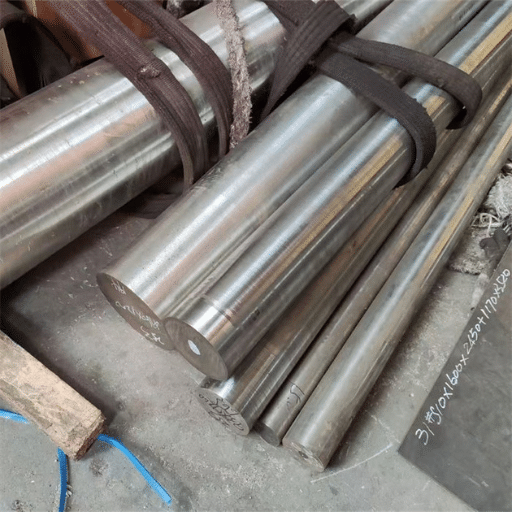
High Standard Stainless Steel With Strict Inspection



Titanium Machining & Welding: Best Practices for Fabrication Success

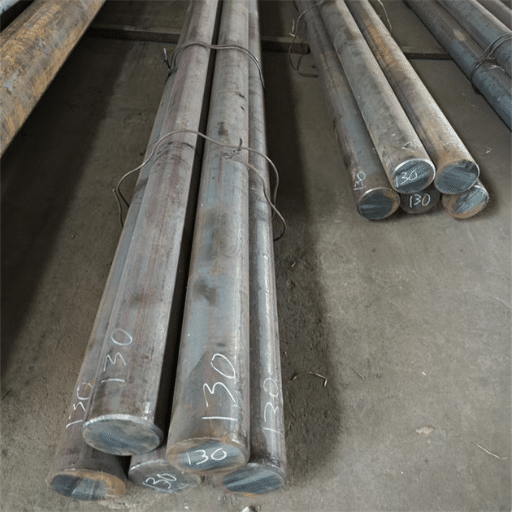
The machining and welding processes for titanium require completely different techniques, which do not apply to steel or aluminum production methods. The combination of titanium’s low thermal conductivity and its quick work hardening, and its high chemical reactivity at high temperatures requires shops to use slow cutting speeds and rigid equipment setups, and complete inert gas protection in order to create usable parts and welds.
The programming team at Precision Components Inc. in Cleveland treated their first titanium aerospace bracket project, which they received in March 2026, as a challenge that involved programming stainless steel. The team established spindle speeds at 400 surface feet per minute while operating with the same carbide inserts which they used on 17-4 PH and they implemented standard flood coolant. The first tool broke after 45 seconds of operation. The second tool rubbed against the material instead of cutting it and this created a work-hardened area which reached a depth of 0.3 millimeters. The job had reached its third tool failure point after the team spent $340 on inserts, and they had already lost the workpiece. The programmer used steel logic to analyze a metal that behaves differently from every other material in the shop.
The guide provides complete instructions for successful titanium machining and welding operations. The study will show you titanium punishment centers on incorrect parameter settings, while you will discover which tools and setups operate effectively and you will learn how to set up TIG welding shielding to achieve contamination-free joints and your approach will change based on grade-specific requirements.
Key Takeaways
- Titanium’s low thermal conductivity concentrates heat at the cutting edge, requiring slower speeds, aggressive feeds, and rigid setups compared to steel.
- Carbide tools with high positive rake angles and through-tool coolant delivery are essential for productive titanium machining.
- TIG welding with 99.999% argon shielding is the standard for titanium; any exposure to oxygen or nitrogen above 315 degrees Celsius causes embrittlement.
- Grade 5 (Ti-6Al-4V) machines differently than Grade 2 (CP) or Grade 9 (Ti-3Al-2.5V) — one parameter set does not fit all grades.
- Titanium machining carries fire risk; fine chips and dust can ignite. Proper coolant flow and chip evacuation are safety requirements, not options.
Why Titanium Is Difficult to Machine
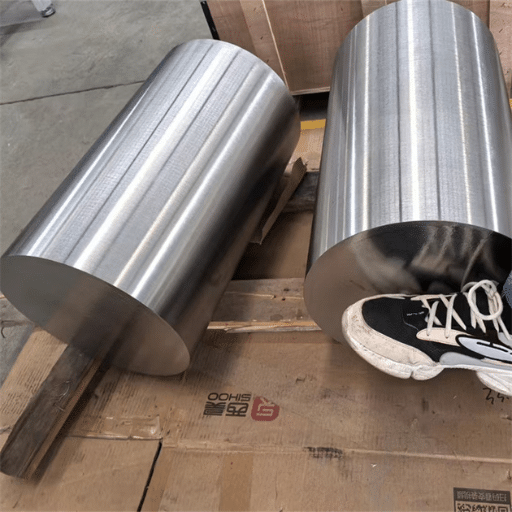
Low Thermal Conductivity
Titanium conducts heat at roughly 7.2 watts per meter-kelvin. Steel conducts at approximately 50 watts per meter-kelvin. The heat generated at the cut remains at that location because it cannot spread through the workpiece and chip material. The cutting edge absorbs the majority of the thermal energy.
The concentrated heat results in two effects because it causes two effects which accelerate tool wear and lead to built-up edge formation while it alters the microstructure of the workpiece surface. Shops that handle steel or aluminum machining operations respond by decreasing feed rates, which creates more severe operational issues. The increase in feed heightens the duration of rubbing, which produces additional heat that results in work hardening.
Work-Hardening Behavior
The cutting tool creates work hardening in titanium alloys through rubbing contact instead of achieving material shearing. The first cutting pass requires standard cutting forces but needs additional power for all following passes because the surface layer has hardened. The increased forces produce additional heat energy. The process continues until either the tool reaches its failure point or the part undergoes distortion.
The solution is counterintuitive to many machinists. The proper way to cut titanium is to use aggressive feed rates while maintaining moderate speeds because machinists should avoid making gradual cuts. The procedure requires operators to initiate chip movement while directing heat away from both the tool and workpiece. For a broader overview of titanium grades and their characteristics, see our titanium alloys complete guide.
Chemical Reactivity at Cut Temperatures
Titanium starts to react with various tool coating materials when temperatures exceed 500 degrees Celsius at the interface between the tool and the chip. This results in galling because titanium weld deposits bond to the insert surface. The welded material detaches pieces from the coating and substrate which leads to increased crater and flank wear.
Titanium testing shows uncoated carbide and specially designed PVD coatings exceed the performance of standard CVD coatings. The coating needs to maintain its integrity during titanium chip flow which causes abrasion and thermal cycling.
Contact our metallurgical engineers to discuss fabrication-ready titanium plate and bar delivered to tolerances that minimize your machining time.
Machining Titanium: Tooling and Setup
Machine Rigidity Requirements
The machining process for titanium materials creates problems because it damages equipment through vibration effects. Chatter leads to tool contact that occurs sporadically which results in damage to the insert edge through repeated impacts that make the material harder. The machine tool must provide rigid fixturing, minimal tool overhang, and sufficient spindle torque at low speeds.
High-speed spindles designed for aluminum are often the wrong choice. Titanium requires high torque performance when operating at moderate rotational speeds. The power curve should deliver full rated torque down to 1,000 RPM or lower. Workholding must be equally rigid. A part that shifts under cutting load will see instant tool failure and a ruined surface finish.
Tool Material and Geometry
Uncoated fine-grain carbide remains the baseline for titanium machining. The PVD-coated grades that use titanium aluminum nitride (TiAlN) provide extended tool life when used properly, yet coating delamination represents a frequent point of failure. The coating must establish strong adhesion to the substrate because titanium chips cause abrasive wear while the cutting edge experiences severe thermal fluctuations.
Material selection for tool geometry holds equal importance to material selection. High positive rake angles reduce cutting forces and help direct heat into the chip. Sharp edges reduce friction through minimal contact. The tool heel needs generous flank relief because it prevents contact with the work-hardened surface. The indexable inserts require strong edge preparation to prevent chipping, yet excessive hone radii create increased rubbing and heat problems.
Cutting Parameters by Grade
Parameter selection must match the specific titanium grade. There is no universal titanium speed chart.
| Grade | Roughing SFM | Finishing SFM | Feed per Tooth | Axial Depth |
|---|---|---|---|---|
| Grade 2 (CP) | 250–350 | 300–400 | 0.004–0.008″ | 1–2xD |
| Grade 5 (Ti-6Al-4V) | 100–200 | 150–250 | 0.003–0.006″ | 0.5–1xD |
| Grade 9 (Ti-3Al-2.5V) | 180–280 | 220–320 | 0.004–0.007″ | 0.75–1.5xD |
The school requires the strictest security standards because Grade 5 materials have their strongest security features and their lowest thermal conductivity compared to commercially pure materials. Grade 2 machines most freely. Grade 9 falls between the two, which is one reason it is preferred for tubing applications where both formability and moderate strength matter.
Coolant and Chip Evacuation
The gold standard for titanium machining requires high-pressure through-tool coolant. The system delivers coolant to the cutting area at 1,000 PSI, which creates chip fractures while decreasing cutting temperature and removing hot debris from the insert edge.
The use of flood coolant becomes acceptable when operators provide enough volume and direct the nozzle correctly toward the cutting area. The production process should never involve machining titanium materials without using any coolant. The process leads to unmanageable heat development, which results in tool operational time dropping to only a few minutes while creating a significant fire hazard. The process requires equal attention to both chip removal and tool protection. The recutting process leads to chip wear, which creates surface hardening and results in tool destruction. The combination of through-spindle coolant and high-velocity air blasts maintains a clear cutting area.
The fabricator in Toulouse used flood coolant with standard pressure to machine Grade 5 plate for an Airbus subcontractor, which resulted in an 18-minute tool life. The company achieved 95-minute tool life after implementing high-pressure through-tool delivery at 1,200 PSI while decreasing surface speed by 25%. The change paid for the coolant system upgrade within three jobs.
Titanium Welding Fundamentals
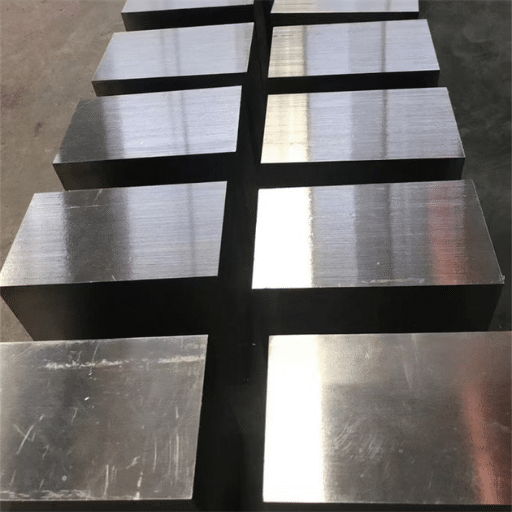
Why TIG Welding Dominates
Gas tungsten arc welding (GTAW), which people know as TIG welding, serves as the main welding method for titanium. The TIG system gives titanium its required heat control through its precise temperature management and its clean welding arc and its controllable welding puddles. The process uses a non-consumable tungsten electrode and manually or mechanically fed filler wire.
MIG welding of titanium is possible but rarely used outside high-volume automated applications. The MIG gun faces challenges in maintaining proper shielding coverage because any gas coverage gap leads to weld contamination which results in brittle welds. For nearly all repair, prototype, and short-run production work, TIG is the correct choice.
Filler Metal Selection
Filler metal must match or exceed the base metal grade. The ERTi-2 filler metal works for commercially pure Grade 2. For Grade 5 applications, ERTi-5 (Ti-6Al-4V) filler is required. The use of CP filler on a Grade 5 joint reduces strength while it also harming the heat-treated properties. The application of Grade 5 filler on CP base metal results in additional expenses and it decreases corrosion resistance in specific situations.
For critical applications, filler wire should be purchased from qualified sources with full certification and traceability. Filler wire that has been contaminated or stored incorrectly presents the same hazards as contaminated base metal. For applications where weld cleanliness is paramount, such as medical implants, refer to our guide on medical-grade titanium specifications.
Joint Preparation and Cleanliness
The process of titanium welding requires absolute cleanliness standards to be maintained. Welding defects occur because mill scale and oxides together with oils and fingerprints and hydrocarbon residues, exist as contaminants.
We need to use dedicated stainless steel wire brushes that have never come into contact with carbon steel for our preparation work. The use of steel brushes results in cross-contamination, which embeds iron particles that lead to pitting corrosion. The cleaning process with acetone or alcohol effectively removes all oily substances. Proper bevel geometry ensures that welds achieve complete penetration while controlling heat input. The skills of a welder cannot salvage a joint that has been improperly prepared.
Inert Gas Shielding: The Critical Requirement
Primary Shielding and Gas Purity
Titanium starts to form chemical bonds with both oxygen and nitrogen at a temperature of 315 degrees Celsius. The entire area that has received heat treatment needs inert gas protection because weld pools and heat-affected zones reach temperatures above 1,600 degrees Celsius until they drop below the temperature at which reactions occur.
Argon serves as the primary gas used for shielding purposes. The gas needs to achieve a minimum purity of 99.995%. The aerospace industry demands all specifications to achieve a minimum purity level of 99.999%. The welding-grade argon, which contains 99.9% purity, does not meet our requirements. The remaining 0.1% of the material contains oxygen and nitrogen together with moisture, which will lead to weld contamination.
The standard flow rates for primary shielding operations require between 15 and 25 cubic feet per hour of gas when using either a large gas lens or a ceramic trailing cup. Standard number 7 or number 8 cups are often too small. The extra-large gas lenses, together with custom trailing shields, make it possible to extend the argon envelope beyond the immediate arc zone.
Backup Purging
The backside of a titanium weld requires protection. The weld root experiences oxidation and embrittlement when backup purging does not occur. Backup purging requires sealing the joint area and flooding the cavity with argon before striking the arc.
The industry uses argon purge dams and inflatable bladders, and copper backing bars with gas channels as standard solutions. The purge must continue until the weld and heat-affected zone reach a temperature of 315 degrees Celsius or lower. The practice of removing purge gas before the correct time leads to root-side contamination problems.
Trailing Shields
The torch movement creates a trailing shield that protects argon coverage behind the weld pool. The trailing shield protects the solidified weld bead because titanium stays active during its cooling phase. Fabricators use aluminum or copper materials to create custom trailing shields, which they attach to the TIG torch body.
The initial assessment of shielding effectiveness begins with the examination of weld color. Silver or light straw indicates adequate protection. Blue, purple, or white discoloration means the weld was exposed to air while hot. The critical application needs all contaminated material to be removed when any color exceeds light straw.
Contamination Risks and How to Prevent Them
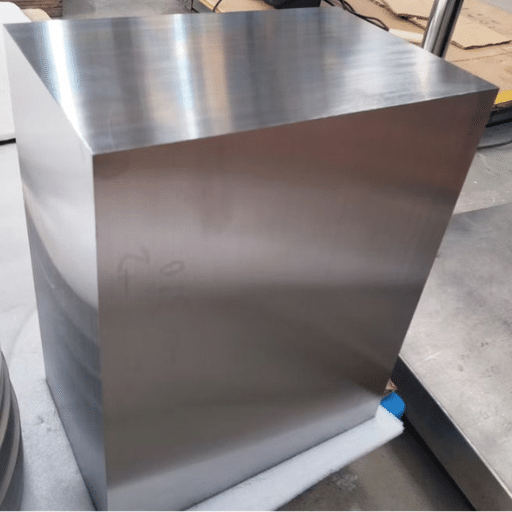
Oxygen and Nitrogen Embrittlement
Titanium develops alpha case when it reacts with air after reaching temperatures above 315 degrees Celsius. The alpha case creates a brittle hard surface layer which breaks under stress and starts fatigue failure.
Machined components require complete removal of alpha case through chemical milling or additional machining processes. The heat-affected zone of welded structures contains alpha case which needs post-weld heat treatment or local removal methods. The cost of proper shielding to prevent problems is much lower than the cost of fixing those problems after they occur.
Iron Contamination and Galvanic Corrosion
Titanium surfaces develop iron contamination through the use of carbon steel brushes and grinding wheels and steel wool. The particles create galvanic cells during service which results in pitting corrosion. This situation becomes highly hazardous because chloride exposure which occurs in marine and chemical processing environments, leads to increased attack rates.
All tools that touch titanium require either dedicated use or construction from stainless steel materials. Grinders used for steel operations require permanent restriction from titanium work. The storage racks need to keep titanium and carbon steel separate to avoid cross-contamination through rust particles and abrasion.
Interpass Temperature Control
Excessive heat buildup in the workpiece degrades mechanical properties and increases distortion. For Grade 5 titanium, interpass temperature should generally remain below 150 degrees Celsius. Larger weldments may require forced-air cooling between passes.
Monitoring interpass temperature with infrared thermometers or contact probes is standard practice. Allowing the part to overheat between passes can precipitate undesirable phases in the microstructure, reducing toughness and fatigue life. For a detailed reference on Grade 5 properties and heat treatment, see our Ti-6Al-4V properties guide.
Grade-Specific Fabrication Guidance
Grade 2 (Commercially Pure)
The most suitable titanium alloy for machining and welding operations exists in Grade 2. The material enables operators to achieve faster cutting speeds while using deeper cutting depths. The tool life duration increases by 50 to 100% when operators use Grade 5 under similar machining conditions.
The welding process for Grade 2 becomes simple when using ERTi-2 filler material. The interpass temperature requirements for Grade 5 become less stringent for this material. The main uses of this material include chemical processing equipment and marine hardware and non-structural aerospace components which require corrosion resistance but do not need high strength.
Grade 5 (Ti-6Al-4V)
Grade 5 represents the most commonly used titanium alloy which presents the greatest difficulty in production. The material requires conservative machining methods together with fixed operational conditions because of its excellent strength and low thermal conductivity. Welders must sustain exact temperature control between welding passes while maintaining perfect protection against atmospheric elements.
The unique combination of strength and reduced weight which Grade 5 provides makes it the preferred choice for aerospace structures engine parts and high-performance fasteners. Shops that master Grade 5 fabrication open doors to the highest-value segments of the titanium market.
Grade 9 (Ti-3Al-2.5V)
Grade 9 offers a middle ground. Its strength exceeds commercially pure grades while its formability and weldability exceed Grade 5. It machines at intermediate parameters and welds with less restrictive interpass controls.
Grade 9 is the alloy of choice for titanium tubing in aerospace hydraulic lines and bicycle frames. It can be cold-formed more readily than Grade 5, reducing the need for extensive machining in tubular applications.
Safety: Titanium Fires and Dust Hazards
Chip Fire Risk During Machining
Fine titanium chips become capable of spontaneous ignition during both dry-machining and situations where coolant flow fails to meet requirements. Titanium metal creates a burning reaction that produces temperatures above 3,000 degrees Celsius, which firefighters find extremely challenging to control.
Titanium machining requires water-based coolants as the preferred option because water prevents fire ignition. Firefighters should use standard Class D fire extinguishers or dry sand to extinguish any fire that occurs. The use of carbon dioxide extinguishers on titanium fires should be avoided because they make the fire more dangerous. All chip bins must remain free from combustion materials, which create hazards in their vicinity.
Explosive Dust Hazard
The process of grinding, sanding or polishing titanium creates fine dust particles which become explosive when they reach confined spaces. Dust collection systems must be designed for combustible metal powders. High-volume operations require inert gas backfill in their collection chambers.
You must never use compressed air for the purpose of blowing titanium chips or dust from machines. The static electricity and particle velocity can trigger ignition. The proper method to eliminate chips and dust involves using vacuum systems that contain grounded conductive hoses.
The Cost of Getting Fabrication Wrong
Tooling Waste and Rework
The incorrect machining settings result in carbide insert wear, which occurs five to ten times faster than the wear rate of correctly configured systems. The titanium job requires a single badly programmed job, which costs 15to15to40 per insert to destroy more than 1000 dollars worth of tooling before generating a usable part.
The cost of rework equals the cost of original work. Contaminated titanium welds require complete material removal because welding over contamination does not work. The contaminated metal must be removed to sound material before re-welding begins. In aerospace welding projects, the process requires multiple days for both the grinding work and the inspection tasks and the repair welding activities.
A marine exhaust fabricator in Brisbane welded six titanium headers for a high-performance yacht without backup purge on the root pass. The backside showed blue and white oxidation across every joint. The headers failed hydrostatic testing at 40% of design pressure. The company discarded all products from the batch. The argon saved by skipping backup purge cost less than one header. The six scrapped headers cost $18,000 in material and labor.
Frequently Asked Questions
Why is titanium so hard to machine?
The difficulty of titanium machining arises from its thermal property which leads to heat concentration at the cutting edge and its tendency to develop stronger material bonds during machining operations. The material also reacts chemically with tool coatings at high temperatures which leads to faster tool wear. Successful operation requires operators to use slow speeds with high feed rates while maintaining strong machine structures and using large quantities of coolant.
What is the best coolant for machining titanium?
High-pressure water-based coolant delivered through the tool is the optimal solution. Flood coolant becomes acceptable when users maintain proper volume levels and achieve accurate coolant distribution. Companies avoid using oil-based coolants because titanium chips create greater fire hazards.
Can you weld titanium with a standard TIG welder?
A standard TIG welder can weld titanium if it provides adequate amperage control and if the operator uses 99.999% pure argon with a large gas lens or trailing shield. Standard welding-grade argon is insufficient. The joint backside requires a backup purge system because it establishes the necessary conditions for full-penetration welds.
What gas do you use for welding titanium?
The standard shielding gas for titanium welding operations is argon. The gas must reach a minimum purity level of 99.995% but critical applications require 99.999% purity for their operational needs. The base gas for operations is argon, although helium will be used to increase heat input during welding of thick materials.
How do you keep titanium from work hardening during machining?
Machining requires operators to use sharp carbide tools and positive rake angles while applying aggressive feed rates, which enable shearing to occur instead of rubbing and operators must not perform dwells or rubbing passes. The machining process requires operators to remove the affected titanium layer because it has undergone work-hardening before they proceed with additional operations.
Is it safe to grind titanium?
Grinding titanium becomes safe when operators follow correct safety precautions. The facility requires operators to use dedicated grinding wheels while performing wet grinding operations and ensure the system effectively collects dust particles. Titanium dust creates an explosive hazard when it reaches certain concentration levels; therefore, dust control systems must have specifications for handling combustible metal powders.
Conclusion
Titanium machining and welding are not black arts. The processes become successful with advanced training because their principles need to be understood, and all assumptions should be avoided. The shops that succeed with titanium share common practices. They use machines with rigid construction, and they use carbide tools that have sharp edges. The machines operate at moderate speeds while they use aggressive feed rates. The system delivers coolant to the area where cutting occurs. The welding process uses 99.999% argon gas with a backup purge system. The system maintains interpass temperatures at controlled levels. The organization requires cleanliness standards, which they treat as essential technical specifications.
The shops that struggle usually apply steel or aluminum logic to a metal that obeys different rules. The operators need to slow down their operations, but they choose to increase their speed. The operators skip using purge gas because they want to save time. The operators use the same brushes they used on carbon steel. The result is scrapped parts, burned tools, and lost margins.
If your project requires titanium plate, bar, or custom forgings that arrive fabrication-ready with full certification and traceability, our metallurgical team can recommend optimal cutting parameters, filler selections, and material conditions for your specific application. Contact an expert or request a quote today.