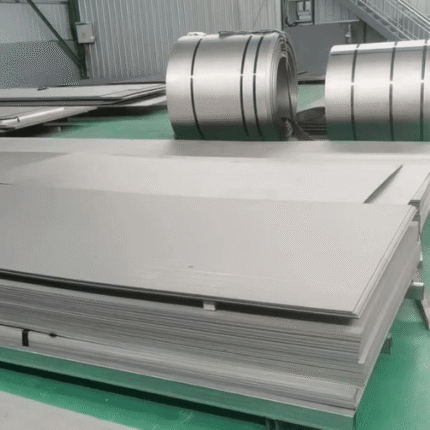
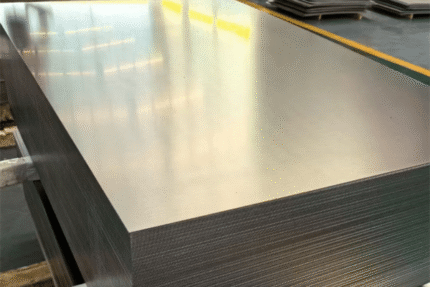
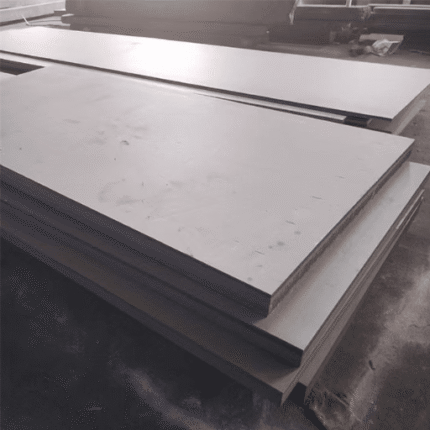
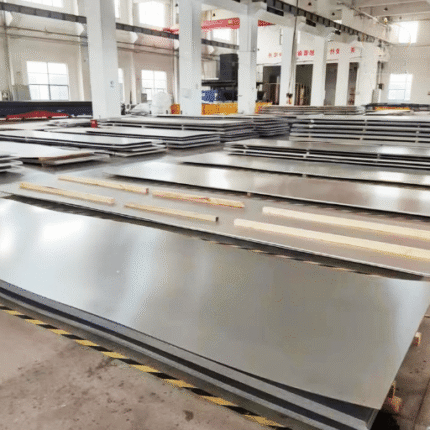
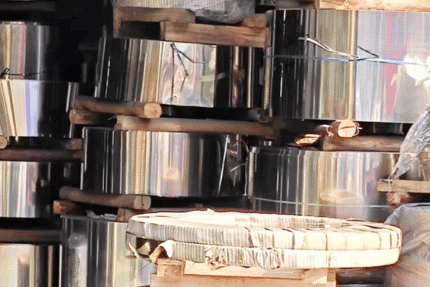
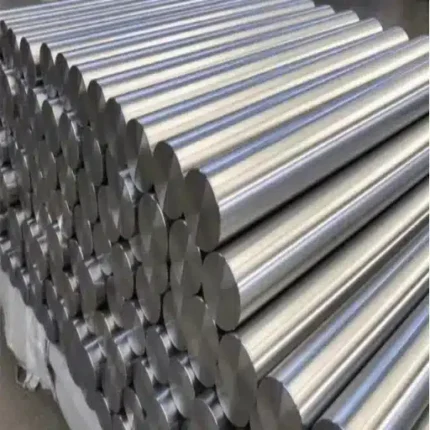
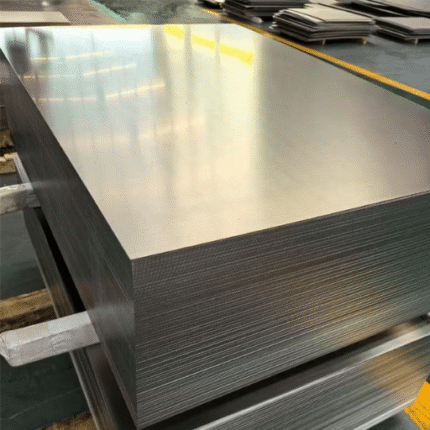
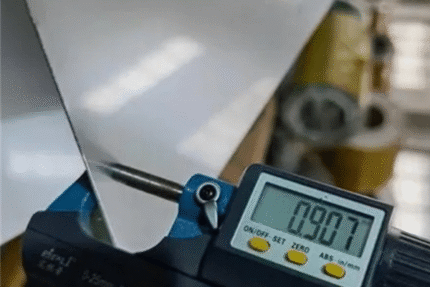
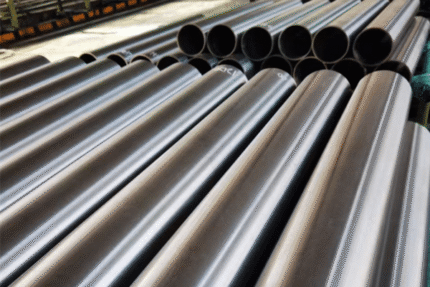
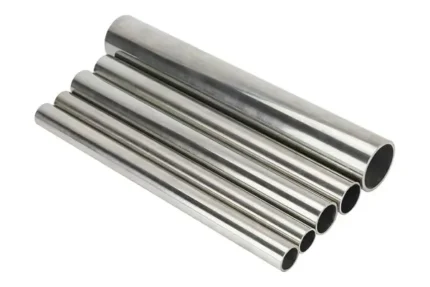
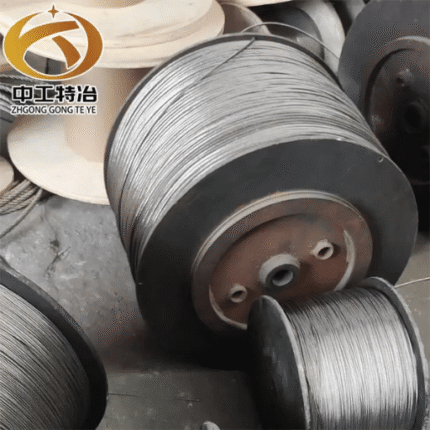
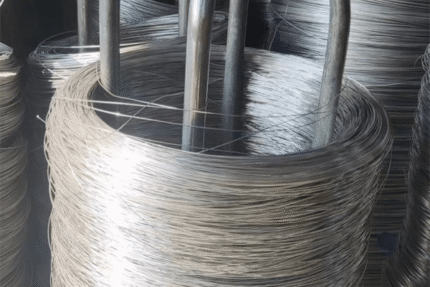
High Standard Stainless Steel With Strict Inspection


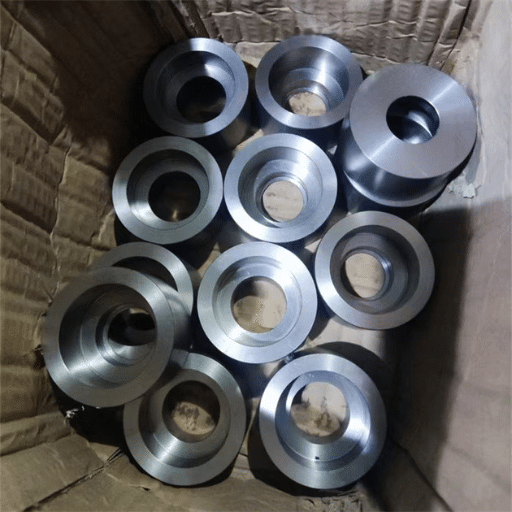
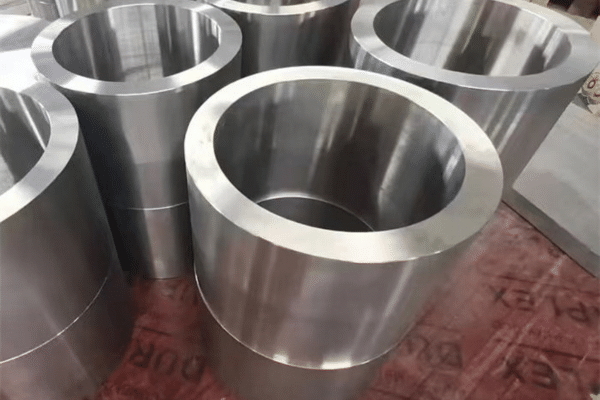
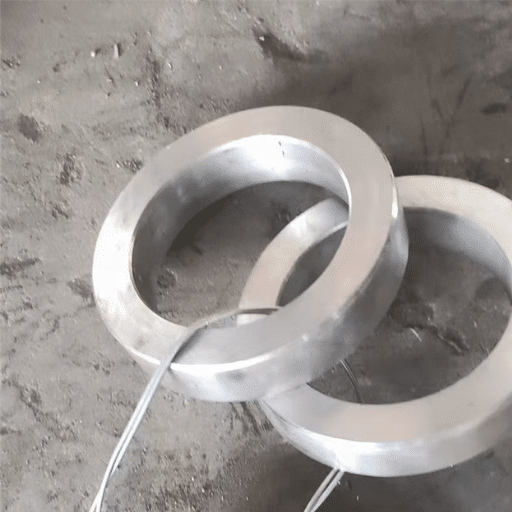
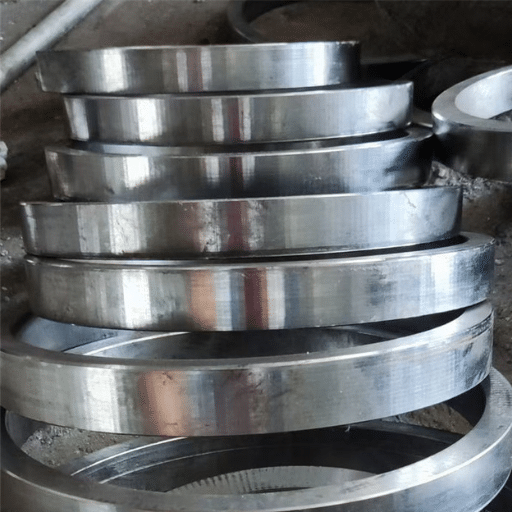
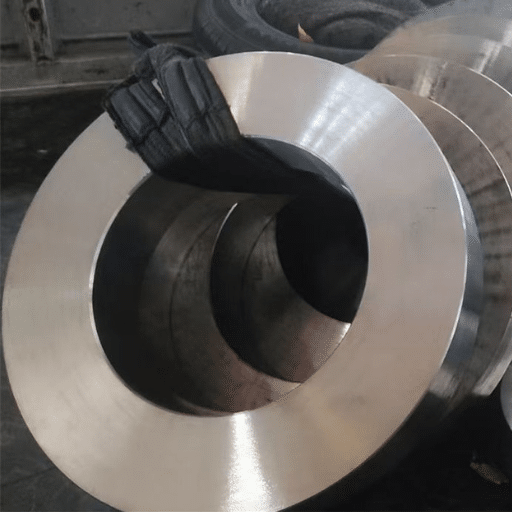
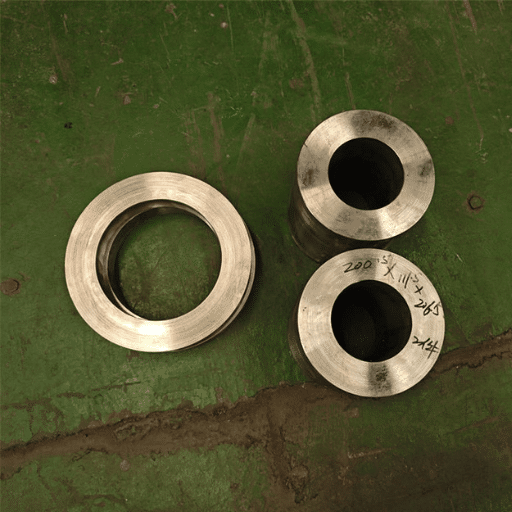
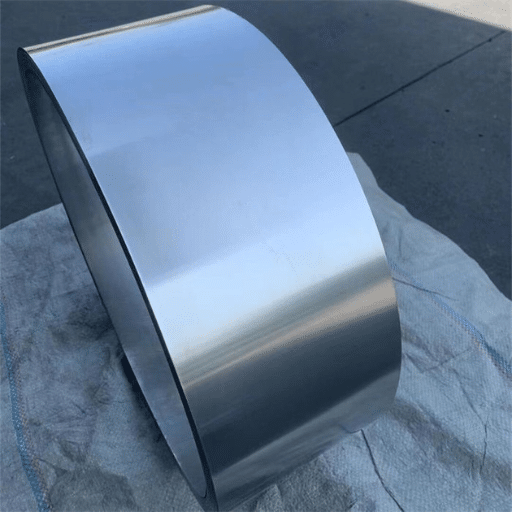

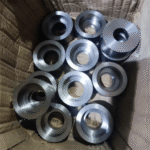
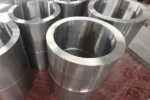
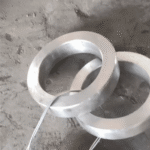
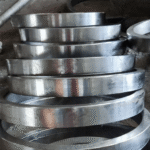
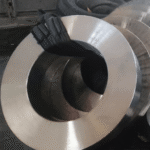
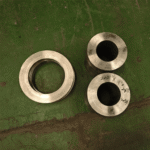
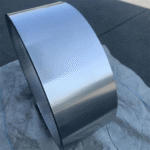


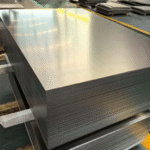
Stainless Steel Forgings
Manufacturing Capabilities Open die forging, closed die forging, ring rolling, upset forging, press forging up to 12,000 tons capacity Heat Treatment Options Annealing, solution treatment, quenching & tempering, aging, stress relieving, cryogenic treatment Testing & Inspection Ultrasonic testing, magnetic particle inspection, dye penetrant testing, radiographic testing, dimensional inspection, hardness testing, impact testing Surface Treatment Machining, […]
Description


Stainless Steel Forgings Overview
Stainless steel forgings are the ultimate solution for industries requiring high-strength, corrosion-resistant components. With exceptional durability, heat resistance, and aesthetic appeal, stainless steel forgings are widely used in critical applications across aerospace, automotive, oil and gas, and medical industries. Whether you need custom shapes or standard components, stainless steel forgings deliver unmatched performance and reliability.
Exploring Common Stainless Steel Forgings Grades
We offer a wide range of stainless steel grades to meet the diverse needs of various industries. Each grade is carefully selected for its unique properties, ensuring optimal performance in specific applications.
410 Stainless Steel
A martensitic grade with excellent strength and wear resistance, commonly used in cutlery and tools manufacturing.
Good hardness and wear resistance, ideal for tools and cutlery.Moderate corrosion resistance, suitable for less aggressive environments.It can be heat-treated for enhanced mechanical properties.
17-4 PH Stainless Steel
A precipitation-hardening grade that combines high strength, corrosion resistance, and excellent mechanical properties.
Combines high strength with excellent corrosion resistance.Precipitation-hardening capability for tailored mechanical properties.Retains strength and toughness in high-temperature applications.
440C Stainless Steel
High-carbon martensitic grade, known for exceptional hardness and wear resistance, is often used in bearings and knives.
Exceptional hardness and wear resistance, ideal for bearings and knives.Made with high carbon content for superior edge retention.Moderate corrosion resistance, suitable for dry or mildly corrosive environments.
Stainless Steel Forgings Standard Technical Specifications
| Property | Details |
|---|---|
| Material Grades | 304, 316, 410, 17-4PH, Duplex Stainless Steel |
| Corrosion Resistance | Excellent resistance to rust, pitting, and oxidation |
| Heat Resistance | Withstands temperatures up to 1200°F (649°C) |
| Tensile Strength | Up to 965 MPa (140,000 psi) |
| Yield Strength | Up to 690 MPa (100,000 psi) |
| Hardness | Varies by grade, typically 150-300 HBW |
| Shapes Available | Rings, shafts, discs, blocks, and custom shapes |
| Surface Finishes | Polished, machined, or as-forged |
| Standards Compliance | ASTM A182, ASTM A276, ASME SA182, ISO 9001 |
Learn more about Stainless Steel Forgings Technology
Our stainless steel forgings are available in a wide range of material grades, including 304, 316, 17-4PH, Duplex 2205, and specialty alloys like Inconel 625. We offer forging weights from 0.5 kg to 15,000 kg per piece, utilizing advanced techniques such as open die forging, ring rolling, and press forging up to 12,000 tons.

Manufacturing Capabilities
Open die forging, closed die forging, ring rolling, upset forging, press forging up to 12,000 tons capacity

Heat Treatment Options
Annealing, solution treatment, quenching & tempering, aging, stress relieving, cryogenic treatment

Testing & Inspection
Ultrasonic testing, magnetic particle inspection, dye penetrant testing, radiographic testing, dimensional inspection, hardness testing, impact testing

Surface Treatment
Machining, grinding, polishing, shot peening, electropolishing, passivation, coating applications
Our stainless steel forgings offer exceptional performance
Stainless steel forgings are the ultimate solution for demanding applications, offering exceptional corrosion resistance, unmatched strength and durability, and versatility across industries.
Exceptional Strength
Our forgings deliver tensile strengths ranging from 515-1380 MPa, with yield strengths of 205-1035 MPa, ensuring reliability in high-stress environments and extreme operating conditions.
Corrosion Resistance
Superior resistance to oxidation, pitting, and stress corrosion cracking. Tested to withstand over 1000 hours in salt spray testing, ideal for marine and chemical applications.

High Temperature Stability
Maintains structural integrity at temperatures ranging from -196°C to 800°C, making them perfect for cryogenic and high-heat applications in power generation and aerospace.
Precision Manufacturing
Tolerances as tight as ±0.05mm with surface finishes of Ra 0.8-3.2μm. Advanced forging processes ensure consistent grain flow and elimination of internal defects.
Key Industrial Applications for Stainless Steel Forgings
🛩️Aerospace
Landing gear components, turbine engine parts, structural fittings, hydraulic cylinders, fasteners, and critical airframe components requiring high strength-to-weight ratios and fatigue resistance.
🛢️Oil & Gas
Valve bodies, wellhead components, pump shafts, flanges, drilling equipment, subsea connectors, and pipeline fittings designed to withstand high pressure (up to 15,000 PSI) and corrosive environments.
⚗️Chemical Processing
Reactor vessels, agitator shafts, heat exchanger components, pressure vessels, mixing impellers, and process piping requiring superior corrosion resistance to acids, alkalis, and organic solvents.
What Our Clients Say
Outstanding corrosion resistance in our chemical reactors processing high-concentration acids. We’ve extended our maintenance intervals by 40% since switching to these forgings. The technical support team helped us select the optimal grade for our specific application, saving us significant downtime costs.

Fabrication
Process Equipment Manufacturer
The precision and surface finish of these forgings have significantly reduced our secondary machining time by approximately 35%. The dimensional tolerances are consistently within ±0.03mm, which is exceptional for forgings of this size. Our production efficiency has improved dramatically.

Robert Tanaka
Manufacturing VP, Pacific Marine Systems

Why Choose Our Stainless Steel Forgings?
Years of Experience: Over three decades of forging expertise with continuous investment in advanced manufacturing technology and metallurgical research. Our team includes 15 certified metallurgists and 50+ experienced forging technicians.Certified Quality Systems: ISO 9001:2015, AS9100D, ISO 14001, and PED 2014/68/EU certified. Annual third-party audits ensure consistent quality. Full NADCAP accreditation for aerospace applications with documented process controls.On-Time Delivery Rate: Industry-leading delivery performance with real-time order tracking. Advanced production planning systems and strategic inventory management ensure your projects stay on schedule without compromise.Technical Support: Round-the-clock engineering assistance from our materials specialists. Free design consultation, FEA analysis support, and material selection guidance. Average response time under 2 hours for critical inquiries.Custom Projects Delivered: Extensive experience with complex geometries and tight specifications. From prototype to production volumes of 100,000+ units. The in-house design team can work from your sketches or complete 3D modeling.
Our Latest Blogs

Alloy 625 Severe Sour Gas Service: Complete Guide
Alloy 625 is the default nickel-based alloy for severe sour gas service, qualified under NACE MR0175/ISO 15156 for all H2S…

Super 13Cr Stainless Steel: CO2 & Sour Service Guide
Super 13Cr stainless steel is a low-carbon, nickel- and molybdenum-strengthened martensitic grade (UNS S41425, S41426, S41427) built to outlast conventional…

Inconel 718 vs 725 vs 925: The Complete Selection Guide
Inconel 718, 725, and 925 are all age-hardenable nickel alloys, but each is built for a different job. Choose Inconel…

Duplex Stainless Steel Sour Service: 2205 vs 2507 Limits
Yes, duplex stainless steel sour service is practical and proven, but only within defined NACE MR0175/ISO 15156 limits. Standard duplex…

What Is Sour Service? H2S Environments Explained
Sour service is oil and gas equipment exposure to hydrogen sulfide (H2S) that can crack steel and other alloys. Under…

Sulfide Stress Cracking: Hardness Limits & Prevention
Sulfide stress cracking (SSC) is a form of hydrogen embrittlement that occurs when high-hardness steel under tensile stress is exposed…

NACE MR0175/ISO 15156 Explained: Sour Service Guide
NACE MR0175/ISO 15156 is the international standard that governs metallic materials for oil and gas production environments containing hydrogen sulfide…

How to Select Corrosion-Resistant Alloys for Sour Service
To select a corrosion-resistant alloy for sour service, characterize the environment first, classify sour severity by H2S partial pressure, screen…
Frequently Asked Questions
What is stainless steel forging, and how is it different from casting?
Stainless steel forging is a manufacturing process where stainless steel is heated and shaped under high pressure to create strong, durable parts. Unlike casting, which involves pouring molten metal into molds, forging improves the material’s grain structure, resulting in superior mechanical properties, such as higher strength, better fatigue resistance, and improved toughness.
What are the benefits of using stainless forged parts?
Stainless forged parts offer several advantages, including:
Exceptional Strength: Enhanced mechanical properties due to the forging process.
Corrosion Resistance: Ideal for harsh environments, including chemical and marine applications.
Durability: Long-lasting performance under high stress and pressure.
Customizability: Available in various shapes, sizes, and finishes to meet specific requirements.
What industries commonly use stainless steel forgings?
Stainless steel forgings are widely used in industries such as:
Aerospace: For engine components, landing gear, and structural parts.
Oil and Gas: For valves, flanges, and offshore drilling equipment.
Automotive: For gears, shafts, and suspension components.
Medical: For surgical instruments, implants, and diagnostic equipment.
Food and Beverage: For sanitary fittings and processing equipment.
Can stainless steel forgings be customized for specific applications?
Yes, stainless steel forgings can be fully customized to meet specific project requirements. Customization options include:
Material Grades: Choose from a wide range of stainless steel grades, such as 304, 316, 17-4PH, and Duplex.
Shapes and Sizes: Rings, shafts, discs, blocks, and more.
Surface Finishes: Polished, machined, or as-forged finishes.
Certifications: Compliance with industry standards like ASTM, ASME, and ISO.
What is the typical lead time for custom stainless forging orders?
The lead time for custom stainless forging orders depends on factors such as the complexity of the design, material availability, and order volume. Generally, lead times range from 4 to 8 weeks. Expedited services may be available for urgent projects.
How do I choose the right stainless steel grade for my forging project?
The choice of stainless steel grade depends on your application requirements:
304/316: For general corrosion resistance and durability.
17-4PH: For high strength and excellent mechanical properties.
Duplex Stainless Steel: For superior corrosion resistance in aggressive environments.
Consult with a materials expert to ensure the grade meets your specific needs.
Are stainless steel forgings environmentally friendly?
Yes, stainless steel forgings are environmentally friendly. Stainless steel is 100% recyclable, and the forging process generates minimal waste compared to other manufacturing methods. Additionally, the durability of forged parts reduces the need for frequent replacements, contributing to sustainability.
Can stainless steel forgings be used in cryogenic applications?
Yes, certain grades like 304 and 316 are suitable for cryogenic applications due to their excellent toughness and ductility at extremely low temperatures. These properties make them ideal for use in LNG storage, cryogenic vessels, and low-temperature pipelines
Shipping and Delivery