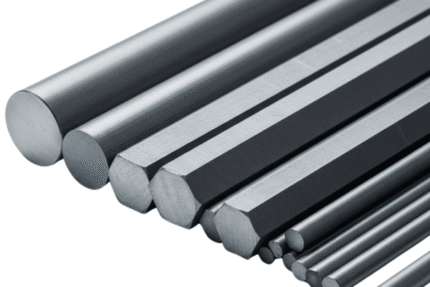
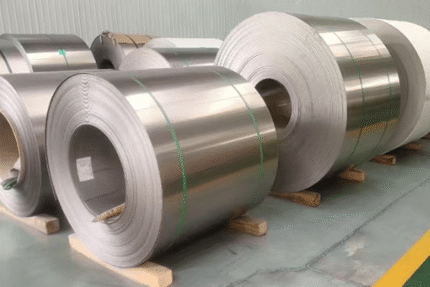
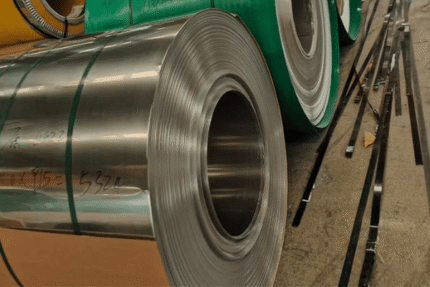
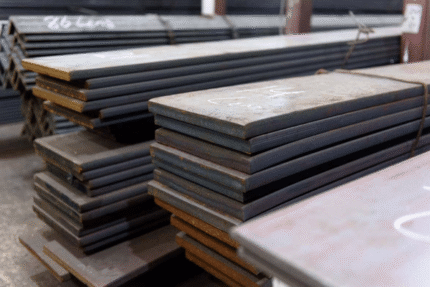
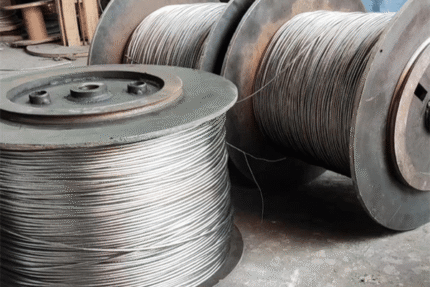
High Standard Stainless Steel With Strict Inspection


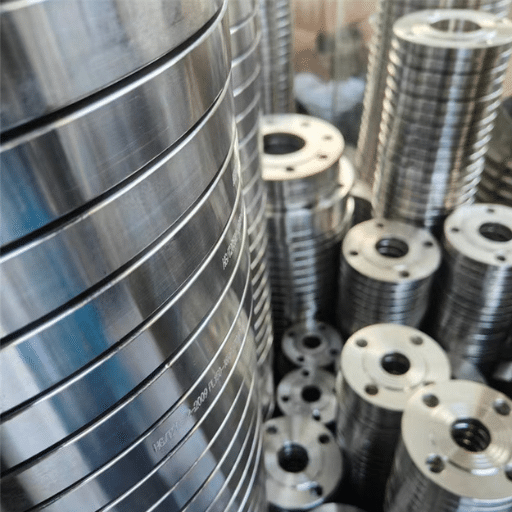
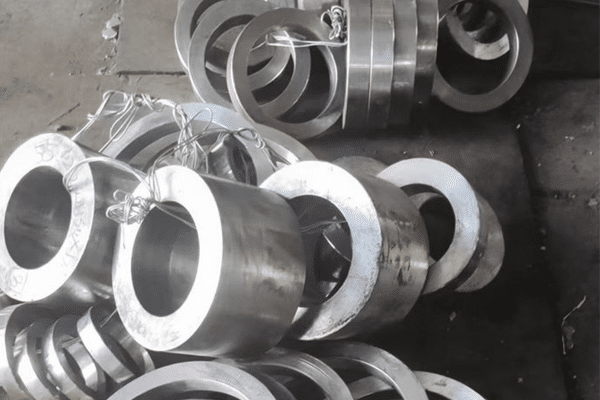
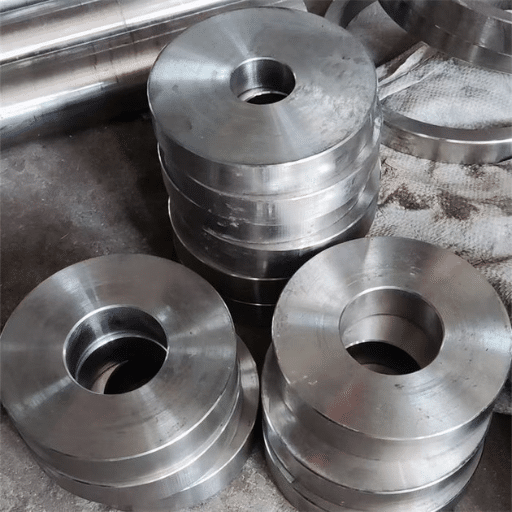

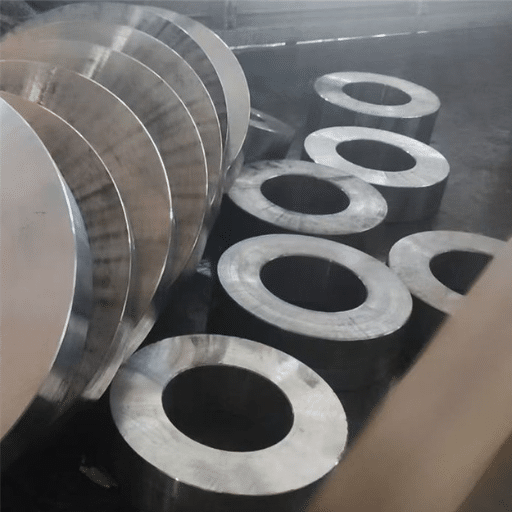
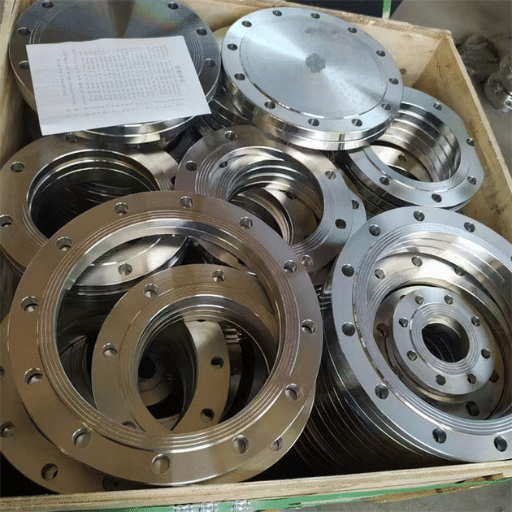


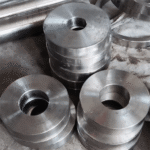
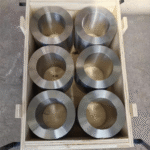
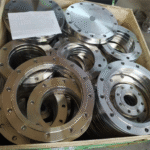


Carbon Steel Forgings
Material Selection & Testing The foundation of a flawless forging is exceptional raw material. We start by sourcing certified steel, accompanied by mill test reports. To guarantee its integrity, our team performs a spectrographic analysis to verify the exact chemical composition. Each batch also undergoes Positive Material Identification (PMI) testing, ensuring full compliance with critical […]
Description


Introduction to Carbon Steel Forgings
Carbon steel forgings are essential in various industrial applications, known for their high strength and durability. The forging process enhances the material’s mechanical properties, including toughness and wear resistance, by refining the grain structure. With different grades available, such as medium carbon steel and high carbon steel, custom carbon steel forgings can be tailored to meet specific requirements. These forged parts, including AISI 1045 steel, exhibit excellent machinability and structural integrity. Industries like oil and gas benefit significantly from these cost-effective solutions, ensuring reliability in demanding applications.
Exploring Common Carbon Steel Forgings Grades
We offer a wide range of carbon steel grades to meet the diverse needs of various industries. Each grade is carefully selected for its unique properties, ensuring optimal performance in specific applications. Choosing the right material is critical for the success of your project, impacting everything from strength and durability to cost-effectiveness.
C1045 Carbon Steel
A medium-carbon steel grade renowned for its good balance of strength, toughness, and wear resistance. It is one of the most common and versatile steel grades used in forged components.
Excellent combination of high strength and toughness after heat treatment.Good machinability and weldability in the as-forged or normalized condition.Widely used for machinery parts, gears, shafts, axles, and bolts.
C1018 Carbon Steel
A low-carbon steel with excellent ductility and weldability, making it ideal for forming and bending operations. It is often used where high strength is not the primary requirement.
Superior case-hardening characteristics, offering a hard surface with a tough core.Excellent weldability and produces a strong, ductile weld.Commonly used for pins, rods, structural parts, and mounting plates.
A105 Carbon Steel
A standard carbon steel grade primarily used for forging components in ambient and higher-temperature service in pressure systems. It’s known for its reliability in demanding applications.
Specifically designed for pressure components like flanges, fittings, and valves.Maintains good strength and toughness at moderate temperatures.Excellent machinability and can be welded using common methods.
Carbon Steel Forgings Technical Specifications
| Specification | Details |
|---|---|
| Material | Carbon Steel |
| Type | Forged Carbon Steel |
| Carbon Content | Varies based on grade (Low, Medium, High) |
| Common Grades | AISI 1045, High Carbon Steel, Low Carbon Steel |
| Forging Process | Open-Die Forging, Die Forging |
| Temperature Range | High Temperatures suitable for Forging |
| Mechanical Properties | Strength, Ductility, Toughness, Hardness |
| Alloy Elements | Manganese, Chromium, Tungsten |
| Applications | Oil and Gas, Aerospace, Industrial Applications |
| Forging Company | Custom Carbon Steel Forgings |
| Forged Parts | Products with High Strength and Good Wear Resistance |
| Grain Structure | Tight Grain Structure, Eliminates Air Bubbles and Fissures |
| Impact Strength | High performance in demanding applications |
| Cost-Effectiveness | Custom Forgings for Various Needs |
| Machinability | Varies with Carbon Content |
| Strength of Carbon Steel | High Strength suitable for structural integrity |
Our Precision Forging Process
At the core of our promise for superior strength and durability is a meticulous, multi-stage forging process. Each step is executed with technical precision to transform raw materials into high-performance carbon steel components that meet the most demanding specifications. Here’s a look at the key stages that define our commitment to quality.

Material Selection & Testing
The foundation of a flawless forging is exceptional raw material. We start by sourcing certified steel, accompanied by mill test reports. To guarantee its integrity, our team performs a spectrographic analysis to verify the exact chemical composition. Each batch also undergoes Positive Material Identification (PMI) testing, ensuring full compliance with critical ASTM and ASME standards before it ever enters production.

Precision Heating
Next, we prepare the steel billets for forging through controlled heating. Using advanced, computer-monitored induction or gas furnaces, we bring the material to its optimal forging temperature, typically between 1900-2300°F. This isn’t just about heat; it’s about uniformity. Continuous temperature monitoring ensures even heat distribution, which is crucial for achieving a consistent internal structure and preventing defects during the forging operation.

Forging Operation
With the material perfectly heated, we use powerful hydraulic presses—capable of exerting up to 10,000 tons of force—to shape the steel. Whether employing open-die or closed-die techniques, we apply multiple, calculated reduction passes. This powerful process does more than just form the part; it strategically refines the steel’s grain structure, enhances its density, and eliminates internal voids, resulting in maximum strength and fatigue resistance.

Heat Treatment
The final step in achieving the desired mechanical properties is heat treatment. Based on your application’s specific needs, we apply processes like normalizing, annealing, quenching, or tempering. This stage is a science in itself, involving precise control over temperature cycles and cooling rates. This careful management optimizes the final product’s hardness, toughness, and microstructure, ensuring every component delivers consistent, reliable performance.
Key Benefits of Our Carbon Steel Forgings
Our carbon steel forgings offer exceptional performance for your most critical applications.
Superior Strength
The forging process refines the steel’s grain structure, creating components with unmatched strength and impact resistance, far exceeding that of cast or machined parts.
Guaranteed Reliability
Each part undergoes rigorous quality inspection and testing, ensuring consistent, defect-free performance where safety and reliability are paramount.
Enhanced Durability
Built to withstand extreme stress and fatigue, our forgings provide long-term operational life, reducing maintenance and replacement costs for demanding industrial environments.
Tailored Customization
We engineer custom forging solutions to meet your precise specifications, optimizing material properties and design for any critical application, from automotive to aerospace.
Industrial Applications of Carbon Steel Forgings
Oil and Gas Industry
Carbon steel forgings are crucial in the oil and gas sector, offering high strength and toughness. The forging process enhances their mechanical properties, making them ideal for high-pressure applications. Custom carbon steel forgings ensure structural integrity and good wear resistance, essential for drilling and pipeline equipment.
Aerospace Components
In aerospace, forged carbon steel parts are valued for their high strength-to-weight ratio and ductility. The use of medium and high carbon steel in the forging process results in components with excellent impact strength and reliability, suitable for demanding conditions in flight operations.
Automotive Manufacturing
Carbon steel forgings play a vital role in automotive manufacturing, providing components with superior hardness and machinability. The die forging process produces parts with a tight grain structure, enhancing durability and performance in engines and chassis, while also being cost-effective for mass production.
What Our Clients Say
We have been using custom carbon steel forgings from this forging company for our aerospace projects, and the quality has been exceptional. The high strength and wear resistance of the forged parts have greatly improved our product’s structural integrity. The team understands the importance of the forging process and delivers on time every time.

Jane Smith
Aerospace Engineer
As a manufacturer in the oil and gas sector, we rely on the toughness and mechanical properties of high-carbon steel for demanding applications. The carbon steel forging services provided have consistently offered us the right balance of hardness and ductility, ensuring our products withstand the harshest conditions. We appreciate the attention to detail during the die forging process.

John Doe
Production Manager

Why Choose Our Carbon Steel Forgings?
Our carbon steel forgings undergo a meticulous forging process that enhances their mechanical properties, resulting in high strength and excellent ductility for demanding applications.We offer custom carbon steel forgings designed to meet specific requirements, ensuring superior wear resistance and structural integrity for industries like oil and gas and aerospace.Utilizing high-carbon and medium-carbon steel, our forged parts exhibit a tight grain structure, increasing both hardness and toughness for enhanced performance in high-temperature environments.Our die forging process eliminates air bubbles and fissures, resulting in high-quality forged carbon steel products that provide exceptional machinability and impact strength.With a range of carbon content options, including AISI 1045 steel, we can produce carbon steel forgings tailored for various industrial applications, balancing cost-effectiveness with performance.
Our Latest Blogs

Alloy 625 Severe Sour Gas Service: Complete Guide
Alloy 625 is the default nickel-based alloy for severe sour gas service, qualified under NACE MR0175/ISO 15156 for all H2S…

Super 13Cr Stainless Steel: CO2 & Sour Service Guide
Super 13Cr stainless steel is a low-carbon, nickel- and molybdenum-strengthened martensitic grade (UNS S41425, S41426, S41427) built to outlast conventional…

Inconel 718 vs 725 vs 925: The Complete Selection Guide
Inconel 718, 725, and 925 are all age-hardenable nickel alloys, but each is built for a different job. Choose Inconel…

Duplex Stainless Steel Sour Service: 2205 vs 2507 Limits
Yes, duplex stainless steel sour service is practical and proven, but only within defined NACE MR0175/ISO 15156 limits. Standard duplex…

What Is Sour Service? H2S Environments Explained
Sour service is oil and gas equipment exposure to hydrogen sulfide (H2S) that can crack steel and other alloys. Under…

Sulfide Stress Cracking: Hardness Limits & Prevention
Sulfide stress cracking (SSC) is a form of hydrogen embrittlement that occurs when high-hardness steel under tensile stress is exposed…

NACE MR0175/ISO 15156 Explained: Sour Service Guide
NACE MR0175/ISO 15156 is the international standard that governs metallic materials for oil and gas production environments containing hydrogen sulfide…

How to Select Corrosion-Resistant Alloys for Sour Service
To select a corrosion-resistant alloy for sour service, characterize the environment first, classify sour severity by H2S partial pressure, screen…
Frequently Asked Questions
What is the forging process for carbon steel forgings?
The forging process involves shaping carbon steel using compressive forces, often at elevated temperatures. This method enhances the material’s strength and durability, making it ideal for various industrial applications.
What are custom carbon steel forgings?
Custom carbon steel forgings are tailored forged parts designed to meet specific requirements for different applications. These custom forgings allow for unique dimensions and characteristics that standard products may not provide.
What is the temperature range for forging carbon steels?
The temperature range for forging carbon steels typically falls between 1,500°F to 2,200°F. This range is critical to ensuring the material can be effectively shaped while maintaining its structural integrity.
How are forged carbon steel parts used in industrial applications?
Forged carbon steel parts are widely used in industrial applications due to their high strength and resistance to wear. Industries such as automotive and construction rely on these components for critical structural and mechanical roles.
What forging services are available for carbon steel?
Various forging services for carbon steel include closed-die forging, open-die forging, and custom forgings. These services cater to different needs and specifications, ensuring quality and precision in the final products.
What makes high-carbon steel different from other carbon steels?
High-carbon steel contains a higher percentage of carbon, typically above 0.6%, which enhances its hardness and tensile strength. This makes it suitable for applications requiring superior wear resistance and durability.
Why is steel a popular material for forged parts?
Steel is a popular material for forged parts due to its excellent mechanical properties and versatility. Carbon steel, in particular, offers a balance of strength, ductility, and affordability, making it a preferred choice across many industries.
What should I consider when choosing a forging company for carbon steel?
When choosing a forging company for carbon steel, consider their experience, capabilities in custom carbon steel forgings, and lead time for production. A reputable company will provide quality assurance and meet your specific forging needs efficiently.
Shipping and Delivery