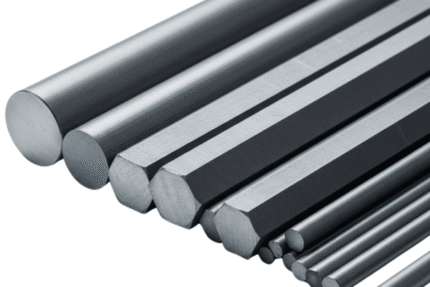
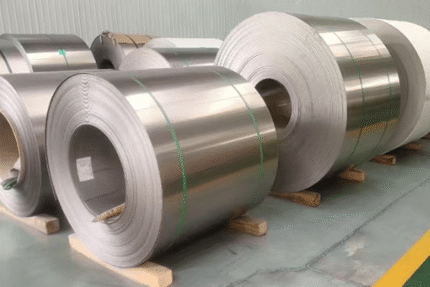
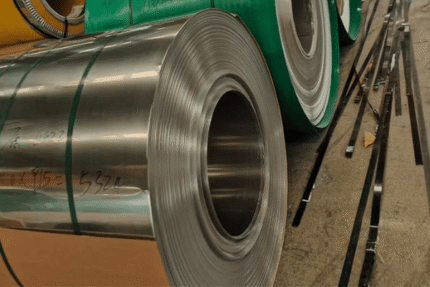
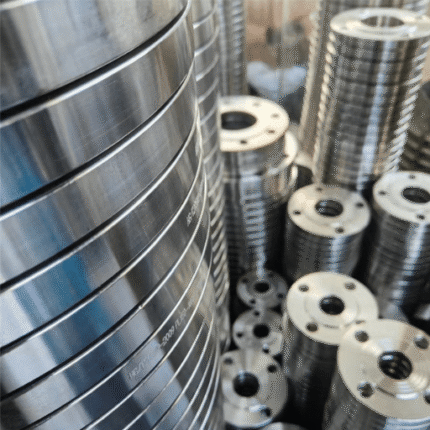
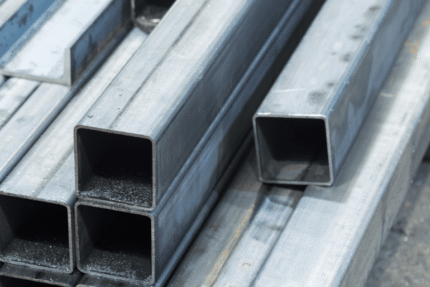
High Standard Stainless Steel With Strict Inspection


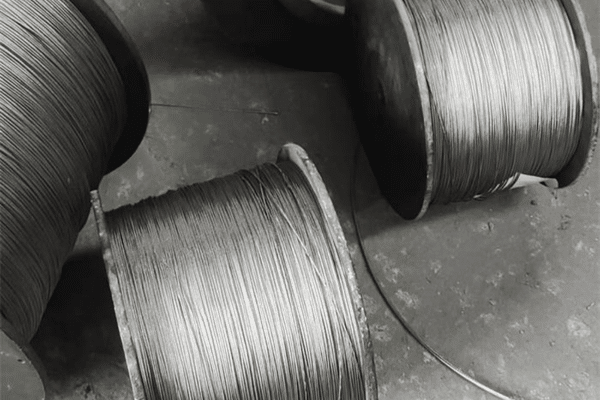
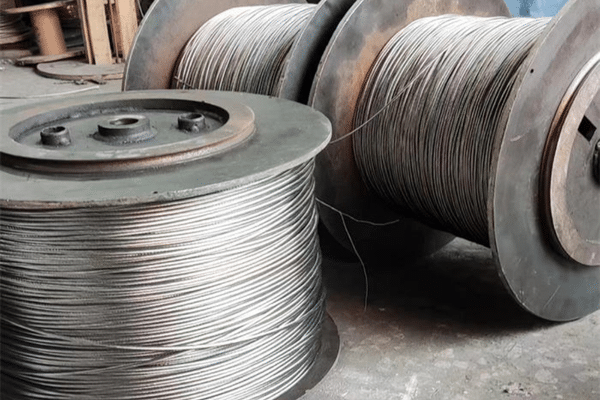
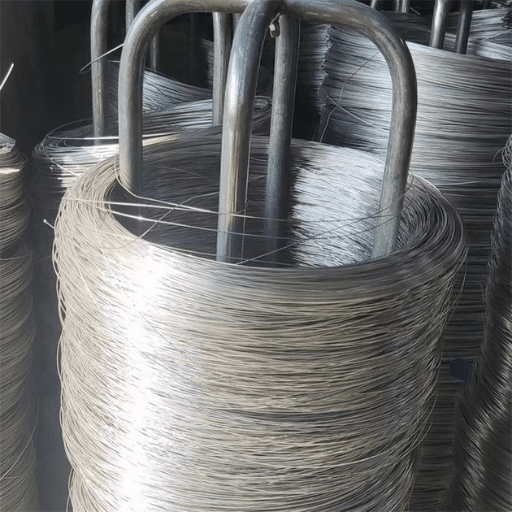
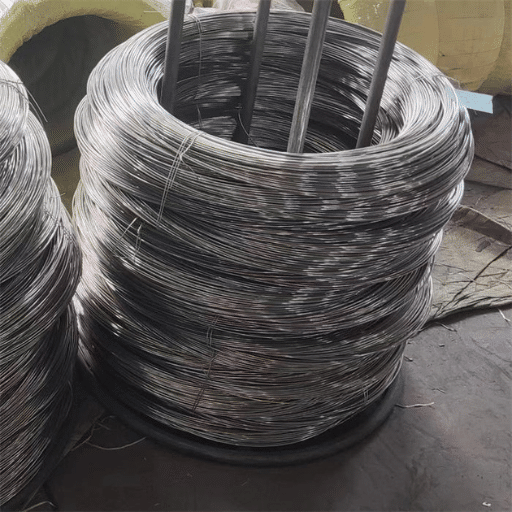
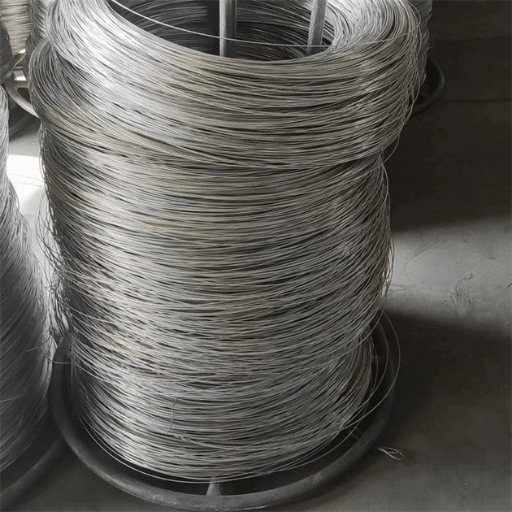


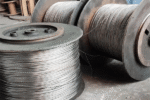
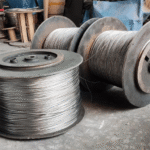
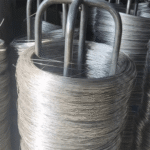
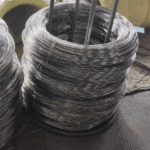
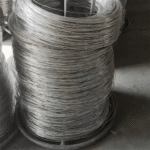


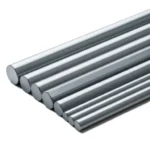
Carbon Steel Wire/Wire Rod
Hot Rolling Steel billets are heated to high temperatures and rolled into wire rods with the desired diameter, ensuring uniformity and strength. Pickling and Coating The surface of the wire rod is cleaned through pickling to remove impurities, followed by coating to enhance corrosion resistance. Cold Drawing Wire rods are drawn through dies to achieve […]
Description


Introduction to Carbon Steel Wire and Wire Rod
Carbon steel wire and wire rod are essential materials in various industries, including construction and automotive. These hot-rolled steel products exhibit high tensile strength and ductility, making them ideal for applications requiring strength and flexibility. Carbon variants range from low-carbon to high-carbon steel wire rods, each with specific mechanical properties tailored for diverse uses. These wire products are often used to produce wire rope, reinforcing bars, and springs. With excellent weldability and corrosion resistance, carbon steel wire/wire rod ensures durability and reliability in demanding environments. By adhering to ASTM and JIS standards, these materials meet industry specifications for quality and performance.
Exploring Common CARBON STEEL Grades
Explore common carbon steel grades, their properties, and ideal applications in construction and manufacturing. Learn more now.
10# (Low Carbon Steel)
10# steel is a low-carbon steel grade with a carbon content of approximately 0.10%, offering excellent ductility, weldability, and formability. Its low carbon composition makes it easy to process, including cold drawing, cold rolling, and welding. This grade is widely used in applications requiring moderate strength and high flexibility, such as construction wires, general hardware, and everyday mechanical components. Its versatility and cost-effectiveness make it a popular choice for various industries.
45# (Medium-High Carbon Steel)
45# steel is a medium-high carbon steel with a carbon content of around 0.45%, known for its high strength, hardness, and wear resistance. It strikes a balance between toughness and machinability, making it suitable for components that require durability and precision. Common applications include shafts, gears, springs, and high-strength wires. With proper heat treatment, 45# steel achieves excellent mechanical properties, making it a reliable choice for demanding industrial and mechanical applications.
Carbon Steel Wire/Wire Rod Technical Specifications
| Specification | Details |
|---|---|
| Material Composition | Carbon: 0.05% – 1.0%, Iron: 98% – 99%, Trace Elements: Manganese, Silicon |
| Available Grades | Low Carbon, Medium Carbon, High Carbon |
| Diameter Range | 5.5mm – 52mm |
| Coil Weight | 1.5 tons (customizable upon request) |
| Tensile Strength | 400 – 1200 MPa |
| Yield Strength | 250 – 900 MPa |
| Elongation | 10% – 30% |
| Surface Finish | Hot Rolled, Pickled and Oiled, Bright Finish |
| Certifications | ISO 9001:2015, EPD (Environmental Product Declaration) Certified |
Manufacturing Process of Carbon Steel Wire/Wire Rod
The manufacturing process of carbon steel wire and stainless wire involves hot rolling steel billets into rods, followed by pickling, coating, and cold drawing to achieve precise dimensions and enhanced properties.

Hot Rolling
Steel billets are heated to high temperatures and rolled into wire rods with the desired diameter, ensuring uniformity and strength.

Pickling and Coating
The surface of the wire rod is cleaned through pickling to remove impurities, followed by coating to enhance corrosion resistance.

Cold Drawing
Wire rods are drawn through dies to achieve precise dimensions, improved surface finish, and enhanced mechanical properties.

Heat Treatment
Processes like annealing or quenching are applied to adjust hardness, strength, and ductility based on specific application needs.
Key Features & Competitive Advantages of Carbon Steel Wire/Wire Rod
Carbon steel wire/wire rod offers high tensile strength and ductility, making it ideal for various applications. Its wire gauge ensures compatibility in machinery and automotive components.
High Strength and Durability
Carbon steel wire and wire rod products exhibit exceptional tensile strength and fatigue resistance, making them ideal for demanding applications in industries such as automotive and construction. Their robustness ensures longevity, reducing the need for frequent replacements.
Quality Surface Finish
Hot-rolled steel products like carbon steel wire rods provide superior surface finish, ensuring consistency and reliability in performance. Compliance with industry standards like ASTM and JIS guarantees that the products meet the necessary specifications for diverse applications.
Versatile Mechanical Properties
The adaptability of carbon steel wire, including low and high carbon variants, enhances specific properties such as ductility and weldability. This makes these materials suitable for various industrial applications, including wire mesh and springs, tailored to specific requirements.
Cost-Effective Raw Material
Carbon steel wire and wire rod serve as semi-finished products, utilized in a wide range of applications, from machinery parts to reinforcing bars. Their economical nature and availability make them an ideal choice for manufacturers looking to optimize production processes without sacrificing quality.
Key Industrial Applications for Carbon Steel Wire/Wire Rod
Construction
Used in reinforcement bars, binding wires, and structural frameworks for buildings, bridges, and infrastructure projects.
Automotive
Essential for manufacturing springs, fasteners, and suspension components, ensuring durability and performance in vehicles.
Machinery
Applied in producing gears, shafts, and precision parts for industrial equipment and heavy machinery.
What Our Clients Say
The quality of the wire rods is unmatched. They’ve significantly improved the efficiency of our production line.

John D.
Automotive Manufacturer
Reliable and consistent quality. We’ve been sourcing from here for years and have never been disappointed.

Michael T.
Machinery Manufacturer

Why Choose Our Carbon Steel Wire/Wire Rod?
Unmatched Performance: Our wire rods are crafted for superior strength, durability, and wear resistance, making them ideal for even the most demanding industrial applications.Wide Application Range: Whether for automotive, construction, or machinery, our products are versatile enough to meet the unique requirements of various industries and projects.Advanced Manufacturing: We leverage state-of-the-art technology and strict quality control processes to deliver wire rods with consistent performance and exceptional precision.Proven Reliability: Trusted by top global companies, our products have a track record of delivering consistent results, ensuring your projects are completed without compromise.Comprehensive Support: From personalized consultations to after-sales service, our expert team is here to guide you every step of the way, ensuring your satisfaction and success.
Our Latest Blogs

Alloy 625 Severe Sour Gas Service: Complete Guide
Alloy 625 is the default nickel-based alloy for severe sour gas service, qualified under NACE MR0175/ISO 15156 for all H2S…

Super 13Cr Stainless Steel: CO2 & Sour Service Guide
Super 13Cr stainless steel is a low-carbon, nickel- and molybdenum-strengthened martensitic grade (UNS S41425, S41426, S41427) built to outlast conventional…

Inconel 718 vs 725 vs 925: The Complete Selection Guide
Inconel 718, 725, and 925 are all age-hardenable nickel alloys, but each is built for a different job. Choose Inconel…

Duplex Stainless Steel Sour Service: 2205 vs 2507 Limits
Yes, duplex stainless steel sour service is practical and proven, but only within defined NACE MR0175/ISO 15156 limits. Standard duplex…

What Is Sour Service? H2S Environments Explained
Sour service is oil and gas equipment exposure to hydrogen sulfide (H2S) that can crack steel and other alloys. Under…

Sulfide Stress Cracking: Hardness Limits & Prevention
Sulfide stress cracking (SSC) is a form of hydrogen embrittlement that occurs when high-hardness steel under tensile stress is exposed…

NACE MR0175/ISO 15156 Explained: Sour Service Guide
NACE MR0175/ISO 15156 is the international standard that governs metallic materials for oil and gas production environments containing hydrogen sulfide…

How to Select Corrosion-Resistant Alloys for Sour Service
To select a corrosion-resistant alloy for sour service, characterize the environment first, classify sour severity by H2S partial pressure, screen…
Frequently Asked Questions
What is carbon steel wire?
Carbon steel wire is a type of wire made from carbon steel, which includes varying amounts of carbon to enhance its mechanical properties.
How is steel wire rod produced?
Steel wire rod is produced through a hot-rolled process, where steel billets are heated and rolled into thin rods suitable for various applications.
What are the common wire specifications for carbon steel wire?
Common wire specifications for carbon steel wire include ASTM standards and other specifications that define the mechanical properties and dimensions of the wire.
How do I determine the carbon steel wire diameter I need?
The carbon steel wire diameter can be determined based on the specific application and requirements, typically measured in mm.
What is the relationship between wire gauge and carbon steel wire?
Wire gauge indicates the thickness of the wire; for carbon steel wire, lower gauge numbers represent thicker wires, affecting their strength and ductility.
Can carbon steel wire be used to make wire rope?
Yes, carbon steel wire is commonly used to manufacture wire rope, which is ideal for lifting and securing loads in various industrial applications.
What are the advantages of using stainless wire over carbon steel wire?
Stainless wire offers better corrosion resistance compared to carbon steel wire, making it suitable for applications exposed to moisture and harsh environments.
Shipping and Delivery