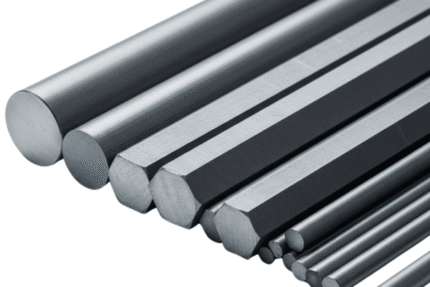
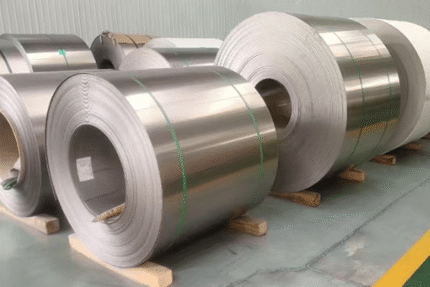
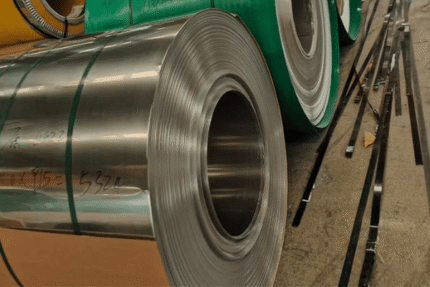
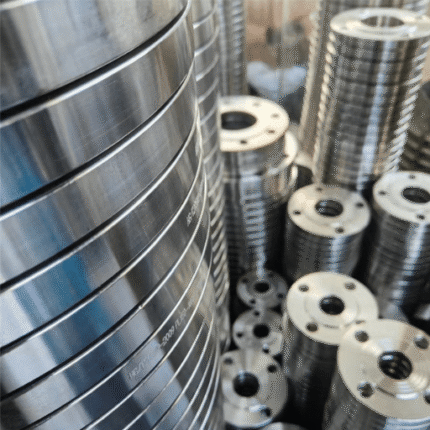
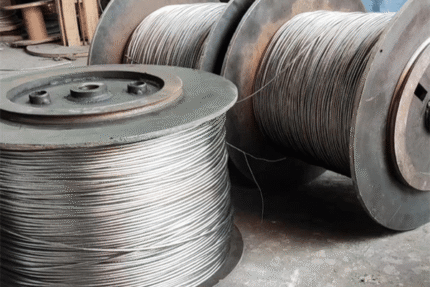
High Standard Stainless Steel With Strict Inspection


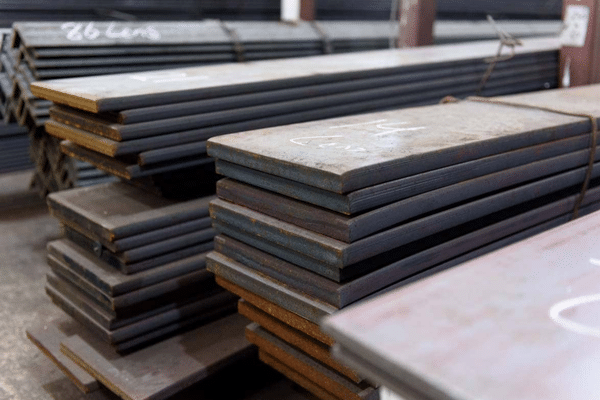
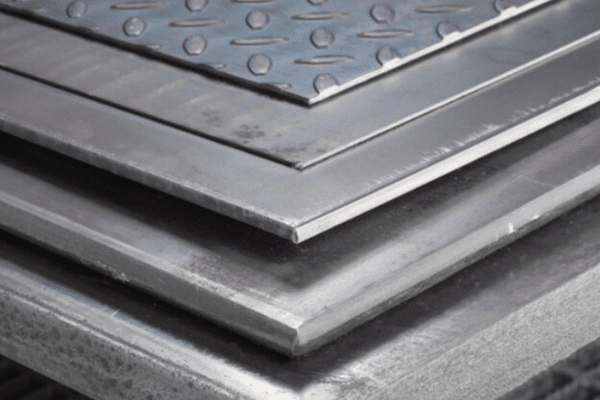
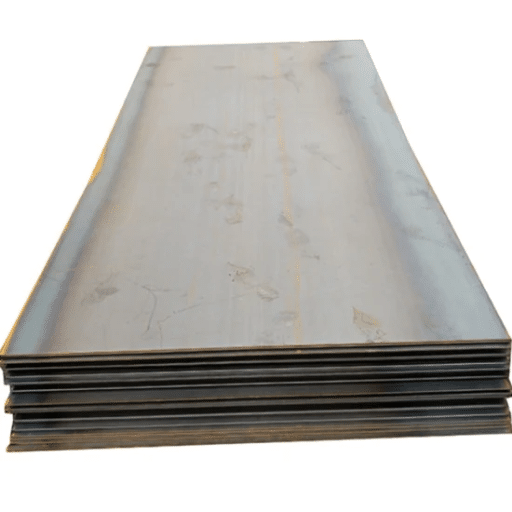
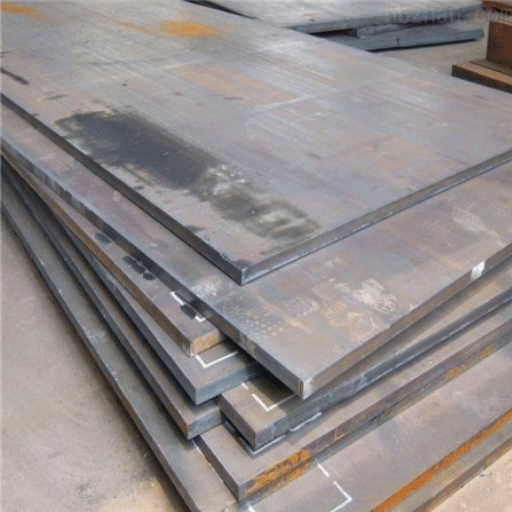
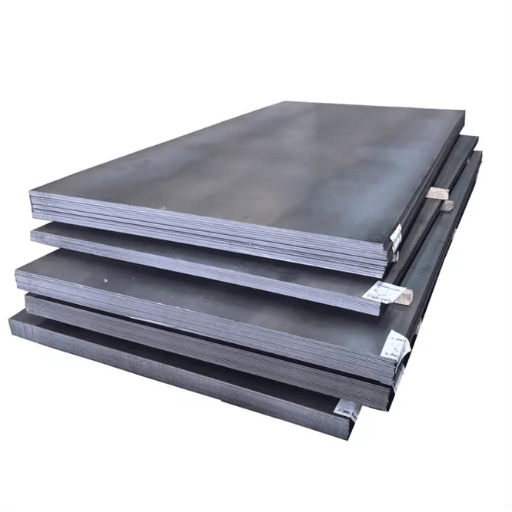
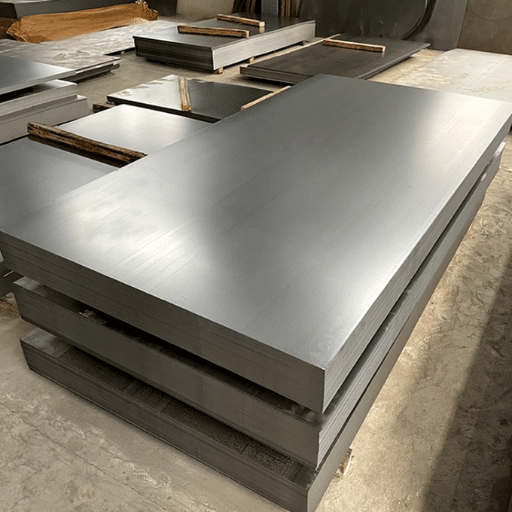


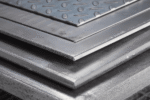
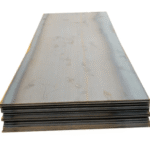
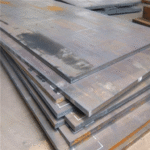
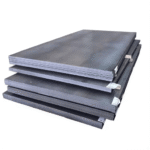
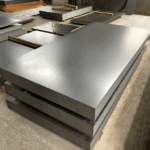


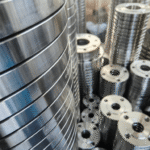
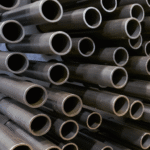
Carbon Steel Plates
Hot Rolling Hot rolling is a common process used in the production of carbon steel plates. In this method, steel is heated above its recrystallization temperature and then shaped into plates of various thicknesses and widths. This process enhances the ductility and toughness of the steel, making it suitable for structural applications such as buildings […]
Description


What are Carbon Steel Plates?
Carbon steel plates are versatile flat products made from a combination of iron and carbon, widely used in various industrial applications. Available in grades such as ASTM A36 and A572, these plates are characterized by their excellent weldability, toughness, and mechanical properties. With low, medium, and high carbon variations, they offer different strengths and hardness levels, making them suitable for structural components like buildings, bridges, and storage tanks. Carbon steel plate suppliers offer a range of thicknesses and widths, ensuring adaptability for projects requiring durability and corrosion resistance. Whether for construction equipment or pressure vessels, carbon steel plates are essential for a wide range of applications.
Exploring Common CARBON STEEL Grades
Explore common carbon steel grades, their properties, and ideal applications in construction and manufacturing. Learn more now.
Q345B (Structural Steel)
A highly versatile low-alloy structural steel, Q345B delivers exceptional comprehensive performance, high strength, and superior weldability. Its excellent low-temperature toughness makes it the perfect material for demanding applications like bridges, high-rise buildings, heavy vehicles, and pressure vessels that require robust durability.
45# (Medium-High Carbon)
As a truly premium medium-carbon steel, 45# is known for its high strength and excellent wear resistance after proper heat treatment. This grade is the go-to choice for manufacturing critical mechanical components subjected to significant stress, such as gears, shafts, axles, and pistons, where toughness and long-term reliability are absolutely essential.
40Cr (Chromium Alloy Steel)
This chromium alloy steel offers outstanding hardenability, high tensile strength, and good toughness after quenching and tempering. It is engineered for high-stress applications, making it ideal for creating durable, high-load machine parts like connecting rods, high-strength bolts, and crankshafts that demand superior mechanical performance.
Carbon Steel Plates Technical Specifications
| Specification | Details | Notes |
|---|---|---|
| Material Grades | A36, A572, A516, 1018, 1045 | A36 is a common structural steel; A572 offers higher strength; A516 is for pressure vessels. |
| Thickness Range | 3/16″ (0.1875″) to 15″ (380mm) | Custom thicknesses may be available upon request for special projects. |
| Width & Length Options | Standard Sizes: 48″ x 96″, 60″ x 120″, 96″ x 240″ | Custom-cut sizes are available to meet specific project dimensions. |
| Tensile Strength | 58,000 – 80,000 psi (400 – 550 MPa) | Varies significantly depending on the specific grade of carbon steel. |
| Yield Strength | 36,000 psi (250 MPa) minimum for A36 | Higher strength grades like A572 Grade 50 will have a minimum yield strength of 50,000 psi. |
| Surface Finish | Hot Rolled (HR), Pickled & Oiled (P&O) | Hot Rolled is the standard mill finish; Pickled & Oiled offers a cleaner surface. |
| Weldability | Excellent | Most low-carbon steel grades are easily welded using standard methods. |
| Machinability | Good to Fair | Lower carbon grades are easier to machine; higher carbon content increases hardness and difficulty. |
| Corrosion Resistance | Low | Prone to rusting. Requires painting, galvanizing, or other protective coatings for outdoor use. |
Manufacturing Processes for Carbon Steel Plates
Manufacturing processes for carbon steel plates involve techniques like welding and fabrication to achieve optimal mechanical properties such as toughness and strength. Carbon steel plate is widely used in various industrial applications.

Hot Rolling
Hot rolling is a common process used in the production of carbon steel plates. In this method, steel is heated above its recrystallization temperature and then shaped into plates of various thicknesses and widths. This process enhances the ductility and toughness of the steel, making it suitable for structural applications such as buildings and bridges.

Heat Treatment
Heat treatment processes such as quenching and tempering are employed to enhance the mechanical properties of carbon steel plates. By adjusting the carbon content and alloying elements like manganese and chromium, manufacturers can achieve specific hardness and yield strength, providing versatility for high-strength applications.

Welding and Fabrication
Welding is a critical process in the fabrication of carbon steel plates. The weldability of low carbon steel grades like ASTM A36 and A572 allows for effective joining of plates, making them ideal for pressure vessels and storage tanks. The chemical composition of the steel plate plays a crucial role in its weldability and overall performance.

Cold Rolling
Cold rolling of carbon steel sheets is another manufacturing process that improves surface finish and dimensional accuracy. This process involves rolling the steel at room temperature, which increases the hardness and strength through strain hardening. Cold-rolled carbon steel plates are commonly used in various industrial applications due to their superior formability and wear resistance.
Benefits of Using Carbon Steel Plates
Carbon steel plates offer excellent weldability, toughness, and strength, making them ideal for structural applications in various industries.
Versatility
Carbon steel plates are suitable for a wide range of applications, including structural components in buildings and bridges, storage tanks, and pressure vessels due to their excellent mechanical properties.
Strength and Hardness
Carbon steel plates, especially those with higher carbon content like 1045, provide high tensile strength and hardness, which are essential for demanding applications.
Weldability
These plates, particularly low carbon steel grades such as ASTM A36, offer good weldability, making them ideal for fabrication in various industries.
Corrosion Resistance
Alloy steel options, which may include elements like chromium and nickel, enhance the corrosion resistance of carbon steel plates, extending their lifespan in harsh environments.
Key Application Scenarios for Carbon Steel Plates
Structural Construction Projects
Carbon steel plates are widely used in the construction of buildings, bridges, and other infrastructure. Their high strength and durability make them ideal for structural frameworks, beams, and columns. For example, in high-rise buildings, carbon steel plates provide the necessary support to withstand heavy loads and environmental stress.
Manufacturing Heavy-Duty Machinery
Industries producing heavy machinery and equipment rely on carbon steel plates for components like machine frames, gears, and housings. Their excellent machinability and toughness allow for precise fabrication, ensuring the machinery can handle demanding operational conditions.
Oil and Gas Industry
Carbon steel plates are essential in the oil and gas sector for constructing pipelines, storage tanks, and pressure vessels. Their ability to withstand high pressure and harsh environments makes them a reliable choice for transporting and storing oil, gas, and other chemicals.
What Our Clients Say
We rely on high-quality materials for our heavy-duty equipment, and these carbon steel plates have never let us down. Highly recommended!

Jon Snow
ENGINEERING LEAD
The carbon steel plates we purchased were of exceptional quality. They were easy to work with and provided the strength we needed for our project.

Brienne
PROJECT MANAGER

Why Choose Our Carbon Steel Plates
Our carbon steel plates offer exceptional toughness and weldability, making them ideal for structural applications. Choose our ASTM A36 steel plate for reliable performance.With a range of carbon steel plate thicknesses, our products ensure high strength and hardness, suitable for various industrial applications including storage tanks and pressure vessels.Our carbon steel plate supplier provides high-quality plates with excellent mechanical properties, ensuring optimal performance in construction equipment and buildings.We specialize in low carbon and medium carbon steel plates, offering great formability and weldability for different industries, including construction and fabrication.With a range of carbon steel plate thicknesses, our products ensure high strength and hardness, suitable for various industrial applications, including storage tanks and pressure vessels.
Our Latest Blogs

Alloy 625 Severe Sour Gas Service: Complete Guide
Alloy 625 is the default nickel-based alloy for severe sour gas service, qualified under NACE MR0175/ISO 15156 for all H2S…

Super 13Cr Stainless Steel: CO2 & Sour Service Guide
Super 13Cr stainless steel is a low-carbon, nickel- and molybdenum-strengthened martensitic grade (UNS S41425, S41426, S41427) built to outlast conventional…

Inconel 718 vs 725 vs 925: The Complete Selection Guide
Inconel 718, 725, and 925 are all age-hardenable nickel alloys, but each is built for a different job. Choose Inconel…

Duplex Stainless Steel Sour Service: 2205 vs 2507 Limits
Yes, duplex stainless steel sour service is practical and proven, but only within defined NACE MR0175/ISO 15156 limits. Standard duplex…

What Is Sour Service? H2S Environments Explained
Sour service is oil and gas equipment exposure to hydrogen sulfide (H2S) that can crack steel and other alloys. Under…

Sulfide Stress Cracking: Hardness Limits & Prevention
Sulfide stress cracking (SSC) is a form of hydrogen embrittlement that occurs when high-hardness steel under tensile stress is exposed…

NACE MR0175/ISO 15156 Explained: Sour Service Guide
NACE MR0175/ISO 15156 is the international standard that governs metallic materials for oil and gas production environments containing hydrogen sulfide…

How to Select Corrosion-Resistant Alloys for Sour Service
To select a corrosion-resistant alloy for sour service, characterize the environment first, classify sour severity by H2S partial pressure, screen…
Frequently Asked Questions
What are carbon steel plates?
Carbon steel plates are flat pieces of steel that contain varying levels of carbon. They are used in construction and manufacturing due to their strength and versatility.
What is the significance of carbon content in carbon steel plates?
The carbon content in carbon steel plates determines their hardness, strength, and ductility. Low carbon steels are more malleable, while high carbon steels are harder and stronger.
What are the different grades of carbon steel plates?
Carbon steel plates come in various grades, including low carbon, medium carbon, and high carbon steel. Each grade has specific mechanical properties suitable for different applications.
How is the thickness of carbon steel plates measured?
The thickness of carbon steel plates is typically measured in inches or millimeters. Standard thicknesses can vary based on the application, with options available for mild steel plates as well.
What are the applications of carbon steel plates in pressure vessels?
Carbon steel plates are often used in pressure vessels due to their strength and ability to withstand high pressures. They are commonly manufactured according to ASTM specifications, such as ASTM A516.
Can carbon steel plates be welded?
Yes, carbon steel plates can be welded, making them suitable for a wide range of construction and manufacturing applications. Proper welding techniques are essential to ensure structural integrity.
What is the chemical composition of carbon steel plates?
The chemical composition of carbon steel plates primarily includes iron and carbon, with possible additions of manganese, nickel, or chromium to enhance specific properties. This composition affects the mechanical and physical characteristics of the steel.
What are the types of carbon steel used in manufacturing?
Types of carbon steel used in manufacturing include low alloy, medium carbon, and high carbon steels. Each type has unique characteristics that make it suitable for different applications, ranging from structural components to high-strength tools.
Shipping and Delivery