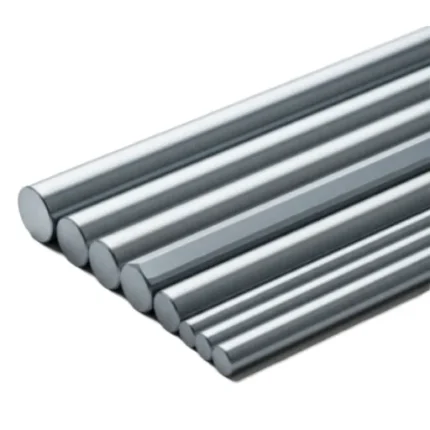
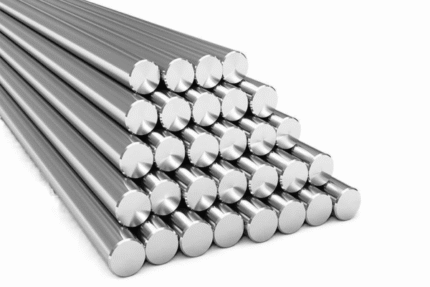
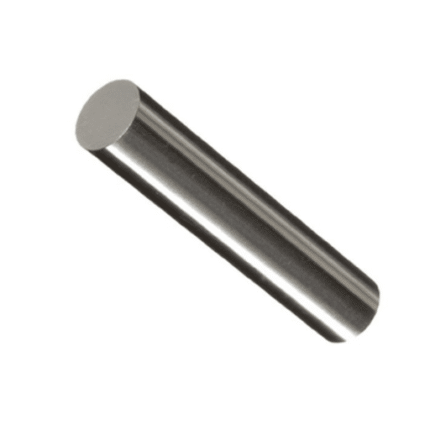
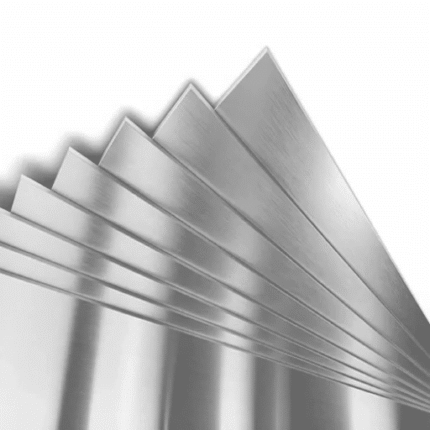
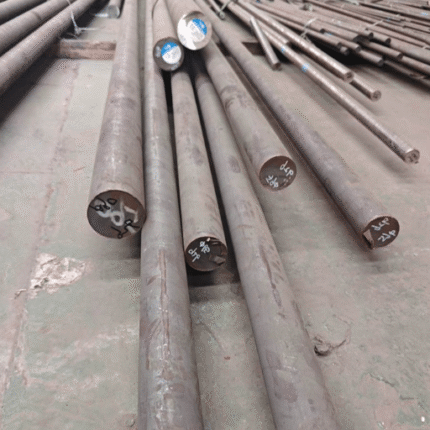
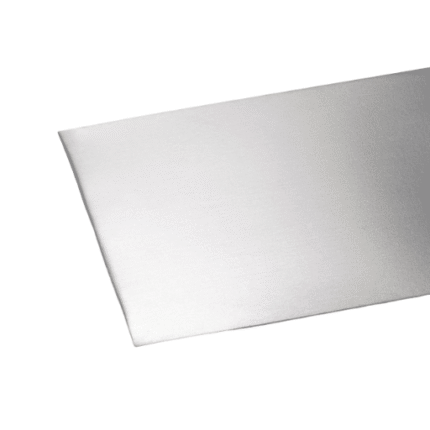
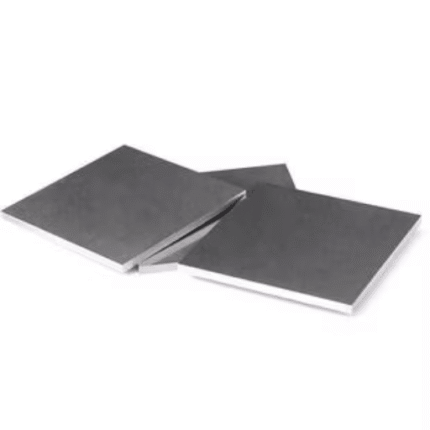
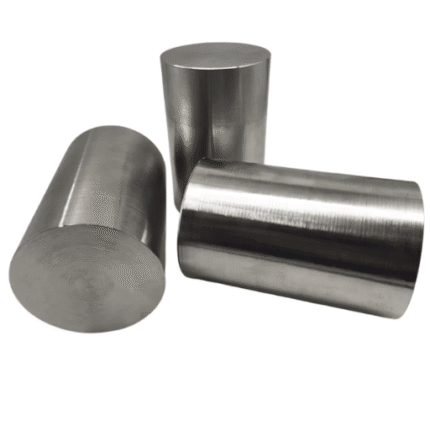
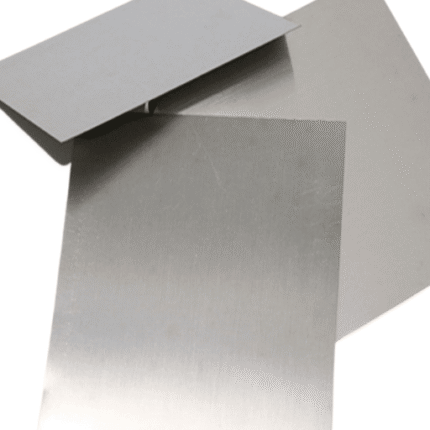
High Standard Stainless Steel With Strict Inspection


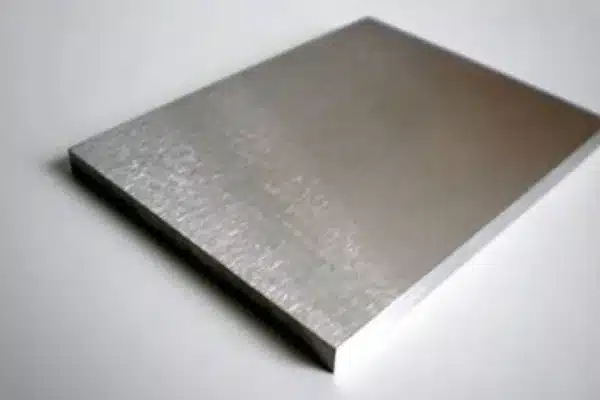
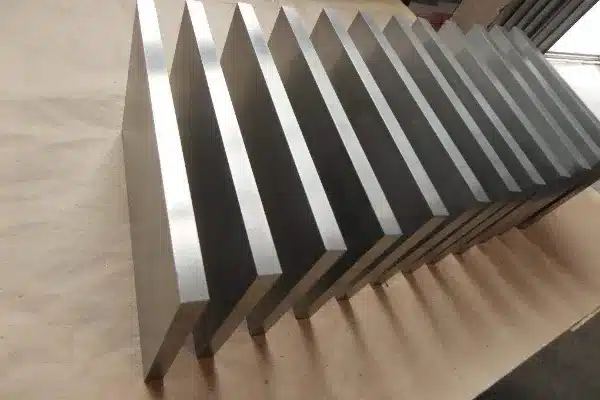
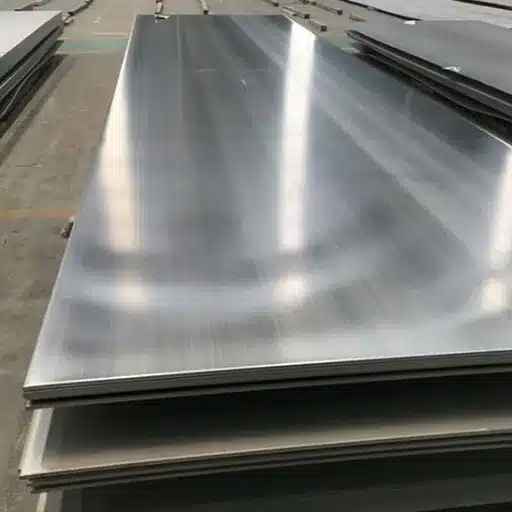

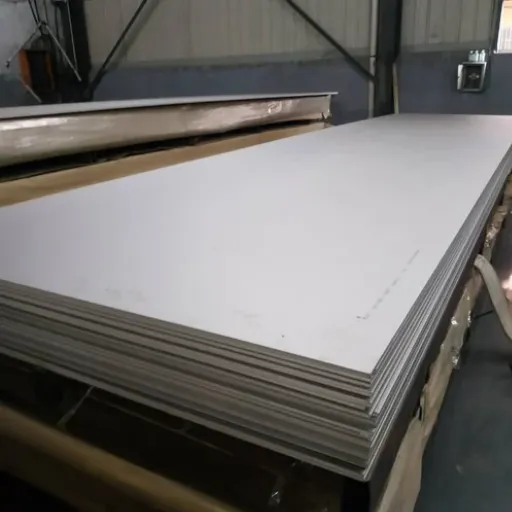
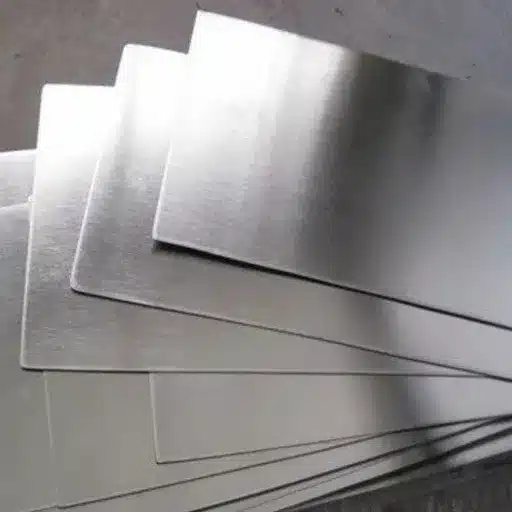
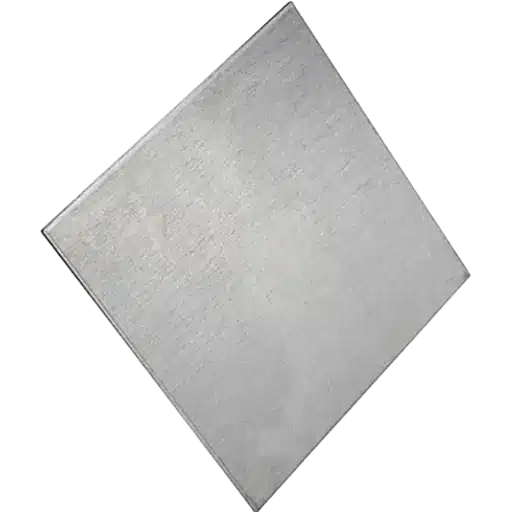



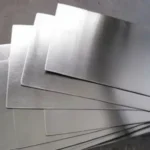


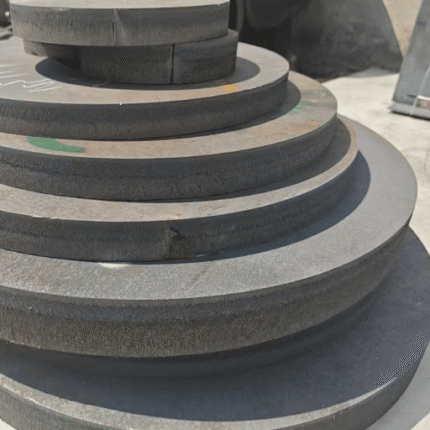
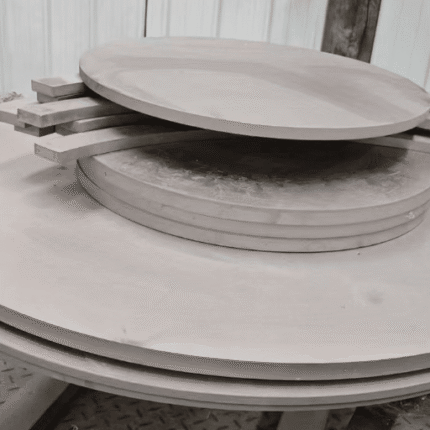
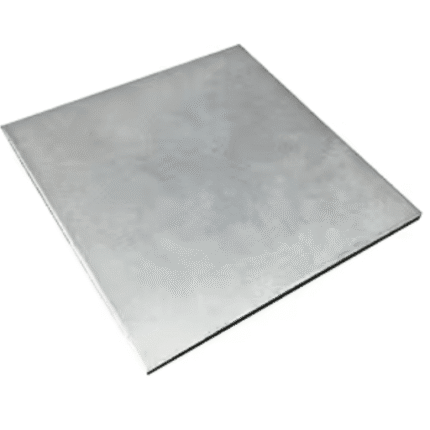
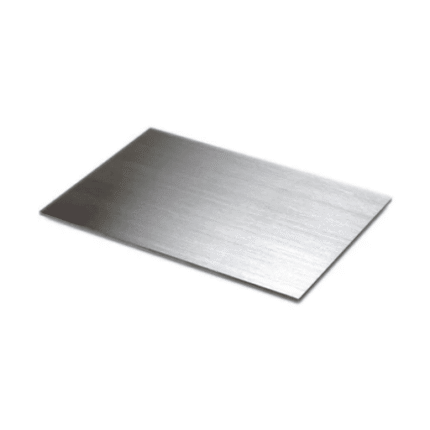
Cobalt Alloy Plates
Alloy Melting and Refining Production begins with the melting of selected raw materials in a high-temperature furnace. Advanced refining techniques, such as vacuum induction melting or argon gas shielding, are used to minimize impurities and ensure the desired alloy composition is achieved for critical performance. Hot Rolling and Plate Forming After casting, cobalt alloy ingots […]
Description


What is Cobalt Alloy?
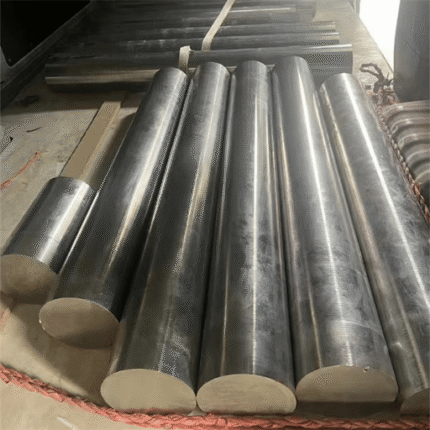
Cobalt alloys are a class of metal alloys where cobalt is the primary metal. Known for their exceptional high-temperature strength and excellent wear resistance, cobalt alloys are often used in demanding applications. These alloys are frequently utilized in environments where materials are subjected to extreme conditions, such as in turbine blades, valve seats, and cutting tools. The unique properties of cobalt alloys, including their magnetic nature and thermal stability, make them a crucial component in the development of advanced technologies in aerospace and other high-tech industries.
Exploring Common Cobalt-Based Superalloy Grades
Exploring Common Cobalt-Based Superalloy Grades
Cobalt-based superalloys are engineered to deliver high performance in the most demanding environments, providing a critical balance of wear resistance, corrosion resistance, and mechanical strength.
Stellite 6
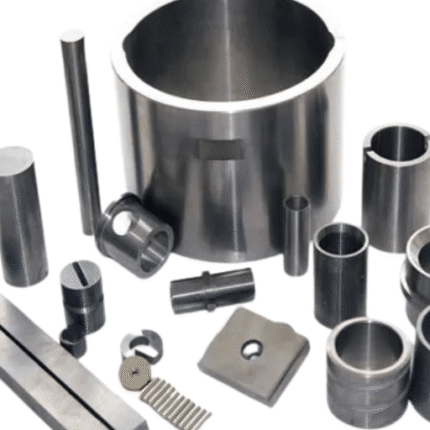
Stellite 6 is one of the most commonly utilized cobalt-based superalloys, known for its excellent resistance to wear, galling, and even severe corrosion. Its inherently robust mechanical properties make it a preferred material for components subject to intense abrasion and temperature fluctuations, such as valve seats, bushings, and industrial cutting tools.
Stellite 1
Stellite 1 features higher carbon content, resulting in increased hardness and outstanding wear resistance, even under severe operating conditions. It is particularly suited for applications that demand exceptional protection against abrasive wear and high-temperature degradation, such as hot working tools and certain engine components.
Stellite 3
Stellite 3 is recognized for its superior hardness and exceptional wear performance in extreme environments. Its unique composition offers enhanced protection against erosion and corrosion, making it a reliable choice for high-stress applications like pump sleeves, bearing surfaces, and cutting edges operating in highly corrosive or abrasive conditions.
Cobalt Alloy Plates Technical Specifications
| Property | Specification |
|---|---|
| Material | Cobalt-Chromium Alloy |
| Type | Cobalt Alloy Plate |
| Dimensions | Thickness: 1mm – 100mm, Width: 100mm – 1500mm, Length: Up to 3000mm |
| Wear Resistance | Excellent |
| Corrosion Resistance | Good |
| High-Temperature Strength | Up to 1000°C |
| Applications | Aerospace, Automotive, Cutting Tools, Dental Implants, Valve Seats, Turbine Blades |
| Related Products | Cobalt-Based Welding Rod, Cobalt Sheet, Chrome Alloy Seal Ring |
| Storage | Carefully handled during storage and transportation to preserve quality |
| Get a Quote | Contact us for pricing |
Manufacturing Processes for Cobalt Alloy Plates
Understanding the manufacturing processes behind cobalt alloy plates is essential for ensuring optimal material performance and reliability. Each step is designed to achieve precise chemical composition, microstructural control, and dimensional accuracy, supporting consistent quality across demanding engineering applications.

Alloy Melting and Refining
Production begins with the melting of selected raw materials in a high-temperature furnace. Advanced refining techniques, such as vacuum induction melting or argon gas shielding, are used to minimize impurities and ensure the desired alloy composition is achieved for critical performance.

Hot Rolling and Plate Forming
After casting, cobalt alloy ingots undergo hot rolling, a process where the metal is passed through rollers at elevated temperatures. This operation reduces the thickness, improves mechanical properties, and refines the microstructure, resulting in plates with enhanced strength and uniformity.

Heat Treatment
Cobalt alloy plates typically undergo specific heat treatment cycles to optimize hardness, toughness, and resistance to wear and corrosion. Controlled heating and cooling procedures adjust the microstructure, enabling customization of the plate’s mechanical and physical characteristics for targeted applications.

Precision Finishing and Quality Control
The final manufacturing stage includes precision machining, grinding, and surface finishing to meet exact dimensional tolerances. Rigorous quality inspections, including non-destructive testing and metallurgical analysis, verify that each plate meets or exceeds industry standards for performance and durability.
Benefits of Using Cobalt Alloy Plates
Cobalt alloy plates are distinguished by their advanced material properties, providing significant advantages in industrial, engineering, and high-performance applications.
Exceptional Wear Resistance
Cobalt alloy plates exhibit outstanding resistance to wear and abrasion. This property is particularly valuable in applications involving high friction, repeated impact, or corrosive media, reducing maintenance frequency and operational costs over time.
High-Temperature Stability
Cobalt alloys retain their mechanical strength, hardness, and structural integrity under extreme temperatures. This capability ensures that components maintain optimal function even in applications involving thermal cycling or sustained high-heat exposure, such as turbines and engine parts.

Superior Corrosion Protection
With high levels of chromium and other alloying elements, these plates provide excellent protection against corrosion in both oxidizing and reducing environments. This makes them indispensable for equipment exposed to chemicals, seawater, or extreme atmospheric conditions.
Extended Service Life
Utilizing cobalt alloy plates enhances long-term reliability by minimizing material degradation and extending service intervals. The exceptional durability and resistance to environmental factors contribute to lower total cost of ownership across a wide range of industrial sectors.
Key Application Scenarios for Cobalt Alloy Plates
High-Temperature Aerospace Components
In aerospace, cobalt alloy plates are used in turbine blades, combustion chambers, and exhaust components where high thermal stability and resistance to oxidation are essential for maintaining safety and performance over prolonged operational cycles.
Severe Wear and Corrosive Industrial Environments
Manufacturing and process industries utilize cobalt alloy plates for lining equipment, wear surfaces, and tooling that are exposed to aggressive chemicals and abrasive materials. This ensures longevity, reduced maintenance, and sustained operational efficiency.
Medical and Surgical Device Manufacturing
Cobalt alloy plates are critical in producing surgical implants and instruments due to their exceptional biocompatibility, mechanical strength, and resistance to bodily fluids, ultimately supporting patient safety and long-term device reliability.
What Our Clients Say
“The performance and durability of these cobalt alloy plates have surpassed our expectations in both aerospace and industrial applications. The technical expertise and support provided made our selection process seamless.”

James Bennett
Senior Materials Engineer
“We rely on cobalt alloy plates for critical components that face high wear and extreme conditions. Their reliability and longevity have led to significant improvements in our operational efficiency.”

Emily Zhang
Production Manager

Why Choose Our Cobalt Alloy Plates
Our plates are engineered to meet rigorous industry benchmarks, ensuring consistent quality and long-term performance for demanding applications.Each batch undergoes comprehensive quality control, guaranteeing material integrity and precise chemical composition for every client order.We offer full technical support from selection through post-delivery, empowering clients to address complex requirements with confidence and expertise.Custom sizing and grades are available, enabling seamless integration into unique manufacturing processes or specialized project specifications.Our team maintains a commitment to continual innovation, ensuring our products stay aligned with evolving industry demands and technical standards.
Our Latest Blogs

Alloy 625 Severe Sour Gas Service: Complete Guide
Alloy 625 is the default nickel-based alloy for severe sour gas service, qualified under NACE MR0175/ISO 15156 for all H2S…

Super 13Cr Stainless Steel: CO2 & Sour Service Guide
Super 13Cr stainless steel is a low-carbon, nickel- and molybdenum-strengthened martensitic grade (UNS S41425, S41426, S41427) built to outlast conventional…

Inconel 718 vs 725 vs 925: The Complete Selection Guide
Inconel 718, 725, and 925 are all age-hardenable nickel alloys, but each is built for a different job. Choose Inconel…

Duplex Stainless Steel Sour Service: 2205 vs 2507 Limits
Yes, duplex stainless steel sour service is practical and proven, but only within defined NACE MR0175/ISO 15156 limits. Standard duplex…

What Is Sour Service? H2S Environments Explained
Sour service is oil and gas equipment exposure to hydrogen sulfide (H2S) that can crack steel and other alloys. Under…

Sulfide Stress Cracking: Hardness Limits & Prevention
Sulfide stress cracking (SSC) is a form of hydrogen embrittlement that occurs when high-hardness steel under tensile stress is exposed…

NACE MR0175/ISO 15156 Explained: Sour Service Guide
NACE MR0175/ISO 15156 is the international standard that governs metallic materials for oil and gas production environments containing hydrogen sulfide…

How to Select Corrosion-Resistant Alloys for Sour Service
To select a corrosion-resistant alloy for sour service, characterize the environment first, classify sour severity by H2S partial pressure, screen…
Frequently Asked Questions
What industries most commonly use cobalt alloy plates?
Cobalt alloy plates are widely used in aerospace, automotive, manufacturing, oil and gas, and medical industries due to their durability and performance in extreme environments.
What are the main advantages of cobalt alloy plates over stainless steel?
Cobalt alloys offer superior wear resistance, high-temperature strength, and better corrosion resistance in harsh chemical or thermal environments compared to conventional stainless steels.
Can cobalt alloy plates be custom-cut to size?
Yes, we offer customization services for sizing and thickness to meet specific project or equipment requirements.
Are cobalt alloy plates suitable for high-temperature applications?
Absolutely. These plates retain mechanical strength and stability at elevated temperatures, making them ideal for turbines, exhaust systems, and other thermal applications.
What grades of cobalt alloy plates are available?
We supply a range of grades including Stellite 6, Stellite 12, ASTM F1537, and other specialized cobalt-based superalloys for various technical needs.
How is product quality ensured?
Every production batch undergoes rigorous quality control and laboratory testing to verify chemical composition, mechanical properties, and consistency.
How can I determine which grade suits my application?
Our technical team provides consultation services, assessing operational requirements to recommend the most appropriate alloy and specification for your use case.
Are the plates machinable and weldable?
Yes, cobalt alloy plates are designed to offer good machinability and weldability, allowing flexible integration into complex assemblies and manufacturing processes.
Shipping and Delivery