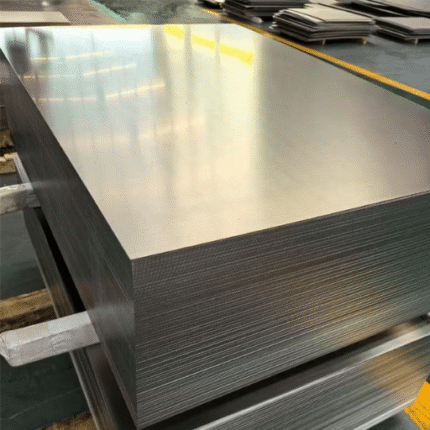
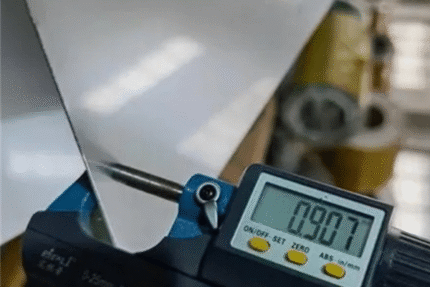
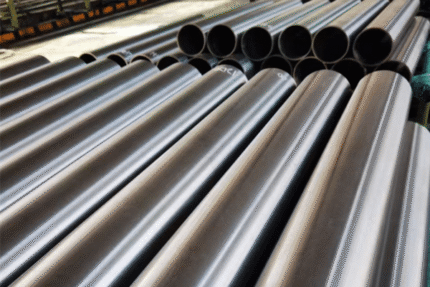
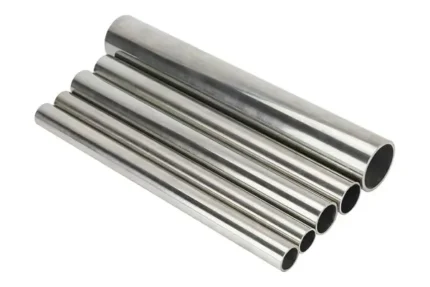
High Standard Stainless Steel With Strict Inspection


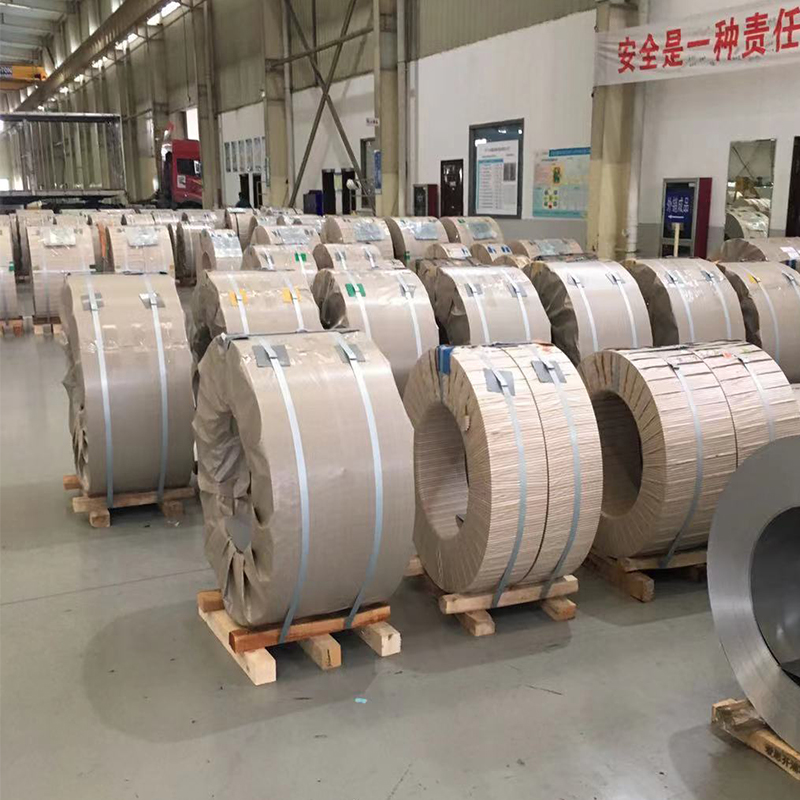
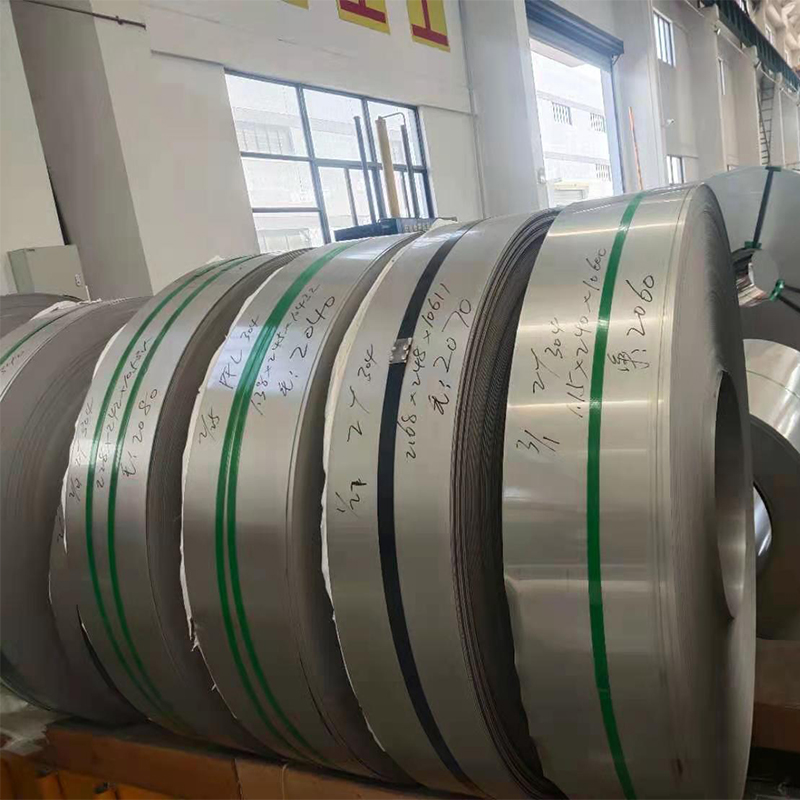
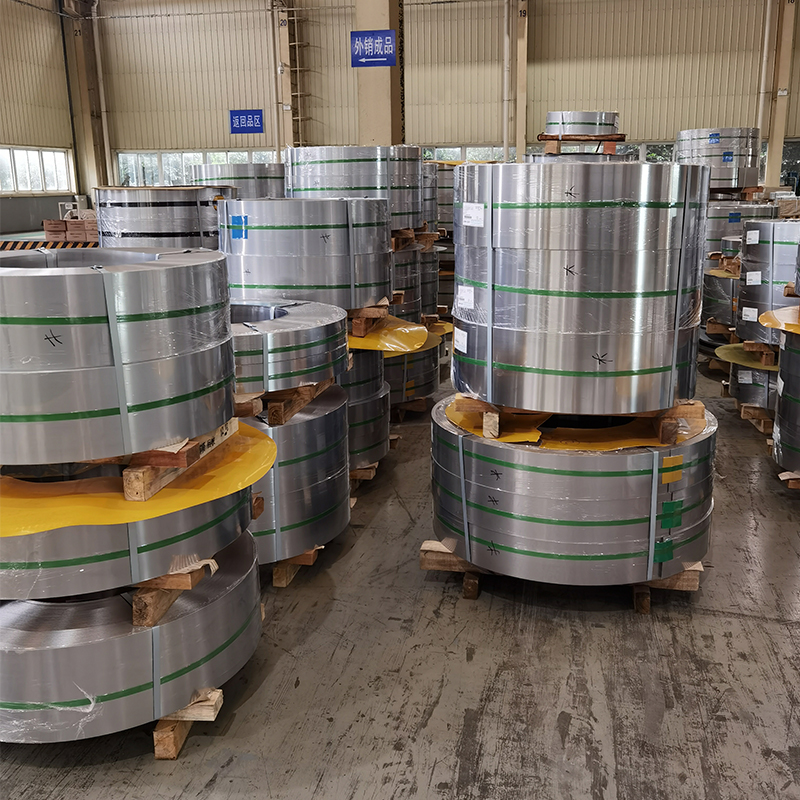
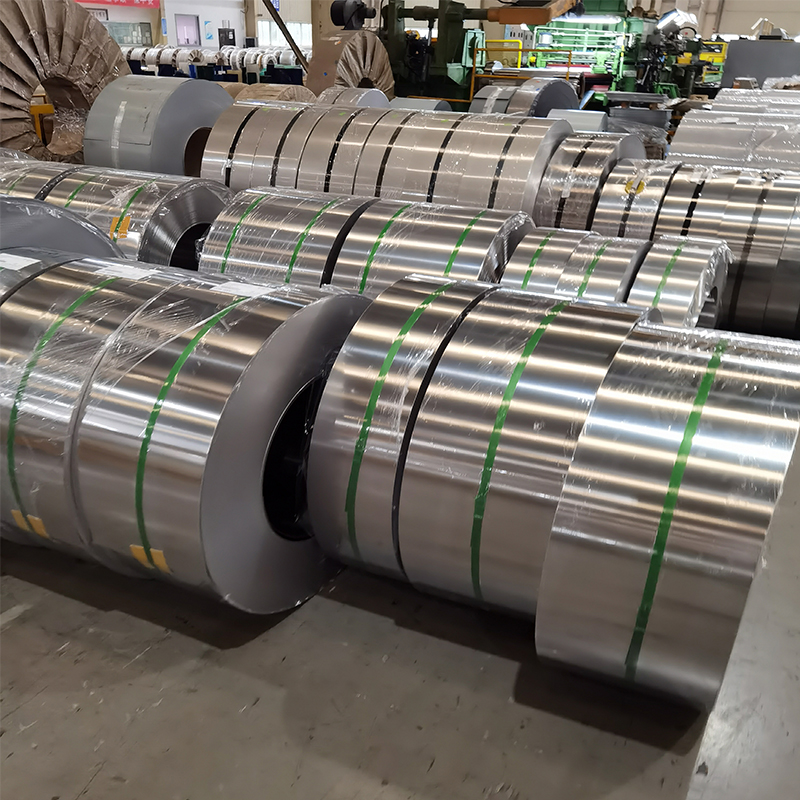
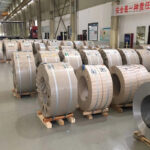
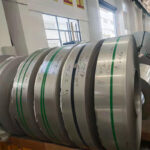
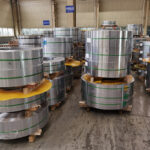
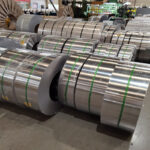

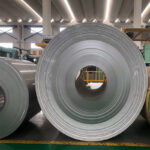
Stainless Steel Strip
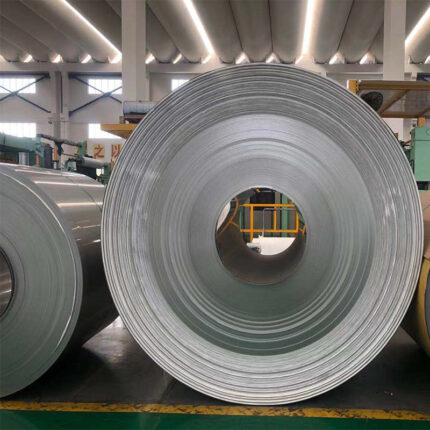
Stainless steel strip is available in a broad range of grades, tempers and finishes for precision forming, stamping, springs and general fabrication.
Description
Product Introduction
Stainless steel strip is available in grades including 201, 202, 301, 302, 303, 304, 309S, 310S, 316, 316L, 317L, 430 and J4. Standard thickness is 0.02–4.0 mm and width is 3.5–1550 mm; non-standard dimensions can be supplied to order.
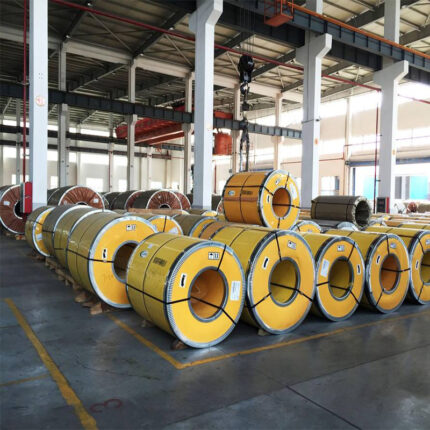
Available forms include coil strip, spring strip, stamping strip, precision strip, mirror-finish strip, cold-rolled strip, hot-rolled strip, etched strip, drawing strip, polished strip, soft strip, hard strip and high-temperature-resistant strip.
Cold-Rolled Strip
Cold-rolled strip is rolled from stainless steel coil at room temperature. Typical thickness is 0.1–3.0 mm and width is 100–2000 mm. It offers a smooth, flat surface, high dimensional accuracy and good mechanical properties. Typical process: pickling → room-temperature rolling → process lubrication → annealing → temper rolling → precision slitting → packing.
Hot-Rolled Strip
Hot-rolled strip is typically produced at thicknesses of 1.80–6.00 mm and widths of 50–1200 mm. It offers lower hardness, easy processing and good ductility. Typical process: pickling → high-temperature rolling → process lubrication → annealing → temper rolling → precision slitting → packing.
Product Parameters
Key physical properties include melting point, specific heat, thermal conductivity, coefficient of linear expansion, electrical resistivity, electrical conductivity, magnetic permeability, Young’s modulus and shear modulus. These properties vary with stainless-steel grade, temperature, degree of processing and magnetic-field intensity.
- Cold-rolled strip generally provides higher strength, better surface quality and closer dimensional accuracy.
- Hot-rolled strip generally provides better ductility and toughness and is supplied in thicker gauges.
- Austenitic grades typically have lower thermal conductivity and higher electrical resistivity than plain carbon steel.
- Magnetic response depends on the alloy structure and can change after cold working in some austenitic grades.
For applications at very low temperature, thermal conductivity, specific heat, thermal expansion, resistivity, magnetic behavior and elastic modulus should be selected according to the specified alloy grade and service environment.
Shipping and Delivery