High Standard Stainless Steel With Strict Inspection




Stellite 1
Complete Technical Data Sheet for Stellite 1 Chemical Composition Mechanical Properties Physical Properties International Standards & Grade Equivalents Welding and Fabrication Techniques of Stellite 1 Alloy Welding Electrode Options for Stellite 1 The selection of welding electrodes is vital when working with Stellite 1, a cobalt-based alloy. Options include bare rods and flux-cored wires for […]
Description

Forms of Stellite 1 properties

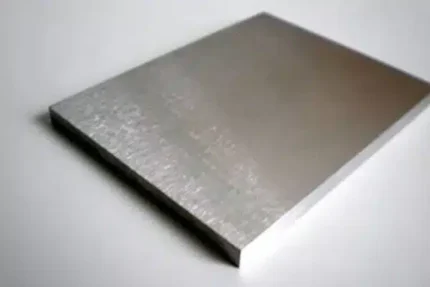
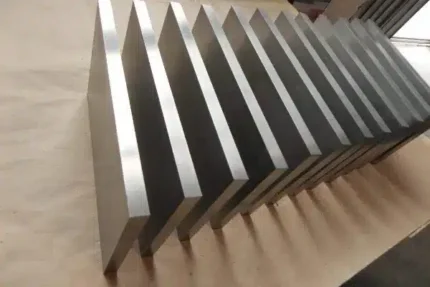
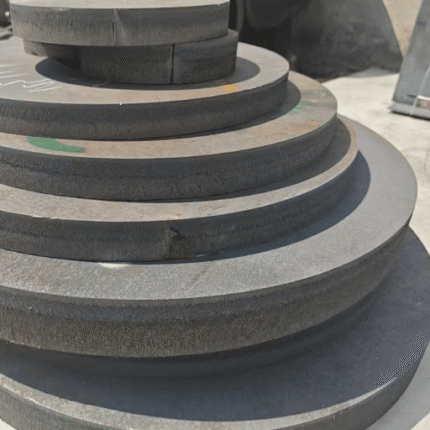
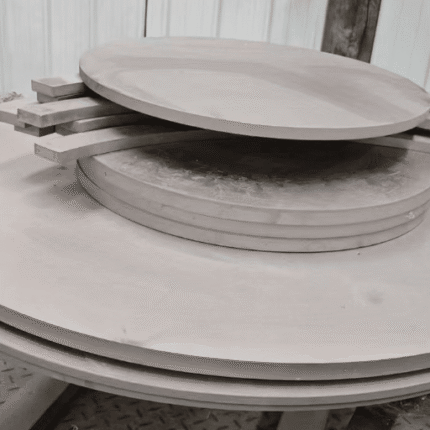
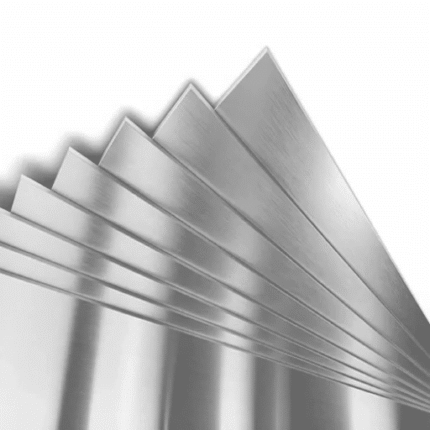
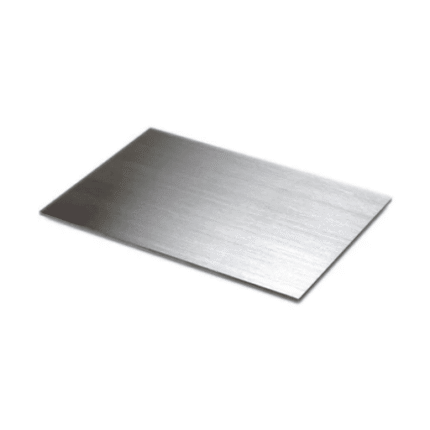
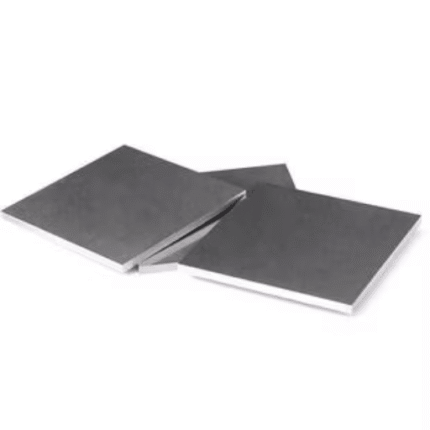
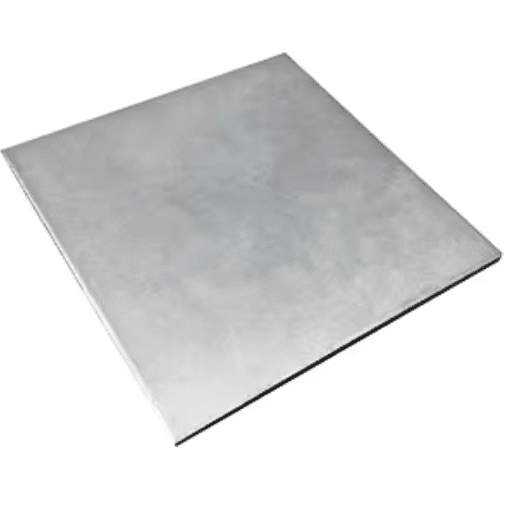
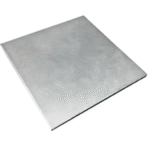
Stellite 1 Plates
Stellite 1 plates are ideal for components exposed to high temperatures and abrasive conditions.

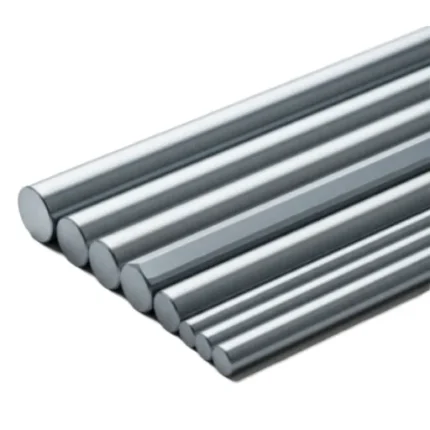
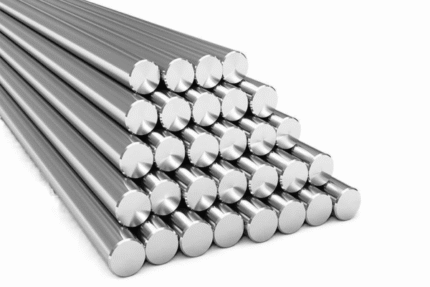
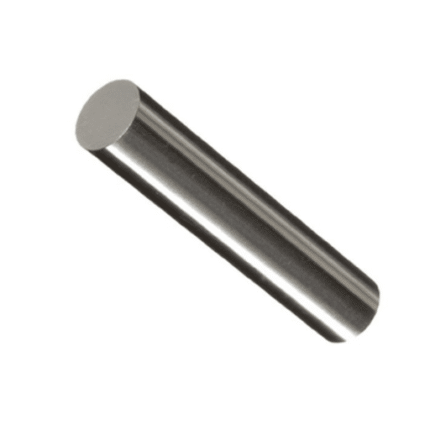
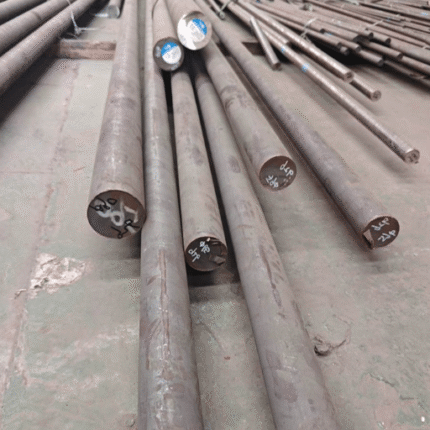
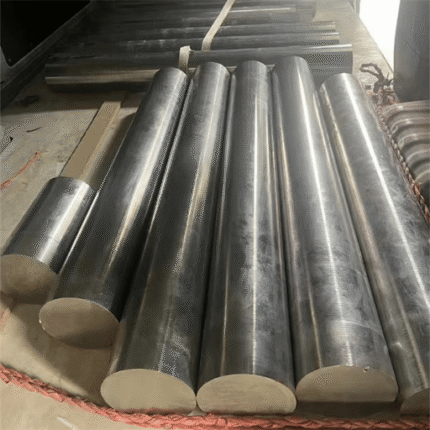
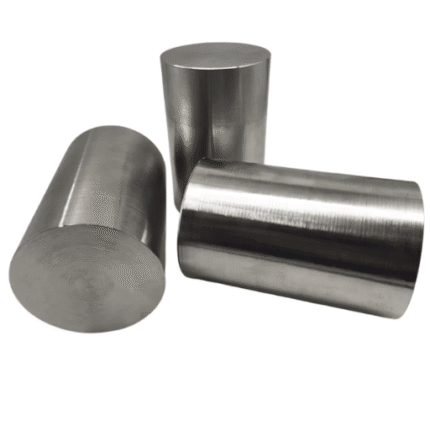
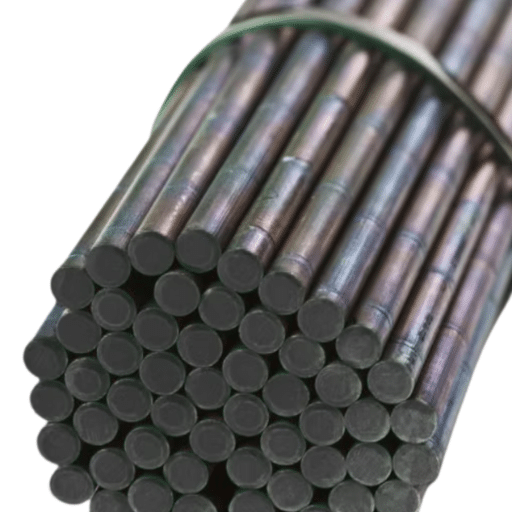
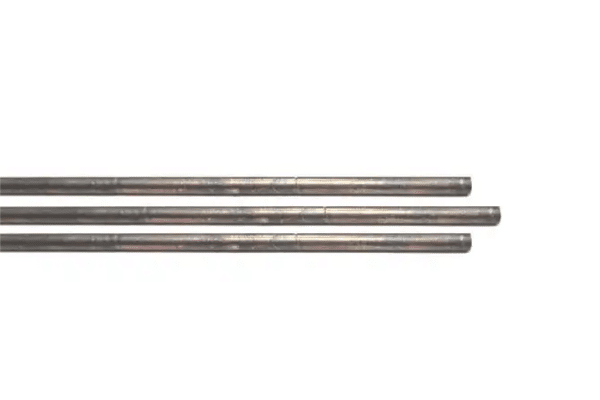
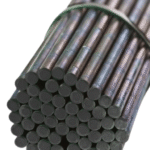
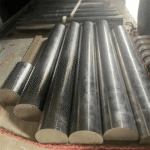
Stellite 1 Bars/Rods
These solid cylindrical forms are used for heavy-duty machinery and tool manufacturing.

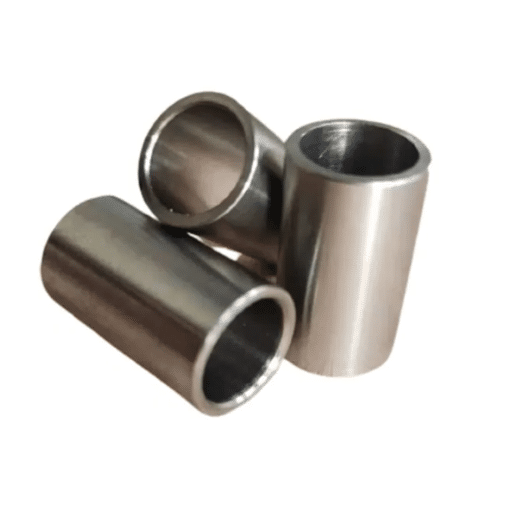
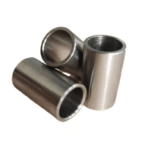
Stellite 1 Tubes
Stellite 1 tubes are known for their durability in handling corrosive or high-pressure fluids.

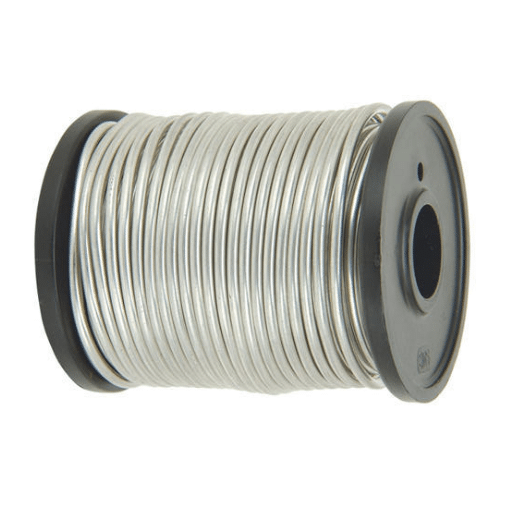
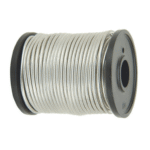
Stellite 1 Wire
Stellite 1 wires are commonly used in welding applications to enhance surface protection.
Complete Technical Data Sheet for Stellite 1
| Element | Minimum (%) | Maximum (%) |
|---|---|---|
| C (Carbon) | 2.4 | 3 |
| Cr (Chromium) | 27 | 32 |
| W (Tungsten) | 11 | 13 |
| Ni (Nickel) | — | 3 |
| Co (Cobalt) | Balance | Balance |
| Fe (Iron) | — | 3 |
| Mo (Molybdenum) | — | 1.5 |
| Si (Silicon) | — | 2 |
| Mn (Manganese) | — | 1 |
| Others | — | 1 |
| Property | Value | Condition |
|---|---|---|
| Hardness (HRC) | 45-60 | As Deposited |
| Ultimate Tensile Strength (MPa) | Approx. 850 | Room Temperature |
| Yield Strength (MPa) | Approx. 620 | Room Temperature |
| Elongation (%) | Approx. 1 | Room Temperature |
| Fracture Toughness (MPa·m½) | Moderate | Room Temperature |
| Wear Resistance | Excellent | Tested against Abrasion |
| Impact Resistance | High | Severe Operating Conditions |
| Fatigue Strength (MPa) | Approx. 400 | High-Cycle Loading |
| Compressive Strength (MPa) | Approx. 1800 | High Pressure |
| Stiffness (Elastic Modulus, GPa) | Approx. 200 | Room Temperature |
| Property | Value | Unit |
|---|---|---|
| Density | 8.4 – 8.8 | g/cm³ |
| Melting Range | 1260 – 1330 | °C |
| Thermal Conductivity | 14 | W/(m·K) |
| Electrical Resistivity | 97 | µΩ·cm |
| Coefficient of Expansion | 11.0 – 12.8 | µm/m·K (20-100°C range) |
| Specific Heat | 0.42 | J/g·°C |
| Magnetic Permeability | Non-Magnetic | — |
| Oxidation Resistance | Excellent up to 980 | °C |
| Sulfidation Resistance | High | Air and Sulfur Conditions |
| Corrosion Resistance | Excellent in Various Environments | — |
| Standard/Specification | Stellite 1 Equivalent Grade | Region/Organization |
|---|---|---|
| ASTM B611 | UNS R30001 | United States |
| ISO 9001 | Co-Cr-W Alloy | International |
| DIN 2.4771 | Stellite 1 | Germany |
| BS 2.4952 | Stellite-Type Co Alloy | United Kingdom |
| JIS H8502 | High-Alloy Cobalt | Japan |
| SAE AMS 5795 | Stellite 1 | United States |
| GOST R 56120-2014 | Co Alloy Equivalent | Russia |
| EN 14 200 | Co-Cr Alloy | Europe |
| GB/T 14992-2005 | Stellite-Type Alloy | China |
| MIL Specs 6714 | Wear-Resistant Co Alloy | United States |
Stellite 1 Powder and Additive Manufacturing

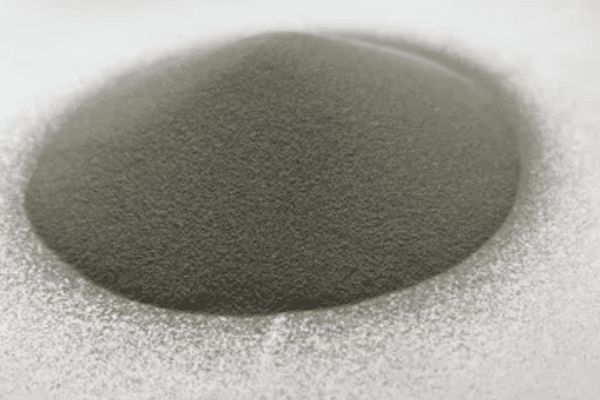
Overview of Stellite 1 Powder
Stellite 1 powder, a cobalt-based alloy, is gaining traction in aerospace, automotive, and energy industries due to its fine particle size and exceptional properties. Its use in powder-bed fusion for additive manufacturing is on the rise, driven by demand for high-purity, wear-resistant materials for high-performance components.
Benefits of Additive Manufacturing with Stellite 1
Stellite 1 enhances additive manufacturing with its fine particle size, enabling the creation of detailed, durable parts through powder-bed fusion. Its exceptional wear resistance and hardness make it ideal for components in abrasive and corrosive environments, meeting and often exceeding industry performance standards.


Applications in Modern Manufacturing
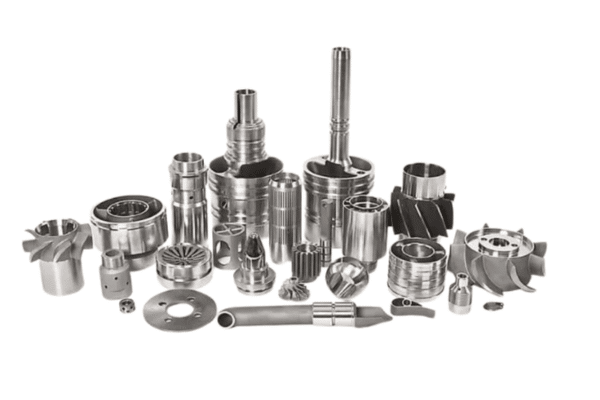
Stellite 1 is crucial in modern manufacturing for components facing extreme conditions. It’s used in aerospace for high-temperature turbines and cutting tools, and in automotive for durable high-stress parts. Its corrosion resistance benefits chemical processing and power generation, highlighting its role in additive manufacturing and technological advancement.
Welding and Fabrication Techniques of Stellite 1 Alloy
Welding Electrode Options for Stellite 1
The selection of welding electrodes is vital when working with Stellite 1, a cobalt-based alloy. Options include bare rods and flux-cored wires for various techniques like TIG and MIG. The electrode choice should match the equipment and required wear-resistant overlay characteristics. Technological advancements, including optimized flux-cored wires, improve wear resistance and durability, expanding Stellite 1’s applications across various industrial sectors.
Welding Techniques for Cobalt-Based Alloys
Stellite 1 is widely used for hardfacing through welding, offering wear-resistant overlays on components like valve seats and cutting tools that face high abrasion. Effective welding methods for cobalt-based alloys are crucial for maintaining mechanical properties and component longevity. Customization of techniques based on the Stellite 1 form—powder, rod, or wire—is essential. Optimizing welding processes, including advanced flux-cored wires, improves hardfacing effectiveness in demanding environments.
Challenges in Welding Stellite 1
Welding Stellite 1 presents challenges due to its high hardness and wear resistance, complicating the process. Improper welding parameters can lead to cracking and distortion. The high carbide content necessitates precise heat management to maintain mechanical properties. Choosing the right welding techniques and electrodes is crucial for optimal results. Careful planning and execution are essential to ensure the mechanical integrity and performance of the finished component.
What Our Clients Say
“Stellite 1 exceeded our expectations with its precision and reliability. It has become an indispensable tool for our team in tackling complex satellite deployment projects efficiently.”

Jessica Moreno
Aerospace Engineer
“Using Stellite 1 drastically improved our signal integration capabilities. The system is robust, easy to interface with, and delivers consistent performance even in challenging conditions.”

Michael Turner
Telecommunications Specialist
Our Latest Blogs

Alloy 625 Severe Sour Gas Service: Complete Guide
Alloy 625 is the default nickel-based alloy for severe sour gas service, qualified under NACE MR0175/ISO 15156 for all H2S…

Super 13Cr Stainless Steel: CO2 & Sour Service Guide
Super 13Cr stainless steel is a low-carbon, nickel- and molybdenum-strengthened martensitic grade (UNS S41425, S41426, S41427) built to outlast conventional…

Inconel 718 vs 725 vs 925: The Complete Selection Guide
Inconel 718, 725, and 925 are all age-hardenable nickel alloys, but each is built for a different job. Choose Inconel…

Duplex Stainless Steel Sour Service: 2205 vs 2507 Limits
Yes, duplex stainless steel sour service is practical and proven, but only within defined NACE MR0175/ISO 15156 limits. Standard duplex…

What Is Sour Service? H2S Environments Explained
Sour service is oil and gas equipment exposure to hydrogen sulfide (H2S) that can crack steel and other alloys. Under…

Sulfide Stress Cracking: Hardness Limits & Prevention
Sulfide stress cracking (SSC) is a form of hydrogen embrittlement that occurs when high-hardness steel under tensile stress is exposed…

NACE MR0175/ISO 15156 Explained: Sour Service Guide
NACE MR0175/ISO 15156 is the international standard that governs metallic materials for oil and gas production environments containing hydrogen sulfide…

How to Select Corrosion-Resistant Alloys for Sour Service
To select a corrosion-resistant alloy for sour service, characterize the environment first, classify sour severity by H2S partial pressure, screen…
Frequently Asked Questions
What is Stellite 1, and what makes it a superior cobalt-based superalloy?
Stellite 1 is a cobalt-based superalloy renowned for its outstanding wear resistance, hardness, and ability to withstand harsh operating conditions. Its unique composition makes it ideal for applications requiring high performance under extreme environments.
How does Stellite 1 enhance erosion resistance?
Stellite 1 is specifically engineered with superior erosion resistance properties, making it an excellent choice for equipment exposed to high-velocity particles, such as turbine blades, valve components, and nozzles, ensuring durability and extended service life.
What industries commonly use Stellite 1?
Industries such as aerospace, energy, automotive, and medical manufacturing frequently utilize Stellite 1 in critical components due to its ability to perform under intense thermal, chemical, and mechanical stress.
Can Stellite 1 be customized for specific applications?
Yes, Stellite 1 can be tailored to meet unique requirements by employing various processing techniques, coatings, or alloy variations to enhance performance for specific applications.
What services do we provide for clients working with Stellite 1?
We offer a full spectrum of services, including material sourcing, design consultation, precision machining, and custom production to meet specific project needs. We are dedicated to delivering high-quality solutions for all Stellite 1 applications.
What advantages does Stellite 1 offer over traditional materials?
Compared to traditional materials, Stellite 1 provides excellent wear resistance, corrosion resistance, and thermal stability, which significantly reduces maintenance costs and increases the lifespan of components.
How can Stellite 1 be applied in high-temperature environments?
Stellite 1’s robust thermal stability allows it to maintain its integrity, hardness, and performance at elevated temperatures, making it ideal for high-heat applications like engine components, industrial furnaces, and cutting tools.
Why choose our services for your Stellite 1 needs?
Our team combines expertise in advanced materials with state-of-the-art manufacturing capabilities to deliver reliable, efficient, and customized solutions. We pride ourselves on precision, quality, and client satisfaction.
Shipping and Delivery