High Standard Stainless Steel With Strict Inspection



Machining High-Performance Alloys: Best Practices for Superalloys and Titanium Alloys

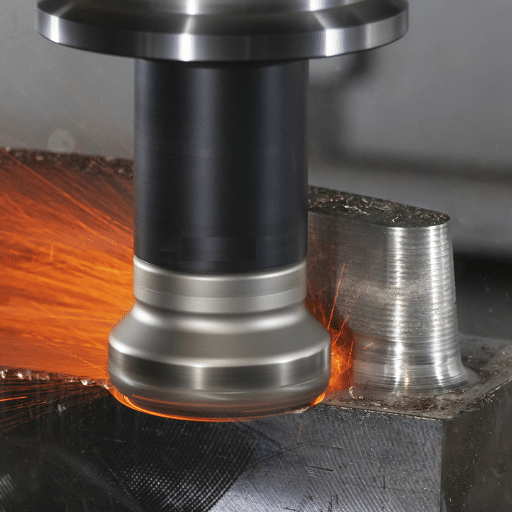
The process of machining high-performance alloys, which includes superalloys and titanium alloys, demands complete accuracy and expert knowledge. The exceptional strength and heat resistance and durability of these materials make them essential components for industries that include aerospace and automotive and medical manufacturing.
The process of working with these difficult materials demands two essential requirements which include both specialized equipment and complete material knowledge. This blog post will explore the best practices for machining superalloys and titanium alloys, offering valuable insights to help manufacturers improve efficiency, reduce tool wear, and achieve optimal results. This guide provides practical tips and strategies to enhance your machining operations whether you are improving existing processes or working with these materials for the first time.
Introduction
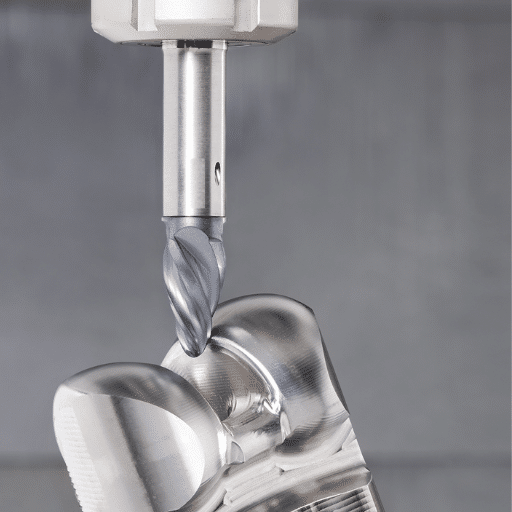
Superalloys and titanium alloys have industrial applications in aerospace, medical, and energy sectors because they provide outstanding strength, high-temperature resistance, and corrosion resistance. The unique properties of these materials create difficulties for machining operations. Manufacturers achieve efficient precise machining by understanding material characteristics and selecting appropriate tools and using optimized techniques. The guide provides practical machining strategies that help users succeed with advanced materials.
Challenges of Machining High-Performance Alloys
The machining process for high-performance alloys, which consist of titanium nickel-based superalloys and stainless steels, requires special handling procedures because of their unique material properties. The materials exhibit extreme strength and hardiness while maintaining their capacity for minimal heat conduction which leads to faster instrument decay and thermal energy production and challenges with surface preservation during operations. The section that follows identifies key challenges which it supports through comprehensive information.
High Cutting Forces and Tool Wear
Workers face increased operational challenges when machining high-performance alloys because these materials require stronger cutting tools. The elevated stress on cutting tools results in faster tool damage which decreases their usable time. The use of titanium alloys results in flank wear rates that exceed those of standard steel alloys by 10 to 20 percent, which requires tool replacement at a higher frequency and incurs additional costs.
Poor Thermal Conductivity
High-performance alloys such as titanium exhibit thermal properties that prevent them from releasing the heat produced during the cutting process. The phenomenon causes three main issues: thermal deformation, reduced tool life, and diminished accuracy. The material accumulates heat, altering its microstructure and creating defects that will appear in the final product.
Built-Up Edge Formation
The work material in alloys such as stainless steel and nickel-based superalloys causes built-up edge (BUE) formation due to its tendency to adhere to cutting tools. The occurrence leads to negative effects that damage surface appearance while producing measurement errors that impair tool performance.
Chipping and Crater Wear
Nickel and titanium alloys demonstrate high chemical reactivity which causes them to form bonds with cutting tool materials when exposed to high temperatures. The process results in chemical diffusion wear, along with crater wear and chipping, when standard tools use inadequate coatings or material formulations.
Vibration and Chatter
Machining operations experience difficulties because high-performance alloys generate vibrations and chattering which result from their superior stiffness and toughness characteristics. The two factors create additional strain, resulting in reduced surface quality that affects spindle and tool components. Chatter reduces machining efficiency to levels that reach 30 percent according to reports.
Surface Integrity and Accuracy Issues
The machining of these materials requires significant effort to achieve precise dimensional tolerances and superior surface finishes. The combination of excessive thermal energy and cutting force produces residual stress, leading to two processes that cause microstructural damage and surface degradation via microcrack formation and burning.
Advanced Solutions
Advanced technology solutions from manufacturers use high-performance cutting tools which feature polycrystalline diamond (PCD) and cubic boron nitride (CBN) coatings together with cryogenic cooling systems and adaptive machining systems that provide real-time monitoring and vibration-damping functions. Applying accurate machining parameters, such as slower cutting speeds and higher feed rates, will enhance operational efficiency throughout the process.
The combination of these strategies with newly developed tools and techniques enables industries to achieve exceptional precision while prolonging tool lifespan, which decreases the difficulties associated with high-performance alloys while upholding constant quality requirements.
Importance of Optimized Machining Processes
Modern manufacturing processes require optimized machining procedures which serve as vital components that boost productivity while decreasing expenses and sustaining product excellence. The operational performance of industries shows improvement when they execute two specific actions which involve refining machining parameters and adopting advanced technological solutions. The following section presents five essential advantages together with their corresponding explanations:
Improved Production Efficiency
The implementation of optimized processes leads to diminished cycle times which result in greater production capacity. Research shows that high-speed machining methods reduce production time by up to 50 percent while maintaining production accuracy.
Extended Tool Life
Machining operations require effective strategies to protect tools from excessive wear. Research shows that cutting speed and feed rate adjustments lead to a 30-to-40 percent tool lifespan increase which provides substantial economic advantages.
Enhanced Surface Quality
The advanced techniques produce uniform surface finishes which decrease the requirement for secondary procedures such as polishing. Smoother finishes lead to better performance in precision components, which especially benefit aerospace and medical applications.
Lower Production Costs
The process optimization leads to reductions in material waste and energy consumption which results in cost savings. Organizations that implement energy-efficient machinery have been shown to achieve up to 20 percent operational cost reductions.
Reduced Downtime
The predictive maintenance system uses real-time monitoring systems to decrease unplanned machine breakdowns. The operations experience a 40 percent decrease in downtime which leads to better overall operational efficiency.
The primary elements indicate that optimized machining processes are the most important strategy for achieving improved outcomes in industrial applications.
Understanding Material Properties
The material properties provide essential criteria for assessing its performance, durability, and suitability for industrial applications. The properties of materials are divided into four main categories which include mechanical properties, thermal properties, electrical properties, and chemical properties. The first thing that defines material behavior during force application is its mechanical properties. The primary elements that define the fundamental aspects of mechanical properties are as follows.
1. Mechanical Properties
- Strength: The ability of a material to withstand loads without breaking. Steel achieves tensile strength between 400 and 550 MPa, making it suitable for construction purposes under this standard.
- Elasticity: Materials with high elasticity, like rubber, return to their original shape through load removal, while metals maintain lower elasticity.
- Hardness: The property that determines how well a material resists scratching or indentation is assessed through Mohs and Vickers hardness scales. The Mohs hardness scale assigns diamond a value of 10 because it represents the hardest natural material on Earth.
2. Thermal Properties
Materials’ thermal properties govern their behavior as temperature changes, which is essential for applications that must operate under extreme conditions.
- Thermal Conductivity: Copper and aluminum exhibit high thermal conductivity, enabling their use in heat exchangers and electronic cooling systems.
- Melting Point: High melting points are essential for metals used in high-temperature industries. Tungsten has a melting point of 3422°C, making it suitable for aerospace applications.
3. Electrical Properties
Electrical properties dictate how a material conducts electricity, critical for electronic components:
Copper has an electrical conductivity of 5.96 × 10⁷ S/m, making it a common choice for wires and cables. Insulating materials, such as rubber and ceramic, have high resistivity, preventing the required current flow.
4. Chemical Properties
The resistance of materials to corrosion and their chemical reactivity are critical factors that determine their capacity to endure challenging environmental conditions.
- Corrosion Resistance: Stainless steel, which contains chromium above 10.5%, exhibits strong corrosion resistance, leading to its common use in marine and food-processing applications.
- Oxidation Resistance: The stable oxide layer that titanium forms protects the metal from environmental damage.
Current Trends and Innovations
Material science research shows new developments that demonstrate how scientists use composites and nanomaterials to create advanced materials. For example:
- Carbon Fiber Composites: The materials provide five times the strength of steel while their weight is much lower, which leads to major changes in the aerospace and automotive sectors.
- Graphene: The one-atom-thick material demonstrates exceptional electrical and thermal properties, which opens new paths for the development of next-generation electronic devices.
Understanding material properties is essential for industrial applications, enabling companies to select materials that meet their performance requirements while minimizing costs and achieving sustainability objectives. The process of innovation and efficiency in manufacturing and engineering depends on having precise information about these properties.
Characteristics of Superalloys
Superalloys are a class of advanced materials that exhibit outstanding mechanical strength, resistance to thermal creep deformation, surface stability, and protection against oxidation and corrosion. The properties of these materials make them suitable for high-performance applications that aerospace, power generation, and other industries need to operate under extreme conditions. Superalloys exhibit five main characteristics that define their properties:
High Temperature Strength
Superalloys maintain their mechanical properties at high temperatures that exceed 1000 degrees Fahrenheit or 538 degrees Celsius. This makes them essential for components like turbine blades in jet engines.
Oxidation and Corrosion Resistance
These materials are designed to withstand harsh environments where oxidation or corrosion could compromise the component’s integrity.
Thermal Stability
Superalloys maintain their structural integrity through resistance to thermal degradation while remaining operable at high temperatures.
Creep Resistance
The alloys maintain their original shape because they resist permanent deformation which occurs when mechanical stress continues at high temperatures during extended time periods.
Advanced Alloying Elements
Superalloys comprise nickel and cobalt or iron elements, which combine with chromium, molybdenum, and titanium to create specific performance enhancements.
The durability and reliability of superalloys make them essential for industrial applications that demand exceptional performance.
Titanium Alloy Properties and Challenges
Titanium alloys achieve their exceptional properties by combining high strength with low weight and providing excellent corrosion protection, making them suitable for aerospace, automotive, and biomedical applications. The next section presents the fundamental properties of titanium alloys that developers encounter as obstacles when working with the materials.
Key Properties of Titanium Alloys
High Strength-to-Weight Ratio
Titanium alloys exhibit a superior strength-to-weight ratio compared to many other metals. The strength of titanium alloys matches that of steel while their weight remains 45% lighter than steel, which makes these materials suitable for applications that require both lightweight properties and durable performance.
Corrosion Resistance
Titanium develops a natural oxide layer on its surface, which protects it from corrosion and degradation in extreme environments, including maritime and chemical industrial areas. This property extends the lifespan of components made of titanium alloys.
Biocompatibility
Titanium alloys are considered safe medical materials because they have no harmful effects and demonstrate excellent compatibility with human tissue, making them suitable for use in medical implants, including joint replacements, dental implants, and prosthetic devices.
Exceptional Performance at Extreme Temperatures
Titanium alloys maintain their structural integrity throughout both cold temperatures and high-temperature conditions because they can endure temperatures reaching 600°C.
Challenges in Titanium Alloy Applications
High Production Costs
The process of obtaining and refining titanium ore requires significant energy, resulting in high operating costs. This causes the material to become more expensive than aluminum and steel which are standard alternatives.
Machining Difficulties
Machining titanium alloys is challenging because their high hardness and low thermal conductivity lead to premature tool wear. The adoption of advanced machining methods, along with robust tools, will improve work efficiency.
Limited Availability
The extraction of titanium requires more complex methods than those used for common materials, creating material-supply challenges that disrupt production processes.
Fatigue and Crack Propagation
Titanium alloys experience both fatigue and cracking under cyclic loads, increasing the risk of structural failure. Current research focuses on developing alloy compositions and treatment methods to mitigate this material weakness.
Latest Data and Advancements
Weight Savings in Aerospace
The Boeing 787 Dreamliner and other modern aircraft have achieved a 20% weight reduction through the use of titanium alloys, resulting in improved fuel efficiency and reduced greenhouse gas emissions. Approximately 15% of the aircraft’s weight distribution comes from titanium alloy materials.
Additive Manufacturing with Titanium
3D printing technology enables the production of complex titanium alloy components through a process that generates minimal waste, reducing operational expenses and enhancing product usability. The aerospace and biomedical sectors have adopted powder bed fusion techniques.
Market Growth
The global titanium alloy market will grow at a compound annual growth rate of 4.5% from 2023 to 2030, according to recent market analysis, which attributes the growth to rising demand in the defense and aviation sectors.
Ongoing research investigates ways to address cost and processing challenges, demonstrating that titanium alloys remain essential materials for sustainable development and new product development. Their unique combination of properties makes them indispensable in high-performance engineering applications.
Corrosion Resistance in Aerospace Applications
The aerospace industry recognizes titanium alloys as valuable materials because their outstanding corrosion resistance enables aircraft to operate in extreme environments without degrading performance. The materials provide protection against oxidation and chemical degradation, making them suitable for extended use in aircraft and spacecraft, as well as in other aerospace parts. The following list presents five essential elements that demonstrate their ability to resist corrosion:
- 1
Resistance to Saltwater Corrosion: Titanium alloys exhibit excellent resistance to saltwater environments which makes them appropriate for aerospace parts that will experience marine conditions or operate in coastal regions. - 2
Oxidation Resistance at High Temperatures: Titanium alloys preserve their structural form while showing resistance to oxidation when exposed to high-temperature conditions which makes them suitable for jet engine performance and high-temperature aerospace operations. - 3
Compatibility with Fuel and Hydraulic Systems: The materials maintain their strength when exposed to different aviation fuels and hydraulic fluids and other industrial chemicals which enables aerospace systems to operate effectively and safely for extended time periods. - 4
Minimal Pitting Corrosion: Titanium alloys show strong protection against pitting corrosion, which occurs in chlorinated environments, making them dependable materials for contemporary aircraft systems. - 5
Barrier Layer Formation: Titanium forms a stable, passive oxide layer on its surface that acts as a protective barrier, enhancing its resistance to most corrosive agents encountered in aerospace operations.
The properties of these materials improve operational efficiency, safety performance, and service life of aerospace structures and components.
Tooling Selection and Geometry
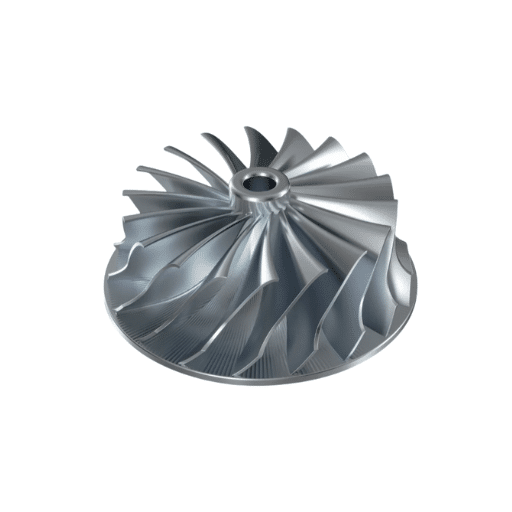
The aerospace manufacturing process requires companies to select appropriate tools and particular tool designs for their operations which involve titanium material cutting. The process of tool design requires designers to develop solutions that can manage the material characteristics of the material, which includes its thermal properties, strength, and work hardening abilities. The titanium manufacturing process requires cutting tools with specific cutting methods and tool designs to meet operational requirements and protect equipment.
Tool Material
Titanium cutting tools require manufacturers to use either carbide or polycrystalline diamond (PCD) materials because these materials provide durability and heat resistance. Research findings demonstrate that coated carbide tools reach a market penetration of 70% because they protect against wear which occurs when heat builds up during the titanium cutting operation.
Tool Geometry
The field of tool geometry directly impacts cutting force reduction while providing effective heat dissipation control. The cutting process benefits from tools with a smaller rake angle, which maintain efficient cutting while delivering greater strength. The cutting edges experience reduced friction and lower heat buildup when the relief angle is 10°–12°.
Feeds and Speeds
Cutting speeds are critical in titanium machining because the metal has low thermal conductivity. The industry guidelines require manufacturers to use lower cutting speeds while increasing feed rates. The typical cutting parameters for carbide tools in roughing operations need operators to use speeds between 30 and 50 meters per minute together with feed rates of 0.1 to 0.3 millimeters per revolution. The correct parameters protect against work hardening and equipment failure.
Coolants and Lubrication
The titanium machining process requires effective cooling systems which serve as fundamental elements of the process. The high-pressure, high-flow coolant systems operate at pressures above 1,000 psi, enabling them to maintain optimal cutting temperatures while minimizing thermal damage to both tools and workpieces. The introduction of advanced water-soluble synthetic coolants has led to increased adoption, as they provide better cooling performance than existing solutions.
Tool Wear Metrics
Organizations need to monitor tool wear because it directly affects production efficiency. Research indicates that the primary failure mechanism in titanium machining is flank wear and notching, which typically triggers tool replacement at 0.3 mm of wear per aerospace manufacturing standards.
Data from Industrial Statistics
Boeing reports that optimized tooling geometries extend tool life by 25-30% when machining titanium structural components. Aerospace workshop tests show that advanced carbide tools with TiAlN or AlCrN coatings achieve a 20 percent decrease in production time during high-performance cutting operations.
The combination of modern tooling technologies and optimal tool-geometry design enables manufacturers to enhance operational efficiency, reduce material waste, and maintain aerospace industry quality standards.
Choosing the Right Cutting Tool for Superalloys
The process of machining superalloys needs specialized cutting tools because these metals have extreme strengths and hardnesses which enable them to endure high temperatures. The materials find usage in aerospace and power generation industries which demand both accuracy and long-lasting performance. The selection of cutting tools for superalloys requires the evaluation of essential elements and contemporary cutting-edge factors that exist here.
Tool Material and Coatings
Superalloy machining operations still use carbide tools as their primary option because these tools provide excellent wear resistance together with high toughness. Recent developments in coating technologies have demonstrated that Titanium Aluminum Nitride (TiAlN) and Aluminum Chromium Nitride (AlCrN) provide effective protective coatings. The coatings provide better wear protection by maintaining thermal stability while reducing friction. For extreme conditions, ceramic tools and cubic boron nitride (CBN) inserts provide better performance than carbide tools because they can handle temperatures above 2500°F which some processes require.
Tool Geometry Optimization
Advances in tool geometry design have led to significant performance improvements in modern tools. The implementation of sharpened cutting edges, together with optimized rake angles, enables tools to achieve lower cutting forces and produce less heat. The research shows that superalloy machining achieves 15%-25% longer tool life when optimized geometry is used.
Cutting Speeds and Feeds
The machining process for superalloys requires operators to determine the correct combination of speed and feed rate. Superalloys require lower cutting speeds because their higher speeds produce excessive heat, but research indicates that specific alloy properties should guide speed selection which leads to 30% increased material removal rates. The optimal cutting speed range for machining nickel-based alloys such as Inconel is 60-120 surface feet per minute (SFM).
Cooling and Lubrication Techniques
Advanced cutting operations require cryogenic cooling and high-pressure coolant systems as their modern cooling solutions. Cryogenic cooling applications reduce thermal loads on both tools and workpieces, leading to a 50% increase in tool life compared with traditional flood cooling methods.
Modern Simulation and Monitoring Tools
Manufacturers can enhance their predictive capabilities through AI-based simulation systems and real-time monitoring systems which enable them to track tool usage and refine their cutting techniques. The organization uses automated systems and data collection methods to standardize operations while minimizing equipment downtime.
Superalloy manufacturers can improve operational efficiency while achieving longer tool life and superior surface finishes by combining modern technologies with an understanding of superalloy properties.
Tool Geometry Considerations for Titanium Machining
The performance of tools during titanium machining operations depends entirely on the cutting tool geometry which determines both their operational capabilities and their lifespan. The excellent strength-to-weight ratio and corrosion resistance of titanium make it a useful material. The low thermal conductivity of titanium, combined with its tendency to work harden, makes machining operations challenging. Proper tool geometries provide effective solutions to existing challenges.
Sharp Cutting Edges
Sharp cutting edges in titanium machining tools enable operators to achieve easier cuts with reduced cutting forces and lower heat output. The use of dull tools increases the risk of thermal stress, premature tool wear, and chatter. Research indicates that titanium cutting requires a rake angle of 10-15 degrees, as this angle improves chip evacuation while reducing workpiece deformation.
Helix and Rake Angles
Titanium machining benefits from higher helix angles, which typically range between 40 and 50 degrees, because these angles produce smoother cutting movements and better chip removal patterns. The use of positive rake angles reduces cutting forces while protecting the tool and material by reducing heat transfer to the workpiece.
Coatings for Edge Protection
Tool coatings that provide edge protection include Titanium Aluminum Nitride and Aluminum Titanium Nitride. Advanced coating systems on tools extend tool life by 50 percent in titanium machining, according to industry reports, demonstrating improvements in high-speed applications.
Tool Nose Radius
A larger nose radius allows cutting forces to be distributed more evenly, resulting in superior surface finishes. Correct size selection is required because a radius that exceeds appropriate dimensions will increase cutting forces, whereas the optimal range is 0.5-2 mm, depending on application specifics.
Tool Material and Hardness
Carbide tools remain the standard because of their hardness and heat resistance. The development of polycrystalline diamond (PCD) and cubic boron nitride (CBN) inserts creates new opportunities to achieve extended tool life and precise machining. Recent research demonstrates that micro-grained carbide tools experience less wear and maintain their cutting edge for longer when machining titanium alloys.
Coolant Channels and Anti-Vibration Design
Internal coolant channels in tools provide superior heat dissipation, which is vital during titanium machining operations. The cutting process receives stability from anti-vibration tool designs which minimize chatter and improve part accuracy. Tool manufacturers face specific challenges in titanium machining that require advanced vibration-dampening designs and enhanced coatings to support their tool-geometry customization needs. Integrating these considerations not only improves machining efficiency but also extends tool life, reduces operational costs, and ensures superior part quality.
Material Options: Cobalt vs. Nickel-Based Alloys
Optimal Cutting Parameters
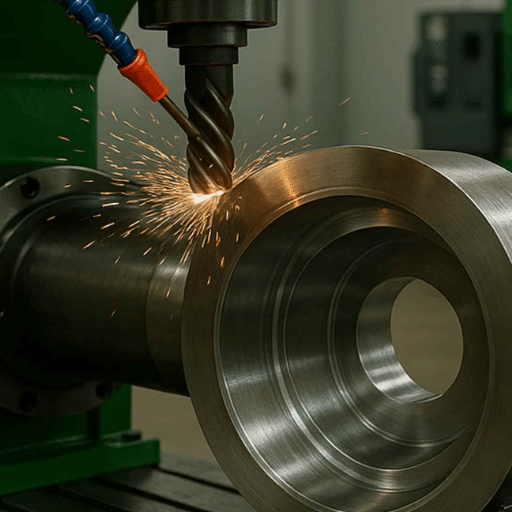
Operators who machine titanium and other challenging materials need to select the correct cutting settings. The process will maintain their production accuracy, efficiency, and tool durability. The process requires special handling because titanium has low thermal conductivity and high strength, which leads to rapid tool degradation and excessive heat buildup. The process requires precise evaluation of four factors: cutting speed, feed rate, depth of cut, and coolant application.
Cutting Speed
The cutting speed for titanium materials exists within the range of 60-120 feet per minute (FPM) which varies according to the specific grade and operational needs of the material. Operators who machine titanium need to maintain low cutting speeds to control heat generation while protecting their tools, as titanium is difficult to machine. Cobalt and nickel-based alloys require lower cutting speeds, which exist within the range of 30-80 FPM, because these materials possess both high hardness levels and superior heat resistance properties.
Feed Rate
The operation type, which includes roughing and finishing work together with the selected tool, will determine the optimal feed rate. The finishing process for titanium machining requires a feed rate of 0.002-0.008 inches per tooth (IPT), whereas operators can use 0.004-0.012 IPT during roughing. The common feed rate range for nickel-based alloys exists between 0.001 and 0.005 IPT to protect the materials from excessive operational stress which leads to tool degradation.
Depth of Cut
Operators need to set cutting depths based on their setup stability, but they should select shallow depths to control material-related tool pressure, which can cause vibrations. The roughing process for titanium allows material removal between 0.100 and 0.300 inches while finishing requires a maximum material removal of 0.030 to 0.070 inches. Operators who process titanium should follow the same careful procedures for handling cobalt and nickel alloys.
Coolant Use
The proper cooling process becomes essential because titanium exhibits low thermal conduction properties which require constant temperature control. The cutting area requires effective heat removal which flood cooling systems and high-pressure coolant systems can provide. The use of aggressive cooling systems for nickel-based alloys helps to reduce problems that arise during work hardening.
Tool Materials and Coatings
Carbide materials serve as the main construction material for high-performance cutting tools which enable efficient machining of titanium and superalloy materials. Applying titanium aluminum nitride (TiAlN) or diamond-like carbon (DLC) coatings to tools improves wear resistance.
By adhering to these parameters and utilizing modern machining technologies, manufacturers can achieve superior results across various tough-to-machine materials, optimizing both productivity and product quality.
Defining Speed, Feed, and Depth of Cut
Machining professionals need to execute machining tasks as their primary work when they have studied basic machining concepts which include feeding speeds and cutting depths. The three parameters directly affect cutting performance, tool degradation rate, and overall metalworking productivity.
1. Cutting Speed (Surface Speed)
Cutting speed describes the speed at which a cutting tool moves in relation to the surface of the workpiece on which it operates. The measurement system uses surface feet per minute (SFM) and meters per minute (m/min) as its standard units. The correct cutting speed is critical to avoid overheating the tool and workpiece, maintain tool life, and ensure productivity. For example:
- Titanium Alloys: Recommended speeds are typically between 60-120 SFM.
- Nickel-Based Alloys: The material reaches its optimum performance when operated at 30-80 SFM which creates a balance between temperature control and material wear.
2. Feed Rate
Feed rate is the distance the tool moves forward per spindle revolution, measured in inches per revolution (IPR) or millimeters per revolution (mm/rev). The cutting edge uses this feed rate to determine its material removal speed which affects the resulting surface finishing outcome. The common feed rates used for difficult materials are:
- Cobalt Alloys: The preferred precision feed rate for this material range between 0.001 to 0.005 IPR.
- Titanium Alloys: The maximum feed rate for this material in non-intensive uses reaches 0.012 IPR.
3. Depth of Cut (DOC)
Depth of cut indicates the volume of material that operators will extract from a workpiece during one machining cycle. Using greater cut depths results in faster metal removal but increases tool degradation and heat generation. The recommended values for testing include:
- Nickel-Based Alloys: The normal depth of cut (DOC) for this material ranges between 0.020-0.150 inches.
- Titanium Alloys: The maximum depth of cut (DOC) reaches 0.300 inches when operators maintain high-pressure coolant systems in operation.
Balancing Parameters for Efficiency
Selecting the appropriate cutting speed, feed rate, and depth of cut requires determining the optimal combination. Manufacturers who produce materials with nickel or cobalt alloys which are difficult to machine, need to use both aggressive cooling methods and advanced cutting equipment, which can withstand both thermal and mechanical challenges. The latest research shows that industrial operations have achieved a 20% efficiency improvement through the implementation of adaptive machining systems and advanced toolpath design systems.
Operators and engineers who work with these essential parameters will achieve better machining results through their dedicated work, thereby increasing tool longevity and producing better surface finishes across all tested materials.
Impact of Cutting Parameters on Tool Life
The tool life of cutting operations gets affected by three cutting parameters, which include cutting speed, feed rate, and depth of cut. Research shows that equipment performance improves when organizations select appropriate parameters and their optimal settings, resulting in reduced tool wear and higher financial returns. The cutting speed sets the heat level in machining by controlling all heat-generation components. The increasing cutting speed generates excessive temperatures, which lead to rapid tool wear. Research shows that a 10 percent decrease in cutting speed results in a 30 percent increase in tool life for hardened steel and titanium alloys.
The feed rate determines how much material the cutting tool removes per rotation. Higher feed rates enable faster machining, but they increase the cutting force the tool must withstand. The latest research findings indicate that precision workpieces require a feed rate range of 0.02-0.1 mm/rev to achieve an optimal balance between surface finish quality and tool life.
The depth of cut determines how much material a machine removes in a single pass. Greater depths of cut increase cutting forces, leading to higher tool stress and wear. Research shows that high-speed machining environments can achieve a 15 percent reduction in notch wear by combining a moderate depth of cut with adjusted feed rates.
Implementing proper cooling and lubrication requires effective systems that perform two critical functions: dissipating heat and reducing friction between tools and workpieces. The Minimum Quantity Lubrication (MQL) system provides superior cooling capabilities which enable a 25 percent reduction in tool wear compared to conventional dry machining methods.
The combination of Titanium Aluminum Nitride (TiAlN) coatings with advanced tool materials such as carbide and ceramics provides enhanced heat and wear resistance. Tools which use advanced coatings can operate 30 to 50 percent longer than standard tools do when both tools work under identical cutting conditions.
Manufacturers achieve superior tool performance while minimizing waste and optimizing machining efficiency through their understanding of cutting parameters, which they control according to current data and scientific evidence. The optimization of operational conditions in modern manufacturing facilities currently depends on machine learning algorithms which analyze real-time machining data.
Techniques for Adjusting Cutting Parameters
The method for changing cutting parameters needs to integrate current technologies with material knowledge and performance under varying conditions. The following section will showcase the research methods and techniques that scientists developed through their studies and industrial work.
Tool Material and Coatings
The selection of cutting tool materials and their protective coatings holds essential importance for achieving successful operational results. Tools that implement titanium aluminum nitride (TiAlN) coatings can work at higher cutting speeds because their heat-resistant properties protect equipment from wear. The research shows that these coatings extend tool life by 200% when compared to tools which do not use coatings.
Feed Rate Optimization
The process requires precise feed-rate control to maintain tool security while maintaining constant surface quality. The common method employs CNC machines which use systems that adjust their feed rate according to changing conditions during operation. The machines automatically change their feed rates according to cutting conditions which research indicates will increase productivity between 20% and 30%.
Cutting Speed Adjustments
Machinists should determine optimal cutting speeds through testing on specific materials. Operators should use moderate cutting speeds when machining stainless steel, as this prevents excessive heat generation, whereas aluminum machining allows higher cutting speeds. The data show that aluminum machining operators can increase productivity by raising cutting speed by 10%-20% without sacrificing product quality.
Coolant Utilization
Coolants and cutting fluids need proper application because they function as heat management systems which extend tool operational life. The minimum quantity lubrication (MQL) system has proven to decrease total coolant requirements by 50% while sustaining operational performance through its advanced delivery system.
Vibration Analysis and Stability
The production process requires vibration monitoring to prevent chatter and extend tool life. The new sensor-based systems deliver real-time vibration information which enables operators to make real-time modifications. The research shows that proper vibration management leads to 40% reduction in surface defects.
Machine Learning for Real-Time Adjustments
Machine learning, together with artificial intelligence (AI), now dominates the process of changing cutting parameters within manufacturing systems. The system uses real-time sensor data from machining equipment to power algorithms that either suggest or execute ongoing adjustments. The system’s operational efficiency will increase by at least 25% through machine-learning-based improvements.
The combination of advanced techniques with a data-driven approach enables manufacturers to achieve major improvements in their machining operations, which lead to reduced expenses. The company sustains its competitive edge in modern machining through ongoing research into new materials and advanced intelligent technologies.
Coolant and Lubrication Strategies

Machining operations depend on coolant and lubrication methods to determine tool durability, machining accuracy, and production efficiency. The correct selection of coolant and lubricant materials, combined with their proper usage methods, will result in reduced tool degradation, decreased heat generation, and improved surface finishing outcomes.
Coolants and lubricants are essential to industrial operations, serving as vital resources in manufacturing processes. The heat generated by machining operations must be dissipated through coolant systems, which also protect workpieces and tools from thermal damage. Lubricants reduce friction between the cutting tool and the material, resulting in smoother operations and an extended tool life. The research shows that proper coolant application methods result in a 50 percent longer tool life and a 20 percent shorter machining time.
Market demand for synthetic fluids, semi-synthetics, and water-soluble oils is growing as advanced coolants deliver superior cooling and lubrication. Nanofluid lubricants that use nanoparticles in their composition show improved thermal conductivity and friction reduction, which results in better cutting performance and lower energy requirements.
Effective Delivery Methods
- Flood Cooling: This method maintains a continuous coolant stream at full capacity to cool the cutting area.
- Mist Cooling: The cooling method establishes a mist of tiny particles which performs best during machining work at high speeds.
- Through-Tool Coolant: The method establishes coolant channels that run through the cutting tool, directing coolant to the tool edge for optimal efficiency.
The field of sustainable machining has started to adopt the new Minimum Quantity Lubrication (MQL) methods which have been developed recently. The MQL system uses minimal lubricant, reducing waste and improving environmental performance while maintaining machining performance. The MQL systems deliver two benefits: a 90 percent reduction in lubricant use and a reduction in operating expenses.
The organization needs to install modern coolant and lubrication systems which must match the particular material requirements and machine operating conditions to achieve maximum operational efficiency and environmental protection. The organization achieves optimal efficiency through these methods, which work in concert with Internet of Things systems that monitor and automatically modify operations.
Importance of Thermal Management in Machining
The process of thermal management in machining operations brings benefits that result in higher production rates, longer tool lifespan, and better operational performance. Excessive heat creates three main problems which include tool wear, workpiece deformation, and surface quality deterioration. The following five essential elements, together with their supporting evidence, demonstrate why effective thermal management systems matter for machining operations.
Tool Wear Reduction
The untreated operations face a 30% reduction of tool life because high temperatures cause increased tool wear. Implementing efficient cooling strategies will address this problem while extending tool lifespans.
Improved Surface Finish
The surface finish produced by a process requires improved thermal management because thermal expansion can cause surface defects. Appropriate cooling methods enable studies to demonstrate a 40% reduction in surface roughness during critical machining processes.
Workpiece Integrity
Uncontrolled heat leads to two main problems which include microstructural changes and residual stress formation in workpiece materials. Effective thermal management enables companies to reduce thermal impacts while maintaining material strength and precise dimensional standards.
Energy Efficiency
Excessive heat generation increases energy consumption due to longer cycle times and additional cooling requirements. Advanced thermal control strategies enable companies to achieve 20% energy savings without impacting operational efficiency.
Machining Accuracy
The thermal expansion of machine tools and their components introduces measurement errors. The combination of real-time thermal monitoring systems with cooling mechanisms enables dimensional deviations to decrease by 50% which results in better overall precision.
Types of Coolants and Their Effectiveness
The choice of coolant is critical in machining operations, as it directly impacts performance, tool life, and product quality. The next section presents the five most common coolants and their effectiveness will be assessed in the upcoming assessment.
Water-Based Coolants
These coolants are widely used because they offer two advantages: high thermal conductivity and low cost.
Effectiveness: The system provides effective cooling but does not deliver sufficient lubrication for specific work activities. The technique performs better in high-speed machining operations.
Oil-Based Coolants
Oil-based coolants provide excellent lubrication which helps decrease friction and wear that affects cutting tools.
Effectiveness: The system performs best at low-speed operations, but its ability to dissipate heat becomes less effective when compared to water-based coolants.
Semi-Synthetic Coolants
These coolants achieve optimal performance results through their combination of water and oil components which create effective cooling and lubrication solutions.
Effectiveness: The system delivers suitable performance across a range of applications by providing moderate cooling and supporting extended tool lifespans.
Synthetic Coolants
Synthetic coolants use no oils to create their formulation which results in better cooling performance and enhanced operational cleanliness.
Effectiveness: The system operates most effectively during high-speed precision machining by preventing residue buildup and maintaining thermal conditions at constant levels.
Cryogenic Coolants
Cryogenic coolants use liquid nitrogen or carbon dioxide to achieve ultra-low-temperature cooling.
Effectiveness: The system performs two functions: it controls thermal changes and extends tool life, both of which are crucial for machining heat-resistant alloys.
The effectiveness of each coolant type may vary with the material being machined, the cutting conditions, and the specific operational requirements.
Lubrication Best Practices for Superalloy Machining
Superalloys achieve their highest cutting efficiency and longest tool life with the appropriate lubrication method. Manufacturers who follow industry-standard procedures achieve higher cutting performance, reduced tool wear, and improved surface finish. The industry identifies five essential lubrication best practices that companies must follow.
-
Use High-Performance Cutting Fluids
The cutting fluids must be of high quality because they affect system stability and operational efficiency. The fluid must meet the requirements of the specific superalloy used in the process.
Data Example: Studies show that using premium cutting fluids can reduce tool wear by up to 30%.
-
Optimize Flow Rate and Pressure
The delivery system needs to be adjusted so it can deliver a sufficient flow rate together with proper pressure levels, which enable effective lubricant distribution to the cutting area.
Data Example: A flow rate of 10-20 L/min is typically recommended for machining nickel-based superalloys.
-
Implement Minimum Quantity Lubrication (MQL)
MQL systems enable organizations to reduce lubricant consumption while maintaining effective cooling and lubrication.
Data Example: MQL can reduce lubricant consumption by 50-90%, lowering overall machining costs.
-
Ensure Regular Coolant Maintenance
The organization needs to monitor coolant quality while maintaining the correct coolant-to-water mixture ratio. The organization needs to perform routine tests, which check for contamination, together with pH level assessment.
Data Example: Maintaining coolant pH between 8.5 and 9.5 can significantly improve tool life and workpiece quality.
-
Leverage Cryogenic Lubrication for Advanced Applications
The organizations must implement cryogenic lubrication methods that use liquid nitrogen and carbon dioxide for their extreme heat operations and their high-precision requirements.
Data Example: Cryogenic lubrication has been shown to extend tool life by up to 50% when machining heat-resistant superalloys.
The implementation of these best practices leads manufacturers to achieve better machining results which decrease the expenses linked to tool damage and production mistakes.
References
- A novel empirical modeling approach for energy and resource efficiency in low carbon machining of Ti6Al4V
Source: Springer. Discusses cooling-lubricating assisted machining of Ti-6Al-4V alloys and its high-performance applications. Document Link - Surface-roughness improvement in ultrasonically assisted turning
Source: ScienceDirect. Explores machining techniques for intractable alloys and their impact on surface roughness. Document Link - A Review of Optimization of Additively Manufactured 316/316L Stainless Steel Process Parameters, Post-Processing Strategies, and Defect Mitigation
Source: PubMed Central. Reviews machining optimization for titanium and nickel-based alloys in high-performance applications. Document Link
Frequently Asked Questions (FAQ)
How does an end mill setup affect machining high-performance alloys and the workpiece?
Your research demonstrates that end mill setups have two primary effects on both high-performance alloy machining and workpiece performance. The combination of end mills and tool material selection, together with machine-tool rigidity, determines the three factors of cutting force, vibration, and surface finish during high-performance alloy machining. The use of sharp, cutting-edge carbide tools with positive-rake-angle inserts reduces cutting forces and operational heat generation. The CNC machining center requires operators to control axial and radial depth of cut while optimizing feed rate and cutting speed, using high-pressure coolant or minimum-quantity lubrication to achieve effective heat dissipation, thereby protecting tool durability and maintaining workpiece surface integrity.
What are the best practices for machining superalloys to reduce cutting forces and extend tool life?
The optimal methods for superalloy machining require specific techniques to reduce cutting forces and extend tool life. Superalloy machining requires tools that can withstand both the materials’ mechanical strength and their low thermal conductivity. Wear-resistant carbide tools with sharp cutting edges and positive rake angles decrease cutting forces when using conservative feed rates together with higher axial depth of cut, lower radial depth of cut, and high-speed machining methods, which work effectively. Operators should use high-pressure coolant to manage heat buildup, use carbide inserts designed for high-temperature cutting, and follow scheduled tool changes to prevent heat accumulation and excessive wear during cutting operations.
What special considerations apply to the workpiece material when machining titanium and titanium alloys?
Multiple material-specific factors must be addressed during the machining of titanium and titanium alloys. The combination of high strength and low thermal conductivity of titanium and its alloys presents multiple challenges for machining operations. The machining process generates heat that concentrates at the tool interface, leading to increased wear and tool vibration. The use of sharp, carbide-based cutting tools with specialized coatings, together with high-speed cutting, controlled feed rates, and positive rake angles, reduces friction. High-pressure coolant and minimum-quantity lubrication enhance heat dissipation and surface quality, reducing cutting-zone temperatures and extending tool life.
How should I select cutting speeds and feeds when machining titanium alloys on a CNC machine tool?
The selection of cutting speeds and feeds for machining telephone titanium alloy must adhere to two specific criteria. The cutting speed and feed rate must be determined based on three factors: the tool material, insert geometry, and alloy grade. The machining process requires operators to use moderate cutting speeds and high feed rates because titanium has low thermal conductivity and high strength. Maintaining sharp cutting edges, positive rake angles, and titanium carbide inserts requires monitoring cutting force and vibration levels to protect workpiece integrity and optimize productivity and surface quality.
What are proven machining techniques for machining nickel-based alloys to control heat and minimize tool wear?
Nickel-based alloy machining requires proven techniques that enable operators to manage heat generation and reduce tool wear. The three techniques that control heat generation and friction reduction for nickel and nickel-based superalloy machining include carbide tooling with proper coatings and sharp cutting edges and positive rake angles. The two primary methods for controlling heat during machining processes are high-pressure coolant application and the use of intermittent cutting methods, including climb milling. The two main machining parameters that affect the quality of power-generation and aerospace components must be controlled by adjusting feed rate and cutting speed, while maintaining axial and radial depth-of-cut balance.
How do machine tool characteristics and rigidity affect performance when machining high-performance materials?
The vibration and chatter behavior observed during high-performance alloy machining operations depends on machine-tool stiffness, spindle power, and dynamic stability. High-rigidity machine tools reduce tool motion during machining, thereby decreasing cutting forces that affect system performance and improving surface quality. The system requires all three elements of proper toolholding and end-mill balance, with drill balance and machining operations matched to machine capability to enhance productivity and reduce the risk of dangerous heat buildup and premature tool failure.
What tooling and insert choices best overcome the challenges of machining nickel and titanium for aerospace parts?
The optimal solution for aerospace part manufacturing requires high-wear-resistant carbide inserts and carbide tooling with high-temperature coatings for nickel and titanium machining. The method should start with sharp cutting edges, positive rake angles, and optimized inserts that minimize cutting resistance. The implementation of specialized chip-control geometries, combined with high-pressure coolant application for heat dissipation and trochoidal milling as the machining method, will reduce cutting loads, extend tool life, and meet strict surface-finish requirements.
Which machining techniques improve surface finish and reduce heat when drilling and milling high-performance alloys?
The two main drilling and milling techniques that help achieve better surface finish and lower heat generation for high-performance alloys are proper equipment selection and operational method selection. The two methods that improve surface finish and reduce heat during machining operations include using sharp drills and end mills, selecting climb milling when appropriate, applying high-pressure coolant or minimum-quantity lubrication, optimizing cutting speed and feed rate, and reducing vibration through proper framework setup and equipment tuning. Using appropriate carbide inserts, step-down strategies, and a reduced radial depth of cut will enable operators to achieve both adequate surface quality and extended tool life throughout the process.