High Standard Stainless Steel With Strict Inspection



Stainless Steel Tube vs Pipe: Differences and Applications

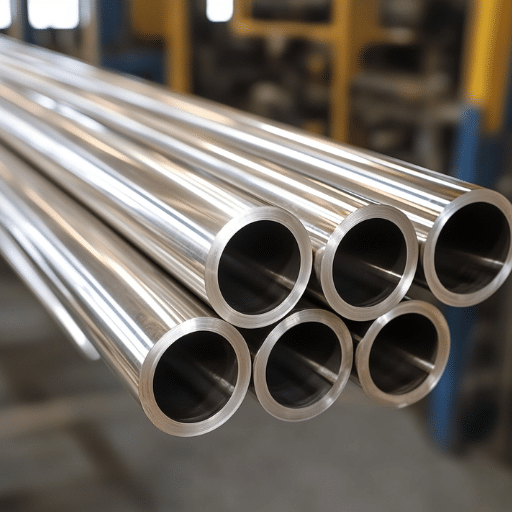
In the case of stainless steel, people often use the terms “tube” and “pipe” interchangeably. Nevertheless, those products have unique features, specifications, and applications that differentiate them, making it necessary to understand their differences. Suppose you are working on an industrial project, an architectural drawing, or a specialized site. In that case, choosing the right option—either a stainless steel tube or a pipe — can reduce your costs and time and also guarantee the product’s good performance. This article will highlight the fundamental differences between stainless steel tubes and pipes, from their physical characteristics to their applications. By the time you finish reading, you will have a good grasp of the criteria for choosing the right one for your needs.
Introduction to Stainless Steel Tubes and Pipes
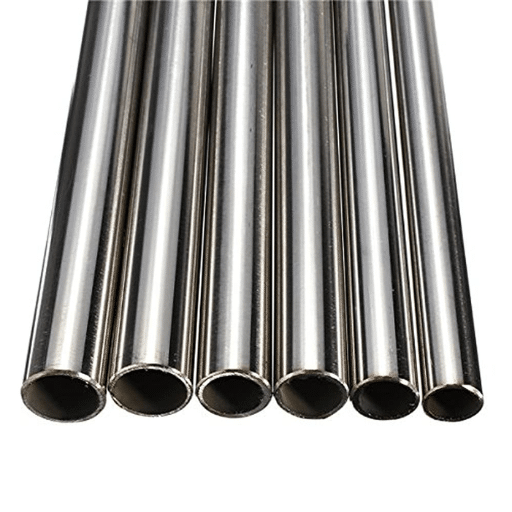
Stainless steel tubes and pipes are essential components across various industries due to their strength, durability, and corrosion resistance. Although they look alike, the functions of tubes and pipes differ completely. Stainless steel tubes are primarily used for applications that require precise measurements and a bright finish, such as architectural designs, medical devices, or automotive parts. Stainless steel pipes, in contrast, are made for the purpose of moving fluids and gases, and, therefore, strength and functionality are the primary concerns rather than the quality of the surface finish. Knowing their different uses can help you make a good choice based on your project’s needs.
Importance of Understanding Differences
Understanding the differences between stainless steel tubes and pipes is essential for several reasons, as it ensures optimal performance, cost savings, and long-term durability. The following are the five main reasons to highlight the importance of these distinctions:
Material Efficiency
Stainless steel tubes are typically produced with more exacting tolerances and exact specifications, making them suitable for the most demanding applications, such as medical devices. On the other hand, the pipes are not only for carrying; their sizes are more a matter of functionality than accuracy.
Application Suitability
Using an inappropriate product for a given application can lead to inefficiency or even failure. An example is where pipes are used in areas that require very accurate, aesthetic finishes; in architectural design, the most beautiful effect will not be produced.
Cost Effectiveness
Due to the functional emphasis in their production, pipes are cheaper than tubes, while the latter are more expensive because of the greater degree of skill and surface finish required. However, recognizing these disparities is key to project economic planning.
Performance Under Pressure
Pipes are designed to withstand very high pressure, such as those for the transfer of industrial fluids or gases. At the same time, tubes are sometimes used in high-pressure environments that require precision rather than pressure tolerance.
Durability and Longevity
The type of engineering applied to tubes and pipes influences their longevity in different ambient conditions. For example, polished tubes will not corrode as easily when used in decorative or clean-room settings, but pipes are designed for harsh, pressurized systems.
Through careful differentiation of these, material selection for the project is done correctly, hence the success.
Overview of Applications in Industry
Tubes and pipes indeed have an indispensable role in various industries, and their use is well-defined and specifically designed to meet operational requirements. Their adaptability and flexibility in design make them crucial components of both industrial and commercial environments.
Manufacturing and Construction
Tubes and pipes in construction are used for structural support, plumbing systems, and HVAC (heating, ventilation, and air conditioning) systems. A report by MarketsandMarkets states that the world construction pipes market is expected to grow at a CAGR of 4.0% and hit $87 billion by 2027. Steel and aluminum pipes, among others, are used to make strong structures and provide tensile strength and durability.
Oil and Gas
Oil and gas are among the industries that use pipes the most. Owing to their specialized manufacturing, pipes are used for upstream, midstream, and downstream activities, such as the transfer of crude oil, natural gas, and finished petroleum products. The size of the global oil and gas pipeline market was around $60.8 billion in 2022, and demand for pipes is anticipated to continue to grow steadily, further confirming their role in energy infrastructure.
Medical and Pharmaceutical
The medical sector is highly dependent on precision-engineered stainless steel or polymer tubes for surgical instruments, catheters, and hypodermic needles. One of the latest trends is the use of biocompatible materials to enhance patients’ safety. A research paper published in the Journal of Biomedical Materials indicates that new tubing solutions are enabling minimally invasive operations with higher success rates.
Aerospace and Automotive
Tubes that can withstand high pressure and heat are essential in the aerospace and automotive industries. Aircraft hydraulic systems require tubing that resists corrosion; the automotive industry must meet stringent emissions regulations, so exhaust systems and fuel transport lines largely depend on pipes. The International Air Transport Association (IATA) predicts an upsurge in demand for lightweight, strong materials, which in turn will stimulate innovations in tube manufacturing.
Food and Beverage
Hygienic-grade tubes are the safest and most convenient way to process and handle food products. Stainless steel, which resists corrosion, is used for processing milk, brewing beer, and producing bottled water worldwide. Food-grade tubing is expected to grow rapidly in production due to the global appetite for clean-label and processed foods, which are the main drivers of this growth.
The above instances are merely the tip of the iceberg, as tubes and pipes are widely used across diverse industries. Creating between state-of-the-art materials and technology paves the way for the development of new applications, ensuring that modern industries are served quickly and in an environmentally friendly way.
Defining Stainless Steel Tubes and Pipes
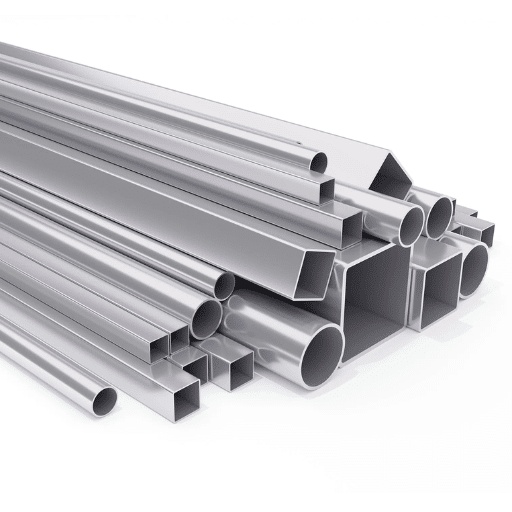
Stainless steel tubes and pipes are the foremost cylindrical components that exhibit strong, corrosion-resistant properties and are composed mainly of iron, chromium, nickel, and other alloying elements, among which nickel enhances their performance. The remarkable properties of these materials make them suitable for a wide range of applications across industries, as they are characterized by long life, heat resistance, and hygienic features.
Key Characteristics
Material Composition
The main ingredient of stainless steel is chromium, which must be above 10.5%. Because chromium forms an inert oxide layer on the steel surface, it is thus rust- and corrosion-resistant. The manufacturing of distinct types of stainless steel, such as austenitic (grades 304, 316), ferritic, and duplex, is done according to their specific purposes.
Corrosion Resistance
The steel pipes and tubes resist corrosion due to environmental factors such as chemicals, water, and air, and thus they are indispensable in harsh conditions such as marine, chemical processing, and pharmaceutical facilities, among others.
Strength and Ductility
Despite being very strong, stainless steel is also very ductile, which is why it can be used to make both heavy loads and intricate designs.
Heat Resistance
The temperature range that these materials can endure is very large as they can take as high as 1500°F (815°C) or even more; accordingly, they are apt for use in heating systems and high-temperature industrial settings.
Applications and Industry Insights
Pipes and tubes made of stainless steel are essential in the construction, automotive, energy, and food processing sectors, among others. The global market for stainless steel tubing in 2022 was around USD 30 billion, and it was expected to grow at a CAGR of 4.5% from 2023 to 2030. The main reasons for this growth are rising energy demand, especially for oil and gas pipelines, and the popularity of eco-friendly building materials.
For instance:
- Oil & Gas Industry: Stainless steel has been the mainstay for pipeline efficiency, as it can withstand high pressure and is resistant to wear.
- Medical Equipment: Excellent stainless steel tubes are used for hypodermic needles and surgical instruments due to their non-corrosive and hygienic qualities.
- Automotive: Its power, longevity, and heat resistance make it indispensable for exhaust systems, fuel lines, and various car parts.
The combination of these factors, along with cutting-edge manufacturing processes such as laser welding and 3D design, ensures that stainless steel tubes and pipes will be the first choice for reliable, contemporary solutions.
What is a Stainless Steel Tube?
A stainless steel tube is a hollow cylinder made from a mixture of metals containing primarily iron, chromium, and nickel and is intended for use in various industries such as construction, automotive, and medical because of its long life, resistance to rust, and different applications.
What is a Stainless Steel Pipe?
A stainless steel pipe is a highly durable, corrosion-resistant material made of cylinders that mainly consist of iron, chromium, and nickel alloys. They are primarily used for the efficient transportation of fluids and gases due to their excellent corrosion resistance and structural integrity.
Key Characteristics of Each
Corrosion Resistance
Stainless steel pipes offer excellent corrosion resistance, which is why they are widely used in demanding environments, such as offshore areas and chemical factories. In addition, chromium forms an invisible layer of chromium oxide on the surface that prevents rust and degradation from penetrating.
Strength and Durability
The tensile strength and durability of stainless steel pipes are nothing short of exceptional, enabling them to withstand high pressures and temperatures. This situation makes them perfect for the oil and gas industry, which is just one of the areas where extreme conditions are frequently encountered.
Hygienic Properties
Bacterial buildup is prevented by stainless steel pipes, which have smooth, non-porous surfaces. For this very reason, medical, food, and pharmaceutical applications where cleanliness is of utmost importance have stainless steel as their preferred piping material.
Thermal and Heat Resistance
The pipes do not lose structural integrity when exposed to high-temperature conditions, so their performance is good under such conditions. One reason for their use in boilers and heat exchangers is that they can withstand high temperatures without risk of damage.
Versatility and Aesthetic Appeal
The facilities that can be combined with stainless steel, with its shiny look, have put it on the list of materials loved in modern architectural designs, household appliances, and decorative purposes. It can be tailored in various forms, finishes, and sizes to meet different needs.
Key Differences in Structure and Manufacturing
Manufacturing Process Comparison
Among the manufacturing processes for carbon steel and stainless steel, numerous methods are all material-specific, with their own requirements and applications. The following are an exhaustive description of the five most prevalent manufacturing processes that are applied to these metals:
1. Casting
Casting is a standard method for both carbon steel and stainless steel production, in which molten metal is poured into molds. Compared to other metals, stainless steel requires more precise temperature control due to its chromium content, which helps ensure alloy formation and defect prevention.
2. Forging
The shaping of metal by the application of compressive forces is called forging. The structural application mainly uses forged carbon steel. In contrast, stainless steel forged parts are destined for high-tech industries such as aerospace and automotive due to the combination of strength and corrosion resistance required in these applications.
3. Rolling
Both hot and cold rolling are standard rolling methods used for both steel types. The carbon steel obtained from hot rolling is for construction-grade use. In contrast, the stainless steel resulting from cold rolling is for polished finishes and close tolerances, for instance, in surgical or kitchen tools.
4. Heat Treatment
Heat treatment is a process that alters the characteristics of the metal. The hardness and tensile strength of carbon steel are increased through heat treatment, while stainless steel pellets undergo annealing to relieve internal stress while maintaining their corrosion resistance.
5. Machining
Milling, turning, and drilling are among the machining processes used for both types of materials. Due to its hardness and tendency to work-harden, stainless steel often requires specialized tools, making machining more difficult than with carbon steel.
The methods mentioned above reflect the versatility of carbon steel and stainless steel applications across different fields while also highlighting the particularities of their production processes.
Diameter and Wall Thickness Variations
In terms of diameters and wall thicknesses, carbon-steel and stainless-steel pipes are very similar, offering considerable latitude for tailoring to various industrial applications. Such alterations are crucial for adjusting pipes’ strength, longevity, and performance in specific cases.
Stainless steel is generally offered in a diameter range of 1/8 inch to 24 inches. It has the same wall thicknesses as the pipe industry specifies for the three schedules mentioned: Schedule 10, Schedule 40, and Schedule 80. Conversely, carbon steel pipe production often goes to even larger sizes, with diameters up to 24 inches or more for industrial use and wall thicknesses that can withstand even the highest-demanding applications, for example, Schedule 120 or Schedule 160.
The case of stainless steel with a 4-inch diameter and Schedule 40 has an approximate wall thickness of 0.237 inches. A carbon steel pipe with the exact dimensions and schedule is likely to have similar properties, but may have higher pressure ratings owing to its mechanical properties.
Today’s manufacturing techniques allow both substances to be produced within the very tight tolerances set by ASTM and ASME standards. The fine-tuning of these specifications not only enables the creation of pipes with the optimum strength-to-weight ratio but also reduces material cost and improves operability in different environment,s including those of high pressure, high temperature, and corrosive nature.
Common Differences Between Stainless Steel Tubes and Pipes
Common Applications of Stainless Steel Tubes
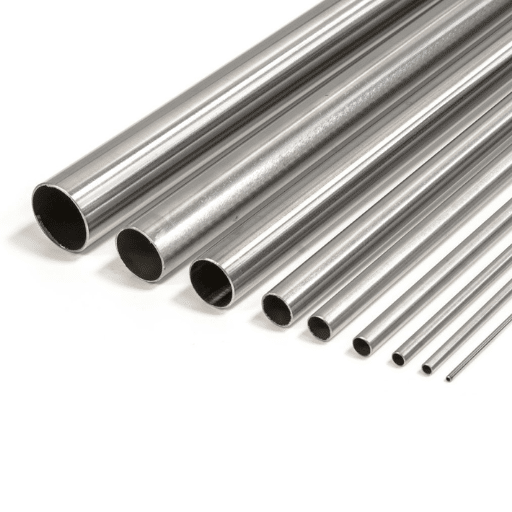
Stainless steel tubes have become the go-to material across several industries because they are strong, highly corrosion-resistant, and versatile. The following paragraphs describe five major applications where the presence of stainless steel tubing is indispensable:
Construction and Architecture
Stainless steel tubes are used in applications that require structural components, such as railings, handrails, and supporting structures. The tubes’ attractive look and ability to withstand harsh environmental conditions make them the first choice for designers of both indoor and outdoor places.
Automotive Industry
These tubes are used in the manufacture of exhaust systems, fuel lines, and hydraulic systems. The performance of stainless steel tubes at extremely high or low temperatures and its ability to withstand the highest pressures ensure that the vehicle is durable and efficient.
Oil and Gas Industry
Stainless steel tubes are essential in pipelines, heat exchangers, and offshore drilling that have to take place with harsh environments. They do not corrode even under the most severe chemical and abusive atmospheric conditions.
Food and Beverage Processing
Non-toxic and hygienic, stainless steel tubes are utilized for the transport of liquids, gases, and food products. Their use is essential for maintaining sanitary conditions, especially in breweries, dairies, and food production facilities.
Medical and Pharmaceutical Applications
Stainless steel tubes are used in the production of surgical instruments, hypodermic needles, and medical devices due to their biocompatibility and precision manufacturing. They also have a significant impact in the pharmaceutical industry, as they are the ones that keep the production facilities sterile.
Industrial Uses of Stainless Steel Tubes
Not to mention, the resistance to corrosion and the ability to withstand high temperatures and pressures make stainless steel tubes very popular among different industries. They are among the five most common uses of stainless steel tubes in the industry:
- 1
Chemical Processing
In chemical processing plants, stainless steel tubes are essential. They carry through them the most dangerous and corrosive chemicals. The resistance to chemical reactions ensures safety and long working life in very demanding environments.
- 2
Oil and Gas Industry
Stainless steel tubes are a must-have material in oil and gas for piping, drilling, and even offshore platforms. They are capable of handling the most challenging and most critical environments, thus performing reliably.
- 3
Power Generation
The whole power generation industry, including nuclear and thermal power plants, depends on stainless steel tubes for heat exchangers, boilers, and other critical components. These tubes are effective heat conductors and resist scaling even in high-temperature zones.
- 4
Automotive Manufacturing
In the manufacture of exhaust systems, structural parts, and fuel-line tubes, stainless steel has been widely used in automobiles. This is due to the material’s structural properties and corrosion resistance, which are well-suited to demanding operating conditions.
- 5
Aerospace Industry
The aerospace industry uses stainless steel tubes in hydraulic circuits, fuel transfer systems, and aircraft structures. Their high strength-to-weight ratio and ability to handle extreme temperatures make them a preferred option.
Applications in Construction and Infrastructure
Stainless steel tubes have many advantages, due to which they got popular in the construction and infrastructure industries as they are reliable, do not easily rot, and give a nice look. The list below shows five major applications of this material in the sector:
- Structural Frameworks
Stainless steel tubes give the necessary support in the building frameworks and are strong and rigid. They are mainly used in modern architecture, where strength and design go hand in hand. - Handrails and Balustrades
These tubes are the first choice for making handrails, balustrades, and guardrails because of their attractive appearance and ability to withstand the effects of nature and wear over time. - Water Distribution Systems
Stainless steel tubes are used in plumbing and water distribution systems because of their corrosion resistance, which keeps water clean and safe as it flows without contamination. - Bridges and Railways
The material’s longevity and its ability to withstand high loads and environmental challenges made it a primary choice for bridge and railway construction. - Facade and Cladding Systems
Stainless steel tubes are frequently used in facade and cladding systems, as they not only enhance the building’s appearance but also provide strong support.
Advantages of Using Tubes in Specific Projects
✓ Durability and Longevity
Stainless steel tubes have a remarkable ability to withstand corrosion, rust, and very harsh weather conditions; hence, they are ideal for long-term structural projects. For instance, research indicates that buildings made of stainless steel can be over 50 years old with very little maintenance, thereby significantly reducing lifecycle costs.
✓ High Strength-to-Weight Ratio
Stainless steel tubes have a very high strength-to-weight ratio and thus they provide excellent support but at a lighter weight overall. This is a great benefit for big projects like skyscrapers or bridges, where both very strong and very light materials are needed.
✓ Environmental Sustainability
Stainless steel can be fully recycled, and most stainless steel products contain about 60% recycled material. This makes it a very green choice for projects that want to align with the environmental agenda and lower their carbon emissions.
✓ Versatility in Design
The ease of shaping stainless steel tubes opens new possibilities in architectural design. Their flexibility allows them to be applied in even the most complicated and tailored elements like bent facades or complex frameworks, hence, enabling the architects to implement the most colorful and one-of-a-kind ideas.
✓ Ease of Maintenance
Stainless steel does not need to be cleaned or maintained much at all, because its smooth surface prevents dirt, spills, and stains from sticking. This quality is beneficial for projects such as water supply systems and public works, where cleanliness and sanitation are essential.
Typical Uses for Stainless Steel Pipes
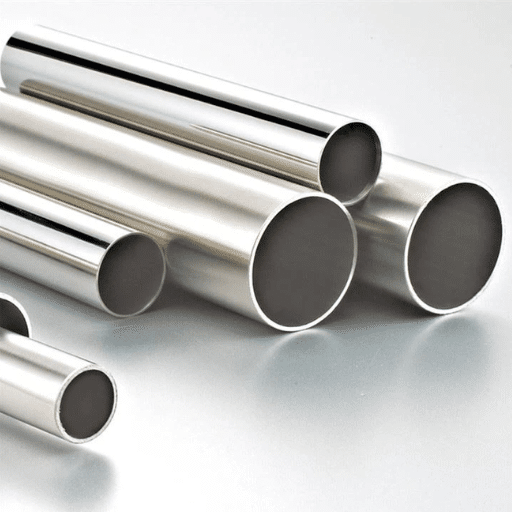
Plumbing and Water Distribution Systems
Stainless steel pipes have become the frontrunners in plumbing systems for both residential and commercial areas because of their long-lasting durability and resistance to rust and most bacteria. They guarantee a safe, dirt-free water supply, which is why they are considered the best material for drinking water systems.
Food and Beverage Industry
The use of stainless steel pipes in the food and beverage industry is crucial for maintaining high hygiene standards. They are the perfect channel for liquids such as milk, juices, and other food-grade materials, with no contamination risk.
Oil and Gas Industry
Stainless steel pipes that withstand the most severe temperatures and corrosion are the only ones capable of transporting oil, gas, and other fluids in both offshore and onshore environments. They are most efficient in situations with very high pressure.
Chemical Processing Plants
The chemical industry has much to gain from stainless steel pipes that are immune to harsh chemicals and high temperatures. These pipes are also a perfect choice for the cautious, discreet transport of hazardous or reactive substances.
Construction and Architecture
Stainless steel pipes in construction serve not only utility but also inspire creativity, with their extensive use for structural supports, railings, and decorative elements. Their aesthetics and strength combined make them perfect for the contemporary architectural design.
Applications in Fluid Transport
The use of stainless steel pipes is indispensable across various sectors for the smooth and secure flow of fluids. This is due to their long life, resistance to rust, and high-pressure tolerance, which makes them suitable for a wide range of fluid transport functions. Here are the five most important applications:
1
Water Distribution Systems
Stainless steel pipes are the choice in municipalities for clean water distribution. They not only keep the water safe from potential contamination but also ensure that the pipes form part of an infrastructure that lasts for many years.
2
Oil and Gas Transport
The pipelines are indispensable links in the trade of crude oil, natural gas, and other petroleum products. Their ability to withstand extremely high pressures and to handle corrosive materials makes them a trustworthy outlet.
3
Food and Beverage Processing
Stainless steel pipes are the everyday choice in the dairy, brewing, and beverage sectors for transporting products such as milk, beer, and juice. Their non-toxic nature is what allows good adherence to food safety rules.
4
Chemical Processing
Corrosive and reactive materials are processed in industries that rely solely on stainless steel piping systems for safe and efficient fluid handling, even under severe conditions.
5
Pharmaceutical and Biomedical Applications
Stainless steel pipes are essential for transporting purified water, pharma-grade liquids, and other delicate fluids in drug production. That is why the smoothness of their inner surface and their resistance to contamination are key factors in maintaining the product’s purity.
Role in Piping Systems
Stainless-steel pipes are vital components of piping systems across almost all industrial and commercial sectors. Their corrosion resistance, their ability to withstand extreme conditions, and their cost-effectiveness render them a necessity. Here we discuss five primary roles of stainless steel pipes in the piping systems:
①
Corrosion Resistance
Stainless steel pipes do not corrode from acids, moisture, or other environmental factors, ensuring they last a long time and remain reliable in both industrial and residential applications.
②
High-Pressure Tolerance
These pipes can withstand very high pressure, which is one of the reasons they are used in the oil and gas sector, where fluids are transported under high pressure.
③
Temperature Resistance
The steel maintains its strength and durability even under extreme heat, making it ideal for both cryogenic and high-temperature environments.
④
Hygiene and Cleanliness
The non-porous, smooth surface of steel prevents microorganisms and hazardous substances from adhering to it, which is why it is essential in industries that involve food, drinks, and drugs.
⑤
Low Maintenance and Longevity
Stainless steel pipes require very little maintenance due to their resistance to rust and wear, thereby reducing overall operational costs in the long term.
These traits explain why stainless steel pipes are the first choice in modern piping systems across so many sectors.
Benefits of Stainless Steel Pipes in Various Industries
References
Tubacex America
Website: tubacexamerica.com
Description: Tubacex is a leading manufacturer of stainless steel and high-alloyed tubular products. Their website provides detailed insights into the differences and applications of stainless steel tubes and pipes.
Industrial Metal Supply
Website: industrialmetalsupply.com
Description: A trusted supplier of metal products, Industrial Metal Supply offers a blog with in-depth explanations of steel tube and pipe differences, including their applications.
Ryerson
Website: ryerson.com
Description: Ryerson is a leading distributor and processor of metals. Their resources section provides professional insights into metal products, including tubes and pipes.
Frequently Asked Questions (FAQ)
❓ What are the essential differences between stainless steel pipe and tube?
Mainly, the distinction between stainless steel pipe and tube revolves around their function and measurements. Pipes are characterized by nominal pipe size (NPS) and are primarily used to convey fluids and gases. On the contrary, tubes are assessed by their outside diameter (OD) and wall thickness (WT), hence they are suitable for precision applications and structural uses.
❓ Manufacturing methods for stainless steel pipes and tubes —how are they different?
The manufacturing process of stainless steel pipe generally utilizes either a seamless or a welded construction method. Stainless steel tubes can also be produced using these techniques. Still, they are typically intended for more precise dimensions and often come with stricter tolerances than pipes, which in turn can influence their applications.
❓ What are the applications of stainless steel pipes?
Stainless steel pipes are widely used in sectors that demand durability and corrosion resistance, such as the installation of piping systems for moving fluids and gases. They are also critical in applications with strength requirements and, due to their robust nature, are frequently used for structural purposes.
❓ What is the impact of outer diameter and wall thickness on the application of stainless steel tubes?
The outer diameter and wall thickness of stainless steel tubes play a crucial role in determining their strength, flexibility, and, hence, their appropriate applications. Usually, tubes of such precise dimensions are used in engineering and manufacturing, where high tolerances are required, while those with larger diameters might be used in structural applications.
❓ In the case of stainless steel pipe and tube, can they be used interchangeably?
It is true that in some cases the terms stainless steel pipe and tube can be used interchangeably, but they still have different functions. Stainless steel pipes are usually circular in shape and specified by nominal pipe size. At the same time, tubes can also be square or rectangular and are measured by their outside diameter and wall thickness.
❓ What are the common differences between stainless steel pipe and tube regarding corrosion resistance?
Stainless steel pipes and tubes both have impressive corrosion resistance, yet the specific grade of stainless steel can be a determining factor in their efficiency. For instance, austenitic stainless steel is highly corrosion-resistant, making it suitable for both pipes and tubes in extreme conditions.
❓ What is meant by pipe schedule, and what is its importance in the case of stainless steel pipes?
Pipe schedule designates the wall thickness of pipelines and plays a vital role in determining their pressure rating and durability. It gives users the option to choose a pipe size suitable for the application, ensuring the stainless steel pipe can withstand the required pressures and conditions.
❓ Which industries are dependent on stainless steel tubing for precision applications?
Aerospace, automotive, and medical industries are among those that heavily depend on stainless steel tubing for precision applications. These markets need materials with peculiar properties and excellent wear resistance which is why stainless steel tubing is a perfect fit for parts that need to operate with precision in demanding conditions.
❓ What is the effect of dimensional tolerance on the use of stainless steel pipes?
Dimensional tolerance is of utmost importance when selecting stainless steel pipes for specific applications. Pipes with tighter tolerances may be necessary for high-pressure systems, while those with looser tolerances are often used in less demanding environments. Understanding these tolerances ensures the correct pipe is selected for safe, effective operation.