


Blog
Precipitation Hardening Stainless Steel: Complete Technical Guide

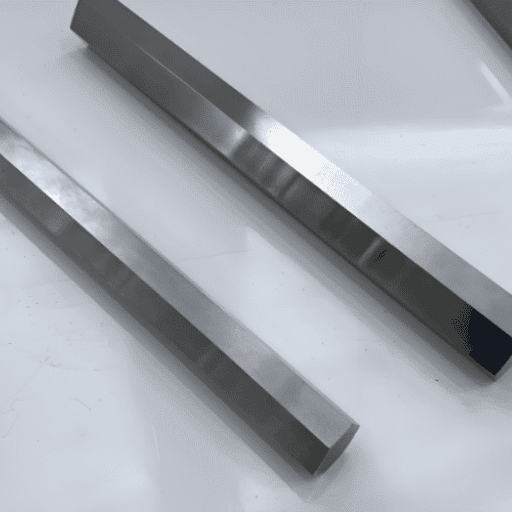
When strength, durability, and corrosion resistance are absolute requirements, precipitation-hardening stainless steels deliver exceptional performance. These advanced materials have revolutionized industries from aerospace to medical devices, offering unmatched versatility and reliability. This comprehensive guide explores the properties, processing techniques, and advantages of precipitation-hardened stainless steels, providing engineers, manufacturers, and technical professionals with the knowledge needed to make informed material selection decisions.
Understanding Precipitation Hardening

Precipitation hardening, also known as age hardening, is a specialized heat treatment process applied to specific metals and alloys to enhance their strength characteristics dramatically. This metallurgical technique has become fundamental in producing high-performance components across multiple industries.
The Three-Stage Process
The precipitation hardening process encompasses three critical stages, each carefully controlled to achieve optimal material properties:
- Solution Treatment: The material is heated to elevated temperatures to dissolve solute elements uniformly into the base metal, creating a homogeneous solid solution.
- Quenching: Rapid cooling (typically in water or oil) traps the solute atoms in a supersaturated state, preventing premature phase separation.
- Aging: Controlled reheating to moderate temperatures allows fine precipitates to form, which impede dislocation movement and dramatically increase strength and hardness.
Basic Principles of Precipitation Hardening
Precipitation hardening applies to various alloy systems including aluminum, stainless steel, titanium, and nickel-based materials. The process relies on precise temperature control and timing to optimize mechanical properties for specific applications.
Solution Treatment and Quenching
During solution treatment, the metal alloy reaches temperatures where alloying elements fully dissolve into the base metal, forming a uniform solid solution. Rapid quenching maintains this supersaturated state by preventing the formation of coarse precipitates, setting the stage for controlled precipitation during aging.
Aging Process
The aging stage can occur through two methods:
- Natural Aging: Occurs at room temperature over extended periods
- Artificial Aging: Performed at elevated temperatures for faster, more controlled results
The fine precipitates that form during aging act as obstacles to dislocation movement, significantly increasing both hardness and strength. In aluminum alloys such as Al-Cu, GP zones, θ”, and θ’ precipitates play crucial roles in material strengthening.
Latest Developments and Applications
Recent research emphasizes the critical importance of optimizing aging temperatures and durations to maximize strength and durability. For aluminum alloy 7075, studies demonstrate that artificial aging at approximately 120°C for 24 hours provides an optimal balance, achieving tensile strengths up to 600 MPa with enhanced fatigue resistance. Similarly, advances in titanium alloys show that aging treatments between 400-600°C deliver excellent corrosion resistance while maintaining superior mechanical properties for aerospace applications.
Modern Industrial Applications
- Aerospace components utilizing precipitation-hardened aluminum and titanium alloys for aircraft frames and engines
- Medical devices and surgical instruments requiring exceptional corrosion resistance and structural stability
- High-performance tooling and precision instruments demanding superior strength-to-weight ratios
- Automotive components subject to extreme stress and environmental conditions
The Heat Treatment Process
Heat treatment is fundamental to achieving the desired characteristics in precipitation-hardening materials. This carefully controlled sequence of thermal operations enables engineers to tailor material properties for specific applications.
Key Terminology and Concepts
Understanding the fundamental terminology associated with precipitation hardening and heat treatment processes is essential for proper material selection and processing.
Annealing
Annealing is a heat-treatment process used to soften materials, enhance ductility, and relieve internal stresses. The process involves heating to a specific temperature, maintaining that temperature for a predetermined duration, and controlled slow cooling. Modern annealing technology employs controlled atmospheres to prevent oxidation, enabling precise temperature management. Metallurgical research demonstrates that properly annealed materials can exhibit ductility improvements of up to 30% compared to unprocessed material.
Quenching and Tempering
The quenching and tempering sequence involves rapid cooling followed by controlled reheating to optimize hardness, strength, and toughness. Quenching media selection depends on desired material properties and includes:
- Water (fastest cooling rate)
- Oil (moderate cooling rate)
- Polymer-based solutions (controlled, uniform cooling)
Recent studies have identified polyalkylene glycol (PAG) as highly effective due to its uniform cooling rates and reduced risk of cracking. Properly tempered steels can achieve tensile strengths up to 1,200 MPa for demanding applications.
Stress Relieving
Stress relieving is a thermal process that reduces residual stresses accumulated during manufacturing operations such as welding and machining. Operating within the material’s transformation range, this process ensures optimal dimensional stability. Aerospace industry research shows that stress-relieved components exhibit approximately 40% reduction in residual stress, significantly extending fatigue life.
Microstructure Optimization
Material microstructure profoundly influences mechanical properties including strength, hardness, and impact resistance. Advanced scanning electron microscopy enables precise microstructural analysis and optimization. Recent innovations in grain refinement have achieved strength increases of 20% without compromising toughness.
Hardness Testing
Hardness testing measures material resistance to deformation or scratching. The most widely adopted methodologies include:
- Brinell Test: Measures indentation diameter under applied load
- Rockwell Test: Determines hardness through indentation depth
- Vickers Test: Uses diamond pyramid indenter for precise measurements
Modern portable digital hardness testers enable in-situ measurements with ±3% accuracy, becoming indispensable for quality control in construction and automotive industries.
Types of Precipitation Hardening Stainless Steels

Precipitation hardening stainless steels (PH stainless steels) are specialized alloys that achieve exceptional hardness and corrosion resistance through controlled heat treatment. Three primary categories exist based on their microstructure and hardening mechanisms.
1. Martensitic PH Stainless Steels
Martensitic precipitation-hardening stainless steels feature a martensitic matrix that provides exceptional strength with moderate corrosion resistance. The most widely used grade is 17-4 PH (UNS S17400), containing approximately 17% chromium and 4% nickel, plus copper and niobium for precipitation hardening.
Mechanical Properties
- Yield Strength: Up to 1100 MPa (160 ksi)
- Tensile Strength: 1180–1310 MPa (171–190 ksi)
- Elongation: 6–15%
Applications
- Aerospace components
- Nuclear waste casks
- High-performance valves and shafts
2. Austenitic PH Stainless Steels
Austenitic PH stainless steels maintain an austenitic structure throughout heat treatment, making them particularly suitable for high-temperature applications. A-286 (UNS S66286) is a prominent example in this category.
Mechanical Properties
- Yield Strength: 860–965 MPa (125–140 ksi)
- Tensile Strength: 950–1035 MPa (138–150 ksi)
- Elongation: 20–30%
Applications
- Gas turbines
- Jet engines
- High-temperature fasteners and springs
3. Semi-Austenitic PH Stainless Steels
Semi-austenitic precipitation hardening stainless steels, such as 17-7 PH (UNS S17700), combine characteristics of both martensitic and austenitic steels. These alloys require more complex heat treatment involving cold working and aging steps to achieve their full strength potential.
Mechanical Properties
- Yield Strength: Up to 1030 MPa (149 ksi)
- Tensile Strength: 1310 MPa (190 ksi)
- Elongation: 5–12%
Applications
- Aerospace diaphragms
- Bellows assemblies
- Precision retaining rings
💡 Selection Guidance: Each type of PH stainless steel offers distinct advantages. Selection depends on specific application requirements including strength, corrosion resistance, and operating conditions. Understanding these differences enables engineers to make informed material choices that efficiently meet industry standards.
Common Grades of PH Stainless Steel
Precipitation Hardening stainless steels encompass several specialized grades, each engineered for specific performance requirements. The following comprehensive comparison highlights the most prevalent grades and their characteristics.
🎯 Selection Strategy
Project success depends on selecting the appropriate PH stainless steel grade. Each grade offers a unique combination of strength, corrosion resistance, and thermal stability. Base your selection on specific project specifications to ensure optimal performance and longevity.
15-5 PH Stainless Steel
15-5 PH stainless steel is a martensitic precipitation-hardening alloy delivering outstanding mechanical and corrosion-resistant properties. Developed as an enhanced alternative to 17-4 PH, this alloy offers superior transverse properties and improved ductility while maintaining exceptional performance in extreme conditions including high-pressure and elevated-temperature environments.
📊 Composition
- Chromium (Cr): 14-15.5%
- Nickel (Ni): 3.5-5.5%
- Copper (Cu): 2.5-4.5%
- Additional: Mn, Si, trace elements
💪 Mechanical Properties
- Yield Strength: ~1050 MPa (152,000 psi)
- Tensile Strength: ~1205 MPa (175,000 psi)
- Elongation: Approximately 15%
- Hardness: Up to 45 HRC post-treatment
🛡️ Corrosion Resistance
- Highly resistant to atmospheric conditions
- Performs well in mild chemical environments
- Comparable to 304 stainless steel
- Not suitable for highly acidic or chloride-heavy environments
🌡️ Temperature Stability
- Maintains stability up to 600°F (316°C)
- Suitable for elevated temperature applications
- Retains mechanical properties under thermal stress
Heat Treatment Capabilities
The precipitation hardening process enables 15-5 PH stainless steel to achieve exceptional combinations of strength, toughness, and corrosion resistance. Multiple heat-treated variants are available to meet diverse application requirements:
- H900: Maximum hardness and strength
- H1025: Balanced strength and corrosion resistance
- H1150: Enhanced toughness with good corrosion resistance
Typical Applications
✈️ Aerospace
Fuel tanks, fasteners, and structural parts requiring high strength-to-weight ratios
⚕️ Medical
Surgical instruments and orthopedic implants demanding biocompatibility
🛡️ Defense
Missile components and armor plating for military applications
🏭 Petrochemical
Valves, pump shafts, and oil field equipment components
✅ Key Advantage: With its combination of hardness, strength, and wear resistance, 15-5 PH stainless steel remains a crucial material for high-performance demanding industries. Its excellent machinability and weldability make it a versatile, manufacturer-friendly choice.
17-4 PH Stainless Steel
17-4 PH stainless steel is a precipitation-hardening martensitic stainless steel combining exceptional strength with excellent corrosion resistance while retaining superior mechanical properties at elevated temperatures. Its reliability and versatility make it one of the most widely used materials across the aerospace, chemical, petrochemical, and food processing industries.
Key Properties
High Strength and Hardness
Tensile strength ranging from 1000 MPa to 1600 MPa, depending on heat treatment, enabling use in high-stress applications and demanding environments.
Corrosion Resistance
Highly resistant to stress-corrosion cracking and general corrosion in most environments, performing exceptionally well in mildly corrosive and marine conditions.
Thermal Stability
Retains mechanical properties up to 600°F (316°C), making it suitable for moderately elevated-temperature applications.
Weldability and Machinability
Among martensitic steels, 17-4 PH is relatively easy to weld and machine, providing excellent options for complex designs and intricate geometries.
Tailored Properties Through Aging
Heat treatment to various conditions (H900, H1025, H1075, H1150) allows customization of strength and toughness for specific application requirements.
Chemical Composition
Heat Treatment Process
The controlled aging treatment gives 17-4 PH its unique properties through a precisely managed sequence:
- Solution Treatment: Heat to approximately 1900°F (1038°C) to dissolve alloying elements uniformly
- Quenching: Rapid cooling to trap elements in supersaturated solid solution
- Aging: Reheat to specific temperatures to achieve desired strength and toughness levels
Common Heat Treatment Conditions
- Condition H900: Provides highest hardness and tensile strength for maximum performance applications
- Condition H1150: Delivers balanced corrosion resistance and toughness with slightly reduced hardness
Mechanical Properties (Condition H900)
Tensile Strength
1310 MPa
(190 ksi)
Yield Strength
1170 MPa
(170 ksi)
Hardness
~44 HRC
(Rockwell C)
Elongation
~10%
(at break)
Common Applications
✈️ Aerospace
Engine components, turbine blades, and structural parts require high strength and corrosion resistance in demanding environments.
🏭 Industrial Equipment
Shafts, gears, and fasteners used in machinery subjected to continuous wear and mechanical stress.
⚕️ Medical Devices
Surgical tools, orthopedic pins, and implant components requiring biocompatibility and exceptional durability.
🛢️ Oil and Gas
Pump shafts, valve parts, and drilling equipment are enduring high pressures and corrosive environments.
🍽️ Food Processing
Mixers, conveyors, and components used in highly sanitized environments where corrosion resistance is critical.
🏆 Advantages Over Other Stainless Steels
The combination of high strength, excellent corrosion resistance, and customization capabilities makes 17-4 PH superior to many alternatives. It provides better performance in harsh conditions than ordinary austenitic steels like 304 or 316 stainless steel. Its proven track record across demanding industries confirms its status as a material of choice for reliability and engineering excellence.
Applications Across Industries
The exceptional combination of high strength, corrosion resistance, and the ability to withstand harsh conditions makes precipitation-hardened stainless steels highly sought after across diverse industrial sectors. The following sections explore key applications demonstrating the versatility and critical role of these materials.
Aerospace Applications
17-4 PH stainless steel is favored in aerospace engineering due to its remarkable strength, corrosion resistance, and ability to maintain mechanical properties under extreme operating conditions.
🛩️ Aircraft Structural Components
Utilized in wing and fuselage frames where optimal strength-to-weight ratio ensures structural longevity and performance reliability.
🛬 Landing Gear Systems
Primary material for landing gear assemblies due to exceptional stress tolerance and resistance to impact forces, wear, and environmental corrosion.
🔥 Engine Components
Ideal for turbine blades and compressor parts exposed to high temperatures and pressures, ensuring reliable performance and extended service life.
🔩 Fasteners and Bolts
High-strength aerospace fasteners, bolts, and nuts maintaining secure connections even under highly dynamic operating conditions.
🔧 Aerospace Tooling
Material of choice for precision aerospace tooling and jigs due to excellent machinability and dimensional stability under extreme stress.
Automotive Industry Benefits
🚗 Durability Under Stress
17-4 PH stainless steel’s high strength and hardness make it ideally suited for automotive components subjected to heavy mechanical stress, including gears, shafts, and fasteners.
Performance Data: 17-4 PH components exhibit approximately 50% longer fatigue life than standard stainless steels.
🛡️ Corrosion Resistance
Primary characteristic ensuring the continued functionality of parts in harsh environments, including salty or humid conditions faced by coastal vehicles.
Cost Savings: Research indicates corrosion-resistant materials can reduce annual vehicle maintenance costs by up to 20%.
⚖️ Lightweight Design Potential
Excellent strength-to-weight ratio enables manufacturers to design lighter components while maintaining performance standards, thereby improving fuel economy and compliance with strict emissions regulations.
⚙️ Precision Machining and Finish
Exceptional machinability allows production of intricate, exact components including injection systems and turbochargers. High-quality surface finish reduces wear and increases operational reliability throughout the component lifecycle.
🌡️ High-Temperature Applications
RetryY
Capability to withstand elevated temperatures makes 17-4 PH ideal for engine components, exhaust systems, and other high-heat environments.
Temperature Performance: Material retains mechanical properties even at temperatures exceeding 600°F (315°C).
Medical Device Manufacturing
17-4 PH stainless steel plays a critical role in medical device manufacturing with its incomparable strength, corrosion resistance, and biocompatibility. The material is extensively used in surgical instruments, orthopedic implants, and dental devices due to its ability to maintain integrity under physiological stress.
🔬 Key Medical Applications
- Surgical instruments requiring exceptional durability and precision
- Orthopedic implants demanding biocompatibility and long-term stability
- Dental devices exposed to corrosive bodily fluids
- Sterilization-resistant components for autoclaving processes
💪 Tensile Strength Performance
Industry analysis confirms that tensile strength in the H900 condition ranges from 170,000 to 190,000 psi, making it the preferred material for high-performance medical applications.
🖨️ Advanced Manufacturing
Latest breakthroughs emphasize precision machining and additive manufacturing for creating 17-4 PH medical devices, with 3D printing enabling patient-specific customized implants.
📈 Efficiency Gains
Research indicates a 20% increase in manufacturing efficiency when using 17-4 PH for complex medical parts, demonstrating its cost-effectiveness and production advantages.
🏥 Healthcare Innovation: These technological advancements, combined with 17-4 PH stainless steel’s inherent properties, underscore its indispensable role in advancing healthcare technologies and improving patient outcomes.
Additional Industry Applications
🛢️ Oil & Gas Sector
Construction of valves, pumps, and machinery functioning in harsh conditions requiring chemical resistance and mechanical reliability.
🏭 Chemical Processing
Reactors, heat exchangers, and processing equipment operating under harsh chemical and high-pressure conditions.
🌊 Marine Industry
Components for marine hardware, offshore platforms, and coastal structures demanding superior corrosion resistance.
⚡ Power Generation
Gas turbine components and power plant equipment requiring thermal stability and long-term durability.
Advantages Over Other Stainless Steels
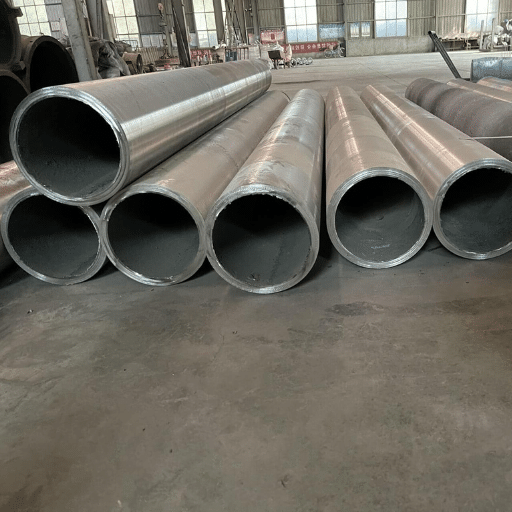
Precipitation-hardening stainless steels offer numerous advantages over conventional stainless steel grades, making them the preferred choice for demanding applications that require exceptional performance.
Comparison with Austenitic Stainless Steels
Understanding the differences between precipitation hardening and austenitic stainless steels helps engineers select the optimal material for specific applications.
Benefits of Martensitic Stainless Steels
💎 Exceptional Strength and Hardness
Martensitic stainless steels like 17-4 PH provide exceptional strength and hardness, making them ideal for applications that demand maximum durability and wear resistance in the aerospace, medical, and manufacturing sectors.
🛡️ Strong Corrosion Resistance
While not matching the corrosion resistance of austenitic grades, martensitic stainless steels deliver robust corrosion resistance in moderate moisture and chemical environments, making them suitable for surgical tools and marine hardware.
⚙️ Heat Treatment Versatility
Customizable heat treatment allows engineers to tailor mechanical properties ranging from maximum hardness to balanced toughness, adapting components to specific performance requirements.
🔄 Superior Fatigue Strength
Martensitic stainless steels excel under cyclic stresses, offering unmatched fatigue strength for turbine blades, springs, and fasteners in demanding operational environments.
🔧 Enhanced Machinability
After annealing treatment, martensitic grades like 17-4 PH are easier to machine than many alternatives, reducing machining time and costs while enabling production of complex precision parts.
Unique Properties of PH Stainless Steel Alloys
⚡ High Strength-to-Weight Ratio
Precipitation-hardening stainless steel alloys possess exceptional strength-to-weight ratios ideal for aerospace, automotive, and structural applications. Heat treatment processes can achieve tensile strengths approaching 1900 MPa (275 ksi).
🌊 Outstanding Corrosion Resistance
PH stainless steels excel in corrosion resistance across demanding environments. Grades like 17-4 PH resist general corrosion, pitting, and stress-corrosion cracking, ensuring longevity in the marine and chemical processing industries.
🎯 Tailorable Mechanical Properties
Controlled heat treatment processes enable engineers to customize hardness and strength for specific applications. Aging processes can set hardness values between H900 and H1150.
🔗 Excellent Weldability
Several PH stainless steels, including 13-8 Mo and 15-5 PH, weld easily using standard techniques (TIG and MIG). Low post-weld deformation and cracking facilitate the fabrication of complex assemblies.
🔥 Thermal Stability
These alloys maintain excellent mechanical properties at elevated temperatures. 17-4 PH performs reliably in corrosion-resistant applications up to 600°F (316°C), making it appropriate for gas turbines and power plants.
Challenges and Considerations
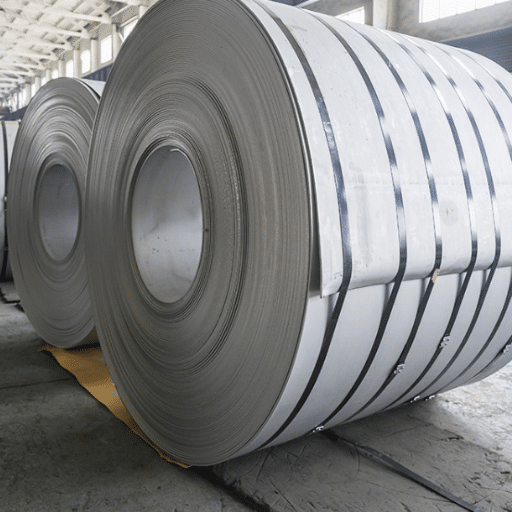
While precipitation-hardening stainless steels offer numerous advantages, they also pose specific challenges that require careful attention during material selection, processing, and application. Understanding these limitations ensures optimal performance and longevity.
⚠️ Stress Corrosion Cracking (SCC) Susceptibility
PH stainless steels, particularly 17-4 PH, are susceptible to stress corrosion cracking in chloride-rich environments. This represents the primary failure mode in marine or coastal applications unless protective measures are implemented.
Critical Threshold: Research indicates SCC initiation occurs when applied tensile stress exceeds approximately 60-100 MPa, depending on environmental factors. Protective coatings or controlled operating conditions are essential for chloride exposure scenarios.
🌡️ Heat Treatment Sensitivity
Heat treatment critically affects the mechanical characteristics of PH alloys. Non-uniform heating can result in inadequate hardness levels or phase imbalances, compromising performance.
Precision Requirements: 17-4 PH requires approximately 900°F (482°C) accurate aging for peak-strength H900 conditions. Temperature variations can lead to excessive aging or reduced ductility, emphasizing the need for precise temperature control systems.
💰 Cost Implications
Specialized heat treatments and alloying elements like copper and niobium increase production and processing costs for PH stainless steels.
Market Trends: Market research data shows raw material prices for these alloys have increased approximately 8-12% over the past year, primarily due to commodity price fluctuations affecting alloying elements.
📏 Dimensional Stability
Thermal cycling or prolonged exposure to varying temperatures can cause slight deformation or dimensional instability in PH steels.
Performance Data: Research indicates that 17-4 PH may contract by approximately 0.05% during extended cycles at 600°F (316°C), potentially requiring recalibration of precision components.
🔧 Machinability Challenges
Despite being more favorable than some alloys, machining PH stainless steels remains challenging due to their age-hardened state, requiring specialized approaches.
Machining Parameters: Carbide tools and low-speed settings are necessary for tool longevity. Cutting rates between 80-120 SFM (surface feet per minute) optimize tool durability when machining H900-aged 17-4 PH.
Limitations of Precipitation Hardening
Despite numerous advantages, precipitation hardening stainless steels have inherent limitations that must be carefully evaluated for critical applications.
🌊 Chloride Environment Limitations
In environments with chloride concentrations exceeding 1000 ppm and temperatures above 100°F, materials like 17-4 PH may develop cracks, reducing reliability in marine or chemical processing applications.
Mitigation: Use protective coatings or alternative alloys for high-chloride exposures.
🔥 Temperature Range Constraints
PH alloys generally maintain maximum strength and hardness only within limited temperature ranges. Above 600°F (316°C), 17-4 PH requires slow cooling to avoid over-aging that weakens and reduces toughness.
Result: Not suitable for high-temperature applications like gas turbines or furnace components.
⚗️ Complex Heat Treatment
Achieving the desired mechanical properties requires sophisticated, expensive heat-treatment procedures. Incorrect aging temperatures or durations result in incomplete precipitation of strengthening phases.
Sensitivity: Temperature variations of ±10°F during aging can cause significant hardness differences affecting critical applications.
🔨 Machining Complexity
Even with superior strength-to-weight ratios, machining fully hardened PH stainless steels presents challenges. Advanced tools, slower feed rates, and special cutting fluids may be necessary.
Impact: Machining fully aged 17-4 PH at 50-80 SFM results in longer production times than with easier-to-machine materials.
🎯 Selection Strategy: Understanding these limitations is crucial for proper materials selection in demanding applications. Engineers must carefully balance trade-offs among strength, corrosion resistance, cost, and machinability. Some limitations can be addressed through post-treatment processes or by selecting alternative alloys.
Considerations in Heat Treatment
Heat treatment is the central process enabling precipitation-hardened stainless steels to achieve optimized properties including mechanical performance and corrosion resistance. Each of the three main stages requires strict monitoring to yield desired material characteristics.
1️⃣ Solution Annealing
This procedure raises the alloy’s temperature to 1900°F–2150°F (1040°C–1175°C), depending on the specific alloy. The process dissolves precipitates into solid solution, homogenizing the material structure.
Critical Factors: Precise temperature control is essential. Overheating may cause grain coarsening; underheating may not fully dissolve undesirable phases.
2️⃣ Quenching
The solid solution formed during annealing is retained through rapid cooling of the metal, typically in water or air. Quenching prevents tungsten, molybdenum, and nickel from repositioning, preparing the material for aging.
Risk Management: Improper quenching techniques may result in internal stress or unintended phase transformations.
3️⃣ Aging
Aging involves reheating to lower temperatures, from 900°F–1150°F (480°C–620°C), depending on alloy type. This enables hardening via the formation of intermetallic compounds or carbides.
Precision Requirements: Temperature and duration must be exact; excessive aging may reduce toughness.
🔬 Optimized Heat Treatment Schedules
Modern research shows that optimized heat-treatment schedules tailored to specific applications can significantly enhance performance.
Example: 17-4 PH stainless steel aged at 1022°F (550°C) for 4 hours yields hardness peaks of approximately 40-45 HRC, providing an excellent combination of strength and toughness.
⚙️ Advanced Supplementary Techniques
Contemporary research highlights the role of secondary techniques that can refine grain structures and improve fatigue life:
- Cryogenic Treatment: Sub-zero temperature processing for enhanced dimensional stability
- Additional Tempering: Supplementary heat treatment for optimized toughness
- High-Performance Industries: These techniques are increasingly adopted in the aerospace and energy sectors
🎯 Critical Success Factor: Understanding these parameters is essential for ensuring heat treatment of precipitation-hardened stainless steels aligns with application requirements, achieving an optimal balance of strength, durability, and corrosion resistance.
Frequently Asked Questions (FAQ)
❓ What is precipitation hardening in stainless steel?
Precipitation hardening is a heat-treatment procedure that increases hardness and strength in specific stainless steels. The process creates fine precipitates that act as barriers to movement within the metal’s microstructure, thereby enhancing overall mechanical properties.
❓ How does precipitation hardening affect stainless steel grades?
Precipitation hardening significantly increases yield strength and hardness in different grades of stainless steel, particularly in martensitic and semi-austenitic alloys. By controlling aging temperature and duration, manufacturers can tailor mechanical properties to meet specific application requirements.
❓ What are the standard grades of precipitation-hardening stainless steel?
Common precipitation-hardening stainless steel grades include 17-4 PH, 15-5 PH, 13-8Mo, and PH 11-8Ni. These steels are characterized by excellent corrosion resistance and superior mechanical properties, making them appropriate for heavy-duty applications across aerospace, medical, and oil and gas sectors.
❓ What is the heat treatment process for martensitic PH stainless steel?
The heat treatment process for martensitic PH stainless steel generally consists of solution treatment followed by aging. The steel is first heated to a high temperature to dissolve alloying elements, then rapidly cooled (quenched). Subsequent aging at controlled temperatures for specific durations allows precipitates to form, enhancing hardness and strength.
❓ What is the aging process for 15-5 PH stainless steel?
The aging process for 15-5 PH stainless steel involves heating the solution-treated alloy to a specific aging temperature for a predetermined time. This carefully controlled procedure enables the controlled development of precipitates, which influence the steel’s toughness and strength characteristics, with various conditions (H900, H1025, H1150) available for different performance requirements.
❓ How does alloy composition influence mechanical properties?
Alloy composition is the primary factor determining the mechanical properties of precipitation-hardening stainless steel. Elements such as copper, nickel, and aluminum exhibit different responses during aging, resulting in tailored variations in strength, ductility, and corrosion resistance for specific application needs.
❓ What are the benefits of using precipitation-hardening stainless steel?
Industrial applications benefit from precipitation-hardening stainless steel’s high strength, excellent corrosion resistance, and enhanced toughness. These properties make PH steels ideal for critical applications in aerospace, marine, chemical processing, medical devices, and automotive industries where reliability and performance are paramount.
❓ Can precipitation-hardening stainless steel be welded?
Yes, precipitation-hardening stainless steel can be welded, but it requires careful attention to welding process selection and post-weld heat treatment. Following proper techniques helps retain mechanical properties and avoid problems such as cracking or reduced toughness. Standard methods like TIG and MIG welding are commonly used with appropriate procedures.
Conclusion
Precipitation hardening stainless steels represent a pinnacle of materials engineering, offering exceptional combinations of strength, corrosion resistance, and versatility. Understanding their properties, processing requirements, and application-specific considerations enables engineers and manufacturers to leverage these advanced materials for optimal performance in demanding environments. Whether for aerospace, medical devices, automotive components, or industrial equipment, PH stainless steels continue to drive innovation and reliability across critical industries worldwide.
📚 References
- ScienceDirect: Genetic design of precipitation-hardening stainless steels – Detailed study on PH stainless steel design for additive manufacturing
- PubMed Central (PMC): 17-4 Precipitation-Hardening Stainless Steel: Soft-Tough – Research on mechanical properties after heat treatment
- ResearchGate: Heat Treatment of Precipitation-Hardening Stainless Steels Alloyed With Niobium – Study on niobium effects in PH stainless steels