High Standard Stainless Steel With Strict Inspection



Hastelloy C-22 VS C-276: Which is Better?

Selecting the appropriate material for your industrial applications may be a really tough decision and when it comes to super alloys such as Hastelloy C-22 and C-276, the decision surely gets harder. Both alloys, known for their extraordinary resistance to corrosion and versatility in harsh environments, have secured their positions as the strongest contenders in the industries. Nevertheless, which one is more appropriate for your particular requirements? This blog post will try to unravel the differences, similarities and ideal applications of Hastelloy C-22 and C-276 in such a way that you are provided with the necessary understanding to make a wise decision. No matter whether you are dealing with very aggressive chemicals, extremely high or low temperatures, or both, it is essential to understand the strengths and limitations of these alloys to perform accordingly and reap the benefits throughout your project’s lifetime. Go ahead and see how Hastelloy C-22 and C-276 compare!
Introduction to Hastelloy Alloys
Hastelloy alloys are a family of metal alloys that resist corrosion and primarily contain nickel, with varying proportions of molybdenum, chromium, iron, and cobalt. These alloys, which have excellent resistance to harsh chemical environments, are widely used in the chemical processing, marine engineering, and power plant industries. Hastelloy C-22 and C-276, in particular, can withstand extreme conditions, such as exposure to strong oxidizing agents and high temperatures, making them ideal for challenging applications. Their durability and reliability ensure long-lasting performance in areas where other materials might not.
Definition and General Uses
Hastelloy is a brand name under which a selection of corrosion-resistant alloys are sold. The base metal for all these alloys is nickel, upon which other metals like molybdenum, chromium, iron, and cobalt are added in varying proportions. The main aim of these alloys is to create materials that can withstand even the most corrosive environments, including both oxidizing and reducing conditions. The chemical, marine, aerospace, and environmental industries are the primary application sectors for these superfine alloys.
Key Features and Details:
Corrosion Resistance:
Among the Hastelloy alloys, C-22 and C-276 are the most efficient in preventing pitting, crevice corrosion, and stress corrosion cracking. For example, in the case of Hastelloy C-22, it is the oxidizing chemicals, such as nitric acid, that it has a stronger resistance to, while in the case of Hastelloy C-276, it is the reducing environments, like hydrochloric acid, where it still takes a strong hold and remains unscathed.
High-Temperature Stability:
Even when subjected to heat up to or over 1200°F (649°C), these alloys would still not lose their chemical properties or strength. Hence, they can be used in high-temperature chemical processing.
Chemical Compatibility:
Hastelloy is not only tolerated in severely corrosive environments, but also, very importantly, it is capable of withstanding the very tough mixtures of potent oxidizers and chlorides. For example, the metal is used in the production of phosphoric acid, being in contact with fluoride-rich environments that would otherwise cause deterioration of regular materials.
Applications:
- ▸ Chemical Processing Industry: Hastelloy is employed in the most aggressive chemical reactors, heat exchangers, columns, and storage tanks thanks to its high resistance to the chemicals.
- ▸ Marine Engineering: The fact that it does not corrode in seawater makes it an appealing choice for the component parts that are in direct contact with the saline atmosphere.
- ▸ Aerospace: The durability and the high-temperature resistance of Hastelloy make it a significant material for the critical parts of an engine that might be cased and for the supports of the structure.
- ▸ Environmental Technologies: Regularly in use for flue gas scrubbers, sulfur dioxide scrubbers, and waste treatment plants.
Notable Data:
Composition:
- Hastelloy C-22 is made up of about 56% nickel, 22% chromium, 13% molybdenum, 3% iron and smaller quantities of cobalt and tungsten.
- On the other hand, Hastelloy C-276 typically contains 57% nickel, 16% molybdenum, 15.5% chromium, and 5% iron.
Tensile Strength:
Hastelloy C-22 usually has a tensile strength of 100 to 110 ksi (kilopounds per square inch), ensuring it does not fail easily even under stress.
The unique combination of these properties has enabled Hastelloy alloys to take the lead in withstanding and remaining in the very harshest environments.
Importance in Industrial Applications
Hastelloy alloys, like C-276 and C-22, have outstanding characteristics of corrosion resistance and mechanical strength even under extreme conditions and therefore, they are trusted in various industrial sectors. A detailed list of five key industrial applications is provided below, along with specific data:
1. Chemical Processing Industry
Hastelloy is used in reactors, heat exchangers, and pressure vessels due to its resistance to both oxidizing and reducing agents.
Example data: Hastelloy C-276 can still withstand oxidizing agents such as ferric chloride and cupric chloride, while the standard steels are already destroyed.
2. Aerospace Engineering
Hastelloy is used in exhaust ducts, parts of the fuel system, and parts of an aerospace engine exposed to high temperatures and corrosive environments.
Example data: The melting point of Hastelloy alloys is approximately 1370°C (2500°F), indicating their durability in high-heat aerospace applications.
3. Marine Environments
Hastelloy is the best candidate for seawater applications, including pumps, valves, and piping systems exposed to chloride-induced corrosion.
Example data: Even in saltwater environments, Hastelloy shows magnificent resistance to pitting and crevice corrosion.
4. Pharmaceutical and Food Industries
The alloy is used for sanitary piping, mixers, and storage vessels where the risk of contamination and corrosion must be kept to a minimum.
Example data: The product is safe and clean due to the smooth surface finish and the alloy’s inertness against cleaning chemicals.
5. Energy Production
Hastelloy is used in power plants, geothermal systems, and nuclear waste containment because of its ability to thrive in harsh conditions.
Example data: In the case of the sulfuric, nitric, and hydrochloric acid environment, Hastelloy C-22 guarantees corrosion resistance and therefore, it is used for a long time in energy-based applications.
These applications underscore the essential role of Hastelloy in making industries safer, longer-lasting, and more efficient with fewer resources.
Composition and Properties
Hastelloy is a superalloy that consists mostly of nickel, with large amounts of molybdenum, chromium, and iron, plus cobalt, tungsten, and other elements in small quantities. The combination of these elements gives the alloy its extraordinary ability to withstand extreme conditions and aggressive chemicals.
Nickel (Ni) (50-70% approximately):
- The metal ensures the alloy’s excellent corrosion resistance, particularly against reducing agents.
- It improves the alloy’s ductility and thermal strength, making it reliable at high temperatures.
Molybdenum (Mo) (maximum of 30%):
- Very important for making the alloy more resistant to pitting and crevice corrosion used in small-scale applications.
- Through all these improvements, the temperature stability of the structures is further increased.
Chromium (Cr) (maximum of 23%):
- Contributes to the alloy’s resistance to oxidation and high-temperature corrosion.
- The addition of chromium helps to maintain the alloy’s integrity in oxidizing media.
Iron (Fe) and Cobalt (Co):
The two metals together provide strong base quality and the industrial setting stress they could endure is very high.
Tungsten (W) and Small Trace Elements:
Impart directly the alloy’s ability to resist facing tough chemicals as well as the high-temperature endurance of the alloy itself.
Physical and Mechanical Properties:
Corrosion Resistance:
Hastelloy is regarded as the superlative in corrosion resistance in both oxidizing and reducing conditions, its performance being superior to that of any conventional stainless steels.
For example, Hastelloy C-276 is resistant to chloride-induced stress corrosion cracking and it tolerates extremely acidic media like sulfuric and hydrofluoric acids.
Tensile Strength:
It can reach 100,000 psi (pound-force per square inch) depending on the alloy variant; thus, it can maintain a stable structure even under pressure.
Melting Point:
It has a melting point of approximately 2500°F to 2550°F (1370°C to 1400°C); therefore, it can be used for high-temperature applications such as reactors or exhaust systems.
Thermal Conductivity:
The alloy has lower thermal conductivity than normal metals and this is a factor that aids in the reduction of heat damage overall and also keeps the alloy working efficiently in extremely varying thermal environments.
Applications Based on Properties:
Provided that the two factors, i.e. the chemical composition and the mechanical properties, are combined uniquely, then Hastelloy emerges as a front-runner in such industries as chemical processing, aerospace, energy production, and power plants.
In fact, data shows that Hastelloy C-22, for example, can stand corrosion in places with 15-20% sulfuric acid at 120°F over long periods of time, thus prolonging the equipment operational lives.
The exceptional characteristics of Hastelloy make it essential in the most demanding and toughest-to-handle environments.
Chemical Composition of Hastelloy C-22 and C-276
Highly corrosion-resistant alloys like Hastelloy C-22 and C-276 top the list for the most extreme and difficult environments. The chemical compositions of these alloys are not only unique but also the main factor of their performance in oxidation and reduction agents resistance. Here is a detailed descriptions of the chemical compositions with the newest information:
Hastelloy C-22 Weight Percentage Chemical Composition
Hastelloy C-276 Weight Percentage Chemical Composition
Chemical Composition Features Worth Noting:
- The high nickel content ensures that the alloys have very good resistance to both oxidizing and reducing environments, allowing for a wide range of applications.
- Chromium and Molybdenum are the main contributors to the corrosion resistance of the alloys being even able to withstand hydrochloric and sulphuric acid which are considered strong acids.
- Tungsten is one of the elements in corrosion-resisting alloys that give the alloys the capability to be more resistant to localized corrosion such as pitting and crevice corrosion.
- The very low carbon content in the alloys is a significant factor that very much reduces carbide precipitation during the welding of the alloys and thus the heat-affected zones lose none of their resistance to corrosion.
The specific proportion of elements in both C-22 and C-276 makes these alloys simple and isolated examples of their kind, as they are the only ones now in the market that can be a solution for the chemical processes, acid tanks, and flue gas scrubbers that require long-lasting durability. That is balance that makes these two types of alloys different as being very reliable even in the harshest of industrial environments.
Mechanical Properties Comparison
When you look at the mechanical properties of Hastelloy C-22 versus C-276, their extreme tests show the same thing: they can be trusted and they are quite adaptable. The following is a comprehensive list of the five very important mechanical properties:
These mechanical properties are a testimony to the strong character of both alloys and they guarantee that the major industrial applications like chemical processing, marine environment and high-pressure systems will get excellent performance.
Corrosion Resistance of C22 and C276
The C-22 and C-276 Hastelloy received the same distinguishing treatment an exceptional resistance all way round the corrosive environments. Their unparalleled capability in overcoming oxidation, pitting, and gab corrosion made them fit for harshest chemical and industrial processes. The corrosion resistance properties of both are highlighted in the following five key aspects:
1. Resistance to Oxidizing Agents
A higher chromium content is the reason why Hastelloy C-22 has a dramatically higher resistance to strong oxidizing agents, such as nitric acid and ferric ions.
Hastelloy C-276 also has resistance to oxidizing environments, but it is better in reducing conditions.
2. Protection Against Pitting and Crevice Corrosion
Hastelloy C-22 and C-276 up to pitting and crevice corrosion environments have excellent resistance, particularly with chloride-rich solutions, and C-22 offers slightly improved.
3. Resistance to Acidic Environments
Both alloys are unmatched when it comes to handling strong acids like hydrochloric acid, sulfuric acid, and phosphoric acid, thus being the first choice for harsh chemical processing applications.
4. Performance in Seawater and Brine
Alloys do not just resist corrosion in marine environments; they also include seawater and brine and, thus, will not be degraded even in the long run.
5. Versatility in Both Oxidizing and Reducing Environments
Most of the time, Hastelloy C-22 and C-276 would perform together, their versatility in handling both oxidizing and reducing conditions with minimal degradation being a feature.
All the mentioned corrosion resistance traits together make an output of amazing durability and reliability for the cries of the industrial operations.
Applications and Industry Use Cases
1Chemical Processing Industry
Industries like Hastelloy C-22 and C-276 are highly used for the production and storing of hazardous chemicals such as sulfuric, hydrochloric and nitric acids. Their extraordinary resistance to corrosion assures an everlasting dependency on the equipments in the severe and reactive atmospheres.
2Pharmaceutical and Biotechnology Sectors
These alloys are made use of in reactors, mixers, and piping systems where cleanliness and resistance to contamination are very important. Their power to endure very harsh cleaning materials points to compliance with very high sanitary requirements.
3Marine and Offshore Applications
Owing to their outstanding operation in seawater and brine solutions, Hastelloy C-22 and C-276 are indispensable for components such as heat exchangers, subsea pipelines, and desalination plants. Their ability to last in chloride-rich surroundings cuts down on the costs of maintenance and replacement.
4Aerospace Industry
The alloys find their use in engine parts, combustion chambers, and thrust nozzles where high temperatures and corrosive environments exist. Their thermal stability and oxidation resistance help ensure strong performance in the tough aerospace environments.
5Pollution Control Equipment
Hastelloy is the material of choice for scrubbers, ducting, and flue gas equipment used in pollution control systems, especially in those industries where acidic gases are released. Their ability to resist acidic condensates has allowed them to play a vital role in maintaining the efficiency of operations and extending the life of the equipment.
Industries Utilizing Hastelloy C-22
Hastelloy C-22 is a popular alloy that is used in a wide range of industries, thanks to its corrosion resistance and durability, which are practically unbeatable. Here are five primary industries that consume a lot of Hastelloy C-22:
Chemical Processing Industry
Hastelloy C-22 is all over the chemical industry because it withstands both oxidizing and reducing agents. The metal is found in various parts of the chemical processing, from reactors and heat exchangers to the pipeline carrying the chemicals, guaranteeing both quick operation and longer lifespan of the equipment.
Pharmaceutical Industry
Hastelloy C-22 is a popular option in the pharmaceutical industry due to the fact that it does not impart any taste or smell to the drug during the production process. It is also a perfect material for making reactors, mixers, and storage vessels as it cannot be contaminated and can tolerate even the harshest cleaning agents.
Oil and Gas Industry
This alloy is widely used in the oil and gas industry for essential devices that are in contact with sour conditions, like offshore rigs, pipelines, and downhole tools. The success of the alloy in eliminating both localized and general corrosion prolongs safe and reliable operations.
Aerospace Industry
Owing to its strength and capability to withstand extremely high and low temperatures, Hastelloy C-22 is used up in all aircraft components, turbine engines, and other applications in aerospace that require excellent performance under great stress and high temperatures.
Marine Engineering
Hastelloy C-22 works wonders even in marine settings where the main concern is the exposure of the material to salt water and other corrosive substances. The alloy finds applications not only in shipbuilding but also in desalination plants and underwater pipelines, guaranteeing durability and longevity.
Typical Applications of Hastelloy C-276
Hastelloy C-276 is highly valued across different industries because of its remarkable corrosion resistance, high strength, and ability to operate in various demanding environments. The following are five major applications:
Chemical Processing
Hastelloy C-276 finds its way into chemical processing industries to a great extent. Specifically, it is reserved for the most chemically demanding and chemically aggressive tasks, i.e., in the case of the usage of strong acids, oxidising agents, and even chlorine. Its characteristics, such as pitting, crevice corrosion as well as stress corrosion cracking resistance, make it suitable for use in reactors, heat exchangers, and chemical storage tanks.
Pollution Control Equipment
In the climate control system, the alloy is indispensable as it is also the case in the chemically victorious scrubber, the duct, and damper systems. One of the factors that work in favor of the alloy’s presence in this area is its ability to deal with the sulfur compounds and other extremely corrosive materials that are typically present in the flue gas desulfurization systems.
Pulp and Paper Industry
Hastelloy C-276 is indeed able to stand up to the highly corrosive and aggressive conditions in the paper and pulp industry. It serves in blotting plants, digesters and paper making apparatus where materials are rendered to caustic and other corrosive chemicals.
Pharmaceutical Industry
The alloy’s superb corrosion resistance characteristic guarantees the cleanliness and the unspoiled nature of the processing areas in drugs manufacturing. Process vessels, piping, and filtration systems are some of the equipment where the alloy is employed, which sternly is required to be kept clean.
Marine and Seawater Applications
Hastelloy C-276 is also the best material in marine applications, i.e., in seawater systems, offshore installations, and desalination plants. It not only withstands the hard conditions but also gets rid of the biofouling that generally shortens the life of components in such applications.
Performance Under Various Conditions
Hastelloy C-276 has always been the leading material for most of the other alloys when the going gets tough. Below are the five main difficult conditions where this alloy is able to outsmart the competition, along with giving details about its effectiveness:
1
High-Temperature Conditions
Hastelloy C-276 keeps its mechanical strength and does not get affected by oxidation even at very high temperatures of 1900°F (1038°C). As a result, it can be used in heat exchangers, furnaces, and other high-temperature systems.
2
Acidic Conditions
The alloy has the strength of withstand strong oxidizing and reducing acids like hydrochloric acid, sulfuric acid, and nitric acid. Such capability is really important in the chemical processing and acid etching industries.
3
Stress Corrosion Cracking Resistance
The material is very rewarding in working with chlorides or sulfides, which is where the biggest fear of stress corrosion cracking lies. Thus, it can be picked for oil and gas applications.
4
Aqueous Corrosion
Hastelloy C-276 shows the same degree of resistance to pitting, crevice, and general corrosion as they do in aqueous environments. Due to this, the material can be used in desalination and wastewater processing plants.
5
Oxidizing and Reducing Agents
The alloy’s dual resistance to oxidizing agents (like ferric and cupric salts) and reducing agents (like hydrogen chloride gas) makes it a must-have for multi-chemical processes in pharmaceuticals and food industries.
Performance in Chemical Processing Environments
The alloy highlights its exceptional performance in a vast range of chemical processing environments due to its great resistance to corrosion, durability, and versatility. The following are five main points along with data that showcase its performance:
Analysis for Oil & Gas Applications
The oil and gas industry has become more reliant on advanced alloys as a result of the difficult environments and severe conditions met during exploration and production processes. The following is a thorough examination that highlights five features and advantages that are very important for alloys in this industry:
Resistance to Sour Gas Corrosion at the Highest Level
Metals created for the oil and gas industry turn out to be the very best in terms of sour gas and over the years, cracking by hydrogen sulfide is nullified and this makes them reliable in sulfur-rich deposits.
Heat Tolerance at a New Level
Modern alloys are capable of and indeed, they do, maintaining their original shape and being impervious to extreme heat, very often above 600°C, which is a pre-requisite for equipment employed in hot wells and refineries.
Weight-to-Strength Ratio Improvement
Alloys that are light but strong at the same time help in the reduction of the total equipment weight and the proper transport and installation in offshore operations through the provision of durability.
Increased Lifetime of Components
The longevity of these materials is a major factor that causes the lower consumption of drilling tools and pipelines, which, in turn, reduces the frequency and costs of maintenance.
Continued Excellent Performance against Seawater Corrosion
The ability to resist corrosion caused by seawater has assured the reliability of the platforms located offshore and the equipment that is under the sea, thus eliminating the danger posed by the saltwater contact.
All these factors highlight the importance of tailor-made alloys in keeping safety, efficiency, and sustainability in the oil and gas industry.
Cost Considerations
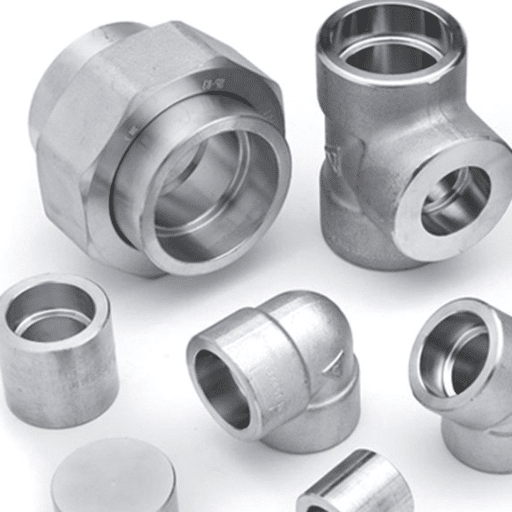
I evaluate the cost of specialized alloys in such a way that I take into account both the initial investment plus the long-term savings. The extraordinary durability of these materials, together with their resistance to extreme conditions, may absorb the early cost but greatly cut down the maintenance, repair, and replacement costs during the whole lifetime of the product. As I opt for the right alloys, I am ensured of more efficiency and dependability, which eventually brings about higher returns for the operations in the long run.
Pricing Comparison of Hastelloy Alloys
The purchasing of Hastelloy alloys is a complex issue as it is not just about their price but also their value which is realized through the performance improvement and longer lifetime. The following is a thorough comparison of the five Hastelloy alloys along with their usual price and key characteristics:
The aforementioned ranges of prices and properties not only highlight the diversity of the applications of Hastelloy alloys but also confirm their suitability for the mentioned applications while at the same time increasing the cost due to the initial higher price.
Long-term Cost-effectiveness Analysis
In comparing the future and long-term cost-effectiveness of Hastelloy alloys, it is very important to take into account their life cycle, maintenance costs, and ability to perform in difficult environments. The following are five main factors that point to their worth over time:
Thus, these aspects together show that even though Hastelloy has a higher initial cost the company can still manage to be remarkably cost-effective in the long run because its usage in demanding applications is justified through its preference as a material.
References
An investigation of the elevated temperature cracking susceptibility of alloy C-22 weld-metal
This study explores the solidification sequences and processing of Hastelloy alloys C-22 and C-276.
Resistance spot welding of super austenitic stainless steels to nickel alloys
This research evaluates the weldability of Hastelloy C-22 and its performance in combination with other materials.
Tensile properties, fracture toughness, and crack growth study of alloy C-276
This paper provides insights into the mechanical properties and fracture toughness of Hastelloy C-276.
Frequently Asked Questions (FAQ)
What is Hastelloy C-22 and why is its higher chromium content important?
Hastelloy C-22, or hastelloy® c-22® or alloy 22, is a corrosion-resistant nickel-chromium-molybdenum alloy that is categorized for broad chemical resistance. Its higher chromium content than many nickel alloys makes it possible to have better resistance to oxidizing environments and the formation of a stable passive oxide film leading to reduced general corrosion and pitting. The presence of chromium together with molybdenum and nickel also results in better resistance to oxidizing acids and ferric chloride environments where stainless steels would soon suffer from oxidation or pitting.
How does Hastelloy C-276 compare to C-22 alloy for general corrosion resistance?
Hastelloy C-276 (also called c-276 alloy, uns n10276) is a corrosion-resistant nickel-molybdenum-chromium alloy intended for a wide range of reducing and mildly oxidizing environments. C-276 typically has slightly lower chromium compared to hastelloy c22, but good molybdenum content, thus providing excellent resistance to pitting and crevice corrosion in chloride environments and to hydrochloric acid at moderate temperatures. Overall corrosion resistance would be determined by media and temperature; c-22 gives better resistance in hot oxidizing conditions while c-276 is sometimes more successful in mixed or reducing environments.
Does higher chromium in C-22 reduce corrosion rate and intergranular corrosion?
Indeed — higher chromium content in hastelloy c-22 causes a lower corrosion rate in oxidizing environments and also gives intergranular corrosion a harder time. Chromium encourages the formation of a protective oxide layer that makes it difficult for grain boundary precipitation and intergranular attack to take place. However, proper heat treatment and welding procedures should be followed to prevent sensitization or precipitation that might compromise resistance to intergranular corrosion in certain service conditions.
Which alloy is better at resisting pitting and crevice corrosion — C-22 or C-276?
Both alloys outperform stainless steels and older nickel alloys in terms of pitting and crevice corrosion resistance, but they do it differently: hastelloy c-22 is largely better in highly oxidizing, chloride-containing situations because of its higher chromium, while hastelloy c-276 gives first-class resistance in mixed environments or many chloride conditions due to its balanced nickel-chromium-molybdenum chemistry. For even severe crevice corrosion or oxidizer presence such as chlorine, c-22 often wins as a better protector; for reducing environments, c-276 might be the choice instead.
How do weldability and fabricability compare between the two Hastelloy alloys?
Both Hastelloy C-22 and C-276 are weldable and formable, however their performance still doesn’t match that of many high-alloy materials. Weldability is considered generally good for both, but it necessitates careful attention to filler selection, pre and post weld procedures and preventing contamination to avoid grain boundary precipitation or localized corrosion. On the other hand, it may be more challenging to control when welding C-22 due to its higher chromium content, however, both alloys are successfully used in welded structures and their welds retain corrosion resistance when good practices are followed.
How do crevice geometries and reducing environments affect selection between two Hastelloy alloys?
Crevice corrosion risk is determined mainly by geometry, chloride concentration, oxygen availability and temperature. In tight crevices, where oxygen depletion results in aggressive reducing conditions, hastelloy c-276 is likely to perform well. When the crevices are exposed to oxidizing species (ferric ions, chlorine) hastelloy c-22 will have better resistance to crevice corrosion. Thus, the choice of material should be based on the expected media (oxidizing vs reducing), chloride levels and the operating temperature — higher temperature increases corrosion rate and may change the dominant mechanism.
For high temperature service, which is recommended — Hastelloy C-22, C-276, or other nickel alloys like Hastelloy X?
For high-temperature the choice will depend on oxidation resistance, carburization and strength needs. C-22 and C-276 are designed for corrosion resistance rather than high-temperature strength; hastelloy x (a nickel-chromium-iron alloy) provides higher strength and oxidation resistance at high temperatures but exhibits different corrosion behavior in the chemical environment. If the requirement is for high-temperature chemical corrosion resistance, then it is best to evaluate the corrosion rate data for the specific gas or melt: c-22 has superior resistance to oxidative corrosives, c-276 withstands many reducing and chloride-containing atmospheres. Consult haynes international materials data for precise comparisons.