


Blog
Hastelloy C-276: Properties and Corrosion Resistance

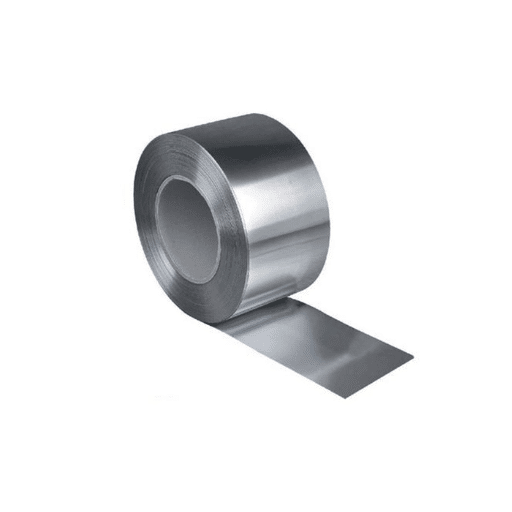
Among metals, Hastelloy C-276 is among the most highly regarded materials due to its remarkable ability to resist corrosion even under the most demanding, extreme conditions. The nickel-molybdenum-chromium alloy has been utilized in very acidic environments, oxidizing agents, and complex industrial processes, and each time it proved to be a reliable material. But what is that quality that allows it to be chosen time and again across industries such as chemical processing, marine engineering, and environmental operations? This article examines the essential properties that enable its superlative performance and inquires into the very means by which it endures the most brutal corrosive conditions. If durability, versatility, and dependability are the traits you are looking for in a material, then keep reading because we are about to reveal the science and applications behind Hastelloy C-276.
Introduction to Hastelloy C-276
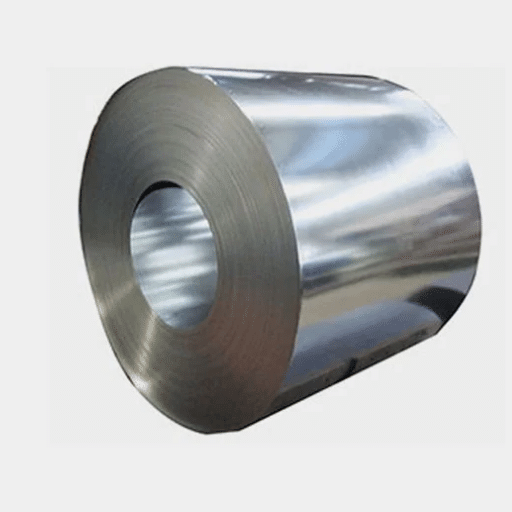
Hastelloy C-276, a nickel-molybdenum-chromium alloy, is recognized for its outstanding corrosion resistance in extreme environments. It performs well not only in oxidizing but also in reducing conditions, thus being a perfect material choice for the chemical processing, pollution control, and marine engineering industries, among others. This alloy is exceptionally resistant to pitting, crevice corrosion, and stress corrosion cracking, thus providing a very long-lasting product in such aggressive environments. Its wide range of applications and durability have made it a trusted material in demanding environments where other metals would fail.
Overview of Hastelloy C-276
Hastelloy C-276 is a nickel-molybdenum-chromium alloy with very high corrosion resistance and excellent mechanical properties. It is mainly effective against potent oxidizing agents, with very low refining requirements, and against localized attacks such as pitting and crevice corrosion. The typical chemical composition of Hastelloy C-276 includes 57% nickel, 16% molybdenum, 15.5% chromium, and slight amounts of carbon and silicon, thus allowing Hastelloy C-276 to be the most suitable alloy to use in extreme conditions.
Key Properties and Features of Hastelloy C-276:
Corrosion Resistance:
One of the most significant advantages of Hastelloy C-276 is its resistance to oxidizers and reducing agents, making it suitable for industrial applications where such chemicals are handled, e.g., hydrochloric acid, sulfuric acid, and wet chlorine gas.
High Versatility:
This material works in an application where the temperature varies from cryogenic to very high with a melting point of about 2,410–2,460°F (1,320–1,350°C).
Exceptional Weldability:
The alloy can be easily welded and fabricated without any loss of mechanical properties or corrosion resistance.
Resistance to Cracking:
It contains a high amount of molybdenum, which gives it greater resistance to stress-corrosion cracking than other metals processed chemically.
Applications of Hastelloy C-276:
- Chemical Processing: Reactors, heat exchangers, and evaporators are places where aggressive chemicals are present.
- Pollution Control: They are found in scrubbers, ducts, and dampers that are used in flue gas desulfurization systems, which is a part of pollution control.
- Marine Engineering: The alloy is preferred for components constantly exposed to seawater and brine solutions due to its localized corrosion resistance.
Comparative Performance:
Hastelloy C-276 is the most advanced material, as it can be oxidized and reduced simultaneously. For instance, Hastelloy C-276 is better than stainless steel (316L) in very aggressive acid environments and is also less prone to pitting and cracking from chlorides than Monel 400.
It is a genuinely exceptional alloy that combines strength, ease of use, and versatility, making it an ideal contender for harsh industrial environments where its attributes are most needed.
Composition and Chemical Properties
Hastelloy C-276 is an adjustable alloy made mainly of nickel, molybdenum, and chromium. The alloy also contains iron and tungsten among its other elements to improve its performance in highly corrosive environments. The alloy’s pure chemical composition enables it to resist both oxidative and reductive agents, making it one of the most widely used materials in demanding industrial applications.
This extraordinary combination gives the alloy the ability to resist various forms of corrosion such as pitting, crevice corrosion, and stress corrosion cracking. The high concentrations of nickel and molybdenum together ensure the shielding from reducing agents and chromium also adds resistance to oxidative chemicals. The presence of tungsten further improves this corrosion resistance in the most unfriendly environments.
Hastelloy C-276 is also a good performer in an extensive temperature range and still works efficiently in both acidic and chloride-laden environments. It is particularly successful in hot contaminated mineral acids, chlorides, hypochlorites, and chlorine dioxide solutions, which are often found in processing chemical factories.
Properties like this one, coupled with the rigorous standards for purity of composition, make Hastelloy C-276 the reactor materials of choice for heat exchangers and other devices in the petrochemical, power generation, and wastewater treatment sectors.
Applications of Hastelloy C-276
Hastelloy C-276 is known for its remarkable resistance to harsh chemicals and extreme conditions, which is why it is used across a multitude of industries. Here are five main applications where Hastelloy C-276 is necessary:
1. Chemical Processing Industry
It is rather widely used in the manufacture of reactor vessels, heat exchangers, evaporators, and scrubbers and is highly regarded for its strong resistance to oxidizers, chlorine, and acids that are usually present in chemical plants.
2. Pharmaceutical Manufacturing
It is a wonder worker in production equipment areas where contamination and corrosion risks are high, helping the industry meet the stringent quality standards imposed in these areas.
3. Power Generation
In power plants, it is primarily used in flue gas desulfurization systems, where it performs well in terms of acid gas resistance and high-temperature performance.
4. Pulp and Paper Industry
Perfect for digesters and bleach plants, because they can rely on the chemical industry to provide chlorine gas, hypochlorite, and chlorine dioxide solutions.
5. Marine Engineering
It is an excellent choice for seawater applications like pump systems, pipelines, and heat exchangers, as it has seas’ finest resistance to crevice corrosion and pitting.
The applications demonstrate the wide range of skills and the solid nature of Hastelloy C-276, making it a reliable material for the industries that demand corrosion resistance and performance.
Physical and Mechanical Properties of Hastelloy C-276
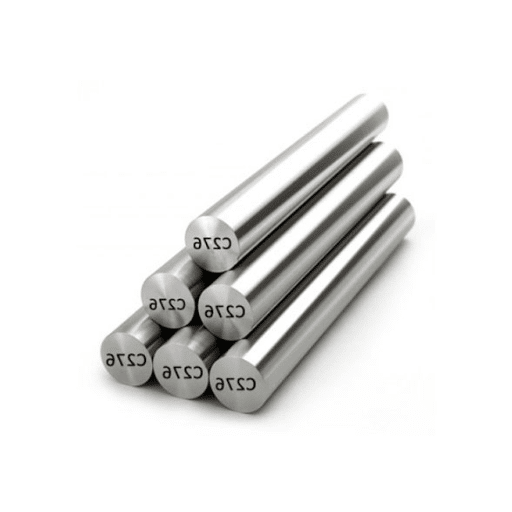
Hastelloy C-276 has been showing a wonderful combination of physical and mechanical characteristics and this is the very reason for its being the perfect material for the most corrosive environments in the industry. The following are listed the main characteristics and figures related to its physical and mechanical properties:
These comprehensive physical and mechanical properties explain why Hastelloy C-276 is widely used in chemical processing, marine engineering, power generation, and the aerospace industries as a dependable solution for demanding performance requirements.
Mechanical Strength and Tensile Strength
Hastelloy C-276 is a superalloy known for its outstanding mechanical strength and tensile properties. Thus, it can be viewed as the material of choice for highly-demanding applications. The following five details and data points confirm such superior performance:
- 1
Ultimate Tensile Strength (UTS):
Generally around 115 ksi (793 MPa), which is the max. Stress that the material can take without breaking. - 2
Yield Strength:
Roughly 51 ksi (350 MPa), the point where the material starts to undergo plastic deformation. - 3
Elongation:
Gives 40-50% elongation, hence editing high ductility and the ability to stretch before rupture extensively. - 4
Hardness:
Registered at a Rockwell C hardness of 22 (HRC), achieving a good balance between durability and processability. - 5
Creep Resistance:
Can take tenaciously high temperatures. And stress for a long time without much deformation, thus fortifying its eligibility for applications involving high temperatures.
The aforementioned mechanical characteristics clearly make Hastelloy C-276 a material that can withstand and perform reliably even under the most extreme operational conditions.
Temperature Resistance
Hastelloy C-276 is the best choice for high-temperature resistance, making it suitable for chemical processing, power generation, and marine industries where temperature is a factor. It can withstand up to 1900°F (1038°C) without significant changes in its properties and, therefore, maintains its integrity and corrosion resistance. The exceptional thermal stability is due to the alloy’s special composition of nickel, molybdenum, and chromium in very high proportions.
The most recent research shows that Hastelloy C-276 is very resistant to oxidation as well as stress corrosion cracking even in rapid temperature change conditions. For example, in the case of heating-cooling cycling in heat exchangers and reactors, Hastelloy C-276 will provide the performance expected over a long time, with no significant creep or cracking. Also, it will be the one to win in hot, acidic environments, with excellent performance in concentrated acids such as sulfuric and hydrochloric acid. Thus, the range of application of Hastelloy C-276 has expanded into high-temperature, corrosive environments. The use of Hastelloy C-276 will be a safe and reliable choice in extreme-temperature environments where conventional materials are ruled out.
Fabrication Techniques: Forging and Welding
Hastelloy C-276 is a superalloy that can be manufactured in a wide variety of ways, and shaping and assembling it through welding are two of the critical methods used for various industrial purposes.
Forging
The typical Forging of Hastelloy C-276 is done at very high temperatures, 1750°F to 2050°F (955°C to 1120°C). It is essential to maintain good temperature control during the process; otherwise, it can lead to material cracking. Do not forge the alloy below 1700°F (927°C) as this will alter the structure and impair the mechanical properties. Uniform working with the material and heating when necessary are the practices that create the best grain structure and strength. After forging, full annealing at around 2050°F (1120°C) and immediate quenching are recommended to relieve stress and maintain corrosion resistance.
Welding
Hastelloy C-276 is known for its easy weldability, and it is a standard option for industries where joints need to be safe and permanent. Gas Tungsten Arc Welding (GTAW) and Shielded Metal Arc Welding (SMAW) methods are predominantly practiced together. While welding, it would be wise to use filler material that is the same, for example, ERNiCrMo-4, to keep the chemical and mechanical properties nearly the same.
The presence of very little carbide precipitation in the heat-affected zone (HAZ) enhances the material’s resistance to intergranular corrosion, even in a post-welding situation. Besides, a tidy work area and proper gas shielding, usually argon or helium, are crucial for preventing contamination and achieving top-quality welds. The mechanical properties, such as ductility and tensile strength, are consistently maintained after welding when the mentioned practices are followed.
Recent Industry Insights: Recent trends in the industry show that the weld efficiency of Hastelloy C-276 exceeds 90%, thus proving its reliability in high-stress, corrosive environments. The same properties make it a perfect choice for building materials such as pressure vessels, heat exchangers, and pipes used in the chemical processing and marine industries.
With meticulous forging and welding processes, Hastelloy C-276 shows no others in the league when it comes to creating components that survive under extreme conditions.
Corrosion Resistance of Hastelloy C-276

Hastelloy C-276 is a material that definitely stands out for its incredible resistance to corrosion, especially in highly aggressive environments. Its unique chemical composition, primarily nickel, molybdenum, chromium, and iron, is the reason for this alloy’s superior performance. So, let us take a look at five main characteristics along with some data that demonstrate the corrosion resistance of Hastelloy C-276:
Resistance to Oxidizing and Reducing Conditions
Hastelloy C-276 can bear both oxidizing and reducing agents; thus, its application in chemical processing, with such versatility, is certainly welcome as there are mixed environments in such cases.
Exceptional Performance in Acidic Environments
It can tolerate a vast array of strong acids such as hydrochloric, sulfuric, and phosphoric acids, at high temperatures and concentrations.
Resistance to Localized Corrosion
The metal can still be found; earmarks of faint corrosion, patina, or even faint dendrite structures from localised corrosion, although it is highly resistant to pitting, crevice corrosion, and stress-corrosion cracking, which are the most common causes of death to metals in climates rich in chlorides and halides.
Durability in Wet Chlorine Gas and Hypochlorite Solutions
Hastelloy C-276 shows very good resistance to wet chlorine gas, hypochlorite, and chlorine dioxide solutions, which are often part of bleaching and disinfection processes.
Long-Term Resistance to Seawater
Hastelloy C-276 has been losing nothing of its strength in marine environments and resisting seawater and brine thus, well-suited for the offshore and marine industry applications.
The alloy is nothing short of a miracle worker in extreme conditions. It never lets the harshest conditions take their toll; the alloy’s element balance is so fine that it can meet the creators’ long-term reliability expectations even in the worst conditions.
Overview of Corrosion Resistance
Hastelloy C-276 stands out for its exceptional corrosion resistance in highly aggressive chemical environments; thus, it is an extremely reliable choice for industries that need to remove materials from their operations that are highly durable and resistant to such extreme conditions. The material’s performance is due to the raw materials, namely, large amounts of molybdenum, chromium, and iron, combined with the controlled addition of cobalt and tungsten. The above-mentioned chemical elements combine in such a way as to confer resistance to the highest limits against both oxidizing and reducing agents. The following text provides a thorough analysis of its corrosion resistance features and data:
Key Corrosion Resistance Features:
Resistance to Oxidizing Agents
Hastelloy C-276 has a high resistance to oxidizing agents such as ferric and cupric chlorides, nitric acid, and other media which usually cause standard steels to decay, it is known for the lightest of pitting. The material, for instance, is not affected by the aggressiveness of chemical cleaners and etchants used in industrial cleaning processes.
Protection Against Pitting and Crevice Corrosion
The high content of molybdenum in the material aids in resisting the localized corrosion that occurs in the form of pitting and crevice corrosion even when the chloride levels are high. The tests show that Hastelloy C-276 can resist seawater pitting up to 50°C (122°F), which is far better than many stainless steels.
Hydrochloric Acid Corrosion Resistance
Hastelloy-C-276’s independent data support the claim that the alloy can endure degradation in hydrochloric acid solutions (with a maximum concentration of 20% at a temperature of about 50°C or 122°F) thus confirming material stability in chemical processing and cleaning systems.
Resistance in High-Temperature Environments
Hastelloy C-276 is resistant to high temperatures and high pressures; its mechanical and structural properties are always kept in oxidizing, reducing, and mixed chemical atmospheres. Therefore, the material is greatly exposed in reactors and heat exchangers with all the necessary operations.
ISO and ASTM Corrosion Testing Data
ISO 15156 and ASTM G28 standards show that, in stress corrosion cracking and intergranular corrosion testing, Hastelloy C-276 has consistently performed excellently. Besides, the material guarantees performance in acidic and alkali environments including sulfuric acid and caustic soda.
The combination of these properties highlights its necessity for critical applications in industries such as chemical processing, pharmaceuticals, and marine. Hastelloy C-276, with its superior resistance to numerous corrosive substances, remains among the most reliable materials for maintaining efficiency and safety in the harshest working conditions in the long run.
Pitting and Crevice Corrosion Resistance
Hastelloy C-276 is a material that has become very famous for its excellent resistance to pitting and crevice corrosion, which are localized forms of corrosion, and for use in harsh environments. The credit for this material’s excellent performance goes to its high molybdenum content, along with skillfully and thoughtfully designed chemical composition that gives it strong protection against these types of corrosion.
Main Features and Numbers:
Molybdenum Content at Maximum Level
The 16% molybdenum content in Hastelloy C-276 is not only a contributing factor to its resistance to localized attacks but also a reason it is used in areas with high chloride concentrations.
Resistance to Chloride Ions
Hastelloy C-276 performs remarkably regarding resistance to pits formed during the dissolution of sodium chloride even in a 15% solution at room temperature.
CPT (Critical Pitting Temperature)
Results of the testing indicate that Hastelloy C-276 maintains a high CPT, typically above 50°C (122°F), providing a clear picture of its strength in challenging environments.
Minimal Susceptibility to Crevice Corrosion
A studies comparison has come up with the conclusion that Hastelloy C-276 is the winner among nickel-based alloys, as it undergoes only a small amount of corrosion even in places closed off completely and with high chloride concentration.
NACE Standard Certainty
The material not only meets but also complies with NACE MR0175/ISO 15156, confirming its eligibility for pitting and crevice corrosion‐prone sour oil and gas production environments.
Hastelloy C-276’s characteristics make it the best option for avoiding failures in extreme conditions while providing long service life and reliability in industrial applications.
Stress Corrosion Cracking and Critical Pitting
When choosing materials for difficult service conditions, stress corrosion cracking (SCC) and critical pitting are essential considerations. To my knowledge, Hastelloy C-276 is nearly impervious to both SCC and pitting because of its ideal chemical composition, which includes high levels of molybdenum and chromium. These metals prevent localized corrosion and keep the material uncorroded, even in highly corrosive environments, especially when chloride is present. Therefore, it is a trustworthy choice for offering long-term performance and safety in harsh industrial applications.
Recent Findings and Data on Hastelloy C-276
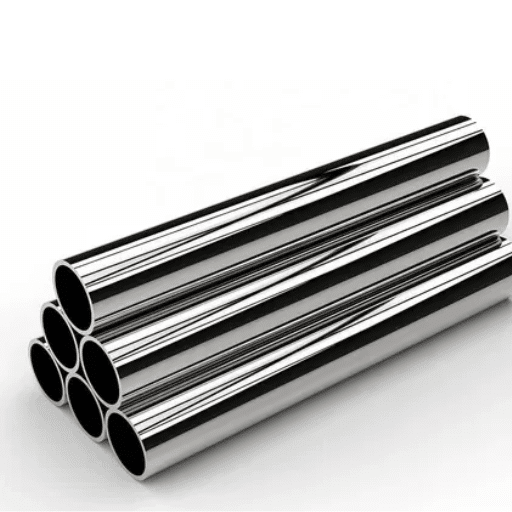
The exceptional performance of Hastelloy C-276 in the most corrosive environments continues to be emphasized by new studies and technological advancements. The alloy’s chemical composition of nickel, molybdenum, chromium, and iron did not allow the utmost chemical stress to affect its performance. The latest report states that Hastelloy C-276 can resist a wide range of extremely aggressive chemicals, including hydrochloric acid, sulfuric acid, and phosphoric acid, which has made it a major use in the chemical processing industry.
Tests in the laboratory also indicate that the (CPT) critical pitting temperature of Hastelloy C-276 in chloride-rich surroundings is above 60°C (140°F), thus, its resistance to pitting corrosion is exhibited. Moreover, recent field studies have shown that it is similarly effective in resisting stress corrosion cracking (SCC) in high-chloride environments, with no performance degradation after prolonged exposure.
In addition to obvious applications in the chemical industry, the metal’s capabilities have also been spotlighted in Fugitive gas desulfurization (FGD) systems. The recent survey of FGD system users revealed that, even when continuously exposed to sulfur dioxide (SO2) and sulfuric acid condensate, components made of Hastelloy C-276 maintained their high performance and structural integrity.
All this evidence depicts Hastelloy C-276 as a trustworthy material for industries that demand resiliency against aggressive corrosion like chemical processing, power generation and marine engineering. Its performance is confirmed by lab and field data, making it a favored option for ensuring operational reliability and safety in challenging industrial settings.
Latest Research Insights
The latest studies reveal that Hastelloy C-276 offers unrivaled corrosion resistance even in the most aggressive environments. This has been confirmed through laboratory testing and actual application data showing that the material retains its strength after many years of exposure to sulfur dioxide and sulfuric acid vapors. Therefore, I do not hesitate to recommend Hastelloy C-276 as the best solution for critical sectors such as chemical processing and marine engineering, where long-term performance and durability in demanding conditions are indispensable.
Comparison with Other Alloys
In comparing Hastelloy C-276 with other high-performance alloys, the former is known to exhibit superior corrosion resistance and durability under extreme conditions. The five alloys below are subjected to a thorough comparative analysis of their attributes.
Every single one of the listed alloys is top-notch in one way or another, but the versatility of Hastelloy C-276, especially in the case of resisting very strong oxidizing and reducing agents, makes it the only choice for an environment that is harsh.
Industry Trends and Updates
The need for corrosion-resistant metals, such as Hastelloy C-276, is steadily increasing across many sectors, driven by the growing concern over safety and operational efficiency in challenging environments. Market analysis of the recent past reports that the world market for corrosion-resistant alloys is approximately $7.5 billion in 2023, and the rate of this market growth is expected to be 5.7% per year (CAGR) for the next five years. The growth is to a great extent due to chemical processing, oil and gas exploration, and the construction of new wastewater treatment plants, where resistance to aggressive, high-temperature environments is crucial.
In addition, human-made materials are making significant strides, and their very high physical and chemical properties are making them even more attractive. They are even going as far as to manufacture them with advanced powders and 3D printing, which not only allows them to create very complex designs but also the strength and quality of the components made.
On the other hand, demand for less harmful operations and corresponding materials has increased in recent years; thus, the field of recyclable and sustainable alloys has been opened to research and development.
Among others, Haynes International and Special Metals Corporation, leaders in steel production, have decided to grow their market shares in response to the newly emerging demand in Southeast Asia and the Middle East. These areas are undergoing rapid industrial development, which will cause the demand for alloys like Hastelloy C-276 with high durability and low maintenance costs to go up as the payoffs will be through time. Such developments are evidence that innovation and investment are necessary in the corrosion-resistant materials industry.
Practical Applications and Considerations
Hastelloy C-276, a wondrous, corrosion-resistant metal alloy, is in high demand across various industries for its ability to perform well in harsh conditions. One of the industries that uses it most is the chemical processing industry, where it is often used to make reactors, heat exchangers, and piping systems that transport highly corrosive chemicals such as hydrochloric acid, sulfuric acid, and chlorine-based solutions. Its resistance to localized corrosion, such as pitting and crevice corrosion, prevents it from wearing out and makes maintenance cheaper.
It’s another critical area of application: Hastelloy C-276 is corrosion-resistant in marine environments, which is why it is used in desalination plants, offshore oil rigs, and marine hardware. The material’s resistance to corrosion from seawater makes it a favored option for such projects. For example, the global desalination market is projected to grow at a compound annual growth rate (CAGR) of 9.5% from 2023 to 2030, which, in turn, will drive increased demand for durable materials such as Hastelloy C-276.
The pharmaceutical and food processing industries are other sectors where this alloy is crucial, especially for equipment that undergoes sterilization and operates in high-purity areas. The non-reactive surface of Hastelloy C-276 envelops the entire containment process and prevents contamination, enabling strict regulatory requirements to be met.
The demand for corrosion-resistant alloys like Hastelloy C-276 has increased steeply over the past five years, with the focus mainly on the new markets. The global corrosion-resistant alloys market is valued at around $9.52 billion, according to a 2023 report, and is expected to grow steadily, primarily driven by modernization and infrastructure development in Southeast Asia and the Middle East.
It is critical to weigh factors such as the initial investment cost, the availability of the source material, and how the product matches specific operational needs before deciding on the use of Hastelloy C-276 in these applications. Continuous advancements in alloy modification and manufacturing techniques are making the production of Hastelloy C-276 more efficient and thus, it will continue to be the choice in tough conditions.
Industries Utilizing Hastelloy C-276
Hastelloy C-276 is a highly flexible alloy that, over time, has proven to be a perfect choice in many industries due to its outstanding corrosion resistance and high-temperature performance. The following are five major industries that have been and are still making extensive use of the alloy Hastelloy C-276:
Chemical Processing Industry
The chemical processing industry relies heavily on Hastelloy C-276 for its reactors, heat exchangers, and storage tanks, as the equipment is often in contact with corrosive and oxidizing agents. Its ability to withstand both acidic and alkaline environments ensures long-term performance and low maintenance requirements.
Oil and Gas Industry
Hastelloy C-276 has wide application in the oil and gas sector, especially in offshore drilling and sour gas applications. Its resistance to corrosion in seawater and hydrogen sulfide environments makes it perfect for pipelines, valves, and other critical components.
Aerospace Industry
Hastelloy C-276 is a useful material for aerospace applications as it provides structural integrity in extreme environments, such as high temperatures and exposure to aggressive chemicals. It is found in exhaust systems, engine parts, and fuel lines.
Marine Industry
The marine industry has a keen interest in Hastelloy C-276 because of its excellent resistance to saltwater corrosion. The material is primarily used in shipbuilding, desalination plants, and underwater structures, where strength in rugged oceanic conditions is essential.
Pharmaceutical Industry
The pharmaceutical industry appreciates Hastelloy C-276 for its purity and durability in the production of the equipment. This includes sterilization vessels, mixers, and storage tanks, where the use of non-contaminating, corrosion-resistant materials is crucial.
The industries mentioned above prove the unparalleled flexibility and reliability of the alloy Hastelloy C-276 in the most demanding operational environments.
Best Practices for Fabrication and Use
Adherence to best practices for Hastelloy C-276 ensures not only optimal performance but also a long lifespan. Consideration of the following five major guidelines during fabrication and use is therefore necessary.
- 1
Welding of Proper Quality
Gas Tungsten Arc Welding (GTAW) or Gas Metal Arc Welding (GMAW) is the best method for welding Hastelloy C-276. To prevent filler metals, such as AWS A5.14 ERNiCrMo-4, from becoming contaminated, strict control of the welding process will be necessary. Clean the surfaces thoroughly to remove oils, grease, or oxide layers before proceeding with the welding.
- 2
Heat Treatment with Care
Post-weld heat treatment of Hastelloy C-276 is generally not mandatory; however, applying right amount of heat during the manufacturing process is very important. Keep the heat low so as not to cause grain growth or distortion which could adversely affect mechanical properties and corrosion resistance.
- 3
Machining Factors
As the material is very tough, sharp carbide tools are to be used and also cutting speeds should be lower. Furthermore, the cutting operation should be avoided, as the material will harden if not continuous. Thus, this will lead to more tool wear.
- 4
Stress-Relieving Operations
If heavy cold working is done, then annealing at 1,900°F to 2,150°F (1,038°C-1,176°C) is required for stress relief. This procedure restores mechanical integrity and prevents stress-induced cracks in harsh environments.
- 5
Cleaning and maintenance of the surface
On a regular basis, cleaning should be done to ensure that no contaminants which are able to promote corrosion will be, especially in the cases where chlorides or oxidizing agents are present. A non-abrasive method should be used for cleaning to prevent the protective surface layer from being removed and to avoid scratches or damage.
It is through these best practices that the manufacturers and engineers will be able to maximize the performance and life of Hastelloy C-276 in necessary applications.
Future Outlook for Hastelloy C-276
Hastelloy C-276 nd, the future of which looks optimistic, as different industries are still in search of high-performance materials that can withstand extreme environments. The sectors of chemical processing, power generation, and aerospace represent a significant milestone in global industrial advancement. The need for corrosion-resistant alloys, including Hastelloy C-276, has been steadily increasing. According to market analysis reports, the corrosion-resistant alloy market is expected to grow globally at a compound annual growth rate (CAGR) of nearly 6.5% between 2023 and 2030, which will drive further adoption in critical applications.
Besides, emerging technologies such as green energy production and carbon capture systems have increasingly highlighted the need for Hastelloy C-276. Its exceptional resistance to oxidation and endurance in acids such as hydrochloric and sulfuric acids make it a prime candidate for new-age applications such as advanced reactors, geothermal plants, and hydrogen storage systems. Furthermore, innovations in processing and manufacturing methods are expected to reduce costs and increase efficiency, making Hastelloy C-276 available to a broader range of industries.
Besides that, the alloy’s range of applications is also an indicative factor of its status as a main material for solving modern problems. For example, it can be the case of reducing the frequency of material failures in areas with high corrosion rates or prolonging the lifespan of infrastructure. Therefore, Hastelloy C-276 is expected to maintain its position and even grow as the critical environment material of choice, driven by industries’ focus on sustainability and operational efficiency.
References
Corrosion Materials
Website: https://corrosionmaterials.com/alloys/alloy-c276/
This site provides detailed information about Hastelloy C-276, including its corrosion resistance and applications. Corrosion Materials is a trusted source for corrosion-resistant alloys.
Nickel Institute
Website: https://nickelinstitute.org/media/4692/ni_inco_1318_corrosionresistsulphuric_relatedcompounds.pdf
The Nickel Institute is a reputable organization that offers in-depth research and publications on nickel-containing alloys, including Hastelloy C-276.
Haynes International
Website: https://haynesintl.com/en/alloys/alloy-portfolio/corrosion-resistant-alloys/hastelloy-c-276/
Haynes International is a leading manufacturer of corrosion-resistant alloys and provides comprehensive technical data on Hastelloy C-276.
Frequently Asked Questions (FAQ)
What are the physical properties of Hastelloy C-276, and how do they correlate with the performance of the material?
Hastelloy C-276, also known by its nickel-chromium-molybdenum designation or simply as c276 alloy, stands out as an unrivaled material for withstanding diverse corrosive environments. Its structure features excellent ductility, thus it is a wrought metal highly resistant to corrosion. Besides, its outstanding mechanical properties, such as high tensile strength, ductility, and toughness, are maintained even at extreme temperatures (including high-temperature operations up to around 1121°c/2050°f in some instances, with suitable heat treatment). The alloy primarily hardens during cold working. Still, hot processes, such as forming or extrusion, are also possible, and they are extensively used in the fabrication of pipes, heat exchangers, and process equipment. All these outstanding physical properties make the C-276 alloy a top choice for chemical and petrochemical processing, where mechanical integrity and corrosion resistance are required simultaneously.
What about the chemical composition of the C-276 alloy?
The C-276 nickel-molybdenum-chromium-tungsten alloy, also known by its UNS N10276 designation, contains a considerable amount of nickel and some additions of chromium, molybdenum, iron, and tungsten. This chemical mix endows the alloy with excellent resistance to both reducing and oxidizing conditions, inorganic acids such as sulfuric and nitric, organic acids such as acetic and formic, and chlorides. The most potent enemy of corrosion in harsh chemical environments is the balanced nickel-chromium-molybdenum chemistries, which minimize grain boundary precipitates.
Hastelloy C-276 has the ability to resist pitting and critical crevice corrosion. How?
Hastelloy C-276, thanks to its molybdenum and chromium content, as well as nickel’s support, has very high pitting and very high crevice corrosion resistance in critical conditions. These metals form a permanent passive layer that protects the metal from localized shark attacks by chloride and other halides. Compared with stainless steels, C-276 has been recognized as the best for controlling and preventing pitting and crevice corrosion in both seawater and chloride-containing chemical environments, making it the primary option for corrosive applications where pitting resistance is a must.
Are annealing or heat treatment necessary for the C-276 alloy to have the maximum corrosion resistance?
Hastelloy C-276 can be annealed to restore ductility and relieve work hardening after forming operations; however, the typical annealing or heat-treatment cycles must be strictly followed to avoid deleterious grain-boundary precipitation. One of the biggest benefits of proper heat treatment is that hardness and toughness increase, while the risk of grain boundary precipitates that could reduce corrosion performance decreases. For welded parts, post-weld heat treatment is sometimes employed to reduce the effects of the heat-affected zone. Still, many applications do not require extensive post-weld annealing to retain excellent resistance, which depends on service conditions.
Is it possible to use Hastelloy C-276 in seawater and chloride-rich environments?
Yes. The seawater and chloride media resistance of Hastelloy C-276 is excellent, while it is also not affected by the respective resistance of major stainless steels. The superlative corrosion resistance of C-276, including pitting and crevice corrosion resistance as well as overall superior resistance, makes it an attractive alloy choice for marine applications, offshore oil and gas service, and seawater-cooled heat exchangers. Nevertheless, every application that specifies specific temperature and concentration limits should be assessed for long-term performance.
Performance and compatibility of C-276 in oxidizing and reducing environments, including sulfuric and hydrochloric acid, and so on?
Hastelloy C-276 is a universal alloy that performs well in all chemical environments. Its performance in reducing environments is remarkable, while in oxidizing environments such as concentrated sulfuric acid, nitric acid, and hydrochloric acid, it remains good under many conditions. The alloy’s nickel-chromium-molybdenum composition acts as a barrier against both corrosion and oxidation; hence, it can be used in chemical and petrochemical processing, power generation, and other applications involving aggressive inorganic and organic acids.
What are the considerations during fabrication and hot working of Hastelloy® C-276?
Fabrication of C-276 alloy may involve welding and forming, and hot working or hot forming is possible if the temperatures are correct; however, hot working must be followed by annealing to restore ductility and to reduce any work-hardened zones. During the manufacturing process, proper temperature control and handling techniques are essential to maintain the alloy’s superior properties and ensure optimal performance in demanding applications.