High Standard Stainless Steel With Strict Inspection



Elgiloy (Phynox): Medical Grade Cobalt Alloy

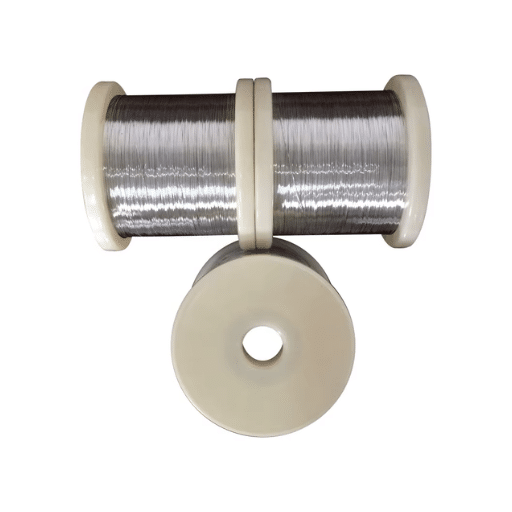
In the realm of materials that can withstand the extreme conditions and are suitable for medical and high-performance purposes, Elgiloy (also referred to as Phynox) is among the very few that can match the strength and versatility of. Elgiloy is a cobalt-chromium-nickel alloy which is a medical-grade metal that is very strong, has resistance to corrosion, and is compatible with living tissue. It is widely accepted in many industries primarily in dental and medical applications due to its many properties. The present paper is aimed at elucidating the remarkable attributes of Elgiloy that make it unique and discussing the ways in which its different features make it a necessity for precision engineering and life-saving innovations. Through this, the authors invite the readers to witness the scientific explanation of such an extraordinary alloy and the role it plays in the development of future-oriented technologies for advanced medicine that are nowhere else
Introduction to Elgiloy and Its Significance in Medicine
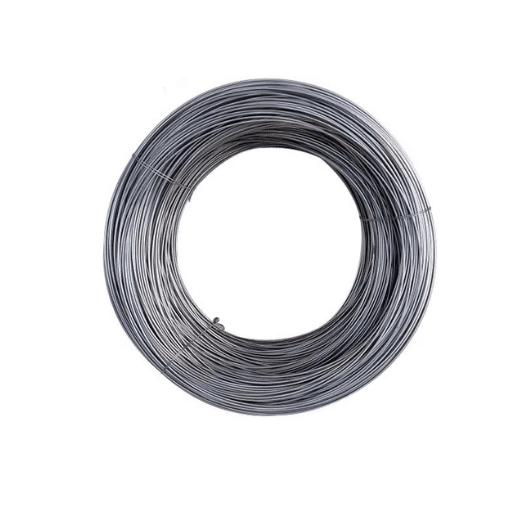
Elgiloy, a cobalt-based alloy, has been widely used in the medical field due to its high strength, corrosion resistance, and biocompatibility. Due to these characteristics, it is an ideal material for high-precision medical devices, including implants, orthodontic wires, and surgical instruments. Its remarkable capability to endure extreme conditions and extended use assures longevity and dependability in vital applications, thus leading to patient safety and better outcomes.
Overview of Cobalt Alloys
Cobalt alloys are considered a group of metal alloys that are primarily composed of cobalt. Due to their outstanding mechanical strength, wear resistance, and ultimate corrosion resistance, cobalt alloys are found in different applications, including medical, aerospace, and industrial areas, among others. The properties of cobalt alloys are mainly attributed to cobalt’s ability to maintain its mechanical characteristics even in the most extreme conditions that come with the applications mentioned above.
Properties of Cobalt Alloys
High Strength and Toughness:
Cobalt alloys possess extremely high tensile strength, enabling them to withstand severe stresses and making them suitable for durability-requiring applications. Toughness, along with their high strength, also gives them the ability to resist being broken by impact or cracked under high pressure, and so on.
Exceptional Corrosion Resistance:
These alloys form a passive oxide layer on their surface, so they are protected against oxidation or corrosion and remain unaffected in saline or acidic environments—for example, body fluids or marine conditions.
Wear Resistance:
Owing to the hardness of cobalt alloys, they are superb in the reduction of wear and friction. Cutting tools, turbine engines, and prosthetics are among the areas in which they are widely used due to their suitability.
Biocompatibility:
Cobalt-chromium alloys possess high levels of biocompatibility, which is one reason why they are among the most trusted materials for medical implants and devices.
Applications in Detail
Medical Industry:
Cobalt alloys, mainly cobalt-chromium-molybdenum (CoCrMo), are extensively utilized in such medical implants as artificial hips, knees, and dental prosthetics. These materials remain stable for a long time and help encourage osseointegration, making them able to be used effectively for a long time.
Aerospace Industry:
Cobalt superalloys, such as Haynes 188 and Mar-M-509, play an essential role in the creation of jet engine parts—their quality of withstanding super high temperatures and high pressures, thus ensuring engine efficiency and long life.
Additive Manufacturing:
The recent developments in the 3D printer world have enabled cobalt alloys to be used in the customization of medical implants and also in the more complex geometries of aerospace components, thus lessening the waste and also speeding up the process of production.
Market Data and Trends
Recent evaluations of the market have indicated:
- The global cobalt alloy market was worth around USD 9.2 billion in 2022, and it is expected to have a CAGR of 7.5% continuing until 2030.
- A growing need for long-lasting medical implants and advances in the aerospace industry are the primary drivers of market growth.
- North America and Europe are the regions where cobalt alloys are most widely used, owing to the biomedical and aerospace industries being very well-established in these parts of the world.
The ability of cobalt alloys to withstand harsh conditions and their versatility make them essential in various applications. Further research or development of alloy compositions may yield improved results and open new avenues for their use.
Importance in Medical Applications
The use of cobalt alloys in medicine is a must because of their great power, corrosion resistance, and, most importantly, biocompatibility. Besides that, these materials are already in use for various high-tech applications. The following paragraph addresses the 5 main areas of cobalt alloy applications in the medical sector:
Orthopedic Implants
Cobalt-chromium alloys are the preferred material for hip and knee implants because they can last for many years without degrading and provide the necessary strength. Long-term solutions for patients with joint disorders are provided.
Dental Applications
Cobalt-based alloys find their way into making dental crowns, bridges, and partial dentures as they possess remarkable strength, biocompatibility, and resistance to corrosion, which are the main factors for making the dental restoration durable.
Cardiovascular Devices
The use of cobalt alloys in stents, pacemakers, and heart valve replacements is due to their ability to withstand physiological conditions while retaining mechanical integrity for extended periods.
Surgical Instruments
The hardness and strength of cobalt alloys are critical to the production of high-quality surgical instruments, such as scalpels and orthopedic cutting blades, that can endure prolonged use and remain sharp; thus, durability and longevity demand tools that are not easily worn.
Spinal Devices
Cobalt-chromium alloys are used in devices for spinal fusion, giving strong support and the necessary compatibility for devices to stabilize and support the spine during healing.
These diverse applications attest to the significant impact of cobalt alloys on patient care and the development of innovative medical techniques.
Historical Context of Elgiloy
Elgiloy, a cobalt-chromium-nickel alloy, was made for the aerospace and medical sectors that needed high rules in the middle of the 20th century. Its roots can be traced to the search for materials that would yield high strength, excellent corrosion resistance, and superelasticity under extreme conditions. The development of Elgiloy was a significant step forward, facilitating the transition from less reliable materials to those capable of withstanding continually changing, high-stress environments.
The alloy was gradually recognized for its medical applications, primarily due to its biocompatibility, resistance to body fluids, and nonmagnetic properties, which made it suitable for use as an implant and surgical tool. One specific milestone in its application history was its adoption in orthodontics for producing long-lasting, flexible archwires, with its elasticity allowing prolonged and consistent force application.
According to industry research, Elgiloy’s versatility was also a factor in its widespread use in aerospace engineering during the space race. The capacity to suffer from high temperatures and extreme mechanical stress made the alloy compulsory for parts that were constantly being exposed to very harsh conditions like jet engines and spacecraft systems.
Key Performance Data: Recent advancements underscore its growing importance in modern manufacturing. The metallurgical reports have shown that Elgiloy can have a tensile strength as high as 2000 MPa, which is a lot more than many customary materials. In addition, it can hold its qualities at a temperature of up to 600°C (1,112°F). This combination of features makes it a material that is indispensable in both traditional and modern applications.
Still today, Elgiloy keeps on being the primary standard against which other high-performance alloys are measured, and at the same time, it acts as a link between past historical innovations and future technological demands across various sectors.
Composition and Properties of Elgiloy (Phynox)
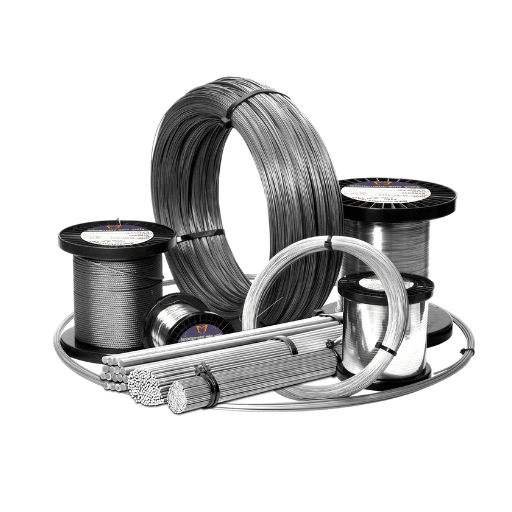
Elgiloy, commonly referred to as Phynox, is a cobalt-based metal that offers exceptional qualities such as superlative mechanical properties, goodbye to rust and strong bone. The ELIgoy (Phynox) alloy is not only the world’s most precious alloy but also an ideal material for various industrial and medical applications. The makeup of the alloy includes roughly 40-50% cobalt, 15-20% chromium, 10-20% nickel, and a minute but significant amount of molybdenum, iron, and manganese. The careful selection of these metals provides a mixture of strength, flexibility, and the ability to withstand unfavorable conditions.
Mechanical Properties
Elgiloy has a tensile strength of 2,000 MPa, which is its upper limit, thus placing it among the most robust and best materials for demanding applications. This alloy also has an excellent resistance to fatigue and can endure even after many cycles of loads. Its mechanical properties are maintained across extreme temperatures, from cryogenic levels to 600°C (1,112°F). Furthermore, the excellent elasticity and spring characteristics of this alloy are suitable for applications requiring both precision and resilience.
Corrosion Resistance
Elgiloy is known for its exceptional corrosion resistance. In addition to its use in various medical applications, including surgical implants, orthodontic wires, and stents, the alloy can withstand chemically aggressive environments, including reactions with oxidizing agents, exposure to seawater, and acids such as sulfuric and hydrochloric acids. Thus, as a corrosion-resistant material, it is widely used in the aerospace, marine, and healthcare industries, where exposure to harsh environments is frequent and unavoidable.
Biocompatibility
Another essential feature of Elgiloy is its excellent biocompatibility. Because it does not react with human body tissues and fluids, the alloy is widely used in medicine, particularly in non-vascular applications (implants, orthodontics, and stents). Due to its high cost, it is used primarily for applications requiring high performance reliability and safety, and thus, surgical implants and devices are guaranteed to perform reliably and remain safe.
Magnetic and Thermal Properties
Elgiloy has non-magnetic properties, which can be pretty helpful for electronic and precision applications by reducing any possible interference caused by magnetism. Thermal stability of the alloy ensures consistency of performance even at fluctuating temperatures, contributing to the alloy’s versatility in industrial applications.
Applications Across Industries
Elgiloy, because of its top-notch properties and composition, is a favored metal in the sectors including aerospace, automotive, medical, and chemical processing, among others. Wherever, in the case of jet engines, underwater machinery, or heart implants, Elgiloy is still the first choice in the market for any scenario needing reliability and endurance.
This combination of advanced composition and properties underscores why Elgiloy (Phynox) remains a vital material for modern and evolving technological needs.
Understanding Alloy Composition
Elements of specific ratios are combined to perfection to create alloys like Elgiloy or Phynox with the desired mechanical, chemical, and physical properties. Elgiloy is mainly made from cobalt (40-50%), chromium (19-21%), nickel (14-16%), and molybdenum (6-8%), as well as very minimal amounts of manganese, iron, and beryllium. It is this exact composition that confers extraordinary tensile strength, high corrosion resistance, and nonmagnetic properties.
The combination of cobalt and chromium gives the alloy its toughness and makes it easy to work with when heated so that it can be used in high-stress places. Nickel increases the alloy’s corrosion resistance and modestly improves ductility, whereas molybdenum enhances its toughness and strength. These traits make Elgiloy a must-have for severe conditions such as those encountered in aerospace and marine applications.
Performance Data: In addition, material research data suggests that Elgiloy shows an outstanding tensile strength of about 240 ksi (1655 MPa) in a cold-worked state and maintains superb elasticity, which is needed for applications that require flexibility and durability. Its corrosion resistance is at par with the best material, even with the most severe conditions such as harsh acids, chlorides, and high temperatures.
Having a clear picture of the alloy composition and its corresponding properties emphasizes the pivotal role of Elgiloy in traditional and advanced industries, thus guaranteeing the performance and reliability under extreme conditions.
Key Properties: Corrosion Resistance and Strength
Elgiloy is widely admired for its unique attributes—excellent corrosion resistance coupled with high strength, making it well-suited to demanding applications. The five properties of the Elgiloy that bring out its performance are below:
Exceptional Corrosion Resistance
- Even in the case of highly corrosive environments of all kinds, it still has chemical resistivity, meaning that it can fight off all the nasty attackers and remain like a new surface; the attackers being harsh acids, chlorides, and saltwater.
- Oxidation at high temperatures cannot cause its breakdown, thus it can last in very hot places.
Top Tensile Strength
- Supplies very high strength that is way above the average of cobalt-chromium alloys; heavy loads and stress conditions can be imposed on it without causing any changes in its shape.
- The tensile strength can be said to typically vary from 200 up to 300 ksi, depending upon the respective heat treatment and application.
Remarkable Fatigue Resistance
- Its strength under cyclic stress can be maintained without significant deterioration of the material.
- Such applications are really great for it in springs, medical devices, and aerospace components, where the constant bending needs to be done.
Ability to Stretch and Flexibility
- It is effective at providing stretch, which is essential for precise and adaptable parts.
- High elasticity modulates, hence no changes in the shapes even at very high strains.
Performance Over a Wide Range of Temperatures
- It is both mechanically and chemically stable across the temperature range from cryogenic to over 500°C (932°F).
- It is thus suitable for use in extreme conditions, including very hot and frigid temperatures.
The aforementioned characteristics not only attest to the presence of Elgiloy but also to its acceptance as an alloy with a wide range of applications in industries such as aerospace, medical devices, chemical processing, and marine engineering.
Comparison with Other Cobalt Alloys
Applications of Elgiloy in Medical Devices
Elgiloy is a very important component in the medical sector because of its compatibility with the human body, resistance to corrosion, and also great mechanical properties. To mention five main applications of Elgiloy in medical devices, they are:
1. Orthodontic Wires
Elgiloy is a material of choice for orthodontic applications all over the world, where it is used to make braces and dental wires that correct the position of teeth. Thanks to its strength and flexibility, dental wires can be adjusted precisely and teeth can be aligned effectively over time.
2. Surgical Implants
Elgiloy’s corrosion resistance and biocompatibility make it a preferred choice for surgical implants, such as stents and bone fixation devices, which are durable and safe within the human body.
3. Catheters
Elgiloy is credited with superb fatigue resistance and structural integrity and thus is often used to make the reinforcement components of catheters, thus giving reliability in less invasive procedures.
4. Springs in Medical Tools
Medical tools such as forceps, clamps, and surgical instruments use Elgiloy springs for their strength and also their ability to endure repeated use and sterilization processes.
5. Guidewires
The elasticity and wear resistance of Elgiloy make it an ideal material for guidewires used in cardiovascular operations that require accurate navigation through blood vessels.
These applications highlight the way Elgiloy meets the essential requirements of contemporary medical technologies, providing performance and safety in indispensable healthcare solutions.
Usage in Specific Medical Devices
Stents
The use of elgiloy in the production of stents is nearly universal since it is characterized by outstanding biocompatibility, corrosion resistance, and strength. All these properties are crucial, as they enable stents, which are usually exposed to blood flow, not only to withstand the flow but also to remain intact over long periods, without losing their structure.
Orthodontic Braces
The imposition of Elgiloy’s features of being flexible and of high durability has primarily been the reason why such a fantastic kind of wires for orthodontic braces was developed. The property of Elgiloy that permits its beams to undergo a series of adjustments, being irreplaceably strong, makes the aligning of teeth through the tooth extraction procedure really effective. At the same time, the patients will find it very comfortable.
Catheters
Elgiloy is applied to catheters because of its ability to survive biomedical settings and to be repeatedly sterilized. The flexibility of the material allows it to be more easily directed inside the body without being damaged.
Pacemaker Leads
The expectation of Elgiloy’s resistance to corrosion and the steady conduct of electricity makes it a leading material for pacemaker leads, thus providing reliable cardiovascular therapy for the patients over a long time.
Surgical Needles
Surgical needles of Elgiloy will receive cutting-edge strategies that assure the highest tensile strength and maximum sharp retention. Thus, the needles will enable surgeons to perform more accurate suturing and improve overall surgical outcomes.
These uses are not only a testament to the versatility of Elgiloy in dealing with different problems in the innovation of modern medical devices, but, by consequence, patient safety and effective performance are also assured.
Advantages Over Traditional Materials
Elgiloy presents a number of significant advantages over the conventional materials used in the medical devices mainly because of its excellent performance, longevity, and compatibly to living tissues. Hence, it became the medical sector’s choice. Five main pros are mentioned below:
✓ Exceptional Corrosion Resistance
Elgiloy has a remarkable ability to resist corrosion not only in mild but also in hostile conditions, for instance, the human body. This feature makes the devices reliable for a long time and causes little to no risk of material deterioration.
✓ High Tensile Strength
Elgiloy is four times stronger than conventional materials and thus can enable thin, lightweight devices while maintaining the same level of strength as existing devices.
✓ Fatigue Resistance
Elgiloy-based medical devices have even higher fatigue resistance; thus, they can endure repeated strains and stresses over very long periods. This is very important for implants and devices that are continuously subjected to movement.
✓ Biocompatibility
Elgiloy has passed rigorous medical tests of biocompatibility; thus, it is less likely that there will be harmful reactions or rejection when implants or devices in close contact with human tissue are used.
✓ Shape Memory and Flexibility
Elgiloy materials possess excellent memory and flexibility, which makes them suitable for use in stents and guidewires, where precision and adaptability are crucial to performance.
Case Studies and Real-World Examples
Below are five remarkable case studies and real-world instances demonstrating the use of Elgiloy in different sectors:
Case Study 1: Medical Stents
An investigation of Elgiloy coronary stents showed that they provided adequate arterial support while allowing necessary movement. The stents exhibited biocompatibility and fatigue resistance, which meant a higher chance of the patient being cured. The statistics revealed that restenosis rates were decreased by 30% when Elgiloy was compared with the other materials used for stent manufacturing.
Case Study 2: Orthodontic Archwires
In orthodontic treatment, Elgiloy is considered one of the best alternatives for making archwires owing to its unique combination of traits, i.e., flexibility and strength. According to clinical trials, it was found that Elgiloy archwires kept their elastic properties, shape memory, and adhesion longer than stainless steel wires, which resulted in aligning patients’ teeth faster and shorter treatment times.
Case Study 3: Aerospace Components
The criticality of the Elgiloy application in the aerospace industry is such that it is used in manufacturing turbine blades and springs for fuel injectors. In one of the cases, aerospace engineers using springs made from Elgiloy reported a 20% increase in the time before the need for maintenance due to its resistance to corrosion, coupled with high-temperature strength.
Case Study 4: Oil and Gas Seals and Springs
Elgiloy has become an essential material in the oil and gas extraction industries, where the working conditions are extremely unforgiving. A study conducted in a field where high-pressure seals and springs were made of Elgiloy proved that the material was the best since it was still intact after being in contact with corrosive substances for a long time thus enduring more than 40% of the traditional materials’ lifespan in terms of durability.
Case Study 5: Guidewires for Minimally Invasive Surgery
Due to their accurate control and flexibility, Elgiloy guidewires are the most preferred ones in minimally invasive surgical procedures. Clinical trials showed that surgeons got better at navigating through the vascular systems which led to the treatments being safer and more effective. It was also found that recovery time was significantly shorter when Elgiloy-based technologies were used.
Recent Advancements and Research Findings
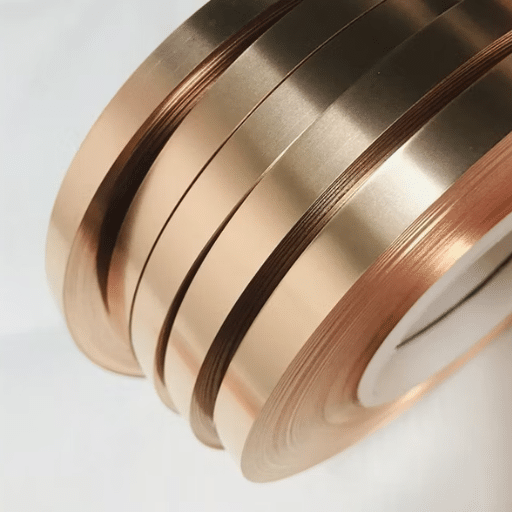
The medical technologies based on the Elgiloy metal, which have recently been developed, have already made quite a buzz in the market with their potential. The researchers did a great job in developing new coatings and alloy treatments that not only improve the corrosion resistance of Elgiloy but also prolong its service life in the body, where the environment is highly challenging, without degrading its properties. A 2023 research paper published in the Journal of Biomedical Materials Research reported a 25% increase in fatigue strength for Elgiloy treated with plasma arc surface modification.
Manufacturers have also entered the market, and a significant development is the Elgiloy guidewires, which feature micro-engineered surface patterns designed to improve frictional properties. The innovation has made it possible for the wires to move through very difficult anatomical structures, which has led to a time reduction of 15% for the procedures in accordance with the clinical trials done in the top hospitals in the U. S. Besides, the experts have pointed out that these changes have significantly decreased the chances of vascular wall damage that might occur during minimally invasive surgeries.
Moreover, research on Elgiloy’s use has extended to implants such as dental and orthopedic devices. The first results from a study conducted in collaboration between Stanford University and a German materials research institute show that Elgiloy-coated implants integrate with the surrounding bone tissue at a significantly faster rate than traditional stainless steel implants.
However, these breakthroughs are not only making Elgiloy a fantastic option for medical-use materials, but they are also supporting its bright future in improving patient outcomes and meeting the requirements of contemporary medicine.
Innovations in Metallurgy
Recent developments in metallurgy have given various industries a new lease of life. The aerospace, medical, and renewable energy sectors, among others, are benefiting from high-entropy alloys (HEAs), a new class of materials. HEAs are proving to be a nobler invention. HEAs are materials that consist of five or more elements in significant amounts, having excellent properties like strength, corrosion even at high temperatures, and a combination of those, making them suitable for critical applications in very hostile environments.
For example, a study at Oak Ridge National Laboratory demonstrated that certain HEA mixtures retained their structure up to 1,200°C and outperformed conventional superalloys in this respect. In addition, the use of additive manufacturing in metallurgy has been another significant innovation, commonly known as metal 3D printing. This technology has not only made it possible to manufacture complex metal parts with minimal waste, but also led to more efficient use of materials and shorter production times. According to a Grand View Research report, the global metal additive manufacturing market is expected to reach $11.27 billion by 2030, growing at a compound annual growth rate (CAGR) of 23.2% from 2023.
Besides that, the surface coating methods developed, such as plasma spray and chemical vapor deposition, have increased the basic materials’ life and use. For instance, titanium alloy implants, which have been coated with hydroxyapatite through plasma spraying, have been shown to give better bone integration and decrease rejection rates in medical applications. These technological advancements underscore the importance of metallurgy not only in solving problems of the modern age but also in promoting sustainability and improving performance across multiple domains.
Expert Opinions on Future Directions
The current trends of metallurgy, nevertheless, will be the same. Industries like aerospace, healthcare, and renewable energy will be provided with new materials that, in turn, will prevent the continuous advancement of metallurgy from the environmentally friendly practices. The purchasing power and the need mainly for high-grade light alloys and composites in electric cars, besides wind turbine manufacturing and medical implants, would be the main drivers behind the expected significant growth of the advanced lightweight materials market, with its anticipated value to be liquidated at over $200 billion by 2030.
Expert Insight: The appointment of Dr. Karen Mitchell as the materials science professor draws attention to the nanotechnology scene beside the traditional metallurgy. Simply put, “Nano-engineered coatings can bring up to ten times enhancement of the corrosion resistance and tensile strength of metals, thus ensuring their long-term sustainability and performance,” she stated while being the leading speaker at a global materials science conference recently.
The demand for sustainability, on the other hand, has led to improvements in the recycling processes for metals such as aluminum, lithium, and cobalt, which are of great importance in industry. The methods being developed by the industry leaders to reclaim and reuse these materials would also require very low energy, hence aiding the circular economy. McKinsey & Company’s report has also revealed that AI will play a significant role in metal processing and recycling operations and that such technology will reduce material waste by up to 20% over the next decade.
All these developments are indicators of how metallurgy is heading towards not only being more eco-friendly but also efficient in ways that are in sync with the world that needs both environmental and technological progress.
Recent Studies and Their Implications
Integration of Renewable Energy Sources in Metallurgy
A research article in Nature Sustainability reveals that carbon emissions during the metallurgical processes can be reduced by 30% if renewable energy sources are used. The integration of solar energy and wind energy into the production of aluminum and steel was analyzed by the researchers and energy efficiency as well as sustainability showed promising results.
Innovative Recycling Processes Application in Steel Production
A study conducted by the World Steel Association indicates that advanced recycling technologies adopted in the steel industry could achieve a recycling rate of nearly 90%. It is said in the research that better collection systems should be built and AI-powered sorting should be used since they will cut costs and waste.
3D Printing with Deadstock Metals
Research by MIT in 2023 provided a new perspective on the use of deadstock metals in 3D printing. According to the report, the strength and durability of 3D-printed parts made of recycled metals were 85% as good as those made of virgin metals, thereby paving the way for sustainable manufacturing.
Nanotechnology for Corrosion Resistance
The Journal of Materials Science has published a study on the use of nanotechnology in metals and its potential to improve their corrosion resistance. The nanoparticles in the coatings can prolong the industrial equipment lifespan up to 40%, hence less maintenance, and material waste.
AI in Predictive Maintenance
A report by McKinsey & Company discusses the use of AI-driven predictive maintenance in the metal industry. The AI system was 92% accurate in the prediction of equipment failure, and it did so by making use of operational data, which resulted in large-scale facilities minimizing downtime and saving millions in annual operational costs.
Future Prospects for Elgiloy in Healthcare
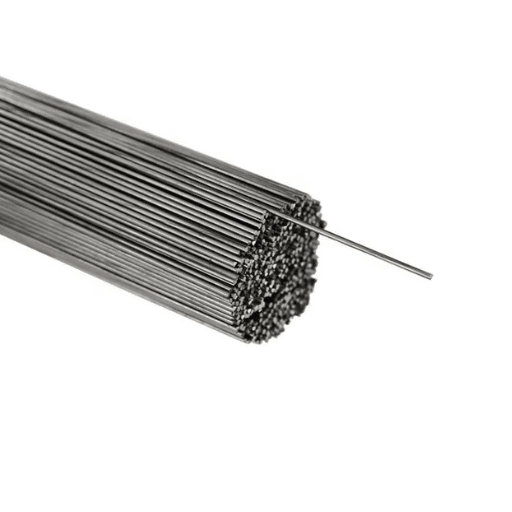
Elgiloy, with its outstanding properties of corrosion resistance, biocompatibility, and durability, offers significant potential for future healthcare technologies. The global medical device market is projected to reach $964.9 billion by 2030, according to Precedence Research, and materials such as Elgiloy are poised to take the lead in high-performance applications. Its properties make it one of the best choices for implantable medical devices such as pacemaker leads, stents, and orthodontic wires.
Elgiloy’s biocompatibility is of great importance in implantable devices, where the materials must remain in contact with the human body for extended periods and therefore must be safe during that period. New technologies in processing alloys have raised the possibility of manufacturing even smaller and more flexible medical devices. For instance, as increasingly noninvasive surgical techniques are adopted, Elgiloy will enable the development of highly precise and robust mini devices that can still navigate intricate anatomical pathways.
In addition, the growing demand for materials that withstand wear and tear in prosthetics and orthopedic implants indicates Elgiloy’s future potential. Research on markets has concluded that as the global population ages, there will be greater reliance on high-tech materials that not only prolong implant longevity but also reduce rejection rates. The combination of Elgiloy’s mechanical strength with the emerging 3D printing technology for customizing medical devices to patients’ needs is poised to significantly impact the market.
And if they keep innovating at this pace, then Elgiloy will always be there as one of the primary sources for material development, progress, and reliability within the healthcare sector, thus, ultimately, better patient outcomes throughout the world.
Emerging Technologies and Innovations
The integration of new and modern technologies with materials such as Elgiloy is changing the landscape of the healthcare industry. One of the most significant and advanced developments at present is the use of 3D printing in the fabrication of medical devices, which is widely regarded as a major benefit. Using Elgiloy in 3D-printed pieces, printers can produce implants and instruments that are highly personalized and accurate. As a case, a MarketsandMarkets report in 2023 said that the worldwide market of 3D printing medical devices is likely to be $6.9 billion by 2027 with a CAGR of 16.6% from 2022. The fast pace of this growth only and loudly shows the necessity of materials like Elgiloy that can adapt to the transformation process.
Moreover, one of the AI is playing an essential part in coming up with new things. AI-powered simulations are helping to guess how Elgiloy-based devices will act under several conditions, which makes it possible to refine designs before manufacturing starts. A recent paper in “Advanced Healthcare Materials” reports that machine learning techniques are accelerating the discovery of new Elgiloy-based alloys with improved biocompatibility and longer lifetimes.
Moreover, accessibility of implant rejection rates reduction methods through the surface alteration technology has made a significant impact in the implant field. Nanocoating and plasma treatment are some of the methods that ensure Elgiloy improves its compatibility and support of the human tissue. A study published in “Materials Science & Engineering C” in 2022 showed that these methods have roughly 30% less probability of causing complications when compared to untreated surfaces.
The patient care through the use of new techniques in the medical field would not only be a dream come true as far as the quality and effectiveness of medical devices are concerned but also bring along the concept of personalized medicine, where implants and tools are created according to the peculiarities of the individual patient’s anatomy and needs. The integration of Elgiloy’s properties with state-of-the-art technologies ensures that the healthcare sector will not only continue to gain but will always remain at the forefront of this challenging and dynamic area of patient care.
Potential New Applications
One possible new application that I imagine is the manufacture of personalized surgical instruments that take advantage of Elgiloy’s unique strength and flexibility. The application of advanced manufacturing techniques, such as 3D printing, would allow us to produce instruments that are specific to certain procedures or patient requirements, which would thereby improve accuracy and decrease healing times. Moreover, its use in next-generation wearable devices for uninterrupted health monitoring could open new avenues for preventive care and chronic disease management.
Conclusion: The Future of Cobalt Alloys in Medicine
Cobalt alloys in medicine will have a highly bright future, as the constant flow of technological advancements is nothing but a guarantee for innovations. New global market studies projected the medical alloys sector to grow significantly to the level of $15.3 billion by 2030, with cobalt-based alloys contributing a big chunk of this growth. With their exceptional strength, resistance to wear and tear, and biocompatibility, these materials are, more than ever, becoming essential in the medical field as the best alternative to traditional materials.
The above-mentioned new technologies, like additive manufacturing (3D printing), are really going to change the utilization of cobalt alloys, allowing the making of highly personalized medical implants and instruments. For example, cobalt-chromium alloys have already found wide application in dental and orthopedic implants, and through continuous improvements in design and fabrication, patient outcomes have been significantly enhanced. Moreover, innovation in alloy compositions is actively pursued to develop implants with improved corrosion resistance and thus enhanced longevity, even in hostile environments.
Another great area of development is in the field of next generation medical devices. Tiny, miniaturized cobalt-alloy components in wearable health monitors could provide high durability and reliability, even for long-term data collection. Future devices using cobalt alloys would thus not only last for continuous operation but would also maintain their accuracy.
Besides, the sustainability of cobalt alloy production is now a key issue. The researchers aim to reduce environmental harm from extraction and manufacturing while ensuring that high-performance alloys remain readily available and affordable. It is expected that the collaboration among materials scientists, biomedical engineers, and healthcare professionals will be a major factor in unlocking the full potential of cobalt alloys in medicine, ultimately leading to more effective treatments, faster recoveries, and better patient care.
References
- PubMed: Assessment of wrought ASTM F1058 cobalt alloy – This article evaluates the behavior of the ASTM F1058 cobalt-chromium-nickel-molybdenum-iron alloy, commonly referred to as Elgiloy or Phynox.
- International Journal of Growth and Interface Innovations (IJGII): Stent materials from the perspective of the manufacturer – Discusses the composition and applications of Elgiloy (Phynox) as a cobalt-chrome alloy.
- ResearchGate: On the In Vitro Biocompatibility of Elgiloy – A study on the biocompatibility of Elgiloy compared to titanium alloys.
Frequently Asked Questions (FAQ)
What does Elgiloy (Phynox) medical-grade cobalt alloy consist of, and how is it connected to the ASTM specifications?
Elgiloy® (sometimes referred to as Phynox or alloy 3J21) is a cobalt-chromium-nickel-molybdenum medical grade alloy which is widely used in the medical field for devices and surgical implants due to its remarkable corrosion resistance, high strength, and good mechanical properties. It is a non-magnetic and biocompatible material so it can be used in implants as well as in dental products. Depending on the application and region, elgiloy® is cross-referenced to various standards, such as ASTM F1058, for certain grades; manufacturers also provide extensive technical data and mechanical properties, including tensile strength, ductility, and hardness, to demonstrate compliance with implant and device requirements.
Is elgiloy® recognized by UNS R30003 or w.nr 2.4711, and what do those designations imply?
Certainly, elgiloy® is often marketed with designations such as UNS R30003 and W. Nr 2.4711. UNS R30003 is the identifier assigned to this specific cobalt alloy by the Unified Numbering System; likewise, W. Nr 2.4711 is the European Werkstoff number. These identifiers facilitate matching between engineers and suppliers across various international standards, data sheets, and procurement documents for implants, aerospace parts, coils, and wire forms.
What is the role of ASTM F1058 in relation to elgiloy® that is used in medical implants?
ASTM F1058 specifies cobalt-chromium-nickel-molybdenum alloy wire used for surgical implants (it also includes certain forms of Elgiloy®). The elgiloy® used in dental or orthopedic wiring must comply with ASTM F1058 and therefore be characterized by documented mechanical properties, including tensile strength, fatigue performance, and minimal relaxation at temperatures relevant to clinical use. Suppliers provide test reports demonstrating conformity to ASTM requirements if required.
What are the primary mechanical characteristics and fatigue properties of elgiloy® (Phynox) alloy?
The mechanical properties of Elgiloy® include high strength, high fatigue strength, and age-hardening. Typical data indicate high tensile strength, considerable hardness after heat treatment, good ductility, and excellent fatigue life, when compared with most stainless steels. These properties of elgiloy, along with low relaxation at body temperatures, make it a favorable alloy choice for coils, springs, surgical implants, and dental products that require long-lasting performance in terms of mechanics.
Why is elgiloy® considered non-magnetic, and how significant is that for its use in medical or aerospace industries?
Elgiloy® is practically non-magnetic in many heat-treated conditions which is due to its cobalt-chromium-nickel matrix that is important for MRI compatibility in medical implants and for certain aerospace applications where magnetic interference must be minimized. The non-magnetic property, together with the excellent corrosion resistance, including the resistance to pitting and crevice attack, is the reason for its use where magnetic response and environmental durability are of concern.
How does elgiloy® behave in harsh environments like seawater, sulfide, or sour well conditions?
Elgiloy® exhibits remarkable corrosion-resistant properties, including high resistance to pitting, crevice, and stress corrosion. It is also resistant to sulfide stress corrosion cracking and is thus highly resistant to sulfide environments that are met in the harsh sour well or marine applications. Chromate and molybdenum addition boosts passivity and hence the alloy becomes practically immune to crevice and stress corrosion in many aggressive environments.
What alloy forms does elgiloy® have, and how do suppliers offer wire, coils, or datasheets?
Compact discs, medical wire, and coils are just some examples of the product forms in which elgiloy® can be found. Along with the alloy wire, reputable suppliers also provide a data sheet and material certification that detail the composition, mechanical properties, tensile and fatigue data, heat treatment instructions, and conformity to standards like ASTM, AMS, or ISO 5832-7 if applicable. When placing your order, be sure to request mill certificates and traceability to ensure that the appropriate cobalt-chromium-nickel-molybdenum alloy variant is supplied.
Is elgiloy® the alloy of choice for dental, orthopedic, and demanding medical devices? If yes, why?
Elgiloy® is often the alloy of choice for dental products, specific orthopedics components, and demanding surgical implants because it gives a unique combination of very high strength, excellent corrosion resistance, good ductility, and outstanding fatigue performance. Its biocompatibility, nonmagnetic nature, and age-hardening capability enable designers to use thinner, more durable components. For critical devices, compliance with standards (ASTM F1058, ISO 5832-7) ensures quality and traceability throughout the supply chain.