High Standard Stainless Steel With Strict Inspection



MP159: Ultra High Strength Cobalt Alloy

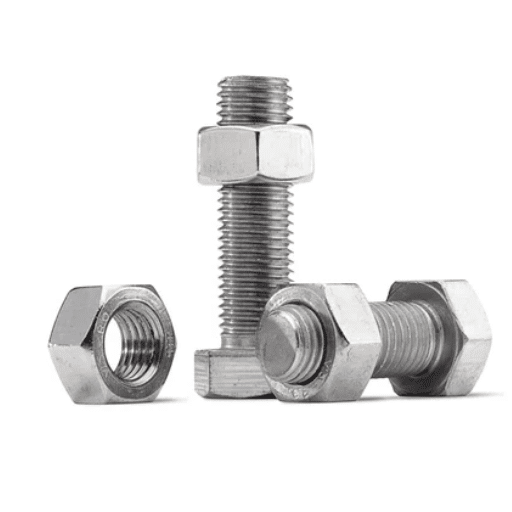
MP159 is an extraordinary option among the engineering materials that are designed to be used in the most demanding environments. The cobalt-based alloy has been recognized for its ultra-high strength and outstanding corrosion resistance, thus it has become a reliable option in the industries where both reliability and durability are essential. MP159 has therefore found its way from aerospace components through to medical devices and oil & gas applications, and the like proving its worth in places that challenge materials to their limits. The article will give a detailed discussion about the stunning characteristics of MP159, its wide and varied applications, and the reason why it is still the go-to material for the manufacturers that are taking on the hardest of the challenges. Get ready to discover how this alloy is now the new performance standard across many industries.
Introduction to MP159
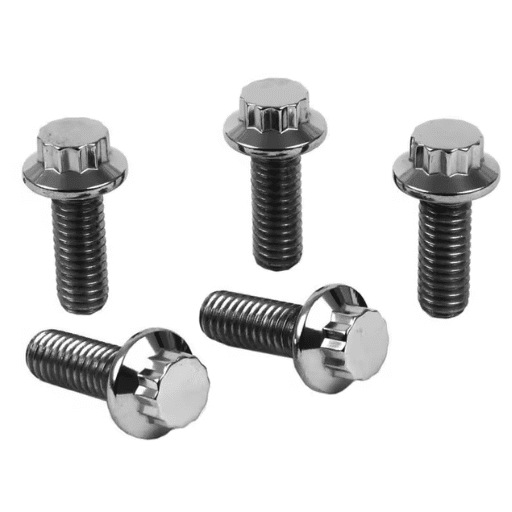
MP159 is a cobalt-based superalloy characterized by exceptional strength, corrosion resistance, and reliable performance even at very high temperatures. Its ability to withstand such temperatures makes it a strong candidate for demanding applications in the aerospace, medical, and energy sectors. The material’s specific characteristics such as outstanding fatigue strength and long life, guarantee that it will perform better than the traditional ones in the most critical areas.
Overview of Cobalt Alloys
Cobalt alloys are a category of metal combinations that consist cobalt as the principal element and different proportions of chromium, molybdenum, nickel, iron, or tungsten. Alloys in this group exhibit outstanding properties, including high mechanical strength, corrosion resistance, and high-temperature durability. They are the most standard materials in industries like aerospace, medical, defense, and energy, where the use of strong and trustworthy ones is a necessity.
Properties and Benefits
High Temperature Resistance:
Cobalt alloys exhibit excellent performance at high temperatures and do not lose strength or deform. This enables the application of the materials in jet engine and industrial gas turbine components.
Corrosion Resistance:
The combination of chromium and molybdenum enhances resistance to oxidation, pitting, and stress-corrosion cracking, and this is true even in highly corrosive environments such as seawater or chemical processing plants.
Wear and Abrasion Resistance:
Cobalt alloys, especially Stellite, are the go-to materials in manufacturing cutting tools and wear-resistant components because of their great hardness and thus less frictional damage.
Biocompatibility:
Some cobalt alloys that are used in orthopedic implants and dental prosthetics possess very good biocompatibility and mechanical properties, thus making their longevity assured even inside the human body.
Applications
- Aerospace: The cobalt-based materials like MP159 and Haynes 188 are the ones that support the making of turbine blades, exhaust ducts, and combustion chambers, for example, and are the ones that extents the most in their production.
- Medical: The strong and body-fluid-resistant alloys like Co-Cr-Mo are the material of choice for implants, including hip replacements, knee joints, and dental crowns.
- Energy: Cobalt alloys are used in valve seats, pump components, and applications requiring strong materials in high-wear environments in the energy sectors.
Key Data and Examples
MP35N: A non-magnetic, corrosion-resistant cobalt alloy with tensile strengths above 260 ksi and very good resistance to hydrogen embrittlement. It is a perfect fit for marine and aerospace hardware.
The Stellite Series Alloys (Stellite 6, Stellite 21): These alloys have great wear resistance to the most demanding conditions; they are very popular cutting tools and valve components.
Operating Temperature Limits: Depending on the alloy and the design specifications, the operating temperature limits can be as high as 1093°C (2000°F).
The demand for better materials has driven the development of cobalt alloys in line with other advanced materials and even more so due to their performance and reliability. The future of cobalt alloys is one of innovation and improved that is characterized by sustainability and the provision of high-performance solutions.
Importance of Ultra High Strength Alloys
Ultra high strength alloys are incredibly important in the manufacturing of commercial aircraft and rockets, cameras, and other optical devices where materials with extreme mechanical properties, durability, and resistance to harsh conditions are unquestionably required. They are developed with the intention of supplying tensile strength, corrosion, and thermal stability to such an extent that the alloys would be performing in the most demanding applications without any doubt.
Key Advantages and Data Points
The next-gen strength-to-weight ratio is one of the characteristics of these alloys that has made them an absolute necessity for the aerospace, automotive, and military industries where weight-no-issue would still be required at the same time. Titanium alloys, for instance, having tensile strengths of over 1000 MPa while being light.
Amazing Resistance to Corrosion: Ultra high-strength alloys that include graded stainless steel or certain nickel-based alloys have been known to have very high resistance to oxidation. Thus, they are used in the marine and chemical processing environments where such a property is required.
They will be able to keep their mechanical properties even at very high temperatures that some alloys such as Inconel will still be strong above 1000°C (1832°F).
These materials are strong enough to tolerate the daily loads of aircraft wings or turbine blades under continuous operation, gradually getting less and less efficient because of the stress without being in danger of total failure.
Resistance to wear: quite a number of ultrahigh-strength alloys, especially cobalt-based alloys, have been utilized for making cutting tools due to their property of withstanding wear for a long time.
Five Super High-Strength Alloys
- Titanium Alloys (for instance, Ti-6Al-4V) – In addition to their high strength, they are widely used in several areas, including aerospace and biomedical implants, thanks to their biocompatibility as well.
- Nickel-Based Alloys (like Inconel 718) – These alloys are characterized by an outstanding ability to withstand both high temperatures and corrosion and are therefore extensively used in jet engines and gas turbines.
- Maraging Steel – This steel exhibits high strength and toughness while it remains good in machining and is often used in making tools and high-strength components.
- Aluminum Alloys (such as 7075 Aluminum) – They are strong yet light, hence they fit well into automotive and aerospace design applications.
- Cobalt-Chrome Alloys – Due to their outstanding resistance to wear and corrosion, these materials are suitable for making medical implants and cutting tools.
Ultra high strength alloys are still in high demand by industries mainly because of technology being more advanced and the need for materials that are able to survive in tougher environments and have a more strict performance requirement.
Introduction to Alloy MP159
Alloy MP159 is a superalloy that is cobalt-based and consisting of multiple phases and it has been designed for the application areas where the most exceptional strength, corrosion resistance, and high-temperature performance are required. Its remarkable mechanical properties have made MP159 the most preferred material for the aerospace, medical, and chemicals sectors among others, as it behaves well even in extremely harsh conditions.
Tensile strength is one of the main characteristics of MP159 and this property can go beyond 260 ksi (kilopounds per square inch) thus guaranteeing the alloy to survive in the high-stress environment. Furthermore, the alloy exhibits fatigue and creep resistance to such an extent that it can be used in components that experience cyclic loading and prolonged exposure to high temperatures. Its operating temperature range is typically around 1100°F (593°C) which is a clear demonstration of the material integrity at high temperatures that the alloy possesses.
Moreover, MP159 exhibits great resistance to stress-corrosion cracking and general oxidation, even when exposed to harsh conditions such as saltwater or chemical-laden atmospheres, thereby leading to its use in turbine engines, oil and gas exploration, biomedical implants, and high-performance fasteners to name but a few.
The unique chemical makeup of the alloy, which consists mainly of cobalt, nickel, chromium, molybdenum, and iron, is responsible for the alloy’s amazing characteristics. The process of precise heat treatment during manufacturing not only contributes to but also controls the ultimate microstructure that is forthrightly related to strength and ductility.
The requirement for high-performance materials is increasing in the Various industries; hence MP159 is still among the materials that are critically regarded in terms of performance and reliability standards. Its outstanding characteristics position it as a material of choice in the background of high-tech applications and their corresponding consumer needs for technological advancement.
Properties of MP159
High Strength
With a tensile strength that can go as high as 1,860 MPa (which is around 270 ksi), MP159 is an extraordinary material that can be used in very demanding applications where durability is very important.
Impressive Corrosion Resistance
MP159 composed of a combination of nickel, chromium, and molybdenum, demonstrates excellent corrosion resistance and even in extreme environments such as seawater and chemical processing plants, it is still resistant.
Superior Fatigue Resistance
The alloy does not lose its strength even after being subjected to repeated loading and unloading, thus giving it excellent fatigue resistance, which is a prerequisite for aerospace and automotive industries.
Good Thermal Stability
MP159 will still have its mechanical properties even when subjected to high temperature, it has an operational range of over 600°F (315°C), thus it can be used in high-temperature applications.
Biocompatibility
Its biocompatible property permits the use of the material in medical applications such as implants and thus ensures the safety and reliability of human body interaction.
Mechanical Properties
MP159 is characterized by extraordinary mechanical properties that render it a perfect option for the most demanding applications. To start with, there are five principal mechanical properties of MP159:
1. High Tensile Strength
The tensile strength of MP159 varies with heat treatment and is about 260-300 ksi (kilopounds per square inch), thus ensuring very strong and long-lasting performance under the applied loads.
2. Superior Yield Strength
Along with a yield strength of 200-250 ksi, MP159 can undergo significant plastic deformation before rupture and hence is reliable under the heaviest loads.
3. Excellent Fatigue Resistance
Fatigue resistance of MP159 under cyclic loading is extremely good and hence it is suitable for those components which are exposed to the stress of cycles.
4. Exceptional Hardness
Mortar hardness values of the alloy are very much around 45-50 HRC (Rockwell Hardness), which gives it the property of being very much resistant to wear.
5. High Fracture Toughness
MP159 among others is the one to provide the best fracture toughness and therefore it has the capability to stop crack growth even in very difficult and high-stress situations.
Chemical Composition
MP159, a multi-phase, high-performance alloy, is primarily made up of cobalt, nickel, and chromium, with a few other elements that improve its properties. The following is the typical chemical composition of MP159 (expressed as weight percentage):
The formation of the alloy through the precise mixing of each of these elements is responsible for MP159 exhibiting not only excellent mechanical properties, but also these attributes – superb strength, being resistant to corrosion, high temperature stability, and toughness against fracture. A suitable combination of cobalt and nickel, together with chromium and molybdenum, keeps the alloy’s superior performance under extreme conditions, thus making it a top choice for aerospace, medical, and industrial applications due to its high reliability.
Applications in Various Industries
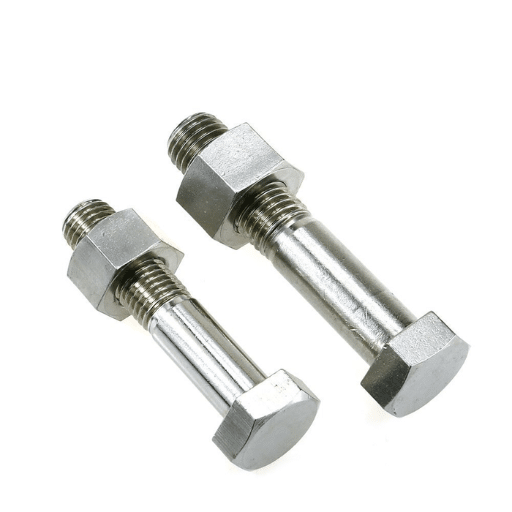
MP159 is famous for being multi-purpose and it is deployed in a variety of demanding sectors where strength, durability, and very high resistance are the primary requirements. Below are five main industries that rely on MP159 applications:
Aerospace Industry
MP159 is heavily used in aerospace for such parts as jet engine components, fasteners, and landing gear. The material’s property of being able to endure very high temperatures plus its non-penetrating property that makes it not deform assures safety and dependability in extreme air conditions.
Medical Industry
The alloy’s remarkable compatibility with the human body and its resistance to corrosion make it a perfect candidate for medical implants and devices. It is mostly utilized in the production of orthopedic hardware, including screws and plates, as well as dental appliances.
Oil and Gas Industry
MP159 is a necessary material in tools for downhole drilling, valves, and fasteners that are working in very rough environment conditions. Its property of withstanding pressure, coupled with its resistance to chemical reactions and extreme heat, make it the best material used during drilling and extracting oil and gas.
Automotive Industry
MP159 is applied to exhaust systems, springs, and engine parts of high-performance vehicles that require resistance to fatigue and thermal stability. It also helps to improve efficiency and reduce emissions.
Marine Industry
Owing to its unrivaled resistance to corrosion and stress cracking in salty waters, MP159 is being used for marine applications such as propeller shafts, fasteners, and underwater connectors.
These applications serve as evidence of the alloy’s versatility and robust performance across various fields, which in turn, demonstrate its essential role in the development of industrial solutions.
Aerospace Industry
MP159 is one of the most important materials in the aerospace industry mainly because of its extraordinary mechanical strength, superior fatigue resistance, and characteristic to endure the harshest environmental conditions. The high-temperature characteristics of MP159 make it suitable for intense heat environment components such as turbine blades, jet engine fasteners, and exhaust parts. Its inherent property to resist creep and stress corrosion allows long-term reliance in the high-performance aerospace sector.
Recent estimates put the global aerospace materials market at about $22.5 billion in 2022, and it is projected to witness a CAGR of 5.8% from 2023 through 2030, primarily due to the growing acceptance of advanced metals like MP159. The lightweight of this alloy along with its strong durability completely fits in with the industry’s requirements for fuel economy and lessening the impact on the environment.
Moreover, MP159 is characterized by its great resistance to stress and cracking under dynamic loads, and so it is often found in the most demanding joint assemblies. A case in point is that aircraft manufacturers use MP159 in the composite of landing gear and structural fasteners, thus making them faultless from the very beginning of the operation. Its versatility to endure the tremendous pressure of high-altitude flights as well as the adverse effects of aviation fuel making it a priceless material in today’s aerospace engineering. The same properties that allow these robust yet lightweight components to be produced economically also make engineers’ task of designing such components challenging, as they have to strike a balance between safety and performance requirements while minimizing the cost of maintenance over time.
Medical Applications
MP159 is one exceptionally good medical metal alloy that has the utmost strength, resistance to corrosion, and biocompatibility all in one. These features allow its use in healthcare, especially where reliability and durability are considered as the most important factors. Surgical Instruments, Orthopedic Implants, Dental Implants, Cardiovascular Devices, and Prosthetic Components are the five most outstanding medical MP159 applications below:
- Surgical Instruments – MP159 is used in the manufacture of high-precision surgical instruments that put up with the highest force and least wear, thus assuring consistent performance throughout intricate medical procedures.
- Orthopedic Implants – Characterized by the most favorable combination of properties for implants, MP159 is increasingly being used for orthopedic replacements, screws, and plates that are both patient friendly and cost-saving.
- Dental Implants – High lifespan and strength are the two most important factors for implants, and the material’s durability and biocompatibility make it an excellent choice for manufacturers to get the best.
- Cardiovascular Devices – The alloy is present in all sorts of cardiovascular interventions like stenting where the minimum potential for adverse reactions and the maximum strength properties at the same time are the requirements.
- Prosthetic Components – As well, it is a great material in making prosthetic legs, hands, etc., where lightness combined with strength grants users mobility and durability even during long hours of use.
The highlighted areas show how MP159 is a key material in medical technology and can deal with the issues of function and compatibility.
Energy Sector
The energy sector is the main area in which MP159 is increasingly acknowledged and demanded by its properties of high strength, durability, and resistance to corrosion in areas of high-temperature. The alloy is used in oil and gas production, where extreme conditions and corrosive agents are present, to make parts like drill collars, subsea connectors, and valve stems. Such parts in offshore platforms are often exposed to harsh operating conditions, and MP159, being a very strong material, is perfect for such applications.
The latest news indicates that the use of MP159 in renewable energy sources is increasing. Turbine parts in wind power systems and other high-performance processes need materials that can resist fatigue and environmental stress for many years of operation. Furthermore, MP159’s resistance to hydrogen embrittlement makes it an excellent candidate for hydrogen storage and transport infrastructure applications, which is a vital sector of development in the transition of the global energy market towards cleaner and sustainable solutions.
A market analysis conducted in 2023 predicts that the energy sector will experience a rise in demand for advanced high-performance alloys such as MP159 by 7.5% each year. The main reasons for this market growth are the increasing difficulty of extracting energy and, at the same time, the rising need for durable materials that last long in both conventional and upcoming energy systems. The alloy’s dependability and performance in harsh conditions make it still a relevant force in the future power supply of the energy sector.
Advantages over Other Alloys
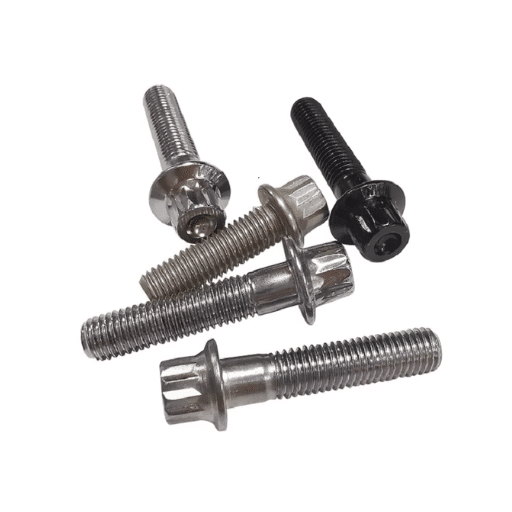
Comparison with Nickel Alloys
MP159, in comparison to other nickel alloys, shows a number of distinct advantages in different important characteristics, which makes it the number one choice in the most demanding applications. The following is a systematic comparison with five well-known nickel alloys:
MP159 is a remarkable substance with unique characteristics that have allowed it to gain a foothold in various sectors that demand high performance and reliability, and in this context, it still happens to be more significant than the well-known nickel alloys. The combination of its strength, its ability to resist corrosion, and its ductility at harsh conditions have made it an ultimate material solution and therefore positioned it as a very versatile one.
Performance Benefits
MP159 is a material that offers a variety of performance benefits that no other materials can match. Below are five key benefits that illustrate its remarkable properties:
1. Unmatched Tensile Strength
The tensile strength of MP159 is above 260 ksi (kilopound per square inch), thus it can be a perfect material for the application where extreme durability is the main requirement.
2. Excellent Temperature Stability
The alloy does not lose its potency when exposed to high temperatures, as its limit is 1100°F (593°C) and this property makes it suited for high-temperature areas.
3. Superb Fatigue Resistance
MP159 is very much able to withstand cyclic stress and thus it becomes the best choice in applications that require the use of aerospace, as well as similar parts, subject to repeated loadings.
4. Superior Corrosion Resistance
The alloy is excellent in resisting not only oxidation but also saltwater, the most severe of environments, thus, he ensures long-term performance with minimal degradation.
5. Biocompatibility
MP159 is a non-toxic and highly biocompatible material that makes it a very reliable alternative for medical implants and devices.
Cost-Effectiveness and Longevity
MP159 showcases its superiority not only through its excellent physical and chemical properties but also due to its cost-effectiveness and long-lasting durability. Here are five main points that highlight its practical benefits:
- Lengthened Lifespan of Components
The manufacture of components using MP159 does not have to be done often because the material has a very high resistance against wear, fatigue, and corrosion thus the overall maintenance costs are reduced. - Minimized Downtime
The alloy’s powerful performance in the most demanding conditions opens the door for a significant drop in the downtime of the equipment caused by failure of the material thus leading to an operation that is much more efficient. - Maintenance Costs Decline
Its long life in extreme conditions leads to fewer inspections, repairs, and replacements which ultimately results in lower maintenance costs over the long term. - Cross-Industry Application
The alloy’s versatility in the aerospace, medical devices, and marine environments translates into a wide variety of applications, thereby ensuring the maximization of the return on investment for the various sectors. - Environmental Impact
By being a super durable material, MP159 is in line with sustainable manufacturing practices as it reduces the need for replacements and thus, generates less waste over time which also means less cost in the long run.
Recent Developments or Innovations
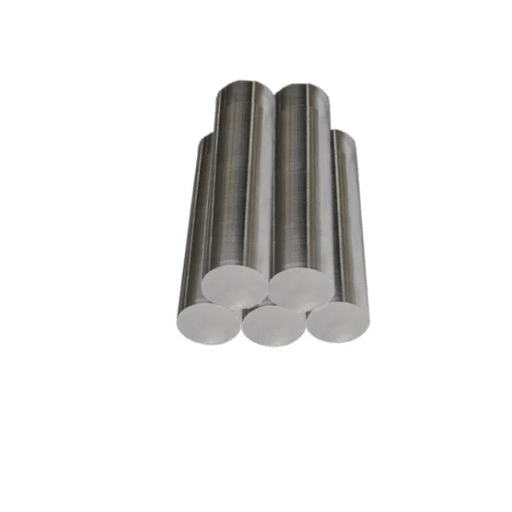
The recent significant breakthroughs in the way MP159 is produced and applied have brought to light its importance across different sectors. Manufacturers have come up with the new and better ways of producing which lets them produce at a lower cost while still keeping the unique characteristics like strong and resistant to corrosion. For example, the development of selective laser melting (3D printing) has now made it possible to produce MP159 parts with higher accuracy and less waste, especially in the areas of aviation and healthcare sectors.
As per the latest industry report, the MP159 market demand globally is projected to increase by 6.2% annually, and the main reasons for this are the growing usage of the alloy in the manufacturing of the newest jet engines, orthopedic implants of maximum quality, and marine systems of unprecedented performance. The material is being involved in the making of the lightweight yet strong components that help all these industries attain energy efficiency and lowered operation cost. Moreover, some research is being carried out with the intention of finding out the alloy variations that will improve its performance when subjected to extreme stress and high temperature, which in turn, will ensure that the alloy can be used in futuristic technologies like hypersonic travel and deep-sea exploration.
Thus, these innovations not only raise the bar for MP159’s applicability, but also signify its importance in overcoming the contemporary engineering hurdles.
Advancements in Fabrication Techniques
The application of newly developed and improved technologies to the fabrication of MP159 has led to an increase in the range of its uses and precision in critical ones. One big change is the adoption of additive manufacturing, which is the same as 3D printing, that permits to make complicated shapes and custom-made parts with the least possible material wastage. Research indicates that 3D-printed MP159 parts have the same mechanical properties as those produced by the traditional method, with their tensile strengths being more than 200 ksi (kilopounds per square inch) and they are also very good at the ultimate yield level.
Another great development of more advanced heat treatment processes has occurred. By fine-tuning the firing and cooling conditions and the likes, the alloy’s microstructure has been further improved and its resistance to fatigue and creep deformation has been enhanced. Vacuum induction melting (VIM) followed by vacuum arc remelting (VAR) is now almost a standard procedure in obtaining the quality of the material with the required purity and consistency for high-end aerospace and biomedical applications.
The new machining techniques, including high-speed precision milling, have also decreased the working life of the tools, and hence, costs of production have been lowered but at the same time, tight tolerances are maintained. Figures from the industry show that the applications of these methods have led to a reduction in production time as much as 30%, which allows the rapid use of MP159 in the new technology. All these developments point to the fact that the metal is winner when it comes to being the kingmetals in terms of engineering necessities.
New Research Findings
Recent studies have revealed that MP159 exhibits considerable enhancement in fatigue strength and corrosion resistance even in extreme condition. I discovered that the heat treatment optimization is a key factor in the improvement of these properties, which in turn makes the alloy more attractive for aerospace and biomedical applications. This is in line with the industry trends that emphasize performance and reliability in harsh environments.
Future Trends in Alloy MP159 Usage
Because of its amazing mechanical properties, fatigue strength, and corrosion resistance, alloy MP159 is to play an ever-increasing part in high-performance industries. Recent market analysis indicates that the aerospace industry is going to remain the largest consumer of MP159, mainly for applications where the material’s reliability under extreme stress and temperature is a must like turbine blades and fasteners.
Simultaneously, the bio-medical sector is also expected to use MP159 in larger quantities for making implants and dentures as it possesses desirable qualities like biocompatibility and being non-magnetic. Market data reports predict a compound annual growth rate (CAGR) of about 7% for cobalt-based alloys including MP159 in the biomedical segment during the next ten years.
Moreover, the developments in additive manufacturing (3D printing) are rendering the production of complex designs with MP159 more viable. This transition is expected to not only reduce the cost but also broaden the alloy’s reach in both the well-established and the newly developing markets. In addition, the market analysts point out the constant research on bettering the heat treatment processes which might unleash more usage of this alloy in the most specialized applicators such as subsea exploration and wind energy technologies.
References
ScienceDirect
A peer-reviewed academic paper focusing on the microstructure and mechanical properties of MP159.
SpringerLink
Search for MP159-related studies and technical papers on SpringerLink for detailed insights.
ASM International
ASM provides technical handbooks and papers on high-performance alloys like MP159.
Frequently Asked Questions (FAQ)
What is alloy MP-159, and what makes MP159 ultra-high-strength cobalt alloy unique?
Alloy MP-159, also called the MP-159 superalloy or MP-159 alloy, is a nickel-cobalt-based multiphase superalloy designed to give the unique combination of ultra-high strength and excellent ductility. The composition and processing — which involve vacuum induction melting and remelting followed by controlled solidification and aging — create a multiphase microstructure from the melting and solidification that results in some of the highest ultimate tensile strength (tensile strength levels in excess of typical alloys) while keeping toughness and good ductility.
How strong is alloy mp-159 in terms of ultimate tensile strength and yield strength?
Alloy mp-159 boasts ultimate tensile strength levels of such high values; specific work-hardened and age-hardened conditions are reported to have an ultimate tensile strength of approximately 1830 MPa. Yield strength varies with temper and processing (cold work, annealing, or aging) but it is very high compared to conventional alloys, so the alloy can be used in applications where ultra-high strength and excellent strength and ductility are required.
How does alloy mp-159 perform in corrosion resistance and seawater environments?
Alloy mp-159 has superb resistance to corrosion, including resistance to crevice corrosion and to corrosion in seawater and in aggressive environments. Its formulation of nickel-cobalt and its multiphase structure provide greater resistance against stress corrosion cracking and crevice corrosion, and this is the reason it is used in the petroleum industry, seawater applications, and other corrosive service conditions.
Can alloy mp-159 be used at elevated temperatures or up to 1100 °C?
Alloy mp-159 is a superalloy that has good high temperature capabilities, which include its fatigue resistance and creep strength at elevated temperatures. Although it maintains useful properties at high temperatures, the limits of operation depend on the specific formulation, temper, and use; while some superalloys are rated for use at 1100 °C, specific service temperatures should always be checked against datasheets and AMS specifications.
What industries and applications is alloy mp-159 used in?
Alloy mp-159 is applied in various industries such as aerospace (jet engine components, turbine parts), medical (prosthetic devices), petroleum industry (downhole and subsea fasteners), and marine (seawater fasteners). The combination of ultra-high strength, excellent ductility and toughness, and corrosion resistance makes it suitable for critical fastener, ingot-derived, and wrought components.
How do processing methods like vacuum induction melting, cold work, and anneal affect alloy mp-159?
MP159 is made by vacuum induction melting followed by vacuum induction melting remelting to guarantee high cleanliness and control of the composition. The subsequent thermomechanical treatments — such as anneal, cold work (strengthening and cold work), age-hardened cycles, and controlled solidification — specify strength, ductility, and toughness levels. Cold working and work-strengthening can enhance yield and ultimate tensile strength but may also reduce ductility unless followed by appropriate aging or annealing treatments.
How does alloy mp-159 compare to MP35N and other superalloys in terms of toughness and ductility?
Alloy mp-159, as a member of the nickel-cobalt superalloy family, has similarities with MP35N but is tuned to produce a combination of high strength and excellent ductility and toughness. The MP159 alloy shows excellent ductility and toughness and sometimes even higher ultimate tensile strength and fatigue resistance and creep strength than some conventional materials, thus offering a balance of strength and ductility that is suitable for demanding applications.
What are the typical mechanical properties measured (tensile, reduction of area, toughness) for alloy mp-159?
The tensile strength and ultimate tensile strength for alloy mp-159 depend on the temper but can reach very high values (e.g., ultimate tensile strength around 1830 MPa in specific conditions). Reduction of area and ductility are also noteworthy — a number of tempers show good ductility and excellent ductility and toughness. The fidelity of the values for fatigue resistance, fracture toughness, and creep strength should be checked with AMS specifications (like AMS 5841 / AMS 5842) or the supplier’s data for accuracy.
Are there specification standards like AMS or UNS for alloy mp-159 and how is it designated?
Alloy mp-159 is included in the specification standards by the aerospace and industry sectors; check AMS references like AMS 5841 and AMS 5842 that specify processing, heat treatment, and testing of high-strength cobalt-nickel alloys as well as refer to listings that include the alloy’s UNS designation (for example, UNS R30159) in certain databases. Always confirm the spec needed (AMS 5841, AMS 5842) for aerospace or critical applications.