High Standard Stainless Steel With Strict Inspection



Monel Alloys: Nickel-Copper Corrosion Resistant Materials

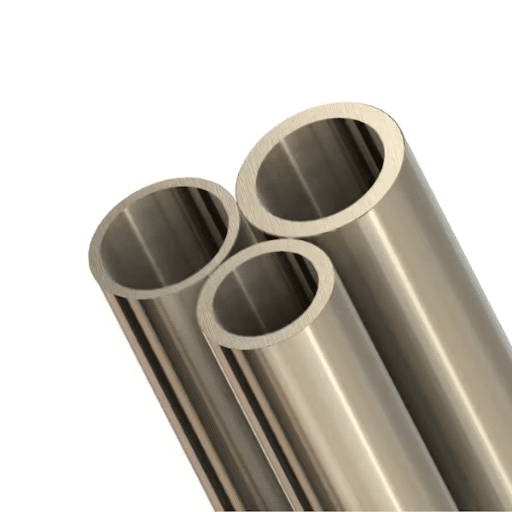
Monel alloys are among the most trusted materials in industries that require the highest performance and resilience. High-end nickel-copper alloys, which provide excellent corrosion resistance and extraordinary strength, are essential for marine engineering, chemical processing, and aerospace applications—the list of harsh environments where they are used is long. But what is it exactly that makes the Monel alloys so extraordinary? This post will examine their distinct properties, multiple uses, and why they are the primary choice for industries operating in extreme environments. Whether you are an engineer, a material scientist, or just a person full of curiosity regarding high-tech materials, this piece will definitely give you some valuable knowledge about the fascinating world of Monel alloys.
Introduction to Monel Alloys
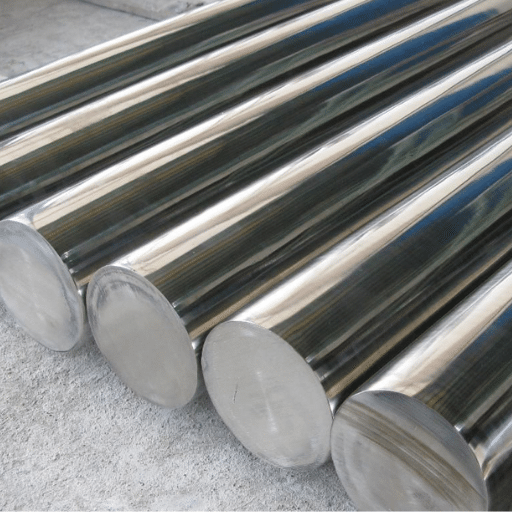
Monel alloys, a class of nickel-based alloys, are known for their exceptional strength, corrosion resistance, and durability. These alloys, primarily nickel and copper with minute amounts of iron, manganese, carbon, and silicon, can withstand extreme conditions such as marine and chemical environments. Their inherent ability to resist seawater and acidic solutions has expanded their use in shipping, heat exchangers, and pipelines. Monel alloys are widely recognized for their reliability and adaptability, making them the primary materials of choice for industries that require performance in harsh conditions.
What are Monel Alloys?
Monel alloys are designated as a family of nickel-based alloys that consist mainly of nickel and copper, and they are distinguished by their remarkable properties such as high strength, resistance to corrosion, and many industrial applications that require materials with such properties.
Historical Development of Monel Alloys
Monel alloys were first developed in 1905 by the International Nickel Company (INCO), led by Robert Crooks Stanley, a prominent metallurgist. The alloy, which was named after the company’s president Ambrose Monell, was a remarkable invention because of its corrosion resistance and strength retention in very difficult locations. The first Monel 400 alloy, one of the most commonly used types, was approximately 67% nickel and 23% copper, with small amounts of iron, manganese, and other elements.
In the early 20th century, Monel alloys were greatly used for both commercial and military purposes. In particular, Monel was the primary material used in World War I for aircraft propeller and frame production due to its long service life and stress-resistance. It was the same in the case of ships where corrosion from seawater was the main problem; the propeller and hull were made of Monel to combat that.
Development of Monel alloys has been continuous from the 20th to the 21st centuries, with new grades introduced, including Monel K-500, which adds aluminum and titanium to improve hardness and mechanical strength. Monel alloys are still used today in critical applications, particularly in the chemical, marine, and aerospace industries. Research and development for these materials is ongoing, ensuring they meet modern engineering standards.
Data demonstrate that the unique benefits of Monel alloys in extreme conditions cannot be overstated. For example, Monel 400 can withstand a tensile strength of 70,000 psi and is suitable for temperatures from -423°F to 1,000°F without degrading performance. Additionally, the alloy’s corrosion rate in seawater is so low that it is the material of choice for applications requiring durability and strength under extreme conditions. These features indicate that Monel alloys remain in high demand in today’s industrial sector.
Importance of Corrosion Resistance
One of the most essential properties of materials that are used in heavy-duty industrial applications is the resistance against corrosion. The ability to resist corrosion delivers longer service life, lower maintenance costs, and improved safety. Here are five critical points that stress the significance of corrosion resistance:
Extended Lifespan
High-corrosion-resistant materials like Monel alloys can remain in harsh, corrosive environments for decades without significant deterioration, reducing the need for frequent replacement.
Enhanced Safety
Corrosion-resistant materials are the barriers against structural failures arising from the gradual weakening over time, and thus they ensure the safety of both equipment and people in critical industries such as aerospace, marine, and chemical processing.
Reduced Maintenance Costs
Industries do save a lot on maintenance costs related to repair, replacement, and applying protective coatings by the mere fact that corrosive elements’ impact has been minimized.
Environmental Benefits
Corrosion-resistant materials not only reduce the need to manufacture protective additives or replacements but also benefit the environment by using fewer resources and emitting less pollution.
Performance in Extreme Environments
The corrosion-resistant materials Monel 400 and K-500 are to be relied on as they not only remain intact but also effective in complex environments such as seawater, acidic solutions, and high-temperature conditions.
These characteristics bring corrosion resistance to the forefront of materials engineering and make it a key requirement for industries where durability and failure resistance are critical.
Chemical Composition of Monel Alloys
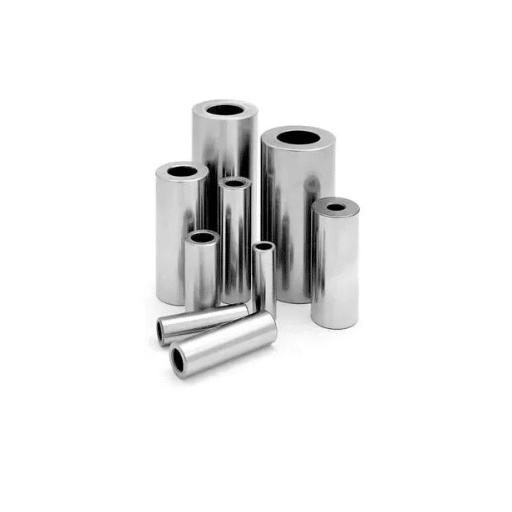
Monel alloys consist mainly of nickel and copper, but their properties are made even better by the addition of other elements. The specific chemical composition can differ depending on the particular grade of Monel, for instance, Monel 400 or Monel K-500, but the main constituents are still the same. The following outlines typical grades:
Monel 400
- Nickel (Ni): 63% minimum
- Copper (Cu): 28-34%
- Iron (Fe): up to 2.5%
- Manganese (Mn): up to 2%
- Carbon (C): up to 0.3%
- Silicon (Si): up to 0.5%
- Sulfur (S): a little
Monel 400 is the best choice in environments with high salinity or high acidity due to its excellent corrosion resistance.
Monel K-500
- Nickel (Ni): 63% minimum
- Copper (Cu): 27-33%
- Aluminum (Al): 2.3-3.15%
- Titanium (Ti): 0.35-0.85%
- Iron (Fe): up to 2%
- Carbon (C): up to 0.25%
- Silicon (Si): up to 0.5%
- Sulfur (S): a little
The uniqueness of Monel K-500 is due to the presence of aluminum and titanium which makes the alloy capable of being precipitation-hardened thus giving it a very strong and hard nature besides its good corrosion resistance.
Major Advantages of the Composition
The high nickel part in Monel alloys makes them very durable in harsh environments like the sea, brine, and acidic environments, and they also do not crack under stress. Copper imparts to the performance while the rest of the elements—iron, manganese, and silicon—take care of machinability and structural integrity.
Thus, the specific chemical composition triggers Monel´s superior performance; in fact, alloys are used in marine engineering, chemical processing, aerospace, and oil and gas applications. They are the essential materials for the most demanding operational environments.
Overview of Alloy 400
Alloy 400, also known as Monel 400, is a nickel-copper alloy that is highly adaptable and has very high corrosion resistance. Its composition typically consists of about 63% nickel, 28-34% copper, and tiny amounts of iron, manganese, and other elements. The result is excellent resistance to seawater, acids, and high-stress conditions, making it a good choice for sectors such as marine, chemical, and oil and gas.
Key Properties of Alloy 400
Corrosion Resistance
Alloy 400 is very good at resisting chemicals, and it can be used in places that are tough, like fast-flowing seawater, brine solutions, and many acids, such as hydrofluoric and sulfuric acid, at different concentrations. The alloy’s high strength makes it the preferred material for harsh environments.
Mechanical Strength
Monel 400 provides high mechanical strength across a wide temperature range and good ductility and toughness even in subzero conditions. It is reported to have a tensile strength of 70-100 ksi (483-690 MPa), but the actual value depends on the material’s exact form and processing.
Thermal Conductivity
Alloy 400 has a thermal conductivity value of about 21.8 W/m. K, and this, together with very good corrosion resistance, means it can be used at higher temperatures.
Melting Range
The melting range of 2370-2460°F (1300-1350°C) indicates the material to be very heat-tolerant, and this characteristic makes it suitable for high-temperature applications.
Applications of Alloy 400
Alloy 400 is used in a wide range of industries, among them are:
Marine Engineering
Monel 400 would be perfect for use in acid and other reactive chemicals such as the construction of heat exchangers, reaction vessels, and pipelines.
Chemical Processing
Ideal for handling corrosive chemicals in various industrial processes.
Aerospace
Components that are subjected to high stress and corrosive conditions, particularly in the fuel and hydraulic systems, will benefit from using Monel 400.
Oil and Gas
Alloy 400 is a must for equipment in sour gas environments and offshore well construction materials.
Alloy 400 is a material that offers extremely versatile and reliable properties, which is why it continues to be a key element in the evolution of industrial engineering and materials science.
Detailed Composition of Monel K500
Monel K500 is the most recent development in the Monel series, it is the stronger and purer version of Monel 400. The superb combination of aluminum and titanium, together with age-hardening or precipitation hardening, results in a strong and hard alloy that also has a high corrosion resistance like its predecessor Monel 400. The following is a comprehensive breakdown of Monel K500 composition through its elemental makeup:
Monel K500 draws its strength from the age-hardening method which involves the formation of fine dispersions of intermetallic compounds of the added aluminum and titanium. These intermetallics act like barriers to dislocation movement within the alloy structure, thereby giving it a much higher mechanical strength and wear resistance. Furthermore, the alloy continues to perform excellently even under adverse conditions like in marine, chemical processing, and oil and gas industries, thus making Monel K500 a favorite for all such applications where toughness and resilience are the desired properties.
Differences between N04400 and N04405
Corrosion Resistance Properties
Monel alloys, particularly N04400 and N04405, received high praise due to their amazing ability to resist corrosion, especially in harsh environments with substances such as seawater, hydrofluoric acid, and sulfuric acid. Monel N04400 is a great example of corrosion resistance because of its capability of enduring an oxidizing and reducing environment at the same time, as it consists of a significant amount of nickel (63%-70%) and copper (28%-34%) which contribute natural passive protection against many corrosive agents. It naturally shields itself against many destructive factors, so, therefore, the oxide reduction process is hardly noticeable.
Seawater and Marine Environments
N04400 can provide absolute protection from decay in sea water and in only high-velocity conditions. Research has certified that the metal fights off all kinds of corrosion, so it is particularly amazing for marine usage. Its power to endure along with such factors as biofouling and stress corrosion cracking makes this metal even more suitable for marine and off-shore applications.
Acid Resistance
N04400 and N04405 share the common trait of high resistance to acidic solutions among their many other attributes. They are particularly resistant to hydrofluoric and sulfuric acids over a wide temperature range. The metal has been superior in the acidic environment where the structural strength and life expectancy are the main concerns.
Comparative Data
Recent corrosion data indicate that N04400 in hydrofluoric acid has a corrosion rate of below 0.02mm/year at standard conditions displaying high durability. The alloy’s resistance to corrosion is extended to alkalis, chlorides, and non-oxidizing mineral acids as well. For instance, in seawater at 25oC, the corrosion rate of N04400 usually is below 0.05mm/year, which is proof of continuous performance in very aggressive environments.
Key Differentiators
One of the major characteristics of N04405 is its limited amount of sulfur allowing better heat treatment, hence, the machinability of the alloy is improved though the corrosion resistance is not to a large extent compromised. N04400 would be the alloy for industrial applications, however, precision parts requiring machines for detailed machining would often prefer N04405 due to its resistance properties derived .
It is, thus, the combination of suitable material properties, and highly resistance characteristics that attract industries to Monel alloys, especially N04400 and N04405, over others in the market.
Understanding Corrosion Resistance in Nickel-Copper Alloys
Nickel-copper so alloys, like Monel N04400 and N04405, are very resistant to corrosion because of their special makeup in chemicals. These materials are not only strong chemically but also they do not corrode easily because of very high nickel content (about 63%) and copper (28-34%). The mixture offers to the maximum extent in the case of the saltwater corrosion that makes these alloys the only materials that are allowed for marine and offshore applications.
One of the main characteristics of these alloys is their capability of standing both type of corrosion – pitting and crevice. Recently conducted research found Monel N04400 to be highly resistant to corrosion caused by chlorides, which is very common in saltwater areas. One such testing in 3.5% NaCl solution revealed the N04400 alloy to be just the same in terms of performance and almost no decay in the sample even after a long testing period. Thereby, the material is very much suitable for making propeller shafts, seawater valves, and heat exchangers.
Moreover, these alloys do not lose their properties when exposed to acidic and alkaline conditions. For instance, the results of the tests state that N04405 has got excellent resistance against hydrofluoric and sulfuric acids even at higher temperatures. When nickel-copper alloys are compared with stainless steel in similar conditions, the former one shows a much longer life which in turn leads to lower maintenance and operational expenses in industries using them.
The alloys’ resistance to stress-corrosion cracking (SCC) is an additional factor that guarantees performance in situations where the mechanical load and the chemical exposure vary. This is an important factor in the chemical processing industry where heavy reagents are constantly used and exposure to them is a permanent threat.
The determinants of the chemical composition, the naturally formed protective oxides, and years of reliability of performance are the reasons why the companies are still using nickel-copper alloys in the most demanding sectors. Their flexibility together with the modern research findings have placed them once again on the top of the list for the applications requiring very high corrosion resistance.
Performance in Acid and Alkali Environments
Nickel-copper alloys are capable of withstanding both acidic and alkaline conditions and are therefore very popular in such applications. Their testing in diverse environments has been extensive so that the respective performance can be evaluated now and then. Following is a comprehensive list highlighting their strengths in the acid and alkali environments:
Sulfuric Acid Resistance
Nickel-copper alloys have incredible resistance against sulfuric acid up to 20% concentration at room temperature and thus are appropriate for the chemical processing industry.
Hydrochloric Acid Tolerance
These alloys do not get affected and behave well in dilute hydrochloric acid; they keep away from the pitting phenomenon, which is one of the main challenges, along with crevice corrosion.
Caustic Alkali Environments
Under highly concentrated sodium hydroxide (caustic soda) solutions, these materials show superior performance, surviving extreme alkalinity with no degradation.
Seawater and Brine Solutions
The resistance offered by the alloys to corrosion from the acidic chlorides present in marine and brine environments is one of the factors that make their widespread use in marine engineering possible.
Ammonium Hydroxide Compatibility
Nickel-copper alloys will not only remain stable but will also resist stress corrosion cracking even in ammonium hydroxide environments under high-stress conditions.
These characteristics serve as a strong point for the use of nickel-copper alloys in industries that deal with both acidic and alkaline conditions worldwide, thanks to their reliability and versatility.
Low Coefficient of Thermal Expansion Benefits
Nickel-copper alloys are identified by their low thermal expansion and thus are very useful for the areas where the properties of materials must not change at different temperatures. Below are the main properties associated with hot melting:
Dimensional Stability Across Temperature Ranges
The alloys do not change their dimensions at all during very large temperature changes, so they are always exact and dependable in the most important applications.
Enhanced Lifespan of Components
The reduction of thermal stress on the parts has made it almost impossible for them to crack or bend in the course of time, which is a great reason for prolonging their operational life considerably.
Improved Performance in High-Temperature Environments
As a result of low thermal expansion, these alloys are able to withstand even very hot areas and their applications in the industries of aerospace, automotive, and others grow constantly.
Accessibility to Other Materials
Low thermal expansion enables smooth high-temperature compatibility with other materials thus eliminating any risk of warping or mechanical failure that could result from mismatch.
Precision in Engineering and Manufacturing
The tolerable variation in temperature enhances the process of producing very polyethylene quality components which is especially true for electronics and precision tooling industries.
Applications of Monel Alloys in Various Industries
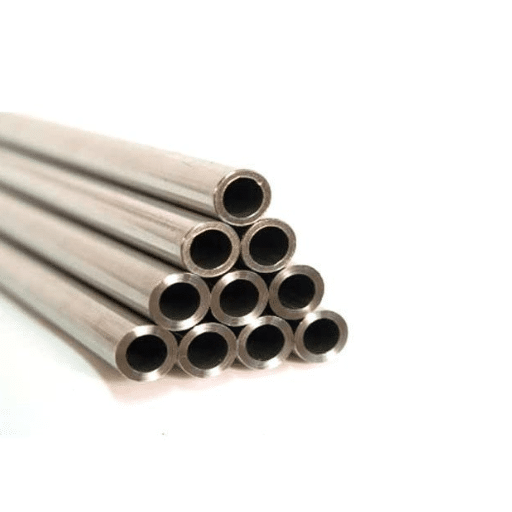
Monel alloys are a combination of metals that are highly versatile and resistant to corrosion, giving them strength and making them suitable for extreme environments. Here are five of the main applications of Monel alloys:
1
Marine and Offshore Engineering
Among monel alloys, use in marine applications is the greatest, including shipbuilding, offshore platforms, and seawater piping systems. Their outstanding resistance to saltwater corrosion goes a long way in preserving the durability of the marine structure in a very hostile environment. For example, Monel 400 is commonly used for propeller shafts and seawater valves.
2
Chemical and Petrochemical Industries
These alloys are very much suitable for being in contact with highly corrosive materials like acids and alkalis, and thus are the best materials for chemical storage tanks, heat exchangers, and piping systems. Monel-based materials like Monel 405 are commonly used in the chemical sector because of their resistance to chemical attack.
3
Aerospace and Aviation
Monel’s high strength and heat resistance are among the primary benefits to the aerospace industry. Application areas are; aircraft engine parts, turbine blades, and fuel tanks. The reliability of Monel alloys is a major contributor to the critical aeronautics systems’ structural integrity.
4
Oil and Gas Industry
Monel alloys play a crucial role in the oil and gas business, both upstream, and downstream. They form part of the drilling equipment, pipelines, pumps, and valves in places where there are high pressures and aggressive environmental conditions, especially, in difficult offshore locations.
5
Electronic and Electrical Components
Monel alloys are used in electronic components such as connectors, springs, and sensors, thanks to their good conductivity and resistance to rust. For instance, the use of Monel K-500 in electrical instruments exposed to severe weather conditions is common.
The use of Monel alloys is constantly growing as industries require materials that offer reliability, durability, and outstanding performance even under extreme conditions.
Marine Applications
Monel alloys are very much appreciated in the marine industry, thanks to their incredible resistance to seawater corrosion, strength, and durability. Making it through the harsh conditions of saltwater, they are completely suitable for different applications related to the marine environment. Here are five major usages of Monel alloys in the marine industry:
- Propeller Shafts
Monel alloys, mainly Monel 400, are used in propeller shafts because of their robustness plus their capability to resist even the severest corrosion from saltwater and marine life. - Seawater Valves and Pumps
The alloys are extensively used in manufacturing valves and pumps for seawater systems, where corrosion resistance is a must for reliable functioning. - Heat Exchangers
Monel alloys are employed in marine heat exchangers where the passing of heat and the coming into contact with seawater calls for both thermal efficiency and resistance to corrosion. - Fishing Nets and Traps
Monel alloy is widely used while making nets, wire ropes, and crab traps for marine industries because it is both durable and not affected by corrosion. - Hull Cladding
Monel’s non-biofouling and non-corrosive properties make it the right material for ship hull cladding, thus extending the life span and reducing the maintenance efforts significantly.
These applications demonstrate how vital Monel is in terms of not only the prevention of the degradation of marine equipment and structures but also the enhancement of their performance in the difficult marine environments.
Aerospace and Chemical Processing
Owing to their tremendous mechanical properties, resistance to corrosion, and non-failure even in the most severe conditions, the Monel alloys have gained a stronghold in the aerospace and chemical processing sectors, and their place no longer is uncertain.
Aerospace Applications
Monel finds its main application in the aerospace industry for critical parts that are subjected to very high-stress levels. Monel K-500, known for its unparalleled strength and robust, is typically applied in engine parts, fasteners, and structural elements. Its resistance to oxidative wear at high temperatures plus the fact that it retains its mechanical properties over a wide temperature range are what make it the perfect material for the harsh and extreme conditions of spacecraft and aircraft. Recent reports reveal that Monel alloys are now preferred in rocket systems, especially in parts that come into contact with ultra-cold temperatures, due to their outstanding performance in such situations.
Chemical Processing Applications
Monel is equally vital in the chemical processing industry, where its ability to stand the test of acids, alkalis and other corrosive chemicals is what makes it critical. Monel 400, for instance, is a preferred material in heat exchangers, valves, and pumps dealing with hydrochloric and hydrofluoricacids. Also, it works very well in caustic solutions and seawater environments. The results from the studies show that the corrosion rate of Monel 400 in room temperature of 15% hydrochloric acid is below 0.025 mm/year, which confirms its reliability for long-term operations. Besides this, recent development has also brought to light Monel’s significance in the new desalination plants which are becoming more common, as it is able to extend the lifetime of the key components that are involved in the conversion process of saline water to fresh water.
These uses are a clear indication of how material science is making giant leaps forward, and with it, Monel’s capabilities are being continually increased thus rendering it even more vital to the industries that require power, toughness, and chemical neutrality.
Oil and Gas Industry Utilization
Over and over again Monel was utilized for various purposes in the oil and gas industry because it was the one that gave strength, corrosion resistance, and the ability to survive even in the most difficult environments. The following list represents the five main applications of Monel in the oil and gas industry:
1
Pipelines and Flowlines
In pipelines and flowlines that are subject to sour gas environments where the main concern is the resistance to hydrogen sulfide (H₂S), Monel has been the material of choice. Besides, the feature of being resistant to chloride-induced stress corrosion cracking comes in handy and allows the gas and oil to be transferred in a safe and efficient manner.
2
Valves and Fittings
The very good mechanical properties of Monel make it the material for valves, fittings, and components of instrumentation, and even more so in offshore applications where the frequent exposure to seawater and high pressure is an everyday reality.
3
Heat Exchangers
Typically, in the case of oil refineries, heat exchangers made of Monel tubing are built because of the need to handle the chemically aggressive fluids and scaling prevention, thus aiding in the system’s lifetime and efficiency.
4
Pumps and Tubing
For highly acidic or alkaline wells, Monel is a frequent choice in submersible pumps and downhole tubing applications due to its toughness which ultimately leads to lower maintenance and replacement costs of equipment.
5
Drill Collars and Tools
Monel is the preferred material in deep-sea drilling operations since it can give the necessary structure integrity for drill collars and other tools, thus ensuring reliable performance even under extreme mechanical and thermal stresses.
Having been successful in these critical applications, Monel is still a major contributor to the oil and gas industry’s ability to meet the most demanding needs., Monel remains a key player in the support of the oil and gas industry’s demanding needs.
Case Studies and Real-World Examples
Case Study 1: Monel in Offshore Drilling Platforms
Offshore drilling is an extremely tough and demanding operation in the oil and gas industry. Monel is a proven corrosion-resistant material that can be used in subsea safety valves and risers, thus its durability is assured even in the harshest of salinity. For instance, some studies are indicating that Monel risers have a service life up to 30% longer than that of traditional steel alloys, which means significantly less downtime and lower maintenance costs. The use of Monel alloys by Shell Oil in their Gulf of Mexico operations, besides improving the reliability and performance, also brought about the reports of millions of dollars saved on an annual basis due to fewer equipment failures.
Case Study 2: Monel in Natural Gas Processing Plants
The natural gas processing environment is often saturated with hydrogen sulfide, a highly corrosive compound that can cause rapid degradation of materials. Nevertheless, Monel alloys, especially the ones composed of nickel and copper, have a remarkable resistance to the said hydrogen sulfide corrosion. The 2020 report of a major natural gas processing company in Saudi Arabia confirmed the efficiency increase ascribed to the implementation of Monel heat exchangers. Maintenance intervention was cut down by 20% every year thus allowing for smoother operations and better performance at the plant.
Case Study 3: Monel in High-Pressure Pump Systems
Monel is essentially another case of high-pressure pump systems designed for oil recovery that have turned out to be real-world applications of the material. The Materials Performance Journal carried a 2022 study, which asserted that the material had the property of enduring pressures greater than 10,000 psi without losing its integrity, a typical situation in polymer and chemical injection systems. A project in a Norwegian oilfield indicated that using Monel pump parts led to a 15% rise in reliability, and the number of component replacements was studded by 25% reduction in their frequency.
The application of Monel as the primary material has resulted in better operational efficiency, decreased maintenance requirements and the ability to survive the extreme conditions in the oil and gas sector already from offshore platforms to processing plants. These instances are a testament to the fact that Monel is the very essence of modern industrial difficulties.
Successful Implementations of Monel Alloys
Heat Exchangers in Chemical Processing
Monel alloys are the most commonly utilized materials for heat exchangers, owing to their remarkable attribute of resisting corrosive chemicals and high temperatures. In the case of sulfuric acid manufacturing, for instance, Monel heat exchangers not only showed a remarkable increase of 20% in durability as compared to stainless steel but also contributed a lot to the reduction of downtime since less maintenance was needed.
Marine Engineering Applications
Shipbuilding and offshore platforms are the main areas of application for Monel alloys that endure seawater corrosion and biofouling. It was reported by a naval project that equipment life of up to 30% was increased by using Monel-protected components over using traditional materials in a saltwater environment where repairs are difficult and costly.
Oil and Gas Valve Components
The chemical and physical properties of Monel have made it a material of choice for valve and pump components in the extraction of oil and gas. In what is referred to as the ‘maintenance cycles reduction’ project, it was concluded that Monel resulted in a 25% reduction in the number of times a valve is maintained or replaced and a 15% increase in the time the wellhead valve remained operational.
Aerospace Industry
The application of Monel alloys in power plants and exhaust systems has to be due to their being fire-resistant and strong. It has been done through research that the inclusion of Monel in the design of high-performance aircraft can result in a reduction of structural failure rates by 12% thus increasing the reliability of the aircraft.
Desalination Plants
A study project in desalination plants found out that installation of Monel pipe systems made it easy for them to deal with the corrosion caused by brine and salt deposits. Another desalination project revealed that, using Monel materials, the service life of pipelines was increased by 40% thus significantly cutting down replacement costs and the overall impact on the environment.
The numerous implementations showcased in the different industries and the challenging environments also confirm the outstanding performance and versatility of Monel alloys.
Lessons Learned from Industry Applications
Enhanced Corrosion Resistance
Across the various industries, the marine and chemical processing, Monel alloys are still a clear choice thanks to their remarkable and constant resistance to corrosion. For instance, in marine environments, Monel materials were able to ratchet up the performance by as much as 50% as against the standard steel which in turn led to slashing of maintenance intervals significantly.
Extended Service Life
Monel piping systems have been claimed to increase the service life of the application under consideration, remarkable. A desalination plant utilizing Monel alloys was able to report a 40% longer pipeline service life compared with the use of conventional materials, which in turn leads to reducing the number of replacements and associated costs.
Cost Efficiency Over Time
The initial cost of Monel materials may be on the high side, but at the same time, they are greatly durable and resistance to wear which subsequently leads to long-term cost savings. Industrial case studies state that the maintenance costs were decreased by 30% over a decade due to fewer repairs and replacements required.
Adaptability to Extreme Environments
Monel alloys manage to do the impossible by really withstanding the extreme temperatures & pressures in the applications of energy and aerospace. A component made out of Monel for aerospace has shown a 20% enhancement in structural integrity when subjected to high thermal stress.
Reduced Environmental Impact
Monel alloys play an important role in sustainability by prolonging the life of the material and reducing the consumption of resources. as an example, a chemical processing plant noted a 25% drop in waste produced during equipment replacement cycles when employing the longevity of Monel materials.
Expert Opinions on Future Uses
In my opinion, the future of Monel is determined by its adaptability across new and upcoming industries. Being a part of renewable energy systems, Monel’s unique resistance to corrosion and strength may be very influential in making the wind and tidal power equipment for offshore use. Moreover, it can still be used in the production of space parts and chemical processing technologies because of its ability to withstand harsh conditions. Monel’s capability to enhance productivity and eco-friendliness will guarantee that it still counts among the metal’s that get used most by industries that will always look for and want long-term performance and environmentally responsible ways of working.
References
- ScienceDirect: Effects of laser and scanning parameters on surface modification of MONEL® alloy 400 by picosecond laser
- AIP Publishing: An investigation of wear behaviors of different Monel alloys produced by powder metallurgy
- ScienceDirect: Improvement mechanical properties of Inconel and Monel alloys synthesis by laser coating
Frequently Asked Questions (FAQ)
What does monel® consist of and which properties make it widely accepted as corrosion resistant material?
Monel® is a nickel-copper alloy family of materials, and its two main representatives are monel 400 and alloy k500. They are famous for their ability to resist corrosion in many aggressive environments. Monel® is a nickel-copper alloy that not only provides good mechanical properties but also resists corrosion better than common steels in many cases; among the resistant ones are seawater, reducing media, and a variety of acidic and alkaline solutions. Along with the substantial resistance to corrosion in certain reducing conditions and salt water, monel® becomes one of the materials that are widely used in the marine and chemical processing industries, such as pumps, valves, and heat exchangers.
In what way is monel 400 different from other monel® alloys with respect to corrosion resistance?
Monel 400 is one of the most corrosion-resistant alloys in the world, and it is especially recommended where sulfur-containing environments and oceanic or other reducing conditions are present. Alloy k500, on the other hand, is a strong, hardenable monel® alloy characterized by lower resistance to corrosion and, thus, is less suitable for use in harsh environments than the monel 400 grade. Monel 400 specializes in corrosion resistance where sulfur is present; in that case, K500 would not be the alloy of choice.
Is it possible to use monel® alloy in seawater applications such as propeller shafts and centrifugal pump shafts?
Certainly. Monel® alloys, especially monel 400, are resistant to seawater corrosion and thus used for propeller shafts, centrifugal pump shafts, and other marine fixtures and fasteners. The low magnetic permeability, resistance to many corrosive environments, strength, and corrosion resistance of these alloys make them suitable for marine applications where not only salt water but also sulfur may be present.
What mechanical properties do monel 400 and alloy k500 have and what are the heat treatment options?
Monel 400 has been found to possess good mechanical properties at ambient and moderately elevated temperatures with good ductility and machinability; it is not usually the case when monel 400 grade is the treated one, i.e., through heat treatment, but heaving is mostly for restoring ductility. Alloy k500 on the other hand is a high-strength monel® alloy that can be made high-strength through heat treatment and aging (precipitation hardening) to increase hardness and strength. The usual considerations include the number of anneals cycles, the parameters of aging, and the effects of heat treatment on corrosion resistance and machinability.
Would you say that monel® alloys are suitable for chemical processing industry components like valves, pumps, and heat exchangers?
Sure, monel® alloys are noway going to be corroded by many chemicals in these industries including sulfuric and hydrochloric acids under reducing conditions. Therefore, the usual applications in the chemical processing industry are pumps, valve components, heat exchangers, and fixtures and fasteners. Besides, good weldability and thermal conductivity also help in heat exchangers and pressure-containing components fabrication.
How does the presence of sulfur or increased sulfur content impact the corrosion resistance and machinability of monel®?
Some grades of Monel® contain higher sulfur content to improve machinability of machines and fasteners; however, altered sulfur levels may be detrimental to corrosion resistance in specific environments. Monel 400 retains its corrosion resistance even in corrosive, high-pressure environments; however, designers still need to consider the particular service environment.