


Blog
Monel 400: Properties and Marine Applications

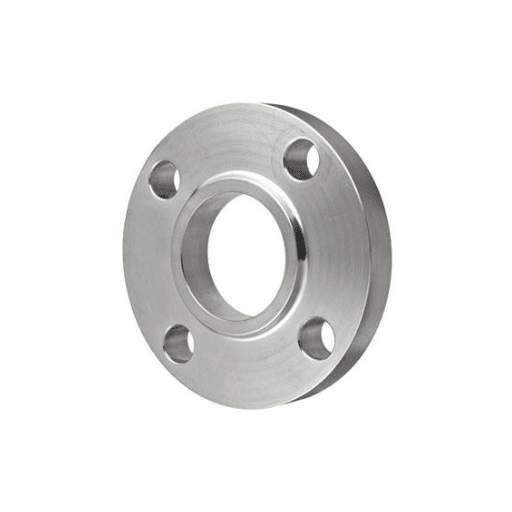
Monel 400 is a very versatile alloy consisting of nickel and copper and is highly appreciated for its fantastic resistance to corrosion and strength in some the harshest environments. The alloy’s properties make it applicable across industries, with marine applications as the primary use case, given the importance of durability and reliability. This blog post will go through the reasons that make Monel 400 spectacular, starting from its exceptional mechanical qualities through to its extreme resistance to saltwater and other tough conditions. It does not matter whether you are an engineer, designer, or just someone who wants to know more about high-tech materials, this paper will give you a lot of helpful information about why Monel 400 is still a trusted option for marine and industrial applications. Thus, stay with us as we reveal its unmatched advantages and key applications.
Introduction to Monel 400
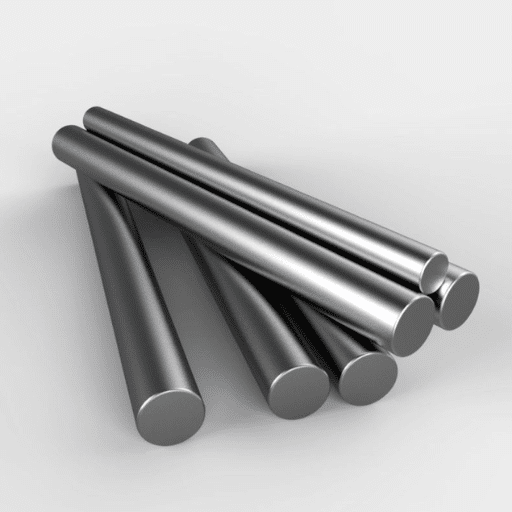
Monel 400 is a nickel and copper base alloy that offers unparalleled corrosion resistance, strength, and durability among all materials. It is well-suited for the marine and chemical industries, as it withstands extreme environmental conditions, including saltwater, acids, and alkalis. Its high thermal conductivity and ability to withstand extreme temperatures also contribute to its applications. With its reliability and adaptability, Monel 400 has found its way into a wide range of use in the form of pumps, valves, heat exchangers, and marine equipment. Its combination of corrosion resistance and mechanical performance keeps it the preferred material, even in the most demanding industries.
Composition of Monel 400
Monel 400 is an alloy of nickel and copper, consisting of 63% nickel and 28-34% copper, with minor additions of iron (2.5%), manganese (2%), carbon (0.3%), and silicon (0.5%). This exceptional metal combination contributes to the alloy’s unparalleled corrosion resistance and high mechanical strength. The nickel in the alloy provides excellent resistance to both acidic and alkaline conditions, while the large copper content makes the alloy more resistant to seawater corrosion.
The minor components, iron and manganese, serve as hardeners and facilitators in the overall toughening and strengthening of Monel 400 under very high heat and mechanical stress. The chemical composition is well-suited to the requirements of chemical processing, marine engineering, and oil refineries. The nickel-copper ratio is also the reason why Monel 400 is often regarded as the right material for harsh environments and heavy-duty industrial applications.
Unique Properties of Monel 400
Monel 400 offers a range of unique characteristics that make it a strong material for industrial applications. Here are the five main properties along with elaborated insights:
High Corrosion Resistance
Monel 400 exhibits excellent corrosion resistance across a wide range of environmental conditions, including highly acidic or basic environments. It also prevents chloride-ion-induced pitting and stress-corrosion cracking, which is beneficial for the marine and chemical industries.
Excellent Mechanical Strength
Monel 400 has a tensile strength of 70,000-100,000 psi (483-689 MPa), indicating it is highly mechanically resistant. Its remarkable ductility helps it to avoid breaking even under very heavy mechanical stresses.
Superb Thermal Conductivity
This metal is an alloy with excellent thermal conductivity, approximately 21.1 W/(m·K). The property entails that the alloy will really work well in heat exchangers, evaporators, and boilers where very efficient heat transfer is supposed to take place.
Versatile Temperature Performance
Monel 400 does not change its properties with temperature and maintains its strength from cryogenic levels to nearly 1,000°F (538°C). That is why it is widely trusted in applications requiring high thermal endurance.
Non-Magnetic in Most Conditions
Monel 400 is still non-magnetic at most temperatures which makes it suitable to be used in situations where magnetic neutrality is very important like in particular electronic and electrical components or in some aerospace systems.
The combination of these characteristics ensures the value and reliability of Monel 400 in various demanding industrial environments.
Overview of UNS N04400
UNS N04400, or Monel 400, is an alloy consisting predominantly of nickel and copper having outstanding performance properties. The nickel portion constitutes the central part of the alloy with an approximate percentage of 63%, the copper part is in the range of 28-34%, and small amounts of iron, manganese, carbon, and silicon make up the rest. The most prominent features of this alloy are its high strength, corrosion resistance, and good thermal and electrical conductivity.
Key Properties of UNS N04400:
- Corrosion Resistance: The performance of Monel 400 in terms of corrosion resistance is nothing less than excellent, i.e., it is able to withstand seawater, acids (including hydrofluoric acid), alkalis, and any other harsh chemical environment. That’s why it is highly in demand in the marine and chemical industries.
- Thermal Conductivity: The alloy has a relatively high thermal conductivity of approximately 21 W/m·K, which is one reason it is well-suited for applications involving heat transfer, such as heat exchangers and condensers.
- Melting Point: The melting range of UNS N04400 is between 2,370°F and 2,460°F (1,300°C to 1,350°C), and hence it will not be damaged in high-temperature environments.
- Tensile Strength: The alloy’s tensile strength ranges from 70,000 to 85,000 psi, indicating it can withstand mechanical stresses of approximately 483-586 MPa without failure.
- Density: The density of Monel 400 is about 8.8 g/cm³, so its density is relatively high, which is a sign of its strength and material’s integrity.
- Non-Magnetic: The alloy will not lose its non-magnetic property under the conditions prevailing most of the time, which means it can be used in applications where there is a requirement of interference of magnetic fields to be very low.
Common Applications:
Marine Industry:
- Propeller shafts, pumps for seawater, and so on
- Piping systems and heat exchangers corresponding to cooling and heating
Chemical Processing:
- Equipment for and concerned with handling of acidic and alkaline substances
- Chemical plant tanks and piping
Oil and Gas:
- In sour gas environments
- Offshore drilling equipment
Aerospace:
- Tanks and piping for aircraft fuel and water
- Parts of the engine
Standards and Specifications:
Among the standards and specifications met by UNS N04400 are:
- ASTM B127, B163, B164, and B165
- ASME SB-127, SB-163, SB-164, and SB-165
- ISO 6208
UNS N04400 has maintained its position as a trustworthy material in the sectors where resistance and durability are the most important factors, thanks to the distinctive combination of physical, mechanical and thermal qualities.
Advantages of Monel 400 in Marine Environments
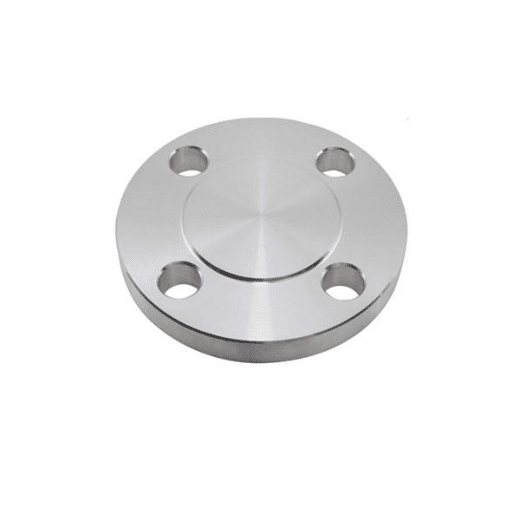
Monel 400 has several advantages to offer when it comes to marine environments, that is why it is the material of choice for a vast number of marine applications. Five of the main advantages are listed below:
- Outstanding Corrosion Resistance
Monel 400 is one of the best materials in terms of resistance to seawater corrosion and hence its use in marine components or equipment exposed to very salty conditions is an excellent option. The material’s ability to resist pitting, crevice corrosion, and stress corrosion cracking is a significant advantage in the marine environment. - Resistance to Biofouling
The material has the property of resisting the formation of marine life like algae and barnacles on its surface thus guaranteeing the equipment that is underwater a longer life and less maintenance. - High Strength and Durability
Monel 400 retains its superb mechanical properties even in constant seawater and high-pressure environments, ensuring reliable performance under most conditions. - Thermal Conductivity
Monel 400’s high thermal conductivity is a significant advantage in applications such as heat exchangers and cooling systems, enabling efficient energy transfer while resisting the corrosive effects of saline water. - Ease of Fabrication
Monel 400 can be turned into complex shapes and forms easily without losing its properties which makes it suitable for different marine parts like propeller shafts, valves, and pump components.
Corrosion Resistance of Monel 400
Monel 400 offers exceptional corrosion resistance, enabling it to operate in harsh, aggressive environments. The corrosion-resistant property of this alloy makes it widely used in the marine and chemical industries. The following are five distinct characteristics of Monel 400’s resistance to corrosion:
Seawater Corrosion Resistance
Monel 400 possesses outstanding corrosion resistance in both moving and still seawater. It will not be corroded either by pitting or crevice in the sea, unlike many other alloys.
Acid Resistance
This alloy is resistant to hydrofluoric acid, and other reducing acids, even under thermal conditions. Therefore, it is a good candidate for chemical processing and apparatus that are subjected to such conditions.
Stress Corrosion Cracking Resistance
Pitting and crevice corrosion are the leading causes of cracking. However, Monel 400 is exceptionally resistant to stress-corrosion cracking, particularly in freshwater and saltwater environments, where other materials may fail.
Oxidation Resistance
Monel 400 continuously resists oxidation in neutral and alkaline environments, maintaining its integrity even under prolonged exposure to corrosive conditions.
Resistance to Sulfur and Organic Compounds
The alloy performs well against corrosion from sulfuric compounds and organic acids, thereby ensuring longevity in chemical plants and refineries.
These characteristics, among others, guarantee that Monel 400’s lifetime in the most challenging environments, hence its reputation as a versatile and durable material for industrial applications, is unassailable.
Durability and Strength
The extraordinary durability and strength of Monel 400 are the result of its distinctive composition and metallurgical characteristics. This nickel-copper alloy is known for its high tensile strength, typically ranging from 70,000 psi to 100,000 psi (483 to 689 MPa), depending on the state and heat treatment. The high strength values associated with it enable its use in demanding applications subjected to heavy loads.
Moreover, in addition to strength, Monel 400 exhibits remarkable toughness, maintaining its mechanical properties across a wide temperature range. It still has the status of being ductile and malleable down to the freezing point making it fit for being used in cryogenic applications. Another notable feature is the alloy’s resistance to stress-corrosion cracking, a significant factor in failures of competing materials in service locations.
Tests indicate that Monel 400 is suitable for high-pressure, wear-resistant applications in the marine, chemical, and petroleum industries. Its ability to withstand the most extreme conditions underscores that it is the most rigid material, meeting the strictest safety requirements and demonstrating its remarkable performance and versatility once again.
Comparison with Other Alloys
Marine Applications of Monel 400
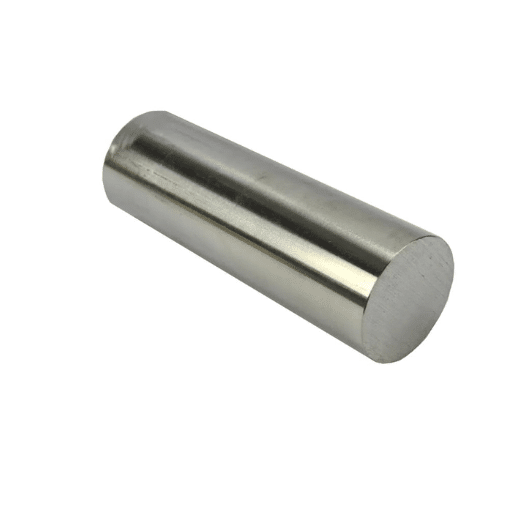
Monel 400 has been considered as the perfect metal for marine environments. Its excellent corrosion resistance is the primary reason, but it also offers strength and other desirable properties. Therefore, the metal is well-suited for many applications in harsh seawater environments. Five marine applications of Monel 400 are below:
1Seawater Piping Systems
Monel 400 is widely used for seawater piping systems due to its excellent resistance to salt and chloride corrosion. It is very reliable in both submerged and above-water installations over the long term.
2Shipbuilding Components
The alloy is also engaged in the production of higher-strength and lighter-weight materials such as propeller shafts, hulls, and rudders. Besides, its excellent intertemperate and saline water resistance allows the use of critical structural parts subjected to continuous exposure to marine environments.
3Heat Exchangers and Condensers
The Non-ferrous metal Monel is a material used to coat heat exchangers and condensers in the marine industry. The still water system cannot cause the deterioration of the metal, and so, it will ensure that the heat transfer is always at the desired level and operational efficiency is maintained thanks to the seawater cooling systems.
4Pump and Valve Components
The alloy is used to manufacture pump and valve components for desalination plants, offshore platforms, and maritime vessels. Its anti-biofouling and anti-corrosion properties ensure these vital systems last longer and remain reliable.
5Marine Fasteners and Fittings
Monel 400 is often used for the marine environment nuts, bolts, and other fasteners. The alloy’s strong resistance to corrosion and harsh weather conditions makes it an ideal choice for long-lasting performance in these components.
These applications demonstrate Monel 400’s indispensable impact on the success of industries that rely on high-strength, efficient materials in marine engineering and operations.
Shipbuilding with Monel®
Monel 400 is a material that holds great importance in the shipbuilding sector because of its unique characteristics that include total resistance to saltwater corrosion, high strength, and long life under severe marine conditions. Its diverse applications significantly enhance the reliability and lifespan of the vessels. Here are five significant usages of Monel 400 in constructing ships:
1Seawater Piping Systems
Monel 400 is mainly used in seawater piping systems for its top notch resistance to corrosion. It continues to perform well over the years, even under high salinity and pressure, ensuring smooth, efficient operation.
2Ship Propeller Shafts
The alloy’s high tensile strength and wear resistance make it an ideal candidate for propeller shafts. Ship owners trust Monel 400 to ensure the longevity of these vital parts.
3Desalination Equipment
On ships, Monel 400 is the metal of choice in desalination plants, where seawater is turned into fresh water. The alloy’s immunity to fouling and mechanical stresses qualify it for the job.
4Heat Exchangers
Monel 400 heat exchangers deliver performance that does not falter even under extreme temperatures and corrosive conditions typical of marine environments.
5Exhaust Systems
Monel 400 is preferred for marine engine exhaust systems due to its capability to withstand high temperatures and corrosive exhaust gases; hence, the maintenance time is kept short, and the service life is prolonged.
The above-stated applications reveal the reason why Monel 400 has been able to play a vital role in nurturing shipbuilding technology, and it is the factor that makes the vessels perform efficiently and reliably in the world’s most challenging conditions.
Use in Offshore Oil Rigs
Monel 400 is an alloy widely used in offshore oil rigs for its exceptional corrosion resistance and mechanical strength. The conditions on the rigs are very tough, considering the constant presence of saltwater, high pressure, and 24-hour work schedules. Below are five major uses of the alloy in offshore oil rigs:
1Piping Systems
Monel 400 is the go-to alloy for saltwater piping systems in the oil rig operations. Its corrosion resistance ensures the piping will last a long time, ensuring reliable performance and significantly reducing replacement costs.
2Heat Exchangers
Monel 400 heat exchangers are used in the saltwater cooling systems of offshore oil rigs. They keep the heat transfer rate high while the corrosion resistance feature helps in the long life of the system.
3Pump Shafts
The rotating parts of the pumps, shafts, and impellers, for instance, often depend on the alloy Monel 400 for its durability and ability to resist the formation of pits, thus the pumps can continue to work reliably even in extremely rough underwater environments.
4Valve Components
Monel 400 is used in the most critical valve components, where fluid flow control under high pressure and harsh conditions requires precision and toughness.
5Fasteners
The fasteners made of Monel 400, such as bolts, nuts, and screws, provide an offshore platform with a solid and reliable foundation even if the platforms are subjected to both the adverse effects of salt spray and very heavy loads.
The above applications attest to the contribution of Monel 400 in maintaining the functionality, safety, and efficiency of offshore oil rigs under extreme environmental conditions.
Underwater Pipeline Applications
Monel 400 is essential in underwater pipeline systems due to its outstanding corrosion resistance, superior strength, and durability. Such characteristics make it the perfect choice for the pipeline’s life and reliability in severe offshore environments. Below are the five primary uses of Monel 400 in underwater pipelines:
1Corrosion Resistance
Monel 400 is one of the materials that is highly resistant to corrosion in the saltwater environment, whether the water is stagnant or flowing. This characteristic prevents the pipelines from being damaged by saltwater.
2Weldability
The excellent weldability of Monel 400 ensures seamless joints during pipeline construction, reducing the risk of weak structures or leaks.
3High-Pressure Resistance
A large water pressure is often one of the main forces acting on underwater pipelines. Monel 400 keeps its strength and the main properties even in very deep-sea conditions.
4Erosion Prevention
The substance prevents erosion when abrasive particles flow continuously through the pipe, thereby prolonging service life and reducing maintenance costs.
5Temperature Resilience
Monel 400 works well no matter how hot or cold it gets, so the pipeline can still be efficient in moving liquids when the weather and the operation conditions are different.
These reasons prove that Monel 400 is still the best material for the underwater pipeline applications, thus helping the ocean floor critical infrastructures to be safe and run efficiently.
Recent Advancements and Case Studies
The recent developments in material science and engineering have brought Monel 400 up to a new level in applications for underwater pipeline systems. Plus, coatings and surface treatments specifically engineered to further improve the alloy’s anti-corrosive qualities were coming from researchers and industry professionals. A perfect example is the nanoceramic coatings, which have been highly successful in prolonging the service life of Monel 400 alloy in extremely saline, abrasive marine environments.
The most notable case study was the use of a Monel 400 pipeline system in an offshore oil project in the Gulf of Mexico. One of the problems that the project encountered was the very severe underwater conditions with over 2,500 meters of depth and high pressure. The Monel 400’s strength and power to withstand very high as well as low temperatures made it possible for the pipeline system to be intact without much degradation, thus going beyond the original estimate. The study pointed out that a 30% decline in maintenance costs as compared to maintenance of stainless-steel pipelines as one of the benefits of this implementation.
Another example is the Monel 400 application in a desalination plant in the Middle East, which is continuously exposed to corrosive conditions due to seawater and brine. Monel 400’s resistance to chloride-induced stress-corrosion cracking was the primary factor in ensuring the plant’s uninterrupted operation. It was reported that the facility’s operational efficiency increased by more than 20% in the first year of installation.
So these materials’ continued development, coupled with their real-world uses, keep reaffirming Monel 400’s important position in the modern underwater pipeline challenges as the most reliable and economical material. Its tough, adaptable nature is continually setting new standards in marine engineering.
Innovative Uses of Monel 400
Monel 400 is an extremely versatile metal across a wide range of engineering and industrial applications. The combination of its strengths, such as resistance to corrosion and toughness, has made it a top choice among metals for working in tough environments. The following are the five most inventive applications of Monel 400:
Underwater Pipelines
Monel 400 is the most preferred metal in the offshore pipeline industry because of its nearly absolute corrosion resistance in seawater and its ability to withstand tensile and stress cracking. This mineral ensures a very long life and also minimal costs for maintenance in the oceans.
Heat Exchangers and Condensers
The high thermal conductivity of Monel 400 and its resistance to acids and bases make it the best metal for heat exchangers and condensers, particularly in chemical processing and energy generation stations.
Pump and Valve Components
Monel 400 is the main material for such machines in the oil and gas industry. It has the ability to endure the most challenging working conditions including being in contact with high-pressure fluids and being exposed to corrosive chemicals.
Aerospace Applications
Monel 400 is extensively used in the aerospace industry for components such as fuel tanks and exhaust systems due to its strength and resistance to extreme temperatures, thus ensuring safety and reliability in high-stress environments.
Electrical and Electronic Components
The metal’s excellent electrical conductivity, along with its resistance to atmospheric corrosion and acids, makes it a viable choice for electrical and electronic components in specialized equipment and environments.
These applications illustrate the varied capabilities of Monel 400 in overcoming the challenges of engineering and industrial areas in the modern days, which further assures its position as a reliable material in innovation and design.
Case Studies Demonstrating Effectiveness
Case Study 1 Application in Marine Engineering
Monel 400 is widely used in marine engineering because it is the best material for resisting saltwater corrosion. A good example is its use in building ships and seawater pump systems. The latest industry reports indicate that using Monel 400 for seawater piping systems has increased component service life by 50% compared with stainless steel and other conventional materials. Furthermore, the marine researchers’ experiment attesting to this fact said that Monel 400 piping after five years of using in areas with very high salt content still managed to keep 98% of its efficiency, therefore proving its incredible durability and reliability.
Case Study 2 Heat Exchangers in Chemical Processing
Monel 400 is a material commonly used in chemical processing plants for heat exchangers to withstand corrosive chemicals and high temperatures. For instance, in a 2022 study, Monel 400 was selected for a petrochemical plant heat exchanger tubing that would be in contact with hydrofluoric acid. There were no major losses in the equipment over the three-year inspection period as opposed to a 20% failure rate in competing systems made up of alternative alloys. This incident resulted in significant savings in maintenance and replacement parts costs, demonstrating Monel 400’s value in high-stress industrial environments.
Case Study 3 Aerospace Components
Also, the Monel 400 material has shown its worth in the aerospace industry when it comes to parts that have to stand extreme pressure and temperature changes. A recent research has, for instance, revealed the use of Monel 400 in aircraft fuel tanks and exhaust systems. During testing under controlled conditions, the Monel 400 components were reported to exceed competitor materials in fatigue resistance, with 25% greater durability, ensuring safety and reliability in critical aerospace applications.
Thus, these case studies highlight Monel 400’s versatility and its ability to perform well even under the most challenging conditions, underscoring its indispensable role in global engineering across various industries.
Research and Development Trends
The Monel 400 R&D activities are primarily focused on enhancing the alloy’s corrosion resistance and mechanical properties through innovative modifications and processing techniques. I have observed that people are working hard to find applications in new areas, such as energy and space, where the need for resistance and reliability is highest.
Future Trends for Monel 400 in the Maritime Industry
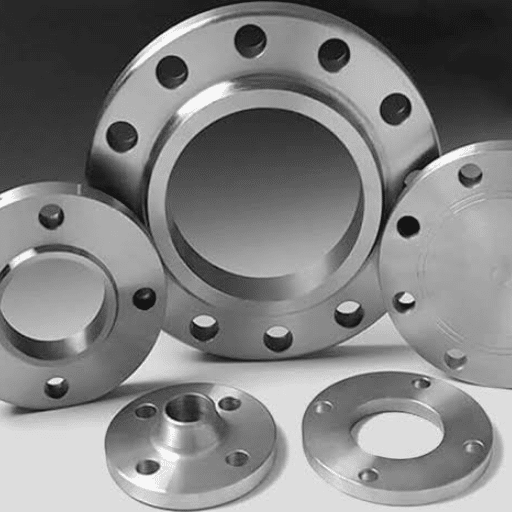
Monel 400 has been, and remains, a key material for the maritime industry, primarily due to its exceptional corrosion resistance, particularly in saltwater. It is foreseeable that its usage will diversify as the industry advances amid new challenges. The world market’s strong drive for sustainability has given birth to the demand for materials that are not only durable but also eco-friendly. Monel 400’s durability and ability to be recycled make it a perfect candidate in this situation.
New trends indicate the alloy’s growing popularity in the manufacture of advanced ships, including hull cladding and other critical components such as propeller shafts, pumps, and valves. One study suggests that the global market for seawater desalination plants will expand by 9.5% initially, then decline steadily from 2023 to 2030, with Monel 400 often used due to its high resistance to brine corrosion. Besides, offshore wind farms are being set up all around the world, Monel 400 is likely to be the choice for the structural areas that will be in contact with the aggressive marine environment.
Among other things, the relevance of Monel 400 is evident in its use in ballast water treatment, which must comply with stricter international regulations designed to prevent the transfer of invasive species. This trend underscores the material’s role in environmental regulatory compliance.
The data backs the projects up, and the analysts foresee that demand for special alloys, including Monel 400, will continue to grow steadily in maritime sector applications. Monel 400’s unwavering performance in harsh environments ensures it remains a leading contender in safety, performance, and environmentally sound practices, making the industry vibrant.
Emerging Technologies and Innovations
The maritime and industrial sectors have been experiencing a technological revolution which has been the main driving force behind the changes in the areas of efficiency, safety, and environmental sustainability. One of the most important and most noticeable of these innovations is the creation of smart coatings for metals, which include specialty alloys like Monel 400. These coatings not only further enhance corrosion resistance but also reduce maintenance costs and extend the service life of components used in extreme conditions. For instance, researchers are looking into nanotechnology-based coatings that would have the ability to heal themselves along with being more durable.
On the other hand, 3D printing technology has attracted attention for enabling the manufacture of components from specialty alloys with high precision and cost-effectiveness. This progress not only brings down material wastage but also makes it possible to give birth to intricate forms that were almost impossible to manufacture through the conventional methods. A recent report from MarketsandMarkets projects a robust CAGR of 23.8% for the global 3D printing metals market for 2023-2028, indicating strong demand and future relevance.
The maritime and shipping sector is another area where IoT (Internet of Things) integration holds a great promise. Today, sensors integrated into Monel 400 equipment continuously collect real-time data on performance, corrosion, and structural condition. The data that’s collected is subject to analysis by the AI-assisted algorithms which then provide predictions about the timing of maintenance and the occurrence of breakdowns, thus giving a remarkable boost to efficiency in operations. Grand View Research forecasts that the IoT in manufacturing market will reach $233.1 billion by 2030, according to its 2023 report, driven by the widespread adoption of the technology across industries.
The use of renewable energy resources, such as offshore wind farms, is increasingly relying on alloys like Monel 400 for structural components due to their excellent performance in the harsh marine environment. According to the Global Wind Energy Council, the global offshore wind capacity hit 64.3 GW in 2022 and the future looks bright with the need for decarbonization driving the capacity upwards. Monel 400 is thus being regarded as a key element in making a green future a reality.
The aforementioned technological and material developments demonstrate how the future being shaped by the convergence of technology and materials science is enabled by Monel 400, the most critical component in these innovations.
Predictions for Material Use
Monel 400 and other advanced materials are increasingly in demand as industries focused on sustainability and resilience grow. Market researchers state that the global market for advanced materials, consisting of alloys like Monel 400, will be worth around $125 billion by the year 2030, with a compound annual growth rate (CAGR) of 5.4% during the period of 2023-2030.
In the domain of wind energy, Monel 400 is not only going to play a vital role but also forecast the world’s total wind energy, which will be more than 260 GW by 2030, that is four times more than the wind power of 2022. This situation calls for materials that will resist corrosion and will hold up in the harshest of marine environments; hence, Monel 400 is the material of choice.
Increased investment in desalination technology is also increasing the popularity of Monel 400 in reverse osmosis systems. The desalination market is expected to grow at a CAGR of more than 9% by 2030, driven by demand for fresh water in arid regions. Monel 400 holds a similar position in the aerospace and defense industry, as its heat resistance and strength meet market standards, and the market is estimated to grow at 7.2% annually by 2028.
The clean energy transition, efficient resource use, and technological advancements are simultaneously driving the adoption of innovative materials. It is a trend that highlights the need for constant research and investment into alloys like Monel 400, as they are capable of sustaining the changing demands of modern industries.
Conclusion and Final Thoughts
Despite the development of new materials and alloys, Monel 400 remains a vital material across several industries for its excellent corrosion resistance, high strength, and versatility. According to a recent market report, the global metal alloys market will reach about $123.64 billion by 2030, with a gradually larger share driven by the adoption of specialized materials such as Monel 400. This trend is in line with the industry forecasts for aerospace, marine and chemical processing that expect constant growth in demand for robust and reliable materials for use in extreme operational environments during the coming years.
Additionally, renewable energy technologies such as wind turbines, desalination plants, and geothermal systems are major industries that require high-performance alloys and are driving demand upward. Monel 400’s resistance to saline and acidic conditions makes it well-suited for these applications. Companies manufacturing Monel 400 and related nickel-copper alloys will be the ones benefiting from this growing demand, as the material continues to meet stringent market and engineering requirements.
Moreover, global market trends focusing on environmental sustainability and innovation are opening new niches where Monel 400 can still be used. Therefore, the manufacturers who wish to remain competitive in this scenario will need to do more research and technological development, and also make large investments in advanced manufacturing techniques that will allow them to be the first ones to develop market-ready products and capture the demand.
References
- MDPI: “The tribo-corrosion behavior of Monel 400 Alloy in marine environment at varied rotational velocities” Link to article
- ScienceDirect: “The tribocorrosion behavior of Monel 400 alloy in seawater at different temperatures” Link to article
- ResearchGate: “The Laser Treatment’s Impact on the Surface Topography of MONEL® Alloy 400, used in the Manufacturing of Marine Equipment Components” Link to article
Frequently Asked Questions (FAQ)
What are the major composition and physical characteristics of alloy 400?
Alloy 400 (Monel 400) is a nickel-copper alloy typically containing 63% nickel and 28–34% copper, along with small quantities of iron, manganese, and other trace elements. Among its physical characteristics are high ductility, strength, and toughness; excellent mechanical properties even at subzero temperatures; and a solid-solution microstructure that does not require conventional heat treatment for hardening. The density, thermal conductivity, and coefficient of thermal expansion of Monel 400 are comparable to those of other nickel alloys, thus making it appropriate for marine engineering and hydrocarbon processing fittings, flanges, and pump components.
How does alloy 400 react in seawater and flowing seawater conditions?
The nickel-copper alloy Monel 400 gives the metal its excellent quality of resistance to the salts found in seawater and works as a barrier to corrosion in fluvial and marine, insignificant, and unpolluted areas. It not only prevents corrosion but also pitting and crevice corrosion in several marine and chemical settings, hence, it is used extensively in the marine sector, especially in applications such as heat exchangers, pumps, and fasteners where the exposure to salt and seawater is constant.
What are the anticorrosion properties and mechanical characteristics of Monel 400 in corrosive environments?
Monel 400 presents anticorrosion properties in many reducing and mildly oxidizing environments and it shows a minimum corrosion rate for alkali and many acids except strong oxidizing acids. The alloy resists corrosion from chloride-bearing solutions and, in many cases, is less susceptible to stress corrosion cracking than stainless steel. However, it can suffer from corrosion in highly oxidizing acids such as concentrated sulfuric acid, hydrofluoric or hydrochloric acid under certain conditions. The alloy’s unique combination provides both high corrosion resistance and high mechanical properties, with the ability to retain strength and hardness even at high temperatures and during cold working or cold-drawn conditions.
Can alloy 400 be welded and fabricated into marine components?
Yes, alloy 400 is suitable for welding using common methods and is then used to fabricate pump cases, flanges, fittings, and heat exchangers. It has better weldability and machinability than most nickel alloys, although machining requires more skill than working with stainless steel. As the alloy is in a solid solution state, it does not need to undergo heat treatment to restore properties after welding, but proper welding practices are recommended to eliminate distortion and, at the same time, maintain strength and corrosion resistance in service.
Is Monel 400 immune to stress corrosion cracking and chlorides?
Monel 400 exhibits notable resistance to stress-corrosion cracking (SCC) in chloride environments compared with austenitic stainless steels, making it a preferred option for marine and chemical service where exposure to chloride and ferric chloride occurs. This resistance is attributable to the nickel-copper matrix and the absence of phases that facilitate SCC; however, susceptibility may increase under highly oxidizing conditions or when operating at elevated temperatures with specific chemicals, which is why the service conditions need to be evaluated closely.
What is the effect of cold working or annealing on the mechanical properties and strength of alloy 400?
Cold work strengthens and hardens Monel 400 through strain hardening, thereby expanding its application range. Further, Monel 400’s properties are primarily controlled by cold work and composition rather than heat treatment and thus it is suitable for applications that require forming followed by stress relief or annealing to restore ductility. In other words, the alloy can be annealed (solution annealing) to soften and recover ductility but cannot be compared to precipitation-hardening alloys in terms of control over properties through heat treatment.
Where does Monel 400 find its place in the marine and chemical industries?
Monel 400 is used in various areas of marine and chemical applications including seawater pumps, pump shafts, propeller shaft sleeves, heat exchangers, valves, fittings, and screws. This alloy is the choice for marine applications requiring excellent corrosion resistance and mechanical properties in saltwater, brackish water, and flowing water. Furthermore, the product finds its usage in petrochemical processing and chemical plants that face harsh conditions caused by reducing media, alkalis, or specific acids and where stainless steel may corrode or oxidize faster.
What restrictions are to be kept in mind for Monel 400 in high-temperature or highly corrosive acid situations?
Monel 400 performs well in high-temperature and various corrosive environments; however, it is susceptible to strong oxidizing acids such as concentrated sulfuric, hydrofluoric, and hydrochloric acids in severe conditions. Eventually, high-temperature applications may accelerate corrosion rates in certain media. When dealing with highly corrosive oxidizing chemicals or very high levels of chloride ions at elevated temperatures, it might be necessary to switch to alternative alloys or even more corrosion-resistant materials to guarantee the long term service.