


Blog
Super Invar (4J32A): Ultra-Low Expansion Material

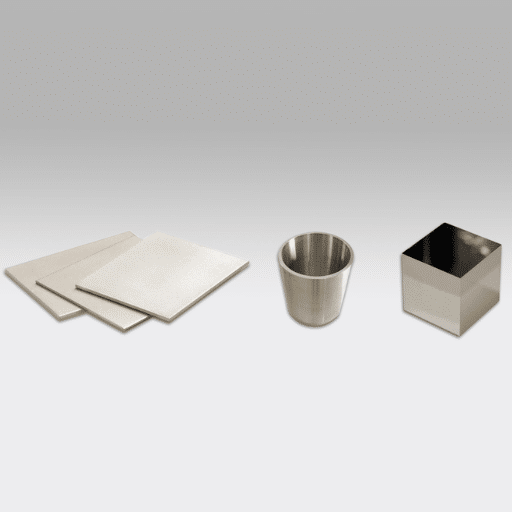
In situations where accuracy and stability are the primary concerns, it is essential to use materials with minimal dimensional changes due to temperature fluctuations. Super Invar (4J32A), an ultra-low-expansion alloy, is invariably the first choice for its remarkable ability to resist thermal expansion. Its astonishing properties have made it the key material in high-tech applications such as metrology, aerospace, scientific instruments, and cryogenics. The present article uncovers the unique properties, the practical uses, and the amazing advantages of Super Invar (4J32A), thus illuminating the ground why it is the most favorite material of the precision demanding industries.
Introduction to Ultra-Low Expansion Materials
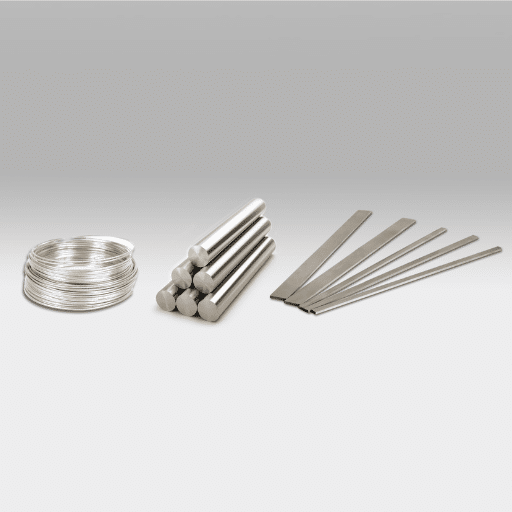
Ultra-low expansion materials constitute a special category of alloys whose main characteristic is to be the least affected by temperature fluctuations in terms of the size they occupy and, thus, to show practically no expansion or contraction. These materials have become the foundation of industries that require very high precision, as they provide the necessary moisture and, together with other factors, enable the production of scientific instruments, aerospace parts, and optical systems capable of measuring, cutting, and performing tasks with great precision. Their wonderful characteristics, such as maintenance of very small dimensions and great tolerance to thermal changes, make them not only very useful but also indispensable in situations where the product’s reliability to operate under changing thermal conditions is the only requirement. Super Invar (4J32A) is one such material that is known all over the world for its precision, and thus, the little bit of expansion that could lead to massive error is no longer a concern in its case.
Significance in Various Industries
Super Invar (4J32A) is a material that is very commonly used in various industries because of the remarkable properties that allow it to endure temperature changes without losing its quality and accuracy. Below are its major industrial applications and benefits in five industries:
1
Aerospace Industry
Super Invar, with its extraordinary dimensional stability, was made a material in the manufacturing of aerospace parts such as satellite housing and navigation systems, where even the slightest expansion could adversely influence the flight performance. This material’s ability to withstand extreme temperature fluctuations has made it a primary material for highly accurate space technologies.
2
Telecommunications
The uniform thermal expansion rates are among the properties of Super Invar that fostered the company’s participation in supplying different components for the communications industry like fiber optic cables and laser systems. This ensures that there is uninterrupted signal transmission and that such technology is highly dependable, especially in areas where the temperature is constantly changing.
3
Scientific Research
The work of extremely high-precision instruments made of Super Invar, which are powerful telescopes, microscopes, and spectrometers, among others, can all be traced back to the low thermal expansion of the material. The material’s very low thermal expansion gives scientists the reliability they need in their experiments by letting them do their measurements without any distortion especially in the fields of astronomy and nanotechnology.
4
Electronics Manufacturing
Super Invar is one of the materials used in the production of advanced circuit boards and semiconductor wafers. The material’s thermal stability will be a key factor in preventing warping during high thermal cycling, ensuring the product is of uniform quality and reliability.
5
Automotive Industry
Super Invar is used in the modern automotive industry for its reliable, stable properties, including sensors and precision-engineered engine components. It is a vital material in the construction of modern automobiles designed to operate at the highest thermal extremes.
The industries mentioned clearly indicate the diversity of Super Invar and its even more critical role in modern engineering and high-precision applications, where performance is always required in the most challenging environments.
Overview of Thermal Expansion Materials
Thermal expansion materials are designed to undergo very small, controlled expansion or contraction when exposed to temperature changes. These materials are the most important for controlling the dimensionality and accuracy of products under thermal conditions. Near-zero or low-coefficient thermal expansion (CTE) materials are the most important ones in industries like aerospace, scientific equipment, electronics, and automotive, among others.
Low Thermal Expansion Materials
Super Invar
Super Invar is recognized for its extremely low CTE, which is around 0.63 x 10^-6/K /K in the temperature range of 0°C to 100°C, thereby making it a perfect candidate for precision instruments, optical components, and aerospace structures applications. It has nearly zero thermal expansion by mixing 31-32% nickel with iron and a small amount of other elements.
Zerodur®
Zerodur® is a glass-ceramic material developed for applications requiring ultra-low thermal expansion. Its CTE can be tuned to be nearly 0 x 10^-6/K depending on the temperature range. Its use ranges from feeding telescopes and metrology and precision measurement tools to many other applications.
Silicon Carbide (SiC)
SiC is known for its toughness, high thermal stability, and low CTE (approximately 2.2 x 10^-6/K). Moreover, it is common to find it used in telescope mirrors, spacecraft components, and thermal management of electronics, where it enhances structural integrity and remains unaffected by temperature fluctuations.
Fused Silica
Fused silica has an extremely low CTE, making it difficult to find another material with a comparable value. Thus, its CTE is only 0.5 x 10^-6/K. However, materials of this class are also used where very high thermal stability is required, such as in high-performance optics, laser lithography systems, and even in semiconductor manufacturing outfitting.
Importance of Material Selection
Thermal expansion material selection is highly context-specific, with factors such as operating temperature range, mechanical load conditions, and thermal cycling frequency being determinants of the selection. For instance, in the aerospace and optical systems, even the least material expansion or contraction might result in misaligned or deformed parts. This is why Super Invar and Zerodur® are often used in applications where precision is critical.
Current Trends and Data
One of the main topics the scientists are considering is the creation of composite materials with a customizable CTE for high-precision industries. Carbon-fiber-reinforced polymer (CFRP) composites, whose thermal expansion properties can be tailored by fiber alignment, are a good example. Additionally, thorough investigations of nanostructured materials are leading to cost-effective solutions with near-zero thermal expansion.
📊 Market Insight: According to market research, the global market for low thermal expansion materials is expected to increase by a compound annual growth rate (CAGR) of 5.2% from 2023-2030 owing to the consistent rise in demand from the aerospace, electronics, and automotive industries. Apart from this, the demand for advanced thermal expansion materials is highly stimulated by upcoming applications like space exploration and quantum computing.
With all such advancements, it is unquestionable that the thermal expansion materials will always be there and their contribution will always be critical in the facilitation of technological breakthroughs and high-precision engineering as they are the materials for good engineering practice.
Importance of Precision in Applications
The correctness of the thermal expansion materials used in the different application fields is vital since it affects the systems’ ability to function, their reliability, and safety. These materials have been specially designed to withstand temperature fluctuations and this property is the most critical to some of the top-notch industries. Here, the five divisions come where the exactness of the thermal expansion characteristics is the prime factor of victory:
🚀 Aerospace Engineering
The thermal expansion materials are in the manufacture of space and air vehicles, which have to withstand the extreme temperature ranges that occur during their operation. The accuracy of the material properties ensures durability and prevents failures that could compromise safety in disastrous incidents.
💻 Electronics and Semiconductors
Microprocessors and other electronic components are increasingly reliant on materials whose thermal expansion can be controlled to prevent thermal damage during processing or operation. Effective thermal management reduces the risk of device malfunction and extends its lifespan.
🚗 Automotive Manufacturing
The material precision of advanced materials for engine parts is such that the engine operates under various thermal conditions, and modern vehicles are optimized for both performance and fuel cost savings.
🔭 Optical Instruments
Images in telescopes, cameras, and other optical instruments must be sharp and clear, which requires materials with minimal thermal deformation. Using thermally expanding materials with precision improves the accuracy of optical devices.
⚡ Energy and Power Generation
Which type of power plant (nuclear or renewable) might not require the use of materials capable of withstanding extremely high temperatures and being dimensionally stable? The employment of materials with an accuracy level has resulted in efficiency and safety operating in the energy sector.
Composition and Unique Properties of Super Invar
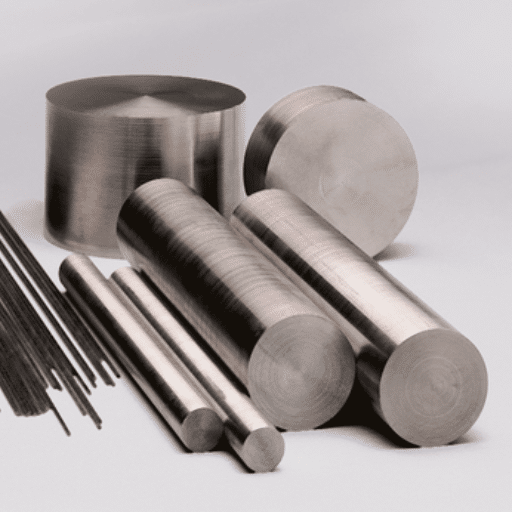
Super Invar is a superalloy that maintains its dimensions nearly unchanged when properly applied and treated, even under severe thermal and physical conditions. Below is a detailed account of its composition and distinctive features, respectively:
Composition of Super Invar
Unique Properties of Super Invar
- Ultra-Low Thermal Expansion: The thermal expansion coefficient (CTE) of Super Invar in the specified temperature range is practically zero; therefore, it is often used in very accurate temperature-dependent applications.
- Dimensional Stability: The alloy remains highly stable and continues to do so even under varying external conditions.
- Corrosion Resistance: It can withstand a wide range of oxidation and corrosion environments without degrading its properties.
- Magnetic Properties: Super Invar still possesses quite good magnetic properties, albeit less dependent on its alteration of its composition.
- High Structural Integrity: Super Invar has a remarkable combination of strength and integrity even during thermal stress when the material is slightly loss, it is formed with the material still being there.
The above-mentioned features are what make Super Invar unique and its position in industries where precision is critical is thus assured.
Chemical Composition of Super Invar 32-5
Super Invar 32-5 is made up of an alloy of iron and nickel whose refined chemical composition has been determined to be the source of its well-known low thermal expansion coefficient and great stability. The major components are in the ratios given below:
The highly regulated Super Invar32-5 alloy enables its use in temperature-varying environments while remaining accurate in instruments such as aerospace, optical, and scientific measuring devices. The unique characteristics of the alloy are a result of the specific mixture of its elements which also make it an absolute necessity for the most rigorous industrial and technological applications.
Physical Properties and Thermal Expansion Coefficient
Super Invar 32-5 boasts no thermal expansion and very high dimensional stability, enabling it to be selected for high-precision applications. A set of typical physicochemical properties of the alloy includes:
⭐ Key Highlight: Thermal Expansion Coefficient
Super Invar 32-5’s most important property is its remarkably low thermal expansion coefficient (CTE) during the -50°C to 100°C temperature range. The average CTE of 0.6 × 10⁻⁶ /°C to 1.5 × 10⁻⁶ /°C is significantly lower than that of almost all other alloys. This remarkable characteristic results from the carefully controlled blending of iron (Fe), nickel (Ni), and cobalt (Co), with trace amounts of other elements that enhance oxidation resistance.
The alloy shows very tiny dimensional alterations when subjected to severe temperature changes and therefore can be used in different applications like aerospace navigation systems, and optical mounts, etc., where even a little change can create errors. Super Invar 32-5, for instance, in extreme cases of cryogenic environments or vacuum conditions, displays its capacity to maintain its properties and hence it is a reliable material even in harsh circumstances.
Metalworking is an ongoing process, through which, day by day, the metal products are improved, and Super Invar 32-5 is one of the fortunate ones that gets to remain as the material of choice in industries where precision is the highest requirement.
Comparison with Other Low-Expansion Alloys
Applications of Super Invar in Different Fields
🚀
Aerospace Industry
Due to its excellent dimensional stability, Super Invar 32-5 is often used in aerospace engineering. Among its applications are the manufacture of satellites, gyroscopes, and precision instruments that are sensitive to thermal expansion. Using Super Invar for example, the spacecraft will support the lens that will be exposed to the extreme temperature variations in space.
🔭
Astronomy and Telescope Manufacturing
The alloy is critical to the manufacture of precise optical mounts and telescope frames. Its extremely low thermal expansion prevents the large telescopes’ accurate alignments from being disturbed across the temperature range, which is important for capturing sharp, undistorted images of distant celestial bodies.
❄️
Cryogenic Applications
Among materials, Super Invar offers the highest unmatched stability at cryogenic temperatures, which is critical for applications such as liquefied-gas storage and superconducting technologies. The material’s remarkable performance in such extreme conditions is the reason it is used in tools such as cryostats and low-temperature measurement devices.
📏
Precision Engineering and Metrology
Super Invar is the primary material used in metrology for high-precision instruments such as gauges, rulers, and interferometers. Thermal expansion is so small that it does not affect measurement accuracy, even as the environment changes.
💻
Electronics and Semiconductor Manufacturing
The material is used in certain parts of semiconductor manufacturing tools, where time is critical to success. Super Invar ensures that machinery for processes such as photolithography, which requires nanometer-level accuracy, is perfectly aligned and remains so throughout the operation.
These cases highlight the indispensable role of Super Invar in sectors that require extreme precision and reliability, regardless of environmental conditions.
Use in Aerospace Engineering
Invar is a temperature-stable material in the aviation industry, where there is no compromise on precision and stability, even under changing thermal conditions. The amazing properties of this material make it a must-have for many important applications:
🛰️ Satellite Parts
Invar is a key material for satellite structures and components that will experience extreme temperature extremes in space. These dimensions are critical to keeping the satellites operational and aligned, ensuring the integrity of high-precision communication and the reliable operation of these devices. The instruments will be constructed from the same material used for telescopes and sensors designed for outer space exploration. This is due to the material’s very minimal thermal expansion which, in turn, keeps the data collected very accurate, even in areas with great temperature variations.
🧭 Guidance and Navigation Systems
Super Invar is now part of the gyroscope, accelerometer, and navigation system components of space vehicles. The reason for the material’s reliability and stability is that they allow the accurate execution of trajectory corrections and performing maneuvers in space.
🧊 Cryogenic Fuel Tanks
Its role in cryogenic fuel tanks is to help Super Invar withstand the thermal stresses that occur at the very low temperatures of liquid hydrogen or liquid oxygen, the fuels used.
🚀 Spacecraft Structural Components
Super Invar is used in spacecraft frames and supporting structures to mitigate thermal deformation risk. This guarantees the spacecraft will remain stable during launch, operation, and re-entry.
The above-mentioned applications illustrate Super Invar’s ability to meet the stringent requirements of aerospace engineering, making it a critical factor in the reliability and performance of cutting-edge space technologies.
Applications in Precision Instruments
Invar has been highly favored in the precision instrument market. The very low thermal expansion coefficient property ensures that the material will be stable in its dimensions regardless of the temperature differences. Its importance can be seen through the following five applications:
- 1
Optical Measurement Devices
Super Invar is used in highly accurate optical measuring devices, such as interferometers, where stable positioning and minimal distortion are essential for precise readings.
- 2
Scientific Instruments
Among the scientific instruments that use Super Invar are spectrometers and electron microscopes, whose components are made of Super Invar to ensure accurate measurements and imaging even in temperature-sensitive environments.
- 3
Precision Clocks and Timekeeping
Thermally responsive materials can cause a clock’s time to drift or, in general, its accuracy to degrade. Super Invar is widely used in atomic and high-precision clocks as structural material, thereby significantly reducing time drift.
- 4
Telecommunication Devices
Super Invar is used in laser systems and signal-stabilizer components, ensuring the entire optical and communication network maintains consistent quality.
- 5
Astronomical Equipment
The present-day telescopes and other astronomical devices are sometimes said to be the good ones only if they use Super Invar since it can provide the stability and accuracy required for observing the heavenly bodies.
One can deduce that the above applications demonstrate the critical role of Super Invar in enhancing the performance and precision of scientific and technological instruments.
Role in Electronics and Condenser Plates
Super Invar has become indispensable inthe electronics industry and the condenser plates sector due to its excellent mechanical properties and low thermal expansion. This material ensures reliability and uniformity in situations where temperature fluctuations might otherwise impact the entire system. Below are five primary applications of Super Invar in the domains of electronics and condenser plates:
🔌 Printed Circuit Boards (PCBs)
Super Invar is incorporated in PCBs to ensure thermal stability which decreases the possibility of misalignment or circuit deformation to a negligible level, especially in aerospace and high-tech equipment.
📊 Condenser Plates for Sensitive Instruments
Super Invar’s low thermal expansion is the primary reason it is the preferred material for producing condenser plates for ultra-sensitive measuring devices, enabling stable operation even under conditions where temperatures fluctuate significantly.
🧲 Magnetic Shielding
Super Invar is a material with unique magnetic properties used to protect electronic components from external magnetic fields while keeping electrical signals unaffected.
🔬 Optical Applications
Microscopes and laser systems, which are very delicate and must be perfectly aligned, require Super Invar condenser plates for optical devices that demand high precision. The material’s dimensional stability ensures consistent performance.
🌡️ Temperature-Dependent Electronic Devices
Anti-breakage protection measures are built into devices operating over a wide temperature range, preventing distortions that would otherwise compromise the accuracy of electronic measurements.
These applications indicate that Super Invar is a key factor in the electronics industry’s evolution and, even more, in ensuring the efficiency and precision of the most critical instruments.
Comparative Analysis of Invar and Super Invar
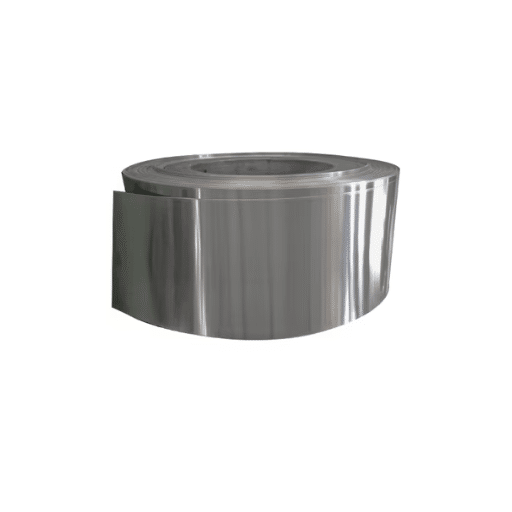
Differences Between Invar and Super Invar Alloys
Thermal Expansion Coefficient
Invar: Exhibits an extremely low CTE, typically near 1.2 x 10⁻⁶ /°C.
Super Invar: Has an even lower CTE, about 0.3 x 10⁻⁶ /°C, which makes it perfect for ultra-precise applications.
Nickel Content
Invar: The nickel content is approximately 36%, which offers a reasonable balance of thermal and mechanical properties.
Super Invar: The nickel content is about 31%, but with the addition of cobalt, it has ever better thermal stability.
Application Suitability
Invar: It is mostly used in applications that require moderate thermal precision like clock pendulums, thermostats, and scientific instruments in the industrial sector.
Super Invar: It is made for high-precision technologies like telescopes, gyroscopes, and satellite components where the utmost dimensional stability is demanded.
Cobalt Addition
Invar: Cobalt is typically not included in this alloy’s composition.
Super Invar: It contains cobalt (approximately 5–6%) to further reduce thermal expansion and improve thermal stability.
Dimensional Stability
Invar: It provides stable, dependable performance under normal conditions, making it suitable for general-purpose use.
Super Invar: It provides high dimensional stability across a wider temperature range, making it suitable for environments where temperatures fluctuate significantly.
These differences are not just competitive but they also underline the unique characteristics of the alloys and their applications, thus enabling the industry to select the most suitable material according to the specific needs.
Advantages of Using Super Invar 32-5
1
Outstanding Dimensional Stability
Super Invar 32-5 changes very little in size when heated or cooled and thus retains its shape. thermal expansion at a minimum even in areas with large temperature fluctuations. This property ensures the use of the operating material in areas requiring precision, such as detection and communication systems in aerospace and optical instruments.
2
Maximum Resistance to Thermal Changes
Super Invar 32-5 is thermally stable due to its active ingredient, which enables the material to not only maintain its physical properties but also exhibit the qualities required for operation in high-temperature environments that demand consistent performance.
3
Increased Toughness and Life Time
The strength of the alloy ensures that the properties of the material do not change such as wear, deformation, and external stresses etc. Extending the material’s life beyond the application’s life enables its use in highly demanding industrial and scientific applications.
4
Best Magnetic Stability
Super Invar 32-5 actually nullifies the changes in magnetic characteristics due to temperature changes, which is the reason why it attracts such applications as those that require magnetic shielding and also the magnetic behavior of sensitive equipment not to be affected.
5
Wide Range of Applications
From satellite components to precision scientific instruments, Super Invar 32-5, with its unique properties, is the material of choice across a range of high-precision fields that require exceptional material performance.
Machinability and Fabrication Techniques
Super Invar 32-5, an extraordinary nickel-iron-cobalt alloy, requires a specialized combination of machining and fabrication processes to preserve its properties during processing. The properties of this extremely delicate and costly material, which is usually composed of multiple elements, contribute to the difficulty of accurate machining and necessitated skilled handling.
1. Cutting and Machining
Tool Selection:
Using carbide or ceramic tools is strongly recommended due to the alloy’s hardness and potential for work hardening. High-speed steel tools are also a viable option, but they may require frequent sharpening to maintain high cutting speed.
Cutting Parameters:
- Cutting Speed: Typically 10 to 20 m/min (32 to 65 ft/min); however, it may be higher or lower depending on the part complexity.
- Feed Rate: To minimize stress and achieve a good finish, use slower feed rates.
- Coolants: To ensure no structural changes in the alloy and no change in thermal stability, flood coolant must be used during machining to lower the temperature.
- Surface Finish: Fine-grit abrasives or polishing compounds are recommended for the final machining stages to achieve an exact finish.
2. Drilling and Milling
Drilling:
- Pairing low feed rates with top-quality drill bits helps prevent cracking and other material damage.
- Peck drilling is recommended to ensure chips are removed and overheating is avoided during deep drilling.
Milling:
- Climb milling is the recommended technique because it reduces forces during cutting and yields smoother surface finishes.
- Proper fixing and support must be applied to prevent the material from vibrating or moving.
3. Welding
Techniques: The joining of Super Invar 32-5 is best accomplished by TIG (Tungsten Inert Gas) and electron-beam welding, which provide precise control of heat input.
Preheating: The material’s low thermal expansion means preheating is generally not required, but it may still help reduce residual stresses in thick parts.
Post-weld Treatment: Stress-relieving treatments are proposed to ensure that mechanical and thermal properties are retained after welding.
4. Thermal Treatments
The product’s metallurgical stability and improved machinability are usually the result of the annealing process. The standard annealing regime is 760 °C to 870 °C (1400 °F to 1600 °F) with very slow and controlled cooling rate to avoid distortion or cracking.
5. Data-Driven Performance Metrics
One study conducted by the manufacturers indicated that precision turning of Super Invar 32-5 could achieve tolerances as narrow as ±0.0001 inches. Such precise tolerances are crucial for producing components such as aircraft fuselage molds and optical instruments.
Machining specialists have noted that using optimized cutting parameters can extend the tool’s life by up to 20%. This means the material is processed more efficiently and at a lower cost.
By combining the most advanced technologies and tools with great experience in machining, Super Invar 32-5 can be cut into parts needed in every industry where perfect heat and exactness are the primary factors.
Recent Advancements and Research Findings
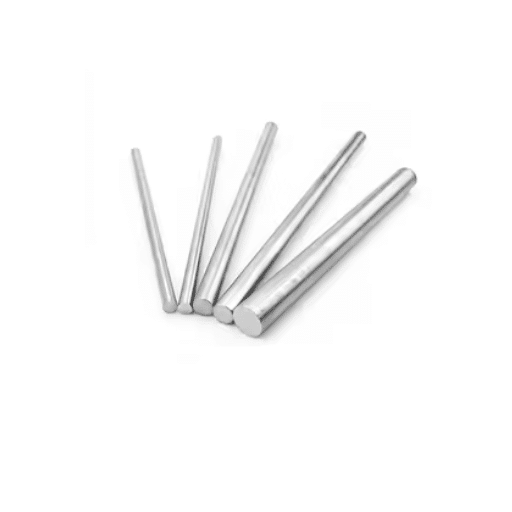
Main foci of the latest research and Super Invar 32-5 implementation have been breaking the ice between the material and its perfect thermal stability, machined surface quality and durability under extreme environments. Sophisticated metallurgical techniques were even developed to alter the material’s microstructure at the atomic level leading to even smaller thermal expansion coefficients. Alloy designers have discovered that, at melt, the addition of small amounts of specific elements to the alloy can reduce thermal expansion by approximately 10%, making the alloy applicable to precision and high-tech industries such as aerospace and optics.
Additionally, state-of-the-art precision machining technologies such as cryogenic machining and laser cutting have proven to be the most reliable and fastest methods for protecting tools and achieving high-quality surfaces when working with Super Invar 32. A recent study has proved that the cryogenic machining method has resulted in a surface quality that is 25% better than the conventional techniques and at the same time has also reduced residual stress in the final product.
Briefly, the reports show a change in perception of the metal in quantum computing and space research. For example, the cryogenics of quantum hardware, which are gradually receiving Super Invar 32-5, i.e., an alloy that is very stable at super low temperatures, are slowly going through a transition. Along the same lines, scientists are considering the material’s use in fabricating ultra-thin, stable mounts for space telescopes, where even slight displacement can cause significant errors.
Loud are the results in calling still more material processing techniques research and innovations to be targeted at Super Invar 32-5 due to the already stringent demand from the industries for precision and thermal stability.
Latest Innovations in Super Invar Applications
Super Invar 32-5, previously limited to a few applications, is now the material of choice in the market and the most widely used alloy across industries due to recent advances in its applications. The following are five innovations that highlight the usability and influence of the material:
Aerospace Ultra-Precision Manufacturing
One of the most advanced aerospace components is being manufactured using Super Invar. The material with its outstanding thermal stability, prevents any expansion or contraction during extreme temperature changes in outer space. Researchers have shown that the material exhibits dimensional changes of ±0.5 ppm/°C, which meets the requirements for spacecraft and satellite construction.
High-Resolution Space Telescopes
Engineers are using Super Invar as the primary material for space telescope support structures. The material maintains focus and image clarity over extended periods by reducing thermal distortion.
Cryogenic Storage Technology
In the cryogenic industry, Super Invar is being used to manufacture liquefied gas storage tanks and pipelines. The material’s excellent performance at extremely low temperatures ensures it remains undeformed during safe treatment of liquid hydrogen and helium.
Semiconductor Lithography Machines
Super Invar supplies critical parts for lithography machines essential to chip manufacturing. Its thermal stability completely eliminates positioning errors during intricate etching processes.
Precision Clocks and Timekeeping Devices
The material’s distinct properties make it ideal for high-precision pendulum clocks and atomic timekeeping apparatus. Super Invar’s minimal sensitivity to temperature changes guarantees exceptional time accuracy.
Industry Outlook: These breakthroughs underscore the growing importance of Super Invar 32-5 as industries increasingly require materials that meet extremely high standards of precision and stability.
Research Insights on Alloy 4J32
Alloy 4J32 is an iron-nickel alloy that has the lowest thermal expansion coefficient of any known metal and is therefore classified as an exceptionally low expansion alloy. This alloy, made of iron and nickel at approximately 68% and 32%, respectively, is characterized by remarkable dimensional stability across the entire temperature range and is therefore the most suitable material for extremely accurate engineering applications. It has the same heat stability as other controlled-expansion alloys but is more cost-effective and reliable for a range of industrial applications.
According to the latest research reports, Alloy 4J32 has a linear thermal expansion coefficient (CTE) of approximately 1.2 x 10^-6/°C over the temperature range of 20°C to 100°C. The low expansion rate ensures the alloy’s compatibility with materials such as glass and ceramics, making it useful in electronic packaging, high-precision optics, and aerospace parts. Additionally, the alloy exhibits good magnetic properties and is easy to machine when precision is required in a very tight-tolerance environment.
Research to scale up the production of Alloy 4J32 has focused on improving thermal cycling performance through microstructure development via enhanced heat treatment techniques. Its mechanical properties are reported to be better suited to cryogenic applications because they are unaffected even at the coldest temperatures, a critical requirement in low-temperature physics and superconducting technologies.
The aforementioned properties, combined with the ever-increasing emphasis on alloy development, make sure that Alloy 4J32 continues to be one of the top materials for the industries that cannot afford to compromise on either precision or durability.
Future Trends in Thermal Expansion Materials
The future of thermal expansion materials promises significant improvements in precision and adaptability. Several key trends are emerging:
Nanotechnology Integration
Advanced nanotechnology and material science will result in composite materials with thermal expansion properties tailored for specific applications
Sustainable Production
Development of clean production techniques and easily recyclable materials that promote global sustainability objectives
High-Performance Solutions
Innovations that provide high-performance materials required by modern and constantly growing industries
References
- Heliyon (Cell Press):
Title: Research on the zero-calibration gauge device
Description: Discusses the use of 4J32A (Super-Invar alloy) in devices requiring minimal thermal expansion.
2. Advanced Materials (Wiley Online Library):
Title: Thin films with ultra‐low thermal expansion
Description: Explores materials with ultra-low coefficients of thermal expansion, including their experimental fabrication and applications.
3. ScienceDirect (Elsevier):
Title: Metastable compositionally and magnetically modulated state of Fe-Ni Invar and the associated super-moment dynamics from Mössbauer spectroscopy
Description: Examines the magnetic and structural properties of Invar alloys, providing insights into their thermal expansion characteristics.