


Blog
Stainless Steel Tubes & Pipes: A Selection Guide for Chemical Processing

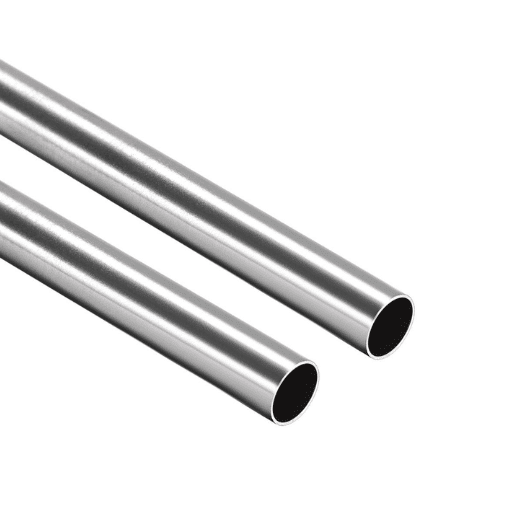
The heat exchanger tube experienced a corrosion failure which began with a pinhole leak. A chemical plant in the Midwest experienced an emergency shutdown which lasted 72 hours and resulted in production losses worth $1270000. The problem occurred because an engineer selected 304 stainless steel for a process stream that contained 800 ppm chlorides because he believed that “stainless steel is stainless steel.” The decision to use $50 tubing for medical applications resulted in $380000 operational failures.
Chemical processing professionals recognize that material selection operates as an essential component which requires their attention throughout their work. Material selection determines whether a system will function properly for 20 years or suffer complete breakdown. The project faces significant risks because it operates in extreme conditions and any incorrect decision will endanger both safety protocols and budget constraints and regulatory compliance requirements.
The guide provides an effective method for choosing stainless steel tubes and pipes which suit chemical processing needs. The training program enables you to select appropriate grades for your chemical environment while you learn essential quality control standards and prevent common engineering errors which challenge experienced professionals. The principles established in this document will enable you to consider materials for new reactors and replacement tubing in current systems with assured decision-making abilities.
Why Stainless Steel Dominates Chemical Processing Infrastructure
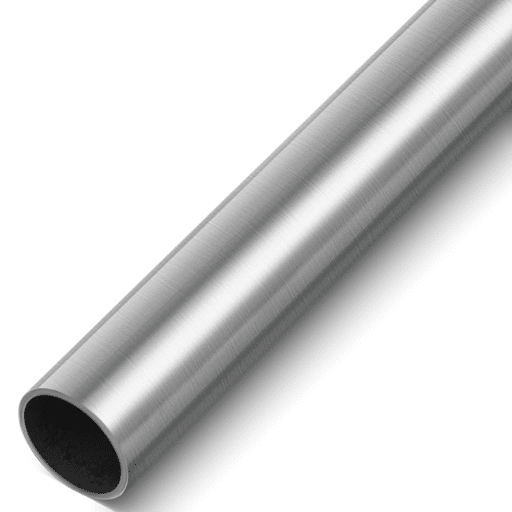
The operation of chemical plants takes place in environments which experience the highest levels of corrosive damage. The materials used in this process need to endure continuous attacks from concentrated sulfuric acid and high-temperature caustic solutions while keeping their structural integrity intact. The chemical processing industry relies on stainless steel tubes and pipes as essential components of its infrastructure because of their various advantages.
Corrosion Resistance Fundamentals
The corrosion resistance of stainless steel exists because its surface develops a passive chromium oxide layer which protects the metal. The layer which extends only a few atoms in thickness functions as a shield that protects the base metal from all external elements. The layer possesses self-healing abilities which activate whenever oxygen enters stainless steel because this property allows the material to withstand chemical environments better than other materials which would quickly fail.
The chromium content determines the essential properties of the material. Standard stainless grades contain 10.5% to 30% chromium which delivers better protection as the chromium content increases. The chemical processing industry benefits from this because it enables equipment to last longer while needing fewer maintenance activities. The right stainless steel tube selection enables equipment to last over 20 years in harsh chemical conditions while carbon steel tubes only last 5-7 years.
Temperature and Pressure Tolerance
Chemical processes usually require their equipment to function during high temperature and high pressure conditions. Stainless steel maintains its mechanical properties across a wide temperature range, from cryogenic applications to elevated temperatures approaching 900°C. Grade 316L, the workhorse of chemical processing, retains acceptable strength and corrosion resistance up to 870°C under intermittent service conditions.
The pressure ratings of a system depend on both the wall thickness and the strength of its materials. Chemical plants use stainless steel tubing which comes in multiple schedules, with Schedule 40 and Schedule 80 being the most common options. The higher chromium and nickel content in grades like 316L and 904L provides superior creep resistance compared to standard 304 stainless, making them essential for high-temperature process streams.
Regulatory Compliance Requirements
Chemical processing operates under stringent regulatory oversight. The U. S. Food and Drug Administration and Environmental Protection Agency together with international bodies demand that materials should achieve their highest purity and complete traceability requirements. The chemical industry needs stainless steel tubes which must meet ASME B31.3 Process Piping Code requirements and all applicable ASTM standards.
ISO 9001 certified manufacturing processes ensure that materials meet specified chemical compositions and mechanical properties. Full traceability from raw material to finished product exists as essential requirement for critical applications. The material test reports confirm that every batch has achieved the necessary standards which serve as documentation for both regulatory audits and quality assurance programs.
[Explore our ISO 9001 certified stainless steel tubing options to ensure your project meets all regulatory requirements. Contact our engineering team for certification documentation.]
Critical Selection Factors for Chemical Processing Tubing
The selection process for stainless steel tubes used in chemical processing needs an organized assessment of different essential criteria. Your specification needs to deliver dependable performance because you must understand how different variables interact with each other.
Chemical Composition and Environmental Compatibility
The first step in material selection is a thorough analysis of the process stream. What chemicals will the tubing contact? At what concentrations? Are there cyclic variations in chemistry? These questions establish the required baseline corrosion protection level.
Chloride content is the most important factor to evaluate. Even trace amounts of chlorides can trigger pitting or stress corrosion cracking in susceptible grades. Standard 304 stainless steel resists pitting up to approximately 200 ppm chlorides. Grade 316L, with its 2-3% molybdenum addition, extends this threshold to over 1000 ppm. For environments with higher chloride levels or elevated temperatures, super austenitic grades like 904L or duplex 2205 become necessary.
Acid concentration and temperature interact in complex ways. 316L stainless steel can successfully handle dilute sulfuric acid at ambient temperatures, but the material needs higher protection when dealing with concentrated acids or elevated temperatures. Stainless steels experience different levels of attack from caustic solutions based on specific concentration and temperature conditions. A comprehensive chemical compatibility assessment prevents costly material failures.
Operating Temperature Range
Corrosion rates increase exponentially with rising temperatures. The same material that performs well at 40°C may fail rapidly at 80°C. Stainless steel tube evaluation for chemical processing requires evaluation of both standard operating temperatures and emergency situation temperatures which include startup shutdown and process interruptions.
Intergranular corrosion starts to become problematic when materials reach their sensitization temperature between 450°C and 850°C. The “L” suffix designation for low carbon content grades (316L 304L) indicates that these grades do not form carbide precipitation which leads to intergranular attack. Low carbon grades are necessary for projects which involve welding or thermal cycling.
High-temperature applications need to evaluate both creep resistance and oxidation resistance. Grade 316L maintains structural integrity to approximately 870°C while specialized high-temperature grades such as 321 and 347 provide better stability through the use of titanium and niobium which create stable carbide structures.
Pressure Requirements and Wall Thickness Selection
The pressure which processes create establishes the necessary wall thickness requirements. ASME B31.3 provides calculations for minimum wall thickness based on design pressure, allowable stress, and material quality factors. The chemical processing industry requires extra corrosion protection beyond the minimum calculated thickness for its operations.
Tubing schedules define standard wall thicknesses. Schedule 5S and 10S offer thinner walls for low-pressure applications, while Schedule 40 and 80 provide greater strength for high-pressure systems. Schedule 160 and double-extra-strong (XXS) walls satisfy the most extreme pressure requirements.
Seamless tubing created through extrusion or piercing methods delivers consistent wall thickness and better pressure performance than welded tubing. The seamless construction method creates an additional safety margin for critical high-pressure applications while eliminating risks associated with weld defects.
Surface Finish and Cleanability
The surface finish of materials determines their ability to resist corrosion and their ease of cleaning. Electropolishing produces a surface layer that contains chromium in high concentration which increases its passive resistance properties. The smooth surfaces of materials prevent bacteria from sticking to them while also making it easier to clean which makes them suitable for use in pharmaceutical and food-grade chemical applications.
Internal surface roughness exists as a measurement that can be expressed in microinches or micrometers Ra (arithmetic average). General chemical service typically requires a 20 Ra finish while high-purity applications demand 15 Ra or better finishes. Pickling and passivation treatments function to eliminate surface impurities from materials while they simultaneously restore the protective oxide layer which exists on surfaces following their manufacturing process.
Comparing Stainless Steel Grades for Chemical Applications
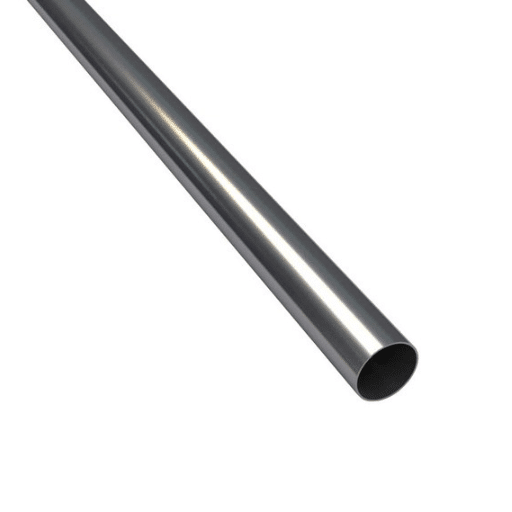
In chemical environments, all stainless steels do not behave equally. Decisions on selection of materials can be made based on a proper understanding of strengths and shortcomings in each grading.
316L Stainless Steel: The Industry Standard
The chemical processing industry uses 316L stainless steel because it provides essential benefits which account for 35% of their total stainless steel requirements. The addition of 2-3% molybdenum provides significantly improved pitting and crevice corrosion resistance compared to 304 stainless. The low carbon content (maximum 0.03%) prevents sensitization during welding, making 316L ideal for fabricated piping systems.
Typical applications include general chemical processing equipment, pharmaceutical manufacturing, food processing, and pulp and paper production. 316L stainless steel resists most organic acids together with fatty acids and atmospheric corrosion. The material performs well in mild chloride environments while providing good oxidation resistance until 870°C.
There are restrictions on its use. The 316L alloy cannot withstand concentrated sulfuric acid or hydrochloric acid or high chloride environments which operate at elevated temperatures. The applications require materials that contain more alloying elements than standard materials.
304 Stainless Steel: Cost-Effective for Mild Environments
The 18% chromium and 8% nickel content of Type 304 achieves good general corrosion resistance at an affordable price. The material demonstrates compatibility with most organic chemicals and various inorganic chemicals at room temperature. The absence of molybdenum makes 304 less expensive than 316L but also less resistant to pitting.
The process streams with low chloride content and moderate temperature and non-aggressive chemical environments require 304 material. The material can withstand caustic solutions and most organic solvents and atmospheric conditions. The 304 material provides sufficient performance for chemical plants that operate under non-hazardous conditions and have budget restrictions.
The practice of using 304 as a cost-saving measure for low-demand situations actually results in financial losses. The price difference between 304 and 316L ranges from 15% to 25% whereas the performance gap in chloride environments determines whether equipment will last for 20 years or experience early breakdown.
904L Super Austenitic: High Corrosion Resistance
When 316L fails to meet requirements, 904L offers advanced protection capabilities. The super austenitic grade consists of 20-25% chromium, 19-23% nickel, and 4-5% molybdenum which provides outstanding defense against pitting and crevice corrosion and stress corrosion cracking. High nickel content enables materials to withstand highly reducing acid conditions.
The alloy 904L shows excellent performance in highly corrosive environments which contain both concentrated sulfuric acid and phosphoric acid and chloride-rich process streams. The material finds widespread application in fertilizer manufacturing and chemical processing and equipment used for pollution control. The alloy shows corrosion resistance at high temperatures while common materials would experience fast degradation.
The trade-off is cost. 904L costs 3-4 times more than 316L according to standard pricing. Nevertheless, this expense typically results in financial benefits because products have longer useful lives and need fewer repairs. The 904L material serves as the best option because it prevents major operational delays and dangerous situations stemming from material failure.
Duplex 2205: Strength and Chloride Resistance
Duplex stainless steels combine austenitic and ferritic microstructures which provide double the strength of austenitic grades while sustaining excellent protection against corrosion. Grade 2205 contains 22% chromium, 5% nickel, and 3% molybdenum, with nitrogen additions enhancing pitting resistance. The pitting resistance equivalent number (PREN) for 2205 reaches a value of 35, while 316L has a PREN value of 25. The duplex grades function effectively in seawater cooling systems, chloride-rich process streams, and applications that require high strength-to-weight ratios. The usage of duplex stainless steel in chemical plants has increased at a rate of 15% per year because of these advantages.
Duplex grades need precise welding techniques to keep their microstructure in proper balance. The materials become vulnerable to 475°C embrittlement when they reach that temperature range for extended durations. The 2205 alloy delivers exceptional property combination which serves many chemical processing applications despite its limitations.
When to Consider Nickel-Based Superalloys
Stainless steels lack capability to withstand the most extreme chemical environments. Nickel-based superalloys such as Hastelloy C-276 provide better protectionagainst both oxidizing and reducing acids, which include hot concentrated sulfuric acid and hydrochloric acid and wet chlorine gas. These alloys contain 50-60% nickel with additions of chromium and molybdenum and tungsten. They display resistance to corrosion throughout all pH levels and at all temperature conditions. The most aggressive process chemicals can be handled through reactor vessels and heat exchangers and piping systems which use these systems.
Nickel-based alloys cost approximately 8 to 10 times more than 316L stainless steel. Reserve these materials for applications where nothing else will survive. Nickel alloys become the only suitable choice for your process when it involves hydrofluoric acid and hot concentrated mineral acids and severe mixed acid environments.
|
Grade |
Chromium |
Nickel |
Molybdenum |
Max Temp |
Relative Cost |
Best For |
|---|---|---|---|---|---|---|
|
304 |
18-20% |
8-10% |
None |
800°C |
1.0 (baseline) |
Mild chemicals, low chlorides |
|
316L |
16-18% |
10-14% |
2-3% |
870°C |
1.15-1.25 |
General chemical processing |
|
904L |
20-25% |
19-23% |
4-5% |
450°C |
3.0-4.0 |
Aggressive acids, high chlorides |
|
2205 |
22% |
5% |
3% |
300°C |
1.3-1.5 |
High strength, chloride resistance |
|
C-276 |
14-16% |
Balance |
15-17% |
1100°C |
8.0-10.0 |
Extreme chemical environments |
Industry Standards and Quality Requirements

Chemical processing tubing must meet stringent standards which ensure both safe operation and dependable performance and compliance with regulations. The specifications provide you with the necessary information to verify whether materials meet your required standards.
ASTM Specifications for Tubing
ASTM A269 establishes specifications for both seamless and welded austenitic stainless steel tubing which serves general service purposes. The specification defines three essential requirements which include chemical composition and mechanical properties and dimensional tolerances. A269-compliant tubing operates effectively in both low-temperature and high-temperature environments which involve corrosive substances.
ASTM A213 defines requirements for seamless ferritic and austenitic alloy steel pipes used in boiler systems and superheaters and heat-exchanger systems. The enhanced testing requirements and tighter tolerances of A213 tubing make it suitable for high-pressure and high-temperature operational environments.
ASTM A312 establishes standards for both seamless and welded and heavily cold-worked austenitic stainless steel pipes. The specification functions as a standard reference point which engineers use to design process piping systems in chemical plants. The various grades within A312 (TP304, TP316L, etc.) correspond to specific alloy compositions.
ASME B31.3 Process Piping Code
ASTM A269 establishes specifications for both seamless and welded austenitic stainless steel tubing which serves general service purposes. The specification defines three essential requirements which include chemical composition and mechanical properties and dimensional tolerances. A269-compliant tubing operates effectively in both low-temperature and high-temperature environments which involve corrosive substances.
ASTM A213 defines requirements for seamless ferritic and austenitic alloy steel pipes used in boiler systems and superheaters and heat-exchanger systems. The enhanced testing requirements and tighter tolerances of A213 tubing make it suitable for high-pressure and high-temperature operational environments.
ASTM A312 establishes standards for both seamless and welded and heavily cold-worked austenitic stainless steel pipes. The specification functions as a standard reference point which engineers use to design process piping systems in chemical plants. The various grades within A312 (TP304, TP316L, etc.) correspond to specific alloy compositions.
Material Test Reports and Traceability
All stainless steel heats require material test reports which document both their chemical makeup and their mechanical characteristics. The reports confirm that the material meets the required grade standards while establishing a connection to the mill heat number. The testing requirements for critical applications extend to the following methods:
Hydrostatic testing to verify pressure integrity
- Eddy current testing to detect surface and near-surface defects
- Ultrasonic testing for internal discontinuities
- Intergranular corrosion testing (ASTM A262) for sensitized materials
- PMI (Positive Material Identification) to verify alloy composition
The complete traceability from raw materials to final products establishes the foundation for both quality assurance and regulatory compliance. ISO 9001 certified suppliers maintain documentation systems that track materials through every stage of production.
[Ensure your chemical processing materials meet all specifications with our comprehensive spectral analysis and certification documentation. Request a quote for certified tubing with full traceability.]
Common Mistakes in Material Selection (And How to Avoid Them)
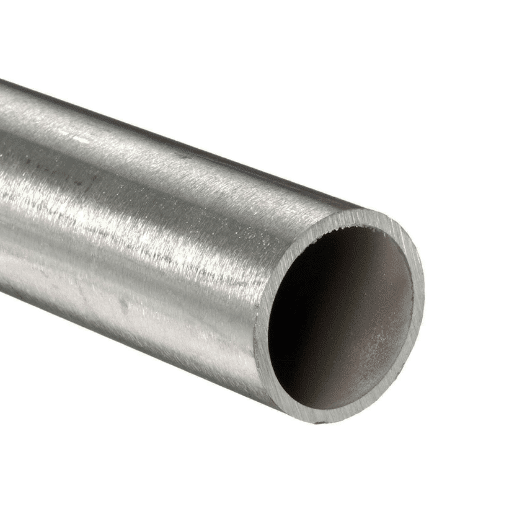
Even experienced engineers make errors when specifying materials for chemical processing. The study of typical errors allows organizations to establish methods which help them avoid expensive operational failures.
Underestimating Chloride Exposure
The most common material selection mistake in chemical processing occurs because people fail to accurately assess chloride levels. Engineers develop specifications from standard operating conditions while omitting exceptions for system failures and maintenance procedures and minor contamination events. A process stream that normally contains 50 ppm chlorides might see 2000 ppm during a regeneration cycle or equipment upset.
Engineers must select materials according to most extreme conditions which materials will face instead of using typical operational parameters. Engineers need to establish safety margins for chloride concentration limits in systems where concentration can increase through evaporation and phase transition processes.
Ignoring Thermal Expansion Requirements
Stainless steels exhibit greater thermal expansion coefficients when compared to carbon steels. In systems with significant temperature variations, inadequate accommodation of thermal expansion creates stress that can lead to distortion, leakage, or cracking.
Piping systems need expansion loops and bellows and flexible connections as essential design requirements. The coefficient of thermal expansion for austenitic stainless steels is approximately 16-18 microinches per inch per degree Fahrenheit which is about 50 higher than carbon steel. The 100-foot piping run experiences more than 3 inches of length change because of the 200°F temperature shift.
Overlooking Surface Finish Requirements
The selection of an incorrect surface finish leads to two different types of issues which include bacterial contamination and faster corrosion. Corrosion begins at rough surfaces because they hold contaminants which serve as starting points for the chemical reaction. The pharmaceutical industry and food-grade applications require a proper surface finish to meet their regulatory standards.
The surface finish requirements must be matched to the specific needs of the application. A 32 Ra finish meets the requirements for general chemical service but high-purity applications need 15 Ra or better. The most demanding applications require electropolishing to deliver both the finest surface quality and superior passivity protection.
Focusing Only on Initial Material Cost
The most affordable material that satisfies technical specifications does not provide the best value throughout the operational life of the equipment. The operating expenses for a system extend beyond material expenses which account for 15 to 30 percent of the complete installation expenses. The total operational expenses for a system include all expenses which result from system failures and their corresponding maintenance costs and system replacement expenses.
A $50,000 tubing upgrade from 316L to 904L might seem expensive until you consider that it prevents a $400,000 failure and extends service life from 8 years to 20 years. Total cost of ownership analysis, including probability of failure and consequence costs, provides a more rational basis for material selection than initial purchase price alone.
The engineering team at Meridian Chemical started their evaluation of heat exchanger specifications. The analysis revealed that scheduled replacement of 316L tubes every 3-4 years would cost over $180,000 in materials and labor and lost production time during a 12-year period. The 904L installation, while costing $45,000 more upfront, would last the full 12 years without replacement. The premium charge became a positive financial advantage for the business.
Beyond Standard Grades: Custom Solutions for Extreme Applications
Standard stainless steel grades work for most chemical processing needs but certain environments exceed their operational limits. Custom manufacturing solutions become essential when standard alloys fail to meet requirements.
When Standard Alloys Cannot Meet the Challenge
Certain chemical processes create conditions that defeat even the most corrosion-resistant standard grades. The combination of high temperature and high pressure together with aggressive chemical environments needs special materials for protection. The following substances serve as examples of this requirement:
- Hydrofluoric acid service at any concentration
- Hot concentrated hydrochloric acid
- Strong oxidizing acids with chlorides present
- Severe sour gas environments with high H2S partial pressures
- Molten salt applications
The process of selecting materials in these cases requires either finding the best available choice or creating custom alloy solutions.
Custom Chemical Compositions
The work with our metallurgical partner who offers custom manufacturing services enables us to access materials which extend beyond standard grade options. The performance of materials in specific environments can be improved through minor changes to their alloy compositions. Increased levels of molybdenum provide better protection against pitting corrosion. The incorporation of nitrogen into duplex grades results in strengthened materials which also demonstrate enhanced resistance to corrosion. The controlled introduction of copper or tungsten enables us to protect against particular chemical attack methods.
The custom forging and melting services enable us to create alloys which match your specific process requirements through precise chemical control. Your engineering team must work together with the materials supplier to find the best alloy solution according to this method.
Precision Processing for Immediate Fabrication
The success of a project depends on both its material composition and its fabrication readiness. The delivery of tubing with exact length specifications and complete end preparation results in decreased time for fieldwork while enhancing product quality. The cutting and beveling and surface finishing processes create materials that are ready to be installed without delay.
The processing adds value by decreasing waste material while it removes production constraints from fabrication facilities and it speeds up building project timelines. The ability to use materials immediately at construction sites provides essential support for projects which require rapid completion to meet strict deadlines.
PetroChem Industries needed to complete a reactor retrofit project within 14 days their regular supplier could not deliver raw tubing which needed extensive cutting and preparation for fieldwork. The project team reduced their fieldwork time by 60% when they used a supplier who provided ready-to-use tubing which came with pre-cut and pre-beveled ends.
[Need a custom alloy solution for your extreme chemical environment? Our metallurgical engineers can design and manufacture materials to your exact specifications. Contact us for a consultation.]
Ensuring Quality and Reliability in Your Supply Chain
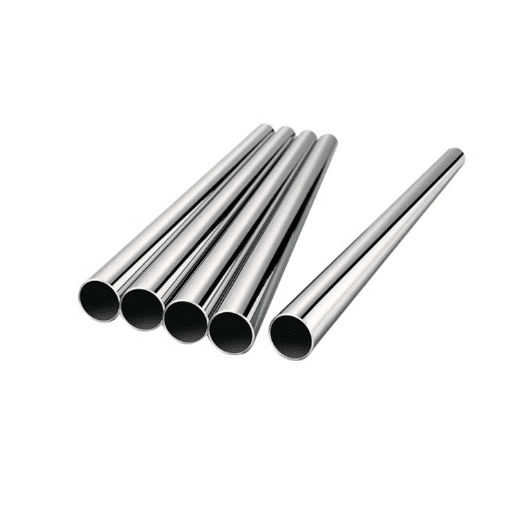
Material specification is only half the battle. The delivered materials must undergo testing to confirm their compliance with specifications which requires both quality assurance tests and supplier qualification processes.
Spectral Analysis and Material Verification
All stainless steel batches require chemical composition testing. Spectral analysis through X-ray fluorescence (XRF) and optical emission spectroscopy (OES) testing confirms that alloy elements meet specification requirements. The testing process is mandatory because different grades of materials show distinct performance characteristics.
Critical components need positive material identification (PMI) testing because material traceability needs to be established. The frequency of in-service failures which result from substituting incorrect material grades shows that this issue can be completely avoided through proper material verification processes.
Certification and Documentation Requirements
Complete documentation packages support quality assurance and regulatory compliance. Required documentation typically includes:
- Material test reports which show chemical composition and mechanical properties
- Heat treatment records
- NDE (non-destructive examination) reports
- Hydrostatic test certificates
- PMI verification reports
- Mill test certificates which verify the starting materials
ISO 9001 certified suppliers maintain documentation systems which enable traceability and deliver the necessary certificates for project closeout packages and regulatory inspections.
Global Supply Chain Considerations
The combination of international projects and supply chain complexity creates additional threats to project success. The process of international shipping needs specialized skills for handling export documentation and customs clearance and international logistics operations. The project schedule suffers from material delivery delays which result in base contract damages and project schedule disruptions.
The company achieves lower risk levels through partnerships with suppliers who possess expertise in international logistics. The correct export packaging method secures materials through the entire ocean freight process. Customs authorities require complete documentation packages for their clearance process. The company can depend on established freight forwarding relationships to provide accurate delivery timeframes.
International sourcing makes it harder to maintain quality assurance standards. Material certification methods differ between regions which allows counterfeit or substandard materials to enter the supply chain. The company needs third-party inspection to qualify suppliers while incoming material verification protects against potential risks.
Conclusion: Building Reliability Into Your Chemical Processing Infrastructure
Finding the suitable stainless steel tubes for chemical processing requires engineers to assess three main factors which include technical specifications and financial aspects and safety protocols. The wrong choice leads to premature failure, unplanned shutdowns, and potential safety hazards. The right choice delivers decades of reliable service.
Key takeaways from this guide:
- Understand your environment completely – Specify materials for the most aggressive conditions they will encounter, including upsets and cleaning cycles.
- Match the grade to the application – 316L handles most chemical processing work, but aggressive environments require 904L, duplex grades, or nickel-based superalloys.
- The complete cost of ownership should be assessed through all expenses, which include maintenance needs and equipment replacement costs and the outcomes of equipment breakdowns.
- ISO 9001 certification, spectral analysis, and complete documentation establish the system for verifying product quality and traceability to specified requirements.
- The success or failure of a project depends on supply chain planning which includes custom manufacturing and international logistics capabilities.
The stakes in chemical processing material selection could not be higher. Equipment failure costs millions. Safety incidents harm people and the environment. Regulatory violations bring penalties and reputational damage. Your infrastructure development process will achieve reliable outcomes when you choose materials through a structured method and collaborate with certified suppliers who comprehend project requirements and execute correct quality control procedures.
[Ready to specify stainless steel tubes for your chemical processing project? Our metallurgical engineers are available to review your requirements and recommend the optimal material solution. Request a quote or contact us for expert consultation.]
Jiangsu Zhonggongte Metallurgical Technology Co., Ltd. provides certified high-performance alloys which meet the requirements of the world’s most demanding chemical processing applications. Our ISO 9001 certified manufacturing, comprehensive spectral analysis, and global logistics capabilities ensure you receive the right materials, on time, with complete documentation.