High Standard Stainless Steel With Strict Inspection



Bending and Forming Stainless Steel and Alloys: Techniques and Best Practices

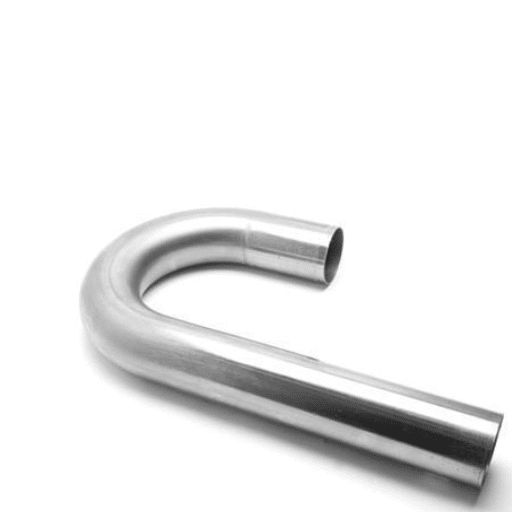
The bending and forming process for stainless steel and its multiple alloys serves as an essential manufacturing method that multiple industrial sectors use in construction, automotive, aerospace, and medical equipment manufacturing. The materials possess high value because they combine strength with corrosion resistance and long-lasting durability yet their processing needs specialized methods which ensure precise outcomes while maintaining their original structural characteristics. The blog post provides an overview of essential tools together with effective methods and optimal practices for successful metal bending and forming operations. The guide provides a complete overview of fabrication challenges together with innovative solutions that help you achieve optimal results for your stainless steel and alloy projects. The article provides practical insights that teach you methods to enhance your metalwork quality.
Introduction
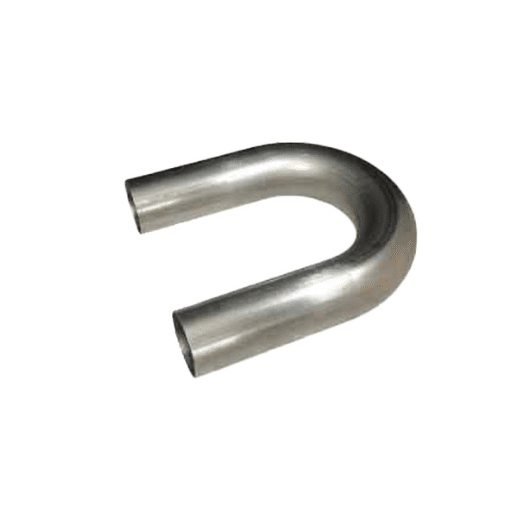
At present these materials have become essential components for multiple industries because they combine exceptional strength with durable properties and their capacity to resist corrosion. The process of successfully bending and forming these materials demands operators to use appropriate tools while they prepare their work area and learn about the specific characteristics of the materials. The established techniques combined with industry standard procedures allow you to work with these metals while you obtain precise results that maintain their structural integrity.
Technical Challenges in Stainless Steel Fabrication
The production process for stainless steel requires manufacturers to solve multiple technical problems which directly impact the material’s performance and operational capabilities. The material has high strength and work-hardening rate which creates difficulties because its cutting and bending and forming operations need more work than those operations require for other metals. The deformation resistance of stainless steel requires manufacturers to use advanced machinery and carbide-tipped tooling and plasma cutting tools to produce accurate results without material distortion.
Welding stainless steel requires operators to manage a distinct set of operational obstacles. Improper welding techniques lead operators to create warping problems for workpieces which also causes chromium carbide precipitation that destroys the material’s ability to resist corrosion. The material maintains its anti-corrosive properties because industry data shows that low carbon grades which include 304L and 316L and correct heat control during welding operations handle these problems.
The surface finish presents a significant challenge because it determines both the visual appearance and functional capabilities of the product. The process to create an even and shiny surface requires several polishing or passivation rounds to achieve complete results. The production expenses show that these processes consume 15 to 20 percent of total production costs according to statistical reports. The processes establish necessary measures for surface protection and hygiene maintenance in food processing and pharmaceutical manufacturing industries.
Thermal expansion represents the primary factor which fabrication procedures must address during their execution. The stainless steel material undergoes substantial expansion when it experiences high-temperature conditions which creates risks of producing inaccurate dimensions in the finished product. Researchers have demonstrated that effective temperature management together with design-based thermal expansion provisions which enable handling this particular problem leads to successful problem resolution.
The combination of advanced fabrication technologies together with industry best practices and suitable advanced materials will help industries to achieve their goals while successfully handling all challenges associated with stainless steel usage.
Importance of Understanding Formability
The success of manufacturing processes and product quality depends on understanding how stainless steel materials behave during manufacturing processes. The formability of a material determines its suitability for industrial applications because it defines the maximum deformation which a material can endure without developing cracks or breaks. The following five elements demonstrate why formability comprehension matters for industrial operations.
Improved Manufacturing Efficiency
Through process identification which formability knowledge delivers manufacturers achieve production delay reductions and material waste decreases and equipment damage prevention while they select optimal materials and manufacturing methods.
Enhanced Product Quality
The proper assessment of formability enables accurate maintenance of dimensional accuracy while it prevents defects which include cracking and warping that occur during the forming process.
Material Selection for Specific Applications
Different stainless steel grades exhibit distinct formability properties. The austenitic stainless steel material demonstrates superior formability compared to martensitic grades, which makes it suitable for deep drawing applications.
Reduced Costs
Manufacturers who select materials with appropriate formability characteristics will save money because they will avoid expensive problems that lead to rework and scrap production and equipment destruction.
Design Flexibility
Engineers develop advanced product designs through material behavior understanding which enables them to exceed existing material limitations during forming.
Industries can reach production efficiency and product excellence by understanding these elements which help them make better business choices.
Understanding Stainless Steel and Alloys
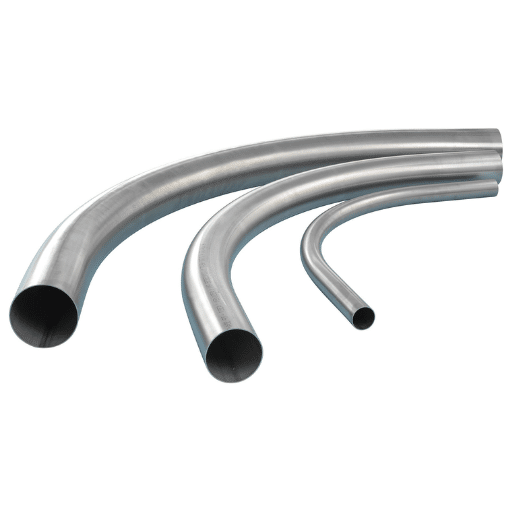
The distinctive stainless steel characteristics together with its alloying components create essential materials for modern industrial production and building projects. Stainless steel forms a chromium oxide layer on its surface which protects the iron base material when chromium content reaches a level that exceeds 10.5%. The protective layer against rust establishes the material as suitable for multiple fields because it can endure different environmental conditions which include medical equipment and constructed spaces.
The Key Properties of Stainless Steel Material:
- The presence of chromium in stainless steel creates resistance against both rust and oxidation, which nickel and molybdenum contribute through their unique grade enhancements.
- The stainless steel material exhibits strong tensile strength which allows it to endure stress without experiencing any form of fracture.
- Austenitic stainless steel and other stainless steel grades maintain their structural integrity across extreme temperature conditions.
- Stainless steel provides a non-porous smooth surface which makes it acceptable for use in medical facilities, food processing areas, and pharmaceutical manufacturing.
Common Stainless Steel Grades:
- 304 Stainless Steel – This material provides excellent adaptability and protection against corrosion, which makes it a preferred choice for kitchen equipment and industrial processing applications.
- 316 Stainless Steel – Molybdenum content in this material enables superior chloride protection, which allows its use in both marine environments and chemical processing facilities.
- 430 Stainless Steel – This material provides corrosion resistance at a lower cost, which makes it suitable for automotive components and household items.
Alloys and Their Importance:
Aluminum alloys and titanium alloys and superalloys together create new possibilities for material engineering development. The introduction of elements such as manganese, nickel, or molybdenum to basic metal components provides substantial improvements in their capacity to resist heavy loads while maintaining flexibility and thermal endurance.
Stainless Steel Market Insights (2023):
- The global stainless steel market size reached $114.33 billion in 2022 and is expected to grow at a compound annual growth rate of 6.7% until 2030.
- The automotive industry requires exhaust systems and structural components, while the construction sector and heavy machinery sector create fundamental demand for their products.
- The Asia-Pacific region serves as both the primary consumer and producer of products, which makes up 55% of worldwide production, while China commands the largest segment of this market.
Through correct material selection which uses complete understanding of stainless steel and alloy properties and their industrial uses organizations can generate greater cost savings and product durability.
Types of Stainless Steel
The primary classification system for stainless steel divides it into five distinct categories which each possess unique characteristics that match specific industrial requirements. The different categories are defined by their distinct chemical makeup and metallurgical characteristics which determine how they function in different environments.
Austenitic Stainless Steel
This type of stainless steel represents the bulk of production which reaches 70%. The material shows no magnetic properties while it provides excellent protection against corrosion through its high chromium and nickel content. The two main grades of this material are 304 and 316, with 316 providing better protection through its additional molybdenum content. The food processing industry and chemical equipment manufacturing industry and medical device production industry all utilize austenitic stainless steel.
Ferritic Stainless Steel
Ferritic stainless steel contains lower levels of carbon and higher chromium, typically around 10.5%–30%. The material shows magnetic properties which provide basic protection against corrosion, making it suitable for use in automotive production and in home appliances such as washers and dryers. The two main grades of this material are 430 and 409.
Martensitic Stainless Steel
Martensitic stainless steel achieves its exceptional strength and hardness through its elevated carbon content and reduced chromium levels which range from 12% to 18%. The material shows magnetic properties which allow users to treat it with heat in order to improve its ability to withstand pressure. People use this material in cutlery and surgical instruments and turbine blades which include 410 and 420 as the two main grades.
Duplex Stainless Steel
The combination of austenitic and ferritic structures in this material produces a product with superior strength and corrosion resistance which prevents stress corrosion cracking. The material contains equal amounts of chromium which ranges from 19% to 28% and nickel which reaches a maximum of 5%, with 2205 and 2507 as the most popular grades. The material operates in oil and gas pipelines and chemical plants and marine environments.
Precipitation-Hardening Stainless Steel (PH Stainless)
The category achieves its high strength and wear resistance through heat treatment processes. PH stainless steel which includes 17-4PH, features chromium content of 15% to 17%, and this metal finds use in aerospace and nuclear and advanced engineering applications.
Current Market Insights and Trends
Innovations in alloy compositions drive the global stainless steel market which now experiences continuous growth. The stainless steel market will expand at a compound annual growth rate of 5% between 2023 and 2027 because of demand from construction and automotive and renewable energy sectors, according to reports in 2023. The growing emphasis on sustainability has increased the demand for recyclable and environmentally friendly alloys which makes stainless steel production essential for various industries.
The different stainless steel types and their benefits help industries make better decisions according to their understanding of material performance in multiple industrial applications.
Properties of 304 Stainless Steel
The exceptional combination of properties in 304 stainless steel makes it one of the most widely used stainless steel grades. The following five properties represent the essential characteristics of 304 stainless steel.
Corrosion Resistance
The material shows excellent resistance to corrosion in all testing environments which include industrial and marine environments. The material develops a protective oxide layer through its high chromium content which prevents rusting and extends the material’s lifespan.
High Strength and Durability
The material demonstrates good mechanical strength and durability which enables its use in building construction. The material retains its basic structural composition when it experiences extreme pressure and stress conditions.
Temperature Resistance
The material maintains its structural integrity when exposed to high temperatures up to 870°C (1600°F) because it resists oxidation and scaling in both high temperature and low temperature environments.
Ease of Fabrication
The material demonstrates excellent ductility and malleability which enables easy machining and welding and shaping into various forms. The property enables various manufacturing processes to use the material for different applications.
Hygienic Properties
The non-porous surface of 304 stainless steel enables easy cleaning while it prevents bacterial development which makes it suitable for food processing and healthcare and pharmaceutical applications.
Overview of Common Alloys
Alloys are created through the process of combining metals with other elements to produce materials which have specific properties needed in various industrial applications. The next section delivers information about various alloys which show their metal composition and their appropriate industrial applications.
1. Stainless Steel Alloys
Stainless steel exists as a material which resists corrosion while maintaining high strength throughout its various practical applications. The material contains common alloys which are used in its production:
- 304 Stainless Steel: The stainless steel grade 304 contains 18-20% chromium and 8-10.5% nickel which results in its status as the most widely used material for general applications due to its superior corrosion resistance and easy manufacturing method.
- 316 Stainless Steel: The material provides excellent protection against corrosion because it contains 2-3% molybdenum which helps to protect against corrosive environments. The material shows its best performance in marine environments and chemical processing industries.
- Ferritic Stainless Steel (e.g., 430): The material provides good protection against corrosion while being more affordable than other options which makes it a popular choice for kitchen appliances and automotive trim.
2. Aluminum Alloys
Aluminum alloys possess three key advantages which include their lightweight nature and their high strength-to-weight ratio and their ability to resist corrosion. The following materials serve as examples of this category:
- 2024 Aluminum: The alloy includes aluminum copper manganese and magnesium which delivers high strength for clients who need aerospace materials.
- 6061 Aluminum: The material forms a flexible alloy which engineers combine aluminum with magnesium and silicon. The material provides excellent protection against corrosion which makes it a popular choice for structural and automotive projects.
- 7075 Aluminum: The alloy has a base made of zinc which acts as the primary component that provides the material with its necessary strength requirements for military and aerospace operations.
3. Copper Alloys
Copper alloys receive high value because they possess three key properties which include thermal and electrical conductivity and resistance to corrosion and their ability to fight germs.
- Brass (Copper-Zinc Alloy): Brass is widely used for plumbing, decorative items, and musical instruments due to its strength and aesthetic appeal.
- Bronze (Copper-Tin Alloy): A material that resists corrosion and finds application in marine environments and bearing systems and artistic sculptures.
- Beryllium Copper: Electrical connectors and precision instruments use this high-performance alloy because it provides both excellent electrical conductivity and superior hardness.
4. Titanium Alloys
Titanium alloys provide outstanding strength-to-weight ratios which enable them to resist both oxidation and extreme temperature conditions. The following materials serve as common examples of this group:
- Grade 5 Titanium (Ti-6Al-4V): The alloy includes aluminum and vanadium which makes it a popular choice for aerospace and medical implant and automotive applications.
- Grade 2 Titanium: The material consists of commercial-grade titanium which offers high resistance to corrosion in both chemical and marine environments.
5. Nickel Alloys
Nickel-based alloys provide protection against destructive conditions which include both extreme heat and corrosive substances.
- Inconel (e.g., 625, 718): These superalloys combine nickel with chromium and molybdenum to create a material that maintains high structural integrity during extreme temperature conditions. The materials find use in aerospace and chemical processing and power generation.
- Monel (e.g., 400): The alloy contains a combination of nickel and copper which provides strong protection against seawater corrosion which makes the material suitable for both marine and chemical applications.
6. Steel Alloys
Steel alloys contain multiple materials which manufacturers create to achieve determined mechanical property results.
- Carbon Steel: Carbon steel divides into three categories which include low and medium and high carbon content materials that people commonly use in construction work and tool production.
- Alloy Steel (e.g., 4140): The material contains chromium and molybdenum and manganese which enhance its strength and wear resistance. The material finds its main application in machinery and automotive parts.
Data Highlights
- The global production of stainless steel reached 57.5 million metric tons during 2022. The output of 304 and 316 alloys made up a significant portion of this total.
- Aluminum alloys account for over 35% of aerospace materials which shows their essential role in industries that require lightweight materials.
- The titanium alloy market will experience 7.7% annual growth between 2023 and 2030 because both the aerospace and medical sectors create a need for these materials.
Material science research shows ongoing progress through the development of new alloys which combine various metals with other elements to create materials that offer better performance and longer-lasting durability across different fields of application.
Bending Techniques for Stainless Steel
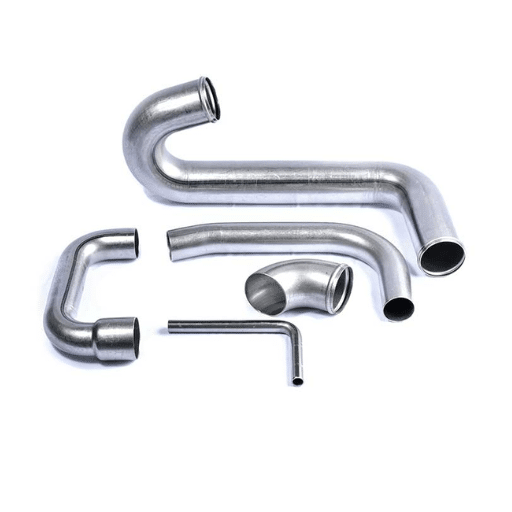
Steel bending processes need specialized knowledge and exact specifications because the material exhibits strong characteristics and built-in strength growth through working. The process needs different techniques which engineers use to create architectural structures and build industrial machines and design medical instruments according to particular materials and their different grades. Press Brake Bending serves as the main stainless steel bending method which industries use to create their products. The process uses a press brake machine which applies force to a die to transform stainless steel sheet into specific angles. Advanced CNC press brakes enable accurate handling of intricate designs which require detailed specifications and precise measurements. The method works best with 304 and 316 stainless steel because these grades display superior stretchability.
Roll Bending
Roll bending uses rollers to create cylindrical and arc shapes by gradually bending stainless steel sheets or tubes. The technique produces pipes and tanks together with rounded elements through its effective operation which uses large stainless steel components. Modern roll bending equipment guarantees consistent material thickness while maintaining correct shape during production.
V-Bending and U-Bending
V-bending uses a punch and die system to create a V-shaped angle in materials while U-bending produces a U-shaped design. Both methods help create custom brackets and channels and enclosures made from stainless steel.
Rotary Draw Bending
This method serves as an effective bending solution for stainless steel tubes which require exact radii bends while maintaining material strength. The method delivers consistent gradual bends which become perfect for building frameworks and railings and pipelines.
Key Considerations and Data
Material Thickness and Grade
The process requires more bending strength when dealing with stainless steel which has greater thickness or with 410 and 2205 steel grades. Research shows that high-performance press brakes can produce bending force up to 600 tons which allows efficient bending of tougher grades. The process requires accurate results because both bend allowance and K-factor calculations which involve material stretch need to be determined.
Springback Effect
The material shows a strong springback tendency after bending because of its elastic characteristics. The material requires over-bending to offset springback because 304 stainless steel displays a need for 5%-15% adjustment which depends on both the angle and gauge of the material.
Heating for Difficult Bends
The process needs localized heat application because it enables the creation of tight-radius bends while protecting robust grade materials from cracking. Excessive heat needs to be avoided because it damages both the corrosion resistance and structural strength of stainless steel materials.
Equipment and Tooling
Hardened tools of high quality are essential for stainless steel work because they prevent tool degradation and deliver reliable performance. The advanced CNC-controlled machines provide 20%-30% accuracy improvements and material waste reductions when compared to standard production methods.
Stainless steel bending has become an essential industrial process which maintains its flexibility because of ongoing improvements in bending methods and CAD design optimization.
Press Braking Process
Press braking operates as an industrial process which uses stainless steel to bend sheet metal into precise metal shapes through the application of force. The press brake machine uses a punch and die system which generates high-pressure forces to reshape materials. The system generates standard bends which maintain a defect rate that stays below acceptable levels.
Modern press brake systems use CNC technology to enhance their productivity while achieving more precise operational results. System operators can create precise programming details which enable the system to maintain exact measurements between 0.0004 inches and 0.01 millimeters. Research shows that CNC-controlled press brakes enable production capacity increases above 25 percent while reducing material waste by approximately 20 percent which produces improved financial returns for precision-based operations.
Automated backgauges together with sensors in press brakes enable operators to perform complex multi-angle bending operations and create precise geometric patterns. The use of electric press brakes has increased because they consume less energy and need fewer repairs while completing their work at a faster pace when compared to hydraulic press brakes.
CAD-compatible simulation software improves press brake operation performance through its advanced capabilities. The systems enable engineers and technicians to create bending sequences which require tonnage calculations and material deformation predictions before they begin actual processing. Press brakes that support integrated CAD systems can reach bending speeds of 20 mm/s which helps decrease production lead times.
The press braking process has become an essential function for multiple industries which include automotive and construction and aerospace because these fields require accurate metal shaping to achieve both functional and visual design goals.
Tube Bending: Methods and Applications
Tube bending serves as an adaptable method which enables industries to create various tube and pipe shapes needed for their industrial processes. The methods used for tube bending depend on three factors which include the material being used and the required shape and the specific needs of the project. This section presents five common tube bending methods which include their operational details and their different practical applications.
The methods create multiple tube shaping solutions which permit industries to produce required tube shapes and material characteristics needed in different industrial applications.
Roll Forming: Advantages and Limitations
Roll forming operates as a manufacturing process which achieves high productivity through its flexible system design but requires specific operational conditions. The following list presents five essential benefits and constraints which define roll forming operations.
✓ Advantages
- High Production Efficiency: The roll forming process operates continuously which enables manufacturers to produce high output at their established production rate.
- Complex Geometries: This method allows for the creation of intricate cross-sectional profiles that would become challenging to produce through any other available methods.
- Material Efficiency: Roll forming achieves high raw material utilization through its production process which generates only minimal material waste making it an environmentally friendly and economically viable technique.
- Improved Surface Quality: The rolling process produces exceptionally smooth surfaces which often eliminate the requirement for additional finishing work.
- Cost-Effectiveness: The roll forming process delivers cost savings during large production runs because it decreases both labor expenses and equipment maintenance needs.
✗ Limitations
- Initial Setup Costs: The upfront investment in tooling and machinery for roll forming can be significant which may not be feasible for smaller production runs.
- Material Restrictions: Roll forming operates most effectively with specific materials which include steel and aluminum while it becomes unsuitable for breaking strength materials and materials that exceed standard thickness.
- Flexibility Issues: The machinery requires extended periods for profile adjustments which restrict the design team from implementing new design changes.
- Dimensional Limitations: The equipment size together with the tooling capabilities creates physical restrictions which prevent the production of extremely small and extremely large profiles.
- Edge and Corner Deformations: Rolling processes cause material stress which leads to edge waviness and corner cracking problems that need extra quality assurance checks.
Material Considerations in Bending
The successful results of bending process design and execution depend on material property knowledge which serves as the fundamental base for their success. Each material shows different bending responses because its ductility together with its yield strength and thickness properties create distinct bending mechanisms. For example at a material level:
Ductility and Bendability
Aluminum and low-carbon steel both possess high ductility which enables their materials to endure substantial deformation without developing cracks. The bend radius of aluminum alloys like 6061-T6 requires precise assessment to avoid potential fractures. The minimum inside bend radius for these alloys requires three times the material thickness as its standard measurement.
Yield Strength
The bending process needs more force to bend materials which possess high yield strength characteristics that apply to both stainless steel and high-strength steel because these materials require tighter restrictions on their bend radius. The production of high-strength steel requires a die radius which needs to exceed five times the material thickness to achieve successful bending without cracks.
Material Thickness
The bending process requires thicker materials to establish larger bend radii which assist in maintaining their original shape. Research indicates that high-carbon steel plates require a bend radius of 8-10 times their material thickness for plates which exceed 5mm in thickness.
Springback Considerations
Materials with high elastic modulus display strong springback behavior after undergoing bending processes. The springback of stainless steel results in a 2-5 degree bend angle deviation which requires the process to include overbending in order to achieve precise specifications.
The combination of these factors together with advanced simulation tools manufacturers use the analysis tool FEA to achieve precise bending processes while they reduce material waste and production errors.
Bend Radius and Its Importance
The bend radius functions as an essential measurement because it determines the minimum radius which metal materials can be bent without suffering structural damage through cracking or tearing. The three main components which define the product’s structural integrity and aesthetic appearance and operational performance all depend on this particular aspect. The process of selecting a suitable bend radius requires examination of multiple factors which must be carefully evaluated. Below are five important factors related to bend radius:
Material Type
Different materials show different levels of ductility and tensile strength which determine their ability to bend without experiencing failure. Aluminum requires a greater bend radius than steel because aluminum exhibits lower ductility than steel does.
Material Thickness
Thicker materials need a larger bend radius to prevent cracking or excessive strain at the bend location. The common practice dictates that material thickness serves as the basis for calculating minimum bend radius which requires multiple of material thickness.
Grain Direction
Bending across the grain of the material results in a stronger and more forgiving bend, while bending with the grain increases the likelihood of cracking. This consideration is especially crucial for metals like stainless steel and aluminum.
Tooling and Equipment
The bending tools such as press brakes and dies which professionals use to work with materials directly affect the final bend radius. The combination of proper tools and proper techniques delivers accurate results while maintaining material stability.
Application Requirements
The product’s intended function decides which bend radius should be used between a tight bend and a large bend. Structural applications require components to have larger bend radius because this dimension facilitates proper load distribution which prevents potential stress failures.
Manufacturers in bending operations achieve success through their ability to control these factors which enable them to maintain both structural strength and visual appearance of materials during fabrication.
Thickness and Sheet Size Considerations
The physical dimensions of sheet metal including its thickness and size determine both its ability to be shaped and its strength and its eventual usage. The structural properties of thicker sheets create greater resistance against bending while maintaining their original shape. The process of bending thicker sheets demands operators to utilize special equipment and apply increased force. The requirement for press brakes with elevated tonnage capacity occurs when sheets exceed 0.25-inch thickness while sheets between 0.1-inch and 0.1 inch thickness provide improved flexibility yet face higher risks of process warping.
Sheet metal dimensions which include length and width determine the equipment and workspace requirements needed for its handling process. The process of forming large sheets requires the use of advanced machinery which must be operated with specialized handling techniques to ensure that pressure remains consistent throughout the forming process. The standard sheet sizes that industrial applications use most frequently according to current research measurements reach 4 feet by 8 feet (48 inches by 96 inches) and 5 feet by 10 feet (60 inches by 120 inches) although projects can request custom sizes to match their particular requirements.
Manufacturing processes which involve automotive or aerospace production require precise material thickness measurements because these industries depend on weight-to-strength ratios. The choice of thinner sheets made from high-strength alloys including aircraft-grade aluminum (7075 or 6061) results in lighter components that maintain their strength and durability. Industrial infrastructure projects select thicker steel sheets because they provide superior strength to withstand operational demands.
Manufacturers can now use laser measurements together with computer-aided simulations to forecast how various sheet sizes and thicknesses will behave during bending thanks to technological progress. The method ensures that resources get distributed in an optimal way which results in reduced material waste and better achievement of product specifications.
Impact of Alloy Composition on Bending
The bending properties of an alloy depend on its composition because different elements in the alloy impact three material properties which include strength and ductility and resilience. The following five fundamental elements demonstrate how alloy composition impacts bending performance through their effects on the material. The steel’s strength and hardness increase with higher carbon content but its ductility decreases which creates challenges for bending the material without cracking. Low-carbon steels serve as the preferred material for conducting precise bending operations.
Manganese Additions
Manganese increases tensile strength and hardenability which enables better control of bending operations. The alloy’s stress deformation capacity improves through this process.
Silicon Levels
Steel gains strength and hardness through silicon addition which boosts its deformation resistance during bending. The material loses its capacity to withstand tight bends because of excessive silicon presence.
Nickel Incorporation
Nickel enhances toughness while it protects against corrosion thus making alloys suitable for cold environment bending operations that require protection against fractures.
Chromium Content
Chromium improves both hardness and wear resistance which affects spring-back performance during bending. High-strength alloy grades which need to maintain their durability after bending use this material.
The identification of these elements enables manufacturers to choose the best alloy compositions for specific bending needs which results in peak performance while decreasing production defects.
Common Challenges in Bending Stainless Steel
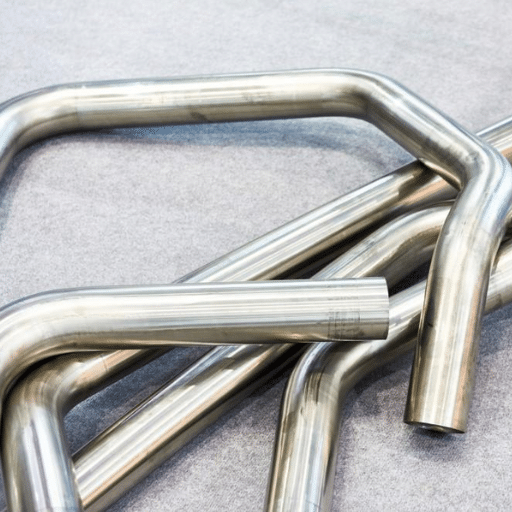
Your data training extends until the month of October in 2023. The five major difficulties which arise during the procedure are listed below. The spring-back effect demonstrates how materials return to their original shape after bending. The material requires over-bending to achieve accurate angles because of its spring-back tendency. The strength of a particular stainless steel grade determines its spring-back behavior which results in different amounts of spring-back that occurs.
Work Hardening
When people bend stainless steel it becomes stronger because the material undergoes work hardening which creates resistance against further deformation. The process makes subsequent bending operations more difficult for workers while it causes equipment to wear down and tools to become damaged.
Surface Defects
Many applications require stainless steel to maintain its aesthetic appearance, but bending causes the material to develop scratches and dents which create other surface defects. The situation creates major difficulties for industries such as architecture and consumer goods which depend on visual appearance.
Thickness Variations
Material thickness variations during the bending process result in uneven bends that produce inconsistent bending outcomes. The bending process requires higher force to bend thicker sections, but thinner areas of the material, which remain vulnerable to deformation, experience tearing problems.
Tool Wear and Damage
Bending tools experience rapid wear and damage because stainless steel products possess both high strength and toughness characteristics. The problem becomes worse when operators use incorrect tooling materials and designs which results in increased maintenance expenses and longer equipment downtimes.
Successful bending operations require three elements which include detailed planning, accurate tooling selection, and knowledge about material characteristics to handle existing challenges.
Cracking and Wrinkling Issues
The unique characteristics of stainless steel result in two primary difficulties which arise during the metal bending process. The metal develops cracks when operators use high-strength alloys to exceed its formability limitations. The material will develop wrinkles when the internal radius of the bend reaches development through compressive stress which needs proper support to prevent it from buckling.
The studies demonstrate that bending radius tightness directly affects cracking risk. Industry guidelines specify that a bend radius below 1.5 times the material thickness should never be used because it increases crack formation risk. High-strength stainless steels such as grade 304 or 316 become more vulnerable to corrosion because these materials exhibit lower elongation percentages than softer metals.
Effective die design will minimize the occurrence of wrinkling issues. The results show that applying a backing or pressure pad will result in lower levels of compressive stress. The first method to decrease material deformation involves modifying bend speed while the second method requires using appropriate lubrication. The controlled bending process which used a pressure pad in the experiments showed a 40% reduction of wrinkling occurrences during the trials.
The solution to these problems needs precise process management which requires the selection of appropriate material grades and the development of effective tooling and the control of bending operations. The use of offline simulation tools enables prediction of cracking or wrinkling problems which will occur before production starts and this results in time-saving and cost-saving benefits.
Maintaining Tolerances
The manufacturing process needs a systematic approach which helps to achieve both precise measurements and stable production results throughout the manufacturing process. My work requires me to use precise instruments together with equipment testing procedures and quality control methods to keep product variances within allowed limits. The combination of advanced simulation tools and my process parameter monitoring capabilities allows me to identify potential deviations before they occur which guarantees that the final product will meet its specified requirements.
Heat Treatment Effects
The process of heat treatment serves as an essential technique through which engineers develop particular material properties which they need for their engineering work. The treatment method used on the material results in different effects which determine its strength and hardness and ductility and other characteristics. The following list presents five essential outcomes which heat treatment produces together with their associated descriptions.
The selection of suitable heat treatment processes becomes crucial because it determines how well materials will perform in their specific intended uses.
References
- Deformation Characteristics of Stainless Steels – This source discusses the deformation behavior of stainless steels during bending and forming operations.
- Read more on Diva Portal
- Metals Handbook Desk Edition – A comprehensive resource on metal forming, including bending operations and alloy properties.
- Access the PDF on ASM International
- Formability of Stainless Steel – This article explores the formability of stainless steel and its applications in reducing vehicle mass.
- Read the article on Springer
Frequently Asked Questions (FAQ)
How does a bending machine affect bending of stainless and springback?
The machine used for bending determines which stainless steel materials will undergo bending and which springback effects will need correction through bend allowances. Hydraulic presses rotary bending machines and press brakes are different bending machine types which each create distinct patterns of springback that operators must offset through bend allowances. The operators of austenitic stainless steel materials which include grade 304 and 316/316L will perform overbends because these materials exhibit high elastic limit and tensile strength characteristics which cause them to spring back. The use of a hydraulic press with controlled ram speed and rotary bending equipment enables operators to decrease abrupt shape changes which result in unpredictable spring-back behavior. The right tooling selection together with correct inside bend radius measurement combined with complete knowledge about material bending specifications (sheet metal thickness and section thickness and base material composition as either austenitic or ferritic or martensitic) allows operators to produce exact bend angles.
What considerations when bending stainless steel sheet and avoiding work harden?
The process of bending stainless steel sheet requires operators to consider both material thickness and the specific stainless steel grade which will be used. The ductility of austenitic stainless steels 304 and 316L enables these materials to bend but their tendency to work harden makes it difficult to perform subsequent forming operations. The use of larger inside bend radii together with incremental bends and annealing between forming steps will help prevent work hardening from becoming excessive. The application of proper lubrication together with the correct bending machine configuration which includes press brake force and die radius will help prevent surface damage while minimizing the risk of crack formation that occurs through material hardening.
Can you use stainless steel tube in rotary bending and deep drawing forming process?
The forming process for stainless steel tube includes three methods which are rotary bending and mandrel bending and specific deep drawing processes that depend on the tube shape. The behavior of tubes which are made from austenitic stainless steel or ferritic grades differs because austenitic tubes provide operators with better ductility and resistance to pitting corrosion while maintaining bending performance which hardens through usage whereas higher strength martensitic tubes need special tools and anneal steps. The process of deep drawing requires operators to monitor tube ends for thinning and spring-back and changes in tensile properties while lubrication and controlled bending speeds maintain surface finish and weldability when applicable.
Why is anneal sometimes necessary when you use stainless steel for complex forming?
The process of annealing becomes essential for stainless steel materials because it allows for complex metal forming operations. The process of annealing restores ductility which cold working had removed and it reduces work hardening while it improves formability and decreases cracking risk during heavy deformation. The anneal cycle eliminates residual stresses from austenitic stainless steels while it improves their elongation and toughness. The process of annealing between fabrication steps prevents brittle material failures and it decreases the heat affected zone in following weld operations which apply heat. The appropriate thermal treatment method must be selected based on the desired stainless steel properties and the specific stainless steel grade which requires heat treatment to reach its desired hardness level.
How do material thickness and grade of stainless steel influence bend allowances and inside bend radius?
The bend allowances and inside bend radius requirements are established through material thickness and stainless steel grade selection. The required bending radius needs to increase when materials become thicker and when higher strength stainless steel grades are used because materials will begin to crack at those radii. The radius for ductile austenitic stainless materials should be smaller than for ferritic or martensitic grades according to the standards. You can determine stretch calculations through material stress-strain curve and tensile strength data which require bend allowances as compensation. The different tensile properties and elongation characteristics between mild steel and carbon steel require their own separate bend allowances which differ from those needed for stainless steel.
What role does lubrication and tooling play when using a machine to bend stainless steel sheet?
The lubricant creates a friction barrier which reduces contact between the stainless steel sheet and tooling. The reduction results in better surface quality and less tool degradation while the bending machine requires decreased operational force. The correct selection of tooling components which include punch and die radii along with backing supports leads to decreased galling and pitting corrosion because it prevents surface contamination. The proper surfaces and lubrication for any austenitic stainless steel grade which contains higher nickel levels will result in better product quality and protection against corrosion. The right lubricant choice enables efficient heat regulation while preventing localized hardening which can impact weldability.
Is carbon steel or stainless steel better for high temperature bending and forming processes?
The selection between carbon steel and stainless steel for high temperature applications depends on two factors which include the required resistance to corrosion and the mechanical properties at operating temperatures and the necessary fabrication processes. The austenitic stainless steels which include 304 and 316 provide better corrosion defense and heat stability which exceeds the capabilities of mild carbon steel. The stainless steel family includes materials that offer excellent oxidation protection, but manufacturers need to consider their expenses and capacity to shape materials. Carbon steel provides better bending and shaping abilities at lower equipment expenses. Stainless steel is selected for applications which require protection against rust and pitting corrosion and extended operational stability.
How does bending of stainless affect welding, weldability and heat affected zone?
The process of bending stainless parts creates work hardening effects which modify local microstructure. Welding introduces a heat affected zone (HAZ) which modifies both the mechanical properties and the corrosion resistance of the materials. The austenitic stainless steels exhibit good weldability, but pre-bending work hardening creates challenges for controlling both fit-up and distortion. Certain applications require post-weld annealing or stress relief after welding to achieve both corrosion resistance and ductility restoration. Designers should determine the optimal forming sequence by forming the material before welding whenever this approach is feasible because it will decrease both HAZ and spring-back. The welded assemblies.