


Blog
Cutting and Sawing High-Strength Alloys: Techniques for Metal Cutting with Blades and Band Saws

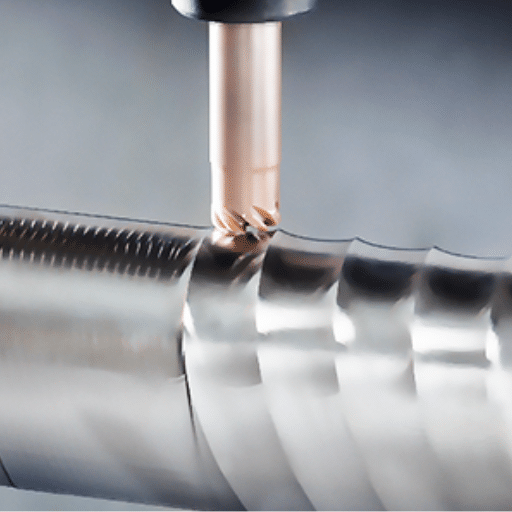
The process of cutting and sawing high-strength alloys requires specific tools and skilled operators who must work with extreme accuracy. The aerospace and automotive industries depend on these strong materials which possess exceptional strength but create machining difficulties. The article investigates optimal methods and techniques that researchers should use when working with high-strength alloys through blade and band saw operations. The guide provides experienced metal cutting professionals and beginners with practical advice and essential equipment details needed to achieve effective cutting results with tool durability. Prepare yourself to improve your cutting skills which will enable you to work with the most difficult alloys.
Introduction to High-Strength Alloys
Engineers develop high-strength alloys as specialized materials that provide exceptional strength, durability, and performance under extreme conditions. The materials, which are used in the aerospace, automotive, and construction industries, possess design features that enable them to withstand extreme stresses while protecting against wear, corrosion, and fatigue. The alloys exhibit improved mechanical and chemical properties upon addition of titanium, nickel, and chromium. The specific properties of these materials make them suitable for applications requiring both high performance and reliable operation.
Definition of High-Strength Alloys
High-strength alloys are advanced metal compositions developed by engineers to provide materials with exceptional mechanical properties, including the ability to withstand high tensile loads and maintain strength and corrosion resistance in extreme environments. The standard composition of these alloys consists of base metals, including steel, aluminum, titanium, chromium, nickel, molybdenum, and vanadium, to enhance performance.
The existing classification system for high-strength alloys divides materials into three groups: high-strength low-alloy (HSLA) steels, superalloys, and titanium alloys. Engineers in the construction and automotive fields use HSLA steels, which have a tensile strength range of 500-700 MPa, because these materials provide strong yet lightweight construction options. Superalloys are used in aerospace applications because they can withstand temperatures above 1,000°C while maintaining both strength and corrosion resistance in turbine engines. Engineers frequently use titanium alloys in medical implants, aircraft, and defense applications because these materials provide an exceptional strength-to-weight ratio.
Engineers use additive manufacturing to create customized high-strength alloys, enabling greater precision and lower operational costs across multiple industries. The global market for high-strength alloys will continue to grow because various industries, including transportation, energy, and healthcare, show increasing demand for lightweight, durable, advanced materials that deliver high performance.
Challenges in Cutting and Sawing Alloys
The cutting and sawing of high-strength alloys presents multiple challenges because these materials exhibit distinct properties, including hardness, toughness, and resistance to deformation. The operational benefits of these properties create two main issues: increased tool deterioration, higher cutting resistance, and excessive heat generation during machining operations. The aerospace and medical industries require specialized cutting tools and techniques to achieve efficient and precise machining of titanium alloys and nickel-based superalloys, which are their standard materials.
Tool wear is a central issue that reduces both machining productivity and operational expenditures. Industry research shows that conventional cutting tools exhibit 30% higher wear rates when processing high-strength alloys than when processing standard metals. Manufacturers select advanced cutting materials, such as polycrystalline diamond (PCD) and cubic boron nitride (CBN), because these materials provide superior wear resistance, although they entail higher production costs.
The second problem involves maintaining proper dimensional accuracy while achieving optimal surface finish. The heat generated by operators during machining causes thermal distortion, leading to precision errors. The research shows that nickel-based alloy machining temperatures can exceed 1,800°F, underscoring the need for advanced cooling technologies, including high-pressure coolant delivery and cryogenic cooling, to maintain process stability.
The material cutting and sawing process requires substantial energy. The data show that machining processes for high-strength alloys require 40% more cutting energy than those for traditional materials, resulting in higher operating costs and greater resource consumption. Engineers research optimization techniques, such as adaptive and hybrid machining processes that combine traditional and non-traditional methods, including laser and waterjet cutting.
High-strength alloy machining presents challenges to industries that use these materials, despite the availability of tool design enhancements, process-optimization breakthroughs, and cooling-technique developments.
Types of High-Strength Alloys: Stainless Steel, Aluminum Alloys, and Superalloys
Stainless Steel
Stainless steel is the most adaptable high-strength alloy because it provides exceptional corrosion protection while maintaining strength and performance at extreme temperatures. The main components of this material are iron and carbon, together with chromium, which must be present at a minimum of 10.5 percent to form a protective oxide coating that inhibits corrosion. The different types of stainless steel include austenitic, ferritic, martensitic, duplex, and precipitation-hardening grades. The austenitic stainless steel grades 304 and 316 are widely used because they provide excellent corrosion resistance and weldability. The stainless steel market is projected to reach $ 170 billion by 2030, according to current market research, which indicates that the construction, automotive, and medical sectors drive this demand.
Aluminum Alloys
Aluminum alloys are lightweight yet strong materials that exhibit high strength-to-weight ratios, excellent corrosion resistance, and high thermal conductivity. They are commonly used in aerospace, automotive, and construction applications. The two primary categories of these alloys consist of wrought alloys, which undergo mechanical processing to achieve shape, and casting alloys, which are produced from molten material. The most commonly used grades for structural applications are 6061 and 7075, which are used in aerospace. The global aluminum alloy market is experiencing rapid growth, according to data from a 2023 industry report, which projects a 5.6 percent CAGR between 2022 and 2030 due to the expansion of the electric vehicle and renewable energy markets.
Superalloys
Superalloys are high-performance materials that use nickel, cobalt, or iron as their base metal and provide exceptional strength, creep resistance, and oxidation protection through their high-temperature resistance. The military uses this material in aerospace engines, nuclear reactors, and energy-generation facilities. The two most sophisticated nickel-based superalloys Inconel 718 and Hastelloy X can endure temperatures above 1000°C. The superalloy market will expand from 6.5 billion dollars in 2022 to more than 10 billion dollars by 2030, according to research indicating that advances in jet engine technology and sustainable energy development drive this growth.
Key Insight: The special properties of high-strength alloys enable industries to develop innovative solutions for solving existing engineering challenges.
Key Technical Considerations in Metal Cutting
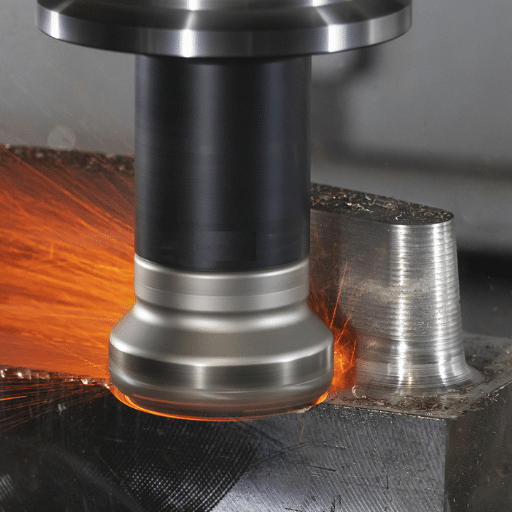
Metal cutting requires precise operational control over multiple technical elements to achieve optimal efficiency. The selection of cutting tools depends on their capability to handle materials that have both hardness and thermal properties, and machinability. The three factors that affect machining process efficiency and quality include cutting speed, feed rate, and depth of cut. The system requires effective cooling and lubrication to safeguard tools from damage while maintaining temperature control and surface integrity. The cutting setup requires precise maintenance of stability and alignment to prevent vibrations and accuracy issues. Through these considerations, manufacturers achieve higher productivity levels while maintaining product accuracy and increasing equipment and tool durability.
Heat Management During Cutting
The cutting process requires effective heat management to protect both tools and workpiece materials. The cutting process generates excessive heat, leading to thermal deformation and material hardening and causing rapid tool deterioration. Maintaining a controlled thermal environment improves productivity and precision in machining.
Modern cutting technology aims to develop systems that effectively remove heat while simultaneously reducing heat production. High-performance cutting fluids function as a standard solution because they deliver cooling to the cutting zone while providing lubrication which reduces friction. Minimum Quantity Lubrication MQL technology enables better cutting performance through its capability to cut cutting zone temperatures by 30-40 which extends tool life and improves surface finish, according to recent research. Researchers have discovered that cryogenic cooling enables new cooling methods which test results show that liquid nitrogen usage brings 50 percent better tool longevity.
The selection of appropriate cutting parameters is another fundamental component of effective heat control. The primary method for controlling heat production requires optimizing both cutting speed and feed rate. The research shows that decreasing the cutting speed by 15-20 percent results in lower surface temperatures while maintaining machining productivity. Advanced coatings, which include titanium aluminum nitride TiAlN cutting tools, protect their vital components through thermal shielding, which reflects heat away from them.
Manufacturers can now use computational algorithm-based thermal analysis tools to forecast heat behavior throughout the machining process. The integration of these technologies enables precise modifications to machining processes, thereby reducing the risk of overheating and thermal damage. Manufacturing facilities achieve effective heat management during cutting operations through the combination of advanced cooling methods, optimized settings, and predictive technologies.
Tool Wear and Maintenance
The machining process relies on the tool’s wear state, as it determines key production factors, alongside product quality standards and manufacturing costs. The vendors’ tools undergo natural wear, including abrasive wear, adhesion, diffusion, and thermal cracking. The study results show that 85% of all machining defects occur because operators fail to properly maintain their equipment, while their tools experience normal wear, underscoring the need to implement effective monitoring methods to maintain tool performance.
Modern tools need advanced protective coatings which provide wear resistance through titanium nitride (TiN) and aluminum titanium nitride (AlTiN) because these coatings extend tool longevity by 300% when compared to tools that lack protective coatings. The implementation of modern predictive maintenance techniques, which combine machine learning algorithms with Internet of Things (IoT) sensor technology, enables operators to monitor equipment status throughout its operational period. The vibration analysis system, together with the force monitoring system, enables early detection of wear patterns, thereby reducing downtime while protecting tools from costly fractures. The research findings show that maintenance departments that use predictive maintenance models experience a 25% reduction in unplanned tool failures.
The additional data show that cutting tool reconditioning performed at regular intervals yields 50% cost savings relative to complete tool replacement. The process of tool sharpening, together with recoating and cleaning procedures, represents essential maintenance actions that help to sustain tool functionality while increasing machining accuracy. Manufacturers achieve optimal tool lifespan and waste reduction and operational efficiency through the combination of advanced wear tracking systems and proactive maintenance programs.
Material Hardening: Effects on Cutting Process
The process of material hardening provides metals with greater strength and wear resistance which directly impacts the cutting operation. The process improves material durability but creates difficulties for machining operations. The cutting operation is affected by five major factors due to material hardening.
Tool Wear Increases
Hardened materials create more pressure and friction which leads to faster deterioration of cutting tools and shorter tool lifespan.
Higher Cutting Forces Required
Machining processes for hardened materials need increased cutting force which results in greater equipment and tool pressure.
Reduced Cutting Speed
Machinists must operate cutting equipment at lower speeds because hardened materials require it to prevent tool damage.
Heat Generation
Hardened materials create extra resistance which leads to increased heat production during cutting operations that can cause thermal damage to both materials and tools.
Surface Finish Challenges
The process of achieving smooth surface finishes becomes difficult because material hardness creates problems that result in vibrations and inconsistent machining patterns.
The right selection of cutting tools, together with machining parameters, requires understanding these effects from hardened materials to achieve efficient and precise results.
Best Practices and Equipment for Effective Cutting

The process of cutting hardened materials needs modern equipment and established industry techniques for successful execution. The following recommendations present detailed guidance which uses contemporary machining methods and tools to achieve exact and productive results.
1. Use High-Performance Cutting Tools
The successful machining of hardened materials requires high-quality cutting tools, which include carbide inserts and ceramic-based tools. The materials offer exceptional protection against heat and wear which allows tools to maintain their operational capabilities for extended time periods. The recent industry surveys showed that carbide tools received high approval because they delivered versatile performance which resulted in a 20-40% efficiency boost and machining work when compared to conventional tools.
2. Optimal Cutting Speed and Feed Rate
The selection of cutting speed, together with feed rate, requires special attention because these parameters determine both thermal damage risk and tool wear patterns. Research indicates that cutting speed needs to be set at lower levels which range from 100 to 150 meters per minute for carbide tools when working on materials that exceed HRC 45 hardness. The feed rates should remain consistent, allowing material removal to occur at regular intervals while avoiding tool chatter and vibration.
3. Application of Coolants and Lubricants
The high-pressure coolant system operates at optimal performance because it effectively removes heat during machining operations which produces better surface quality and longer tool lifespan. Modern synthetic coolants exhibit superior heat-transfer performance while reducing friction during high-speed operations. Advanced mist coolants, used in hardened steel machining, yield a 30% improvement in surface finish quality, according to research findings.
4. Utilize CNC Machines and Adaptive Control Systems
The advanced CNC systems use adaptive control technology to provide precise machining operations which enable continuous tracking of operational parameters. CNC machines use automatic speed adjustment, along with feed rate and depth changes, based on torque and temperature data to achieve optimal machine performance while reducing tool wear. The introduction of adaptive CNC controls has resulted in a 25% productivity boost, according to current industry reports.
5. Conduct Proper Material Preparation
The implementation of pre-machining activities, which include both stress relieving and proper clamping procedures, leads to better machining results. A properly prepared workpiece will experience reduced risks of warping or vibration during the cutting process. The application of pre-machining protocols has been shown to reduce machining defects by 15% in recent case studies.
6. Employ Advanced Coating Technologies
The cutting tools receive increased hardness and heat resistance through the use of advanced coatings which include titanium aluminum nitride (TiAlN) and diamond-like carbon (DLC) coatings. Research shows that TiAlN-coated tools operate at temperatures up to 800°C and provide three to five times longer tool life under intense machining conditions.
7. Implement Regular Tool Maintenance
Regular equipment inspection and proper tool maintenance help prevent sudden tool failures and ensure accurate machining operations. Tool monitoring systems provide real-time maintenance alerts, enabling facilities to perform preventive maintenance that reduces machine downtime by 20%.
The combination of current equipment technologies and effective industry practices will help achieve accurate results while maintaining operational efficiency and prolonging tool service life during the machining of hardened materials.
Selecting the Right Saw Blades
The selection of the best saw blade directly affects three essential factors: operational accuracy, work efficiency, and product standard and quality. Correct blade selection will result in reduced equipment damage, lower product waste, and improved cutting efficiency. The following research identifies essential factors to be assessed when selecting saw blades, in accordance with the recommended guidelines.
The material to be cut will determine the most appropriate blade for the task. Carbide-tipped blades deliver superior performance when cutting hard materials such as stainless steel or hardened alloys due to their enhanced durability and heat protection. High-speed steel blades and bi-metal blades provide adequate performance for cutting soft materials such as wood and plastic.
Different tooth patterns affect how well the cut gets executed. The Alternating Top Bevel (ATB) tooth design produces cleaner wood cuts and is more effective for cross-cutting than Triple Chip Grind (TCG) teeth, which are more effective for cutting through metal and composite materials.
The saw machine specifications require matching blade size specifications to saw machine requirements. The industrial cutting process requires heavy-duty operations that require large-diameter blades, whereas precision work demands smaller blades with thinner dimensions. The 10-inch blade functions as common equipment which contains a kerf thickness of 0.091 inches for multiple woodworking tasks.
The blade’s rotational speed and the material feed rate determine the quality of the cut and the blade’s service life. Industrial applications require cutting speeds that range from 3,300 to 5,000 RPM based on material and blade composition, according to research findings.
The blade technology advancements enable the development of anti-friction coatings which include titanium nitride (TiN) and diamond coatings that extend blade life through their capacity to decrease heat buildup and friction. When cutting through hard materials like ceramics or stone, diamond-coated blades can last 50 times longer than standard blades.
Key Takeaway: The combination of these factors enables operators to achieve better performance from their machining processes while reducing operational expenses. The use of high-quality blades that operators choose according to their specific tasks will result in accurate work while maximizing resources and extending equipment service life.
Choosing the Appropriate Coolant Types
The selection of the right type of coolant serves as the key factor which determines both machining success and the extension of tool usage time. Coolants serve multiple functions which include reducing friction and controlling cutting area temperatures while flushing chips and providing protection against corrosion. The selection of a coolant requires consideration of the machining method and the materials involved and the specific effects which operators aim to achieve.
Common Coolant Types
1Water-Soluble Coolants
Industrial operations commonly use water-soluble coolants because water-based emulsions provide exceptional cooling performance at minimal operating costs. The systems demonstrate effective performance during high-speed machine operations which process both aluminum and steel materials. The system requires continuous concentration monitoring because bacteria will grow and machines will corrode without appropriate monitoring.
Studies show that water-based emulsions can reduce cutting temperatures by up to 30%, thereby significantly improving tool life.
2Synthetic Fluids
Synthetic fluids represent chemical products that contain no emulsifying oils. The materials provide advanced cooling capabilities together with effective chip removal, which make them suitable for grinding work and other high-precision operations. Synthetics serve as durable materials which resist bacterial contamination across multiple industrial uses.
Data Highlight: Research from machining studies suggests synthetic fluids reduce bacterial contamination by more than 50% compared to water-soluble coolants.
3Semi-Synthetic Fluids
Semi-synthetic coolants function as a hybrid system that combines water-based and oil-based lubricant characteristics. The system provides an optimal combination of temperature control and lubrication, which makes it suitable for standard machining tasks. The materials are commonly used with stainless steel and cast iron, both widely used in construction.
4Straight Oils
Straight oils function as non-water-miscible substances which deliver outstanding lubrication, making them perfect for both low-speed cutting and heavy-duty machining operations like tapping and threading. The materials produce excessive smoke and have lower cooling performance than water-based systems.
Utility: Straight oils enhance surface finishes and are often used in aerospace and automotive industries where accuracy is critical.
Factors to Consider When Choosing a Coolant
- Material Compatibility: For instance, aluminum cutting requires a coolant that prevents staining, whereas titanium cutting requires a coolant that can withstand high-temperature oxidation.
- Machining Operation: Water-soluble coolants are beneficial for high-speed drilling, whereas straight oils are preferred for slower gear hobbing.
- Environmental and Safety Standards: Select coolants that maintain low toxicity and cause limited harm to the environment.
- Maintenance Requirements: High-volume operations depend on coolant systems which provide long-lasting use and simple filtration procedures.
Modern coolant formulations now include biostable coolants, which maintain their effectiveness over time, and hybrid fluid blends, which merge various coolant properties. The coolant systems in machining facilities require ongoing monitoring of coolant concentration, quality, and condition to maintain operational efficiency. Implementing proper coolant selection, along with regular maintenance, will reduce machining costs by 15-20 percent by decreasing tool wear and improving operational efficiency.
Optimal Cutting Speeds and Feeds for Band Saws and Circular Saws
The proper operational performance of band saws and circular saws depends on matching their cutting operations to appropriate cutting speeds and feed rates, as these decisions affect both efficiency and equipment lifespan, as well as cut precision. The correct parameters should be determined based on three factors: the material to be cut, the cutting tool material, and the type of saw to be used. The cutting speed for band saws exists in two different measurement systems which include feet per minute (FPM) and meters per minute (MPM). Wood cutting requires higher speeds than metal cutting because wood produces more heat during cutting. Soft materials like aluminum require cutting speeds of 500 to 1,000 FPM, while stainless steel requires cutting speeds of 100 to 300 FPM. The optimal feed rate depends on three factors: tooth pitch, blade tension, and material thickness; however, aggressive feed rates lead to faster operation but also increase the risk of blade damage and rough surface finish.
Circular saws achieve their cutting precision through the combination of rotational speed measurement in revolutions per minute (RPM) and feed rate usage. The saw blade speed should remain between 100 and 250 RPM for cutting ferrous metals when using blades that have fine teeth, whereas saws can operate at speeds between 3,000 and 6,000 RPM for cutting wood and softer materials. The proper feed rate helps remove chips from the cutting area while also reducing the accumulation of heat. The optimal speed and feed rate for cutting high-carbon steel require operators to use reduced operational speeds and feed rates, as these practices help prevent blade overheating and warping.
Modern blade coating technology creates advanced blade durability through its carbide-tipped and bi-metal blade coatings which enable operators to perform cutting operations at higher speeds. The cutting process becomes smoother when operators use appropriate lubricants and coolants, as these substances effectively reduce both heat and friction. Efficiency gains can be achieved through the dual processes of monitoring chip load and optimizing tooth engagement.
The performance monitoring system enables machining facilities to increase productivity by assisting in maintaining cutting tools from initial installation through the end of their service life. The final product quality depends on proper speed and feed balance which also improves operational efficiency.
Common Pitfalls in Alloy Machining

The machining of alloys is challenging due to the diverse range of materials with distinct characteristics. The following list presents the typical errors that occur in alloy machining, together with thorough explanations and evidence to help resolve the identified problems.
1. Improper Tool Selection
Machining specific alloys requires proper tool selection because using incorrect tools for extended periods leads to two primary issues , which result in increased tool wear and reduced work productivity. High-performance alloys require cutting tools manufactured from carbide or ceramic materials because of the exceptional properties of titanium and nickel-based superalloys. Current research shows that coated carbide tools, when used with appropriate geometry, can extend tool life by 40% during the machining of difficult alloys.
2. Incorrect Cutting Speeds and Feeds
Operating at incorrect speeds, together with feeds, constitutes a major operational problem. The running speed needs to be controlled because excessive speed will create too much heat which will damage both the tool and workpiece. The surface quality becomes compromised when operators use speeds that are excessively slow because it creates vibrations which leave visible marks on the surface. According to research conducted by machining specialists, the actual cutting speeds for titanium alloy materials should be maintained within the 60 to 120 SFPM range, while the feed rates need adjustment based on the hardness level of the material being processed, and the actual cutting speed requirements for high-speed steel operations need to be set at much lower values.
3. Lack of Adequate Coolant or Lubrication
The problem of overheating occurs frequently during alloy machining operations which involve the use of titanium and stainless steel materials that exhibit poor thermal conductivity. Tool failure occurs because thermal distortion results from improper coolant application which creates a surface finish problem through subsequent tool failure. Advanced research demonstrates that high-pressure coolant delivery systems provide superior cooling capabilities which decrease machining temperatures by 30% to extend tool lifespan and enhance part accuracy.
4. Chip Management Issues
Ductile alloys, which include aluminum and brass, produce long chips that wrap around tools, resulting in production delays and equipment damage. The problem can be solved through effective chip-breaking methods which operators can implement by changing their machine settings and their tool designs. The implementation of tools that contain chip-breaking grooves together with feed rate adjustments has demonstrated better control of chips which results in a 20% boost to operational efficiency.
5. Failure to Account for Work Hardening
The machining process creates work hardening problems for certain alloys which include stainless steel and nickel-based materials. The use of cutting tools that rub against the material rather than cutting it results in surface hardening, which creates additional machining challenges and increases equipment wear. The experts suggest that operators should use sharp tools to maintain steady material contact, while aggressive depth-of-cut settings will help them avoid hardened material layers.
Manufacturers can transform their operational processes into more efficient systems through the implementation of strategic solutions which use advanced machining technologies to solve existing operational problems. The organization will achieve stable production output and increased efficiency by continuously monitoring critical factors, including temperature readings, tool wear patterns, and machining force measurements.
Frequent Mistakes in Metal Cutting
The metal-cutting process is prone to a common error when operators select inappropriate tools for materials that require specific equipment. The use of non-high-wear-resistant tools for machining hardened steels results in tool failure before the expected operational time. The research demonstrates that carbide tools that match the specific material requirements can extend their operational time by 40% through proper optimization.
The adjustment of cutting parameters leads to two outcomes which include operational inefficiency and production of substandard cuts. The machining process experiences tool wear due to high-speed operations, which cause overheating, whereas low-speed operations produce inferior surface quality. The research findings demonstrate that organizations can achieve approximately 25% growth in productivity through optimal parameter configurations.
The lack of proper lubrication and coolant application leads to excessive heat production which results in instrument destruction. The research data shows that effective coolant application enables cutting temperatures to reach 50% reduction which leads to prolonged tool lifespan and better surface finish results.
The ongoing tool usage with worn cutting edges leads to two problems, which include loss of accuracy and a higher probability of product failures. The analysis of industry operations shows that about 30% of machining mistakes get stopped when companies use tool monitoring systems together with scheduled maintenance procedures.
The improper fixture design and insufficient clamping methods cause workpieces to vibrate which leads to machining errors. The research shows that engineers can achieve up to 60% reduction in vibration through the use of rigid setups which enhance dimensional accuracy and consistency of metal cutting processes.
How to Avoid Common Mistakes
The machine maintenance schedule should be performed at regular intervals to maintain peak machine efficiency and reduce equipment failure risk. The study results demonstrate that organizations that adopt proactive maintenance methods can achieve 40% fewer unplanned work interruptions and longer machine operational lifespans. Manufacturing processes achieve greater machining accuracy and higher operational efficiency by using high-quality cutting tools with advanced features. Research shows that coated tools, which have been engineered for particular materials, can provide 25% longer tool life while also producing better surface finish results.
Ongoing training programs should be provided to machine operators to enable them to acquire knowledge of current machining methods and procedures. The data shows that operators who receive training complete their work with 30% fewer mistakes which leads to higher overall efficiency.
All workers must check that workpieces are securely fastened and that fixtures are correctly installed before proceeding with their tasks. The proper clamping method reduces machining vibrations by 60%, resulting in improved dimensional accuracy and fewer defective parts.
Implementing tool wear and performance monitoring through real-time tracking systems enables organizations to identify equipment issues before they escalate. The systems demonstrate their effectiveness by preventing 50% of tool failures which results in sustained product quality and operational efficiency.
Ensuring Material Integrity During the Process
The process requires maintaining material integrity because it is essential for producing superior outcomes. My work involves three main tasks, which include material selection for specific applications, environmental monitoring of temperature and humidity, and precise control of machining parameters. I create material testing procedures through my work which includes both routine inspections and advanced testing methods to ensure that materials maintain their structural and functional integrity throughout the entire testing process.
References
- ScienceDirect: Influence of cutting velocity on gradient microstructure of machined surface during turning of high-strength alloy steel
This study explores the effects of cutting velocity on the microstructure of high-strength alloy steel. - SpringerLink: Cutting method influence on the fatigue resistance of ultra-high-strength steel
Discusses the impact of various cutting methods on the fatigue resistance of ultra-high-strength steel. - ScienceDirect: Investigation of heat partition in high-speed turning of high-strength alloy steel
Focuses on the thermal dynamics in the cutting zone during high-speed turning of high-strength alloy steel.
Frequently Asked Questions (FAQ)
How can I extend blade life when sawing hard metals and exotic alloys like titanium and Inconel?
The optimal blade technology should be determined between bimetal and carbide-tipped blades by using surface speed and rpm settings, which depend on material characteristics, to maximize blade longevity during hard metal and exotic alloy cutting. The flood coolant and pressure coolant systems provide better lubricating properties and reduced heat generation for titanium and Inconel materials, whereas most operations require flood coolant or pressure coolant for superior performance, except in specific cases where dry cutting with proper carbide geometry is acceptable. The cutting edge and back edge should be inspected for damage, positive rake used as needed, and blade tooth geometry selected according to workpiece thickness and hardness to enhance tool durability.
What blade design and carbide materials should be chosen for cutting high-strength alloys while protecting the blades from damage?
The selection of blade geometry must match both material hardness and expected chip formation, because positive-rake teeth with wider gullets perform better for soft, stringy materials, whereas stronger tooth designs with tighter gullets perform better for cutting hard metals. High-hardness alloys and abrasive materials can be effectively cut with carbide or tungsten carbide inserts and carbide-tipped blades which offer uncoated and specialized coating options for either corrosion resistance or heat. The tooth pitch and set selection for bandsaws and bandsaw blades needs to achieve optimal balance between chip removal and cutting effectiveness. Applying proper feed control, together with high-feed techniques, will help extend tool life while preventing broken teeth when using appropriate carbide geometry.
How does the machinability of metals like titanium, nickel, cobalt, and hastelloy affect cutter selection and cutting parameters?
The cutting parameters and cutter selection for metals such as titanium, nickel, cobalt, and hastelloy are based on their specific machinability characteristics. The thermal conductivity of titanium, nickel, cobalt, and Hastelloy remains low because these metals form hard, wear-resistant surfaces, which require operators to use blades with higher operational speed control and greater strength than standard carbide-tipped or bimetal blades. The selection of blades requires special design elements whose primary purpose is to handle materials with poor machinability. The application of pressure coolant or flood coolant acts as a heat control system which needs to be applied together with special blade cutting edges that exist for handling poor machinability materials while maintaining low speed operations. The machinist must establish the required feed pressure and cutting motion to maintain chip evacuation while preventing material from bonding to the cutting edge.
Can I perform a dry cut on hard alloys, or is flood coolant always required for high precision and surface finish?
The dry cutting method allows operations on hard alloys but needs flood coolant as a mandatory requirement for achieving precise results and maintaining superior surface quality. The use of coolant products enhances lubricating properties, thereby reducing tool wear and protecting against work-hardening effects while maintaining efficient cutting performance at high operational speeds. The fabricators should evaluate supplier guidance alongside blade technology to select suitable methods because bandsaws perform better with coolant while some CNC setups allow dry operation through coated tools for specific situations.
What are the signs of poor surface finish or back edge wear when sawing hard metals, and how can I correct them?
Indicators of poor surface finish and back edge wear become visible when operators perform cutting operations on hard metals. Tool issues occur during material cutting when operators lose the ability to regulate feeding speed; their cutting tool reaches its wear limit; they mistakenly select an incorrect cutting tool; they exceed the recommended surface speed for machine operation; or their tool waste removal system remains inoperable. Operators should decrease their sfm speed while increasing their controlled feed rates to mitigate material smearing, and they should switch to carbide-tipped or alternative tooth designs. They must apply flood coolant for lubrication and ensure that the workpiece remains securely fastened to prevent movement. Operators should evaluate the blade for deterioration and replace it after a specified period to maintain cutting efficiency and ensure accurate cutting outcomes.
How do bandsaw selection and feed pressure influence cutting efficiency and tool life for bar stock and flat bar?
The selection of bandsaws together with the appropriate feed pressure determines how effectively a machine cuts materials and how long its tools last. The choice between bandsaws and circular saws, along with the appropriate feed pressure, determines both cutting efficiency and tool life. The blade type needs to match the material thickness through carbide-tipped and bi-metal blade options which require tooth pitch selection together with feed pressure settings that support continuous cutting without machine stalling or excessive operational strain. Using high feed rates with controlled feed speeds yields superior work outcomes that reduce machine temperature; however, high feed pressure levels can cause blade damage. The combination of a chip brush and effective chip removal systems stops material from being reused while bandsaws with stable guide systems and tensioning systems prevent their blades from breaking.
Which cutting speeds (sfm/rpm) and feed control settings work best for carbide blades when sawing carbon steel versus metals like titanium?
The optimal operating speeds and feed control settings for carbide blades are achieved when used in carbon steel and titanium cutting operations. Operators can operate at higher speeds and feed rates because carbon steel allows them to approach its maximum surface speed and feed control limits. Operators should use high sfm and medium feed rates for efficient carbon steel cutting with carbide blades. Operators should reduce sfm and rpm while using low feed pressure and cooling systems to prevent heat accumulation. Operators should consult the blade manufacturer or supplier’s recommendations, as blade manufacturers provide speed-feed charts with their products, including Lenox. The necessary modifications should be based on both blade manufacturer recommendations and machine observations which determine how chips are formed and the quality of the surface.
How do abrasive and alloying elements in hard metals affect blade wear, and what blade technologies resist abrasion best?
Abrasive particles, together with alloying elements (which include tungsten, cobalt, and hard carbides) in hard metals, accelerate blade wear because they destroy the cutting edge. The greatest abrasion resistance is achieved with carbide-tipped blades and tungsten carbide inserts, whereas bimetal blades provide toughness for shock resistance. The application of specialized coatings, together with specific carbide grades, enhances product performance during abrasive operations. Operators must select blades with superior carbide grades for severe abrasion conditions, monitor tool life, and employ optimal cutting techniques and cooling methods to manage heat and maintain productivity.