High Standard Stainless Steel With Strict Inspection



Metal Surface Treatment: Finishing and Coating Guide

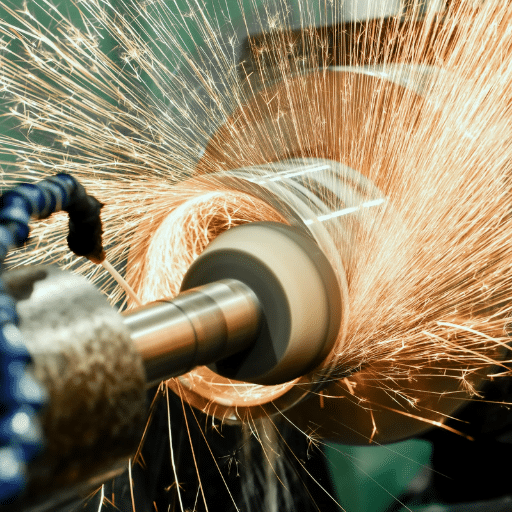
The metalworking process needs surface treatment techniques to establish an optimal combination of durability and practical use and visual attractiveness. The finishing and coating process functions as the essential element that protects metals from corrosion while enhancing their visual appeal and structural integrity. The complete guide presents comprehensive information about all existing techniques which enable different methods of metal surface treatment. The industrial-grade material production process starts with raw metal and uses polishing, plating, and advanced coating technologies as its primary methods. The selection of treatment methods will depend on project requirements, environmental conditions, and operational needs.
Introduction to Metal Surface Treatments

Metal surface treatments operate metal surface improvement processes which create improvements in visual appeal and extended material life and enhanced operational performance. The process enhances decorative elements while providing superior defense against corrosion and physical wear and chemical wear. The global surface treatment market achieved a value of USD 11.2 billion in 2021 and it will grow at a compound annual growth rate (CAGR) of 5.8% from 2022 to 2030 because multiple industries adopt these surface treatment systems.
Five Main Advantages of Surface Treatments:
- Corrosion Protection: The use of surface treatments through galvanizing and anodizing establishes a protective barrier which prevents materials from rusting and suffering environmental damage thus increasing product durability during extreme conditions.
- Enhanced Wear Resistance: Thermal sprays and hard chrome plating coatings provide components with enhanced wear resistance which enables them to withstand extreme friction and abrasive environments.
- Aesthetic Enhancement: The combination of polishing and painting processes develops materials which present attractive visual features to consumers thus boosting their marketability.
- Thermal Protection: The aerospace and automotive industrial sectors employ advanced coatings that utilize ceramic materials and heat-resistant powders to create protective barriers against extreme temperature conditions.
- Chemical Resistance: The combination of fluoropolymers and rubber linings creates specialized coatings which enable industrial materials to endure corrosive chemicals and hazardous environments which are essential for chemical processing applications.
Manufacturing organizations and construction companies and automotive firms and aerospace businesses and medical device manufacturers use surface treatments to create essential functional advantages from their industrial products.
Overview of Key Terms and Concepts
Surface Treatments
Surface treatments refer to a range of processes applied to the surface of a material to enhance its performance durability or aesthetic properties The techniques include processes such as plating and coating and anodizing According to research the global surface treatment market reached a market value of approximately 5 billion during 2023 and it will experience a market growth of 65 annual compound growth rate until 2030 because demand rises from the automotive and electronics sectors.
Corrosion Resistance
Corrosion resistance describes a material’s capability to withstand environmental elements which contain both moisture and chemical substances and salt. The useful life of metals gets extended through the application of corrosion-resistant surface treatments which include galvanization and epoxy coatings. According to recent studies worldwide industrial sectors face annual corrosion expenses which exceed 25 trillion proving that surface treatments need to be executed effectively.
Thermal Stability
Thermal stability describes a material’s ability to retain its properties when exposed to high temperatures. The aerospace and power generation industries use ceramic materials and metal alloys which have specific surface coatings to handle heat stress in a secure manner. The latest thermal barrier coating advancements have raised turbine efficiencies by 20 percent according to industry reports.
Adhesion
Adhesion is the capacity of a surface to bond effectively with paints adhesives or other materials. Plasma surface treatment technologies have revolutionized this field by enhancing adhesion on difficult-to-bond surfaces like polymers. The market analysis conducted in 2023 revealed an increase in plasma surface treatment demand which medical device manufacturers needed to ensure their product reliability.
Chemical Resistance
Chemical resistance refers to the capability of a material to maintain its integrity when it comes into contact with harmful substances. Modern protective coatings such as fluoropolymers or polyurethane are integral to industries like petrochemical processing. The nanocoating technology introduces modern solutions which provide better chemical protection while maintaining eco-friendly characteristics.
The modern technological developments that establish fundamental concepts enable industries to meet their sustainability objectives. Multiple global applications depend on surface treatments because they interact with new technological developments.
Common Metal Finishing Processes
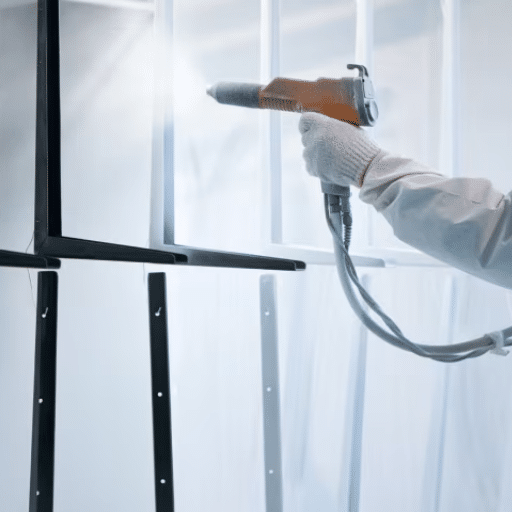
Metal finishing techniques improve metal products for industrial applications because these methods create stronger and more attractive and more useful metal components. The following list presents widely used techniques together with their essential information and data about how they function and their advantages.
1. Electroplating
Electroplating uses electric current to apply a thin metal coating which consists of materials like chrome and nickel and gold onto a substrate material. The method serves as the standard procedure which protects materials from corrosion while reducing friction and improving product appearance. Recent research about the industry reports that the electroplating market worldwide will grow at a compound annual growth rate (CAGR) of 3.76% until 2028 because automotive and electronics manufacturing require this service.
2. Anodizing
Anodizing creates a protective oxide layer on aluminum and its alloys which develops wear protection and corrosion resistance through its durable surface. The process establishes an eco-friendly method which aerospace and architectural projects use throughout their scope. The metallurgical industry examines recent technological advances in anodizing because these improvements enhance energy consumption efficiency during production processes which lead to sustainability goals for manufacturing activities.
3. Powder Coating
Powder coating starts with spraying electrostatically charged powder particles onto a metal surface which undergoes heat curing. The process delivers a high-quality durable finish which remains protected against scratches and fading and chemical attacks. The industry shows a growing preference for powder coatings because their low-VOC (volatile organic compound) formulations meet the requirements of stricter environmental regulations. The global powder coating market reached a value of about $11 billion during 2022 because its use expanded throughout the automotive and industrial and consumer goods markets.
4. Polishing and Buffing
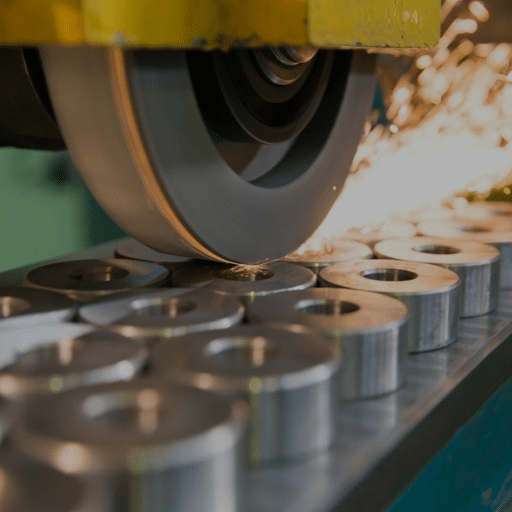
The mechanical finishing processes serve to increase metal surface brightness while they eliminate small defects from the metal surface. Polishing is often employed in industries such as medical equipment and jewelry manufacturing, where achieving a mirror-like finish is critical. The latest automated polishing system innovations enable better performance and results because they decrease the need for time-consuming manual tasks.
5. Galvanizing
Galvanizing protects metal surfaces with a zinc coat which prevents rust and corrosion, making it essential for outdoor structures such as bridges and fences and steel beams. The hot-dip galvanizing market has experienced growth because construction activities have expanded throughout the globe. Studies suggest that galvanized steel can offer corrosion protection for up to 75 years in suitable atmospheric conditions.
6. Electroless Plating
Electroless plating operates through different principles than electroplating because it establishes metal coatings through chemical processes which operate without electrical energy. The method enables complete surface coverage for intricate objects which makes it suitable for creating precise electronic and aviation components. Nickel-based electroless plating processes have gained popularity, which will continue to expand because of their use in developing advanced manufacturing systems.
7. Passivation
Passivation functions as a chemical method which stainless steel and other metal surfaces to eliminate surface contaminants that lead to increased corrosion. The global passivation chemicals market is projected to reach $7.4 billion by 2030, driven by its critical use in pharmaceuticals, food processing, and electronics.
The combination of essential processes with advanced technologies enables businesses to comply with stricter performance requirements and sustainability measures while they develop new business applications. Metal finishing processes help different global industries through their specific advantages and drawbacks which better suit their operational requirements.
Plating: Types and Applications
The process of plating enables industrial applications to improve surface characteristics through its ability to make surfaces more durable while maintaining aesthetic attractiveness. The following list presents five common plating methods together with their specific usage areas.
Each of these types of plating meets specific industry needs, combining protective and decorative functions efficiently.
Anodizing: Benefits and Uses
The electrochemical process of anodizing creates an oxidation layer which enhances the natural oxidation that occurs on aluminum and other metal surfaces. The method provides multiple essential advantages which industrial sectors widely utilize. The following description explains the main benefits and uses of anodizing process.
Corrosion Resistance
The process of anodizing creates a protective oxide layer which boosts metal corrosion resistance. The feature enables outdoor metal applications to withstand extreme weather conditions.
Enhanced Durability
The anodized surface shows exceptional resistance to wear which makes it suitable for construction materials and automotive parts that require long-term performance.
Improved Aesthetic Appearance
Anodizing enables the application of bright colors which maintain their vibrancy throughout time. The technology finds common application in electronics and household products because it boosts their aesthetic value.
Environmentally Friendly
The anodizing method uses safe materials while producing only negligible effects on the environment. The product contains no heavy metals which makes it an environmentally friendly option for businesses that want to adopt sustainable methods.
Thermal and Electrical Insulation
Anodized surfaces function as superior thermal and electrical insulators. The property of anodizing makes it perfect for use in electronic devices and other precision machinery.
The multiple advantages of anodizing create a flexible surface treatment which various industries including aerospace and automotive and construction and consumer goods have adopted for their operations.
Powder Coating: Advantages and Applications
Powder coating serves as an environmentally sustainable finishing method which provides long-lasting results making it popular throughout multiple business sectors. The process begins with the application of dry powder onto a surface which then undergoes heating for curing that generates a durable and polished coating. The method provides multiple advantages which lead to its selection as a primary option in both industrial sectors and consumer markets.
Advantages of Powder Coating
Durability and Longevity
Powder-coated surfaces show strong defense against scratches and chips and fading and all forms of wear. The protective qualities of this product provide enduring results which withstand extreme conditions.
Environmental Friendliness
Powder coating serves as an environmentally safe option because it lacks volatile organic compounds which are present in liquid paint products.
Efficient Material Usage
The powder coating method enables the collection and recycling of overspray which results in reduced material waste and enhanced financial effectiveness.
Wide Range of Finishes
Powder coating provides multiple finish options which include different textures and colors while offering smooth and matte and glossy and metallic surface finishes to meet various aesthetic design needs.
Corrosion Resistance
Powder-coated surfaces offer superior defense against moisture and chemical substances and ultraviolet light which boosts their ability to resist corrosion and weathering damage.
Understanding Metal Coating Techniques
Types of Metal Coating Techniques
The development of metal coating techniques has resulted in industrial solutions which provide permanent protection through their enduring performance and protective capabilities and various finishing choices. The following list presents the most frequently used techniques:
Galvanization
The process of galvanization protects steel and iron from rust through the application of zinc coatings. The two main approaches for achieving this are hot-dip galvanizing and electro-galvanizing. The process of hot-dip galvanizing involves immersing metal into molten zinc to create a durable protective coating which prevents corrosion. Recent research shows that steel protected through hot-dip galvanization can endure additional 75 years of use when exposed to specific environmental conditions.
Powder Coating
The powder coating process applies powdered pigment and resin to metal surfaces through an electrostatic method. The material undergoes heating which causes the powder to create a consistent protective layer. Research shows that powder-coated metals have up to 3 times the durability of traditional liquid paints and can resist chipping, fading, and corrosion for up to 15-20 years.
Anodizing
The process of anodizing applies specifically to aluminum materials. The process improves metal surface protection through its ability to strengthen existing oxide layers which protect against wear and corrosion. Anodizing technology now allows manufacturers to produce bright colors through the new developments which minimize chemical waste during production.
Electroplating
The process of electroplating involves using electrical current to create a metal layer on conductive surfaces. The process of electroplating uses common materials such as gold silver and nickel to enhance electrical conductivity while providing visual appeal and protection against corrosion. The electronics industry depends on electroplating because it produces essential components such as circuit boards and connectors.
Thermal Spraying
Thermal spraying involves heating a material (typically metal or ceramic) to a molten or semi-molten state and spraying it onto a surface at high speed. This technique has become popular in the aerospace and automotive industries because it extends the lifespan of materials by 30% beyond what unprotected metals achieve.
Benefits of Advanced Coating Technologies
Modern metal coating techniques provide excellent defense against both environmental forces and mechanical damage. The data from industry reports show that advanced coating solutions enable companies to decrease maintenance expenses by 40% while extending the aesthetic lifespan of metals by 50%. The construction industry and consumer goods sector and other industries use these methods to achieve sustainable development while maintaining their products durability and performance.
The research currently underway in this field guarantees that coating methods will reach optimal environmental compliance requirements while offering manufacturers worldwide access to recyclable environmentally friendly product solutions.
Electroplating: How It Works
The process of electroplating uses electrical current to apply a metal coating on a conductive surface. The technique improves multiple surface characteristics, including corrosion resistance and aesthetic appeal and durability. The process requires both the object (cathode) and the plating metal (anode) to be submerged in an electrolyte solution that contains metal ions. The electric current passing through the solution results in metal ions being deposited onto the object surface which creates a uniform smooth metallic coating.
Recent Technological Advancements
The field of electroplating has progressed because modern technological developments introduced improved electroplating techniques which include pulse electroplating as a method to achieve better control over plating thickness and plating layer uniformity. The studies show that energy use decreases by 20% when optimized pulse technology replaces standard processing methods. Reports from the industry indicate that contemporary electroplating methods have increased metal adhesion by 30% which led to longer product lifespans and improved performance for operations.
Electroplating has wide-ranging applications across multiple sectors including automotive and electronics and aerospace. Chrome plating serves as the manufacturing process for vehicle components which enhances the durability of components through better protection against wear. The electronics industry applies gold and silver electroplating to their products in order to improve electrical conductivity and protect against rusting. According to market research the global electroplating industry will reach a market value of over $18 billion by 2026 which demonstrates the increasing importance of this process in developing sustainable and high-performance manufacturing solutions.
Surface Finishing Processes Explained
The manufacturing industry uses surface finishing processes to create more durable materials which also enhance their aesthetic appeal and their performance capabilities. The processes achieve surface quality enhancement through three different methods which involve defect removal and protective coating application and surface property modification. The typical methods include electroplating anodizing powder coating and polishing alongside sandblasting.
Electroplating
Electroplating uses electric current to transfer metal particles from a solution onto a substrate which creates a metal coating. The method enhances materials used for automotive electronics and jewelry production by improving their resistance to corrosion and their ability to conduct electricity while extending their lifespan. The global electroplating market will reach over $18 billion by 2026 according to recent industry data because demand for lightweight and corrosion-resistant components has increased in automotive and aerospace industries.
Anodizing
Anodizing serves as a common surface treatment that aluminum users apply to enhance the metal’s capacity to resist corrosion and improve its lasting power. Manufacturers use the electrochemical process to create an oxide layer which can be colored through dyeing processes that enable product development for consumer markets and construction and medical fields. The anodizing market has shown continuous expansion because of its environmentally friendly processing and ability to recycle materials.
Powder Coating
Powder coating has established itself as a popular dry finishing method because it produces eco-friendly results while delivering excellent finishing results. The product creates a protective layer which shields household appliances and automotive components and architectural buildings from damage caused by chipping and rust and color fading. The global powder coating market will expand at 6.7% annual growth rate according to a 2023 market analysis which predicts growth through the next five years.
The surface finishing processes demonstrate the required combination of innovative techniques and accurate methods which enable industrial systems to fulfill their current operational requirements. The sector will experience growth through ongoing technological advancements and sustainable development which will enable components to satisfy performance criteria and environmental requirements.
Zinc Coating: Protection and Longevity
Galvanization serves as a popular technique to protect metal surfaces from corrosion while extending their operational lifespan through zinc coating. The procedure requires the application of a zinc coating which creates a protective shield that guards steel or iron against moisture and chemical exposure and severe weather conditions. Various industries depend on zinc-coated materials because of their ability to withstand heavy use and their affordable pricing and their minimal need for upkeep.
Key Benefits of Zinc Coating
| Benefit | Description |
|---|---|
| Corrosion Resistance | The application of a zinc coating protects metal surfaces against rust and oxidative harm which leads to a decrease in needed replacement and repair work. |
| Enhanced Durability | Zinc-coated surfaces maintain their integrity in extreme conditions which makes them suitable for use in both outdoor and industrial settings. |
| Cost-Effectiveness | The use of galvanized materials provides a budget-friendly option that delivers long-term results which requires little upkeep expenses. |
| Recyclability | The high recyclability of zinc promotes sustainable construction and manufacturing methods. |
Zinc coating can be applied to various structures which include automotive components and building materials and electrical equipment. Zinc coating provides various benefits which make it an essential method for solving modern engineering problems and environmental challenges.
Benefits of Different Surface Treatments
Corrosion Protection
The combination of galvanization together with powder coating surface treatments, which creates protective layers, protects against corrosion and extends the lifespan of materials that endure harsh weather conditions. Galvanized steel can remain intact for 50 years in rural environments and for 25 years or longer in coastal areas.
Visual Enhancement
The application of anodizing and electroplating surface treatments enhances the visual appearance of materials, which results in a smooth and shining surface finish. The treatments find extensive application across both consumer products and building design projects.
Wear Resistance
The application of thermal spraying processes boosts wear resistance and impact defense capabilities of components, which leads to enhanced durability under mechanical pressures. The process offers essential advantages for both industrial machinery and equipment.
Electrical Conductivity
The application of silver or gold plating treatments enhances material electrical conductivity, which results in better performance for electronic components. The gold-plated connectors deliver both enhanced electrical conductivity and protection against corrosion.
Heat Protection
The application of ceramic coatings establishes heat defense for different materials. The automotive and aerospace industries depend on these treatments because they need protection against high-temperature conditions. The engine components that use ceramic coatings can maintain their performance at temperature levels exceeding 1,000°F.
Materials require surface treatments because they help engineers and industries develop solutions for their specific material requirements.
Corrosion Resistance: Which Treatment is Best?
Engineers and manufacturers must consider corrosion resistance because it affects their ability to create durable products that work in extreme conditions. The best treatment selection requires assessment of three factors: material type, intended use, and environmental conditions. The following treatments provide the highest effectiveness for protecting against corrosion:
Galvanization
The process of galvanization applies a protective zinc coating to iron or steel, which protects the metal from rusting. The hot-dip galvanizing method produces a strong zinc-iron alloy coating through a common heating process that applies to hot materials. According to industry data, galvanization can extend the lifespan of steel structures by up to 50 years in environments with moderate corrosion exposure.
Powder Coating
Powder coating uses dry paint to create a protective coating that protects against corrosion while providing multiple color options. The research demonstrates that powder-coated metals achieve corrosion protection for 20 years, which depends on environmental conditions, making them suitable for consumer products and outdoor gear.
Anodizing
Anodizing is a process that aluminum undergoes to create a sustainable oxide layer, which protects the metal from corrosion and wear. This treatment finds extensive application in aerospace and electronics industries. The recent developments show that anodized aluminum maintains its corrosion protection for over 3,000 hours during salt spray testing.
Ceramic Coatings
The use of ceramic coatings has become the leading method for protecting against corrosion, which operates in highly extreme environmental conditions. Automotive and marine applications extensively employ ceramic coatings, which provide protection against both heat and corrosion. The research indicates that these coatings outperform traditional coatings in preventing rust and enduring chemical exposure.
Electroplating
The process of electroplating applies a metal layer to a substrate by depositing a thin coating of nickel or chromium to protect against corrosion and oxidation. The electroplated components show excellent resistance to atmospheric moisture, which enables their long lifespan while laboratory tests demonstrate a 90% reduction in corrosion rates.
Selecting the Right Treatment
The selection of appropriate corrosion-resistant treatments requires evaluation of three different factors: chemical exposure, temperature changes, and mechanical wear. The evidence from recent technical developments shows that combining anodizing with sealants or using duplex coatings that merge galvanization with powder coating provides better protection in demanding situations. Engineers use lifecycle cost assessments together with environmental impact assessments to make better project decisions.
Aesthetic Appeal: Enhancing Metal Surfaces
Industrial processes developed metal surface treatments which create attractive visual designs for metal surfaces. The processes of anodizing and electroplating and powder coating both protect metals from damage and improve their visual appearance. Anodizing process permits the creation of multiple bright color choices through micro-structure changes which retain the original metallic look of the material.
Modern Powder Coating Techniques
Modern powder coatings represent the latest technique which enhances the aesthetic appearance of metal surfaces. Industry research shows that powder coatings now appear on almost 60% of metal finished products because these coatings create smooth surfaces which prevent running and dripping defects. The worldwide powder coating industry will grow at 6.8% yearly between 2023 and 2030 because consumers prefer finishing products that last long and protect the environment.
The market for digital printing technologies which enable printing on metal surfaces is experiencing growing demand. The method enables the creation of detailed designs which can be customized to produce special finishing effects that match specific user requirements. The automotive industry uses this method to print detailed images on metal components found in vehicle interior designs.
Functional and Aesthetic Coatings
The development of functional coatings which include anti-fingerprint and self-cleaning finishes demonstrates the ability to combine aesthetic appeal with practical functionality. The coatings protect metals from visible damage while they provide maintenance relief because they maintain their shiny appearance throughout public space and electronic product contact zones.
The growing focus on environmental sustainability leads to the emergence of environmentally friendly finishing products which provide essential support. The industry now widely uses non-toxic anodizing and water-based paint solutions as environmental protection measures. Different industry sectors now have new possibilities which emerge from the process of metal surface transformation through technical development and environmentally sustainable techniques.
Durability: Long-term Effects of Coatings
Coating durability functions as the main factor which extends metal surface lifespan by preserving both their visual properties and their functional capabilities. The long-term performance of coatings demonstrates five essential elements which show their permanent effects on surfaces.
| Durability Factor | Description | Performance Data |
|---|---|---|
| Corrosion Resistance | Coatings protect metals against rust and corrosion which occurs when metals come into contact with environmental elements. | Powder-coated steel endures tough environmental conditions for 15 to 20 years without experiencing any major deterioration. |
| Abrasion Resistance | Advanced coating products which use ceramic and polyurethane-based technologies deliver strong protection against material destruction. | Ceramic coatings achieve a 90% reduction in surface erosion when exposed to abrasive conditions. |
| UV Protection | Ultraviolet (UV) rays cause both color fading and surface deterioration throughout the passage of time. | Outdoor coatings with UV stabilizers maintain their original color and gloss for over 10 years of use. |
| Chemical Resistance | Certain industries need to protect their operations from severe chemical exposure. | Epoxy coatings provide industrial facilities with strong protection against acids and alkalis which enables them to maintain their protective qualities after extended contact. |
| Thermal Stability | Silicone-based high-temperature coatings function properly in temperature environments. | Can withstand temperatures reaching above 1000°F (538°C) making them suitable for use in automotive and aerospace applications. |
Durability studies show that coatings effectively reduce maintenance costs while maintaining material stability and durability over extended periods.
Choosing the Right Metal Surface Treatment
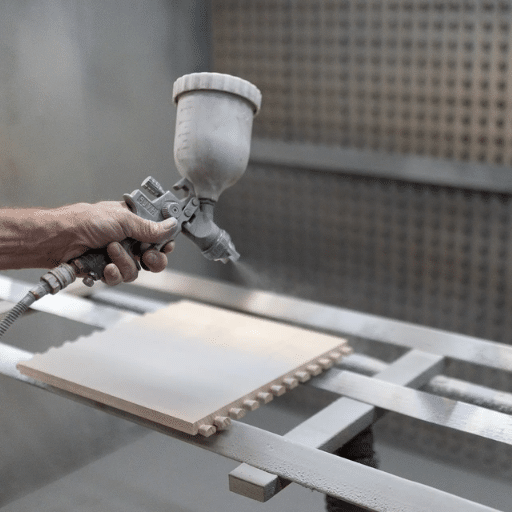
The selection of a suitable metal surface treatment method plays a critical role in achieving success across multiple fields by establishing performance standards and maintaining product durability while delivering desired visual effects. The decision mainly relies on four elements which include material composition, environmental conditions, required service life, and your operational needs.
1. Understanding Application Needs
- Corrosion Resistance: For materials exposed to harsh environments, treatments like galvanization or anodizing are recommended. According to recent studies, zinc galvanization can protect steel structures for up to 50 years, even in marine environments.
- Wear Resistance: The automotive and aerospace industries use PVD (Physical Vapor Deposition) coatings as a solution to enhance surface hardness, which results in longer equipment lifespan through reduced abrasion.
- Aesthetic Appeal: Electroplating or powder coating provides customizable visual solutions through multiple color options and finish styles, which maintain their appearance with little upkeep for an extended period.
2. Material Compatibility
Different metal types display distinct responses to treatment methods. For example:
- Aluminum benefits significantly from anodizing, which enhances corrosion resistance and enables coloring.
- The process of passivation removes surface contaminants from stainless steel while it protects the metal from rusting.
- Iron-based metals typically receive galvanization or specialized paints to ensure protection during extended periods of exposure.
3. Environmental Considerations
- Temperature Extremes: Materials that experience extreme heat conditions require high-temperature coatings for their protection. For example, silicone-based coatings perform effectively in temperatures exceeding 1000°F (538°C).
- Chemical Exposure: Epoxy coatings establish widespread industrial use because their chemical resistance functions as a protective barrier against acids, solvents, and hazardous chemicals.
- UV Protection: UV-blocking agents in paints and coatings create a protective barrier that prevents sunlight from damaging surfaces, which helps preserve outdoor structures over time.
4. Data-Driven Selection
The use of data testing serves as the foundation for making better decisions. For instance:
- Salt Spray Testing: A common method to evaluate a coating’s corrosion resistance over time.
- The testing of hardness establishes how well materials resist wear, with diamond-like carbon (DLC) coatings achieving Mohs scale ratings that reach 9.
- The testing process verifies that the coating maintains proper attachment to the base material, which prevents early detachment and product damage.
5. Cost vs. Performance
The process requires you to find a balance between your costs and the necessary performance requirements. The high operational costs of physical vapor deposition combined with its advanced treatment capabilities make this technology unsuitable for projects with limited funds. Powder coating serves as an affordable solution that delivers effective results for standard applications.
Your assessment of existing factors together with your use of present data will lead you to discover the metal surface treatment approach which will meet your project needs while delivering constant performance and trustworthy outcomes.
The Specific Factors Related to Metal Types Need Evaluation
The selection of an appropriate surface treatment for different metal types requires evaluation of essential factors that determine whether the treatment will deliver suitable bonding results while maintaining long-lasting operational capacity at an economical price. Here are five key factors to consider:
Corrosion Resistance
The corrosion resistance of metals such as steel and aluminum and copper exhibits different levels of vulnerability. Stainless steel needs minimal treatment because it already possesses corrosion resistance, while carbon steel requires protection through galvanizing or coating methods to stop rust formation. The selection of treatment methods should rely on long-term climate research, which includes data about humidity levels and saline environment exposure.
Mechanical Properties
The treatment process needs to match the metal’s mechanical properties, which include flexibility and hardness and tensile strength. The surface of aluminum requires anodizing to increase its hardness and wear resistance, while steel needs heat treatment to improve its performance characteristics.
Thermal Conductivity
High thermal conductivity metals, including copper and aluminum, need special coatings that allow heat to move through them. The electronics and HVAC industries require precise selection of treatment methods, which will ensure that both performance and thermal control needs are satisfied.
Aesthetic Appeal
The appearance of the final product is often important, especially for consumer goods or architectural designs. Electroplating, painting, and powder coating offer multiple options that enable users to achieve their desired colors and textures and finishing effects.
Budget Constraints
Treatment costs depend on both treatment complexity and the materials that require treatment. Industries with higher budget requirements should use PVD (Physical Vapor Deposition) processes and specialized coatings, while industries with lower budgets can use galvanization and paint coatings. The solution maintains its operational capability through cost evaluation, which protects product standards.
How to Select the Best Treatment for Your Application
The contemplation of various important aspects in selecting the right material for an assignment is the selection process that concerns me. I begin by examining all environments within which the material will serve-esposure to heat, moisture where wanted. The necessities of the actual construction include strength and resistance against jams. The aesthetic design, with which I judge the suitable finishing, must also be looked at subsequently. I must take into consideration any industry standards and certifications directly related to my intended purposes. The conclusion will be used upon scrutiny of all the areas required to meet conditions for optimum performance and which I can afford within my monetary limits. It is through such a systematic evaluation against these categories that my ability to decide on the best solution as per my circumstances shall be made evident.
Major Surface Treatment Mistakes to Avoid
⚠ Mistake #1: Ignoring Material Compatibility
Most people did not think anymore into the potential unsuitability of the surface treatment with the base material. Certain treatments may work well with a select few materials but will lay a path of destruction on the others. For example, when a particular coating formulation is suggested for application on steel substrates, it does not produce the same surface results if the same type of coating is applied to a substrate made of aluminum, where abrasion resistance will be attenuated.
⚠ Mistake #2: Underestimating Environmental Factors
But the behavior of the treated surface under extreme weather orchemical exposures was simply taken for granted by most users. Untreated substrates in such environments were found to corrode 40% faster than those subjected to the expected form of protection, suggesting that improved resistance to environmental stressors redoubles the sustainability of the treatment.
⚠ Mistake #3: Choosing Based on Cost Alone
It can potentially be a mistake to go for the cheapest surface treatment available to date; cheaper options will save money at first but will yield more costly maintenance bills in excess and possibly incur slightly dependable repairs. Studies show that surface finish choices have the potential to extend life by a mean of 30-50% which will contribute to a significantly lower replacement demand.
⚠ Mistake #4: Neglecting Industry Standards
The error sets in when a specification of applied surface technology-and it being absent-pronounces the whole industry-related surface treatment faulty. In the aerospace industry, when regulations must be adhered to, as in the medical devices industry, the repercussions include the most agonizing combination of wear and tear, rejection, and project delays which could be averted by simply applying certified and tested fit.
References
- Metal Finishing Processes – Best Practices
A detailed guide on surface preparation and powder coating processes, provided by the Rochester Institute of Technology. - Coating and Surface Treatment Systems for Metals
A comprehensive guide to coating and surface treatment systems, available through the University of California, Berkeley library. - Metal Finishes Manual
A manual covering the applicability of various metal finishes, provided by the National Ornamental & Miscellaneous Metals Association (NOMMA).
Frequently Asked Questions (FAQ)
What is surface preparation and why is it critical in a guide to metal surface treatment?
The metal surface treatment guide requires surface preparation because it serves as the fundamental process which prepares metal surfaces through cleaning and degreasing and etching methods. The proper surface preparation process involves removing all impurities together with rust and oxide layers because this step enables the coating to bond properly with the substrate material which results in strong adhesion and protection against wear and corrosion. The complete guide to metal surface treatments shows that cleaning needs to be done before applying degrease treatment because primers and conversion coatings will not adhere to the metal surface without proper preparatory work.
What surface defects commonly found on metal components create problems for both adhesion and coating performance?
Common surface defects include oil or grease contaminants and rust and oxidation and mill scale and pits and uneven surface layers which prevent uniform coating application. The surface defects create a situation where the exterior coatings will not attach to the underlying material because the surface characteristics have changed. The process of identifying and removing contaminants and oxide layers through solvent degreasing or abrasive blasting or chemical etching enables metal components to achieve complete coating coverage and extended corrosion protection which is essential for automotive and aerospace applications.
What factors determine your selection of a surface treatment method to treat different metal types and their alloy counterparts?
The selection of a surface treatment method requires assessment of both the metal product details which include carbon steel and stainless steel and aluminum surface and titanium and nickel alloys and the required properties plus the expected service conditions. The example shows that phosphate coating and conversion coating improve paint adhesion and corrosion protection for steel while chrome plating and nickel plating deliver hardness and wear resistance and thermal spray and ceramic coating provide protection against high-temperature wear and anodizing creates an oxide layer for aluminum. The process depends on the substrate compatibility together with the layer thickness requirements and the use of electrochemical or chemical surface or thermal processes.
What essential steps need to be followed when preparing metal surfaces for spray coating and primer application?
The surface needs to be cleaned through two methods which are solvent degrease and alkaline cleaning to eliminate all visible impurities before applying primer. To create a uniform oxide layer for improved adhesion, we need to first create a chemical etch or conversion coating. The surface needs immediate application of a primer or bonding layer which creates compatibility with the material for protection against recontamination. The implementation of these best practices creates a protective coating which enables the coating material to establish successful bonding with the substrate.
Can surface treatment methods provide metal components with enhanced protection against corrosion together with increased resistance to wear?
The selection of surface treatment methods serves the purpose of advancing both corrosion protection and wear resistance achievements. Nickel and chromium plating systems provide superior corrosion protection and hardness. Phosphate coatings deliver enhanced paint adhesion together with improved corrosion resistance for carbon steel. Ceramic coatings combined with thermal spray provide protection against wear and high temperatures. The process of conversion coatings creates a thin oxide layer which adheres to the surface and protects the underlying material. Proper surface preparation together with finishing treatment selection enables businesses in automotive and aerospace industries to achieve their required surface characteristics.
What functions do electrochemical processes and conversion coatings execute during metal finishing operations?
Electrochemical processes use electrical current or chemical reactions to create metal coatings and oxide layers on metal surfaces through electroplating and anodizing. The chemical process of conversion coatings creates protective films through surface conversion which uses chromate and phosphate coatings for better adhesion and corrosion resistance. The processes enable metal to receive an oxide or metal coating which improves durability and produces a decorative finish while preparing the surface for upcoming coatings.
How do environmental and safety considerations influence choice of finishing and coating guide recommendations?
Environmental and safety requirements now determine process selection because chroming and cadmium plating methods produce environmental and health issues which need to be addressed through sustainable approaches that use trivalent chromium and zinc-nickel and polymer-based solutions. Organizations need to control three specific aspects which include waste treatment and solvent emissions from degreasing operations and worker exposure to particulates created during blasting and thermal spray processes. The complete guide to metal surface treatments provides information about regulatory requirements which include proper ventilation and waste capture and safer coating materials that achieve performance targets while minimizing environmental damage.
What methods do testing organizations use to evaluate the quality and performance of metal products after they complete surface treatment?
The verification process for post-treatment testing evaluates four aspects which include adhesion and coating thickness and corrosion resistance and all mechanical attributes. The standard tests comprise cross-cut adhesion testing and salt spray corrosion resistance evaluation and thickness assessment through magnetic or eddy current techniques and hardness assessment of plated layers and microscopy surface layer examination. The functional tests assess wear performance and electrical conductivity of components that have received electrical coatings. The tests verify that the surface treatment method produced the required properties and the coating system will ensure metal part protection during its actual use.