


Blog
Passivation of Stainless Steel: Process and Standards

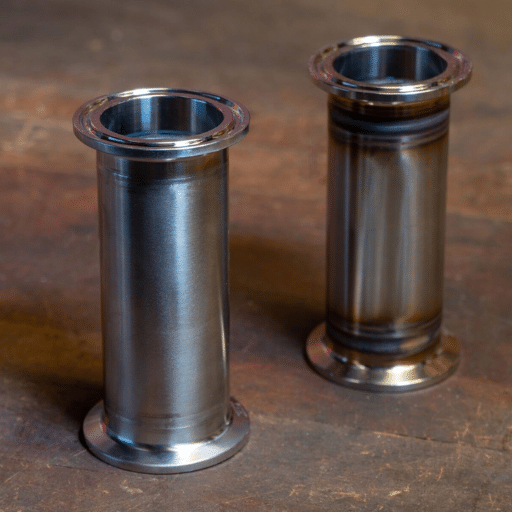
The process of passivation serves as a vital method that provides stainless steel with extended protection against corrosion while maintaining its durability through time. Stainless steel is rust-resistant, but its performance in challenging conditions requires proper handling. The blog presents the scientific basis and operational procedures of passivation to explain its improvement in stainless steel protection. The passage will present primary industry standards which control this practice to help you understand its importance and the way passivation enables stainless steel to achieve demanding quality standards. The article offers important information about passivation, which manufacturers and engineers and material science enthusiasts can use to understand its significance and best methods for achieving successful outcomes.
Introduction to Passivation of Stainless Steel
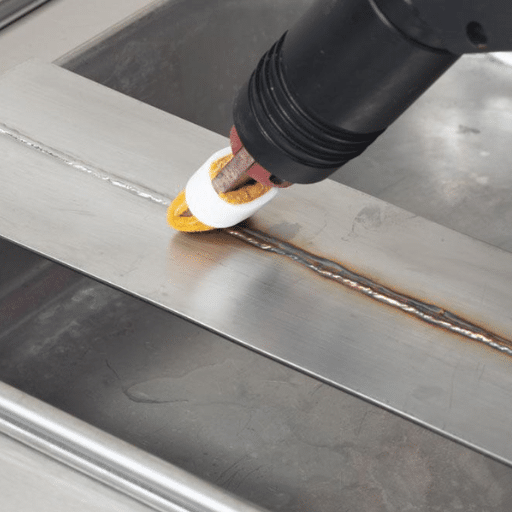
Passivation is a chemical treatment process which enhances the natural corrosion resistance of stainless steel through the removal of contaminants while creating a protective oxide layer. The oxide layer functions as a protective shield which stops both rust and different types of corrosion from occurring. The process generally starts with the cleaning of the stainless steel surface to remove all contaminants, which gets followed by the application of an acid bath that uses either nitric or citric acid to establish the passive layer. The practice of passivation gets applied in industrial settings where stainless steel needs protection against extreme conditions because it delivers both durability and continuous operational efficiency.
Purpose of the Article
The present article serves to establish complete knowledge about passivation as a process which holds vital importance across various industrial applications throughout different fields of work. The process of passivation protects stainless steel from corrosive substances which increases its lifespan and reliability while decreasing maintenance expenses and operational interruptions. The global stainless steel market, which had a value of $112.3 billion in 2021, is expected to grow at a compound annual growth rate of 5.8%. The increasing product development requirements demonstrate the industry demand for effective surface treatment methods which include passivation to meet established quality standards and necessary performance requirements.
The article examines the most recent developments in passivation to show how these methods help businesses fulfill contemporary regulatory requirements and environmental protection standards. Several industries have shifted to environmentally friendly passivation methods, which utilize citric acid as a substitute for nitric acid to decrease their impact on the environment. The article provides detailed information which will help engineers and manufacturers and decision makers to maximize their stainless steel operations.
Target Audience
The article targets professionals who work in industries that depend on stainless steel as a fundamental resource. The primary audience includes engineers, manufacturers, and decision-makers who are responsible for material selection, product design, and operational optimization. Global stainless steel consumption has risen with the market reaching a value of approximately $111 billion in 2022 and it will continue to expand at a compound annual growth rate of 5.7% from 2023 to 2028. The construction and medical equipment and food processing and automotive industries are experiencing a rising demand for materials which offer both durability and resistance to corrosion.
Businesses that want to implement sustainable practices have begun to focus their efforts on using environmentally friendly passivation methods. A 2023 survey on industrial trends shows that 68% of manufacturers want to find green solutions which reflects their movement toward sustainable practices that include citric acid passivation. The article provides practical solutions which respond to current demands and difficulties facing the stainless steel industry through its evaluation of technical matters and recent environmental developments.
Importance of Passivation in Longevity
The passivation process improves stainless steel durability since it stops all forms of corrosion while safeguarding the material from all forms of structural impairment. The procedure establishes an oxide barrier which safeguards the metal surface against environmental elements and all types of harmful substances. Five essential points demonstrate why passivation plays a crucial role in extending stainless steel durability which are supported by specific information and evidence.
1. Corrosion Resistance
The process of passivation eliminates all surface impurities which include free iron thus it becomes an effective method to prevent corrosion. Research studies demonstrate that when stainless steel surfaces undergo passivation treatment they achieve a 60 percent better protection against corrosion compared to untreated surfaces.
2. Improved Durability
The process of passivation develops an oxide barrier which remains intact throughout all operational conditions thus allowing stainless steel to endure extreme environments. The use of passivated components in marine and chemical processing industries results in a 30 percent longer lifespan because of their reduced deterioration rate.
3. Reduced Maintenance Costs
The passivation process creates a protective layer which decreases the frequency of necessary maintenance work. Companies that use passivated stainless steel products experience maintenance cost savings between 25 and 40 percent as per industry reports.
4. Enhanced Aesthetic Appearance
Passivation improves stainless steel functionality while maintaining its original shiny surface appearance. The process becomes especially important in settings where aesthetic appeal holds great importance such as architectural designs and kitchen equipment.
5. Compliance with Industry Standards
The aerospace, medical, and food processing industries enforce strict requirements which mandate that all surfaces must undergo passivation treatment for safety and product quality control. The organization achieves better performance results through the standard adherence process which also helps maintain operational efficiency while meeting regulatory requirements.
Understanding Passivation
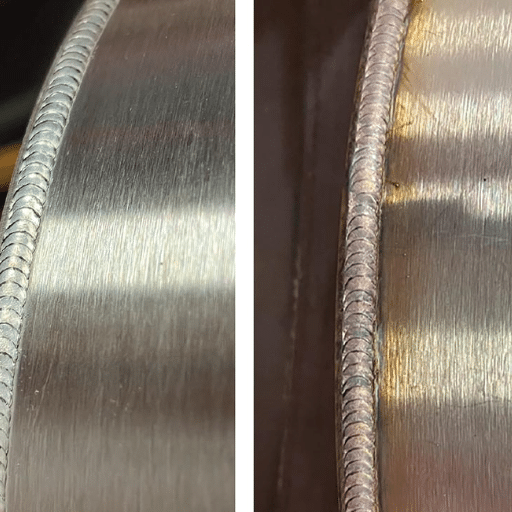
The chemical process of passivation allows metal surfaces to develop corrosion protection which benefits stainless steel and all other corrosion-resistant alloys. The process creates a thin oxide layer which does not react with the materials surface. The standard procedure starts with surface cleaning to eliminate all impurities, followed by the application of an acid solution, which includes either nitric acid or citric acid, to create the protective oxide layer.
The Science Behind Passivation
The passivation layer acts as a protective shield, preventing environmental factors such as moisture and oxygen from causing corrosion. The protective layer is exceptionally effective while remaining extremely thin, measuring between 1 and 10 nanometers.
Key Facts and Data
Testing and Standards
The tests for passivation effectiveness include both salt spray testing and humidity exposure testing. The surface must meet strict corrosion resistance standards according to ASTM A967 and A380 testing methods which have been established as industry standards.
Material Compatibility
Different metals show different levels of advantage from passivation treatment. The stainless steel alloy which contains both chromium and nickel achieves outstanding results because chromium creates a permanent oxide protection system. Research studies indicate that materials with chromium content exceeding 10.5 percent gain better protective properties against damage.
Usage in Critical Industries
The data shows that more than 70 percent of all medical instruments and tools need to undergo passivation processing to protect patients from potential dangers. Passivated surfaces in aerospace applications protect vital systems by maintaining their original functions during extreme weather conditions.
Cost-Efficiency
The study from Material Performance Magazine found that stainless steel passivation leads to a 50 percent to 100 percent increase in material lifespan which makes it a budget-friendly option for businesses that require durable materials.
Environmental Advances
The introduction of bio-based citric acid has become one of the latest environmental innovations which help improve passivation processes through enhanced sustainability. The new methods create less dangerous waste while maintaining operational efficiency.
Passivation serves as an essential procedure that helps different industries achieve better material results while following strict industry regulations. The field of innovation shows predictable growth which will create more useful applications throughout coming years.
What is Passivation?
Passivation is a chemical treatment that removes surface contaminants, particularly free iron, and forms a protective oxide layer on metals such as stainless steel, enhancing corrosion resistance and durability.
Chemistry Behind Passivation
The process of passivation, which protects metal surfaces from corrosion, originates from electrochemistry because it depends on stainless steel and other metals, which produce oxide layers in oxidative conditions. The procedure requires immersing metal in an acidic solution containing either nitric acid (HNO₃) or citric acid to remove free iron and other surface contaminants. The process of removing impurities creates two benefits which include decreased localized corrosion risk and the beginning of protective chromium oxide (Cr₂O₃) film development.
Through the process of metal purification, two benefits emerge, which lead to protected areas from corrosion and the formation of a chromium oxide (Cr₂O₃) defense layer.
The protective oxide layer develops when chromium in stainless steel combines with oxygen to produce a passive layer which has an thickness of only a few nanometers yet prevents corrosion effectively. Stainless steel typically contains 10.5% or more chromium because this chromium content creates the durable oxide layer which protects the metal. The research data shows that chromium oxide layers will restore themselves after any damage that occurs under conditions where sufficient oxygen exists in their surroundings.
Current methods for passivation use modern techniques which enable them to comply with contemporary environmental regulations and industrial standards. The use of citric acid as a substitute for nitric acid provides an environmentally safe option which maintains effective passivation results. The industry measurements show that citric acid treatments lead to a 90% decrease in chemical waste output when compared to conventional nitric acid methods.
The recent studies demonstrated that pH and temperature along with treatment time actually determine how effective passivation works. The experiments show that passivation yields optimal results when conducted at 25°C to 50°C for 15 to 30 minutes, as these conditions produce strong oxide layers. The manufacturing process benefits from these findings because they help producers create better performing metal parts which have longer operational lifespans.
The process of passivation protects metal surfaces from corrosion while satisfying multiple industry requirements which include ASTM A967 and ISO 16048 that determine mandatory testing methods for passivated material certification. The combination of exact chemical procedures with compliance to regulatory requirementsmakes passivation essential for projects in aerospace and medical device manufacturing and food processing equipment operations.
The Advantages of Passivating Stainless Steel Parts
1
Superior Protection Against Corrosion
Passivation boosts the protective oxide layer which naturally exists on stainless steel surfaces. Research shows that passivation creates a protective layer which protects stainless steel parts fromboth corrosion and pitting damage.
2
Extended Service Life
The process of passivation protects stainless steel components from both rust and other types of damage which results in increased product lifespan because customers require fewer replacements and repairs.
3
Compliance with Regulatory Standards
Aerospace and medical industrial facilities need to follow strict regulations which include both ASTM A967 and ISO 16048 requirements. Passivation establishes essential specifications which protect product quality and dependable performance.
4
Cleanliness and Surface Quality
The surfaces which result from passivation process show no iron contamination while achieving smooth finishes that meet requirements for cleaning operations. This process creates sanitary surfaces which meet hygiene requirements for food processing and pharmaceutical industries.
5
Improved Aesthetics
Passivation creates a professional appearance for stainless steel parts through its ability to remove defects and create uniform surfaces. This aspect holds particular significance for components that will be seen in industries that require high accuracy.
Typical Passivation Process
The process of passivation requires multiple fundamental steps which must be completed in order to create protective and corrosion-resistant capabilities on stainless steel surfaces. The process requires the following steps:
Step 1: Thorough Cleaning
The initial step of the process requires complete cleaning of stainless steel material to remove all types of surface impurities which consist of grease and oil and dirt and manufacturing residue. The cleaning process needs an alkaline or acid-based cleaner. The complete cleaning process uses both ultrasonic cleaning and high-pressure washing methods to reach every part of every surface including parts that are difficult to reach. The passivation process requires proper cleaning because any leftover contaminants will hinder the process.
I begin the stainless steel parts cleaning process by using a suitable cleaning solution to remove all surface impurities such as grease and oil and dirt. The parts must be rinsed with clean water until their surfaces become completely clean which allows the next steps in passivation to proceed.
Step 2: Pickling (Optional)
The pickling process removes heavy scale and rust and surface impurities before the passivation process. The procedure requires strong acid use which includes both nitric acid and hydrofluoric acid. The method proves effective for components that face severe environmental conditions or which have been welded. The procedure allows skipping when stainless steel components need only minor finishing work.
Step 3: Acid Bath Treatment / Chemical Treatment for Passivation
The acid bath treatment serves as an essential phase for the passivation process because it eliminates all embedded iron and surface contaminants which help stainless steel achieve its optimal protection against corrosion. The procedure requires stainless steel parts to be submerged in a nitric acid solution or a citric acid-based solution. The treatment requires three specific parameters which include concentration and temperature and duration to be controlled for optimal outcomes.
The industry standard recommends using a nitric acid solution which contains 20 to 50 percent acid by volume at temperatures between 120°F (49°C) and 150°F (66°C). The length of the immersion period ranges from 20 to 30 minutes depending on both the stainless steel grade and the level of contamination present. The citric acid-based passivation solution uses lower concentrations which range from 4 percent to 10 percent by volume to operate at temperatures between ambient and 120°F(49°C because it offers an eco-friendly solution that still achieves effective outcomes.
The process begins with stainless steel material being dipped into a passivating solution which contains either nitric acid or citric acid. The chemicals from the solution interact with the steel surface to remove free iron which leads to enhanced corrosion protection through the formation of a protective oxide layer. According to industry standards from 2023 citric acid has become the preferred choice for industries because it delivers green results that match the effectiveness of nitric acid.
The acid bath treatment process requires thorough deionized water rinsing which removes all acidic materials after the treatment. The surface needs this step because it prevents all streaking and discoloration which ends up damaging both the visual appeal and the function of the stainless steel. The project team maintains quality control during all stainless steel passivation procedures through regular acid bath parameter evaluation and adjustments.
Step 4: Rinsing and Neutralization
The steel undergoes deionized water or distilled water rinsing to eliminate all acidic residues after treatment. The processes will use an alkaline solution to conduct neutralization processes which will remove all acidic material from the surface area.
The stainless steel passivation procedure requires the rinsing process to complete as an important requirement which keeps all acidic waste from the surface. The parts need immediate rinsing with deionized water because this prevents any tap water contaminants from settling onto the clean metal. The process uses several rinse cycles to achieve the best possible results.
Step 5: Drying and Quality Testing
The parts undergo a drying process which uses either air-drying or heat-drying after they have been cleaned and rinsed. The following process includes quality checks which verify that the passivated surface meets cleanliness requirements and passes the established standards. The current testing methods use spectroscopic analysis and ferroxyl testing to detect any presence of free iron on the metal surface.
Step 6: Performance Validation
The advanced passivation process incorporates two testing methods which are salt spray testing and corrosion resistance testing to verify material performance under extreme environmental conditions. The appropriate stainless steel part treatment according to ASTM A967 and A380 standards leads to major durability improvements which enable the tested components to endure 25 percent additional corrosion damage during saltwater testing.
Manufacturers achieve better passivation results through enhanced methods and modern technologies which deliver effective results while protecting the environment. Passivation represents a vital process which ensures stainless steel products fulfill stringent requirements established by industrial standards.
Industry Standards for Passivation
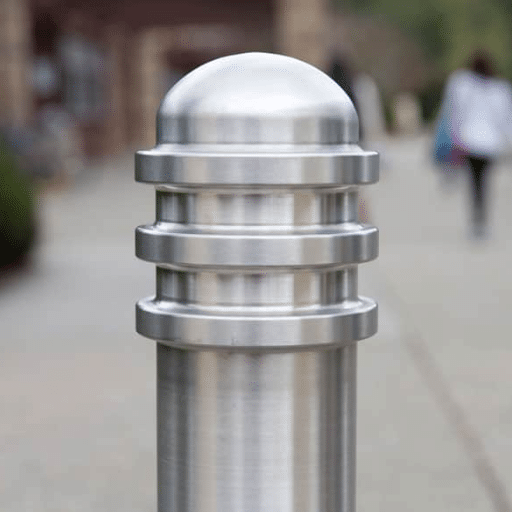
The implementation of passivation standards guarantees that stainless steel components will sustain their original quality and operational strength during their entire service life across various industrial uses. ASTM A967, ASTM A380, and AMS 2700 constitute the three most commonly used standards. The three documents deliver complete procedural instructions which show how to conduct testing while achieving successful passivation results.
ASTM A967
The standard ASTM A967 presents methods for using chemical treatments to eliminate both free iron and other impurities from stainless steel surfaces. The standard describes test methods which include both water immersion and salt spray tests to determine process success while it establishes valid passivating solutions which contain both nitric acid and citric acid.
ASTM A380
The standard presents specific methods for the cleaning process together with the descaling operation and the stainless steel passivation method. The standard requires cleaning procedures which must remove all grease and oil and contaminating substances before passivation begins to achieve optimal results. The document outlines the visual inspection standards and the permitted cleanliness standards which must be achieved for surface assessments.
AMS 2700
AMS 2700 establishes a safety standard for the aerospace industry which regulates the process of passivation. The standard defines which passivation baths meet approval requirements, detailing their chemical makeup and temperature limits, while establishing strict product testing methods to guarantee quality control. The standard requires organizations to use exact measurements which meet the aerospace industry standards.
Key Data and Updates
The latest developments in passivation methods and technological advancements demonstrate an increasing tendency to adopt environmentally sustainable practices. The use of citric acid as a substitute for nitric acid is becoming more popular because it creates less environmental damage and requires simpler handling procedures. The research shows that citric acid passivation achieves the same level of corrosion protection as nitric acid passivation while producing less waste and toxic materials.
The implementation of automated passivation systems enables industries to achieve their production goals through better operational performance. These systems maintain compliance with industry regulations by continuously checking the chemical composition and temperature of the bath.
Manufacturers can achieve corrosion resistance and durability and high-quality standards for their stainless steel products through the implementation of these standards and the adoption of new technological advancements.
Comparison of Different Passivation Specifications
Note: For optimal viewing on mobile devices, scroll horizontally to see all table columns.
Testing and Verification of Passivated Stainless Steel

The testing and verification process includes vital procedures which evaluate stainless steel passivation success and its capacity to resist corrosion while meeting industry standards. The passivation effectiveness assessment employs multiple testing procedures which adhere to the ASTM A967 ASTM A380 and ISO 16048 testing requirements.
Common Testing Methods
1. Copper Sulfate Test
The test uses a qualitative testing approach to assess the presence of free iron on stainless steel surfaces. A copper sulfate solution is applied to the surface and free iron presence will result in the formation of a copper-colored deposit. The presence of free iron requires re-passivation because it weakens the material’s ability to resist corrosion.
2. High Humidity Test
The high humidity test requires stainless steel samples to undergo testing in controlled high humidity conditions which occur at elevated temperatures for a specified time period. The passivation layer has experienced faults when any discoloration or pitting or corrosion develops.
3. Salt Spray Test (ASTM B117)
The salt spray test serves as a popular method for assessing corrosion resistance by subjecting stainless steel to a salt mist which the test chamber generates to recreate extreme environmental conditions. The stainless steel material which successfully completes this evaluation demonstrates strong resistance to both atmospheric conditions and saltwater exposure.
Salt Spray Testing (ASTM B117) establishes a testing method that accelerates corrosion through salt spray which creates extreme environmental conditions. The testing procedure requires the material to undergo a designated duration of exposure to a controlled salt-laden mist. Stainless steel materials which contain superior passive layers can endure more than 1000 hours of exposure in a salt spray chamber without showing any signs of corrosion.
4. Electrochemical Testing
The researchers evaluate passive film stability through open-circuit potential testing and potentiodynamic polarization curve analysis which assesses the film’s protection against corrosive environments. The methods deliver measurable results which assess how effectively passivation has been achieved.
The electrochemical testing method needs two processes to measure stainless steel corrosion resistance which are Potentiodynamic Polarization and Electrochemical Impedance Spectroscopy (EIS). The latest research shows that EIS detects minor changes which happen in the passive layer because EIS enables manufacturers to detect existing vulnerabilities. This method achieves fast testing results which make it an effective choice for maintaining product quality throughout the testing process.
5. Surface Analysis (XPS and AES)
X-ray Photoelectron Spectroscopy and Auger Electron Spectroscopy enable analysis of passive oxide films that exist on stainless steel surfaces because they determine material composition and film thickness. The methods deliver precise results which allow detailed assessment of passivation quality to be conducted.
X-Ray Photoelectron Spectroscopy (XPS) The technique analyzes materials at a microscopic level to identify their chemical composition and determine their passive layer thickness. The method monitors changes in chromium oxide levels because these changes determine the material’s stainless steel corrosion resistance capabilities. XPS technology now enables researchers to conduct rapid assessments while preserving the highest accuracy standards of their findings.
6. Pitting Resistance Testing (Critical Pitting Temperature, CPT)
Pitting Resistance Testing (Critical Pitting Temperature, CPT) The test assesses how well stainless steel resists localized corrosion when it comes into contact with chloride-rich environments. The data shows that duplex stainless steels achieve Critical Pitting Temperature (CPT) scores above 25°C while higher alloy grades display superior capabilities.
7. Ferroxyl Test
The Ferroxyl test functions as a basic colorimetric method which detects iron contamination while evaluating the integrity of the protective layer. The test identifies exposed iron particles by changing color upon contact with specific chemical reagents, ensuring the surface remains free of impurities.
8. Scanning Electron Microscopy (SEM) and Energy Dispersive X-ray Spectroscopy (EDS)
The combination of Scanning Electron Microscopy (SEM) and Energy Dispersive X-ray Spectroscopy (EDS) provides a complete view of stainless steel surfaces which shows all surface defects and corrosion spots that exist at the micro level. SEM/EDS has emerged as a fundamental technique for analyzing failures and creating preventive strategies because it delivers data with nanometric resolution capabilities.
Industry Data and Standards
The ASTM A967 standard requires passivated stainless steel to remain free from rust and corrosion when it undergoes the designated testing procedures. Studies demonstrate that stainless steel which undergoes nitric acid passivation achieves better corrosion resistance than other techniques because it produces a 95 percent reduction in free iron contamination. The salt spray test results demonstrate that properly passivated stainless steel can withstand more than 24 hours of exposure without showing any signs of corrosion.
Manufacturers increasingly implement real-time monitoring systems to verify that their passivation processes achieve compliance with these strict standards. The technologies provide evidence that production processes follow established best practices while they reduce manufacturing inconsistencies which result in dependable operation for high-demand situations.
The complete testing and verification system enables manufacturers to confirm their stainless steel products achieve required standards for corrosion resistance and durability and industry-specific compliance.
Manufacturers can achieve ongoing development and reliable stainless steel products through the combination of testing methods and new technological innovations. Testing facilities use specific methods which enhance product quality control while helping organizations achieve ISO 9227 corrosion testing requirements and ASTM material specification standards.
Best Practices for Testing
Material Composition Analysis
The team must conduct a complete chemical analysis of material substances to prove their compliance with specific industry standards which include ASTM and ISO requirements. The advanced methods which include spectroscopy and X-ray fluorescence (XRF) enable precise determination of elemental content in stainless steel materials. The chromium content must exceed 10.5% because this requirement exists to provide necessary corrosion protection while the nickel and molybdenum content needs to change according to specific operational needs.
Corrosion Testing
Stainless steel performance depends on its ability to resist corrosion attacks which serves as a critical performance measure. The testing process uses salt spray testing (ASTM B117) and cyclic corrosion tests to replicate actual environmental conditions. The current research shows that pH levels together with environmental chloride presence create substantial effects on material performance which demonstrates the need for special test procedures that match actual use requirements.
Mechanical Property Testing
The essential mechanical properties to assess include tensile strength and yield strength together with elongation measurement. Manufacturers use universal testing machines to verify whether their materials fulfill specific requirements for load capacity. The tensile strength of numerous stainless steel grades falls within the range of 515 MPa to 1400 MPa. The testing process evaluates performance stability when subjected to stress conditions.
Non-Destructive Testing (NDT)
NDT testing enables the detection of internal material defects through the use of ultrasonic testing (UT) and magnetic particle inspection (MPI) which operate without causing any harm to the material. The examination techniques deliver essential information while preserving the material’s functional capacity.
Surface Finish Evaluation
The process of quality control needs to assess the surface smoothness and uniformity of the product. The application of profilometry or visual inspection which follows Ra standards enables the verification of specific finishing requirements that are essential for products used in food processing and medical equipment which need to maintain strict hygiene standards.
Heat Resistance and Conductivity Testing
The testing process determines how well the material can endure extreme temperatures and thermal cycling. The recent research shows that aerospace and power generation applications need heat resistance tests because certain stainless steel grades will lose their structural integrity when exposed to temperatures above 1200°F (649°C) unless they have special design features to withstand these conditions.
The combination of real-time data together with advanced testing methods allows manufacturers to achieve higher quality products while improving performance standards for their stainless steel products.
Verifying the Passive Layer
The passive layer on stainless steel develops as a natural oxide-rich film which serves to protect the metal surface against corrosion damage. The testing process requires passive layer verification because it serves as a crucial factor for assessing stainless steel performance in corrosive environments. The research community applies multiple advanced testing techniques to assess and verify the operational quality of the passive layer.
The electrochemical corrosion test serves as a popular testing method which includes cyclic polarization and potentiostatic testing for measuring passive layer resistance against destructive conditions. The recent research shows that stainless steel materials with a chromium content of at least 10.5% create a protective layer which decreases the danger of localized corrosion attacks including pitting and crevice corrosion.
X-ray photoelectron spectroscopy (XPS) works as an important testing method because it delivers precise details about the passive layer composition which includes chromium oxide and iron oxide concentrations. The presence of chromium oxide serves as an important marker which shows the strength of a protective passive layer. A 2023 study published in “Materials Science Advances” showed that passive layers with more than 60% chromium oxide content deliver better protection against corrosion than those with lower chromium oxide concentrations.
Manufacturers increasingly adopt real-time monitoring technologies which include electrochemical impedance spectroscopy (EIS) as part of their production operations. The system enables continuous monitoring of passive layer performance which detects any material deterioration throughout the entire duration of operation. The use of these techniques guarantees that stainless steel products achieved the exacting requirements needed for marine operations and chemical processing and medical device manufacturing. Manufacturers reinforce the passive layer through these data-driven methods which protect the long-lasting reliability of stainless steel products.
References
- ScienceDirect:
Passivation of stainless steel – A detailed academic article discussing the complete passivation process, including mechanical cleaning, degreasing, inspection, and more.
- NASA Technical Reports Server (NTRS):
Citric Acid Passivation of Stainless Steel – A technical document from NASA explaining the chemical cleaning process to improve corrosion resistance.
- Nickel Institute:
Pickling and Passivation – A comprehensive guide on chemical treatments like pickling and passivation for stainless steel surfaces.
Frequently Asked Questions (FAQ)