High Standard Stainless Steel With Strict Inspection



The Role of Carbon Steel in Modern Heavy Infrastructure

90%
of global steel output is carbon steel
630M+
metric tons of steel recycled annually
50%
of worldwide construction uses carbon steel
200 GPa
average modulus of elasticity
Introduction to Carbon Steel in Modern Infrastructure
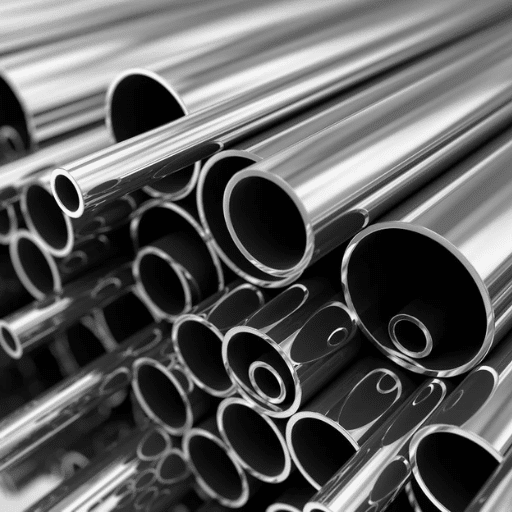
Modern infrastructure depends on carbon steel as a vital construction material which delivers both strong and durable structural capabilities that can withstand various conditions. The material consists mainly of iron and carbon which determines its hardness and tensile strength through its carbon content. Carbon steel is widely used in construction projects which include bridges buildings pipelines and transportation networks.
Engineers and builders worldwide prefer this material because it offers cost-effective solutions which can be easily manufactured while handling substantial weight. The entire lifecycle of extended infrastructure development projects will use recycled carbon steel because it serves as an environmentally friendly building material.
Defining Carbon Steel and Its Importance
Engineers use carbon steel as a versatile material because it consists of primarily iron and carbon with trace elements from other materials. The material exhibits dual properties of hardness and tensile strength which depend on carbon content that ranges between 0.05% and 2.1%. The heat treatment process gives carbon steel extra abilities which make it suitable for various industrial uses. The material provides a cost advantage which makes it more affordable than other steel alloys.
The recent industry data shows that carbon steel production worldwide reaches about 90% of total global steel output. The material functions as a primary building material for bridges and skyscrapers and pipeline systems because it possesses exceptional strength and long-lasting durability. High-strength steel enabled the construction of the Golden Gate Bridge in San Francisco because it supports heavy loads while remaining resistant to environmental forces.
The complete recyclability of carbon steel creates environmental benefits for its users since the world recycles over 630 million metric tons of steel each year. The process decreases raw material extraction which helps support sustainable development. Companies today create carbon steel products with greater operational efficiency because manufacturing techniques have improved, leading to reduced energy needs and lower greenhouse gas emissions. The combination of carbon steel’s low cost and its ability to perform well while remaining environmentally friendly makes it essential for use in infrastructure projects and industrial operations.
Technical Properties of Carbon Steel
Scientists developed carbon steel as an industrial material because its special traits make it suitable for different industrial uses. The five essential technical characteristics of carbon steel are listed below.
1
Tensile Strength
The tensile strength of carbon steel ranges between 400 MPa and 1000 MPa because its strength depends on both its chemical makeup and thermal treatment process. The material exhibits high tensile strength which enables it to withstand extreme pressure without experiencing any permanent deformation.
2
Hardness
The carbon content and processing methods of carbon steel determine its hardness level. Low-carbon steel has a Brinell hardness value of about 120 HB while high-carbon steel reaches hardness values above 200 HB which makes it suitable for applications that require resistance to wear.
3
Ductility
Carbon steel retains its capacity for stretching under stress while maintaining its strength throughout all levels of carbon content. The material can undergo deformation processes without developing cracks which makes it appropriate for forming, rolling, and bending operations.
4
Thermal Conductivity
The thermal conductivity of carbon steel reaches a value of 50 W/m·K. The material shows effectiveness for heat transfer operations through its use in piping systems and heat exchangers.
5
Corrosion Resistance
Carbon steel develops rust when it receives no protection in open environments but its protective power against corrosion strengthens through the addition of chromium alloying and the application of galvanization surface treatment.
Strength and Durability of Carbon Steel
The construction and manufacturing sectors utilize carbon steel because of its strength and durability which make it the perfect material for their projects. The mechanical properties of carbon steel depend on its carbon content because higher carbon levels create greater strength and hardness but reduced ductility. Manufacturers of metal sheets and pipelines use low-carbon steel which contains between 0.05% and 0.25% carbon because it possesses excellent ductility and malleability. High-carbon steel which contains approximately 0.6% to 1.0% carbon delivers outstanding strength which enables its application in tools and cutting instruments and springs.
The tensile strength of carbon steel depends on both the grade and heat treatment processes which can produce values between 400 MPa and above 1,000 MPa. Modern quenching and tempering techniques enhance carbon steel components because they create materials with improved durability and wear resistance which withstand extreme environmental conditions. The construction industry uses high-strength carbon steel for building bridges and high-pressure vessels because it can endure heavy loads and dangerous operational conditions.
Carbon steel exhibits exceptional resistance to load-induced deformation because it has a high modulus of elasticity which averages 200 GPa. The durability of building frameworks and vehicle chassis systems depends on critical infrastructure because it provides essential long-term stability and operational reliability. Engineers use carbon steel as a flexible and durable material because it maintains its structural integrity during continuous stress throughout its entire service life.
Comparative Steel Grades: Low Carbon vs. High Carbon Steel
The classification of carbon steel into different grades occurs because its carbon content determines two primary categories which include low carbon steel and high carbon steel. The following information presents the specifics that establish different grade systems through their distinctive traits.
| Attribute | Low Carbon Steel | High Carbon Steel |
|---|---|---|
| Carbon Content | 0.05% to 0.25% — enables easier processing through increased malleability | 0.60% to 1.5% — enhanced hardness and strength but lower ductility |
| Tensile Strength | 400 – 550 MPa (lower range) | Usually surpasses 700 MPa |
| Applications | Construction — enables welding through ductile properties for shaping | Tool production — cutting blades, springs, high-strength wires |
| Machinability | Excellent — reduced heat generation during machining | Difficult due to hardness — but maintains sharp edges |
| Heat Treatment | Limited response — mainly surface hardness via carburization | Supports quenching & tempering for specific mechanical characteristics |
Engineers use these distinctions to determine which steel grade best matches their particular application needs and performance standards.
Properties and Applications of Carbon Steel
The multiple applications of carbon steel exist because its various physical properties enable different types of industrial use. The following section highlights five essential attributes and their corresponding uses.
● Strength and Durability
Properties: Carbon steel, especially high carbon grades, demonstrates superior strength and strength retention because of its high hardness. The material shows exceptional resistance to damage because of this characteristic.
Applications: The material serves multiple purposes as it appears in construction materials, bridge structures, high-strength wires, and cutting tools which include blades and chisels.
● Malleability and Weldability
Properties: Low carbon steel provides both malleability and ductility while offering easy welding capabilities which people use for making new shapes and joining metal parts.
Applications: The material works best for making automotive body panels and building structural beams and pipes.
● Thermal Conductivity
Properties: Carbon steel exhibits excellent thermal conductivity which enables it to conduct heat effectively.
Applications: The material finds common use in heat exchangers and boilers and radiators and kitchen cookware.
● Cost-Effectiveness
Properties: Carbon steel offers mechanical advantages which exceed its cost because it remains cheaper than other metal alloys.
Applications: The material serves as a common component in mass-produced products which include machinery parts and household implements and storage tanks.
● Corrosion Resistance (with Surface Treatments)
Properties: Plain carbon steel exists as a material which rusts easily. However surface treatments like galvanization and coating provide better protection against rusting.
Applications: The material functions in outdoor setups and pipelines and maritime equipment after it receives the necessary treatments.
The understanding of these properties together with their real-world uses enables industries to use carbon steel for creating dependable solutions which stay within their budget.
Applications of Carbon Steel in Various Sectors
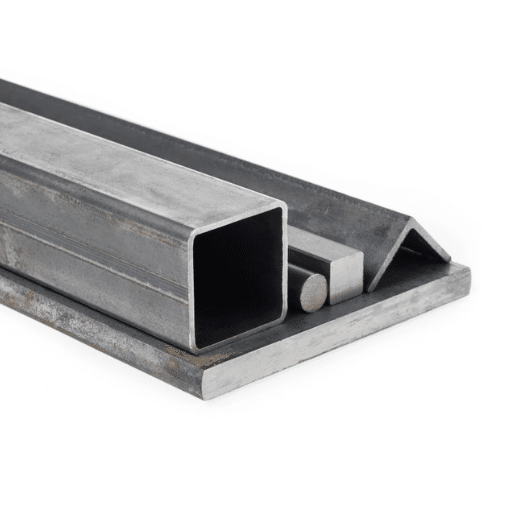
The industrial and technological progress of various sectors demonstrates how carbon steel functions as an essential material for multiple applications.
Carbon Steel in the Oil and Gas Industry
The oil and gas industry requires carbon steel because it provides essential strength and durability and high-pressure environment resistance. The material serves as a basic component for essential sector needs. The oil and gas industry uses carbon steel to meet five different operational needs which are described below.
🚩
Pipelines
The construction of pipelines which transport crude oil and natural gas and refined petroleum products depends on carbon steel as its primary material. The material shows ideal properties for the application because it can endure high pressure and handles corrosion through its treated form.
🔨
Drill Pipes
Drilling operations depend on carbon steel drill pipes because they provide essential functionality. The design of those pipes needs to support the extreme weight and force which drilling operations require to access oil and gas reservoirs.
📋
Storage Tanks
The production of large storage tanks which store crude oil and processed fuels and other byproducts uses carbon steel as a primary material. The material’s strength and reliability make it appropriate to handle the weight and chemical properties of these substances.
🔄
Valves and Fittings
The oil and gas industry uses carbon steel to manufacture numerous valves and flanges and various fittings. These components need to maintain pressure and temperature control which occurs during extraction and processing operations.
🏮
Platform Structures
The structural elements of offshore oil rigs and drilling platforms receive carbon steel as their primary material. The material’s robust nature protects the structural integrity of these large marine constructions against the harsh environmental conditions found in ocean waters.
Carbon steel serves multiple industrial purposes while it meets extreme operational demands which make it essential for modern oil and gas industry progress. The material ensures operational efficiency while maintaining process safety which establishes the core requirements for industrial growth.
Utilization in Transportation and Urban Construction
Carbon steel functions as a fundamental material for constructing transportation systems and building urban structures because it offers strength and durability at a low cost. The material demonstrates versatility because it can endure both substantial weight and extreme environmental conditions. The following list demonstrates three essential applications of the material in the two industries:
- ▸
Bridges — Engineers use carbon steel as the primary material for bridge construction because it provides outstanding tensile strength. The research shows that approximately half of contemporary bridges use carbon steel elements which help maintain their structural integrity and extend their useful life.
- ▸
Railway Tracks — The combination of wear resistance and extreme durability makes carbon steel the ideal material for railway tracks. The system runs because its components can handle extreme weight and train-related friction which decreases the need for repairs.
- ▸
Automotive Frames — Engineers use carbon steel to create vehicle chassis and frame components. The material improves vehicle performance because of its lightweight design while its high-strength structure protects passengers from harm.
- ▸
Building Frames and Reinforcement Bars — Carbon steel functions as the main building material for urban high-rise buildings and commercial buildings because it forms their structural skeletons and reinforcement bars (rebar) system. The materials create essential structural elements which enable buildings to bear both heavy loads and natural forces such as earthquakes and wind.
- ▸
Road Signs and Light Poles — The street signs and traffic lights and light poles use carbon steel which requires minimal upkeep and maintains its strength against rust when its surface receives protective coatings or galvanization treatment.
The various uses of carbon steel demonstrate its essential role in developing and sustaining strong transportation systems and urban infrastructure.
Role of Carbon Steel in Steel Structures
Steel construction relies on carbon steel because it delivers essential strength and durability at budget-friendly costs. The material has gained widespread recognition for its ability to withstand extreme weight and severe environmental conditions. The following list presents five main uses of carbon steel within steel framework systems.
- 1
Beams and Columns — Carbon steel is extensively used in the fabrication of structural beams and columns because it possesses high tensile strength and load-bearing capacity which makes it suitable for supporting large skyscrapers and bridges.
- 2
Reinforced Concrete Frameworks — The construction of concrete structures requires carbon steel to function as reinforcement bars which provide additional tensile strength to concrete while maintaining structural stability throughout its lifespan.
- 3
Industrial Sheds and Warehouses — The lightweight yet strong nature of carbon steel makes it an excellent choice for industrial sheds storage warehouses and other similar frameworks.
- 4
Steel Trusses — Engineers use carbon steel as a standard material in steel truss design for roofs and bridges because it provides both structural stability and building design flexibility.
- 5
Cranes and Heavy Machinery — The manufacturing process for cranes and lifting equipment and other heavy machinery uses carbon steel because it retains its strength under extreme stress and weight.
The construction field depends on carbon steel because it provides multiple applications which help to build modern infrastructure. The steel industry will continue to use this material because it combines strength with low-cost effective solutions and adaptable performance.
Comparative Analysis: Carbon Steel vs. Alternative Materials
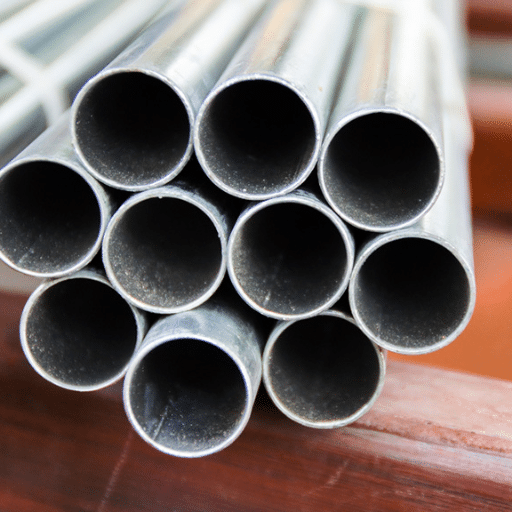
The assessment of carbon steel together with other materials requires testing their strength properties and cost efficiency and damage resistance and weight and corrosion protection capabilities. The upcoming section presents a detailed evaluation of carbon steel against five frequently utilized alternative materials.
| Material | Strength | Cost | Durability | Weight | Corrosion Resistance |
|---|---|---|---|---|---|
| Carbon Steel | Very high tensile strength (400–1000+ MPa) | Low | High (requires protective coatings) | 7.85 g/cm³ (reference) | Low unless treated/galvanized |
| Stainless Steel | Strong but typically less hard than carbon steel | High | Exceptional in harsh conditions | Greater than carbon steel | Superior (Cr & Ni content) |
| Aluminum | Lower tensile strength than carbon steel | Moderate | Damaged under heavy loads | ~1/3 of carbon steel | Natural oxide layer protection |
| Titanium | Better strength-to-weight ratio | Very High | Excellent fatigue & corrosion resistance | Lighter than steel, heavier than Al | Strong against rust & chemicals |
| Plastic Composites | Lower than carbon steel | Variable | Degrades under UV exposure | Extremely lightweight | Good but cracks over time |
| Copper | Soft — weaker than carbon steel | High | Durable but limited for high strength | Heavier than carbon steel | Naturally resists corrosion |
The selection process between materials depends on their individual strengths and weaknesses which make different applications better suited to specific materials. Multiple industries continue to use carbon steel because it offers industries exceptional strength properties at a low cost which allows for various uses.
Cost-Efficiency and Durability Comparison
Industrial and construction material assessment process needs two major evaluation elements which determine material performance value through its testing and economic value. The following list includes five materials which are analyzed based on these two assessment criteria.
The selection of each material requires assessment between its specific benefits and associated disadvantages which demonstrate their suitability for different applications. The project requirements demand that both cost and longevity be assessed through careful evaluation which will help identify the most appropriate solution for the project needs.
Performance Metrics of Carbon Steel Structures
The construction industry and manufacturing sector both use carbon steel structures because these materials provide high strength together with low weight while remaining affordable and enduring. The following performance metrics function as essential tools which assess the effectiveness of carbon steel across different usage scenarios.
| Metric | Value / Range | Significance |
|---|---|---|
| Tensile Strength | 400 – 1,000+ MPa | Stronger tensile strength in medium-to-high carbon steels; decreased ductility at higher grades |
| Yield Strength | 250 – 500+ MPa | Ensures structural strength under heavy weight loads |
| Elongation | 10% – 25% | Capacity to endure deformation before breaking — essential for flexible applications |
| Hardness (Brinell) | 150 – 200 HBW (mid-grade) | Higher carbon content = increased hardness; suitable for wear-resistance applications |
| Fatigue Resistance | 50–60% of tensile strength | Suitable for repeated stress testing in bridges and mechanical parts |
| Thermal Conductivity | ~50 W/m·K | Effective heat transfer in industrial systems including heat exchangers and pipelines |
| Density | 7.85 g/cm³ | Provides structural strength while enabling practical use in design |
Recent studies demonstrate that modern heat treatments and alloying techniques have resulted in improved material properties. The addition of chromium and molybdenum elements to carbon steel creates materials that resist corrosion and enhance strength while remaining workable for manufacturing needs. The development of automated steel welding and fabrication systems has increased the operational effectiveness and dependable performance of carbon steel structures.
Engineers and architects can use recent industry developments together with these metrics to identify optimal carbon steel applications for their construction projects.
Long-Term Benefits of Using Carbon Steel
Carbon steel provides construction and industrial applications with an extensive number of advantages which establish it as a dependable and affordable material choice for permanent use. The material’s primary benefit lies in its outstanding strength and longevity. Carbon steel structures maintain their structural integrity for multiple decades with only basic maintenance needs which makes them suitable for permanent infrastructure projects that include bridges and pipelines and buildings. Recent information demonstrates that high-strength low-alloy carbon steels can extend structure lifespans by 25 percent when compared to standard steel alternatives making the material an environmentally friendly option for upcoming projects.
Carbon steel offers total recyclability as a material. Approximately 90% of steel used globally can be recycled without any loss of quality which helps to decrease waste and environmental damage. The process of producing recycled steel requires 60-70% less energy than the production of new steel which helps to decrease carbon emissions. The ongoing development of protective coatings with epoxy and galvanized layers provides better corrosion protection for carbon steel which maintains its functionality in extreme environmental conditions.
Carbon steel achieves its primary advantage through cost-effective performance because it provides multiple financial advantages throughout its entire lifespan. Production costs decrease while accuracy improves through automated production systems which have transformed manufacturing and fabrication processes. The construction industry uses carbon steel as a foundation material because it enables them to execute projects while adhering to their financial guidelines. Engineers and developers from all over the world continue to choose carbon steel as their primary building material because it combines environmental, long-lasting, and cost-effective qualities.
Future Trends in Carbon Steel and Infrastructure
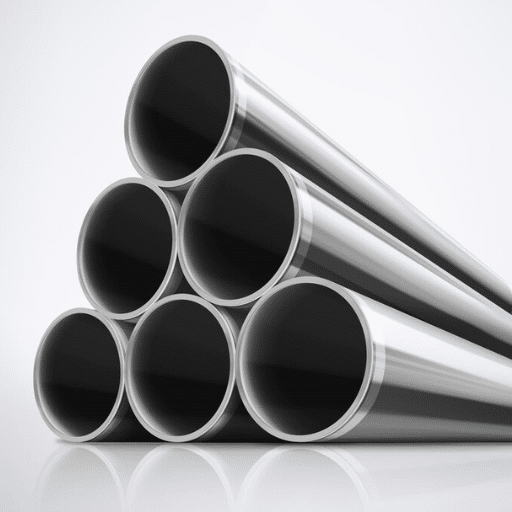
The future development of carbon steel depends on the requirements for sustainable and advanced infrastructure development. The future of carbon steel production will follow two primary paths which involve green manufacturing advancements and the integration of smart technologies for infrastructure development projects.
The combination of sustainability targets with technological progress and infrastructure needs makes carbon steel an essential material for upcoming construction projects and innovative development. The ongoing development of carbon steel enables its continued use as a fundamental material for modern urban construction and worldwide industrial expansion.
Sustainability and Innovations in the Steel Industry
The steel industry has achieved significant improvements in sustainable production methods by implementing innovative approaches and technological solutions that reduce environmental impacts during steel production. Current technological progress aims to achieve reductions in carbon dioxide (CO2) emissions because historical steel production processes have emitted high levels of greenhouse gases. The World Steel Association reports that the iron and steel sector creates 7-9% of global CO2 emissions which demonstrates the urgent requirement for environmentally friendly production techniques.
Green hydrogen-based steelmaking represents one of the most exciting developments in this sector. Major steel manufacturers now recognize hydrogen as a viable substitute for fossil fuels used in the reduction process because it provides substantial CO2 emission reductions. Swedish company SSAB demonstrates how hydrogen technology enables them to create fossil-free steel which establishes new standards for environmentally friendly steel production.
Recycling provides essential support for developing environmental sustainability across all industrial sectors. According to global reports, steel has become the most recycled material worldwide with more than 630 million metric tons being recycled each year. The adoption of Electric Arc Furnaces (EAFs) which use scrap steel as their main input material leads to lower energy requirements and decreased environmental pollution when compared to traditional blast furnace systems.
The manufacturing industry now uses digital technological solutions which include artificial intelligence (AI) and machine learning capabilities to enhance their operational systems. Companies can achieve better energy efficiency and equipment maintenance through predictive maintenance and better management of their resources which result from these technological developments.
Organizations develop their sustainability programs according to governmental obligations and industrywide treaties. The European Union Green Deal establishes a 2050 climate neutrality target which compels steel manufacturers in the region to implement environmentally friendly technologies while developing extensive net-zero emission goals. The steel industry has achieved environmental sustainability through these combined developments which show a fundamental transition to eco-friendly methods of operation. The essential industries of the world will achieve their environmental goals through ongoing financial support for new developments and industry partnerships and the enforcement of strict laws.
🌿 Emergence of “Green Steel” in Modern Construction
The construction industry is undergoing a major transformation because green steel provides an eco-friendly solution that replaces standard steel which emits the most carbon dioxide among materials used worldwide. Traditional steel production generates around 7 to 9 percent of total worldwide carbon dioxide emissions. Green steel production employs modern technologies which enable hydrogen-based reduction methods and renewable energy-powered electric arc furnaces to produce reduced greenhouse gas emissions.
Swedish company SSAB has created hydrogen-based steel production to develop the first fossil-free steel which they successfully made in 2021 according to recent data. ArcelorMittal and Thyssenkrupp will invest billions to create green steel technologies because both companies must follow environmental regulations while delivering sustainable products to their clients. ArcelorMittal has built a DRI Direct Reduced Iron plant in Hamburg which will reduce CO2 emissions by 95 percent when compared to traditional manufacturing methods.
Modern construction projects are beginning to adopt green steel as their building material. The Boston Consulting Group found that green steel demand will rise to 50 million tons by 2030 because the material will be used in sustainable building frameworks and infrastructure projects. Governments and organizations around the world provide financial incentives which include subsidies and tax credits and partnerships to encourage the adoption of green steel as a solution for achieving climate objectives.
The development represents an essential milestone for decarbonizing the steel sector while demonstrating how innovative solutions and collaborative efforts create a sustainable low-carbon future. The construction sector constitutes a major part of worldwide steel demand which means that using green steel in this industry will create substantial environmental benefits for urban development.
Future Directions for Carbon Steel in Heavy Infrastructure
The future of carbon steel usage in heavy infrastructure projects will depend on two main factors according to my opinion which are better sustainable production methods and the implementation of circular economy practices. The environmental impact of steel manufacturing can be greatly reduced through the implementation of green hydrogen-based steel production and enhanced use of recycled materials. The establishment of collaborative relationships between government bodies industrial sectors and research institutions will serve as the backbone for technological advancements. The steel industry should follow my proposal which requires decarbonization efforts and funding for sustainable low-carbon material development to meet environmental requirements for sustainable infrastructure construction.
Frequently Asked Questions (FAQ)
References
- ■
“Reducing the Infrastructure Construction Projects Cost Based on Value Engineering Concept”
This study discusses cost optimization in infrastructure projects, including the role of materials like steel. PDF Link - ■
“Invisible Infrastructure: Metal Artifacts at Trinity University’s Walking Trail Site” — Trinity University Digital Commons
This paper explores the historical and modern use of metals in infrastructure development. Trinity University Digital Commons - ■
“Infrastructure Corrosion and Durability – A Sustainability Study”
This document highlights the challenges of steel corrosion in infrastructure and its impact on sustainability. PDF Link