High Standard Stainless Steel With Strict Inspection



Medical Grade Titanium: ASTM Standards, Grades & Implant Applications

The supplier datasheet needs to show more than “medical grade” because you require better documentation when you design or procure a titanium implant. The material must meet ASTM F67, F136, and F1295 standards, while the manufacturing process needs to follow ISO 13485 requirements, and every material component must be traceable to its certified heat number.
The gap between marketing and compliance requirements serves as the primary cause of project failures. A dental lab we work with once received a shipment of “implant-grade” titanium discs that looked perfect on the surface. The supplier could not provide an ASTM F136 Certificate of Conformance. The lab rejected the batch, avoided a regulatory nightmare, and found a certified alternative within 48 hours. “ASTM-F136 is what implant grade actually means,” according to one engineer.
This guide delivers the technical specifications, grade-selection frameworks, and procurement checklists you need to specify medical-grade titanium correctly—from the design file to the regulatory submission. Our metallurgical team provides consultation services to assist you with certification verification and implant-grade material sourcing.
What Is Medical Grade Titanium?
Medical-grade titanium is titanium that meets strict international standards for chemical purity, mechanical performance, and biological safety in surgical implantation. It is not a single alloy. The term covers three primary material specifications:
- ASTM F67: Unalloyed, commercially pure titanium (Grades 1–4)
- ASTM F136: Ti-6Al-4V ELI alloy (Grade 23)
- ASTM F1295: Ti-6Al-7Nb alloy (Grade 36)
Featured snippet definition: Medical grade titanium is titanium that meets strict ASTM or ISO standards for surgical implantation. Common specifications include ASTM F67 for commercially pure titanium, ASTM F136 for Ti-6Al-4V ELI (Grade 23), and ASTM F1295 for Ti-6Al-7Nb. These standards control chemical purity, mechanical properties, and biocompatibility to ensure safe long-term performance inside the human body.
The distinction between industrial titanium and medical grade titanium stems from its strict regulation of interstitial elements which include oxygen and nitrogen and carbon and iron and hydrogen. The smallest changes in material composition will result in embrittlement and decreased fatigue resistance and reduced resistance to corrosion in bodily fluids. Medical-grade titanium manufacturers must implement ISO 13485 quality management systems while authenticating biocompatibility through ISO 10993 testing methods.
For the broader context of titanium alloy classifications, see our complete guide to titanium alloys.
Medical Grade Titanium Properties
Understanding the numbers behind medical-grade titanium is essential for selecting the right grade and avoiding costly redesigns.
Mechanical Properties
| Property | CP Grade 2 (ASTM F67) | Grade 23 (ASTM F136) | Ti-6Al-7Nb (ASTM F1295) |
|---|---|---|---|
| Tensile strength | ~345 MPa | ~860–965 MPa | ~900–1,000 MPa |
| Yield strength | ~275 MPa | ~795 MPa | ~795–900 MPa |
| Elongation | 20–24% | 10–14% | 10–12% |
| Elastic modulus | ~100 GPa | ~110 GPa | ~105–110 GPa |
Sources: PMC/NCBI Biomedical Applications Review, JH Titanium Medical Grades Guide
The elastic modulus column holds greater importance for table operations than most engineers recognize. The elastic modulus of cortical bone measures approximately 10 to 30 GPa. Stainless steel has an elastic modulus of approximately 193 GPa, while cobalt-chrome exhibits an elastic modulus of approximately 210 GPa. The elastic modulus of titanium alloys, which range between 100 and 110 GPa, serves as the closest match to bone among all three materials. The process decreases stress shielding, which occurs when a stiffer implant takes on weight, resulting in nearby bone deterioration. The lower density of titanium, which ranges between 4.43 and 4.51 g/cm³ and equals about 50 percent of steel weight, creates better patient comfort while also decreasing surgical damage.
Biological Properties
- Osseointegration: Titanium forms a stable titanium dioxide (TiO₂) passive layer that bonds directly with bone tissue. Long-term clinical studies show titanium dental implants achieve 10-year success rates exceeding 95%.
- Corrosion resistance: The TiO₂ layer is self-healing and impermeable, protecting against aggressive saline bodily fluids.
- MRI safety: Titanium is non-ferromagnetic, producing minimal imaging artifacts compared to stainless steel.
- Hypoallergenic: Titanium allergy is exceedingly rare, especially compared to nickel-containing stainless steels. (As Reddit users in piercing communities often note: “surgical steel doesn’t mean anything—it can still contain nickel.”)
For a direct comparison of titanium against stainless steel in broader engineering applications, see our detailed analysis of titanium vs stainless steel.
Medical Titanium Grades: The Complete Decision Framework
Selecting the wrong grade can derail regulatory approval or compromise patient safety. Here is how to choose.
ASTM F67 — Commercially Pure Titanium (Grades 1–4)
Commercially pure (CP) titanium contains no intentional alloying elements. Strength increases with oxygen content as the grade number rises from 1 to 4, while ductility decreases.
- Grade 1: Highest purity, lowest strength (~240 MPa), maximum formability. Ideal for pacemaker cases, delicate surgical mesh, and applications requiring extensive cold forming.
- Grade 2: The CP workhorse. It offers the best balance of strength (~345 MPa), ductility, weldability, and corrosion resistance. This is the most common grade for dental implants and surgical instruments.
- Grade 4: The strongest CP grade (~550 MPa). Used for bone plates, surgical hardware, and endosseous implants where the elevated strength of alloyed grades is unnecessary.
ASTM F136 — Ti-6Al-4V ELI (Grade 23)
The gold standard for load-bearing orthopedic implants requires Grade 23 as the minimum benchmark. The “ELI” acronym of Extra Low Interstitial establishes oxygen, nitrogen, carbon, iron, and hydrogen content restrictions that exceed the typical Grade 5 (ASTM F1472) standards.
The material exhibits lower tensile strength than typical Grade 5, but it shows improved fracture toughness, ductility, and fatigue resistance. The properties of a hip stem or spinal rod that need to endure multiple loading cycles for more than two decades become more essential than its maximum tensile strength.
The medical device startup we advised planned to use standard Grade 5 as the material for their hip implant prototype. The metallurgical team from our company identified during the design review that Grade 5 biocompatibility exists, but both the FDA and orthopedic community now prefer Grade 23 ELI as the standard for permanent load-bearing implants. The startup switched to Grade 23, sourced material with full ASTM F136 mill certifications and heat-number traceability, and passed their first regulatory inspection without a single finding.
For more detail on Grade 5 vs. Grade 23 distinctions, see our dedicated Grade 5 titanium guide.
ASTM F1295 — Ti-6Al-7Nb (Grade 36)
Ti-6Al-7Nb is a vanadium-free alternative to Ti-6Al-4V. Niobium replaces vanadium as the beta-stabilizing element, maintaining nearly identical strength while addressing long-term biocompatibility concerns.
Specify Ti-6Al-7Nb when:
- Patient metal sensitivities are a concern
- The implant will be in long-term contact with bodily fluids and you want to eliminate any vanadium ion release risk
- You are targeting European markets where Ti-6Al-7Nb has strong clinical acceptance
- The application demands superior corrosion resistance in fluorine-containing environments (e.g., oral/dental applications)
An orthopedic OEM we worked with specified Ti-6Al-7Nb for a premium hip replacement line aimed at the European market. The switch added roughly 20–40% to material costs but eliminated vanadium-toxicity concerns from their regulatory dossier and became a key selling point with surgeons.
Grade Selection Decision Matrix
| Application | Recommended Grade | Standard | Why |
|---|---|---|---|
| Dental implants | Grade 2 or Grade 23 | ASTM F67 / F136 | Osseointegration + corrosion resistance |
| Hip/knee replacements | Grade 23 | ASTM F136 | Fatigue resistance under cyclic loading |
| Spinal fixation | Grade 23 or Ti-6Al-7Nb | ASTM F136 / F1295 | Strength + long-term biocompatibility |
| Surgical instruments | Grade 5 or Grade 2 | ASTM B348 / F67 | Cost-effective strength |
| Pacemaker cases | Grade 1 or Grade 2 | ASTM F67 | Formability + bioinertness |
Medical Grade Titanium Applications by Industry
Medical-grade titanium appears wherever long-term biocompatibility, corrosion resistance, and reliable mechanical performance are non-negotiable.
Orthopedics
Orthopedic implants represent the largest medical titanium market. The total global orthopedic implant market is valued at roughly USD 50–53 billion in 2025–2026. Titanium alloys serve as the backbone material for:
- Hip stems and femoral components
- Knee tibial trays and backing plates
- Spinal fusion cages, rods, and screws
- Bone plates, trauma screws, and intramedullary nails
One critical design rule applies: titanium is almost never used for articulating surfaces in joint replacements (e.g., femoral head balls). Despite its strength, titanium has relatively poor wear resistance and is prone to tribo-corrosion under sliding friction. Articulating components are typically made from cobalt-chrome alloys or ceramics, while titanium forms the fixation stem or backing plate.
In niche segments like orthopedic digit implants (hand and foot), titanium alone is expected to capture nearly 59.4% of material demand in 2026.
Dental
The global titanium dental implant market is projected at USD 5.11–7.72 billion in 2025–2026, growing at 4–7.5% CAGR. Titanium dominates because of its exceptional osseointegration and long-term clinical track record.
Common dental applications include:
- Endosseous implants and abutments
- Orthodontic wires and brackets
- CAD/CAM milling discs for custom crowns and bridges
- Temporary and permanent prosthetic frameworks
Cardiovascular & Other Devices
- Pacemaker cases: CP Grade 1 or Grade 2 titanium provides excellent formability and bioinertness.
- Heart valves and stents: Grade 23 and Ti-6Al-7Nb offer the strength and fatigue resistance needed for cyclic cardiovascular loading.
- Guidewires and structural heart components: Nitinol (NiTi) and beta titanium alloys are used for superelasticity and kink resistance.
Surgical Instruments
Non-permanent devices such as forceps, retractors, and custom-machined housings often use CP Grade 2 or standard Grade 5 titanium. These applications do not require the ELI premium but benefit from titanium’s light weight, corrosion resistance, and non-magnetic properties.
Emerging: Additive Manufacturing
The medical-grade titanium materials market is projected to reach USD 7.64 billion in 2025, with an annual growth rate of about 15%, which results from powder metallurgy and additive manufacturing technologies. Laser powder bed fusion (LPBF) and electron beam melting (EBM) now enable the creation of custom implants that feature intricate porous designs that facilitate bone integration and surgical guides that are tailored to specific CT scan data. The entire process of titanium additive manufacturing requires post-processing operations, which include hot isostatic pressing (HIP) and heat treatment as essential steps.
Certification, Standards & Quality Assurance
Medical-grade titanium is governed by a layered certification ecosystem. Understanding each layer is essential for procurement and regulatory success.
Material Standards
- ASTM F67: Unalloyed titanium for surgical implants (CP Grades 1–4)
- ASTM F136: Wrought Ti-6Al-4V ELI for surgical implants (Grade 23)
- ASTM F1295: Wrought Ti-6Al-7Nb for surgical implants (Grade 36)
- ISO 5832-2: International equivalent for unalloyed titanium
- ISO 5832-3: International equivalent for Ti-6Al-4V
- ISO 5832-11: International equivalent for Ti-6Al-7Nb
Quality Systems
- ISO 13485: Medical device quality management system. Strongly preferred for any supplier producing implant-grade material.
- ISO 9001: General quality management. The absolute minimum for supplier qualification.
Biocompatibility Testing
Finished implants must be evaluated under ISO 10993, which typically includes:
- Cytotoxicity testing
- Sensitization and irritation studies
- Systemic toxicity evaluation
- Hemocompatibility (for cardiovascular devices)
Documentation Requirements
A dental lab buyer we assisted prevented a batch of off-spec material from entering production by demanding the right paperwork upfront. Here is what you should require from any supplier:
- Mill Test Certificate (MTC) per EN 10204 3.1, showing chemical analysis and mechanical properties
- Certificate of Conformance (CoC) to the specific ASTM or ISO standard
- Heat-number traceability linking every batch to raw material origin
- ISO 13485 or ISO 9001 certification from the supplier
Red flags: Suppliers who offer vague “medical grade” claims without referencing a specific ASTM or ISO standard; missing heat numbers; certificates that do not match your purchase order batch. As experienced buyers say: “The paperwork is sometimes worth more than the metal.“
Sourcing Medical Grade Titanium: A Procurement Checklist
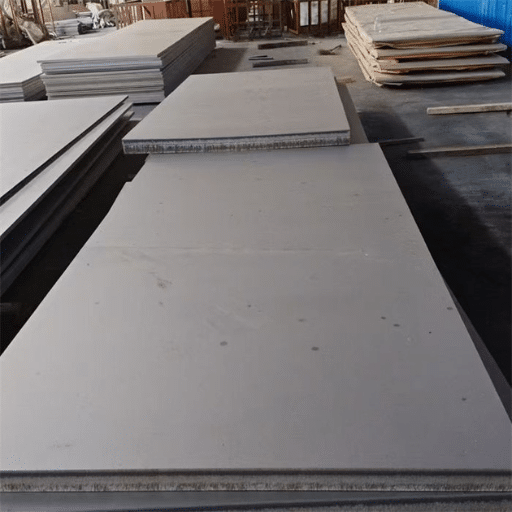
Sourcing certified medical grade titanium requires more than comparing prices. Use this checklist to qualify suppliers and protect your project.
- Verify the standard: Demand explicit ASTM F67, F136, or F1295 compliance—not generic “titanium” or “medical grade.”
- Check the QMS: ISO 13485 certification is strongly preferred for implant suppliers. ISO 9001 is the minimum baseline.
- Request documentation: MTCs with heat numbers, spectral analysis reports, and tensile test results for every batch.
- Evaluate manufacturing origin: Baoji, Shaanxi Province is known as “China’s Titanium Valley” and dominates titanium alloy production. Jiangsu and Zhejiang provinces specialize in titanium wire and sheet.
- Understand pricing tiers: CP Grade 2 is the baseline. Grade 23 typically commands a 15–30% premium. Ti-6Al-7Nb is typically 20–40% above Grade 23.
- Inspect packaging: Medical-grade titanium should arrive in cleanroom-grade, vacuum-sealed, or inert-gas-protected wrapping to prevent contamination before sterilization.
At Jiangsu Zhonggongte, we supply medical-grade titanium with full traceability, spectral analysis verification, and comprehensive export documentation. The metallurgical team will help you select specifications and certifications as well as deliver custom-forged Ti-6Al-7Nb components and ASTM F136 bar stock which is needed for orthopedic implants. Request a quote today and get a response within 24 hours.
Conclusion
Medical grade titanium is not a marketing label—it is a family of precisely certified materials governed by ASTM F67, F136, and F1295. Choosing the right grade and verifying your supplier’s documentation are the two decisions that separate successful implant programs from regulatory delays and costly recalls.
Here are the key takeaways:
- Medical grade titanium covers three main specifications: ASTM F67 (CP Grades 1–4), ASTM F136 (Grade 23 Ti-6Al-4V ELI), and ASTM F1295 (Ti-6Al-7Nb).
- ASTM F136 (Grade 23) is the gold standard for load-bearing orthopedic implants due to superior fatigue resistance and fracture toughness.
- CP Grade 2 (ASTM F67) is the smarter, more economical choice for dental implants, pacemaker cases, and surgical instruments.
- Ti-6Al-7Nb (ASTM F1295) justifies its premium when vanadium-free biocompatibility is a clinical or regulatory priority.
- Documentation matters as much as the metal: Demand MTCs, CoCs, and heat-number traceability from every supplier.
- The global titanium dental implant market exceeds $5 billion, and additive manufacturing is driving rapid growth in patient-specific designs.
If you are ready to source certified medical-grade titanium for your next device, our engineering team can help you select the optimal grade, verify specifications, and arrange precision processing or custom forging. Contact our metallurgical experts to get started.
For the broader context of titanium alloy selection, return to our complete guide to titanium alloys.