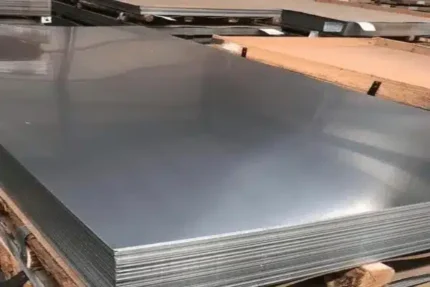
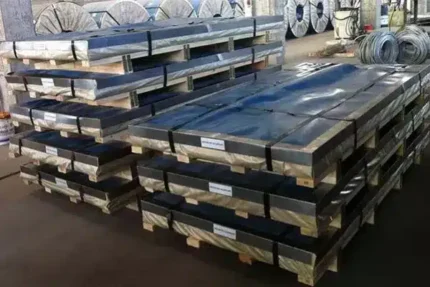
High Standard Stainless Steel With Strict Inspection


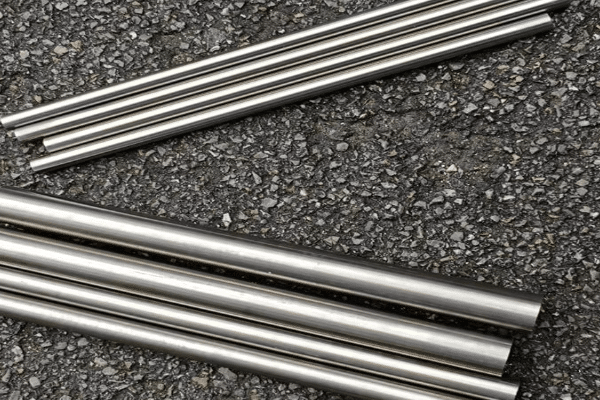
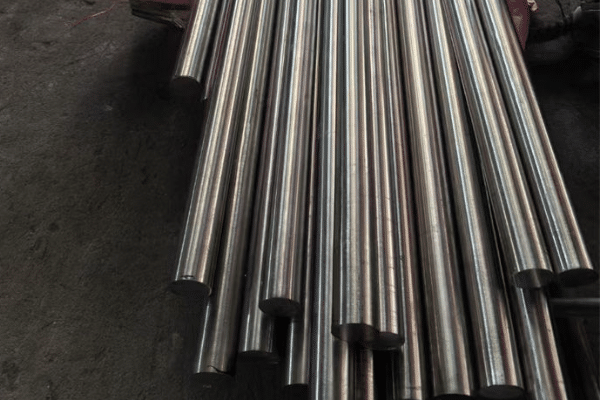
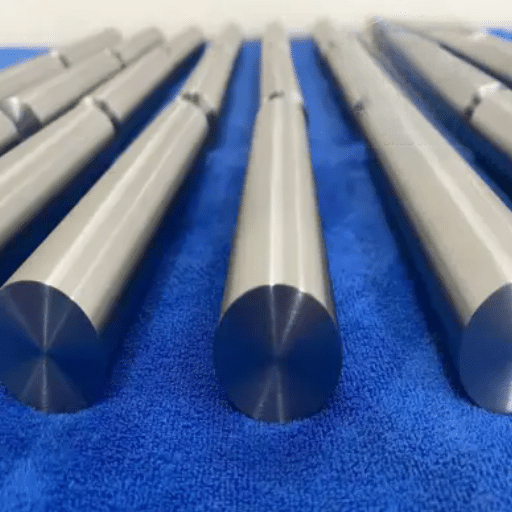
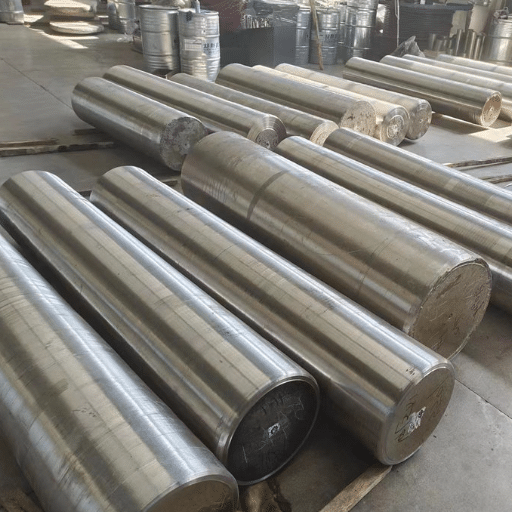
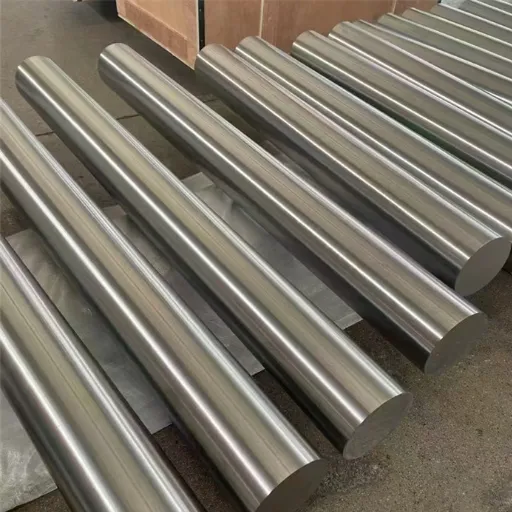
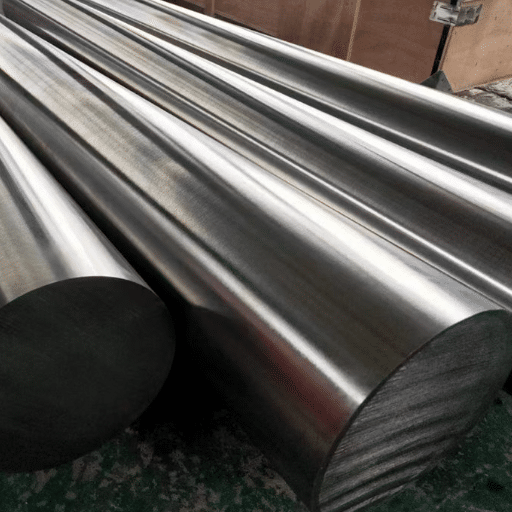
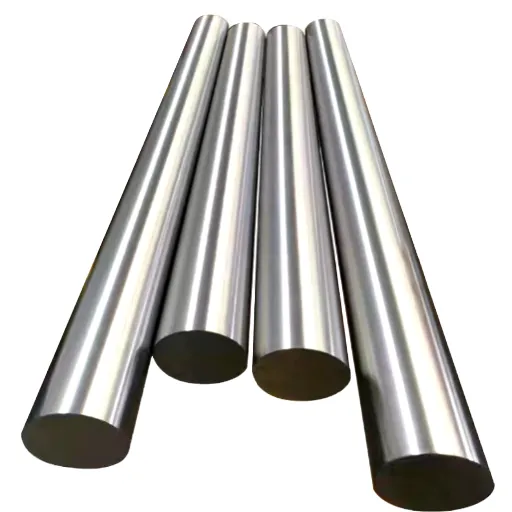

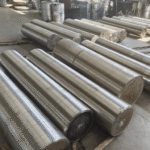
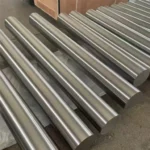
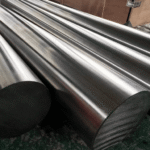

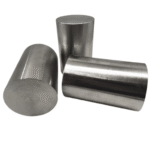
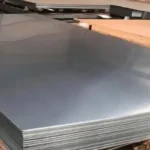
Maraging Steel Bars
The Foundation of Ultra-High Strength The heat treatment process is absolutely pivotal for any maraging steel bar or maraging rod, as it is the sole mechanism that unlocks its legendary performance. In its as-supplied (solution annealed) state, the material is relatively soft and machinable. This carefully controlled thermal process is what transforms the alloy from […]
Description


Introduction to Maraging Steel Bars
Titanium wire is a high-quality metal product that comes in various sizes and diameters, making it suitable for multiple applications. Its lightweight and corrosion-resistant nature make it a preferred choice for both commercial and industrial purposes. This remarkable material is known for its exceptional strength-to-weight ratio, which allows it to withstand extreme conditions while remaining easy to handle and work with. Additionally, Ti wire is available in different grades to meet specific requirements across various industries. With its unique properties and versatile applications, titanium wire continues to gain popularity in fields ranging from aerospace to medical devices.
Choose Your Maraging Steel Bars Grade
Select the perfect maraging steel grade for your application
Maraging 250
250 ksi Strength
✓ Best fracture toughness
✓ Excellent ductility
✓ Cost-effective option
✓ Lower cobalt content
✓ Ideal for large parts
Maraging 300
300 ksi Strength
✓ Most popular grade
✓ Balanced properties
✓ Aerospace applications
✓ Good weldability
✓ Wide availability
Maraging 350
350 ksi Strength
✓ Highest strength
✓ Superior hardness
✓ Critical applications
✓ High cobalt/titanium
✓ Premium performance
Data Table: Maraging Steel Bar Specifications
| Parameter | Maraging C250 | Maraging C300 | Maraging C350 |
|---|---|---|---|
| UNS Number | K92890 | K93120 | K93410 |
| Governing Standard | AMS 6512 | AMS 6514 | AMS 6515 |
| Primary Characteristics | Excellent balance of strength and high toughness. Most common grade for tooling. | Higher strength with very good toughness. Widely used in aerospace and tooling. | Ultra-high strength for the most demanding, mission-critical applications. |
| — | Properties in Aged (Hardened) Condition | — | — |
| Min. Yield Strength (0.2%) | 1724 MPa (250 ksi) | 2000 MPa (290 ksi) | 2344 MPa (340 ksi) |
| Min. Tensile Strength | 1793 MPa (260 ksi) | 2068 MPa (300 ksi) | 2413 MPa (350 ksi) |
| Typical Hardness (HRC) | 50-52 HRC | 53-56 HRC | 58-62 HRC |
| Fracture Toughness | High | Very Good | Good |
| — | Processing & Fabrication Properties | — | — |
| Condition Before Aging | Solution Annealed | Solution Annealed | Solution Annealed |
| Machinability (Annealed) | Good (Similar to AISI 4340) | Good | Fair to Good |
| Typical Aging Treatment | 480°C (900°F) for 3-6 hours, then air cool | 480°C (900°F) for 3-6 hours, then air cool | 480-510°C (900-950°F) for 3-6 hours, then air cool |
| Dimensional Change (Aging) | Minimal / Very Low (<0.05%) | Minimal / Very Low (<0.08%) | Minimal / Very Low (<0.1%) |
| Key Applications | Injection molds, die casting dies, high-performance tooling. | Aircraft landing gear, rocket motor casings, high-strength fasteners. | Missile components, ultra-high strength shafts, ballistic protection. |
Achieving Ultra-High Strength: The Heat Treatment of Maraging Steel Bars
Maraging steel is the material of choice when component failure is not an option. Its unique properties enable technological advancements across a range of specialized fields.

The Foundation of Ultra-High Strength
The heat treatment process is absolutely pivotal for any maraging steel bar or maraging rod, as it is the sole mechanism that unlocks its legendary performance. In its as-supplied (solution annealed) state, the material is relatively soft and machinable. This carefully controlled thermal process is what transforms the alloy from a workable material into a final component with an extraordinary combination of ultra-high tensile strength, exceptional toughness, and superior hardness, making it suitable for the most demanding applications.

The Critical Two-Stage Treatment
Achieving these properties requires a precise two-stage sequence. First, the material undergoes solution annealing, where the maraging steel bar is heated to a high temperature to dissolve the alloying elements into a uniform solid solution before being cooled to form a soft martensitic structure. This is followed by the second, crucial stage: aging. During this low-temperature heating cycle, the material undergoes a profound microstructural transformation that is responsible for its dramatic increase in strength and hardness.

The Mechanism of Precipitation Hardening
This transformation process is known as precipitation hardening. The initial martensitic structure formed in a maraging rod is unique because it is very low in carbon, making it surprisingly tough and ductile. During the subsequent aging process, this soft matrix is strengthened by the formation of microscopic, extremely hard intermetallic precipitates. These tiny, well-dispersed particles act as powerful obstacles to dislocation movement within the steel, which is what significantly boosts its overall tensile strength and toughness.

The Role of Key Alloying Elements
The key alloying elements—primarily nickel, cobalt, and molybdenum—are the foundation of this unique transformation. Nickel is essential for forming the tough martensitic matrix, while cobalt and molybdenum are the primary elements that combine to form the strengthening intermetallic precipitates during the aging cycle. It is this precise chemical balance within every maraging steel bar that enables it to be hardened with minimal distortion and maintain its exceptional properties, even after these extensive heat treatment cycles.
Key Product Features of Maraging Steel Bars
We supply top-tier maraging steel bars and rods, precision-manufactured to meet stringent industry standards. Whether you need a standard maraging bar size or a custom-cut rod, our inventory is prepared to meet your specifications.
Superior Toughness & Ductility
Maintains resistance to fracture and impact, offering maximum reliability in demanding environments.
Consistent Quality
Our bars are rigorously tested for internal cleanliness, chemical uniformity, and dimensional accuracy.

Minimal Distortion During Hardening
Predictable and minimal size changes during age-hardening make it ideal for producing complex precision components.
Excellent Machinability
Supplied in the annealed condition, enabling easy machining to precision tolerances before final hardening.
Applications of Maraging Steel Bars
Additive Manufacturing
Maraging powder and bar used in advanced 3D printing and near-net-shape forging applications for aerospace tooling and custom engineering.
Aerospace & Defense
For missile casings, landing gears, actuators, and high-strength structural assemblies demanding the ultimate strength-to-weight ratio.
Tooling & Manufacturing
For high-performance dies, molds, and rams, where minimal distortion and wear resistance help maximize uptime and productivity.
What Our Clients Say
“For our high-precision injection molds, this maraging steel is unmatched. It machines beautifully in the annealed state, but the real benefit is its incredible dimensional stability during the aging process—we see virtually no distortion. The final mold is exceptionally tough and delivers a flawless performance over high-volume production runs.”

Michael Chen
Director of Tooling & Engineering
“We use these maraging steel bars for critical, high-stress components in our aerospace applications. The combination of ultra-high tensile strength and superior fracture toughness is essential for safety and performance. The material’s consistency lot-to-lot gives us the absolute confidence we need when manufacturing flight-critical hardware.”

Dr. Alisha Vance
Lead Materials Scientist

Why Choose Our Maraging Steel Bars?
Unmatched Quality: All materials undergo multi-stage inspection—from raw billet to finished bar—to ensure purity, mechanical integrity, and perfect surface finish.Technical Expertise: Our team brings decades of metallurgical experience in maraging alloys, helping you select the precise grade, heat treatment, and bar size for your application.Custom Solutions: Whether you need large-volume production, special size tolerances, or certification compliance for aerospace/medical standards, we deliver to exact requirements.Rapid Delivery: Extensive stock and flexible logistics enable quick turnaround and just-in-time supply—even for custom-cut sizes worldwide.Comprehensive Support: We provide technical documentation, full traceability, after-sales service, and direct engineering assistance to support your project from start to finish.
Our Latest Blogs

Alloy 625 Severe Sour Gas Service: Complete Guide
Alloy 625 is the default nickel-based alloy for severe sour gas service, qualified under NACE MR0175/ISO 15156 for all H2S…

Super 13Cr Stainless Steel: CO2 & Sour Service Guide
Super 13Cr stainless steel is a low-carbon, nickel- and molybdenum-strengthened martensitic grade (UNS S41425, S41426, S41427) built to outlast conventional…

Inconel 718 vs 725 vs 925: The Complete Selection Guide
Inconel 718, 725, and 925 are all age-hardenable nickel alloys, but each is built for a different job. Choose Inconel…

Duplex Stainless Steel Sour Service: 2205 vs 2507 Limits
Yes, duplex stainless steel sour service is practical and proven, but only within defined NACE MR0175/ISO 15156 limits. Standard duplex…

What Is Sour Service? H2S Environments Explained
Sour service is oil and gas equipment exposure to hydrogen sulfide (H2S) that can crack steel and other alloys. Under…

Sulfide Stress Cracking: Hardness Limits & Prevention
Sulfide stress cracking (SSC) is a form of hydrogen embrittlement that occurs when high-hardness steel under tensile stress is exposed…

NACE MR0175/ISO 15156 Explained: Sour Service Guide
NACE MR0175/ISO 15156 is the international standard that governs metallic materials for oil and gas production environments containing hydrogen sulfide…

How to Select Corrosion-Resistant Alloys for Sour Service
To select a corrosion-resistant alloy for sour service, characterize the environment first, classify sour severity by H2S partial pressure, screen…
Frequently Asked Questions
What are Maraging Steel Bars and what makes them unique?
Maraging Steel Bars are a class of ultra-high-strength steels that derive their power not from carbon, but from the precipitation of intermetallic compounds. This unique composition allows them to be hardened through a simple, low-temperature aging process. The result is a material with an exceptional combination of strength and toughness, far superior to conventional high-carbon steels.
What is a maraging rod and how is it used?
A maraging rod is simply maraging steel supplied in a solid, cylindrical bar form. These rods are the starting material for manufacturing high-performance components. They are typically supplied in a soft, “annealed” state, which makes them easy to machine into complex shapes like shafts, fasteners, or tooling. After machining, the part is put through the simple aging process to achieve its final, ultra-high strength.
What are the most common applications for maraging steel?
Maraging Steel Bars are essential in industries where performance and reliability are non-negotiable. Common applications include aerospace components like landing gear and missile casings, high-performance motorsport parts such as driveshafts and gears, and specialized industrial applications like extrusion dies and heavy-duty tooling.
Is maraging steel difficult to work with?
Not necessarily. One of its main advantages is its ease of fabrication. In the solution-annealed condition, a maraging rod is quite soft and machines beautifully. The hardening (aging) process is a simple heat treatment at a relatively low temperature (around 900°F / 482°C) and does not require quenching, which minimizes the risk of distortion and cracking.
How does maraging steel’s corrosion resistance compare to stainless steel?
Maraging steels are not stainless steels and have lower corrosion resistance. Their composition, rich in nickel and cobalt, provides some resistance to atmospheric corrosion, but they will rust if left unprotected in a corrosive environment. For such applications, protective coatings like cadmium or chrome plating are often applied.
Can maraging steel be welded?
Yes, maraging steel can be welded successfully. It is best welded in the solution-annealed (soft) condition. After welding, the entire component typically needs to undergo the aging heat treatment to develop high strength uniformly across the base metal and the weld area.
Why is maraging steel so expensive?
The high cost is due to its complex alloy composition, which includes significant amounts of expensive elements like nickel and cobalt. The manufacturing process is also highly controlled to ensure the material’s purity and performance, which adds to the overall cost. However, for applications where its unique properties are required, the performance justifies the expense.
What sizes and forms are Maraging Steel Bars available in?
Maraging Steel Bars are available in a wide variety of forms, including round bars, flat bars, and square bars. A maraging rod can be sourced in diameters ranging from under an inch to over 10 inches to accommodate different project scales. They are typically sold in the unaged condition, ready for machining.
Shipping and Delivery