High Standard Stainless Steel With Strict Inspection






Inconel 601/690
Complete Technical Data Sheet for Inconel 601/690 Chemical Composition Mechanical Properties Physical Properties International Standards & Grade Equivalents Inconel 690 and Its Importance Composition and Alloy Characteristics Inconel 690, identified as UNS N06690, is a high-chromium nickel alloy renowned for its exceptional resistance to corrosive environments and high-temperature atmospheres. The alloy’s substantial chromium content, coupled […]
Description

Explore Our Versatile Grade Inconel 601/690 Product Categories

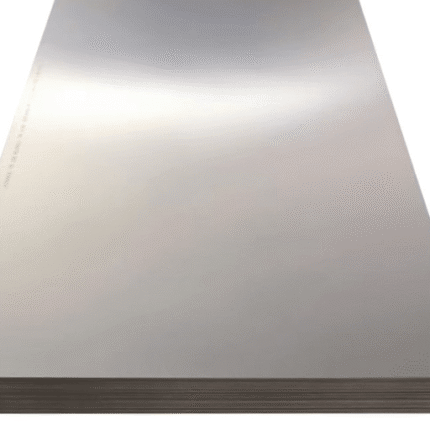
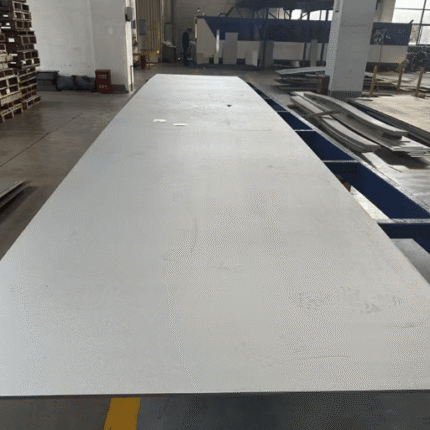
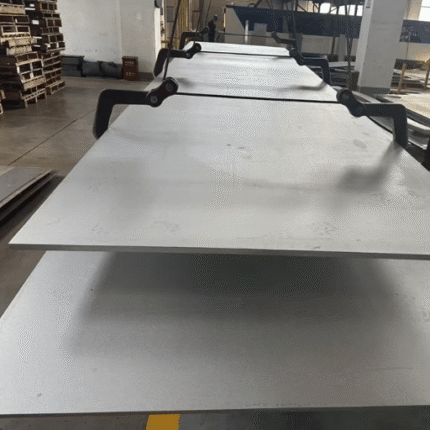
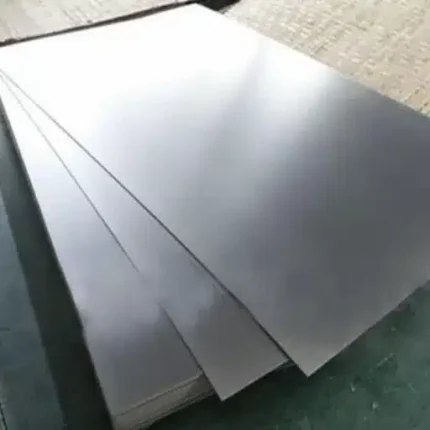
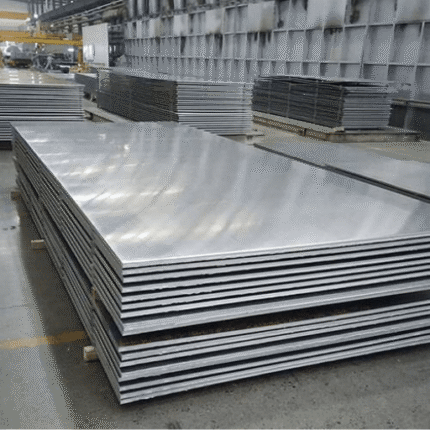
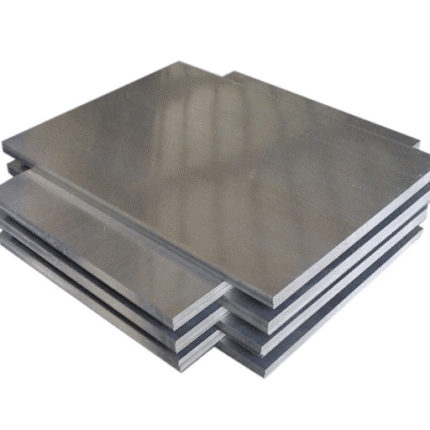
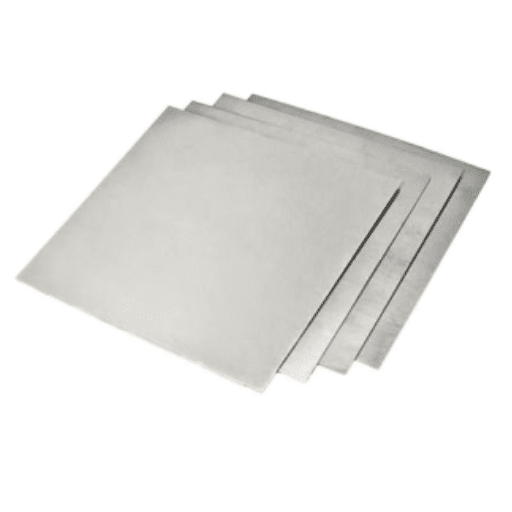
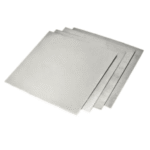
Inconel 601/690 Plates
These are flat, rolled products with exceptional thermal and structural stability. These plates exhibit impressive resistance to high-temperature environments and maintain mechanical strength under stress.

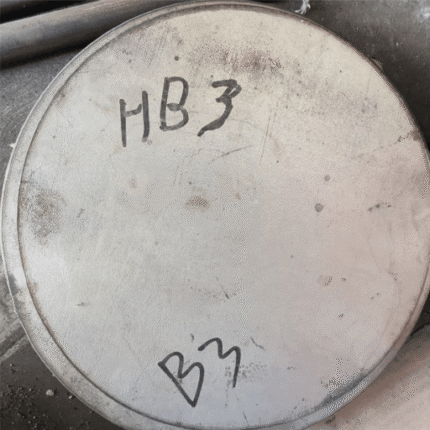
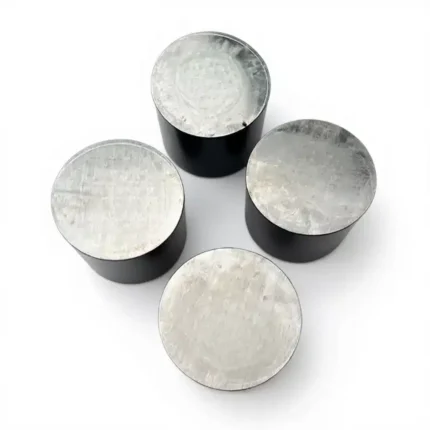
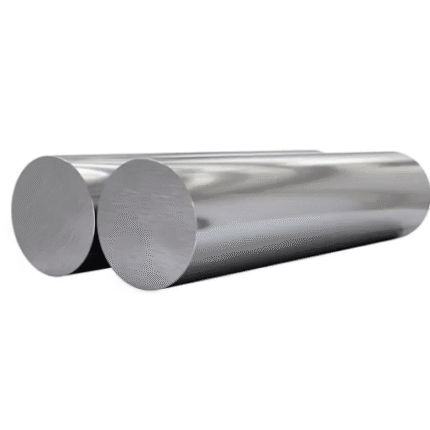
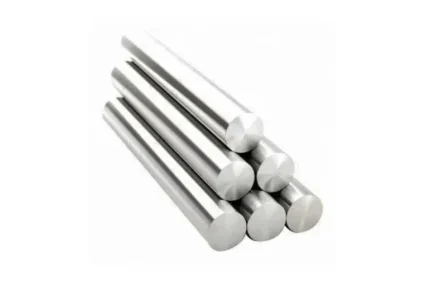
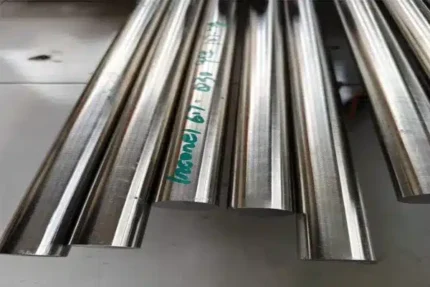
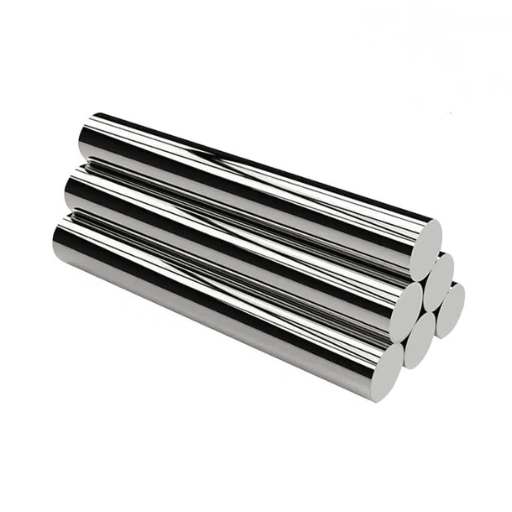
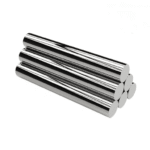
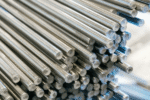
Inconel 601/690 Bars/Rods
Manufactured as solid cylindrical products, bars and rods provide high strength and corrosion resistance. They are highly versatile and suitable for further machining or forging.

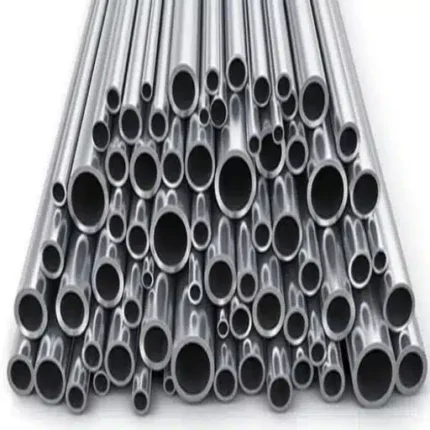
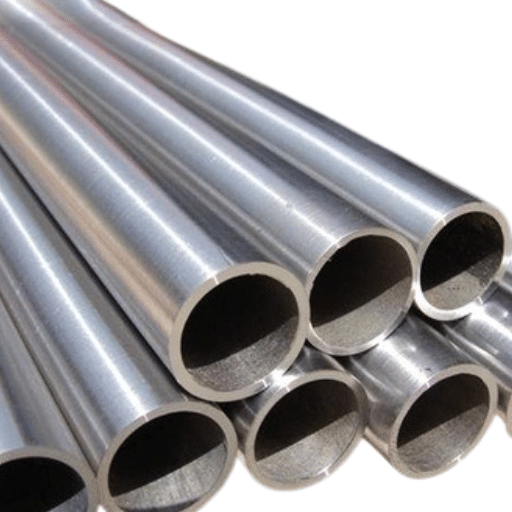
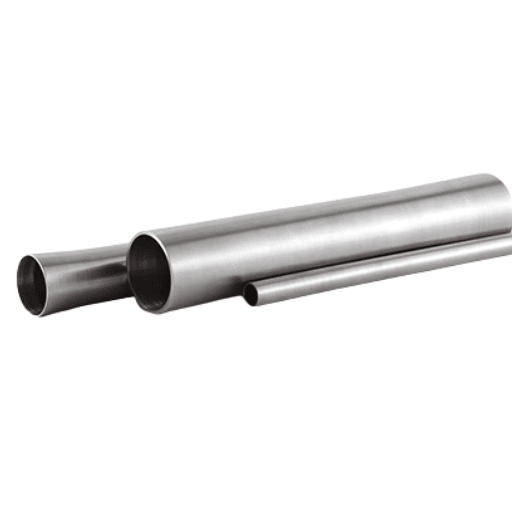
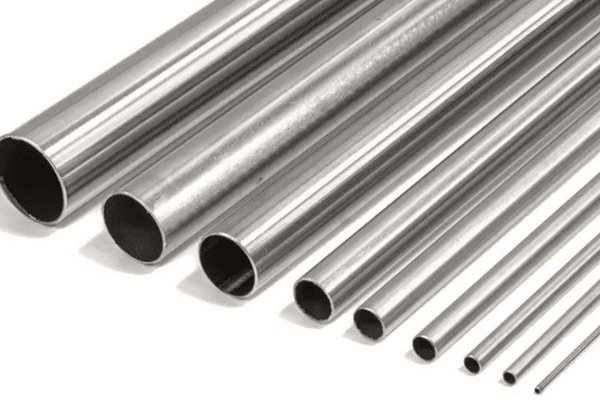
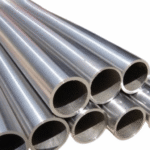
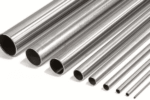
Inconel 601/690 Tubes
Seamless or welded, these tubes offer excellent oxidation resistance and can withstand extreme pressure and temperature.

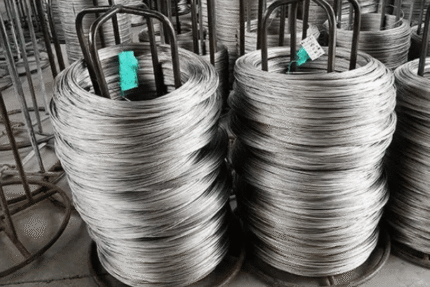
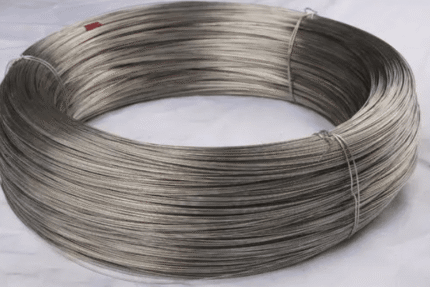
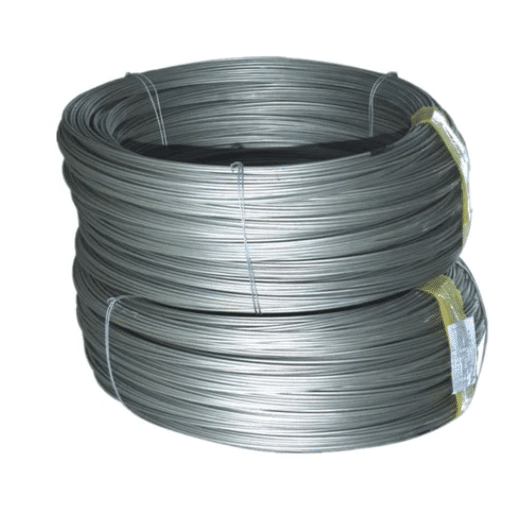
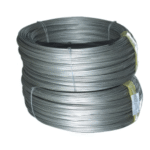
Inconel 601/690 Wire
Thin and highly durable, these wires exhibit superb tensile strength and resistance to environmental and chemical damage.
Complete Technical Data Sheet for Inconel 601/690
| Element | Content (%) | Notes |
|---|---|---|
| Nickel (Ni) | 58.0 – 63.0 | Primary base element |
| Chromium (Cr) | 21.0 – 25.0 | Provides oxidation resistance |
| Iron (Fe) | Remainder (max 14%) | Balances strength and workability |
| Aluminum (Al) | 1.0 – 1.7 | Enhances oxidation resistance |
| Carbon (C) | ≤ 0.1 | Affects tensile strength |
| Silicon (Si) | ≤ 0.5 | Improves high-temperature stability |
| Manganese (Mn) | ≤ 1.0 | Enhances durability |
| Sulfur (S) | ≤ 0.015 | Impurities kept at minimum |
| Copper (Cu) | ≤ 0.5 | Limited for improved corrosion |
| Titanium (Ti) | ≤ 0.1 | Refines microstructure |
| Property | Value | Notes |
|---|---|---|
| Tensile Strength | 550 – 870 MPa | Varies with thermal treatment |
| Yield Strength | ≥240 MPa | High level of durability |
| Elongation (percentage) | 30 – 45% | Indicates excellent ductility |
| Hardness (Brinell) | ~170 HB | Moderate hardness levels |
| Fatigue Strength | ~180 MPa | Good fatigue resistance |
| Impact Toughness (Charpy) | ≥100 J | Retains properties at low temperatures |
| Creep Resistance | Superior at high temperatures | Sustains prolonged loading |
| Modulus of Elasticity | 206 GPa (approx.) | High rigidity and strength |
| Poisson’s Ratio | 0.3 | Reflects mechanical stability |
| Thermal Expansion | Maintains stability at temperature | Suitable across wide ranges |
| | ||
|---|---|---|
| Property | Value | Notes |
| Density | 8.11 g/cm³ | Reflects higher toughness |
| Melting Point | 1343 – 1377 °C | Exceptional for high-temp use |
| Electrical Conductivity | ~1.15 × 10⁶ S/m | Moderate conductivity levels |
| Thermal Conductivity | 13.3 W/m·K | Performance aids across systems |
| Specific Heat Capacity | 0.486 J/g·°C | Handles dynamic transitions |
| Magnetic Properties | Non-magnetic | Useful in electric systems |
| Oxidation Resistance | High at elevated temperatures | Ideal for industrial settings |
| Corrosion Resistance | Superior in aqueous/marine | High-performance material |
| Coefficient of Expansion | 13 – 15 µm/m·K (avg) | Stable thermal environment |
| Microstructure Refinement | Maintained | Supports longer lifespans |
| Standard/Grade System | Specification/Grade | Notes |
|---|---|---|
| ASTM | ASTM B168 | Standard for Nickel Alloys |
| UNS | N06601/N06690 | Unified Numbering System |
| ISO | Alloy 2.4851/2.4642 | International Standards |
| SAE | AMS 5878/5540 | Used in aerospace sectors |
| DIN | Werkstoff 2.4851/2.4642 | German specific equivalent |
| EN (Europe) | Alloy NCrNi23601 | Mechanical flexibility focus |
| JIS (Japan) | NCF 601/690 | Japanese equivalent |
| GB (China) | NS 1106 | Standard use specification |
| GOST (Russia) | XH78T/N-70 | Corrosion resistant alloy |
| BS | BS NiCr 601 | British specified alloy |
Inconel 601: Key Features and Uses

Inconel 601 Overview
Inconel 601, designated as UNS N06601, is a nickel-chromium alloy renowned for its exceptional oxidation resistance at high temperatures. This high-quality nickel alloy exhibits very good resistance to carbonization and performs excellently in sulfur-containing environments. Thanks to its controlled carbon content and grain size, Inconel 601 maintains its outstanding mechanical properties at both room and elevated temperatures. As a general-purpose engineering material, it is indispensable for applications requiring robust heat and corrosion resistance.
Mechanical Properties of Inconel 601
The mechanical properties of Inconel 601 are notable for their high creep fracture strength, making it the recommended choice for applications exceeding 500°C. This nickel alloy is not only resistant to aqueous corrosion but also boasts high mechanical strength. Its adaptability is further enhanced by its ease of forming, machining, and welding. These attributes ensure that Inconel 601 remains a preferred option in demanding environments where conventional materials might fail.


Welding and Fabrication Techniques
Welding and fabrication of Inconel 601 demand specialized techniques to maintain its high-quality characteristics. The alloy’s ability to withstand high temperatures and corrosive conditions makes it suitable for complex fabrication processes. Utilizing advanced welding techniques ensures that the mechanical properties of the alloy are preserved. Strict quality control during the manufacturing process guarantees that Inconel 601 meets the rigorous demands of industries like chemical processing and power generation.
Inconel 690 and Its Importance
Composition and Alloy Characteristics
Inconel 690, identified as UNS N06690, is a high-chromium nickel alloy renowned for its exceptional resistance to corrosive environments and high-temperature atmospheres. The alloy’s substantial chromium content, coupled with its high nickel base, ensures robust mechanical properties and excellent metallurgical stability. Inconel 690’s favorable fabrication characteristics make it a preferred choice in industries that require materials capable of withstanding extreme conditions without compromising on performance or durability.
Resistance to Corrosion and Oxidation
The remarkable corrosion resistance of Inconel 690 is attributed to its high chromium content, which provides outstanding resistance to oxidizing chemicals and high-temperature oxidizing gases. The nickel component of this alloy offers resilience against stress-corrosion cracking, especially in chloride-containing environments, and in sodium hydroxide solutions. This dual resistance makes Inconel 690 a suitable choice for applications demanding excellent resistance to both corrosion and oxidation.
Applications of Inconel 690 and 718
Inconel 690 is extensively used in industries such as chemical processing and power generation, where its corrosion resistance and high-temperature capabilities are indispensable. On the other hand, Inconel 718, another high-quality nickel-chromium alloy, is employed in aerospace and gas turbine industries due to its high strength and resistance to extreme temperatures. These alloys are integral to applications requiring materials that can endure harsh operating conditions and maintain structural integrity.
What Our Clients Say
“Inconel 601 has been a game changer in our high-temperature applications. Its exceptional oxidation and corrosion resistance ensure long-term reliability, even in harsh industrial environments.”

Thomas Weaver
Mechanical Engineer
“Inconel 690’s superior stress corrosion cracking resistance made it the ideal choice for our project. Its performance exceeded expectations, ensuring safety and durability under extreme operational conditions.”

Sophia Martinez
Aerospace Materials Specialist
Our Latest Blogs

Alloy 625 Severe Sour Gas Service: Complete Guide
Alloy 625 is the default nickel-based alloy for severe sour gas service, qualified under NACE MR0175/ISO 15156 for all H2S…

Super 13Cr Stainless Steel: CO2 & Sour Service Guide
Super 13Cr stainless steel is a low-carbon, nickel- and molybdenum-strengthened martensitic grade (UNS S41425, S41426, S41427) built to outlast conventional…

Inconel 718 vs 725 vs 925: The Complete Selection Guide
Inconel 718, 725, and 925 are all age-hardenable nickel alloys, but each is built for a different job. Choose Inconel…

Duplex Stainless Steel Sour Service: 2205 vs 2507 Limits
Yes, duplex stainless steel sour service is practical and proven, but only within defined NACE MR0175/ISO 15156 limits. Standard duplex…

What Is Sour Service? H2S Environments Explained
Sour service is oil and gas equipment exposure to hydrogen sulfide (H2S) that can crack steel and other alloys. Under…

Sulfide Stress Cracking: Hardness Limits & Prevention
Sulfide stress cracking (SSC) is a form of hydrogen embrittlement that occurs when high-hardness steel under tensile stress is exposed…

NACE MR0175/ISO 15156 Explained: Sour Service Guide
NACE MR0175/ISO 15156 is the international standard that governs metallic materials for oil and gas production environments containing hydrogen sulfide…

How to Select Corrosion-Resistant Alloys for Sour Service
To select a corrosion-resistant alloy for sour service, characterize the environment first, classify sour severity by H2S partial pressure, screen…
Frequently Asked Questions
What are the key characteristics of Nickel-Based Superalloy Inconel 601 and 690?
Nickel-based superalloyInconel 601 and 690 are renowned for their exceptional resistance to oxidation, corrosion, and high-temperature environments. They also provide excellent mechanical properties and metallurgical stability under severe operating conditions.
How does the temperature limit of these alloys make them suitable for industrial applications?
Both alloys demonstrate outstanding performance at high temperature limits, making them ideal for use in industries such as aerospace, chemical processing, and power generation where extreme heat resistance is critical.
Are these alloys resistant to stress corrosion cracking?
Yes, the alloys exhibit remarkable resistance to stress corrosion cracking, especially in high-temperature, acidic, or chloride-rich environments, ensuring long-lasting durability for critical components.
What industries benefit the most from using Inconel 601 and 690?
Key industries include aerospace, petrochemical, and nuclear sectors, leveraging the alloys’ heat and corrosion resistance for turbine components, heat exchangers, and reactors.
Can you provide custom fabrication services for components made from these alloys?
Yes, we specialize in offering tailored services, including cutting, machining, and forming of components from Inconel 601 and 690 to meet precise customer requirements and specifications.
How is the weldability of these alloys, and can you assist with welding services?
Both alloys exhibit excellent weldability with proper techniques. Our team provides expert welding services to ensure high-quality, reliable joint performance in fabricated components.
What makes these materials preferable over conventional stainless steel?
Compared to stainless steel, Inconel 601 and 690 offer superior heat resistance, enhanced corrosion properties, and longer operational life in demanding environments, reducing the need for frequent maintenance and replacement.
Do you offer consulting services for material selection and performance optimization?
Absolutely! Our team of experts can assist customers in selecting the right grade of Nickel-Based Superalloy for specific applications and provide guidance on optimizing performance and lifecycle costs.
Shipping and Delivery