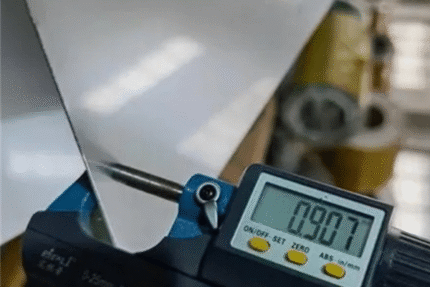
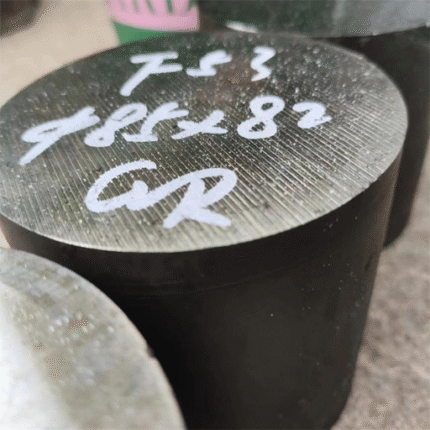
High Standard Stainless Steel With Strict Inspection




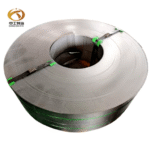
310/310S Stainless
Complete Technical Data Sheet for 310/310S Stainless Steel Chemical Composition Mechanical Properties Physical Properties International Standards & Grade Equivalents Key Applications of 310/310S Stainless Steel High-Temperature Industrial Furnaces 310/310S stainless steel is extensively used in the construction of industrial furnaces and heat treatment equipment. Its outstanding oxidation resistance and strength at elevated temperatures make it […]
Description

Explore Our Versatile Grade 310/310S Stainless Steel Product Categories

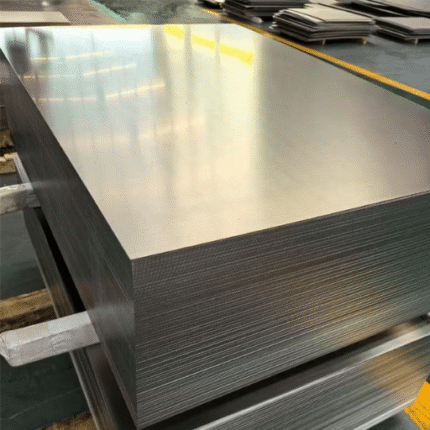
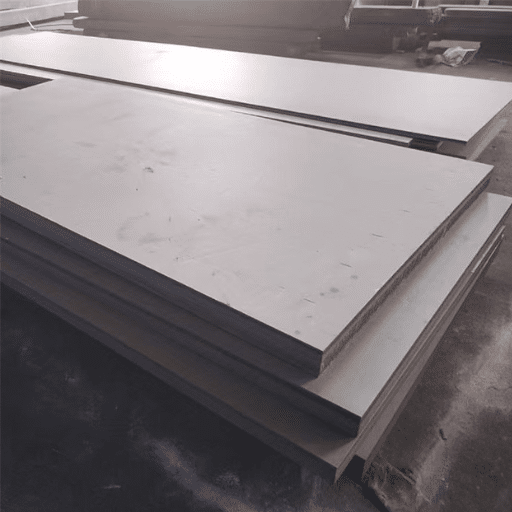
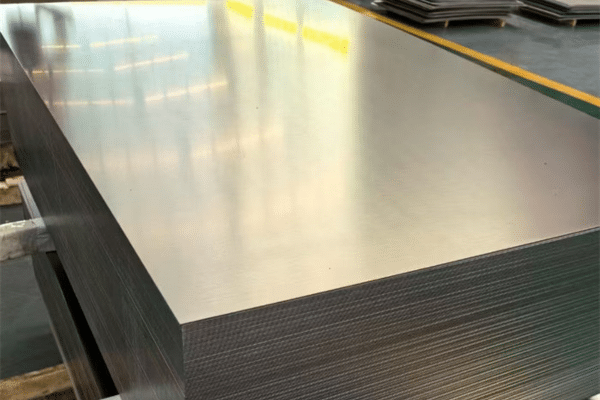
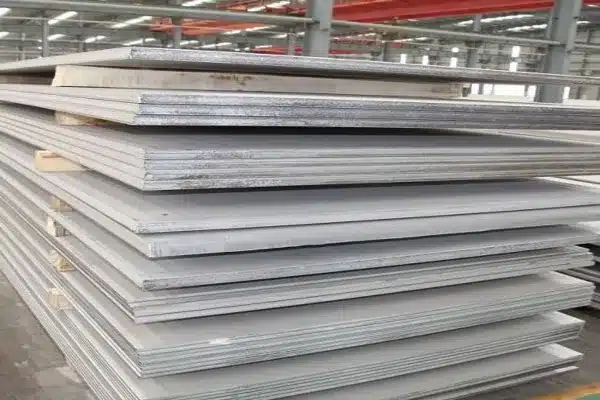
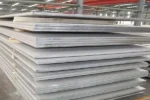
Stainless Steel Plates
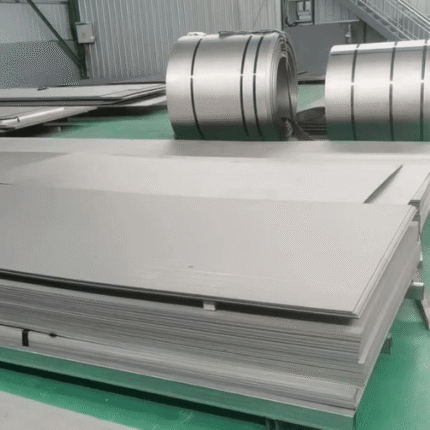
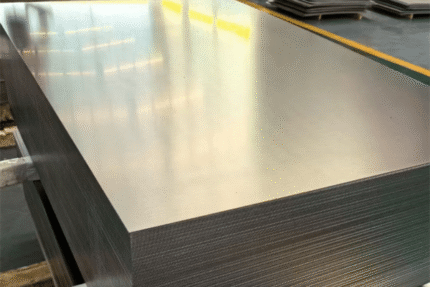
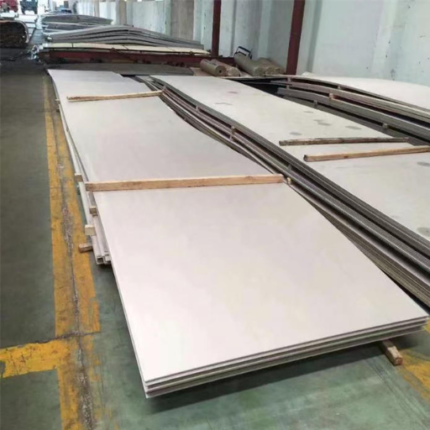
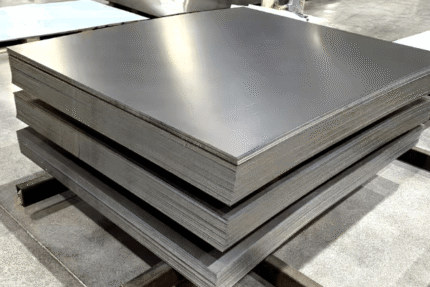
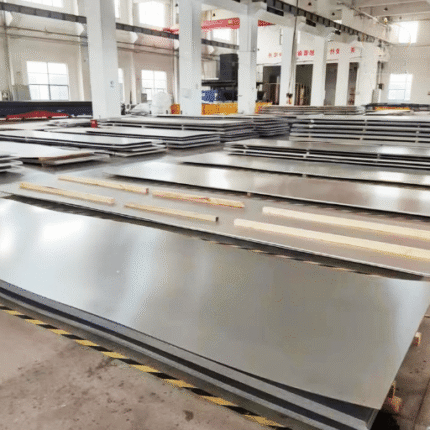
Grade 310/310S stainless steel plates are available in various thicknesses and dimensions, providing structural reliability for demanding applications. They are commonly used in construction, furnace linings, and thermal processing equipment due to their outstanding strength and resistance to high-temperature oxidation.

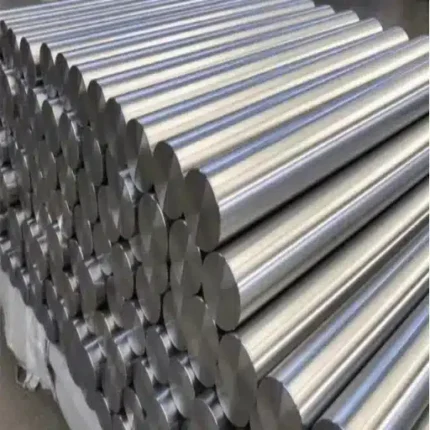
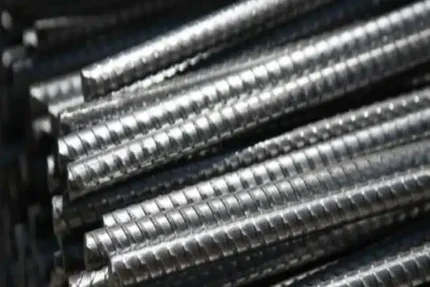
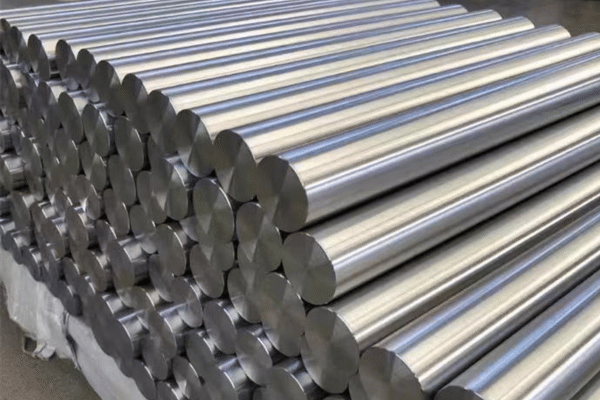
Stainless Steel Bars/Rods
Our 310/310S stainless steel bars and rods offer excellent mechanical properties and high-temperature stability. Ideal for shafts, fasteners, and structural frameworks in chemical processing and power generation, these precision-ground products ensure reliable performance under extreme conditions.

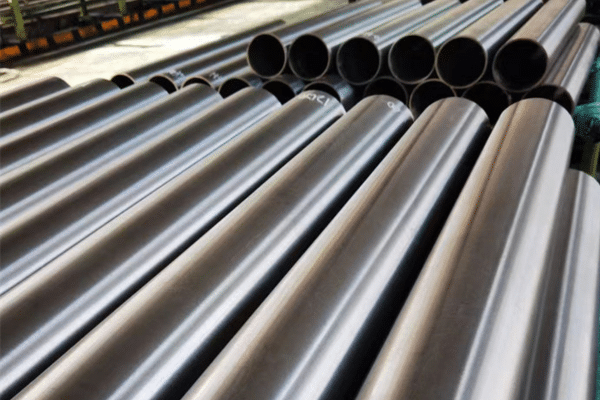
Stainless Steel Tubes/Pipes
310/310S stainless steel tubes and pipes are engineered for optimal performance in high-temperature and corrosive environments. They are widely utilized for heat exchangers, boiler tubes, and exhaust systems where consistent dimensional accuracy and long service life are essential.

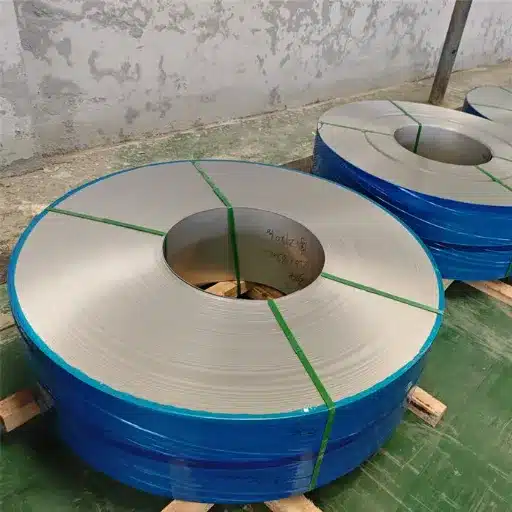
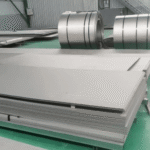
Stainless Steel Coils
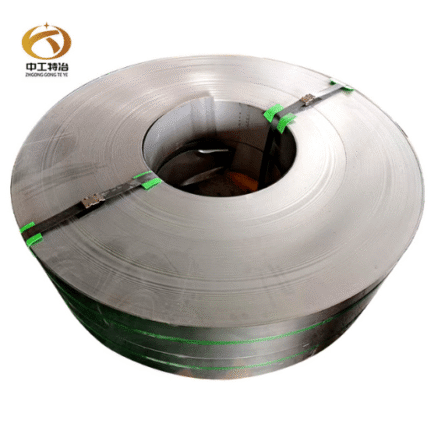
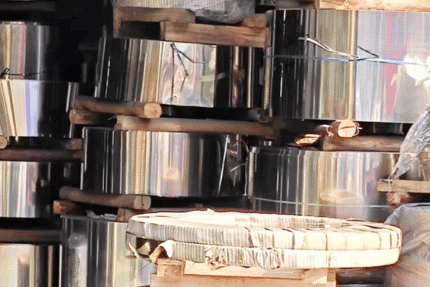
Our coils made from Grade 310/310S are designed for versatility in fabrication processes, including stamping, forming, and machining. These coils are used in manufacturing components requiring superior corrosion resistance and high thermal stability, suiting a broad spectrum of industrial applications.

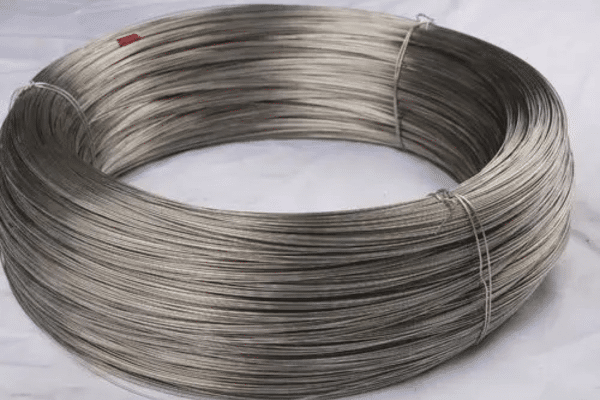
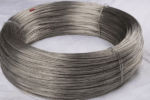
Stainless Steel Wire
310/310S stainless steel wire features a combination of remarkable toughness and resistance to scaling, making it highly suitable for heating elements, wire mesh belts, and springs. Its excellent stability at elevated temperatures ensures lasting durability and exceptional dependability in high-stress applications.

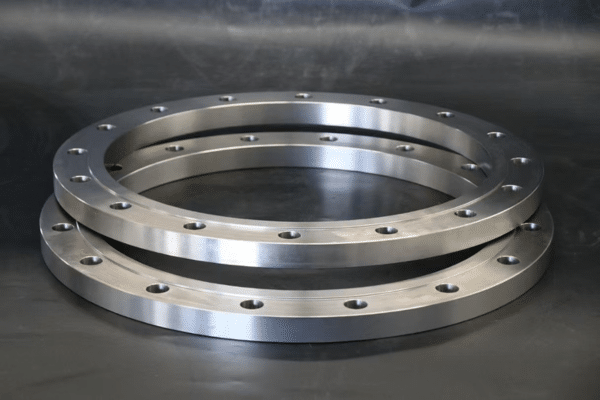
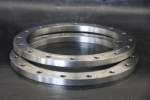
Stainless Steel Forgings
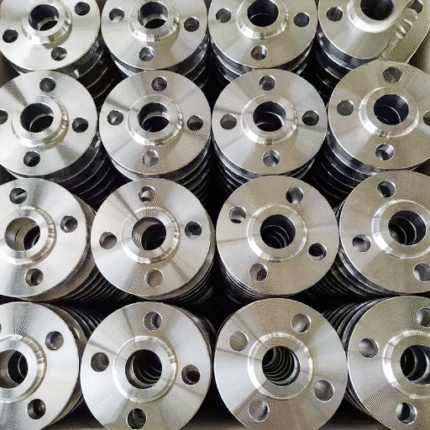
Forgings in Grade 310/310S deliver exceptional strength and toughness for use in valves, flanges, and custom-engineered components exposed to thermal cycling. Each forging is produced to stringent quality standards to meet critical performance requirements in both standard and custom configurations.
Complete Technical Data Sheet for 310/310S Stainless Steel
| Element | Weight % (310) | Weight % (310S) |
|---|---|---|
| Carbon (C) | 0.25 max | 0.08 max |
| Manganese (Mn) | 2.00 max | 2.00 max |
| Silicon (Si) | 1.00 max | 1.00 max |
| Chromium (Cr) | 24.00-26.00 | 24.00-26.00 |
| Nickel (Ni) | 19.00-22.00 | 19.00-22.00 |
| Molybdenum (Mo) | 0.75 max | 0.75 max |
| Phosphorus (P) | 0.045 max | 0.045 max |
| Sulfur (S) | 0.030 max | 0.030 max |
| Iron (Fe) | Balance | Balance |
| Property | 310 Stainless Steel | 310s Stainless Steel |
|---|---|---|
| Tensile Strength (MPa) | 515 | 520 |
| Yield Strength (MPa) | 205 | 210 |
| Elongation (%) | 40 | 35 |
| Hardness (HB) | 210 | 200 |
| Modulus of Elasticity (GPa) | 193 | 200 |
| Thermal Conductivity (W/m·K) | 16.2 | 15.5 |
| Specific Heat (J/kg·K) | 500 | 490 |
| Density (g/cm³) | 8 | 8 |
| Nickel Content (%) | 19-22 | 19-22 |
| Chromium Content (%) | 24-26 | 24-26 |
| Property | Value |
|---|---|
| Density | 8.0 g/cm³ |
| Tensile Strength | 515 MPa |
| Yield Strength | 205 MPa |
| Elongation | 40% |
| Hardness | HRB 90 |
| Thermal Conductivity | 16.2 W/m·K |
| Electrical Resistivity | 0.72 μΩ·m |
| Melting Point | 1400-1450 °C |
| Corrosion Resistance | Excellent |
| Oxidation Resistance | High |
| Nickel Content | 8-10% |
| Chromium Content | 19-22% |
| Carbon Content | 0.08% max |
| Applications | High temperature, petrochemical, furnace |
| Form | Plate, sheet, bar, pipe |
| Specifications | AISI 310, AISI 310S, UNS S31008 |
| International Standards | Grade Equivalents |
|---|---|
| AISI 310 | UNS S31000 |
| AISI 310S | UNS S31008 |
| AISI 310H | UNS S31009 |
| EN 1.4845 | Grade 310S Stainless Steel |
| EN 1.4846 | Grade 310H Stainless Steel |
| ASTM A240 | Alloy 310S |
| ASTM A312 | 310 Stainless Steel Pipe |
| ASTM Austenitic | 310 and 310S |
Benefits of Using 310/310S Stainless

Exceptional High-Temperature Performance
310/310S stainless steel is engineered to maintain its mechanical integrity and strength even when exposed to temperatures as high as 2000°F (1093°C). This extraordinary thermal stability allows it to outperform many standard austenitic alloys in severe environments, ensuring that components retain dimensional accuracy and resist deformation under cyclic and prolonged heat exposure. For industries such as heat treatment, petrochemical processing, and power generation, this level of high-temperature performance translates directly into increased safety, operational efficiency, and reduced downtime due to material failure.
Superior Oxidation and Corrosion Resistance
One of the most significant advantages of 310/310S stainless steel is its outstanding resistance to oxidation and corrosion in challenging atmospheres. The alloy’s high chromium and nickel content forms a robust, protective oxide layer, safeguarding critical equipment from scaling and chemical attack. This protection remains effective even under fluctuating temperature cycles and in the presence of moderately carburizing or sulfidizing gases, ensuring long-term reliability. As a result, components fabricated from 310/310S require less frequent maintenance and offer extended service lifespans in demanding settings.


Versatile Fabrication and Weldability
310/310S stainless steel provides excellent formability and weldability, making it suitable for a wide array of manufacturing processes and complex component designs. Its low carbon content in the 310S variant helps prevent carbide precipitation during welding, reducing the risk of sensitization and intergranular corrosion. This alloy can be readily fabricated into plates, tubes, rods, and custom shapes, streamlining production processes and offering manufacturers greater flexibility to meet tailored specifications without compromising material integrity or performance.
Proven Reliability Across Critical Industries
Engineered for uncompromising reliability, 310/310S stainless steel has established a strong reputation across diverse sectors including aerospace, energy, chemical processing, and food production. Its consistent performance in hostile environments—characterized by thermal cycling, corrosive agents, and mechanical stress—provides engineers and procurement specialists with confidence in the material’s suitability for mission-critical applications. Choosing 310/310S ensures operational continuity and long-term cost savings due to reduced failure rates, lower maintenance needs, and minimal replacements.

Key Applications of 310/310S Stainless Steel
High-Temperature Industrial Furnaces
310/310S stainless steel is extensively used in the construction of industrial furnaces and heat treatment equipment. Its outstanding oxidation resistance and strength at elevated temperatures make it ideal for components such as furnace linings, retorts, and radiant tubes that must withstand prolonged thermal cycling without degradation.
Chemical and Petrochemical Processing Environments
The alloy’s excellent resistance to sulfidation, carburization, and corrosive atmospheres makes it suitable for chemical and petrochemical plants. Common applications include heat exchangers, steam boilers, and flue gas components, where materials must endure aggressive agents and fluctuating operational conditions.
Power Generation and Thermal Processing
Engineers in the power generation sector rely on 310/310S stainless steel for parts exposed to extreme thermal and mechanical stresses. The material’s superior creep resistance and structural stability help ensure the durability and safety of equipment such as coal combustor components, burner assemblies, and superheater tubes.
What Our Clients Say
“Our facility requires materials that perform reliably under relentless thermal cycling and corrosive atmospheres. The 310/310S stainless steel provided has consistently exceeded our expectations for durability and stability, resulting in a measurable reduction in downtime and maintenance costs.”

Emily Zhang
Senior Process Engineer
“Selecting 310/310S stainless steel has been a key factor in optimizing our high-temperature processes. The material’s consistent quality and technical support have enabled us to meet stringent industry standards, contributing directly to enhanced operational efficiency and product integrity.”

Michael Foster
Plant Operations Manager
Our Latest Blogs

Alloy 625 Severe Sour Gas Service: Complete Guide
Alloy 625 is the default nickel-based alloy for severe sour gas service, qualified under NACE MR0175/ISO 15156 for all H2S…

Super 13Cr Stainless Steel: CO2 & Sour Service Guide
Super 13Cr stainless steel is a low-carbon, nickel- and molybdenum-strengthened martensitic grade (UNS S41425, S41426, S41427) built to outlast conventional…

Inconel 718 vs 725 vs 925: The Complete Selection Guide
Inconel 718, 725, and 925 are all age-hardenable nickel alloys, but each is built for a different job. Choose Inconel…

Duplex Stainless Steel Sour Service: 2205 vs 2507 Limits
Yes, duplex stainless steel sour service is practical and proven, but only within defined NACE MR0175/ISO 15156 limits. Standard duplex…

What Is Sour Service? H2S Environments Explained
Sour service is oil and gas equipment exposure to hydrogen sulfide (H2S) that can crack steel and other alloys. Under…

Sulfide Stress Cracking: Hardness Limits & Prevention
Sulfide stress cracking (SSC) is a form of hydrogen embrittlement that occurs when high-hardness steel under tensile stress is exposed…

NACE MR0175/ISO 15156 Explained: Sour Service Guide
NACE MR0175/ISO 15156 is the international standard that governs metallic materials for oil and gas production environments containing hydrogen sulfide…

How to Select Corrosion-Resistant Alloys for Sour Service
To select a corrosion-resistant alloy for sour service, characterize the environment first, classify sour severity by H2S partial pressure, screen…
Frequently Asked Questions
What is 310/310S stainless steel and how does it differ from other stainless steel grades?
310/310S stainless steel is an austenitic, heat-resistant alloy engineered for high-temperature applications. Its distinct composition, featuring elevated chromium and nickel content, imparts superior oxidation and corrosion resistance compared to most other stainless steels. The 310S variant contains lower carbon, reducing the risk of sensitization, making it especially suitable for welding operations.
How does the cost of 310/310S stainless steel compare to other high-temperature alloys?
While 310/310S stainless steel is generally more expensive than standard austenitic grades such as 304 or 316, its exceptional performance at elevated temperatures justifies the investment. When compared to specialized nickel-based alloys, 310/310S offers a cost-effective solution with reliable resistance to thermal and chemical stresses.
What are the primary applications for 310/310S stainless steel?
This alloy is chosen for environments involving extreme heat and corrosion. Common applications include furnace components, heat exchangers, thermal processing equipment, petrochemical plant hardware, kiln liners, and high-temperature fixtures within power generation installations.
What is the maximum operating temperature for 310/310S stainless steel?
310/310S stainless steel offers excellent oxidation resistance in continuous service up to 2000°F (1093°C) under mildly cyclic conditions. Its strength and structural integrity remain consistent within this temperature range, making it a trusted material for demanding thermal environments.
How does 310/310S stainless steel perform under corrosive environments?
This alloy demonstrates robust resistance to oxidation, sulfidation, and carburizing atmospheres. While highly effective in moderately carburizing environments, it is not recommended for highly reducing or extremely sulfidizing settings unless additional protective measures are implemented.
Can 310/310S stainless steel be welded, and if so, what techniques are recommended?
Yes, both 310 and 310S grades are readily weldable using standard fusion and resistance techniques. The 310S variant, with its lower carbon content, minimizes the formation of chromium carbides that can cause intergranular corrosion. Post-weld annealing is generally not required for 310S, further enhancing fabrication efficiency.
What forms and sizes are available for 310/310S stainless steel products?
310/310S stainless steel is available in a wide range of product forms, including plates, bars/rods, tubes/pipes, coils, wire, and forgings. Custom sizes, lengths, and surface finishes can be supplied to meet specific project requirements, supporting both standardized and bespoke industrial applications.
Is 310/310S stainless steel suitable for cryogenic applications?
310/310S stainless steel maintains good ductility and toughness at sub-zero temperatures, making it suitable for some cryogenic applications. Users should consult technical datasheets for specific mechanical performance characteristics under cryogenic conditions.
Shipping and Delivery