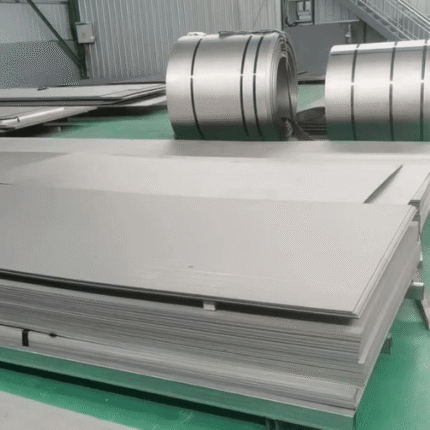
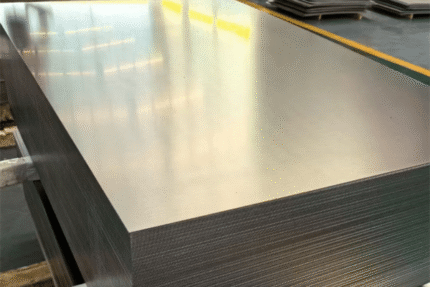
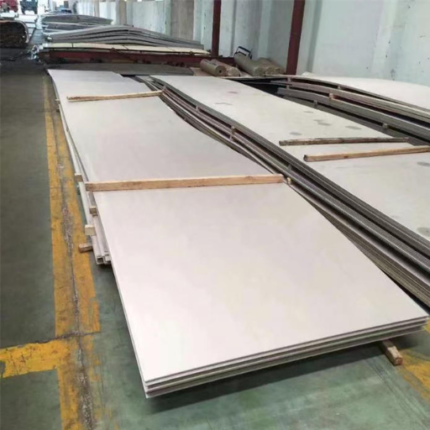
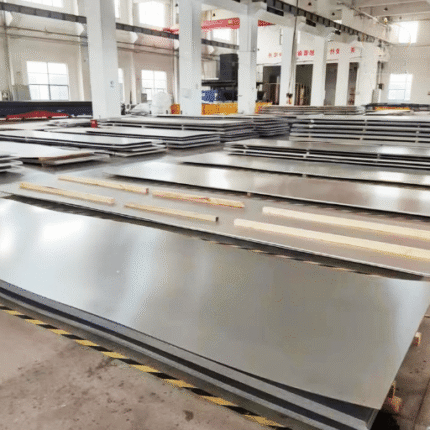
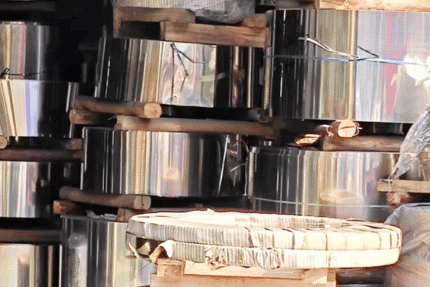
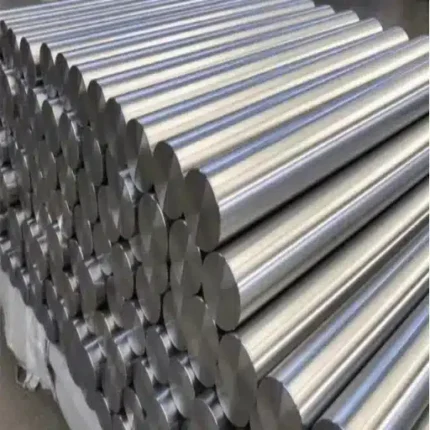
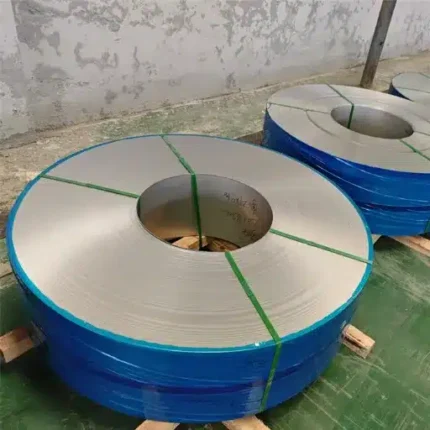
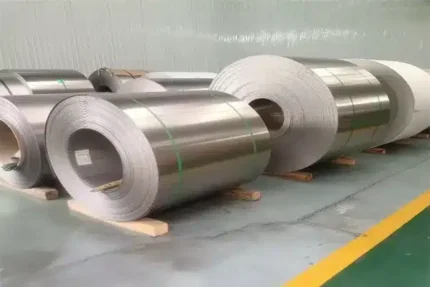
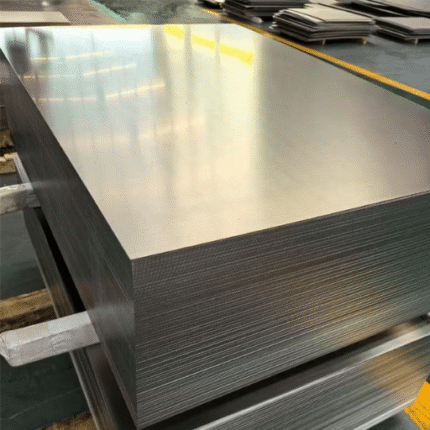
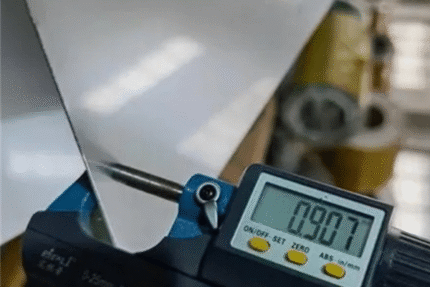
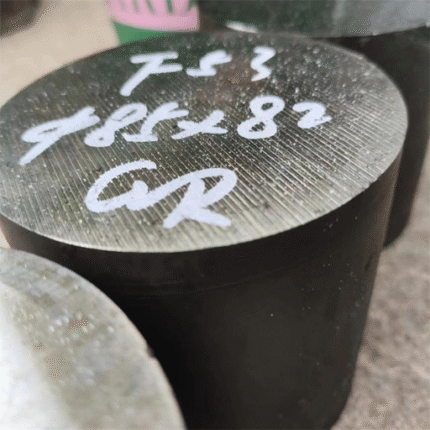
High Standard Stainless Steel With Strict Inspection


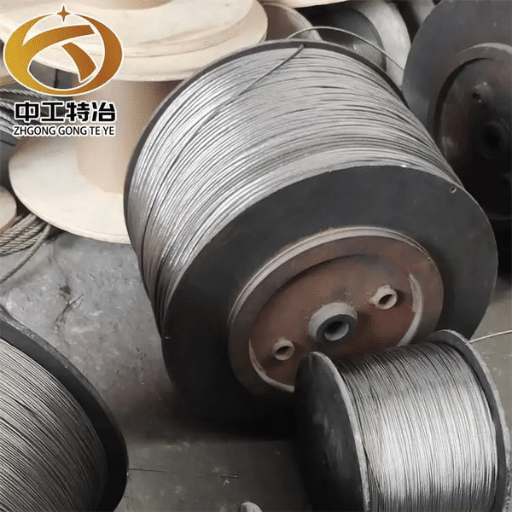
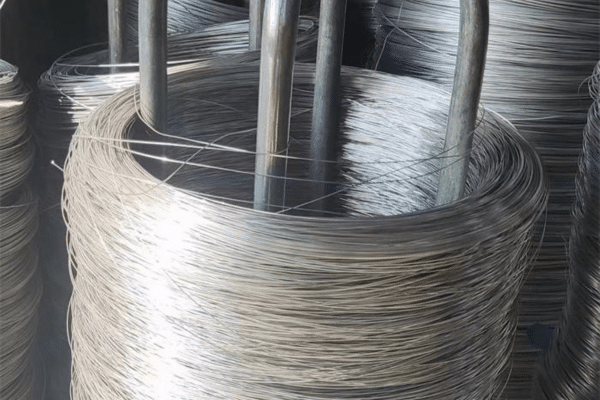
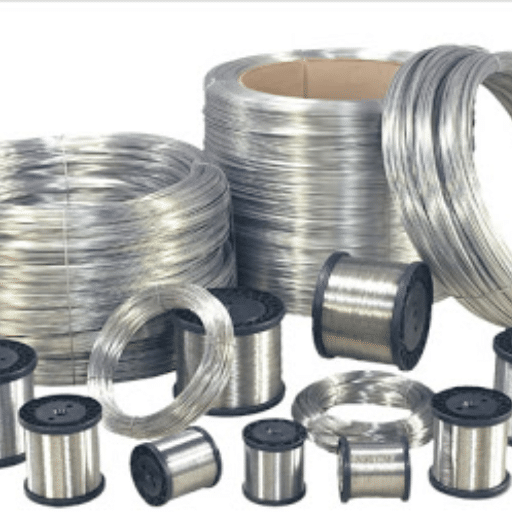
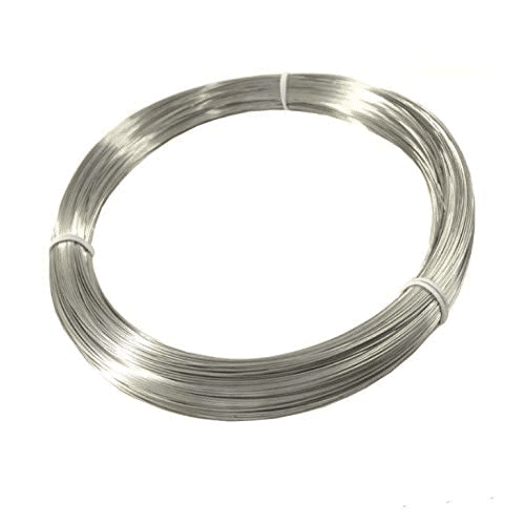
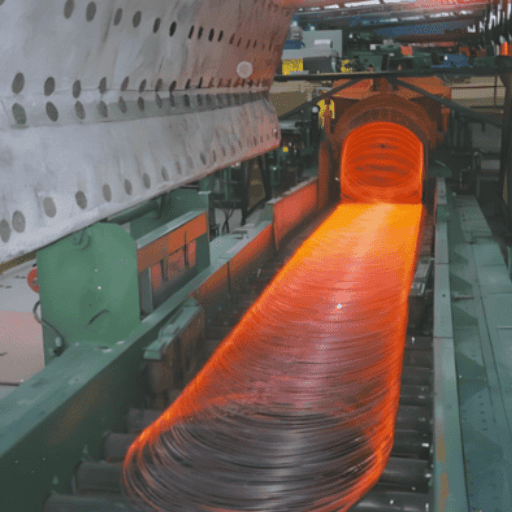
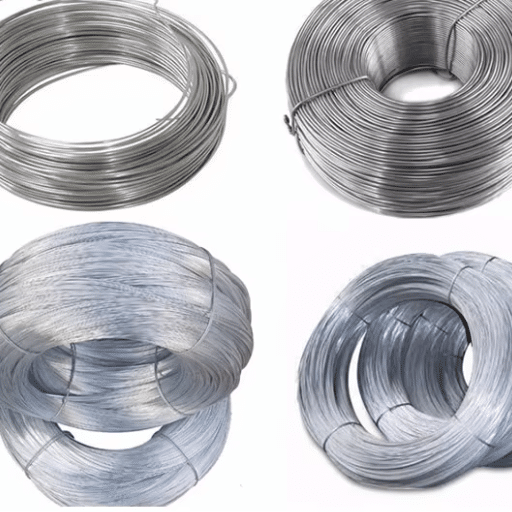
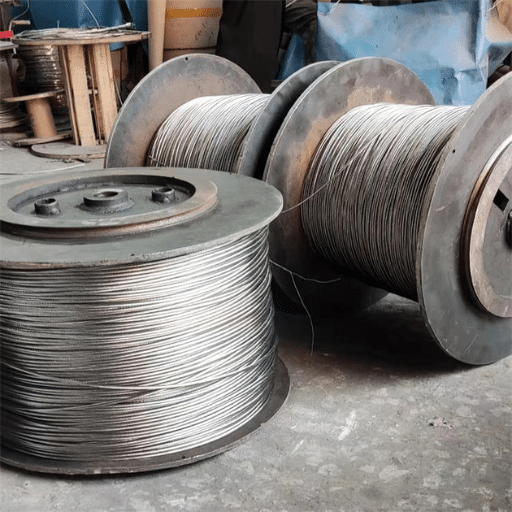

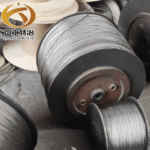
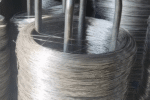
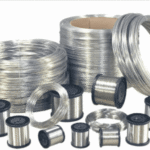
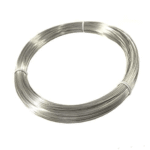
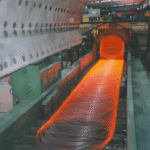
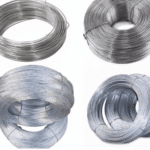
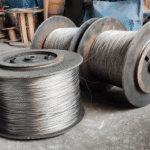

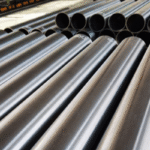
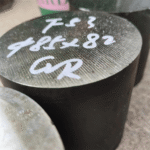
Stainless Steel Wire
Material Selection We source only premium-grade stainless steel from certified mills with full traceability. Every batch undergoes chemical composition verification to ensure it meets exact specifications. Wire Drawing Advanced multi-stage drawing processes reduce diameter while maintaining molecular integrity. Precision dies ensure tight tolerances and consistent diameter throughout the entire length. Heat Treatment Controlled annealing and […]
Description


Understanding Stainless Steel Wire Solution
In demanding industrial environments, standard wire solutions often fall short. Here are the most common problems our customers face before switching to stainless steel wire:
Frequent Wire Failures: Standard galvanized steel wires rust and deteriorate within 2-3 years in harsh environments. This leads to unexpected equipment downtime, costly emergency repairs, and potential safety hazards that put your operations and personnel at risk.
High Replacement Costs: Replacing nylon ties or standard steel wiring every few years creates a hidden drain on your maintenance budget. When you factor in labor costs, equipment downtime, and material expenses, you could be spending 87% more than necessary over a 20-year period.
Extreme Environmental Conditions: Marine applications, chemical processing plants, and high-temperature environments demand materials that can withstand saltwater corrosion, chemical exposure, UV radiation, and temperature extremes from -60°C to 800°C. Standard materials simply can’t handle these conditions.
Our premium stainless steel wire eliminates these problems with superior engineering, proven performance, and industry-leading quality standards.
Complete Technical Specifications
We offer the most comprehensive selection of stainless steel wire products to meet your exact requirements.
Available Grades
304 – General-purpose, excellent corrosion304L – Low carbon, superior weldability316 – Enhanced corrosion resistance, marine grade
316L – Low carbon marine grade321 – High temperature applications430 – Magnetic, lower cost alternative
Diameter Options
Micro Wire: 0.0030″ – 0.020″ (0.076mm – 0.51mm)Fine Wire: 0.021″ – 0.062″ (0.53mm – 1.57mm)Medium Wire: 0.063″ – 0.125″ (1.60mm – 3.18mm)
Heavy Wire: 0.126″ – 0.250″ (3.20mm – 6.35mm)Extra Heavy: 0.251″ – 0.375″ (6.38mm – 9.53mm)Tolerance: ±0.0005″ on diameter
Surface Finishes
Bright Annealed – Mirror-like finishMatte Finish – Non-reflective surfaceElectropolished (EPQ) – Ultra-clean, biocompatible
Pickled & Passivated – Enhanced corrosion As-Drawn – Standard industrial finishCoated – PTFE, Nylon, or custom coatings
Stainless Steel Wire vs. Alternatives
| Performance Factor | Stainless Steel | Galvanized Steel | Nylon/Plastic |
|---|---|---|---|
| Corrosion Resistance | ✓ Excellent | ✗ Poor | ✗ Moderate |
| Lifespan | ✓ 15-20 years | ✗ 2-5 years | ✗ 1-3 years |
| Temperature Range | ✓ -60°C to 800°C | ✓ -40°C to 400°C | ✗ -20°C to 85°C |
| UV Resistance | ✓ Excellent | ✓Good | ✗ Degrades |
| Chemical Resistance | ✓Excellent | ✗ Poor | ✗ Variable |
| Tensile Strength | ✓Very High | ✓High | ✗ Low |
| Recyclability | ✓100% | ✓100% | ✗ Limited |
| Food/Medical Safe | ✓FDA Compliant | ✗ No | ✗ Some grades |
| Maintenance Required | ✓Minimal | ✗ Regular | ✗ Frequent |
| 20-Year Total Cost | ✓Lowest | ✗ High | ✗ Highest |
Our Manufacturing Process of Stainless Steel Wire
State-of-the-art manufacturing with rigorous quality control at every step ensures consistent, superior products.

Material Selection
We source only premium-grade stainless steel from certified mills with full traceability. Every batch undergoes chemical composition verification to ensure it meets exact specifications.

Wire Drawing
Advanced multi-stage drawing processes reduce diameter while maintaining molecular integrity. Precision dies ensure tight tolerances and consistent diameter throughout the entire length.

Heat Treatment
Controlled annealing and tempering processes optimize mechanical properties. Computer-monitored furnaces ensure precise temperature control for consistent results across every batch.

Surface Finishing
Multiple finishing options including bright annealing, electropolishing, and pickling. Each finish is carefully controlled to meet your aesthetic and functional requirements.
Our Stainless Steel Wire Quality Assurance & Testing
Our commitment to quality goes beyond certifications. Every product undergoes comprehensive testing to ensure it meets or exceeds your requirements.
Chemical Composition Analysis
Spectrographic analysis verifies the exact chemical composition of every batch:
- X-ray fluorescence (XRF) testing
- Optical emission spectrometry
- Carbon and sulfur analysis
- Verification against ASTM standards
- Full material test reports provided
Mechanical Property Testing
Comprehensive mechanical testing ensures performance reliability:
- Tensile strength and yield strength testing
- Elongation and reduction of area measurements
- Hardness testing (Rockwell, Vickers, Brinell)
- Bend test for ductility verification
- Fatigue testing for critical applications

Dimensional Verification
Precision measurement ensures exact specifications:
- Laser micrometers for diameter measurement
- Ovality and concentricity checks
- Surface finish measurement (Ra values)
- Length verification for cut pieces
- Statistical process control (SPC) monitoring
Surface Quality Inspection
Visual and automated inspection catches defects:
- Eddy current testing for surface defects
- Visual inspection under magnification
- Surface contamination testing
- Coating thickness measurement (when applicable)
- Cleanliness verification for medical/food grades
Industry Applications & Solutions for Stainless Wire
Aerospace & Defense
Meeting the highest standards for safety and performance in aviation applications.
- Safety cables and locking wire
- Control system components
- Fastener safety wire
- Aircraft exhaust systems
- Landing gear components
- DFARS compliant materials
Medical & Pharmaceutical
Biocompatible materials for life-saving medical devices and equipment.
- Surgical instruments and tools
- Guide wires and catheters
- Orthodontic wire and springs
- Implantable device components
- Sterilization racks and baskets
- FDA compliant grades
Food & Beverage
FDA-compliant materials that maintain hygiene standards in food processing.
- Conveyor belt systems
- Filter screens and meshes
- Safety cable and tie wire
- Processing equipment components
- Storage rack systems
- Sanitary piping supports
What Our Clients Say
“We’ve been sourcing stainless steel wire from this supplier for over 15 years. Their consistency, quality, and technical support are unmatched. When we had a critical aerospace application requiring custom specifications, they delivered exactly what we needed on time.”

James Mitchell
Senior Procurement Manager, Aerospace Components Inc
“The 316L wire we use for our medical devices has performed flawlessly. The full documentation package and material traceability make FDA audits straightforward. Their electropolished finish is the cleanest we’ve found in the industry.”

Dr. Sarah Chen
Quality Director, MedTech Solutions

Why Choose Our Stainless Steel Wire?
Experience the difference that high-quality stainless steel wire makes in your operations. Our products deliver unmatched performance across the most demanding applications.
Superior Corrosion Resistance: Our 304 and 316 grade stainless steel maintains molecular integrity in the harshest environments. The chromium content forms a passive oxide layer that self-heals when scratched, providing continuous protection against:15-20 Year Lifespan: Reduce replacement frequency by 87% compared to nylon or galvanized steel alternatives. One installation lasts decades, dramatically reducing your total cost of ownership.Extreme Temperature Performance: Operates reliably from -60°C to 800°C without degradation.Exceptional Tensile Strength: High strength-to-weight ratio for demanding structural and safety applications.100% Recyclable & Sustainable: Unlike petroleum-based plastics, stainless steel wire is infinitely recyclable without quality loss. Support your sustainability initiatives.
Our Latest Blogs

Alloy 625 Severe Sour Gas Service: Complete Guide
Alloy 625 is the default nickel-based alloy for severe sour gas service, qualified under NACE MR0175/ISO 15156 for all H2S…

Super 13Cr Stainless Steel: CO2 & Sour Service Guide
Super 13Cr stainless steel is a low-carbon, nickel- and molybdenum-strengthened martensitic grade (UNS S41425, S41426, S41427) built to outlast conventional…

Inconel 718 vs 725 vs 925: The Complete Selection Guide
Inconel 718, 725, and 925 are all age-hardenable nickel alloys, but each is built for a different job. Choose Inconel…

Duplex Stainless Steel Sour Service: 2205 vs 2507 Limits
Yes, duplex stainless steel sour service is practical and proven, but only within defined NACE MR0175/ISO 15156 limits. Standard duplex…

What Is Sour Service? H2S Environments Explained
Sour service is oil and gas equipment exposure to hydrogen sulfide (H2S) that can crack steel and other alloys. Under…

Sulfide Stress Cracking: Hardness Limits & Prevention
Sulfide stress cracking (SSC) is a form of hydrogen embrittlement that occurs when high-hardness steel under tensile stress is exposed…

NACE MR0175/ISO 15156 Explained: Sour Service Guide
NACE MR0175/ISO 15156 is the international standard that governs metallic materials for oil and gas production environments containing hydrogen sulfide…

How to Select Corrosion-Resistant Alloys for Sour Service
To select a corrosion-resistant alloy for sour service, characterize the environment first, classify sour severity by H2S partial pressure, screen…
Frequently Asked Questions
What’s the difference between 304 and 316 stainless steel wire?
The main difference is that 316 contains 2-3% molybdenum, which significantly enhances corrosion resistance, especially against chlorides and saltwater. Grade 304 is excellent for general applications and indoor use, while 316 is preferred for marine environments, coastal areas, chemical processing, and medical applications. Grade 316 costs approximately 15-20% more but offers superior durability in harsh conditions.
How do I determine the right temperature for my application?
Temper selection depends on your application requirements. Soft annealed is best for forming, bending, and welding applications where maximum flexibility is needed. Half-hard offers moderate strength with some formability. Full hard and spring hard provide maximum tensile strength for high-tension applications like springs and structural support. Our technical team can help you select the optimal temperature based on your specific load requirements and forming needs.
What minimum order quantities do you require?
For standard sizes and grades, we can accommodate orders as small as 1 pound. Custom specifications, special finishes, or non-standard sizes typically have minimum order quantities of 50-100 pounds, depending on the specific requirements. We also offer sampling programs where you can purchase small quantities to test before committing to larger orders. Contact us to discuss your specific needs.
What lead times should I expect for custom orders?
Standard sizes typically ship within 1-3 business days. Custom wire drawing, special finishes, or non-standard specifications usually require 2-3 weeks. For large volume orders or multiple custom specifications, lead times may extend to 4-6 weeks. Rush orders are available for critical applications with expedited fees. We maintain a significant inventory of popular sizes to minimize wait times.
Do you provide material certifications?
Yes, we provide comprehensive documentation with every order, including mill test reports (MTR), certificates of compliance, material traceability documentation, and test result data packages. For aerospace, medical, and FDA-regulated applications, we provide EN 10204 3.1 or 3.2 certificates as required. All documentation includes heat lot numbers for complete traceability back to the original steel mill.
Can stainless steel wire be welded?
Yes, stainless steel wire can be welded using TIG, MIG, or resistance welding methods. Grade 304L and 316L (low carbon versions) are specifically designed for superior weldability as they resist carbide precipitation during welding. For critical applications, we recommend using matching filler materials and following proper welding procedures. Post-weld passivation may be required to restore maximum corrosion resistance. Our technical team can provide welding recommendations for your specific application.
Is stainless steel wire magnetic?
It depends on the grade and processing. Austenitic grades (304, 316, 321) are generally non-magnetic when annealed, though they may become slightly magnetic after cold working. Ferritic grades (430) are magnetic. Duplex grades (2205) are also magnetic. If magnetic properties are critical for your application, please specify your requirements, and we can test and certify the magnetic permeability of your order.
What tolerances can you hold on diameter?
Our standard tolerance is ±0.0005″ for most wire sizes. For precision applications requiring tighter tolerances, we can hold ±0.0002″ on diameters up to 0.125″ using precision drawing dies and continuous diameter monitoring. Larger wire sizes may have slightly relaxed tolerances. We use laser micrometers to verify diameter throughout production to ensure consistency. Specific tolerance requirements should be discussed when placing your order.
Shipping and Delivery