


Stainless Steel Pipe
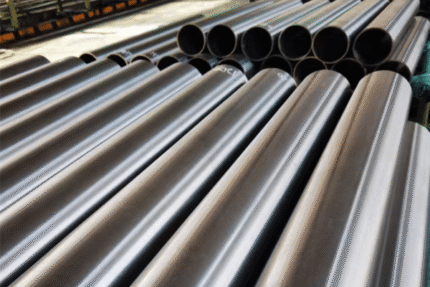
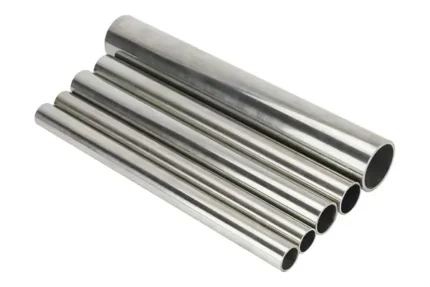
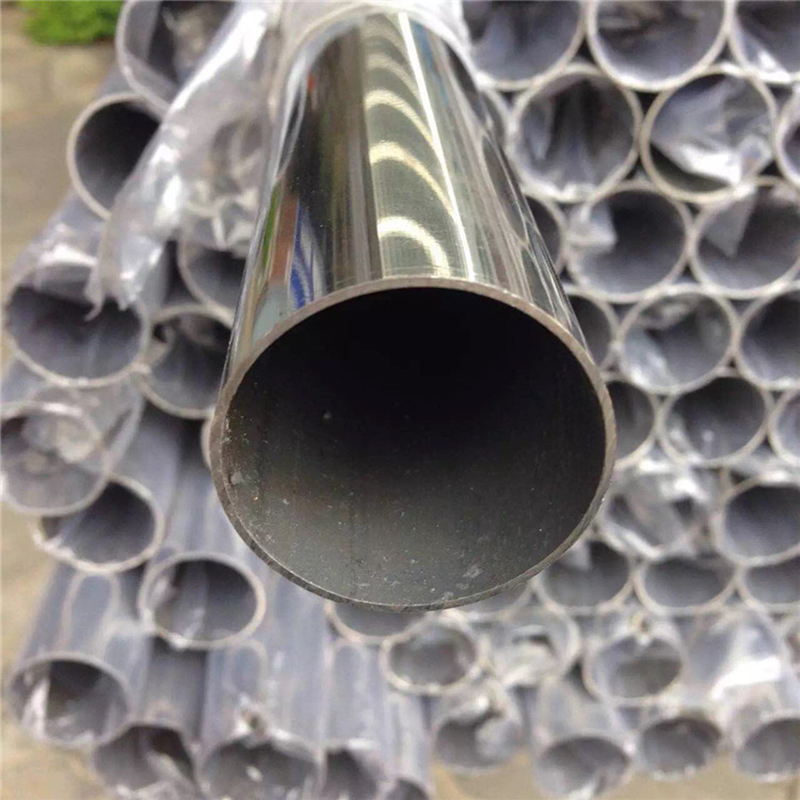
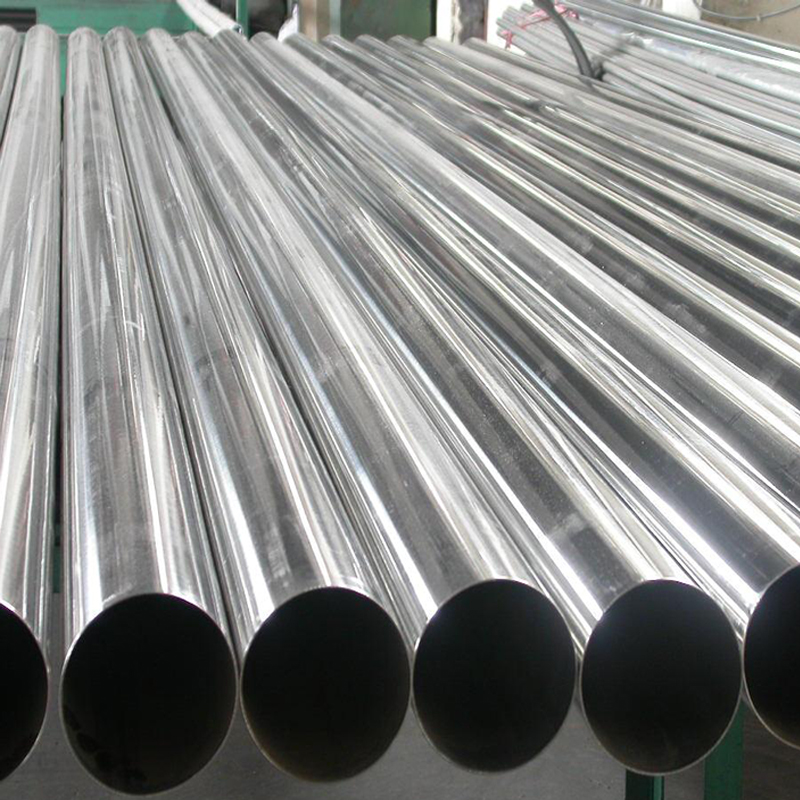
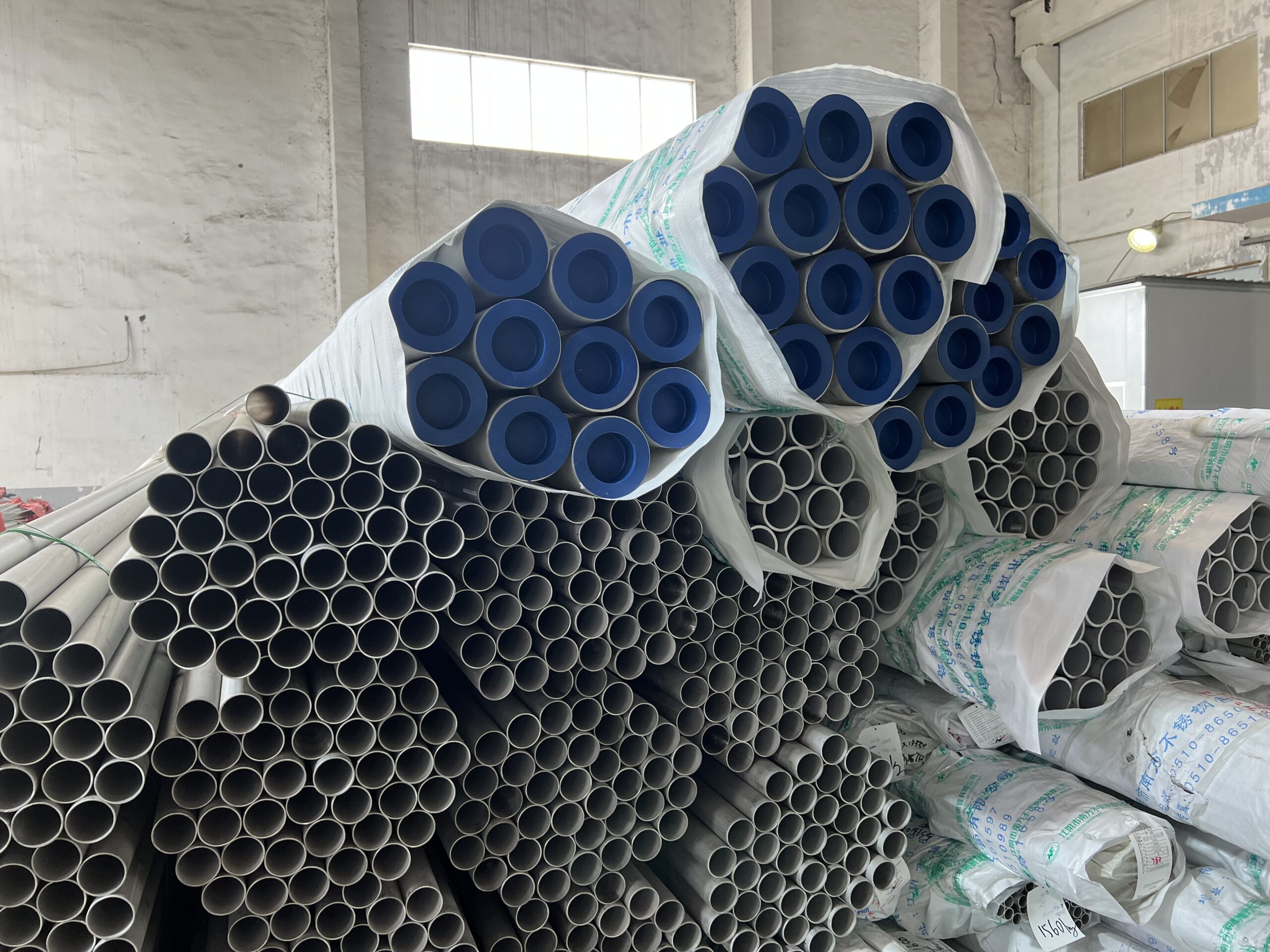
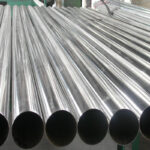
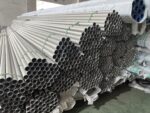
Stainless steel pipe is an economical hollow structural section for fluid transport, fabrication and structural use. Common grades include 201 and 304.
Product Introduction
Stainless steel pipe is an economical hollow section used in both decorative and industrial applications. Typical uses include handrails, window guards, railings, furniture, process piping and mechanical structures. Common grades include 201 and 304.
Its hollow section makes it suitable for conveying liquids, gases and solids. Compared with solid round steel of the same weight, pipe can provide high section efficiency and good bending and torsional strength. It is widely used in petroleum, metallurgy, chemical processing, construction, machinery, transport, boilers, medical equipment and fabrication.
Product Parameters
Steel pipes are available in many material grades and constructions. Typical outside-diameter range: 0.1–4500 mm; typical wall-thickness range: 0.01–250 mm.
Classification by Production Method
- Seamless pipe: hot-rolled, cold-rolled, cold-drawn or extruded.
- Welded pipe: straight-seam welded or spiral welded.
Classification by Section
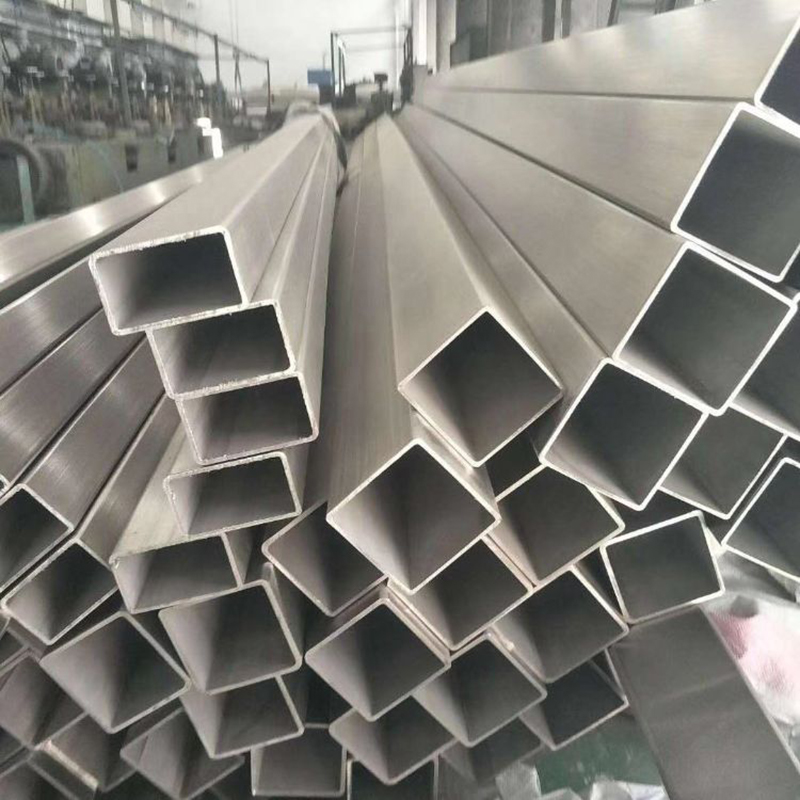
Products include round pipe and special-shaped pipe, such as rectangular, diamond, oval, hexagonal, octagonal and other asymmetric sections. Special-shaped pipe is widely used for structural parts, tooling and machine components.
End Condition and Cases
Pipe ends may be plain or threaded. Typical uses include oil-well pipe, line pipe, boiler tube, mechanical-structure pipe, hydraulic support pipe, gas-cylinder pipe, geological pipe, chemical-process pipe and marine pipe.
Typical Welded-Pipe Process
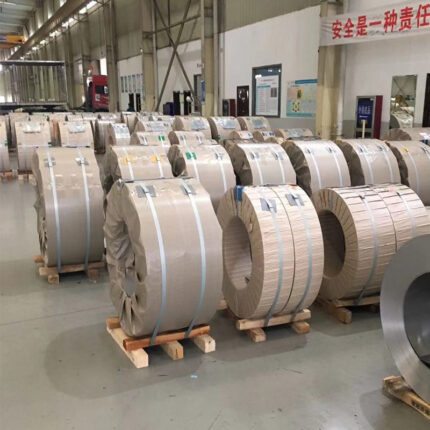
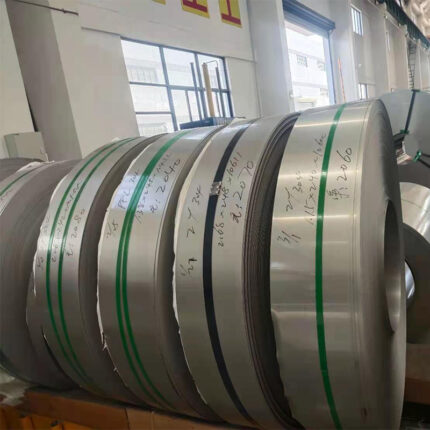
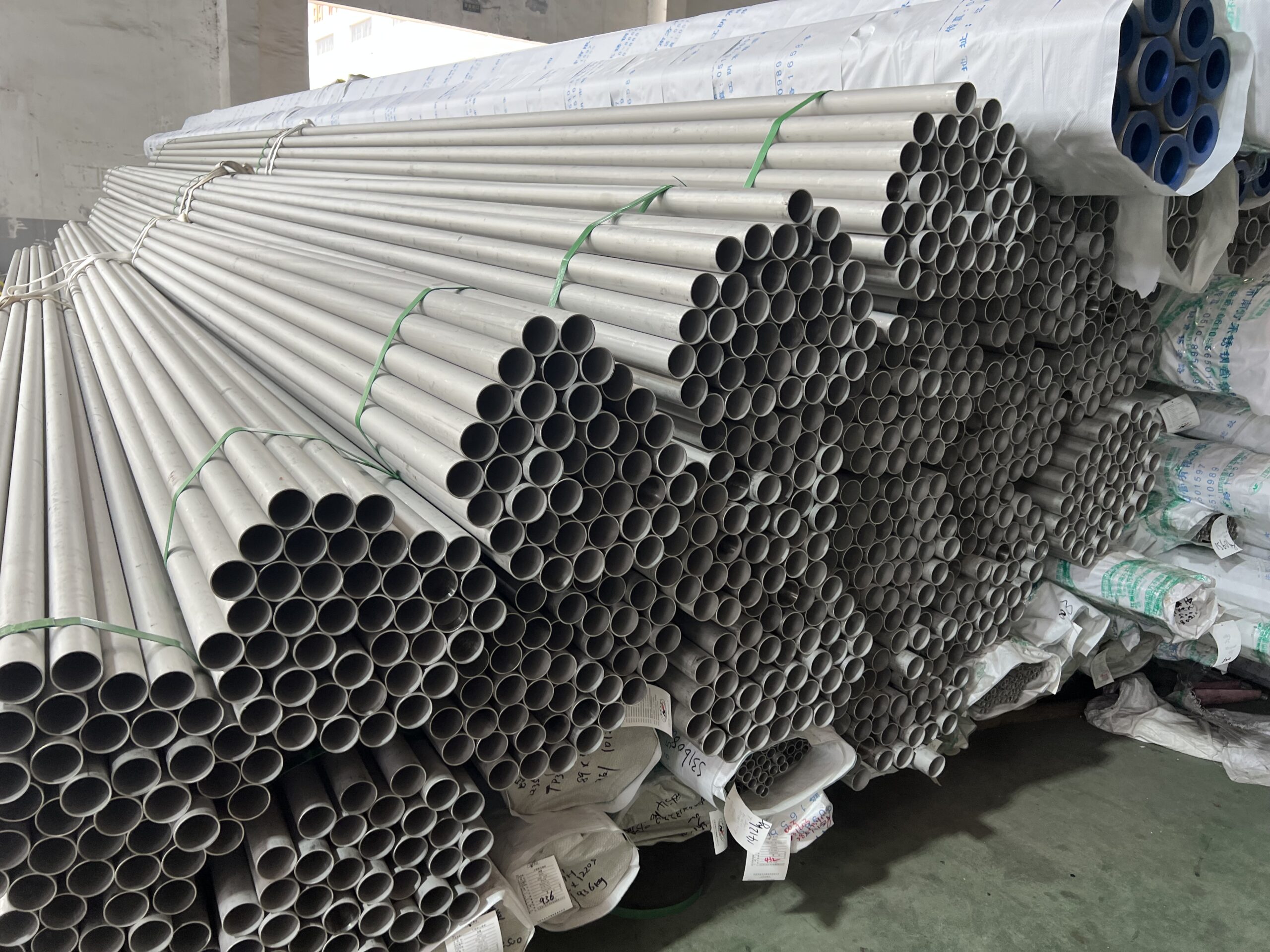
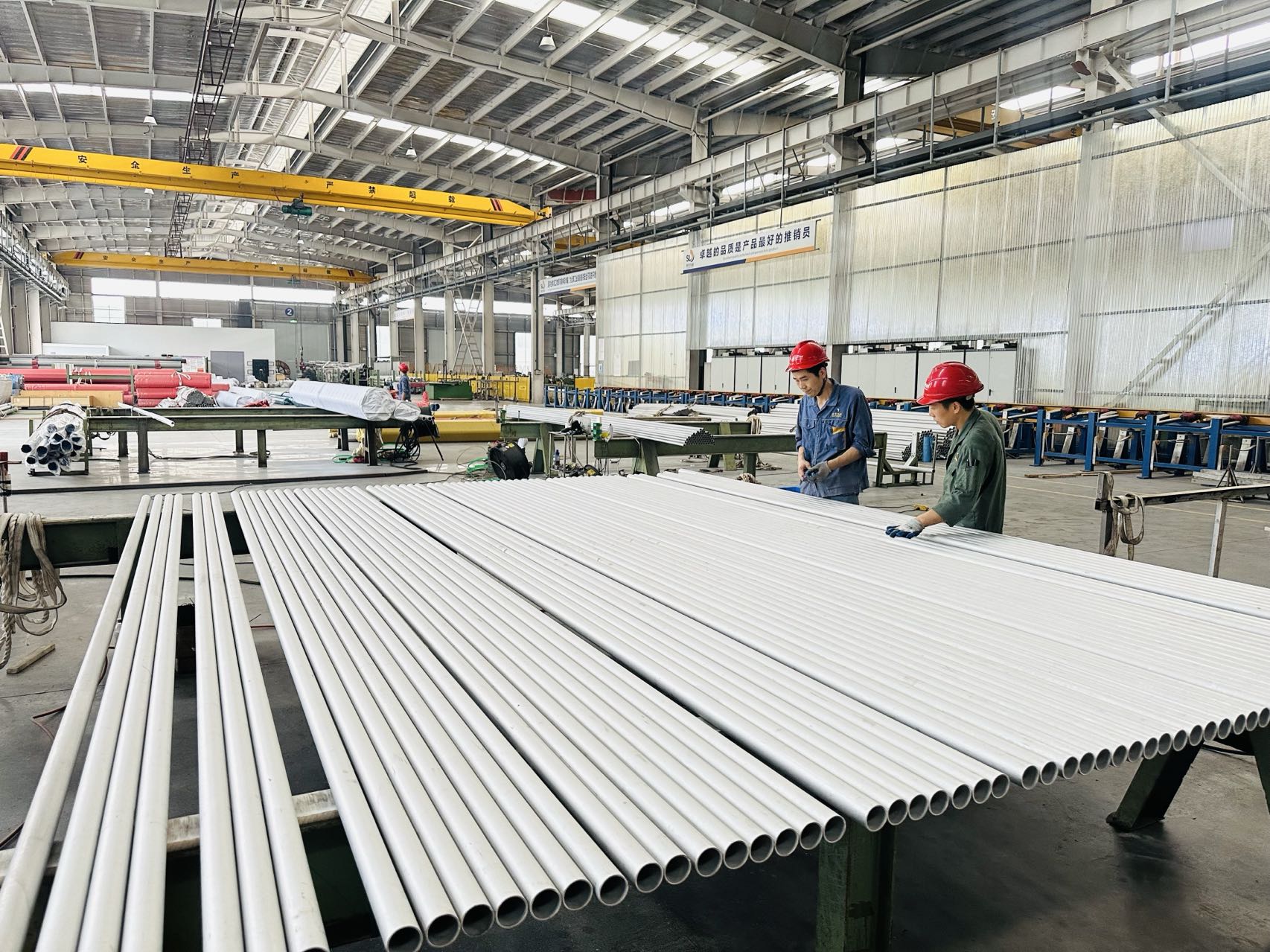
Raw material → slitting → tube welding → end finishing → polishing or heat treatment → straightening → pickling/hydrostatic testing as required → inspection/marking → packing → shipment.