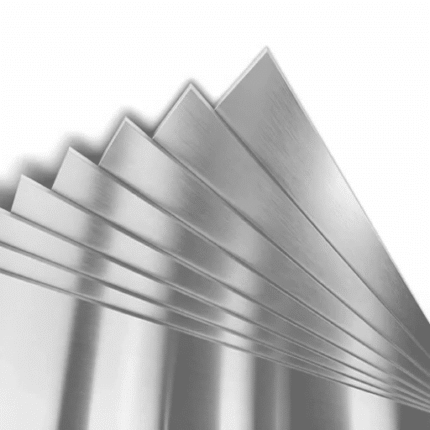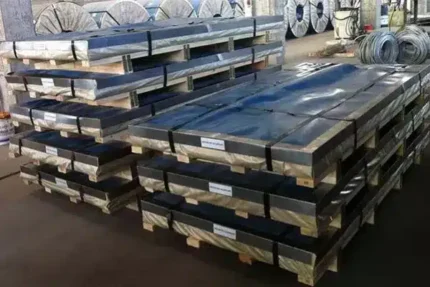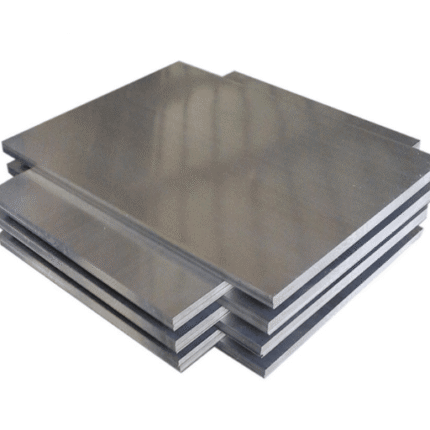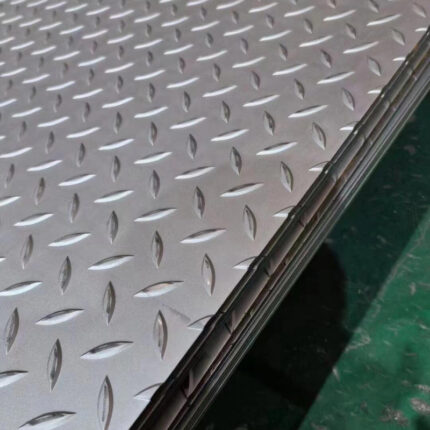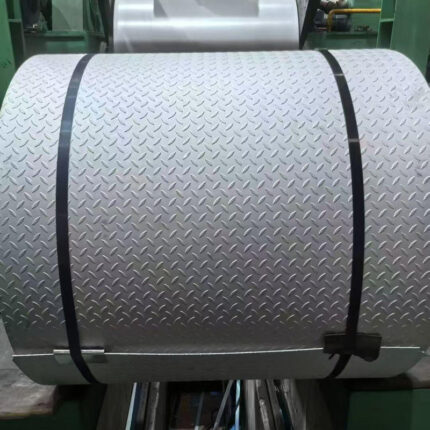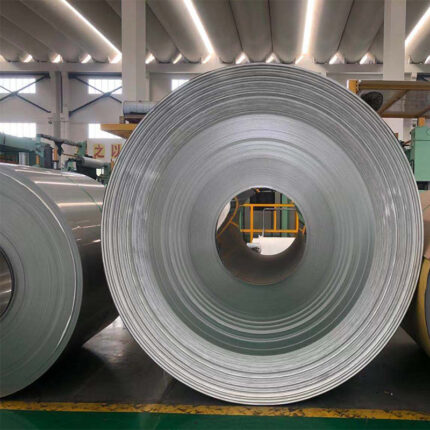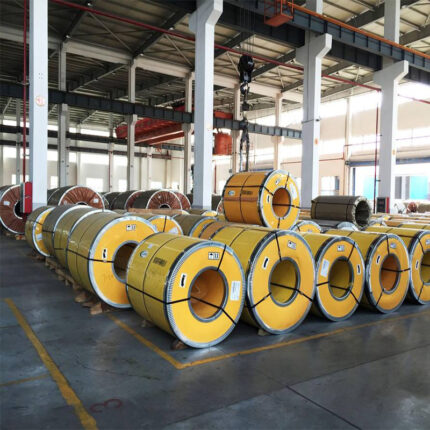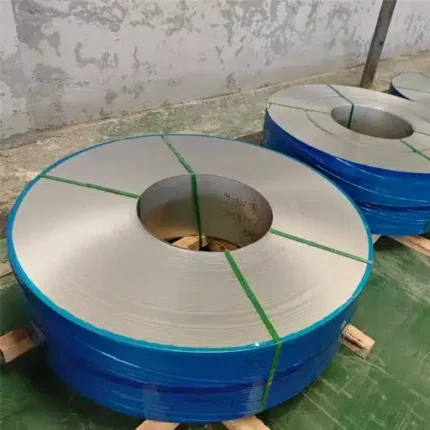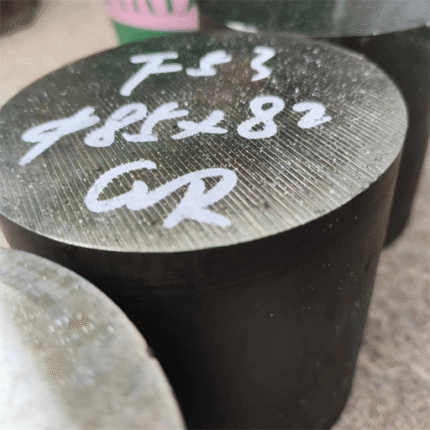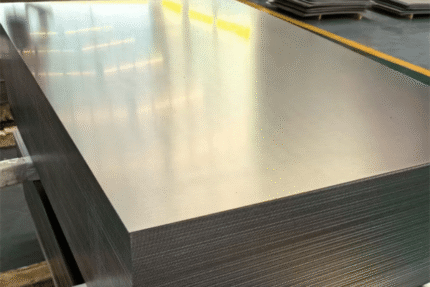

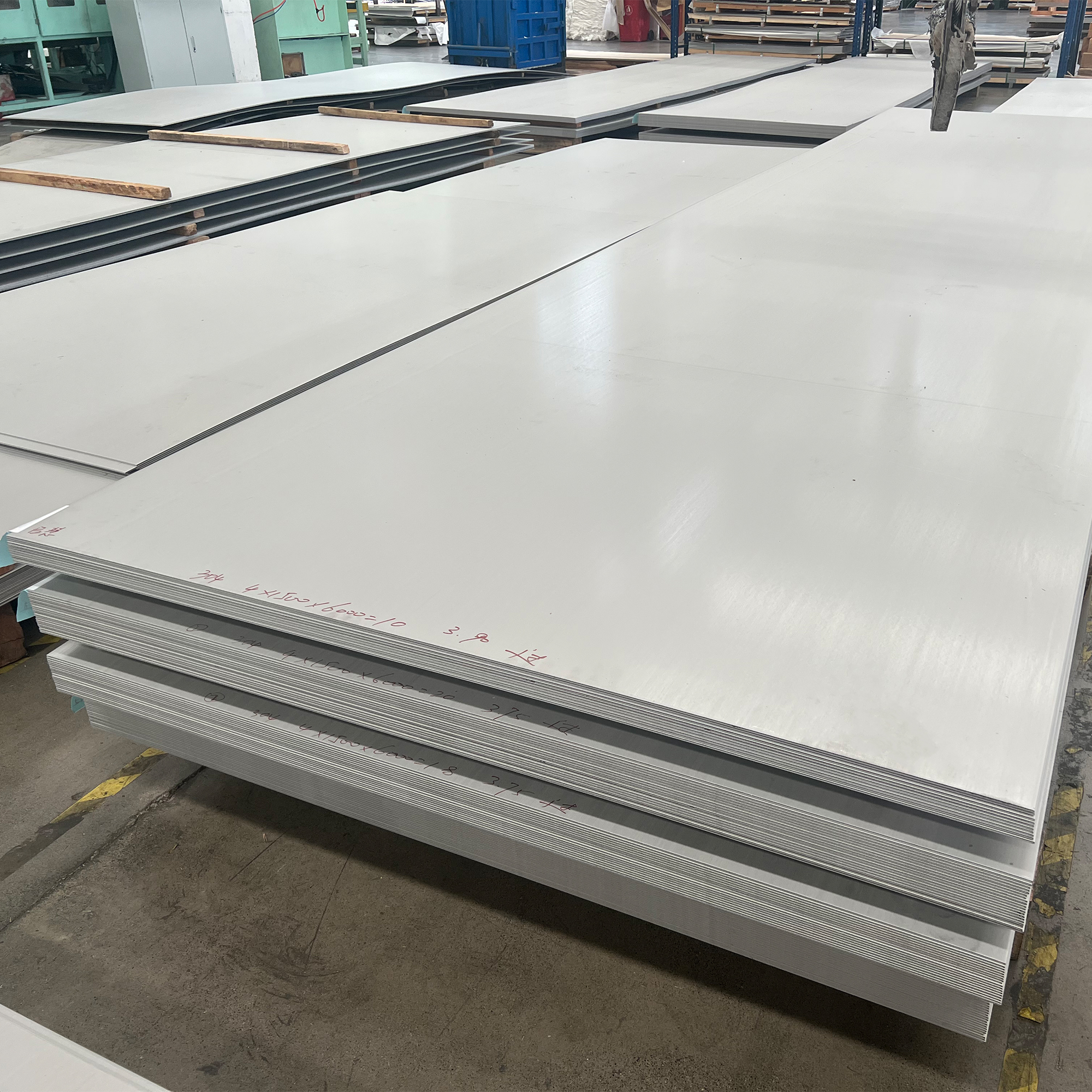
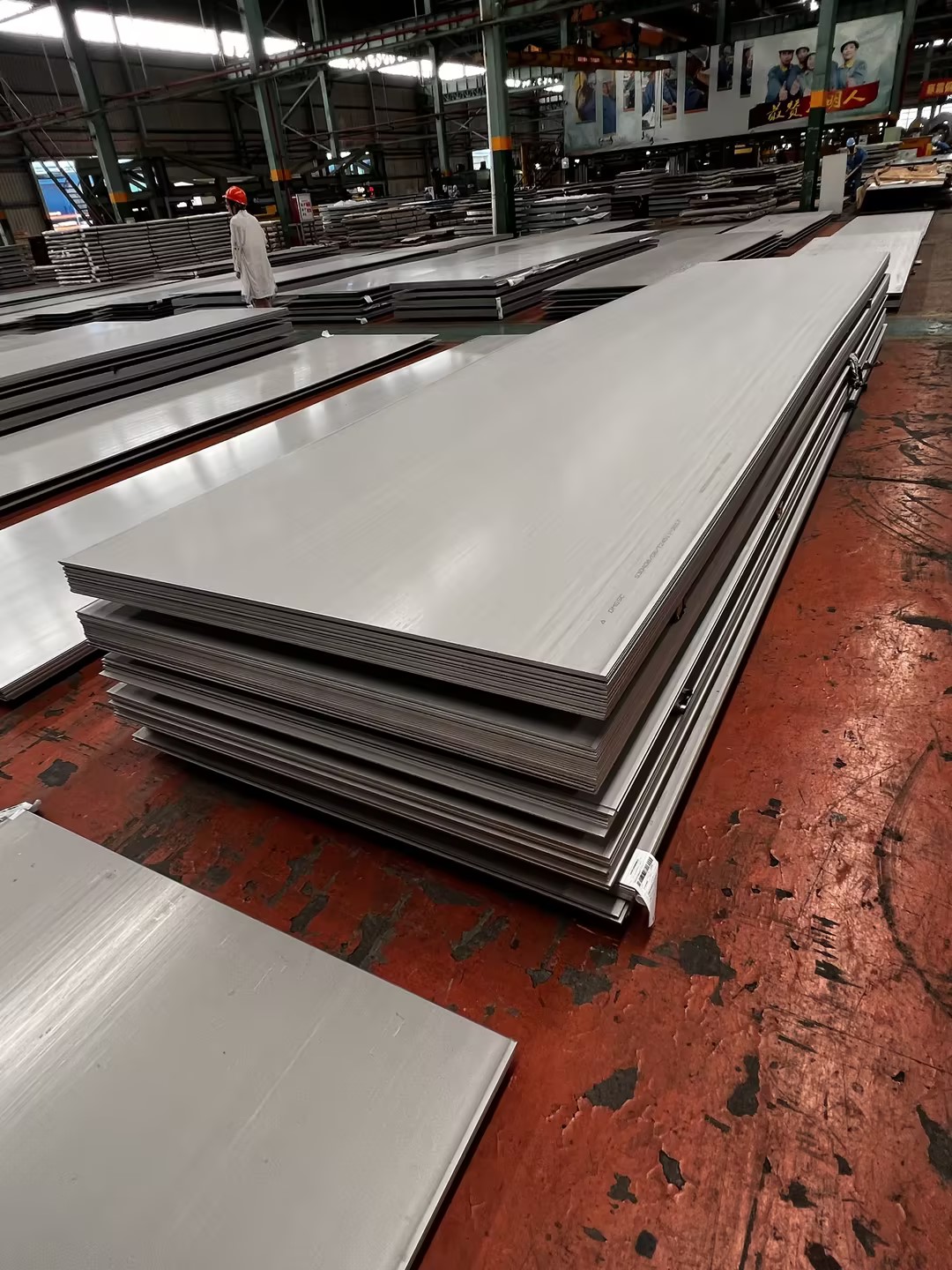
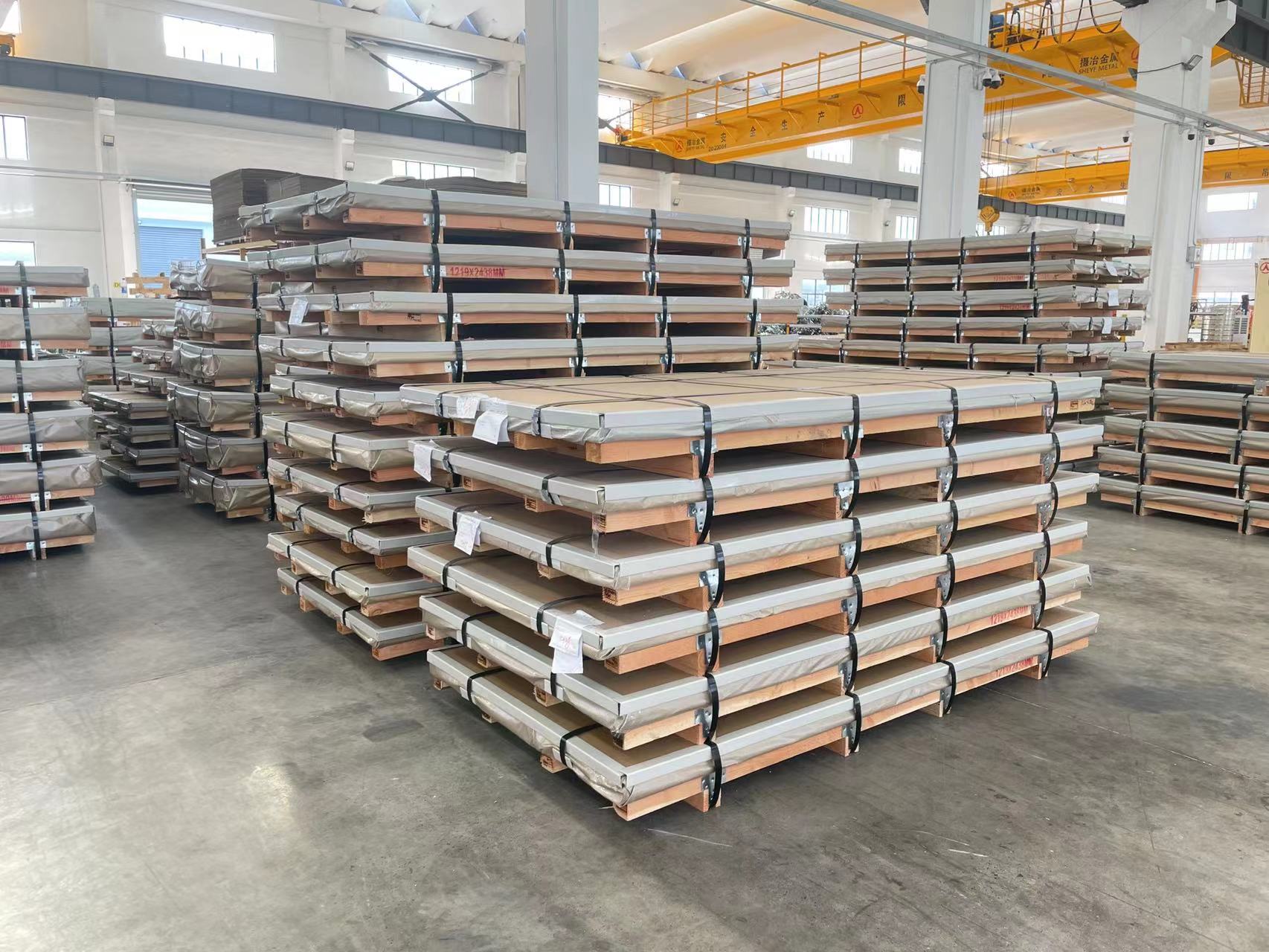
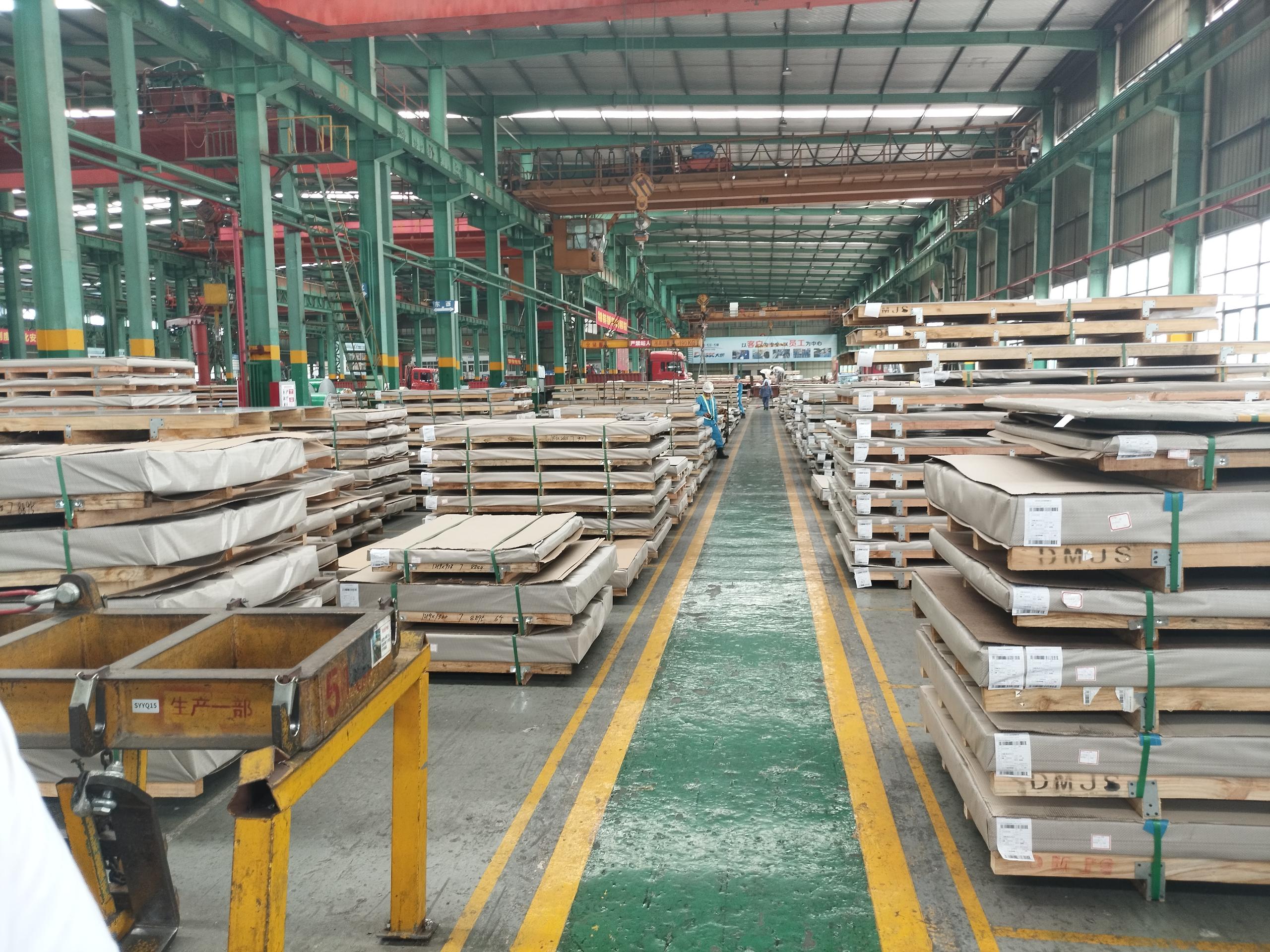
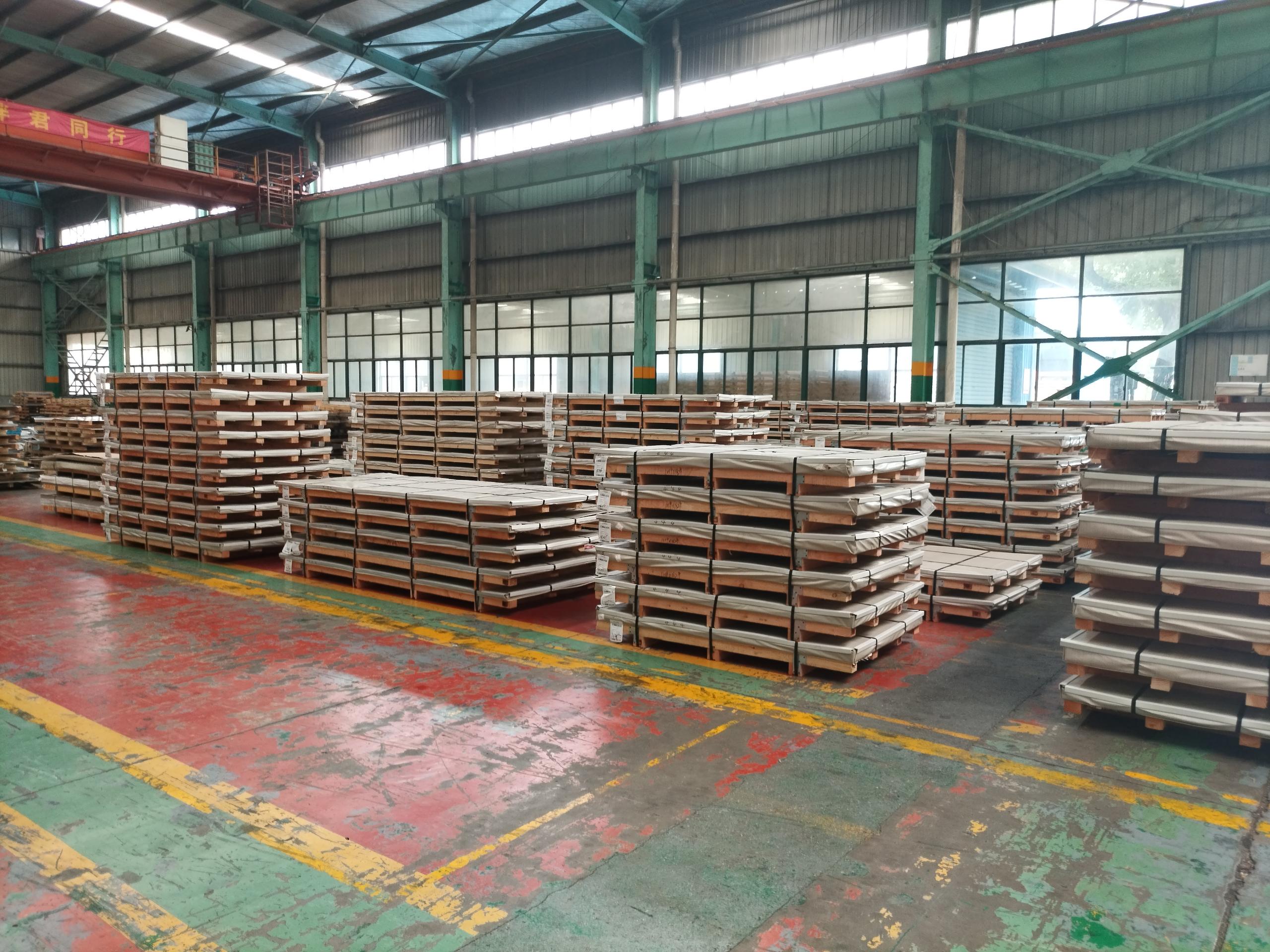
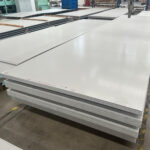
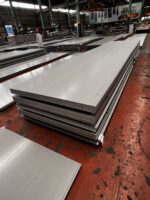
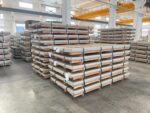
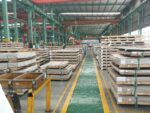
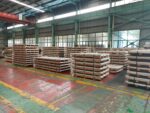
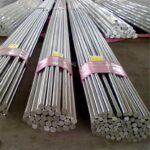
Stainless Steel Plate
Stainless steel plate is available in 200, 300 and 400 series grades for structural, architectural, transport, industrial and equipment applications.
Product Introduction
Stainless steel is commonly grouped into the 200, 300 and 400 series. The 300 series is the most widely used. Nickel-containing 200 and 300 series grades are generally non-magnetic in the annealed condition, while many 400 series grades are ferritic or martensitic and are magnetic.
Grade 304 is the most common 300 series grade and is often used as a market reference. The 200 series has a lower nickel content, the 400 series generally contains no nickel, and the 300 series has the highest nickel content and is therefore more sensitive to nickel price changes.
Common 300 series grades include 304, 304L, 316, 316L, 321, 309S and 310S. Their properties vary with alloy composition. The “L” designation indicates a low-carbon grade; for example, 304L and 316L have lower carbon content than 304 and 316 respectively.
Product Parameters
Classification by Thickness
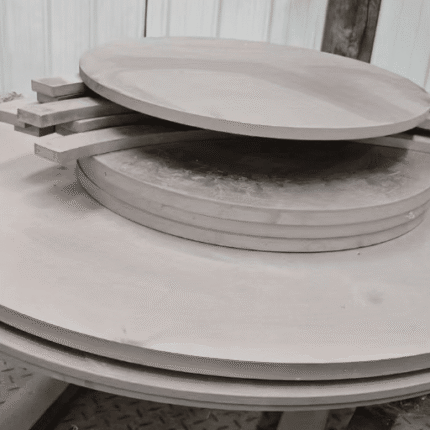
- Thin plate: 0.2–4 mm
- Medium plate: 4–20 mm
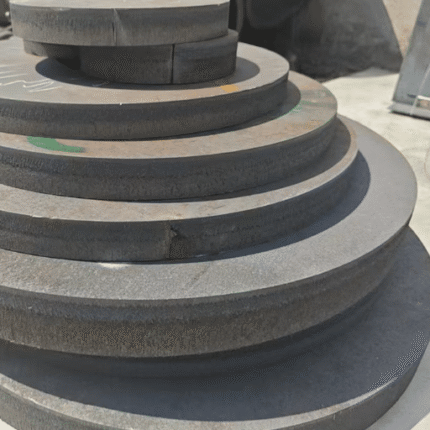
- Thick plate: 20–60 mm
- Extra-thick plate: 60–115 mm
Classification by Production Method
Hot-rolled plate and cold-rolled plate.
Classification by Application
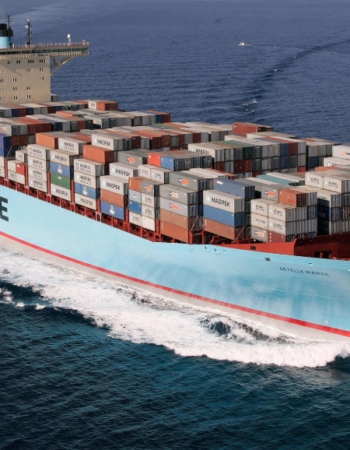
Bridge plate, boiler plate, shipbuilding plate, armor plate, automotive plate, roofing plate, structural plate, electrical steel, spring steel, solar-specific plate and other general or mechanical-structure plates.
Classification by Metallurgical Structure
Austenitic, austenitic-ferritic (duplex), ferritic and martensitic stainless steels.