High Standard Stainless Steel With Strict Inspection



Hastelloy B2/B3
Complete Technical Data Sheet for Hastelloy B2/B3 Chemical Composition Mechanical Properties Physical Properties International Standards & Grade Equivalents Key Applications of Hastelloy B2/B3 Industrial Manufacturing Petrochemical Specialty Chemicals Our Latest Blogs
Description

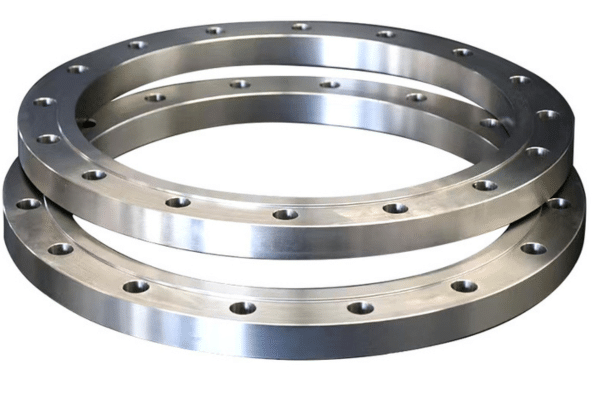
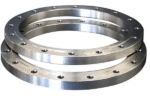
Hastelloy B2/B3 Available in All Forms

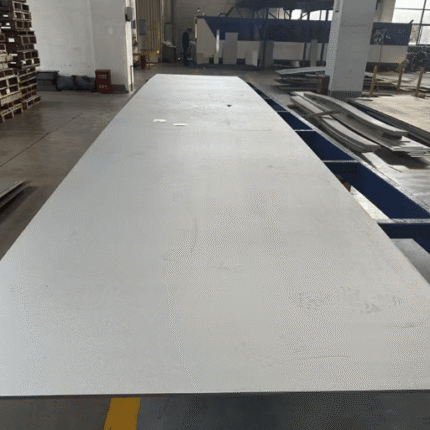
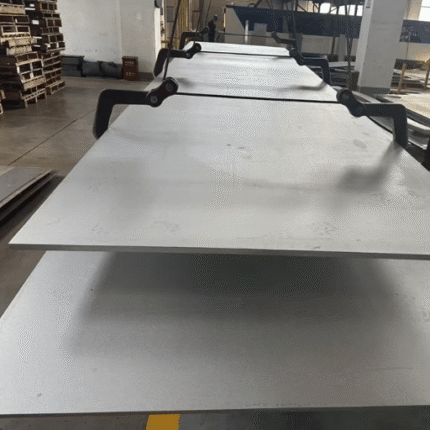
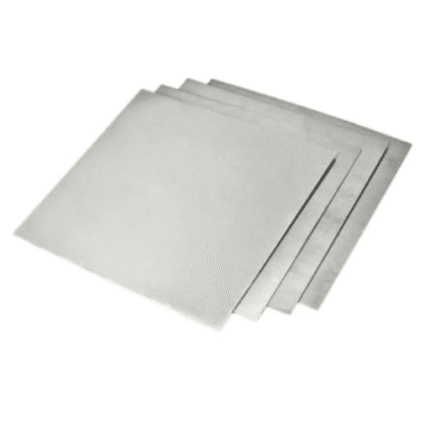
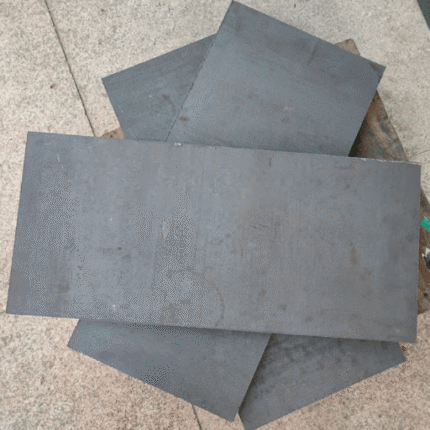
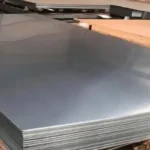
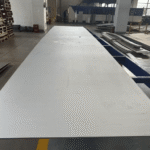
Plates and Sheets
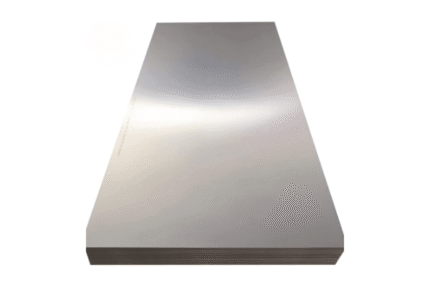
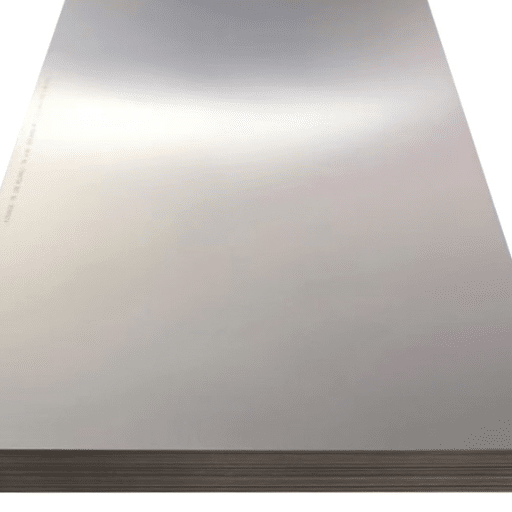
Available in a range of thicknesses, Hastelloy B2/B3 plates and sheets are the foundation for fabricating robust process equipment. They are used to construct pressure vessels, tanks, heat exchanger tube sheets, and liners where resistance to pitting, stress corrosion cracking, and uniform attack is critical. Hastelloy B3 offers superior thermal stability, enhancing fabrication possibilities.

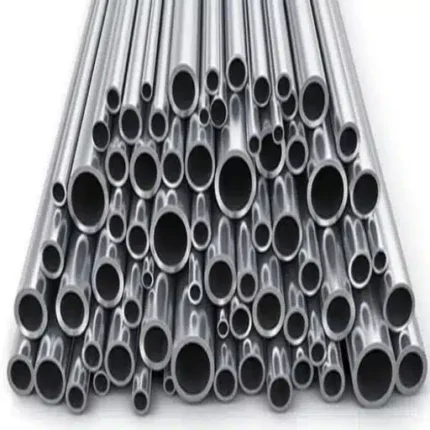
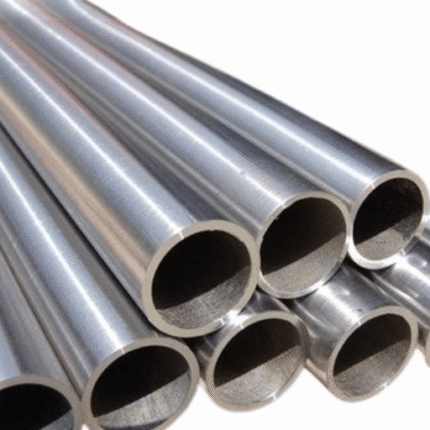
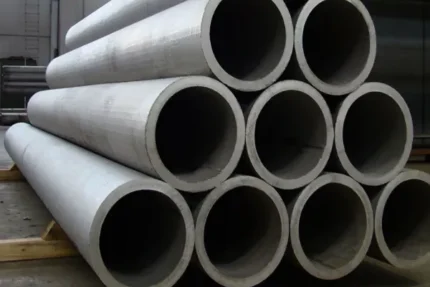
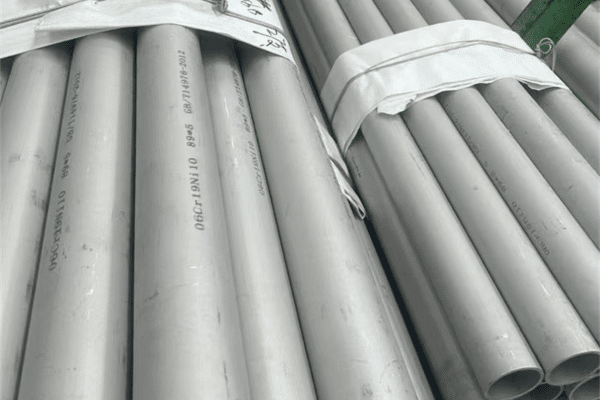
Tubes and Pipes
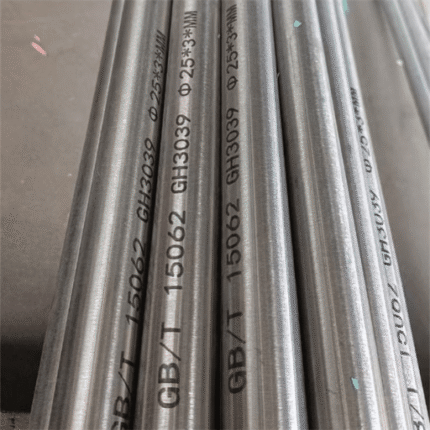
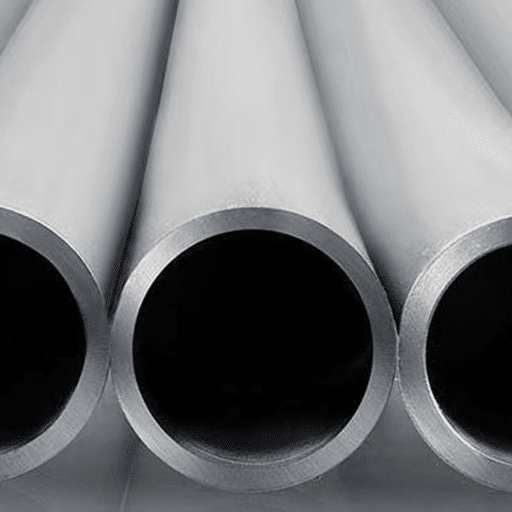
Engineered for safe and efficient fluid transport, Hastelloy B2/B3 seamless and welded tubes and pipes excel in handling hydrochloric, sulfuric, and phosphoric acids. Their superior corrosion resistance ensures process purity and prevents equipment failure in applications such as chemical reactors, piping systems, and heat exchangers operating in reducing atmospheres.

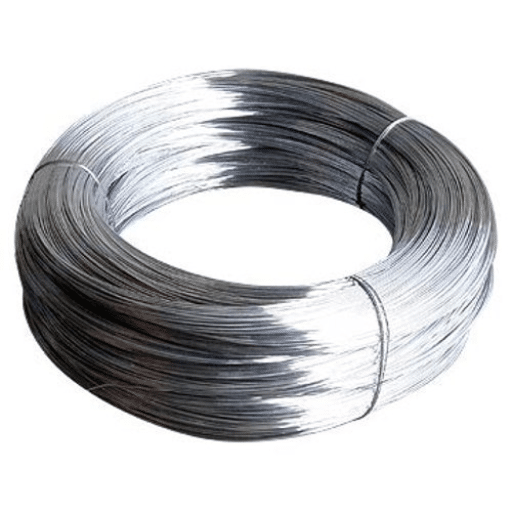
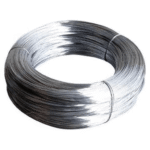
Wire
Hastelloy B2/B3 wire combines high strength with excellent corrosion resistance, making it perfect for demanding applications. It is commonly used for producing high-performance springs, wire mesh for filtration, and welding filler material. Its durability ensures reliable performance in chemical processing, furnace components, and other high-stress, corrosive settings.

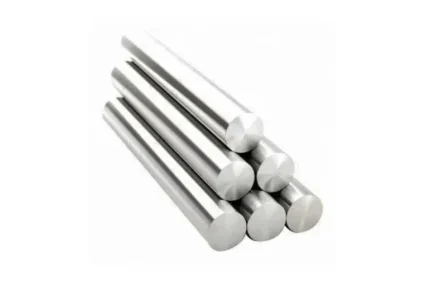
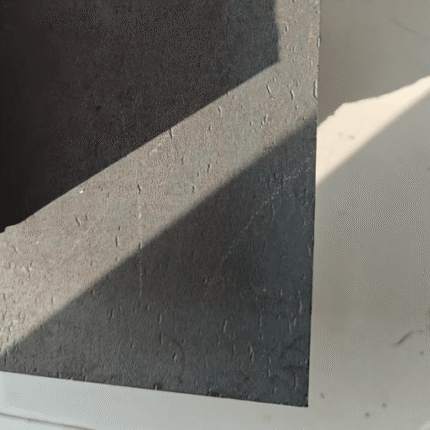
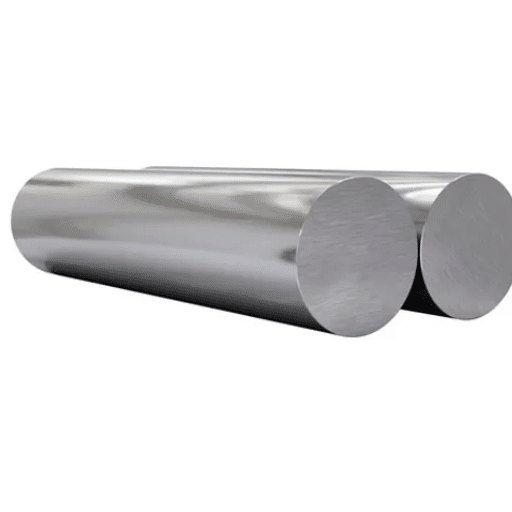
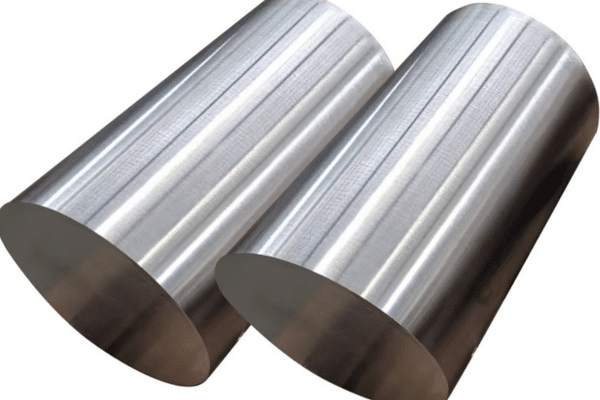
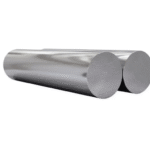
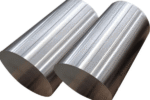
Bars and Rods
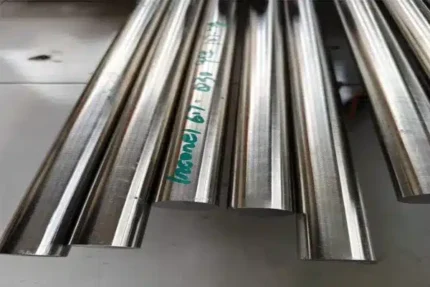
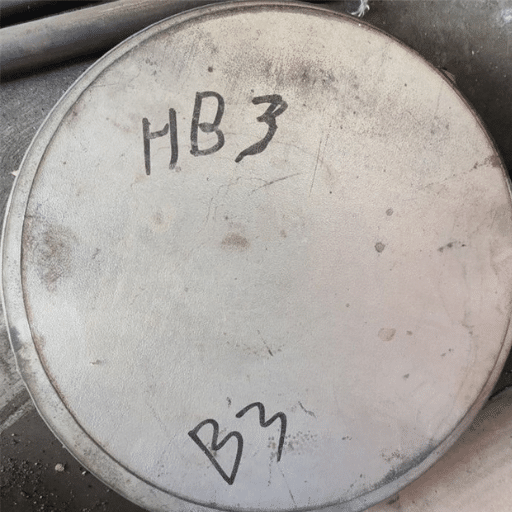
Hastelloy B2/B3 bars and rods provide exceptional structural strength and machinability for components in severe chemical processing environments. Their outstanding resistance to non-oxidizing acids, especially hydrochloric acid, makes them ideal for manufacturing fasteners, fittings, valve stems, and shafts that require long-term reliability and integrity under harsh conditions.
Complete Technical Data Sheet for Hastelloy B2/B3
| Element | Hastelloy B-2(UNS N10665) | Hastelloy B-3(UNS N10675) | Function |
|---|---|---|---|
| Nickel (Ni) | Balance (~65%) | ≥65.0% | Base metal, corrosion resistance |
| Molybdenum (Mo) | 26.0 – 30.0% | 27.0 – 32.0% | Primary reducing acid resistance |
| Chromium (Cr) | ≤1.0% | 1.0 – 3.0% | Oxidation resistance (minimal in B-series) |
| Iron (Fe) | ≤2.0% | 1.0 – 3.0% | Cost reduction, processability |
| Tungsten (W) | – | ≤3.0% | Enhanced strength & corrosion resistance |
| Cobalt (Co) | ≤1.0% | ≤3.0% | Impurity control |
| Carbon (C) | ≤0.02% | ≤0.10% | Minimized for weld integrity |
| Silicon (Si) | ≤0.10% | ≤0.10% | Controlled for durability |
| Manganese (Mn) | ≤1.0% | ≤3.0% | Deoxidizer, sulfur control |
| Vanadium (V) | – | ≤0.20% | Grain refinement |
| Aluminum (Al) | – | ≤0.50% | Deoxidizer |
| Phosphorus (P) | ≤0.040% | ≤0.030% | Impurity – minimized |
| Sulfur (S) | ≤0.030% | ≤0.010% | Impurity – strictly controlled |
| Property | Hastelloy B-2 | Hastelloy B-3 | Unit |
|---|---|---|---|
| Tensile Strength (Ultimate) | ≥760 MPa | ≥690 MPa | MPa (110 / 100 ksi) |
| Yield Strength (0.2% offset) | ≥350 MPa | ≥310 MPa | MPa (51 / 45 ksi) |
| Elongation at Break | ≥40% | ≥40% | Percentage |
| Hardness (Rockwell B) | ≤100 HRB | ≤100 HRB | HRB |
| Density | 9.22 g/cm3 | 9.22 g/cm3 | g/cm3 (0.333 lb/in3) |
| Elastic Modulus | 214 GPa | 214 GPa | GPa (31×10⁶ psi) |
| Thermal Expansion (20-100°C) | 10.3 μm/m·K | 10.4 μm/m·K | μm/m·K |
| Thermal Conductivity (20°C) | 11.1 W/m·K | 11.1 W/m·K | W/m·K |
| Melting Point | 1370°C | 1380°C | °C (2500°F / 2516°F) |
| Property | Hastelloy B2 (UNS N10665) | Hastelloy B3 (UNS N10675) | Unit |
|---|---|---|---|
| Density | 9.22 | 9.22 | g/cm³ |
| 0.333 | 0.333 | lb/in³ | |
| Melting Point | 1330 – 1380 | 1370 – 1420 | °C |
| 2425 – 2515 | 2500 – 2590 | °F | |
| Thermal Expansion¹ | 10.3 | 10.6 | µm/m·°C |
| 5.7 | 5.9 | µin/in·°F | |
| Thermal Conductivity² | 11.1 | 11.5 | W/m·K |
| 77 | 79.8 | BTU·in/ft²·h·°F | |
| Specific Heat³ | 394 | 390 | J/kg·K |
| 0.094 | 0.093 | BTU/lb·°F | |
| Electrical Resistivity³ | 1.37 | 1.35 | µΩ·m |
| ASTM Standard | Product Form | B-2 Coverage | B-3 Coverage |
|---|---|---|---|
| ASTM B335 | Rod, Bar, Wire | ✓ | ✓ |
| ASTM B333 | Seamless Pipe & Tube | ✓ | ✓ |
| ASTM B619 | Welded Pipe | ✓ | ✓ |
| ASTM B622 | Seamless Pipe & Tube (Specialized) | ✓ | ✓ |
| ASTM B626 | Welded Tube | ✓ | ✓ |
| ASTM B564 | Forgings | ✓ | ✓ |
| ASTM B333 | Plate, Sheet, Strip | ✓ | ✓ |
| ASME SB-335 | Boiler & Pressure Vessel Code | ✓ | ✓ |
Key Advantages That Make B-2 and B-3 The Preferred Choice

Unmatched HCl Resistance
No other alloy family offers better resistance to hydrochloric acid at all concentrations and temperatures. Corrosion rates are typically <0.5mm/year even in boiling concentrated HCl.
High Molybdenum Content
28-32% Mo content provides exceptional resistance to reducing acids and prevents pitting in chloride environments where standard alloys fail rapidly.


Excellent Fabricability
Good weldability without filler metal preheating. Can be formed, machined, and fabricated using conventional equipment with proper techniques.
Temperature Versatility
B-3 offers improved thermal stability over B-2, handling temperature fluctuations and intermittent service without degradation of properties.

Key Applications of Hastelloy B2/B3
Industrial Manufacturing
- Pickling line equipment
- Acid regeneration plants
- Electroplating operations
- Metal cleaning systems
- Etching processes
- Surface treatment equipment
Petrochemical
- Alkylation process equipment
- Catalyst regeneration systems
- Acid handling & storage
- HF (Hydrofluoric acid) alkylation
- Sulfuric acid alkylation
- Heat exchanger tubes
Specialty Chemicals
- Organic acid production
- Polymer precursor manufacturing
- Fine chemical synthesis
- Chlorination processes
- Catalyst handling systems
- Specialty reagent production
What Our Clients Say
“We switched to Hastelloy B2 tubing for our hydrochloric acid lines, and the performance has been flawless. There are no signs of corrosion after months of continuous operation. The reliability of this material is outstanding and gives us great peace of mind.”

Maria Flores
Maintenance Supervisor
“The quality of the Hastelloy B3 rods we received was exceptional. Consistent dimensions and material properties made manufacturing our custom fasteners straightforward. This is the go-to alloy for critical applications in reducing chemical environments.”

Brian Miller
Fabrication Specialist
Our Latest Blogs

Alloy 625 Severe Sour Gas Service: Complete Guide
Alloy 625 is the default nickel-based alloy for severe sour gas service, qualified under NACE MR0175/ISO 15156 for all H2S…

Super 13Cr Stainless Steel: CO2 & Sour Service Guide
Super 13Cr stainless steel is a low-carbon, nickel- and molybdenum-strengthened martensitic grade (UNS S41425, S41426, S41427) built to outlast conventional…

Inconel 718 vs 725 vs 925: The Complete Selection Guide
Inconel 718, 725, and 925 are all age-hardenable nickel alloys, but each is built for a different job. Choose Inconel…

Duplex Stainless Steel Sour Service: 2205 vs 2507 Limits
Yes, duplex stainless steel sour service is practical and proven, but only within defined NACE MR0175/ISO 15156 limits. Standard duplex…

What Is Sour Service? H2S Environments Explained
Sour service is oil and gas equipment exposure to hydrogen sulfide (H2S) that can crack steel and other alloys. Under…

Sulfide Stress Cracking: Hardness Limits & Prevention
Sulfide stress cracking (SSC) is a form of hydrogen embrittlement that occurs when high-hardness steel under tensile stress is exposed…

NACE MR0175/ISO 15156 Explained: Sour Service Guide
NACE MR0175/ISO 15156 is the international standard that governs metallic materials for oil and gas production environments containing hydrogen sulfide…

How to Select Corrosion-Resistant Alloys for Sour Service
To select a corrosion-resistant alloy for sour service, characterize the environment first, classify sour severity by H2S partial pressure, screen…
Frequently Asked Questions
What are Hastelloy B2 and B3?
Hastelloy B2 (UNS N10665) and Hastelloy B3 (UNS N10675) are nickel-molybdenum alloys known for their outstanding resistance to reducing environments. They are specifically designed to handle aggressive acids like hydrochloric acid (HCl), sulfuric acid, and phosphoric acid across a wide range of concentrations and temperatures.
What is the main difference between Hastelloy B2 and Hastelloy B3?
The primary advantage of Hastelloy B3 over B2 is its significantly improved thermal stability. Hastelloy B2 can form detrimental intermetallic phase precipitates in the heat-affected zone during welding, which can severely reduce its ductility and corrosion resistance. Hastelloy B3 was developed to address this, making it much easier to fabricate and weld without the risk of this embrittlement. This makes B3 a more reliable choice for complex welded structures.
What are the key properties of Hastelloy B2/B3?
These alloys are valued for several key features:
Exceptional Resistance to Hydrochloric Acid: They are among the few materials that can withstand HCl at all concentrations and temperatures.
Excellent Resistance to Reducing Media: They perform exceptionally well in sulfuric, phosphoric, and other non-oxidizing acids.
High Resistance to Pitting and Stress Corrosion Cracking: They maintain integrity in chloride-containing environments.
Good High-Temperature Strength: They retain mechanical strength at elevated temperatures.
Where are Hastelloy B2 and B3 typically used?
Their unique corrosion resistance makes them essential in the chemical processing industry. Common applications include:
Reactors and Vessels: For processes involving hydrochloric acid and other reducing chemicals.
Piping Systems: Transporting aggressive acids where other alloys would fail quickly.
Heat Exchangers, Pumps, and Valves: Components that are in constant contact with corrosive media.
Furnace Components: For applications in reducing atmospheres at high temperatures.
Acetic Acid and Pharmaceutical Production: Where process purity and corrosion resistance are critical.
Should I use Hastelloy B2/B3 in oxidizing environments?
No. These alloys are specifically designed for reducing environments. They have poor resistance to oxidizing media, such as nitric acid or wet chlorine gas. The presence of ferric or cupric salts can also cause rapid corrosion failure. For mixed or oxidizing acid environments, other alloys like Hastelloy C-276 or C-22 would be a better choice.
Can you weld Hastelloy B2 and B3?
Yes, both can be welded using common methods like TIG (GTAW) and MIG (GMAW). However, due to its enhanced thermal stability, Hastelloy B3 is far superior for welding. When welding Hastelloy B2, strict procedures are required, often involving a rapid post-weld solution heat treatment to redissolve harmful precipitates, which may not be practical for large fabrications. B3 generally does not require this, simplifying construction and repair.
What kind of maintenance does Hastelloy B2/B3 equipment require?
One of the most significant advantages of Hastelloy B2 and B3 is their minimal maintenance requirement. Their inherent, exceptional resistance to uniform corrosion in reducing acids means they do not require protective coatings or frequent inspections for degradation. As long as they are used within their specified chemical and temperature limits (i.e., not in oxidizing conditions), they provide a “fit-and-forget” service life that is unmatched by most other alloys.
Are Hastelloy B2 and B3 recyclable?
Yes, absolutely. Like other high-value nickel alloys, Hastelloy B2 and B3 are fully recyclable. The scrap material, including turnings from machining or end-of-life equipment, is highly valued and can be re-melted to produce new alloys. Recycling these materials is not only environmentally responsible but also economically beneficial, as it helps conserve precious natural resources like nickel and molybdenum.
Shipping and Delivery