High Standard Stainless Steel With Strict Inspection




Hastelloy C-22
Complete Technical Data Sheet for Hastelloy C-22 Chemical Composition Mechanical Properties Physical Properties International Standards & Grade Equivalents Key Applications of Hastelloy C-22 Chemical Processing Reactor vessels, distillation columns, heat exchangers, and piping systems exposed to intricate chemical mixtures. Oil and Gas Downhole equipment and offshore facilities with exposure to sour gas and seawater. Waste […]
Description

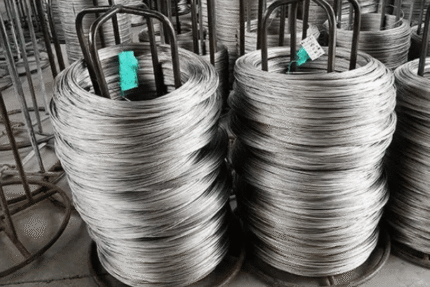
Hastelloy C-22 Available in All Forms

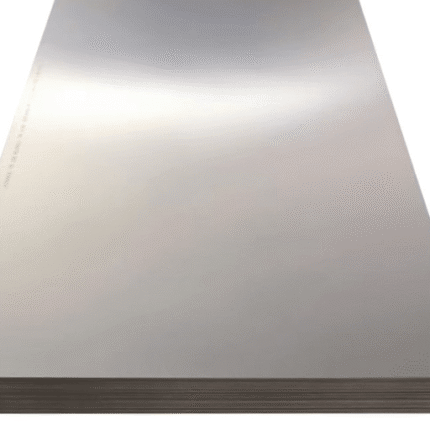
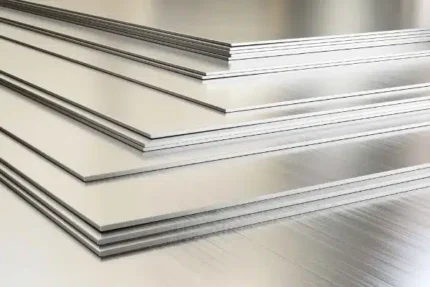
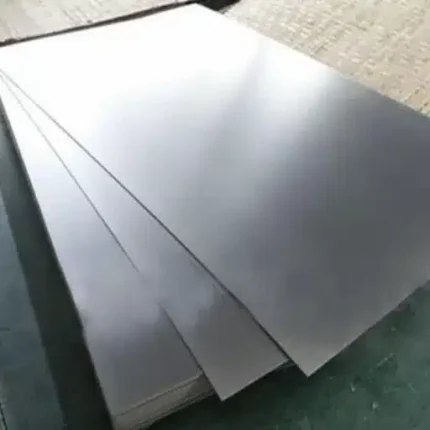
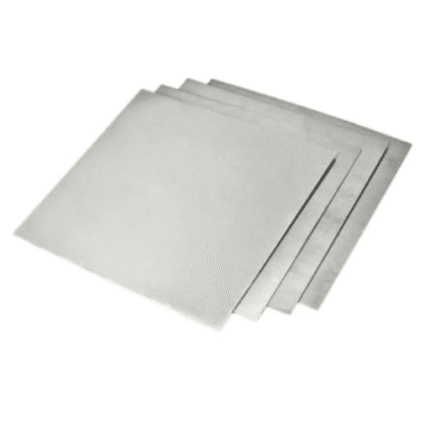
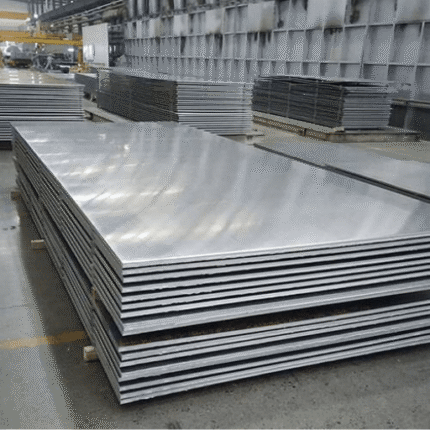
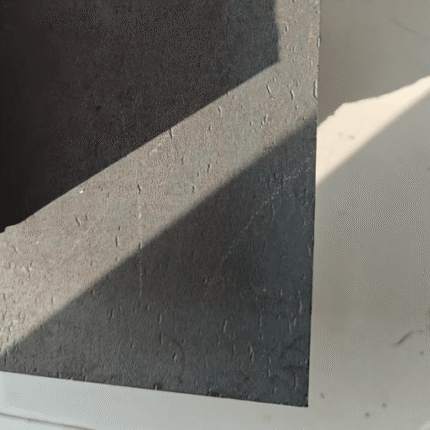
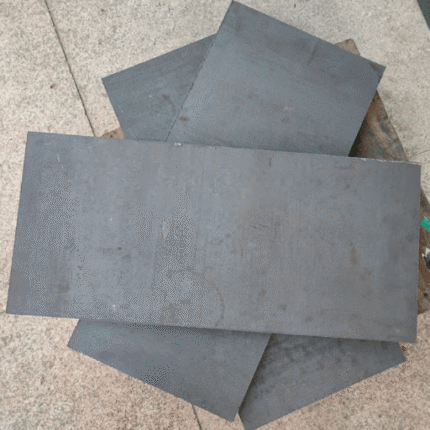
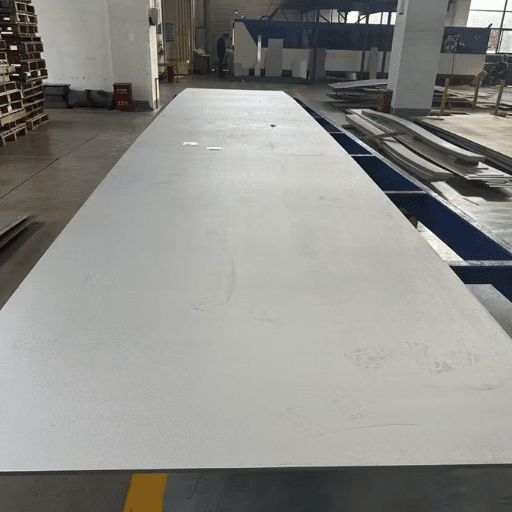
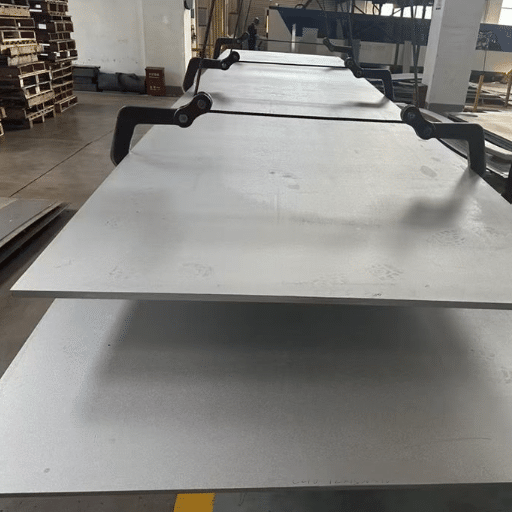
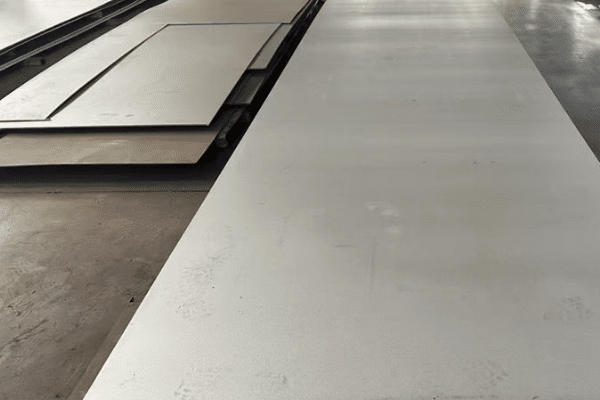
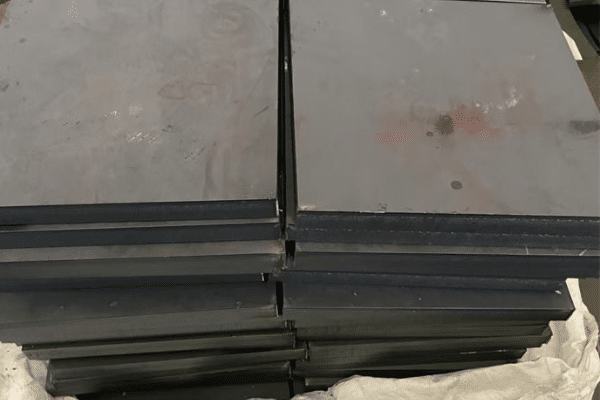
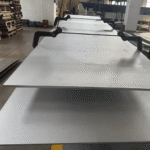
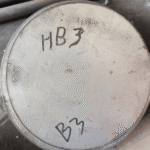
Hastelloy C-22 Plates
Hastelloy C-22 plates provide the ultimate solution for fabricating equipment that must withstand the most aggressive corrosive environments. This alloy offers outstanding resistance to both oxidizing and reducing acids, as well as chloride-induced pitting and crevice corrosion. It is the premier choice for creating durable reactor vessels, heat exchangers, and components for flue-gas desulfurization systems.

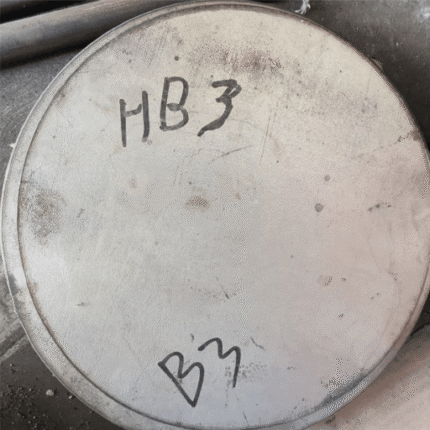
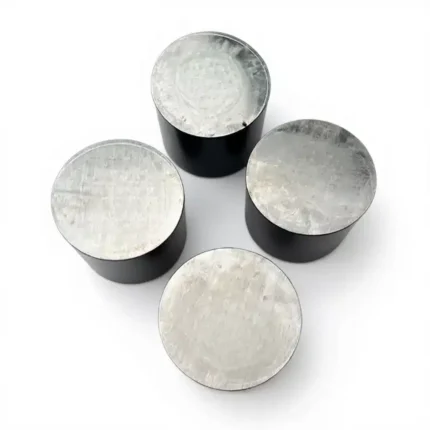
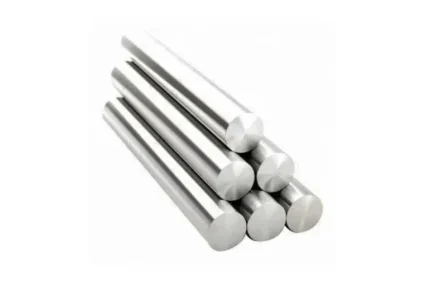
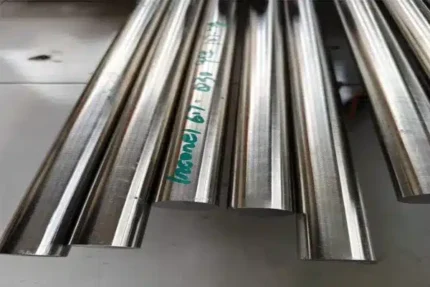
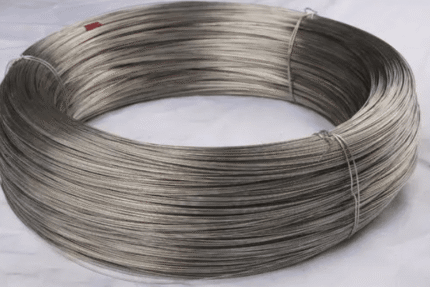
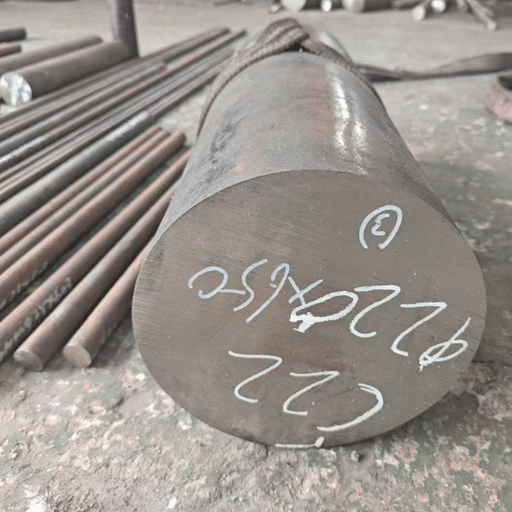
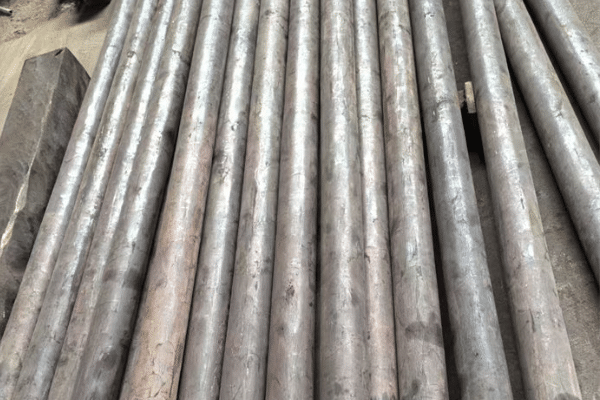
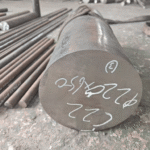
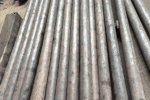
Hastelloy C-22 Rods
Available as premium-machining stock, our Hastelloy C-22 rods are engineered for manufacturing components that require exceptional, all-around corrosion resistance. This material maintains its integrity in a wide range of harsh chemical process streams, making it the ideal choice for creating reliable fasteners, valve stems, pump shafts, and other critical hardware for the chemical, pharmaceutical, and waste treatment industries.

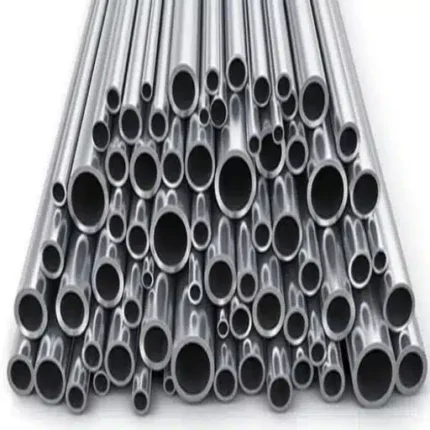
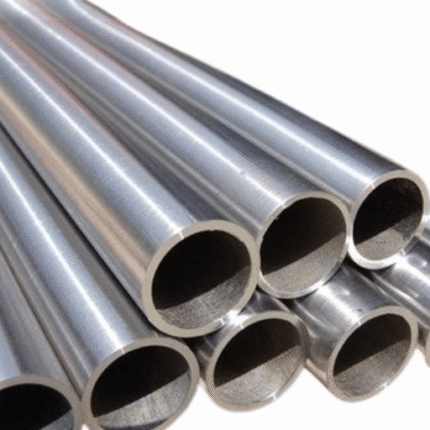
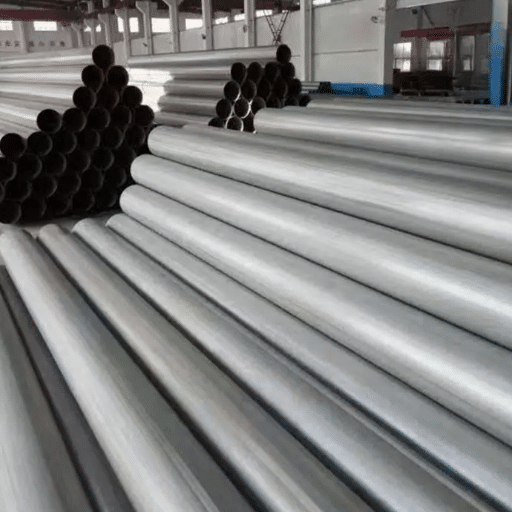
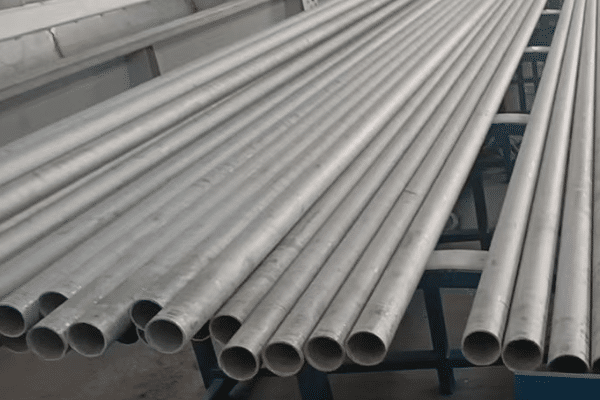
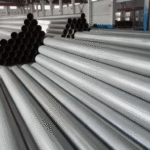
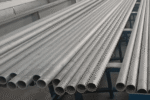
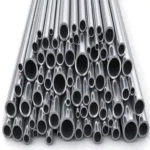
Hastelloy C-22 Tubes
Engineered for superior reliability in critical fluid handling systems, our Hastelloy C-22 seamless tubes offer unparalleled corrosion resistance. This alloy’s resistance to pitting and stress-corrosion cracking in extreme chemical environments makes it the definitive material for high-performance heat exchanger tubing, process piping, and instrumentation where long-term integrity is non-negotiable.
Complete Technical Data Sheet for Hastelloy C-22
| Element | Composition (%) |
|---|---|
| Nickel (Ni) | Balance |
| Chromium (Cr) | 20.0 – 22.5 |
| Molybdenum (Mo) | 12.5 – 14.5 |
| Tungsten (W) | 2.5 – 3.5 |
| Iron (Fe) | 2.0 – 6.0 |
| Cobalt (Co) | ≤ 2.5 |
| Vanadium (V) | ≤ 0.35 |
| Carbon (C) | ≤ 0.015 |
| Manganese (Mn) | ≤ 0.50 |
| Silicon (Si) | ≤ 0.08 |
| Property | Minimum Value at Room Temperature |
|---|---|
| Tensile Strength | 690 MPa (100 ksi) |
| Yield Strength (0.2% Offset) | 310 MPa (45 ksi) |
| Elongation | 45% |
| Hardness (Rockwell B) | ≤ 100 HRB |
| Property | Typical Value at 20°C (68°F) |
|---|---|
| Density | 8.69 g/cm³ (0.314 lb/in³) |
| Modulus of Elasticity | 206 GPa (29,900 ksi) |
| Thermal Conductivity | 11.1 W/m·K |
| Coefficient of Thermal Expansion | 12.4 µm/m·°C (from 20-100°C) |
| Melting Range | 1357 – 1399 °C (2475 – 2550 °F) |
| Standard | Equivalent Grade Designation |
|---|---|
| UNS | N06022 |
| ASTM | B366, B564, B574, B575, B619, B622, B626 |
| ASME | SB-366, SB-564, SB-574, SB-575, SB-619, SB-622, SB-626 |
| DIN | 2.4602 |
| ISO | 15156 / NACE MR0175 |
Key Features of Hastelloy C-22

Exceptional Resistance to Localized Corrosion
One of the most critical attributes of Hastelloy C-22 is its outstanding resistance to localized corrosion, a common and aggressive form of attack that can lead to premature failure in other alloys. Its high chromium and molybdenum content provides a formidable defense against pitting and crevice corrosion, particularly in environments rich with chlorides and other halides. This makes it a far superior choice to standard austenitic stainless steels in applications involving seawater, acidic chloride solutions, and complex process streams found in the chemical processing, pharmaceutical, and pollution control industries.
Unmatched Versatility as a “Universal” Alloy
Hastelloy C-22 is often referred to as a “universal” alloy due to its unique ability to perform exceptionally well in both oxidizing and non-oxidizing (reducing) environments. Its high chromium content provides excellent resistance to oxidizing media like wet chlorine gas and nitric acid, while its molybdenum and tungsten content offer outstanding resistance to reducing media like sulfuric and hydrochloric acids. This versatility makes it the ideal material for multi-purpose reactors and process streams where chemical conditions can fluctuate or upset conditions may occur, providing a single, reliable solution for a wide range of aggressive chemicals.


Immunity to Weld-Related Corrosion
A key manufacturing advantage of Hastelloy C-22 is its immunity to sensitization in the heat-affected zone (HAZ) of welds. Due to its balanced chemistry, it resists the formation of grain-boundary precipitates during the thermal cycle of welding. This means that the corrosion resistance of the area surrounding the weld remains as high as the base metal itself. As a result, fabricated components can be placed into service in the “as-welded” condition, eliminating the need for costly and time-consuming post-weld heat treatment, simplifying construction and ensuring uniform integrity across the entire structure.
Comparison with Hastelloy C-276
While both Hastelloy C-22 and C-276 offer significant corrosion resistance, there are key differences in their performance. Hastelloy C-22 provides superior resistance to oxidizing environments compared to C-276, making it more suitable for certain applications. Additionally, C-22 offers enhanced protection against pitting and crevice corrosion. These distinctions allow industries to choose the most appropriate alloy based on specific environmental challenges and operational requirements.

Key Applications of Hastelloy C-22
Chemical Processing
Reactor vessels, distillation columns, heat exchangers, and piping systems exposed to intricate chemical mixtures.
Oil and Gas
Downhole equipment and offshore facilities with exposure to sour gas and seawater.
Waste Treatment
Evaporators, scrubbers, and incinerator components handling aggressive chemical residues.
What Our Clients Say
“We struggled for years with premature corrosion failures in our chemical processing equipment. After switching to Hastelloy C-22, our maintenance costs are lower. Highly recommended for anyone who demands reliability.”

Dr. Alisha Vance
Plant Manager
“The weldability and fabrication flexibility of Hastelloy C-22 allowed us to customize our pharmaceutical systems quickly, and its outstanding resistance to cleaning solutions ensures a long-lasting, sanitary operation.”

Lisa Johnson
Senior Engineer
Our Latest Blogs

Alloy 625 Severe Sour Gas Service: Complete Guide
Alloy 625 is the default nickel-based alloy for severe sour gas service, qualified under NACE MR0175/ISO 15156 for all H2S…

Super 13Cr Stainless Steel: CO2 & Sour Service Guide
Super 13Cr stainless steel is a low-carbon, nickel- and molybdenum-strengthened martensitic grade (UNS S41425, S41426, S41427) built to outlast conventional…

Inconel 718 vs 725 vs 925: The Complete Selection Guide
Inconel 718, 725, and 925 are all age-hardenable nickel alloys, but each is built for a different job. Choose Inconel…

Duplex Stainless Steel Sour Service: 2205 vs 2507 Limits
Yes, duplex stainless steel sour service is practical and proven, but only within defined NACE MR0175/ISO 15156 limits. Standard duplex…

What Is Sour Service? H2S Environments Explained
Sour service is oil and gas equipment exposure to hydrogen sulfide (H2S) that can crack steel and other alloys. Under…

Sulfide Stress Cracking: Hardness Limits & Prevention
Sulfide stress cracking (SSC) is a form of hydrogen embrittlement that occurs when high-hardness steel under tensile stress is exposed…

NACE MR0175/ISO 15156 Explained: Sour Service Guide
NACE MR0175/ISO 15156 is the international standard that governs metallic materials for oil and gas production environments containing hydrogen sulfide…

How to Select Corrosion-Resistant Alloys for Sour Service
To select a corrosion-resistant alloy for sour service, characterize the environment first, classify sour severity by H2S partial pressure, screen…
Frequently Asked Questions
What exactly is Hastelloy C-22?
Hastelloy C-22 is a highly versatile nickel-based alloy containing chromium, molybdenum, tungsten, and a controlled amount of iron. It is engineered to provide exceptional resistance to a wide range of corrosive environments, particularly those that are highly oxidizing. Its composition makes it one of the most reliable materials for protecting critical equipment from premature failure in aggressive chemical processing and industrial applications.
Is Hastelloy C-22 difficult to machine and fabricate?
Like most nickel alloys, Hastelloy C-22 is tougher to machine than standard stainless steel due to its high strength and tendency to work-harden. However, it can be successfully machined using proper techniques, such as low cutting speeds, high feed rates, sharp tooling, and ample coolant. Its excellent ductility and weldability make it relatively easy to form and fabricate into complex industrial components.
Can Hastelloy C-22 be used at high temperatures?
Hastelloy C-22 maintains good mechanical properties at moderately elevated temperatures. However, it should not be used in service at temperatures above 1250°F (677°C) due to the formation of detrimental phases that can severely reduce its ductility and corrosion resistance upon cooling. For very high-temperature applications, other nickel alloys like Hastelloy X or Inconel 625 may be more suitable.
Is C-22 resistant to weld decay?
Yes. Hastelloy C-22 has very low carbon content, which minimizes the precipitation of carbides in the heat-affected zone during welding. This means the material retains its excellent corrosion resistance in the as-welded condition and is highly resistant to “weld decay,” or intergranular corrosion, at the weld seams.
Is Hastelloy C-22 a cost-effective choice?
While the initial material cost of Hastelloy C-22 is higher than that of stainless steels, it is often the most cost-effective solution over the life of the equipment. Its superior corrosion resistance leads to a longer service life, reduced downtime, lower maintenance costs, and improved operational safety. In critical applications where failure is not an option, the long-term reliability of C-22 provides exceptional value.
What is the primary advantage of Hastelloy C-22 over Hastelloy C-276?
While both alloys are excellent choices for corrosion resistance, Hastelloy C-22 offers superior performance in highly oxidizing aqueous media. Its higher chromium content provides enhanced protection against oxidizing acids (like nitric acid), wet chlorine, and ferric chlorides. This makes C-22 a better choice for complex, mixed-acid streams where conditions can fluctuate, whereas C-276 is a robust and widely used standard.
How does C-22 perform in chloride-rich environments like seawater?
Hastelloy C-22 demonstrates outstanding resistance to chloride-induced corrosion. It is highly resistant to pitting and crevice corrosion, which are the most common forms of attack for stainless steels in seawater and other saline solutions. This makes it an excellent material for marine applications and chemical processes involving brines or chloride catalysts.
What are the key properties of Hastelloy C-22?
Hastelloy C-22 is valued for its combination of high-performance characteristics:
Exceptional Resistance to Localized Corrosion: It offers best-in-class protection against pitting, crevice corrosion, and stress-corrosion cracking (SCC), especially in chloride-rich solutions.
Versatile Performance: It maintains its integrity in both oxidizing and non-oxidizing (reducing) chemical environments, making it ideal for multi-purpose process equipment.
Excellent Weldability: C-22 can be easily welded without losing its corrosion resistance in the heat-affected zone (HAZ), a common issue in other alloys.
High Ductility: It is easily fabricated into complex shapes and components.
Shipping and Delivery