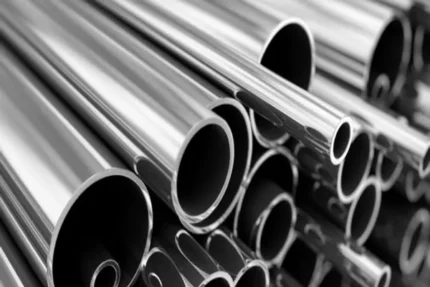
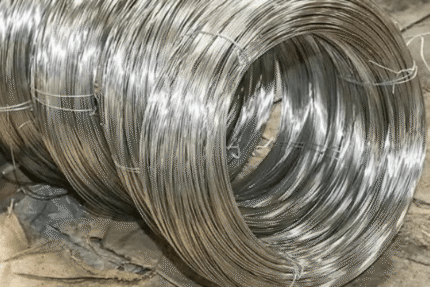
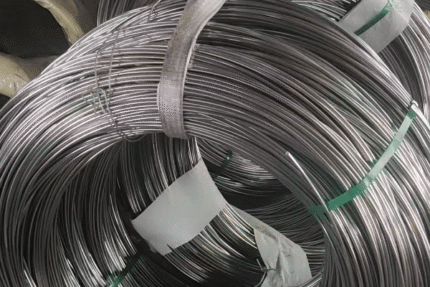
High Standard Stainless Steel With Strict Inspection


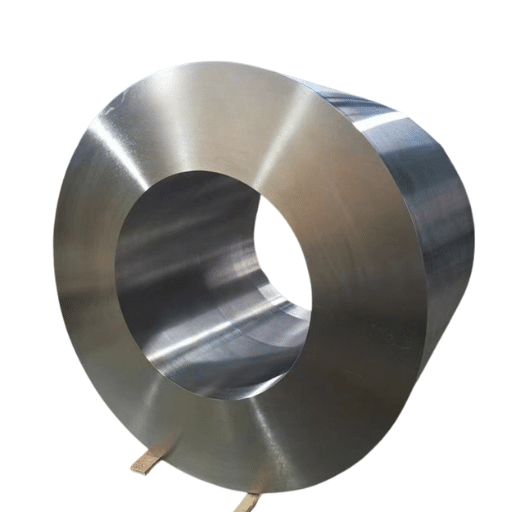
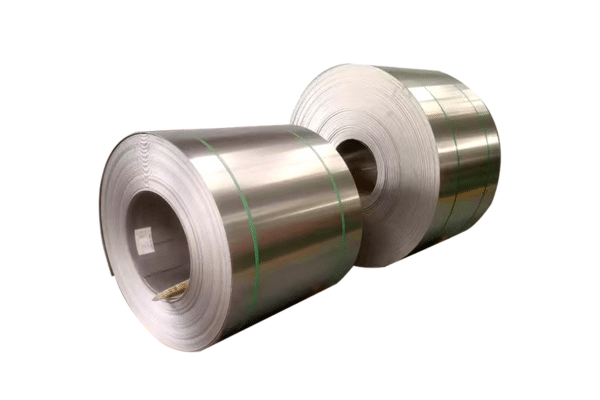
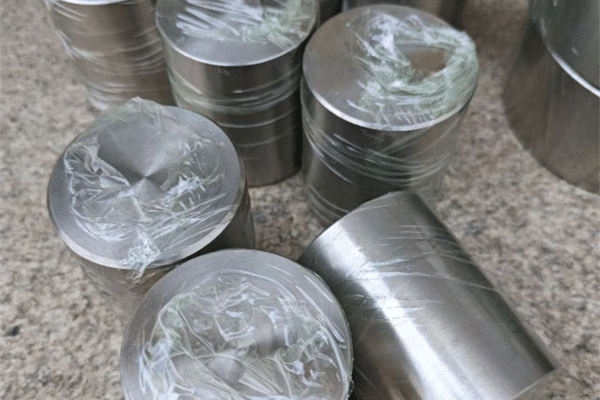
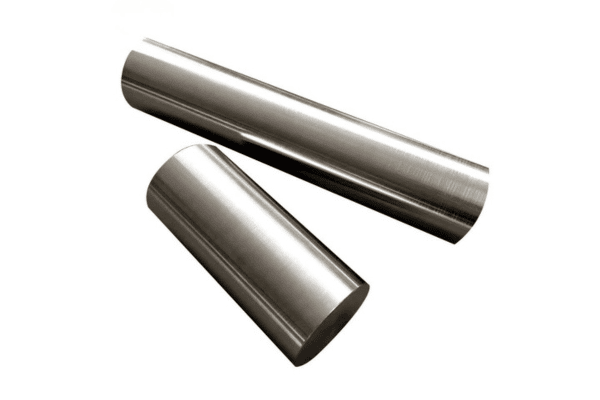
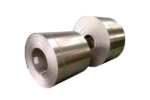
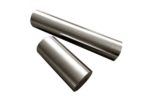
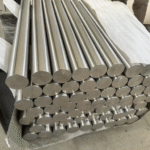
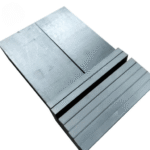
Titanium Grade 5 (TC4 / Ti-6Al-4V)
Complete Technical Data Sheet for Titanium Grade 5 (TC4 / Ti-6Al-4V) Chemical Composition Mechanical Properties Physical Properties International Standards & Grade Equivalents Key Applications of Titanium Grade 5 (TC4 / Ti-6Al-4V) Medical & Biomedical Energy & Power Consumer & Luxury Our Latest Blogs
Description

Titanium Grade 5 (TC4 / Ti-6Al-4V) Available Product Forms

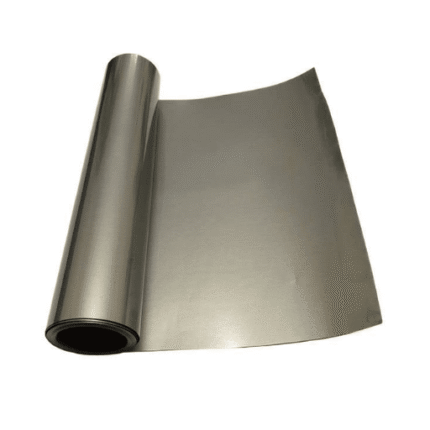
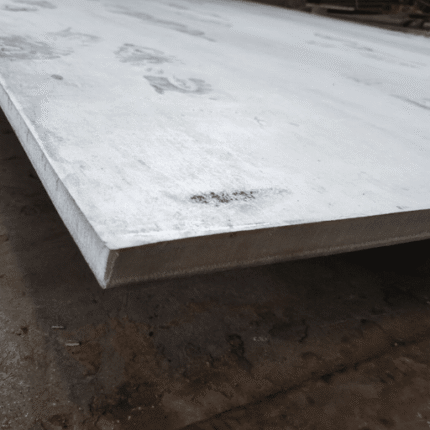
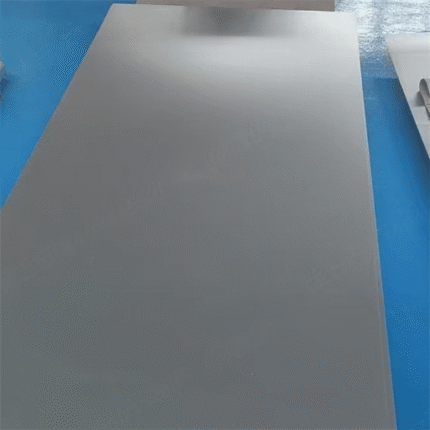
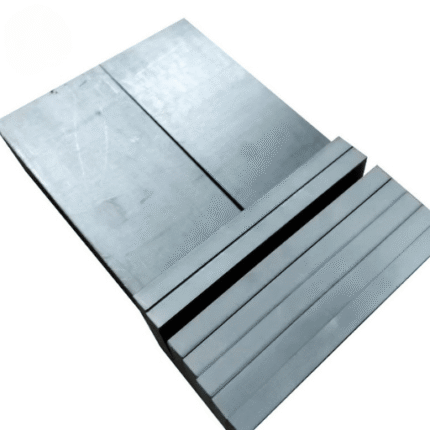
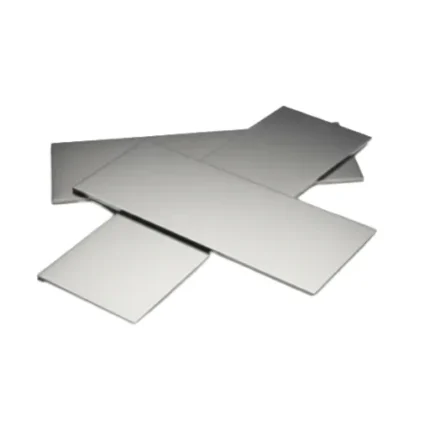
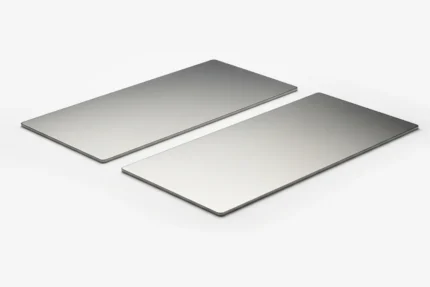
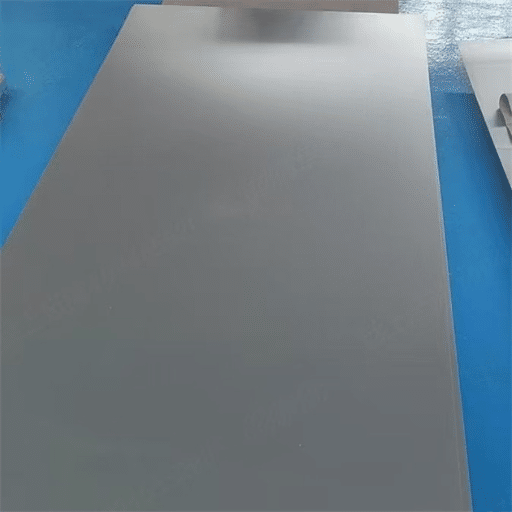
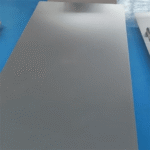
Titanium Plates
Thickness: 0.5mm – 100mm
Width: Up to 2500mm
Standards: ASTM B265, AMS 4928
Surface: Hot rolled, cold rolled, pickled

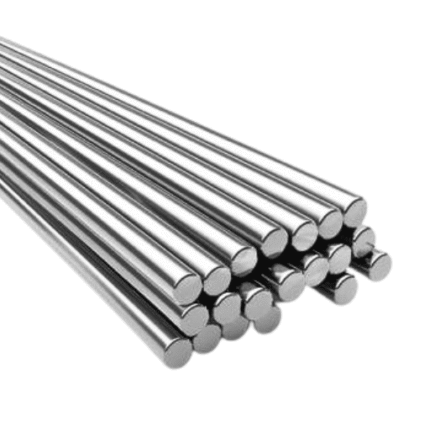
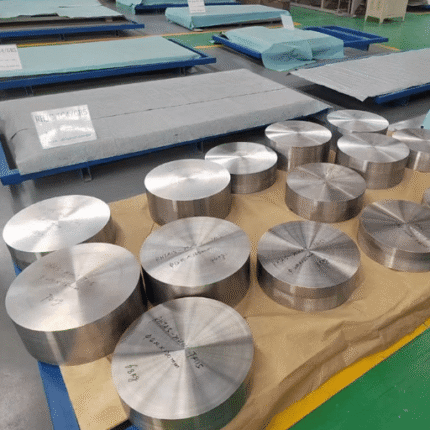
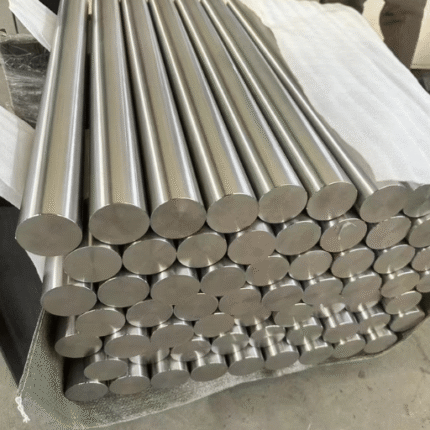
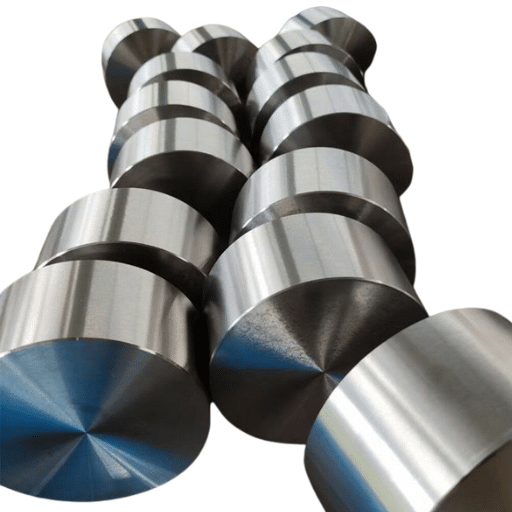
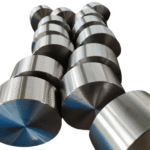
Titanium Bars/Rods
Diameter: 6mm – 400mm
Shapes: Round, square, hex, flat
Standards: ASTM B348, AMS 4928
Finish: Hot finished, cold drawn, ground

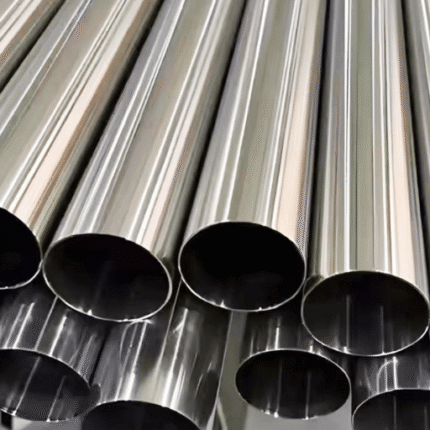
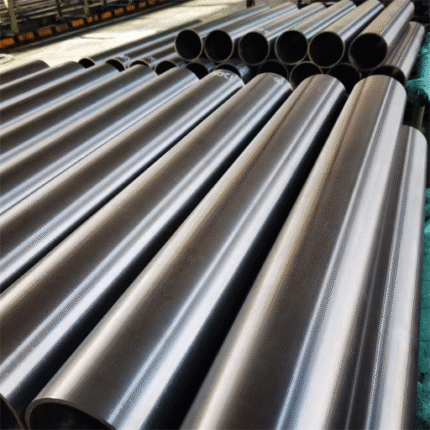
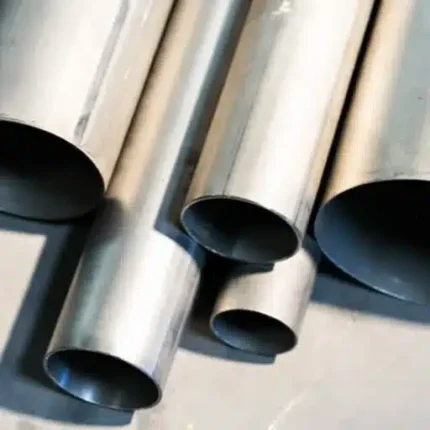
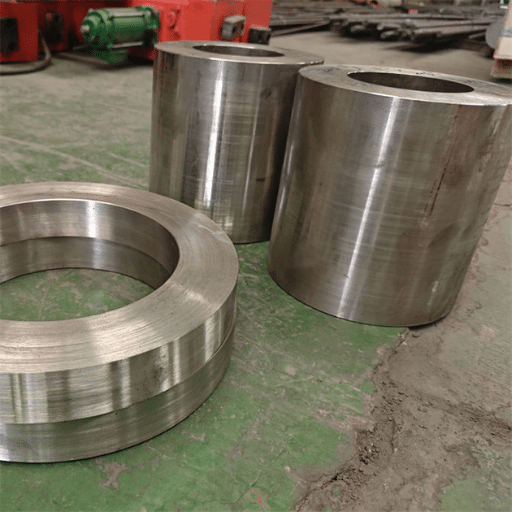
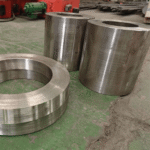
Titanium Tubes
OD: 6mm – 600mm
Wall: 0.5mm – 50mm
Standards: ASTM B338, B861, B862
Types: Seamless, welded

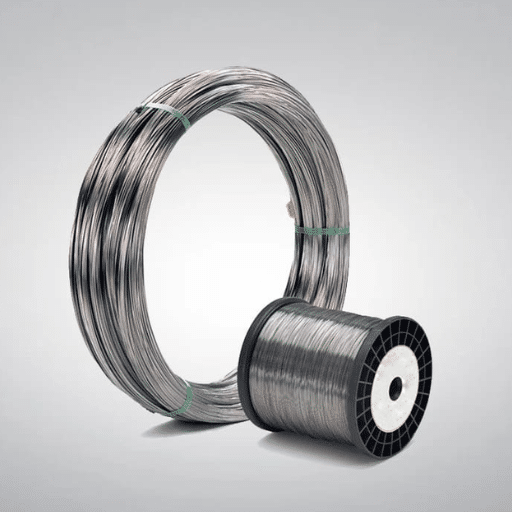
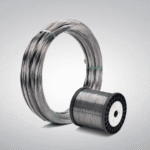
Titanium Wire
Diameter: 0.5mm – 10mm
Types: Welding wire, spring wire
Standards: ASTM B863, AMS 4954
Spool: Coils, straight lengths
Complete Technical Data Sheet for Titanium Grade 5 (TC4 / Ti-6Al-4V)
| Element | Composition (%) | Function |
|---|---|---|
| Titanium (Ti) | Balance (~90%) | Base metal providing corrosion resistance |
| Aluminum (Al) | 5.5 – 6.75% | Alpha stabilizer – increases strength & reduces density |
| Vanadium (V) | 3.5 – 4.5% | Beta stabilizer – improves ductility & formability |
| Iron (Fe) | ≤0.30% | Impurity – controlled for optimal properties |
| Oxygen (O) | ≤0.20% | Interstitial strengthener (0.13% max in ELI grade) |
| Carbon (C) | ≤0.08% | Impurity – minimized for better ductility |
| Nitrogen (N) | ≤0.05% | Interstitial element – controlled levels |
| Hydrogen (H) | ≤0.015% | Impurity – causes embrittlement if excessive |
| Property | Metric | Imperial | Notes |
|---|---|---|---|
| Tensile Strength (Ultimate) | 895 – 1170 MPa | 130 – 170 ksi | Higher than Grade 2 (345 MPa) |
| Yield Strength (0.2% offset) | 828 – 1103 MPa | 120 – 160 ksi | 2x stronger than 316L SS |
| Elongation at Break | 10 – 15% | 10 – 15% | Good ductility for titanium alloy |
| Reduction of Area | 25 – 40% | 25 – 40% | Indicates good formability |
| Elastic Modulus (Young’s) | 114 GPa | 16.5 x 10? psi | Lower than steel (200 GPa) |
| Shear Modulus | 44 GPa | 6.4 x 10? psi | Important for fastener design |
| Poisson’s Ratio | 0.342 | 0.342 | Standard value |
| Hardness (Rockwell C) | 36 HRC | 36 HRC | Or 334 HV (Vickers) |
| Fatigue Strength (10? cycles) | 510 MPa | 74 ksi | Excellent for cyclic loading |
| Fracture Toughness (K1C) | 55 – 115 MPa√m | 50 – 105 ksi√in | Depends on microstructure |
| Property | Value (Metric) | Value (Imperial) | Comparison |
|---|---|---|---|
| Density | 4.43 g/cm³ | 0.160 lb/in³ | 45% lighter than steel (7.85 g/cm³) |
| Melting Point (Solidus) | 1604°C | 2919°F | High temperature capability |
| Melting Point (Liquidus) | 1660°C | 3020°F | Solidification range: 56°C |
| Beta Transus Temperature | 980°C | 1796°F | Critical for heat treatment |
| Thermal Conductivity (20°C) | 6.7 – 7.5 W/m·K | 46.5 BTU-in/h-ft²-°F | Much lower than steel (50 W/m·K) |
| Thermal Expansion (20-100°C) | 8.6 μm/m·K | 4.8 × 10⁻⁶ in/in·°F | Lower than austenitics (17 μm/m·K) |
| Specific Heat (20°C) | 526 J/kg·K | 0.126 BTU/lb·°F | Standard for titanium alloys |
| Electrical Resistivity (20°C) | 1.78 μΩ·m | 713 μΩ·in | Poor conductor vs copper |
| Magnetic Response | Non-magnetic (paramagnetic) | Safe for MRI environments |
| Property | Grade 5 (Standard) | Grade 5 ELI (Grade 23) | Key Difference |
|---|---|---|---|
| UNS Number | R56400 | R56401 | Different designation |
| Oxygen Content | ≤0.20% | ≤0.13% | 37% lower oxygen |
| Iron Content | ≤0.30% | ≤0.25% | Tighter control |
| Tensile Strength | 895-1170 MPa | 860-965 MPa | Slightly lower |
| Yield Strength | 828-1103 MPa | 795-875 MPa | Slightly lower |
| Ductility | 10-15% | ≥15% | Better ductility |
| Fracture Toughness | 55-75 MPa√m | 75-115 MPa√m | Significantly higher |
| Fatigue Resistance | Good | Excellent | Superior for cyclic loads |
| Primary Applications | Aerospace, industrial | Medical implants | Biomedical focus |
| Medical Standard | – | ASTM F136 / ISO 5832-3 | FDA approved |
Why Titanium Grade 5 is the Industry Standard?

Exceptional Strength-to-Weight
Four times stronger than 316 stainless steel at nearly half the weight. Yield strength of 1100 MPa enables thinner, lighter designs without compromising structural integrity in aerospace and automotive applications.
Superior Corrosion Resistance
Forms a protective titanium dioxide layer instantly, providing outstanding resistance to seawater, chlorides, and most acids. Ideal for marine, offshore, and chemical processing environments where steel fails.


Biocompatible & Non-Toxic
FDA-approved for medical implants with unique osseointegration properties. The body’s natural bone and tissue actually bond to titanium, making it perfect for orthopedic, dental, and cardiovascular devices.
High-Temperature Performance
Maintains mechanical properties up to 400°C (750°F), making it suitable for jet engine components, exhaust systems, and industrial equipment operating in extreme thermal conditions.

Key Applications of Titanium Grade 5 (TC4 / Ti-6Al-4V)
Medical & Biomedical
- Hip & knee joint replacements
- Dental implants & prosthetics
- Bone plates & screws
- Spinal fusion cages
- Heart valve components
- Surgical instruments
Energy & Power
- Nuclear reactor components
- Geothermal equipment
- Wind turbine components
- Steam turbine blades
- Battery cases (electric vehicles)
- Fuel cell components
Consumer & Luxury
- Watch cases & bands
- Jewelry & accessories
- Eyeglass frames
- Golf club heads
- Bicycle frames
- Premium sports equipment
What Our Clients Say
“We’ve been using Titanium Grade 5 for surgical implants, and its biocompatibility and corrosion resistance ensure the highest level of patient safety.”

Mark Davis
Medical Implant Specialist
“Titanium Grade 5 has significantly improved the performance of our high-performance vehicles. Its strength-to-weight ratio is a game-changer.”

Emily Carter
Automotive Engineer
Our Latest Blogs

Alloy 625 Severe Sour Gas Service: Complete Guide
Alloy 625 is the default nickel-based alloy for severe sour gas service, qualified under NACE MR0175/ISO 15156 for all H2S…

Super 13Cr Stainless Steel: CO2 & Sour Service Guide
Super 13Cr stainless steel is a low-carbon, nickel- and molybdenum-strengthened martensitic grade (UNS S41425, S41426, S41427) built to outlast conventional…

Inconel 718 vs 725 vs 925: The Complete Selection Guide
Inconel 718, 725, and 925 are all age-hardenable nickel alloys, but each is built for a different job. Choose Inconel…

Duplex Stainless Steel Sour Service: 2205 vs 2507 Limits
Yes, duplex stainless steel sour service is practical and proven, but only within defined NACE MR0175/ISO 15156 limits. Standard duplex…

What Is Sour Service? H2S Environments Explained
Sour service is oil and gas equipment exposure to hydrogen sulfide (H2S) that can crack steel and other alloys. Under…

Sulfide Stress Cracking: Hardness Limits & Prevention
Sulfide stress cracking (SSC) is a form of hydrogen embrittlement that occurs when high-hardness steel under tensile stress is exposed…

NACE MR0175/ISO 15156 Explained: Sour Service Guide
NACE MR0175/ISO 15156 is the international standard that governs metallic materials for oil and gas production environments containing hydrogen sulfide…

How to Select Corrosion-Resistant Alloys for Sour Service
To select a corrosion-resistant alloy for sour service, characterize the environment first, classify sour severity by H2S partial pressure, screen…
Frequently Asked Questions
What is Titanium Grade 5?
Titanium Grade 5, often referred to as Ti-6Al-4V or TC4, is the most widely used titanium alloy. It’s known as the “workhorse” of the titanium industry because it offers an excellent combination of high strength, low weight, and superior corrosion resistance.
What is Titanium Grade 5 used for?
Thanks to its versatile properties, you’ll find Titanium Grade 5 in many demanding industries. Common applications include:
Aerospace: Structural components, aircraft engine parts, landing gear, and fasteners.
Medical: Surgical implants like hip and knee joints, dental implants, and surgical instruments.
Marine: Components exposed to saltwater, such as propeller shafts, rigging, and parts for submersibles.
High-Performance Automotive: Engine components like connecting rods and valves, as well as exhaust systems.
Sporting Goods: High-end bicycle frames, golf club heads, and tennis rackets.
Is Titanium Grade 5 difficult to machine?
Machining titanium alloys like Grade 5 can be more challenging than machining steel or aluminum. It requires sharp tools, slower speeds, higher feed rates, and the use of proper coolant. However, with the right techniques and equipment, you can achieve excellent results.
Can you weld Titanium Grade 5?
Yes, you can weld Titanium Grade 5. The most common methods are Gas Tungsten Arc Welding (GTAW or TIG) and Gas Metal Arc Welding (GMAW or MIG). It is crucial to ensure the weld area is completely clean and shielded with an inert gas (like argon) to prevent contamination, which can make the material brittle.
What’s the difference between Grade 5 (Ti-6Al-4V) and commercially pure titanium?
Commercially pure (CP) titanium grades (like Grade 1 or 2) are unalloyed and are not as strong as Grade 5. While CP titanium offers excellent corrosion resistance and formability, Grade 5 is chosen when high strength is a primary requirement. Grade 5’s composition—6% aluminum and 4% vanadium—is what gives it significantly higher mechanical properties.
How does Titanium Grade 5 compare to aluminum alloys in high-performance applications?
While both materials are prized for being lightweight, Titanium Grade 5 offers significant advantages over high-strength aluminum alloys.
Enhanced Corrosion Resistance: Titanium is virtually immune to corrosion from saltwater and a wide range of chemicals, offering a longer service life than aluminum in harsh environments.
Superior Strength and Temperature Resistance: Grade 5 titanium maintains its strength at much higher temperatures (up to around 600°F / 315°C), whereas aluminum alloys begin to lose strength at temperatures above 300°F / 150°C.
Better Durability: Titanium Grade 5 has superior fatigue life and resistance to crack propagation, making it a more durable choice for critical components under cyclic stress, such as aircraft landing gear or high-performance engine parts.
What are the different heat treatment conditions for Titanium Grade 5?
Titanium Grade 5 is most commonly used in its annealed state, which provides a good balance of strength, ductility, and toughness. However, it can be heat-treated to enhance its mechanical properties. The main conditions are:
Solution Treated and Aged (STA): This two-step process significantly increases the strength of the alloy. The material is heated to a specific temperature (solution treating) and then rapidly cooled, followed by reheating to a lower temperature for a longer period (aging). The STA condition is ideal for applications requiring maximum strength, though it may slightly reduce ductility.
Annealed: The standard condition, offering excellent all-around performance and stability. This is the most common form.
Does Titanium Grade 5 require special maintenance or care?
One of the key benefits of Titanium Grade 5 is its minimal maintenance requirements. Due to its exceptional corrosion resistance, it forms a stable, protective oxide layer on its surface when exposed to air. This layer self-heals if scratched, preventing rust or degradation in most environments, including marine and chemical settings. For most applications, no special coatings or regular treatments are needed to protect the material from the elements, making it a highly reliable, “fit-and-forget” solution.
Shipping and Delivery