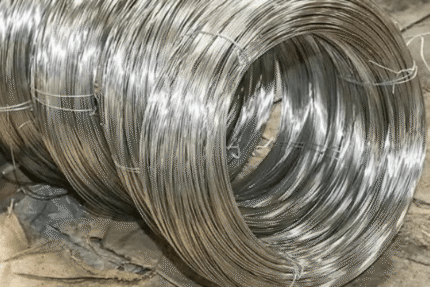
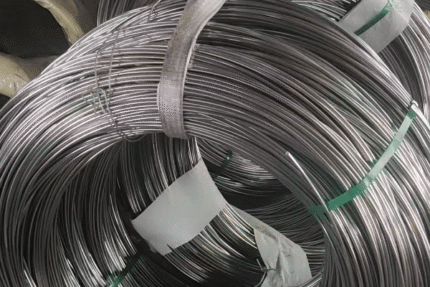
High Standard Stainless Steel With Strict Inspection


Titanium Grade 1 (TA1)
Complete Technical Data Sheet of TA1 specifications Chemical Composition Mechanical Properties Physical Properties International Standards & Grade Equivalents Welding and Heat Treatment of TA1 Titanium Welding Techniques for Grade 1 Titanium Welding TA1, or Grade 1 Titanium, requires specific techniques to maintain its mechanical properties and corrosion resistance. Gas Tungsten Arc Welding (GTAW) and Plasma […]
Description
TA1 or Titanium Grade 1 is renowned for its unique characteristics. This article explores the properties, applications, and advantages of TA1, a commercially pure titanium recognized for its exceptional corrosion resistance, ductility, and biocompatibility, setting a benchmark in the titanium industry.

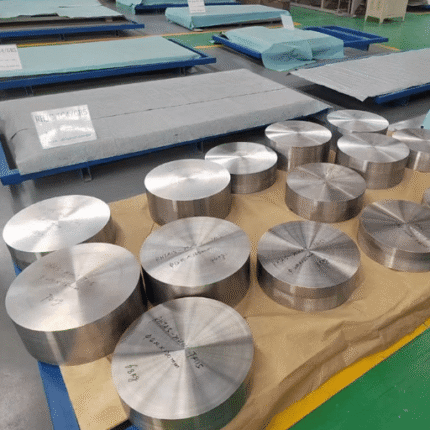
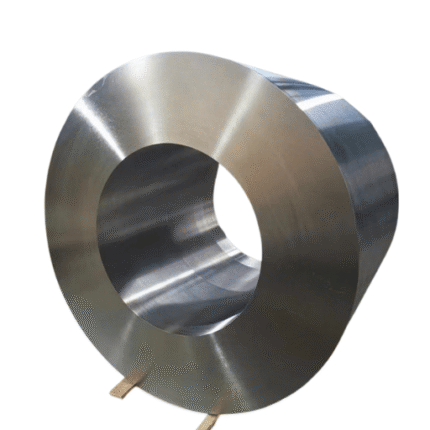
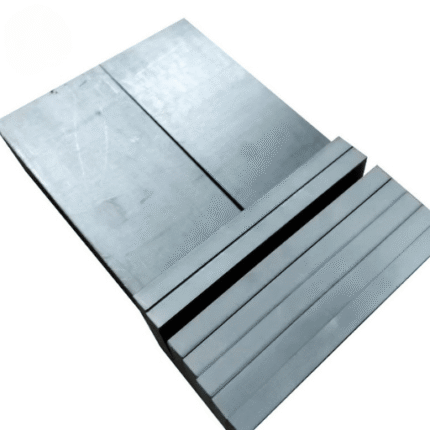
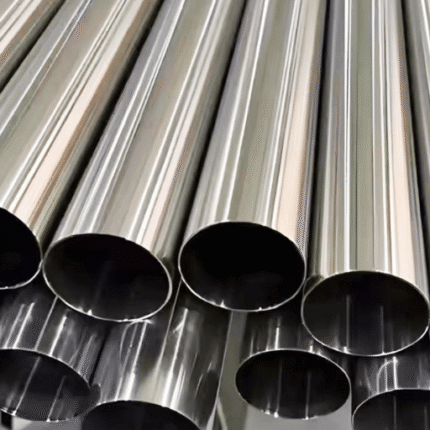
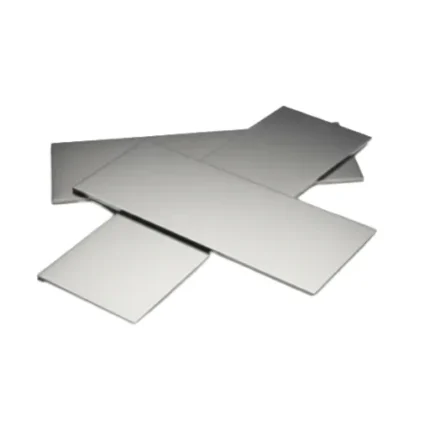
Four Product Forms of Titanium Grade 1 (TA1)

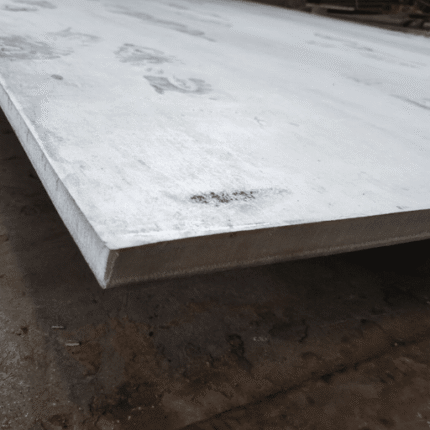
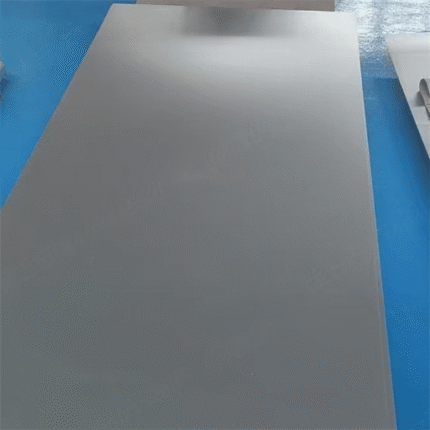
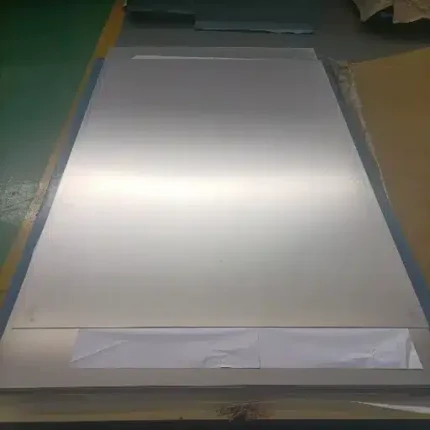
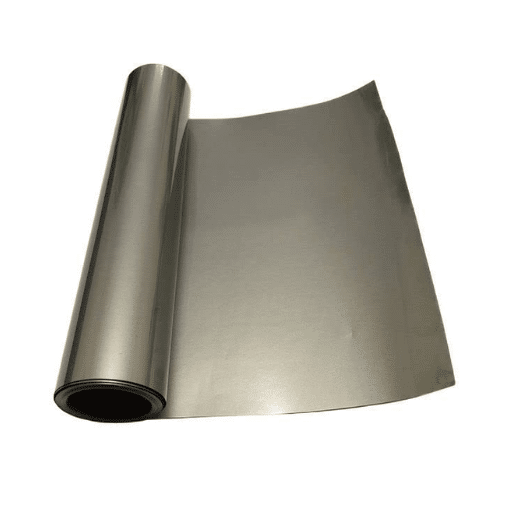
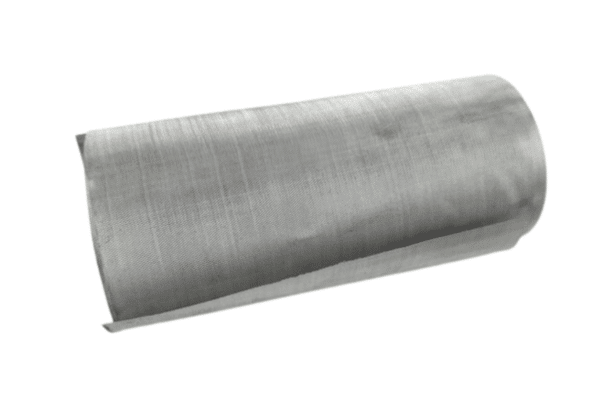
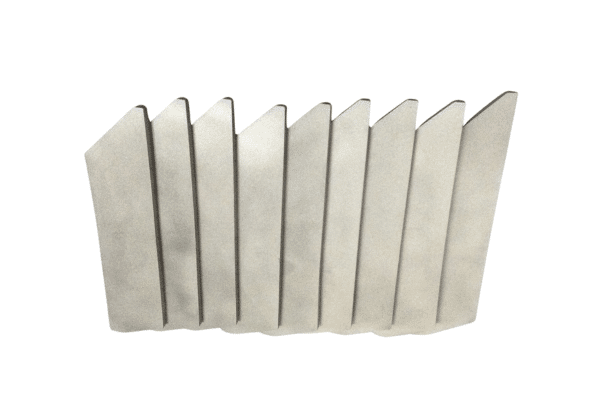
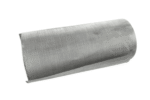
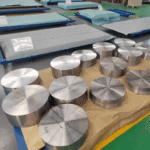
Titanium Grade 1 (TA1) Plates
Titanium Grade 1 plates are made from commercially pure titanium, offering excellent corrosion resistance and high strength-to-weight ratio, making them ideal for aerospace and marine applications.

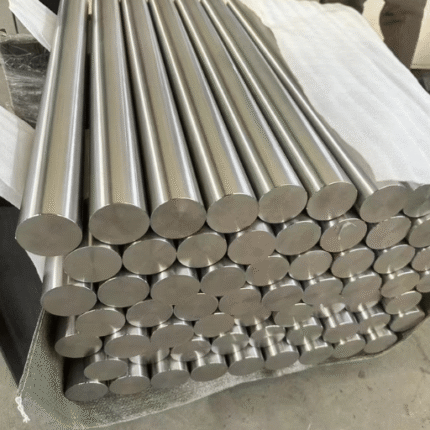
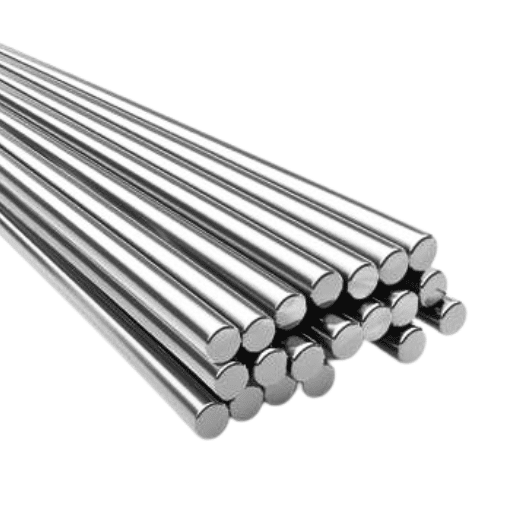
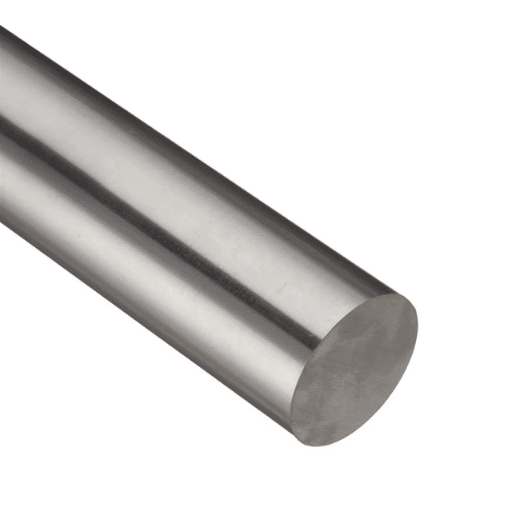
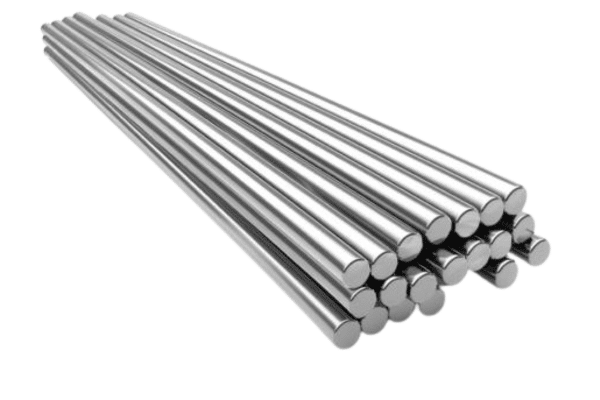
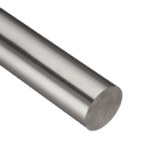
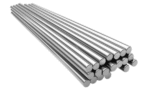
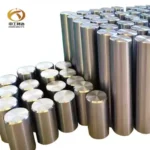
Titanium Grade 1 (TA1) Bars/Rods
Titanium Grade 1 bars and rods exhibit exceptional ductility and mechanical properties, suitable for various applications including medical devices and structural components.

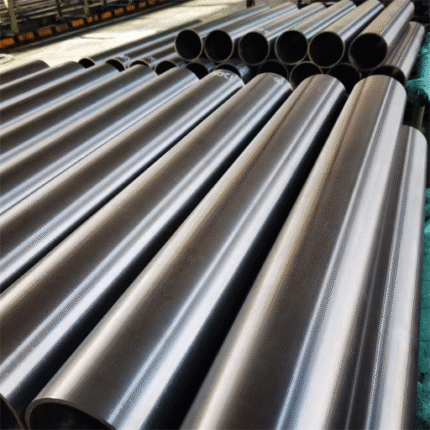
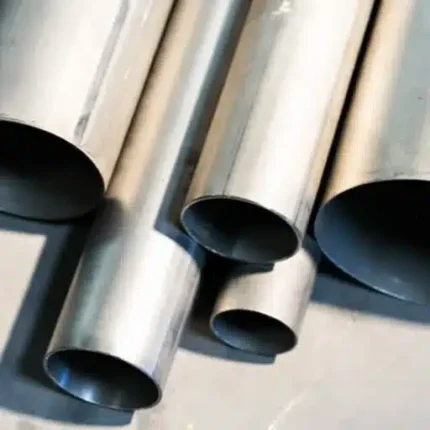
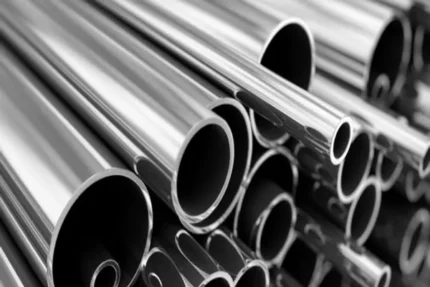
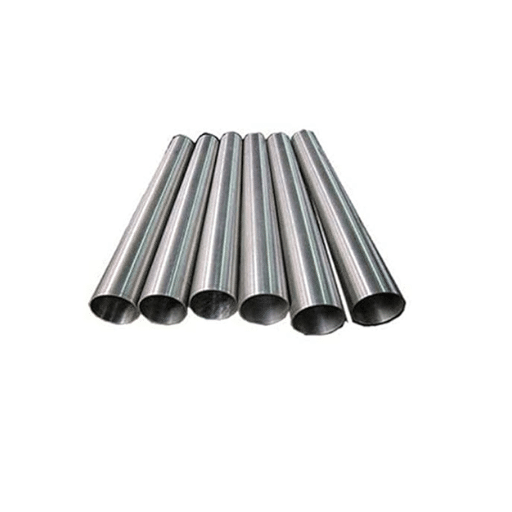
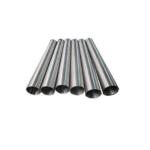
Titanium Grade 1 (TA1) Tubes
Titanium Grade 1 tubes are widely used in corrosive environments due to their high corrosion resistance, often found in pressure vessels and heat exchangers.

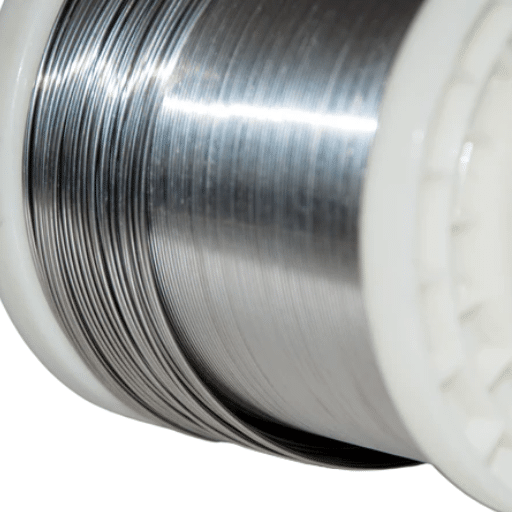
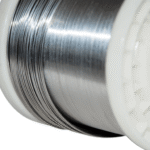
Titanium Grade 1 (TA1) Wire
Titanium Grade 1 wire is utilized in applications requiring high fatigue strength and biocompatibility, such as orthodontic appliances and surgical implants.
Complete Technical Data Sheet of TA1 specifications
| Element | Amount (%) |
|---|---|
| Titanium (Ti) | Remainder |
| Oxygen (O) | ≤ 0.18 |
| Nitrogen (N) | ≤ 0.03 |
| Carbon (C) | ≤ 0.08 |
| Hydrogen (H) | ≤ 0.015 |
| Iron (Fe) | ≤ 0.20 |
| Property | Specification |
|---|---|
| Tensile Strength (MPa) | ≥ 240 |
| Yield Strength (MPa) | ≥ 170 |
| Elongation (%) | ≥ 24 |
| Hardness (Rockwell B) | ≈ 35 |
| Modulus of Elasticity (GPa) | 105 – 120 |
| Shear Strength (MPa) | 400 – 550 |
| Fatigue Strength (MPa) | ≈ 160 |
| Density (g/cm³) | 4.51 |
| Weldability | Excellent |
| Ductility | High |
| Property | Specification |
|---|---|
| Melting Point (°C) | 1660 – 1670 |
| Density (g/cm³) | 4.51 |
| Thermal Conductivity (W/m·K) | 16 |
| Coefficient of Expansion | 8.6 × 10⁻⁶ /°C |
| Electrical Resistivity (µΩ·cm) | 56 |
| Specific Heat (J/g·°C) | 0.523 |
| Oxidation Resistance | High |
| Corrosion Resistance | Excellent |
| Magnetism | Non-magnetic |
| Workability | Good |
| Standard/Grade | Country | Equivalent |
|---|---|---|
| ASTM B265 | USA | Titanium Grade 1 |
| EN 10204 | Europe | 3.7035 |
| JIS H4600 | Japan | JIS Grade 1 |
| ISO 5832-2 | Global | Titanium Grade 1 Medical |
| MIL-T-9047 | USA | Grade 1 |
| BS TA1 | UK | TA1 |
| ASME SB-265 | USA | Titanium Grade 1 |
| DIN 17850 | Germany | 3.7025 |
| AMS 4902 | USA | Titanium Sheet & Plate |
| GB/T 3621 | China | TA1 |
Mechanical Properties of Grade 1 Titanium

Tensile Strength and Ductility
TA1 properties highlight the exceptional ductility and tensile strength of Grade 1 titanium, making it the most ductile among commercially pure titanium grades. With a yield strength of 170 to 310 MPa and a 24% elongation capability, it is ideal for applications requiring high formability and structural integrity.
Fatigue Resistance of Titanium Grade 1 (TA1)
Grade 1 Titanium (TA1) is known for its excellent fatigue resistance, crucial for applications facing cyclic loading. This property allows it to endure repeated stress, making it suitable for aerospace and industrial machinery, ensuring longevity, reliability, and enhanced safety in engineered systems.


Comparison with Other Grades
Grade 1 Titanium is the softest and most formable, offering notable corrosion resistance, making it ideal for applications prioritizing ease of fabrication. In contrast, Grade 5 provides superior strength but lower ductility, while Grade 2 strikes a balance between strength and corrosion resistance.
Welding and Heat Treatment of TA1 Titanium
Welding Techniques for Grade 1 Titanium
Welding TA1, or Grade 1 Titanium, requires specific techniques to maintain its mechanical properties and corrosion resistance. Gas Tungsten Arc Welding (GTAW) and Plasma Arc Welding (PAW) are particularly suited for this grade due to their precision and control. These methods ensure minimal contamination and maintain the integrity of the oxide film, crucial for corrosion resistance. Post-weld treatments are essential to recover any compromised properties, ensuring the alloy retains its high strength and excellent ductility.
Heat Treatment Processes
Heat treatment is a pivotal process in refining the mechanical properties of Grade 1 Titanium. The annealing process enhances ductility and relieves internal stresses without significantly altering the alloy’s inherent corrosion resistance. This process involves heating the titanium to a specific temperature, followed by controlled cooling to achieve the desired microstructure. Heat treatment can also improve the material’s machinability, making it suitable for advanced applications in aerospace and medical devices. Such treatments ensure the titanium sheet maintains its high performance under various conditions.
Effects of Heat Treatment on Properties
The effects of heat treatment on Grade 1 Titanium are profound, impacting both its physical and mechanical properties. Thermal processes enhance ductility and toughness, ensuring the material withstands high-stress environments. The controlled heating and cooling cycles refine the microstructure, resulting in improved tensile strength and fatigue resistance. These enhancements are critical for applications demanding high performance, such as pressure vessels and orthopedic implants, where reliability and material integrity are paramount.
What Our Clients Say
“Titanium Grade 1 (TA1) exceeded my expectations with its exceptional corrosion resistance and lightweight properties. It’s the perfect material for high-performance aerospace applications, ensuring durability and efficiency.”

John Carter
Aerospace Engineer
“TA1 is incredible for medical implants, thanks to its biocompatibility and strength. Its reliability and ease of fabrication make it an indispensable choice for crafting safe and durable devices.”

Emily Rodriguez
Medical Device Designer
Our Latest Blogs

Alloy 625 Severe Sour Gas Service: Complete Guide
Alloy 625 is the default nickel-based alloy for severe sour gas service, qualified under NACE MR0175/ISO 15156 for all H2S…

Super 13Cr Stainless Steel: CO2 & Sour Service Guide
Super 13Cr stainless steel is a low-carbon, nickel- and molybdenum-strengthened martensitic grade (UNS S41425, S41426, S41427) built to outlast conventional…

Inconel 718 vs 725 vs 925: The Complete Selection Guide
Inconel 718, 725, and 925 are all age-hardenable nickel alloys, but each is built for a different job. Choose Inconel…

Duplex Stainless Steel Sour Service: 2205 vs 2507 Limits
Yes, duplex stainless steel sour service is practical and proven, but only within defined NACE MR0175/ISO 15156 limits. Standard duplex…

What Is Sour Service? H2S Environments Explained
Sour service is oil and gas equipment exposure to hydrogen sulfide (H2S) that can crack steel and other alloys. Under…

Sulfide Stress Cracking: Hardness Limits & Prevention
Sulfide stress cracking (SSC) is a form of hydrogen embrittlement that occurs when high-hardness steel under tensile stress is exposed…

NACE MR0175/ISO 15156 Explained: Sour Service Guide
NACE MR0175/ISO 15156 is the international standard that governs metallic materials for oil and gas production environments containing hydrogen sulfide…

How to Select Corrosion-Resistant Alloys for Sour Service
To select a corrosion-resistant alloy for sour service, characterize the environment first, classify sour severity by H2S partial pressure, screen…
Frequently Asked Questions
What is Titanium Grade 1 (TA1) and its primary characteristics?
Titanium Grade 1 (TA1) is an unalloyed, commercially pure titanium known for its high corrosion resistance, exceptional ductility, and excellent weldability. It is lightweight and has a high strength-to-weight ratio, making it ideal for various industrial applications.
What industries commonly use Titanium Grade 1 (TA1)?
Titanium Grade 1 is widely used in aerospace, chemical processing, medical, marine, and power generation industries due to its corrosion resistance and biocompatibility.
What are some pure titanium applications associated with Titanium Grade 1?
Titanium Grade 1 is used in applications such as chemical storage tanks, heat exchangers, seawater pipelines, surgical implants, and medical devices where its corrosion resistance and biocompatibility are critical.
How does Titanium Grade 1 (TA1) compare to other titanium alloys?
Compared to other titanium grades, TA1 offers the highest level of corrosion resistance and ductility. While it has lower strength than other alloyed grades, its excellent formability and weldability make it suitable for specific applications requiring these properties.
Can Titanium Grade 1 be customized into specific forms or sizes?
Yes, Titanium Grade 1 can be tailored into sheets, plates, bars, pipes, and other custom forms to meet the unique requirements of customers across various industries.
What services can we provide for Titanium Grade 1 (TA1)?
We offer comprehensive services, including material supply, custom fabrication, precision cutting, and expert consultation to help customers integrate Titanium Grade 1 into their systems effectively and efficiently.
Is Titanium Grade 1 suitable for marine environments?
Yes, Titanium Grade 1 is highly resistant to saltwater corrosion, making it an excellent choice for marine-related applications such as desalination systems, offshore equipment, and shipbuilding.
What are the advantages of using Titanium Grade 1 for medical devices?
Titanium Grade 1’s biocompatibility, corrosion resistance, and non-toxicity make it ideal for medical device applications, such as implants, surgical tools, and prosthetics, ensuring both safety and durability.
Shipping and Delivery