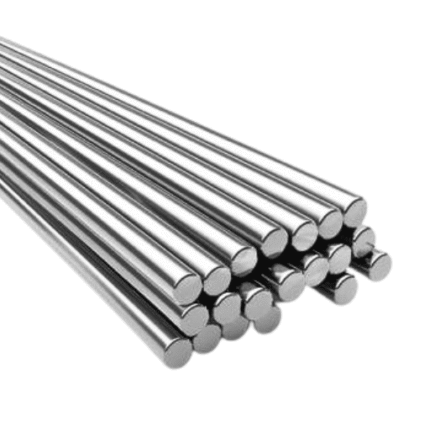
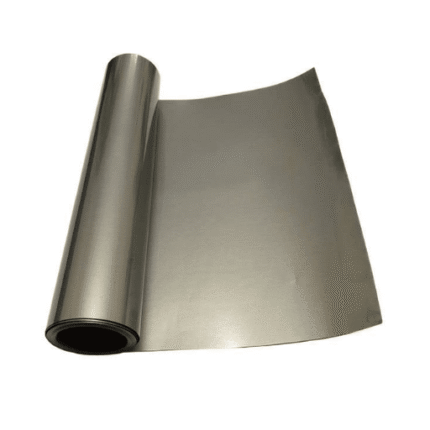
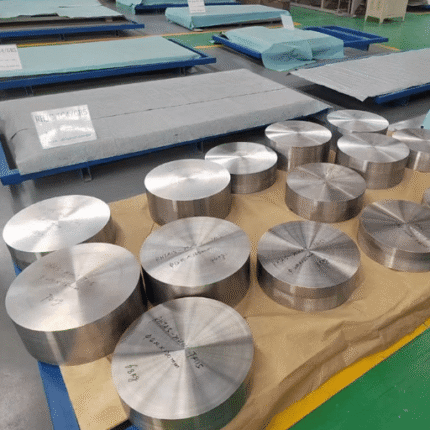
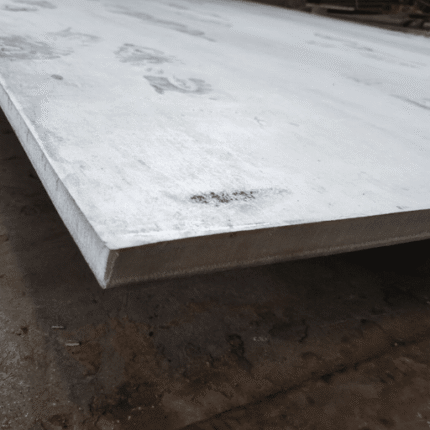
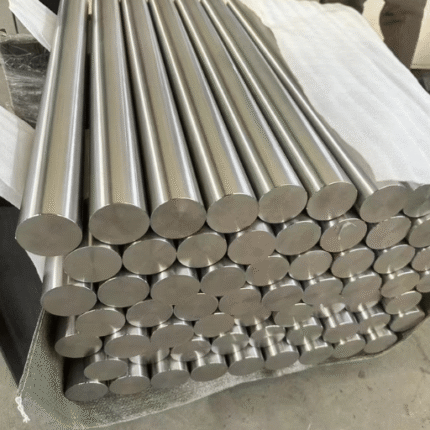
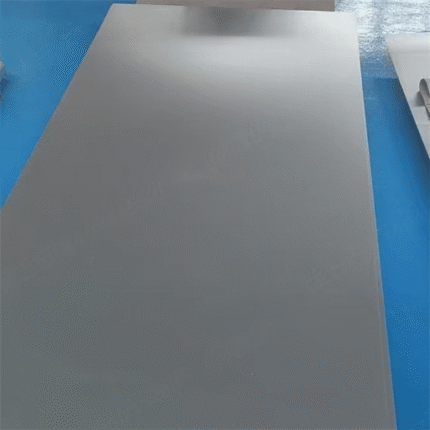
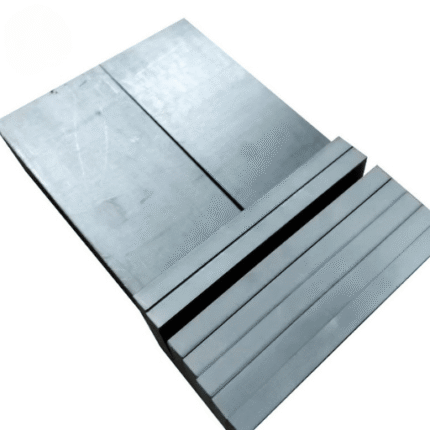
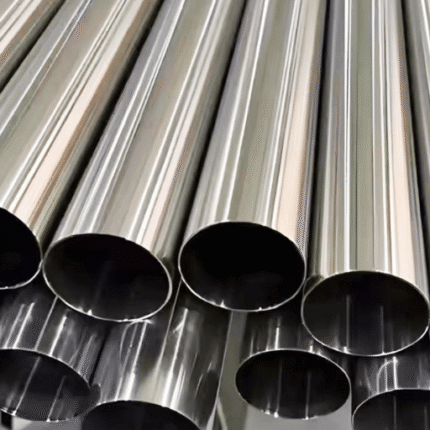
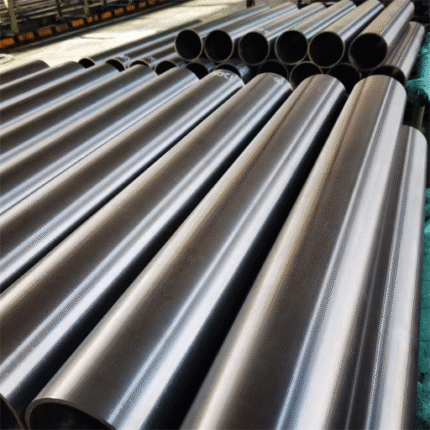
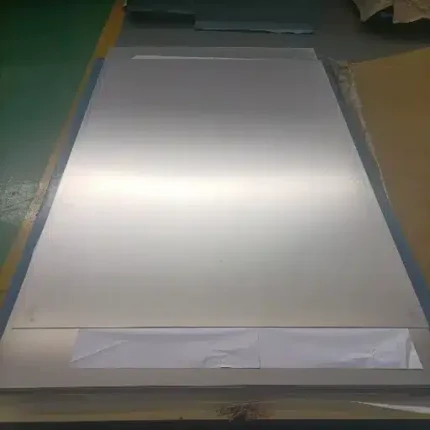
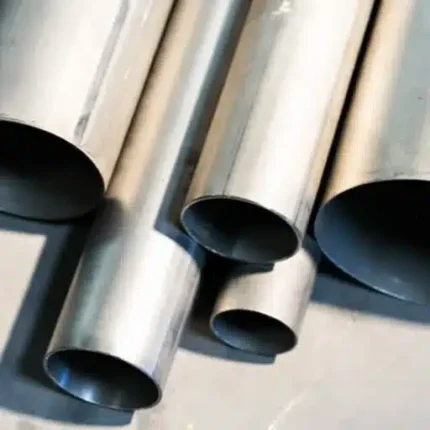
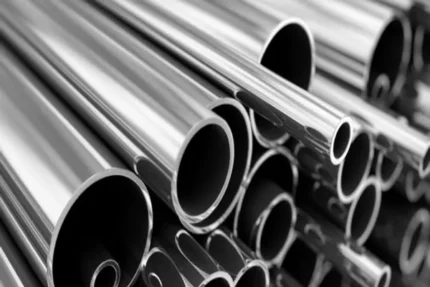
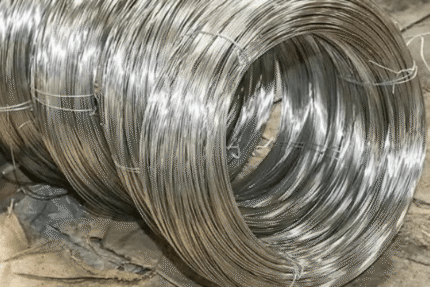
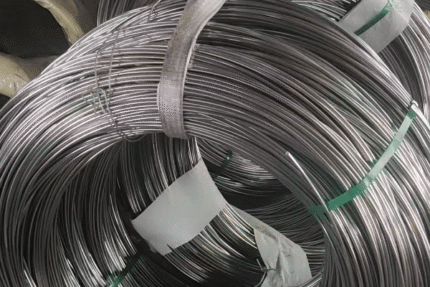
High Standard Stainless Steel With Strict Inspection


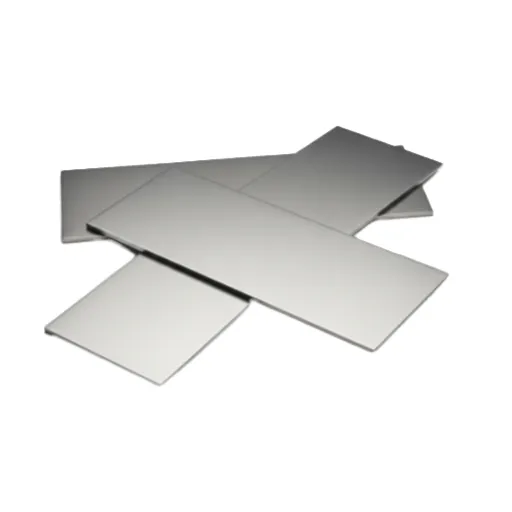
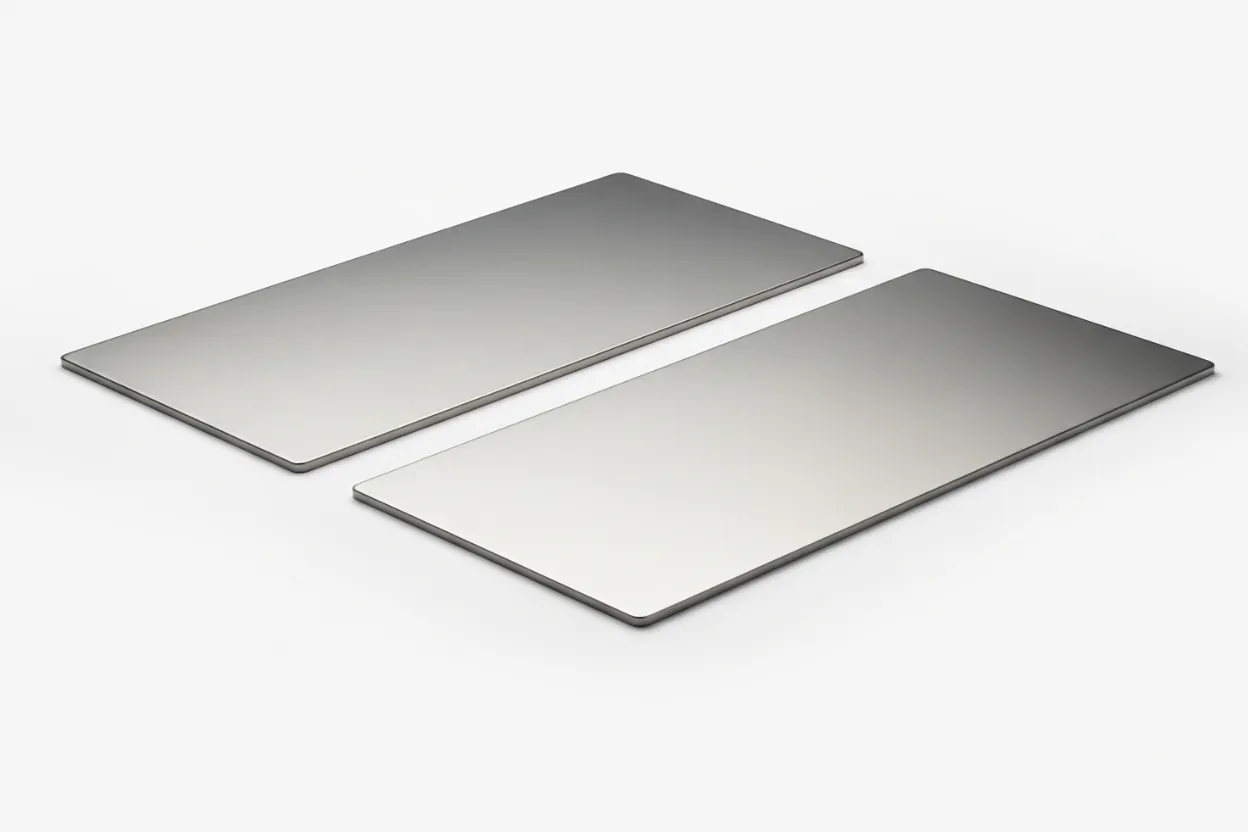

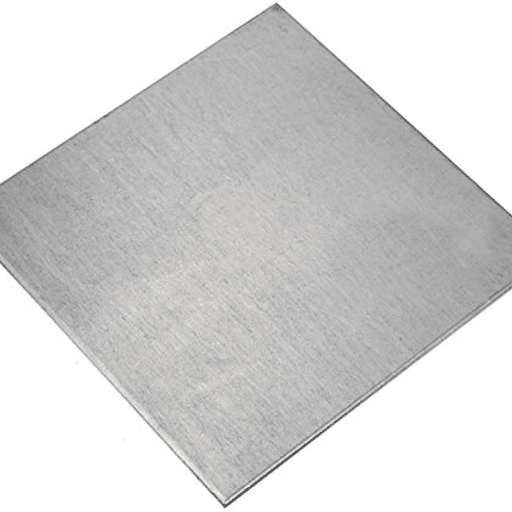
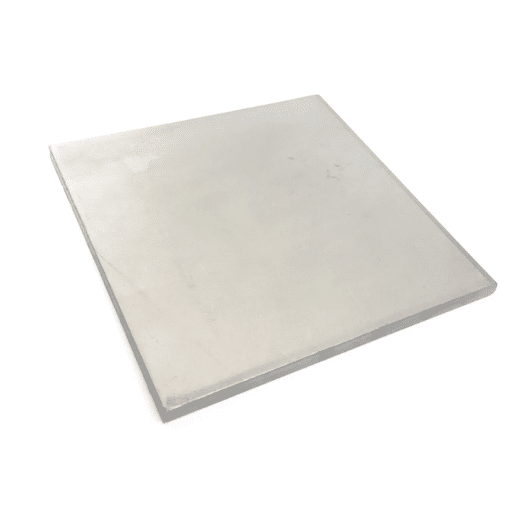
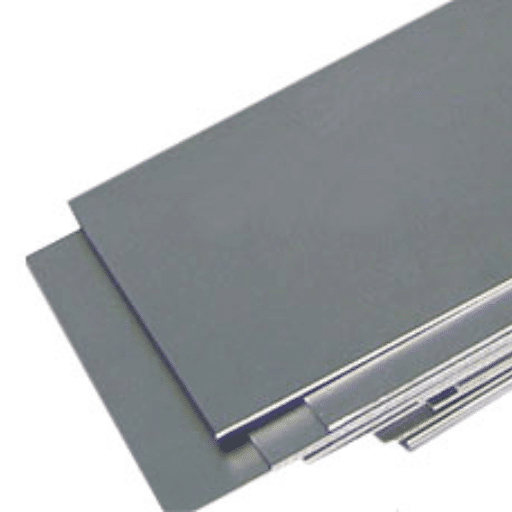


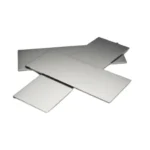
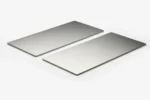

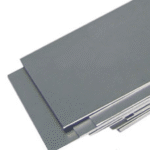


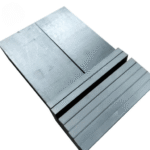
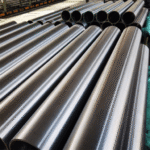
Titanium Plates
Exceptional Strength-to-Weight Ratio Titanium plates offer tensile strength up to 895 MPa while being 45% lighter than steel. This remarkable combination makes them ideal for aerospace applications where every gram counts, yet structural integrity cannot be compromised. Perfect for aircraft frames, engine components, and spacecraft structures. Superior Corrosion Resistance Titanium forms a protective oxide layer […]
Description


Titanium Plates: Lightweight, Durable, and Corrosion-Resistant
Titanium plates are the ultimate solution for industries requiring lightweight yet incredibly strong materials. Known for their exceptional corrosion resistance, biocompatibility, and high strength-to-weight ratio, titanium plates are widely used in aerospace, medical, automotive, and industrial applications. Whether you need standard sizes or custom dimensions, titanium plates deliver unmatched performance and reliability.
While titanium has a higher initial cost, superior durability, and zero maintenance delivers exceptional long-term value
Titanium Plate Grades Overview
Industry-standard titanium plate grades with detailed composition and performance data
Grade 1 (CP Ti)
Applications: Chemical equipment, desalination, medical implants, architectural cladding
Tensile Strength: 240-370 MPa Yield Strength: 170-310 MPa (25 KSI)Elongation: ≥ 30%
Grade 5 (Ti-6Al-4V)
Applications: Aircraft engines, turbine blades, spacecraft, orthopedic implants, high-performance automotive
Tensile Strength: 895-930 MPaYield Strength: 828-870 MPaElongation: 10-15%
Grade 12 (Ti-0.3Mo-0.8Ni)
Applications: Sulfuric/hydrochloric acid equipment, wet metallurgy, acidic pipelines
Tensile Strength: 485-655 MPaYield Strength: 345-485 MPaElongation: ≥ 18%
Detailed Physical & Mechanical Properties of Titanium Plates
| Property | Value | Standard/Notes |
|---|---|---|
| Density | 4.51 g/cm³ (Grade 2), 4.43 g/cm³ (Grade 5) | 45% lighter than steel, 60% heavier than aluminum |
| Melting Point | 1668°C (3034°F) | High-temperature stability |
| Thermal Conductivity | 16-22 W/m·K | Low compared to copper or aluminum |
| Thermal Expansion | 8.6 μm/m·K | Similar to stainless steel |
| Elastic Modulus | 103-120 GPa | More flexible than steel (200 GPa) |
| Electrical Resistivity | 42-54 μΩ·cm | Poor conductor (non-magnetic) |
| Operating Temperature Range | -200°C to +600°C | Maintains properties across range |
| Hardness | HB 120-350 (depending on grade) | ASTM E10 |
| Plate Thickness Range | 0.25″ (6.35mm) to 4″ (101.6mm) | Custom thicknesses available |
| Standard Sizes | 48″ × 96″, 48″ × 120″, 60″ × 120″ | Custom dimensions on request |
| Surface Finish | Hot-rolled, Cold-rolled, Polished | Ra 0.8-6.3 μm |
| Tolerance | ±0.5mm to ±2mm (thickness) | ISO 2768, ASTM B265 |
Why Choose Titanium Plates?
Experience the exceptional properties that make titanium the material of choice for demanding applications across multiple industries

Exceptional Strength-to-Weight Ratio
Titanium plates offer tensile strength up to 895 MPa while being 45% lighter than steel. This remarkable combination makes them ideal for aerospace applications where every gram counts, yet structural integrity cannot be compromised. Perfect for aircraft frames, engine components, and spacecraft structures.

Superior Corrosion Resistance
Titanium forms a protective oxide layer that provides exceptional resistance to seawater, chlorides, acids, and alkaline environments. Performs flawlessly in marine applications, chemical processing equipment, and offshore structures for 20+ years without degradation. Virtually immune to pitting and crevice corrosion.

High Temperature Performance
Maintains mechanical properties and structural integrity at temperatures from -200°C to +600°C. Grade 5 alloy retains strength at 300°C, making it perfect for jet engines, power plant equipment, and automotive exhaust systems. Superior thermal stability ensures reliable performance in extreme conditions.

Biocompatibility Excellence
Medical-grade titanium (Grade 23 ELI) is completely biocompatible with human tissue, non-toxic, and non-allergenic. FDA-approved for surgical implants, orthopedic devices, dental implants, and cardiovascular stents. Osseointegration capability allows bone to grow directly onto titanium surfaces.
Our Titanium Plates Handling, Storage & Maintenance Guidelines
Best practices to preserve titanium plate quality and performance
Storage Requirements
To ensure the longevity and quality of titanium plates, store them indoors in a dry, well-ventilated area at 15-25°C with less than 60% relative humidity. Use rubber or plastic spacers between plates and keep protective films or coatings intact to prevent damage. Always isolate titanium plates from carbon steel to avoid contamination and store them flat on level pallets to prevent bending. Implement a FIFO (First-In, First-Out) inventory system for proper material rotation and conduct monthly visual inspections to check for any signs of damage or corrosion.
Handling Precautions
When handling titanium plates, use nylon slings or padded chains for lifting, avoiding steel cables and contact with carbon steel tools or surfaces to prevent contamination. Keep the plates away from iron, copper, or aluminum chips, and clean them using titanium-safe brushes and tools. For cutting, a dedicated titanium cutting area is recommended. Always wear clean cotton or nitrile gloves to maintain cleanliness, and deburr sharp edges to prevent injury. During transportation, ensure the plates are securely fastened to prevent shifting or damage.

Cleaning Procedures
For cleaning titanium plates, use acetone, MEK, or alkaline cleaners for degreasing, and if pickling is required, apply a 10-20% HNO₃ + 1-3% HF solution. Rinse thoroughly with deionized water after chemical treatments and dry using air drying or clean compressed air. Enhance corrosion resistance through nitric acid passivation, and for mechanical cleaning, use only stainless steel brushes, avoiding carbon steel. Ultrasonic cleaning is highly effective for removing oils and residues. Always perform a visual inspection to ensure cleanliness before use.
Contamination Prevention
Contaminants like iron, copper, and carbon steel can pose risks to titanium, causing issues such as stress corrosion cracking, galvanic corrosion, or surface staining. Oils and grease must be thoroughly cleaned before welding or heat treatment to prevent defects, and tool marks should be avoided as they can act as stress concentration points. To prevent cross-contamination, always use dedicated tools for titanium. While minor scratches heal quickly, deep gouges should be avoided to maintain surface integrity. Additionally, ensure all chemical residues are removed, as they can interfere with subsequent processes.
Key Industrial Applications for Stainless Steel Plates
Medical and Biomedical
Surgical implants, bone plates, and dental devices due to their biocompatibility.
Automotive Industry
High-performance vehicle components, such as exhaust systems and suspension parts.
Military and Defense
Armor plating, missile components, and lightweight structural parts.
What Our Clients Say
“We’ve been sourcing Grade 5 titanium plates for our commercial aircraft programs for over 12 years. The material consistency is outstanding – zero batch-to-batch variation in mechanical properties. Their titanium plates have been integral to reducing aircraft weight by 18% on our new wide-body model, directly improving fuel efficiency by 12%. The metallurgical reports are comprehensive, and every shipment arrives with complete traceability documentation. We recently completed fatigue testing on components made from these plates, achieving 2.3 million cycles without failure – exceeding our requirements by 40%.”

David Chen
Chief Materials Engineer
“The Grade 23 ELI titanium plates we use for hip and knee replacement implants have transformed our product line. Biocompatibility testing shows 99.8% success rate with zero rejection incidents across 50,000+ implants over 5 years. The surface finish quality is exceptional – Ra values consistently below 0.5 μm reduce the need for secondary polishing by 60%. FDA audit compliance is seamless with their documentation. Patient outcomes have improved dramatically, with osseointegration occurring 30% faster compared to our previous supplier. The technical support team helped us optimize our machining parameters, reducing production time by 25%.”

Dr. Sarah Martinez
VP of R&D

Why Choose Our Titanium Plates?
Industry-leading quality, expertise, and customer service backed by decades of excellence
100% Material Traceability: Complete documentation from titanium ore to finished plate. Each order includes: sponge mill certificates, melting lot numbers, rolling records, heat treatment logs, chemical composition analysis, mechanical property test results, ultrasonic inspection reports, and dimensional verification certificates. Blockchain-enabled tracking for aerospace and defense applications ensures full supply chain visibility.Global Raw Material Sourcing: Strategic partnerships with premium titanium sponge producers in the US, Russia, Japan, and China ensure consistent supply and competitive pricing. We source only Grade A titanium sponge with verified chemical composition and purity certification. Dual-sourcing strategy maintains supply chain resilience with a 99.2% on-time delivery rate to customers worldwide.Precision Manufacturing: Tolerance capabilities down to ±0.5mm thickness control with surface finish options from hot-rolled (Ra 6.3 μm) to mirror-polished (Ra 0.4 μm). Advanced rolling technology ensures uniform grain structure and consistent mechanical properties throughout the plate. Our quality control systems monitor 147 parameters in real-time during production, ensuring every plate meets exact specifications.State-of-the-Art Facility:300,000 sq ft manufacturing complex equipped with advanced hot-rolling mills, vacuum melting furnaces, and precision cold-rolling equipment. Our facility features climate-controlled clean rooms for medical-grade processing, automated quality inspection systems, and Industry 4.0 integration for real-time process monitoring. Investment of $45M in the latest technology ensures consistently superior product quality.Fast Turnaround Times: Standard grades: 2-3 week lead time for stock sizes. Custom specifications: 4-6 week production cycle. Expedited service available for urgent requirements with 7-10 day delivery. Strategic inventory of common grades (1, 2, 5, 23) reduces wait times. Our efficient production scheduling and lean manufacturing processes minimize delays while maintaining quality.
Our Latest Blogs

Alloy 625 Severe Sour Gas Service: Complete Guide
Alloy 625 is the default nickel-based alloy for severe sour gas service, qualified under NACE MR0175/ISO 15156 for all H2S…

Super 13Cr Stainless Steel: CO2 & Sour Service Guide
Super 13Cr stainless steel is a low-carbon, nickel- and molybdenum-strengthened martensitic grade (UNS S41425, S41426, S41427) built to outlast conventional…

Inconel 718 vs 725 vs 925: The Complete Selection Guide
Inconel 718, 725, and 925 are all age-hardenable nickel alloys, but each is built for a different job. Choose Inconel…

Duplex Stainless Steel Sour Service: 2205 vs 2507 Limits
Yes, duplex stainless steel sour service is practical and proven, but only within defined NACE MR0175/ISO 15156 limits. Standard duplex…

What Is Sour Service? H2S Environments Explained
Sour service is oil and gas equipment exposure to hydrogen sulfide (H2S) that can crack steel and other alloys. Under…

Sulfide Stress Cracking: Hardness Limits & Prevention
Sulfide stress cracking (SSC) is a form of hydrogen embrittlement that occurs when high-hardness steel under tensile stress is exposed…

NACE MR0175/ISO 15156 Explained: Sour Service Guide
NACE MR0175/ISO 15156 is the international standard that governs metallic materials for oil and gas production environments containing hydrogen sulfide…

How to Select Corrosion-Resistant Alloys for Sour Service
To select a corrosion-resistant alloy for sour service, characterize the environment first, classify sour severity by H2S partial pressure, screen…
Frequently Asked Questions
What is the difference between commercially pure (CP) and alloyed titanium?
Hot-rolled plate has a rougher surface finish (No.1) and slightly looser dimensional tolerances, making it suitable for structural applications. Cold-rolled material offers a smoother 2B finish with tighter thickness tolerances, preferred for fabricated components requiring better surface quality.
Can titanium plates be welded? What precautions are needed?
Yes, titanium plates can be successfully welded using TIG (GTAW), MIG (GMAW), or laser welding processes. Critical precautions: (1) Use inert gas shielding (argon or helium) on both front and back sides to prevent oxidation and embrittlement, (2) Ensure joint cleanliness – remove all oils, dirt, and oxides, (3) Use titanium filler wire matching the base metal grade, (4) Maintain interpass temperature below 150°C, (5) Provide trailing shield gas for 10-15 seconds after welding. Properly welded joints achieve 90-100% of base metal strength. Post-weld stress relief annealing is recommended for thick sections.
How should titanium plates be machined?
Titanium machining requires specific techniques due to low thermal conductivity and chemical reactivity: (1) Use carbide or coated tooling with sharp cutting edges, (2) Maintain low cutting speeds (30-50% of steel speeds) with high feed rates, (3) Apply abundant coolant to prevent work hardening and tool galling, (4) Avoid interrupted cuts that cause work hardening, (5) Keep tools sharp – dull tools generate excessive heat, (6) Use climb milling rather than conventional milling. Expected tool life: 50-70% of that for steel. For drilling, use carbide drills with coolant through the tool. Surface speeds: 15-30 m/min for roughing, 30-60 m/min for finishing.
What is the lead time for custom titanium plate orders?
Lead times vary by specification and quantity: Standard grades (2, 5) in common sizes: 2-3 weeks from stock. Custom sizes cut from standard plates: 1-2 weeks. Custom thickness or special grades: 4-6 weeks (includes melting and rolling). Large orders (5,000+ kg): 6-8 weeks. Medical/aerospace grades with full certification: add 1-2 weeks for testing and documentation. Expedited service available: 7-10 days for urgent requirements (surcharge applies). We maintain a strategic inventory of common grades to minimize wait times. Contact our team for specific delivery schedules based on your requirements.
How is titanium corrosion resistance achieved?
Titanium’s exceptional corrosion resistance comes from a tenacious, self-healing oxide layer (TiO₂) that forms instantly when exposed to air or water. This passive layer is only 1-10 nanometers thick but provides complete protection against most corrosive environments. Unlike steel or aluminum, the oxide layer reforms immediately if scratched or damaged. The layer is stable in a pH range of 3-12 and protects against seawater, chlorides, sulfuric acid (< 70%), nitric acid, organic acids, alkaline solutions, and most industrial chemicals. Only hydrofluoric acid, hot concentrated sulfuric acid, and molten alkali metals can attack titanium. For enhanced resistance in reducing acids, palladium-alloyed grades (Grade 7) are available.
What documentation is provided with each order?
Comprehensive documentation package includes: (1) Mill Test Certificate (3.1 per EN 10204) with chemical composition from melt analysis, (2) Mechanical property test reports showing tensile strength, yield strength, elongation, and hardness, (3) Dimensional inspection report with actual measurements, (4) Heat treatment records showing time/temperature cycles, (5) Ultrasonic testing certificates (for thick plates), (6) Surface quality inspection reports, (7) Material traceability documents linking to original titanium sponge, (8) Compliance certificates (ASTM, AMS, ISO as applicable), (9) CoC (Certificate of Conformance), (10) PPAP documentation for automotive applications. All documents are digitally archived for 10+ years for future reference.
Can titanium plates be formed or bent?
Yes, titanium plates can be formed through various methods. Cold forming: Grades 1 and 2 offer excellent room-temperature formability with bend radii as tight as 1-2× thickness. Use slow forming speeds to prevent cracking. Hot forming: Performed at 650-900°C for tight radii or complex shapes. Grade 5 requires hot forming for bends tighter than 4× thickness. Press brake forming: Standard equipment works well with titanium; use generous radii to prevent cracking. Deep drawing: Grades 1 and 2 can be deep-drawn to depth/diameter ratios of 2:1 or greater. Springback is less than steel (use over-bend compensation). For complex geometries, superplastic forming at 900°C enables dramatic shape changes. Always form perpendicular to the rolling direction when possible.
What are typical minimum order quantities?
We accommodate orders of all sizes to meet diverse customer needs: Stock sizes (standard grades): No minimum – we sell from 1 plate upward. Small custom orders: 10 kg minimum for custom cutting from stock material. Production orders: 100 kg minimum for custom specifications. Large volume orders: 1,000+ kg qualify for volume pricing discounts (typically 8-15% savings). For prototyping and R&D projects, we offer sample quantities (1-5 kg) at standard pricing. Medical and aerospace customers often start with small qualification batches before full production orders. Our flexible approach supports companies at every stage from development through high-volume production. Contact us to discuss your specific quantity requirements.
Shipping and Delivery